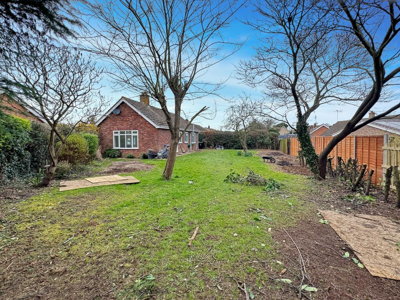
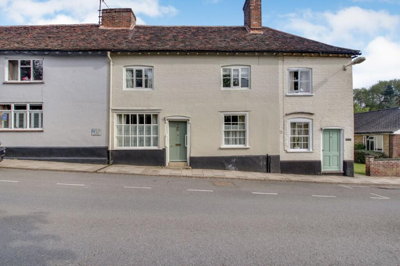
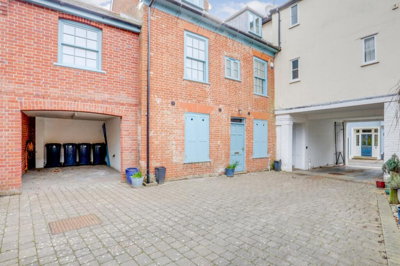
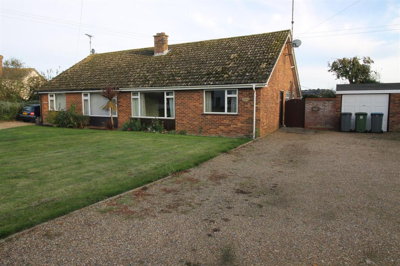
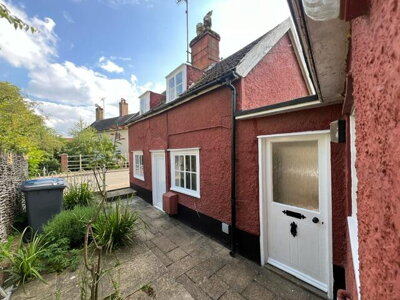
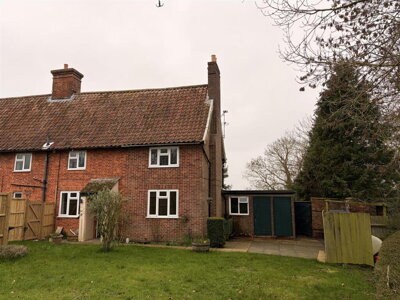
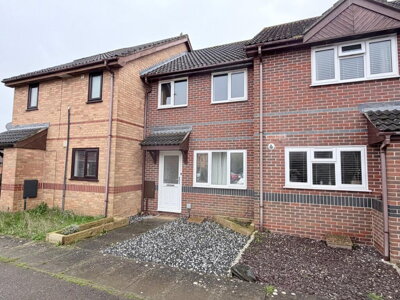
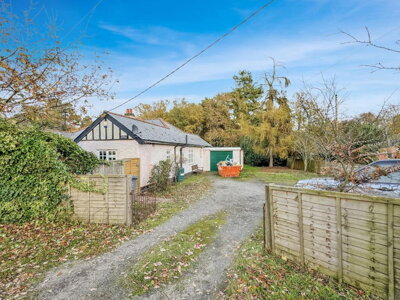
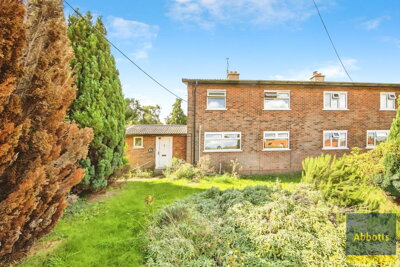
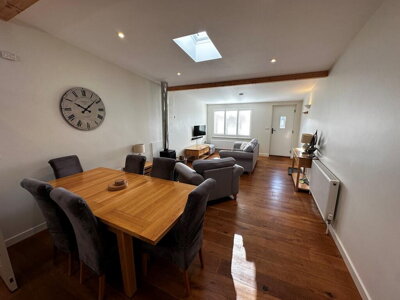
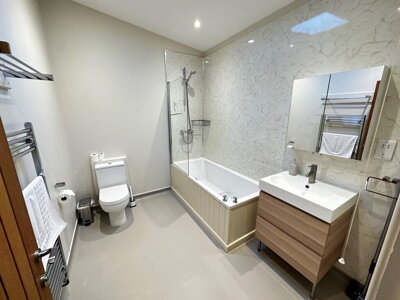
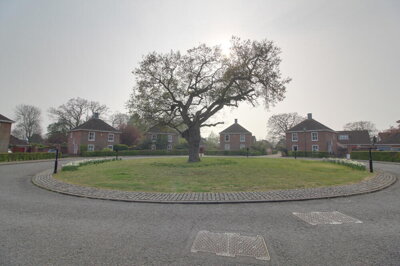
Browse 15 rental homes to rent in IP13 from local letting agents.
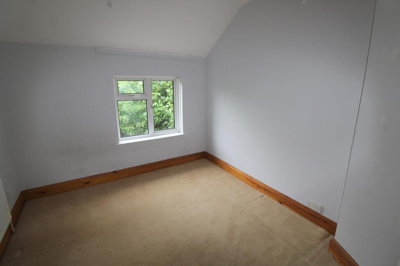
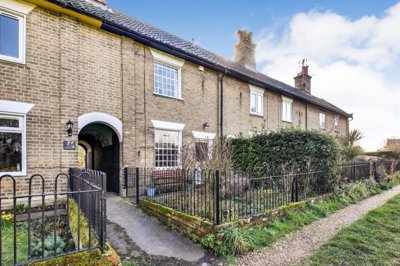
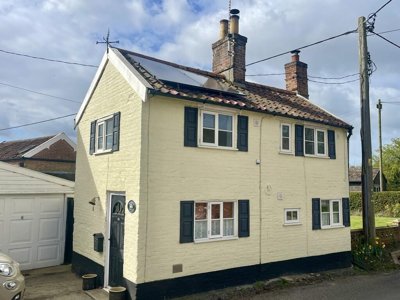
The 2 bed house market features detached, semi-detached, and terraced properties with two separate bedrooms plus living spaces. Properties in IP13 range from Victorian and Edwardian period homes to modern new builds, with pricing varying across different neighbourhoods.
£0/m
0
0
0
Source: home.co.uk
Showing 0 results for 2 Bedroom Houses to rent in IP13.
The rental market in IP13 has demonstrated steady growth and resilience, with house prices in the broader area averaging £438,315 according to recent market data from Rightmove, with Zoopla reporting similar figures at £436,339. While these figures represent sales prices rather than rentals, they indicate the underlying value of properties in this sought-after rural location. The market has seen a 3% increase over the past twelve months, though prices remain approximately 2% below the 2022 peak of £445,879, suggesting conditions that remain favourable for both landlords and tenants in the current climate. This stability makes the IP13 area an attractive proposition for those seeking long-term rental arrangements in a location where property values have historically held firm.
Property types available for rent in IP13 reflect the diverse housing stock of rural Suffolk, ranging from charming terraced cottages priced around £263,000-£272,000 in sales value equivalents to spacious detached family homes that can exceed £580,000 in market value. Semi-detached properties, typically valued between £326,000 and £332,000, offer an excellent balance of space and affordability for growing families. The area also features a selection of flats and apartments, particularly in the town centres, providing options for first-time renters and those seeking lower-maintenance accommodation. Understanding the sales market helps contextualise rental pricing, as buy-to-let investors base their rental expectations on capital values and yield calculations that reflect the local economic fundamentals of this productive agricultural region.
The rental market in this part of Suffolk benefits from a steady flow of new properties coming to market, with period properties commanding particular interest from tenants who appreciate original features such as exposed beams, inglenook fireplaces, and flagstone floors. Modern conversions, particularly those created from former agricultural buildings, offer contemporary living spaces within characterful rural settings. Our platform maintains updated listings from local letting agents covering the villages of Brandeston, Charsfield, Easton, Hacheston, and the surrounding countryside, ensuring you have access to the widest possible selection of rental properties in the IP13 postcode area.

Life in IP13 revolves around the gentle rhythms of rural Suffolk, where village communities maintain strong traditions while embracing modern conveniences. The area is characterised by picturesque streets lined with period properties, village greens surrounded by historic pubs, and the kind of natural beauty that makes daily walks a genuine pleasure rather than a chore. Residents enjoy access to excellent local produce through farmers markets, farm shops, and the growing network of artisan food producers that have established themselves in the region. The proximity to the Suffolk coast, including popular destinations like Aldeburgh and Southwold, adds an attractive dimension for those who appreciate beach outings and coastal walks as part of their lifestyle.
The demographic mix in IP13 reflects the area's broad appeal, attracting families seeking space for children to play freely, professionals who work remotely and value their home environment, and retirees looking to enjoy their later years in a supportive community setting. Local amenities are thoughtfully distributed across the larger villages and market towns, with essential services including GP surgeries, dental practices, pharmacies, and convenience stores all within reasonable driving distance. The sense of community extends beyond formal services, with village halls hosting regular events, sports clubs providing social opportunities, and local societies catering to diverse interests from gardening to local history. This strong community fabric creates an environment where new residents quickly feel at home and established residents maintain deep roots.
The village of Framlingham serves as a focal point for the surrounding IP13 area, offering a range of independent shops, cafes, and restaurants clustered around the historic Market Hill. The weekly market brings local producers together, while the famous Framlingham Castle provides a stunning backdrop for community events throughout the year. Other villages like Saxmundham provide additional amenities including a railway station, supermarkets, and health services, making them practical choices for tenants who need regular access to wider services. The combination of village charm and reasonable access to larger towns makes the IP13 postcode particularly attractive to those seeking to balance rural living with practical convenience.

Education provision in the IP13 area serves families well, with a network of primary schools distributed across the villages and towns that make up this dispersed rural postcode. These schools typically serve their immediate communities, offering children the benefit of early education in familiar surroundings where class sizes often allow for more individual attention than urban schools can provide. The quality of education in Suffolk's rural primary schools is generally strong, with Ofsted ratings providing reassurance for parents researching their options. For families considering longer-term rental arrangements, understanding catchment areas and admission policies becomes an important part of the decision-making process, as these factors can significantly influence the suitability of a particular property location.
Secondary education in the IP13 area is centred on schools in the larger towns, with students typically travelling reasonable distances to access their chosen institution. Several well-regarded secondary schools serve the surrounding region, offering comprehensive curricula alongside specialist subjects and extracurricular programmes that cater to diverse interests and talents. For families with sixth-form students, the options include both school sixth forms and further education colleges that provide a broader range of vocational and academic qualifications. Transport arrangements for secondary students are generally well-established, with school bus services connecting outlying villages to the main secondary schools in the area. Parents renting in IP13 should research specific school admissions criteria and consider how these align with their children's educational needs and future aspirations.
For families prioritising educational provision when choosing where to rent, properties within the Framlingham catchment area are particularly sought after, with Framlingham College Prep School serving younger children and the comprehensive schools in Saxmundham and nearby Woodbridge providing excellent secondary options. The transport links from IP13 villages to these schools are well-established, though prospective tenants should verify current bus routes and timings as these can change. Several villages in the postcode area are served by school transport operated by Suffolk County Council, making it practical for families to rent in more rural locations while ensuring children can access good schools.

Transport connectivity from IP13 reflects the rural character of the area, with residents relying primarily on private vehicles for everyday travel while benefiting from occasional public transport options for specific journeys. The A12 runs through the broader Suffolk region, providing a crucial north-south link that connects the IP13 area to Ipswich, Colchester, and London via the A14 and M11 corridors. For those working in the county town of Ipswich, the commute is manageable at around 30-40 minutes by car, making day commuting a practical option for those whose employers require regular office attendance. However, many residents of IP13 have embraced flexible working arrangements that reduce the frequency of longer journeys, making the rural location more practical than it might have been in previous decades.
Public transport options serving the IP13 area include bus services that connect villages to market towns and railway stations, though frequencies are naturally more limited than in urban areas. The nearest railway stations are located in larger towns outside the immediate IP13 boundary, with services to Ipswich and connections to London's Liverpool Street station available from stations like Saxmundham and Woodbridge. For those who need to travel regularly to London or other major centres, careful consideration of station access and parking availability should form part of the decision-making process when choosing where to rent in the area. Cycling infrastructure is developing across Suffolk, with quiet country lanes making cycling a pleasant option for shorter journeys, though the hilly terrain in parts of the area may require more effort than flat urban cycling routes.
For tenants working in Ipswich or the surrounding area, the drive to Saxmundham and then the train from Saxmundham to Ipswich provides a practical combined commute option. The journey by car to Saxmundham takes around 15-20 minutes from most villages in the IP13 area, making this a viable strategy for those who prefer not to drive into Ipswich directly. Local bus services, while limited, typically operate around school run times and market days, making them useful for specific purposes even if they cannot serve as primary transport for daily commuting. Prospective tenants without access to a car should factor the location of bus routes and timetables carefully when choosing which village to rent in.

Before beginning your property search in IP13, obtain a rental budget agreement in principle to understand how much you can afford to spend on monthly rent and associated costs. This document demonstrates your financial credibility to landlords and agents, streamlining the application process considerably. Consider additional costs such as council tax, utility bills, and contents insurance when calculating your true monthly expenditure.
Explore the villages and towns within IP13 to identify areas that match your lifestyle requirements, commute needs, and access to amenities. Consider factors like school catchment areas, pub and shop distances, and community atmosphere when narrowing your preferred locations. The villages closest to Saxmundham offer better access to trains and supermarkets, while more isolated locations provide greater tranquility but require more car journeys for everyday needs.
Once you identify suitable properties, arrange viewings to assess their condition and suitability. For rented properties, consider whether a basic survey or inventory check would provide useful documentation of the property's condition before you move in, protecting your deposit when you eventually leave. Many properties in rural Suffolk are older period homes where understanding the condition of features like the heating system, roof, and drainage is particularly valuable.
When you find your ideal home, submit a formal rental application including references, proof of income, and your rental budget in principle. Landlords in the competitive IP13 market often require good references and stable income verification before accepting tenants. Be prepared to move quickly when you find a property you want, as desirable rural homes can attract multiple enquiries quickly.
Upon successful application, you will sign a tenancy agreement that outlines the terms of your rental, including the deposit amount, notice periods, and your responsibilities as a tenant. Ensure you understand all terms before signing and keep a copy for your records. Standard Assured Shorthold Tenancies in the IP13 area typically run for six months initially, with the option to renew or move to a periodic tenancy afterwards.
Once your tenancy begins, conduct a thorough move-in inspection and document the condition of the property with photographs. Report any existing issues to your landlord immediately to ensure you are not held responsible for pre-existing damage when your tenancy ends. Take meter readings on the day you move in and notify utility suppliers promptly to ensure your account starts from the correct date.
Renting property in rural Suffolk requires attention to several factors specific to the IP13 area that may not be immediately apparent during a casual viewing. Properties in conservation areas are common, bringing planning restrictions that affect what alterations tenants can make and what permissions might be required for certain activities. Listed buildings, while charming, often come with additional obligations regarding maintenance and modifications that tenants should understand before committing to a tenancy. The age of many properties in the area means that features like single glazing, oil-fired heating systems, and septic tanks rather than mains drainage are more common than in newer developments, and renters should factor the running costs and maintenance of these features into their budget calculations.
Environmental considerations deserve attention when renting in IP13, particularly regarding flood risk in areas close to rivers and watercourses that cross the Suffolk countryside. While major flooding events are relatively uncommon, properties in low-lying positions or near streams should be researched carefully, and tenants should understand their responsibilities regarding maintenance of drains and gutters that serve the property. Ground conditions in parts of Suffolk can present challenges, with certain soil types requiring more attention to subsidence and heave issues than other areas. For rental properties, understanding the condition of the building and its history of maintenance provides important context for your tenancy, and a professional survey can help identify issues that might not be visible during a standard viewing.
Energy efficiency varies significantly between properties in the IP13 area, with older period homes often requiring more heating than modern equivalents. Properties with solid walls rather than cavity wall insulation, or those relying on electric storage heaters rather than oil or gas central heating, typically incur higher running costs. Before committing to a tenancy, ask about the typical energy performance certificate rating and recent upgrades such as double glazing, loft insulation, or modern boiler installation. Some landlords have invested in improving the energy efficiency of their rental properties, making them more comfortable and cheaper to run for tenants. An EPC assessment can provide detailed information about a property's energy performance and suggestions for improvements.

While specific rental price data for IP13 requires checking current listings, the sales market provides useful context, with average property prices around £438,000 and terraced properties typically valued between £263,000 and £272,000. Rental prices are influenced by property type, condition, and location within the postcode area, with larger detached homes commanding higher rents than cottages or flats. Contacting local letting agents directly provides the most accurate picture of current rental pricing in specific villages and towns across the Framlingham, Saxmundham, and surrounding areas.
Council tax bands in IP13 follow the standard Valuation Office Agency classifications, with most properties falling into bands A through E depending on their assessed value. Rural Suffolk properties, particularly older period homes and converted buildings, may attract various bands based on their characteristics. Properties in the IP13 area are typically managed by Suffolk County Council and the relevant district council, with current bands easily verifiable through the government council tax valuation website. Prospective tenants should check specific properties with the local council to confirm the exact band and associated annual costs.
The IP13 area offers good primary school options distributed across its villages, with several schools serving their local communities effectively. For secondary education, students typically travel to schools in larger towns, with admission determined by catchment area policies. The surrounding region is well-served by schools in Saxmundham, Woodbridge, and Debenham, each offering different strengths across academic and extracurricular activities. Researching current Ofsted reports and admission criteria helps families identify the most suitable options for their children's educational needs and future aspirations.
Public transport in IP13 is limited compared to urban areas, with bus services connecting villages to towns but with frequencies that require planning around specific timetables. Railway stations are located in nearby larger towns outside the immediate IP13 boundary, with Saxmundham station providing connections to Ipswich and onwards to London Liverpool Street. Most residents rely on private vehicles as their primary transport, though car clubs and taxi services provide alternatives for those without regular access to a car. The nearest station for direct London services is in Ipswich, around 30-40 minutes from most IP13 villages by car.
IP13 offers an exceptional quality of life for those who appreciate rural Suffolk living, with beautiful countryside, strong communities, and good access to the Suffolk coast. The rental market is smaller than urban areas, which means fewer properties available but also potentially less competition for those properties that do come to market. The villages of Framlingham, Saxmundham, and the surrounding countryside offer a range of amenities including independent shops, pubs, and restaurants alongside excellent walking routes and access to natural beauty. Families, remote workers, and those seeking space and tranquility generally find the area highly satisfactory, though the limited amenities compared to towns should be considered.
Standard deposits for rental properties are equivalent to five weeks' rent, held in a government-approved tenancy deposit scheme throughout your tenancy. The main schemes operating in the UK are the Deposit Protection Service, MyDeposits, and the Tenancy Deposit Scheme, all of which provide free dispute resolution if disagreements arise at the end of your tenancy. Tenant referencing fees, credit checks, and administrative costs are now largely restricted under the Tenant Fees Act 2019, though some landlords may still charge for permitted items. First-time renters should budget for the first month's rent plus deposit upfront, along with any applicable referencing or administration fees, and should request a full breakdown of costs before proceeding with an application.
The IP13 postcode area is characterised by its wealth of period properties, with many homes dating from the Georgian, Victorian, and earlier periods scattered throughout the villages and countryside. These properties often feature original features such as exposed beams, fireplaces, and sash windows that appeal to tenants seeking character homes. Renting a period property does require some acceptance of the maintenance challenges that come with older construction, including potential issues with damp, drafts, and dated heating systems. However, many landlords maintain their properties well, and the character and charm of rural Suffolk period homes makes them highly desirable for tenants who appreciate their unique qualities.
When viewing rental properties in rural Suffolk, pay particular attention to the heating system, as many properties use oil-fired boilers or storage heaters that may be older and less efficient than modern alternatives. Check for signs of damp or subsidence, particularly in properties built on clay soils which can be prone to movement during dry spells or periods of heavy rainfall. Verify the broadband speed and mobile phone signal, as these can vary significantly between villages and may affect your ability to work from home. Finally, ask about the drainage arrangements, as some rural properties use septic tanks or private water supplies rather than mains connections, which involve additional maintenance responsibilities and costs.
From 4.5% APR
A rental budget agreement helps you understand how much you can afford to borrow for moving costs and furniture.
From £50
Our tenant referencing service helps landlords verify your suitability for a rental property.
From £99
Protect your deposit with a professional inventory check at the start of your tenancy.
From £85
Get an energy performance certificate for your rental property to understand running costs.
Understanding the full financial commitment of renting in IP13 requires careful consideration of all costs beyond simply the monthly rent. The standard deposit requirement is five weeks' rent, held securely in a government-approved tenancy deposit scheme such as the Deposit Protection Service, MyDeposits, or the Tenancy Deposit Scheme throughout your tenancy. This deposit is returned at the end of your tenancy, less any deductions for damage beyond normal wear and tear or unpaid rent, provided the property is left in the same condition as when you moved in. Under the Tenant Fees Act 2019, landlords and agents are restricted in what fees they can charge, though some permitted payments for things like lost keys or late rent may still apply.
Additional upfront costs to budget for include your first month's rent in advance, often required alongside the deposit at the start of your tenancy. Referencing fees, while restricted under the Tenant Fees Act, may still be charged by some landlords, and it is worth asking about these costs before beginning the application process. If you require a mortgage or larger loan to cover moving costs and furniture, a rental budget agreement can help you understand your borrowing capacity before committing to a tenancy. Many tenants in IP13 find it helpful to arrange an independent inventory check at the start of their tenancy, documenting the condition of the property thoroughly to protect themselves when they come to leave. The investment in a comprehensive inventory provides valuable protection for your deposit and helps ensure a smooth end to your tenancy.
Monthly costs in addition to rent typically include council tax, which varies by property band, plus utility bills for gas, electricity, oil, and water. Rural properties may have higher heating costs due to oil deliveries and less modern insulation, so obtaining an EPC before signing helps you estimate these ongoing expenses accurately. Contents insurance is another worthwhile cost that many tenants overlook, protecting your belongings against theft, fire, or damage. Our platform helps you understand all the costs involved in renting in the IP13 area, ensuring you can budget properly for your new home without encountering unexpected expenses.

Properties to Rent In London

Properties to Rent In Plymouth

Properties to Rent In Liverpool

Properties to Rent In Glasgow

Properties to Rent In Sheffield

Properties to Rent In Edinburgh

Properties to Rent In Coventry

Properties to Rent In Bradford

Properties to Rent In Manchester

Properties to Rent In Birmingham

Properties to Rent In Bristol

Properties to Rent In Oxford

Properties to Rent In Leicester

Properties to Rent In Newcastle

Properties to Rent In Leeds

Properties to Rent In Southampton

Properties to Rent In Cardiff

Properties to Rent In Nottingham

Properties to Rent In Norwich

Properties to Rent In Brighton

Properties to Rent In Derby

Properties to Rent In Portsmouth

Properties to Rent In Northampton

Properties to Rent In Milton Keynes

Properties to Rent In Bournemouth

Properties to Rent In Bolton

Properties to Rent In Swansea

Properties to Rent In Swindon

Properties to Rent In Peterborough

Properties to Rent In Wolverhampton

Enter your details to see if this property is within your budget.
Loans, cards, car finance
Estimated property budget
Borrowing + deposit
You could borrow between
Typical borrowing
Monthly repayment
Est. at 4.5%
Loan-to-value
This is an estimate only. Your actual budget may vary depending on interest rates, credit history, and personal circumstances. For an accurate affordability assessment, speak to one of our free mortgage advisors.
This calculator provides estimates for illustrative purposes only and does not constitute financial advice. Your home may be repossessed if you do not keep up repayments on your mortgage. Estimates based on 4.5% interest rate, repayment mortgage. Actual rates depend on your circumstances.
Homemove is a trading name of HM Haus Group Ltd (Company No. 13873779, registered in England & Wales). Homemove Mortgages Ltd (Company No. 15947693) is an Appointed Representative of TMG Direct Limited, trading as TMG Mortgage Network, which is authorised and regulated by the Financial Conduct Authority (FRN 786245). Homemove Mortgages Ltd is entered on the FCA Register as an Appointed Representative (FRN 1022429). You can check registrations at NewRegister or by calling 0800 111 6768.

We use cookies to show you personalised content and improve your experience of our website. Find out more in our Privacy policy and Cookie policy.