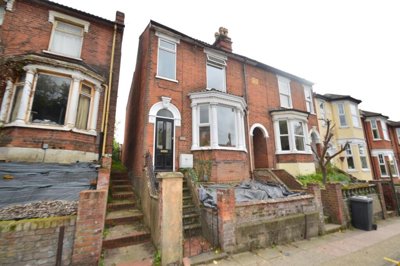
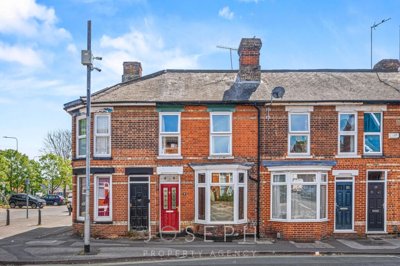
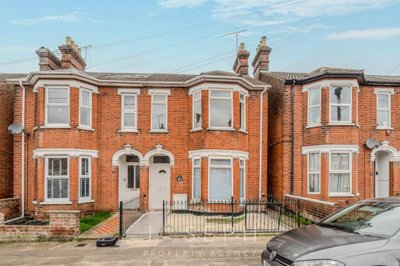
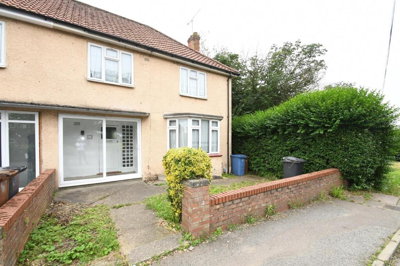
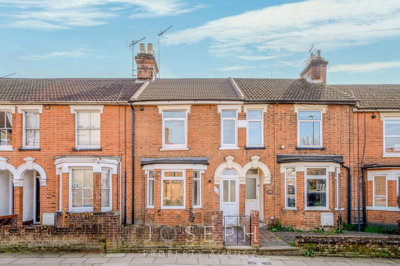
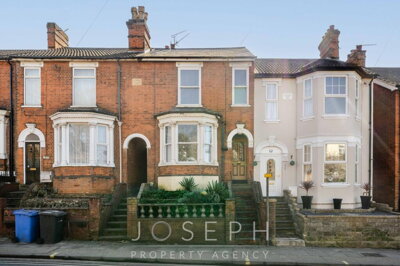
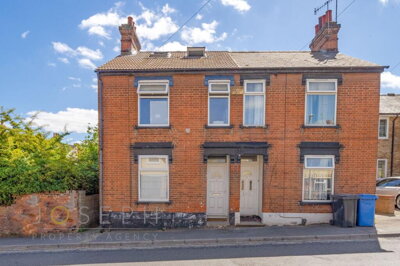
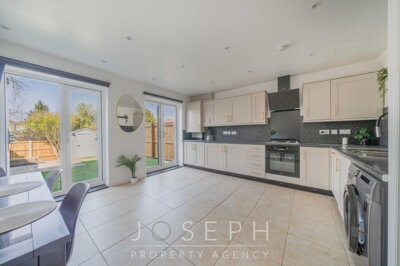
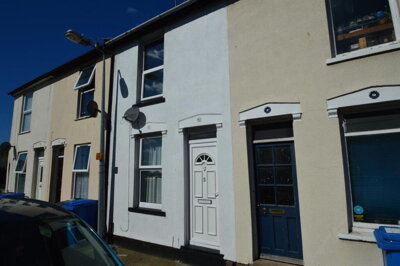
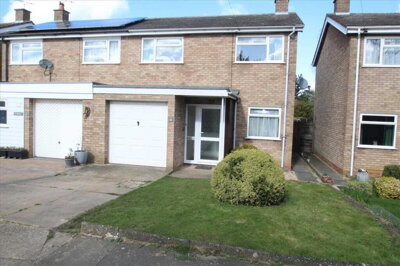
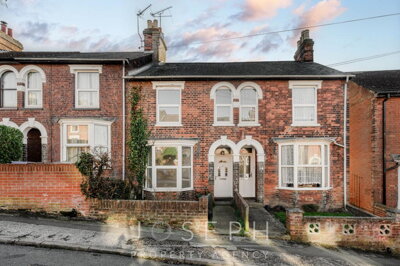
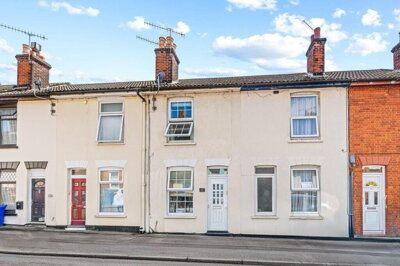
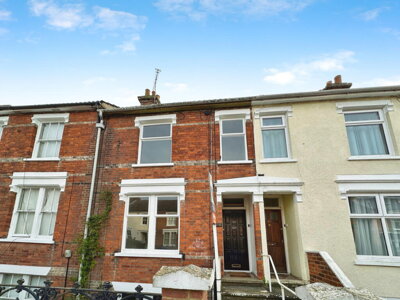
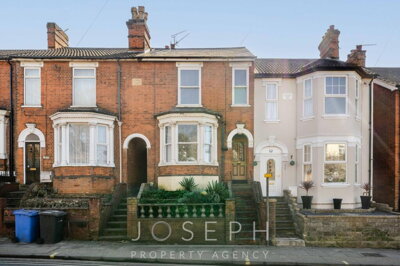
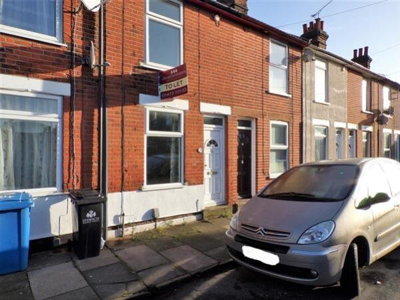
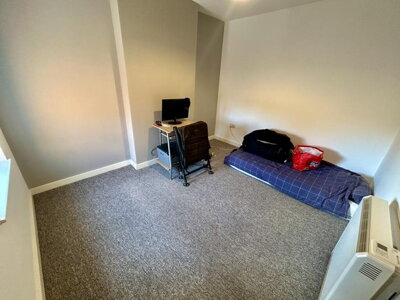
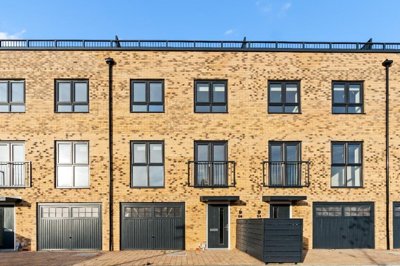
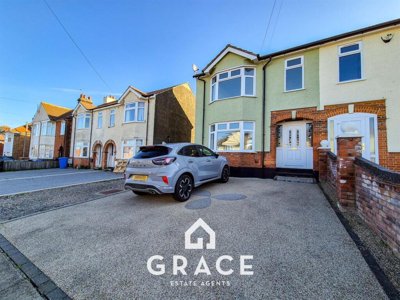
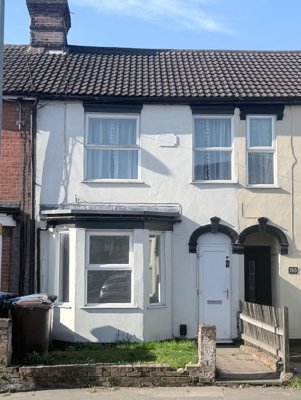
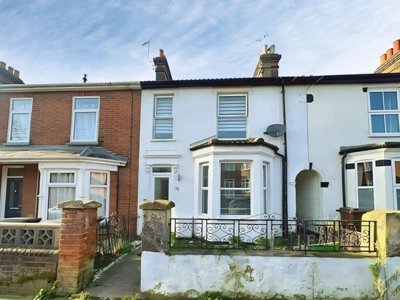
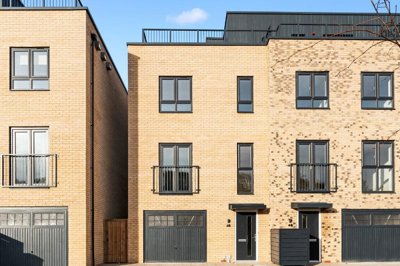
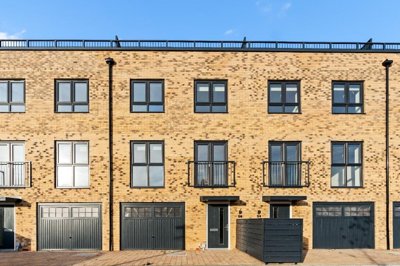
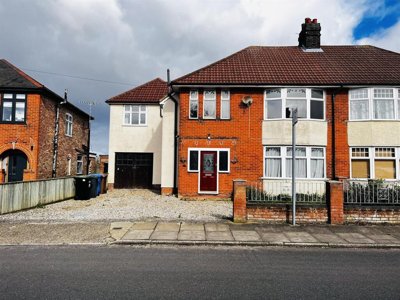
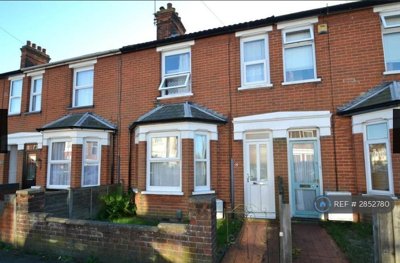
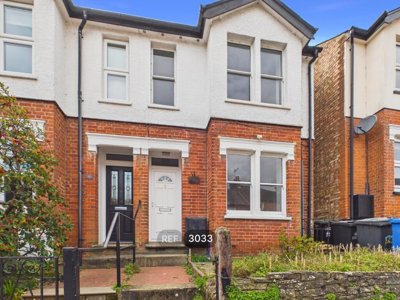
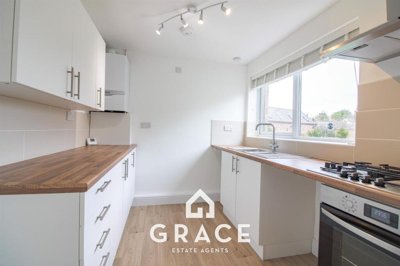
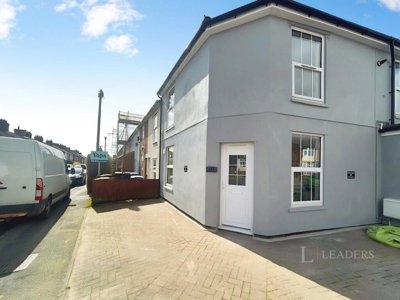
Browse 97 rental homes to rent in IP1 from local letting agents.
The IP1 property market offers detached, semi-detached, and terraced houses spanning various price ranges and neighbourhoods. Each listing includes detailed property information, photographs, and direct contact with the marketing agent.
£1,195/m
9
0
41
Source: home.co.uk
Showing 9 results for Houses to rent in IP1. The median asking price is £1,195/month.
Source: home.co.uk
Semi-Detached
6 listings
Avg £1,278
Terraced
3 listings
Avg £1,048
Source: home.co.uk
Source: home.co.uk
The rental market in IP1 offers excellent variety for tenants seeking different property types and price points. Flats in the area typically command around £156,667 in value, making them an affordable entry point for young professionals and students who want to live in the town centre without the costs associated with larger properties. Terraced houses average £222,250, providing more space and often featuring the Victorian and Edwardian architecture that gives many IP1 streets their distinctive character. Semi-detached properties at approximately £272,000 offer families additional bedrooms and outdoor space while remaining competitively priced compared to similar properties in neighbouring counties.
One of the most notable features of the IP1 rental market is the significant new build activity concentrated around the waterfront and town centre areas. Orbit Homes has developed an extensive portfolio of apartment complexes in the IP1 1XF postcode, offering contemporary 1 and 2 bedroom apartments designed to meet modern living standards. These developments include properties such as St Peter's Wharf, The Maltings, Wolsey Gate, The Mill, The Wharf, The Waterfront, The Quays, The Point, and The View, all featuring quality fittings and often including amenities such as gym facilities, concierge services, and underground parking. The Winerack development by John Youngs adds further variety with its selection of 1, 2, and 3 bedroom apartments, catering to different household sizes and requirements.
Beyond the established waterfront developments, IP1 has seen continuous investment from Orbit Homes with newer schemes including The Edge near the station, The Hub offering convenient town centre access, and The Riverside and Marina developments bringing additional modern apartments to the rental market. These newer developments typically feature open plan living spaces, floor-to-ceiling windows, and energy-efficient designs that appeal to tenants prioritising comfort and sustainability. The Ridge and The Park developments offer slightly different character, providing options for those seeking green spaces nearby while remaining close to the town centre amenities that make IP1 so desirable for renters.

Life in IP1 revolves around the unique blend of historic heritage and contemporary living that defines Ipswich as Suffolk's county town. The area encompasses the vibrant town centre with its mix of independent shops, national retailers, and weekly markets held in the Cornhill area. Residents enjoy easy access to cultural attractions including the Ipswich Museum, Christchurch Mansion, and the New Wolsey Theatre, which hosts a varied programme of performances throughout the year. The Waterfront area has transformed in recent decades from an industrial port zone into a desirable residential and leisure destination, with restaurants, cafes, and bars lining the docks where boats bob alongside modern apartment buildings.
The character of IP1 varies considerably depending on which neighbourhood you choose. The town centre offers apartment living with everything on your doorstep, ideal for those who prioritse convenience and a social lifestyle. Areas slightly further out, such as those bordering the River Orwell, provide a quieter residential feel while remaining within walking distance of all amenities. The community atmosphere in IP1 is welcoming and inclusive, with various events and festivals throughout the year bringing residents together. Local parks and green spaces offer opportunities for relaxation and recreation, with Christchurch Park being a particular highlight featuring historic features and open meadows.
The waterfront district deserves special mention as the focal point of IP1's transformation over recent decades. Former industrial warehouses and docklands have been converted and replaced with contemporary apartments, waterside restaurants, and leisure facilities that attract both residents and visitors. The Wetland and Estuary areas have particularly benefited from this regeneration, with The Strand and The Beach developments offering residents stunning views across the water. The Marina and Quay areas provide an active social scene, while the more residential sections like The Riverside offer a quieter pace of life without sacrificing access to waterfront amenities.

Families considering renting in IP1 will find a good selection of educational establishments serving different age groups and requirements. The area includes several primary schools within easy walking distance of residential neighbourhoods, making the morning school run manageable for busy parents. Secondary education options in the wider Ipswich area include both comprehensive schools and selective grammar schools for academically able students, with admission determined by the 11-plus examination process. St Joseph's College in Ipswich provides an independent education option for families seeking an alternative to the state system, offering both primary and secondary education alongside excellent facilities.
For those pursuing higher education, the University of Suffolk has its main campus in Ipswich, offering undergraduate and postgraduate degrees across various disciplines. The university continues to expand its range of courses and facilities, attracting students from across the region and beyond. Further education opportunities are available at Suffolk One Sixth Form College and East Coast College, providing vocational qualifications and A-levels for students completing their secondary education. The presence of these educational institutions makes IP1 an attractive location for academic staff and support workers seeking rental accommodation within easy commuting distance of their workplace.
The proximity of educational facilities to different residential areas within IP1 is worth considering when selecting a rental property. Properties near The Green and The Common developments provide easy access to several primary schools including St Mary's at Tower Hamlets and St Helen's Primary School, both rated Good by Ofsted. Families with older children may prefer locations closer to the grammar school catchments in the eastern parts of IP1, where Chantry High School and St Alban's Catholic High School serve students from Year 7 onwards. University of Suffolk students often gravitate toward the waterfront apartments around The Marina and The Quays, enjoying the short walk to campus alongside the social atmosphere of these modern developments.

Transport connectivity from IP1 ranks among the strongest in Suffolk, making it an excellent base for commuters working in London, Cambridge, or other major centres. Ipswich railway station provides regular services to London Liverpool Street, with journey times of approximately 60-75 minutes making day commuting feasible for those working in the capital several days per week. The station also offers connections to Norwich, Cambridge, and Peterborough, opening up employment opportunities across the East of England. For drivers, the A14 trunk road passes close to Ipswich, providing access to Felixstowe port and connections to the national motorway network via the M25 and M11.
Local public transport within IP1 includes frequent bus services operated by Ipswich Buses, serving residential areas, the hospital, retail parks, and surrounding towns including Colchester and Woodbridge. The town centre is compact enough that many residents find cycling a practical option for daily travel, with dedicated cycle lanes improving safety for cyclists navigating the main roads. For air travel, Stansted Airport is approximately 70 miles away and accessible by road or rail, while Norwich Airport offers domestic and European flights within easier reach for residents of north Suffolk. The excellent transport infrastructure explains why many renters choose IP1 as their base, balancing the benefits of town centre living with practical commuting requirements.
Properties near the railway station in IP1 command a premium among commuters, with developments such as The Summit, The Peak, and The Crest offering the shortest walking distances to platform access. The station itself has undergone significant improvements in recent years, with better passenger facilities and increased service frequency making daily travel more convenient. For those who drive, the A14 provides direct access to Cambridge to the northwest and Felixstowe docks to the east, with The Port and Dock areas of IP1 offering particularly convenient access for those working in logistics and distribution sectors. The Glass and Steel developments near the station benefit from this accessibility while still enjoying all the amenities of the town centre on foot.

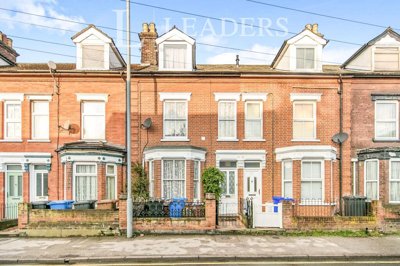
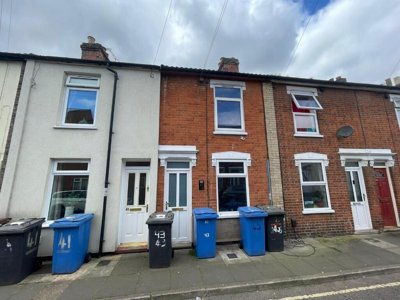
The built environment of IP1 reflects Ipswich's long history as a trading port and regional centre, with property types spanning several centuries of construction. Victorian and Edwardian terraced houses dominate many residential streets, characterised by their bay windows, original fireplaces, and the characteristic red brick construction typical of late 19th century builders. These period properties often feature higher ceilings and larger room proportions than modern equivalents, providing a sense of space that newer apartments cannot always match. Many have been converted into flats over the decades, offering character accommodation with original features such as cornicing and wooden floors.
The Georgian architecture around the older parts of the town centre represents some of IP1's oldest residential buildings, with properties on streets near the waterfront dating back to the 18th century when maritime trade drove development in this area. These buildings typically feature sash windows, panelled doors, and more ornate interior details reflecting the prosperity of merchants who once occupied them. Conservation area designations protect many of these historic structures, meaning tenants should understand that certain modifications may require permission from Ipswich Borough Council planning department before undertaking any alterations to the property.
Contemporary construction in IP1 takes various forms, from the steel-framed apartment blocks of the waterfront regeneration to traditional brick-and-block builds in residential schemes. The newer Orbit Homes developments around The Wood, The Stone, and The Clay use modern construction methods while respecting the aesthetic character of their surroundings. Many modern apartments feature triple-glazed windows, mechanical ventilation with heat recovery (MVHR) systems, and high levels of insulation that contribute to lower energy bills for tenants. The Concrete and Brick developments demonstrate how contemporary design can complement rather than compete with historic architecture, using materials that echo the industrial heritage of the waterfront while meeting current building regulations.

Understanding the local geology and flood risk profile is important when renting properties in IP1, particularly those near the River Orwell and its tributaries. The geology of the Ipswich area consists largely of London Clay in the western parts, transitioning to sands and gravels closer to the river, with alluvial deposits in the lowest-lying areas near the waterfront. These ground conditions have influenced building practices over the centuries, with older properties often built on deeper foundations than modern standards require. Properties in The Fen, The Bog, and The Mire areas of IP1 sit on ground that has historically been wetter, and this should be considered when viewing properties in these localities.
Flood risk in IP1 varies significantly depending on proximity to watercourses, with the Environment Agency mapping showing higher risk near the River Orwell and in low-lying areas of the waterfront district. Properties in developments such as The Riverside, The Waterfront, The Marina, and The Quays have received significant investment in flood resilience measures including raised electrical systems, flood-resistant doors, and improved drainage. Landlords of properties in these areas are required to provide tenants with information about flood risk as part of theHow to Rent guide, and prospective tenants should ask for this information before committing to a tenancy.
For tenants renting ground floor properties in riverside locations, contents insurance becomes particularly important and may cost more than equivalent policies for properties at higher elevations. The Marsh and The Moor areas, which sit in the transition zone between the built-up town centre and open countryside, may experience occasional standing water after heavy rainfall, though major flood events affecting residential properties remain uncommon. The Sandy and Gravelly nature of soils in areas like The Sands, The Dunes, and The Stones generally provides good drainage, though the clay content in western parts of IP1 can lead to subsidence issues in properties with poorly maintained drainage or trees planted too close to foundations.

Renting in IP1 requires careful attention to several factors specific to the local property market and the historic nature of many buildings in this Suffolk town. Properties in the town centre and waterfront areas may be subject to specific planning conditions relating to conservation areas, which can affect what alterations tenants are permitted to make. Before committing to a tenancy, ask the landlord or letting agent whether the property falls within any designated conservation zones and understand what restrictions this might impose on your use of the property. This is particularly relevant for apartments in converted Victorian or Edwardian buildings that characterise many streets in IP1.
Flood risk awareness is important when renting properties near the River Orwell or in lower-lying areas of IP1. While major flooding events are relatively rare, checking the Environment Agency flood maps for the specific address you are considering provides valuable information about historical flood events and future risk. Properties on lower floors in riverside developments may require additional contents insurance coverage, and landlords should be able to confirm what flood resilience measures are in place. Service charges and maintenance fees for flats can vary significantly depending on the development, so request a copy of the most recent service charge breakdown to understand exactly what is included and avoid unexpected bills during your tenancy.
The condition of the property at the start of your tenancy matters greatly for protecting your deposit when you leave. Request a thorough inventory check before moving in, documenting any existing damage or wear with photographs and written notes agreed by both parties. This protects you from being charged for damage that existed before your tenancy began. For apartments in larger developments, check what parking arrangements are available as town centre living often means limited parking, and some developments charge additional fees for parking spaces that are not included in the rent.
Energy performance varies considerably across IP1's diverse property types, with some period properties having low EPC ratings due to solid walls and single-glazed windows. Modern apartments in developments such as The Glass, The Steel, and The Timber typically achieve EPC ratings of B or above, benefiting from current building standards and efficient heating systems. For tenants concerned about energy costs, this is worth asking about before signing a tenancy agreement, as heating an older Victorian flat can prove significantly more expensive than a well-insulated modern apartment despite potentially lower rent asking prices.
Before viewing properties in IP1, obtain a rental budget in principle to understand exactly how much rent you can afford. This involves a simple affordability check that most letting agents and landlords will expect before offering viewings. Most lenders and letting agents use a multiple of your monthly income to calculate what rent you can comfortably sustain.
Spend time exploring different areas within IP1 to find the neighbourhood that best suits your lifestyle and requirements. Consider factors such as distance to work, school catchment areas, transport links, and the availability of local amenities like shops and parks. The waterfront developments offer modern amenities but at premium rents, while the terraced streets around The Clay and The Stone provide more character at potentially lower costs.
Once you have identified suitable rental properties, contact the letting agent or landlord to arrange viewings. Take the opportunity to inspect the property thoroughly, checking the condition of fixtures, fittings, and any appliances included in the rent. Pay particular attention to the windows, doors, and plumbing, as these are common sources of problems in rental properties.
If you find a property you wish to rent, complete the application process promptly. This typically involves providing references, proof of identity, employment details, and permission for credit checks to be conducted. Many letting agents in IP1 use online referencing platforms that can process your application within 24-48 hours of receiving all required documentation.
Before signing, read your tenancy agreement carefully and ensure you understand your rights and responsibilities as a tenant. Pay attention to the length of the tenancy, notice periods, deposit arrangements, and any clauses relating to pets, smoking, or alterations. Standard Assured Shorthold Tenancies in IP1 typically run for 6 or 12 months with the option to renew.
Once your application is approved and the tenancy agreement is signed, coordinate the move-in date with your landlord or letting agent. Document the property condition with a detailed inventory check to protect your deposit when you eventually leave. This should include checking all appliances, fixtures, and fittings against the inventory prepared by the landlord.
While specific rental figures are not provided in our market data, the average house price in IP1 is £258,958, with property types ranging from flats at approximately £156,667 to detached houses at around £408,083. Rental prices in IP1 typically offer good value compared to London and the Home Counties, with modern apartments in the waterfront developments commanding premium rents while terraced houses and period properties offer more affordable options for families. Contact local letting agents for current rental listings that match your requirements and budget.
Properties in IP1 fall under Ipswich Borough Council, with council tax bands ranging from A through to H depending on the property value and type. Most flats and smaller terraced houses in IP1 fall into bands A to C, meaning lower annual council tax payments compared to larger properties. You can check the specific band for any property through the Valuation Office Agency website using the property address, and Ipswich Borough Council provides various council tax support schemes for eligible residents.
IP1 offers educational options for all ages, including primary schools such as St Mary's at Tower Hamlets and St Helen's Primary School, both rated Good by Ofsted. For secondary education, students in IP1 may apply to the Ipswich Grammar Schools, Chantry High School, or St Alban's Catholic High School depending on catchment areas and admission criteria. The University of Suffolk provides higher education opportunities within the town, making IP1 suitable for families with children at all educational stages.
IP1 benefits from excellent public transport links centred around Ipswich railway station, which offers regular services to London Liverpool Street with journey times of approximately 70 minutes. Local bus services operated by Ipswich Buses connect IP1 with surrounding areas including Colchester, Woodbridge, and Felixstowe. The town centre layout means many amenities are walkable, and the waterfront area is easily accessible on foot or by bike from most residential areas within the postcode.
IP1 offers renters an attractive combination of urban conveniences, affordable living costs, and strong transport connections that make it competitive with larger cities while maintaining a more intimate community feel. The significant investment in new build apartments, particularly around the waterfront, has expanded the range of modern rental options available. Residents benefit from the cultural amenities of a county town, including theatres, museums, restaurants, and shopping facilities, without the premium prices charged in London and the Southeast.
Standard deposits for rental properties in England are capped at five weeks rent for properties with annual rent up to £50,000. Most letting agents in IP1 charge referencing fees, administration costs, and inventory check fees that can total several hundred pounds. As a first-time renter, you may qualify for relief on certain charges, and some deposits are now held in government-approved schemes rather than by the landlord directly. Always request a full breakdown of all costs before committing to a tenancy.
Yes, several parts of IP1 fall within designated conservation areas, including the historic core around the Waterfront and sections of the older residential streets near Christchurch Park. Properties in these areas are subject to additional planning controls that affect what alterations tenants may make without seeking permission. If you are considering renting a property in a conservation area, discuss any plans for modifications with your landlord before committing to the tenancy, as permissions can take weeks or months to obtain.
The IP1 1XF postcode area has seen extensive new build activity, particularly from Orbit Homes which has developed dozens of apartment schemes including St Peter's Wharf, The Maltings, Wolsey Gate, The Mill, and The View. These modern apartments typically feature contemporary interiors, on-site amenities, and proximity to the waterfront district. The Winerack development by John Youngs offers larger 1, 2, and 3 bedroom options suitable for families. Newer schemes like The Edge near the station and The Hub in the town centre provide additional choice for renters seeking modern accommodation in IP1.
Flood risk in IP1 is concentrated near the River Orwell and in lower-lying areas of the waterfront district. The Environment Agency designates these areas as having medium to high probability of flooding, particularly for ground floor and basement properties. Developments like The Riverside, The Marina, and The Waterfront have incorporated flood resilience measures, but tenants should verify that appropriate insurance is in place. Properties in the town centre at higher elevations face minimal flood risk, making them suitable choices for tenants who are concerned about this issue.
Understanding the costs involved in renting a property in IP1 helps you budget accurately and avoid any surprises during the application process. The deposit you will pay is typically equivalent to five weeks rent for properties with annual rent below £50,000, which is the legal maximum under the Tenant Fees Act 2019. This deposit must be protected in a government-approved scheme within 30 days of receiving it, and you should receive written confirmation of where your money is held. For a property renting at £1,000 per month, this means a deposit of approximately £2,300 that you should expect to receive back at the end of your tenancy, minus any deductions for damage beyond reasonable wear and tear.
Additional fees when renting in IP1 may include referencing fees covering credit checks, employment verification, and landlord references, typically ranging from £100 to £200 per applicant. Administration fees charged by letting agents have been largely abolished for standard tenancy-related costs under the Tenant Fees Act, but some agents still charge check-in fees for property inventories and check-out fees at the end of your tenancy. These inventory-related costs usually fall between £150 and £300 depending on the size of the property. Before signing any tenancy agreement, request a complete breakdown of all charges in writing and query anything you do not understand. First-time renters should note that certain fee exemptions may apply depending on your circumstances.
Holding deposits, sometimes called reservation fees, may be requested to take a property off the market while references are checked. These are typically capped at one week's rent and are deducted from the final deposit payment or first month's rent. Be cautious about paying holding deposits before you are confident the property meets your requirements, as recovering these payments can be difficult if circumstances change. The Tile and The Slate developments and other managed apartment blocks may have their own application processes with specific fees, so always confirm the total upfront costs before proceeding with a reservation.
From 4.5%
Our team helps calculate what rent you can afford based on your income and circumstances
From £99
Complete referencing checks to strengthen your rental application
From £95
Professional inventory to protect your deposit at move-out
From £85
Energy performance certificate for IP1 rental properties
Properties to Rent In London

Properties to Rent In Plymouth

Properties to Rent In Liverpool

Properties to Rent In Glasgow

Properties to Rent In Sheffield

Properties to Rent In Edinburgh

Properties to Rent In Coventry

Properties to Rent In Bradford

Properties to Rent In Manchester

Properties to Rent In Birmingham

Properties to Rent In Bristol

Properties to Rent In Oxford

Properties to Rent In Leicester

Properties to Rent In Newcastle

Properties to Rent In Leeds

Properties to Rent In Southampton

Properties to Rent In Cardiff

Properties to Rent In Nottingham

Properties to Rent In Norwich

Properties to Rent In Brighton

Properties to Rent In Derby

Properties to Rent In Portsmouth

Properties to Rent In Northampton

Properties to Rent In Milton Keynes

Properties to Rent In Bournemouth

Properties to Rent In Bolton

Properties to Rent In Swansea

Properties to Rent In Swindon

Properties to Rent In Peterborough

Properties to Rent In Wolverhampton

Enter your details to see if this property is within your budget.
Loans, cards, car finance
Estimated property budget
Borrowing + deposit
You could borrow between
Typical borrowing
Monthly repayment
Est. at 4.5%
Loan-to-value
This is an estimate only. Your actual budget may vary depending on interest rates, credit history, and personal circumstances. For an accurate affordability assessment, speak to one of our free mortgage advisors.
This calculator provides estimates for illustrative purposes only and does not constitute financial advice. Your home may be repossessed if you do not keep up repayments on your mortgage. Estimates based on 4.5% interest rate, repayment mortgage. Actual rates depend on your circumstances.
Homemove is a trading name of HM Haus Group Ltd (Company No. 13873779, registered in England & Wales). Homemove Mortgages Ltd (Company No. 15947693) is an Appointed Representative of TMG Direct Limited, trading as TMG Mortgage Network, which is authorised and regulated by the Financial Conduct Authority (FRN 786245). Homemove Mortgages Ltd is entered on the FCA Register as an Appointed Representative (FRN 1022429). You can check registrations at NewRegister or by calling 0800 111 6768.

We use cookies to show you personalised content and improve your experience of our website. Find out more in our Privacy policy and Cookie policy.