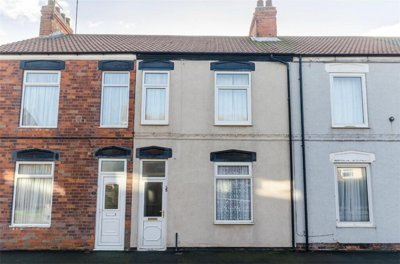
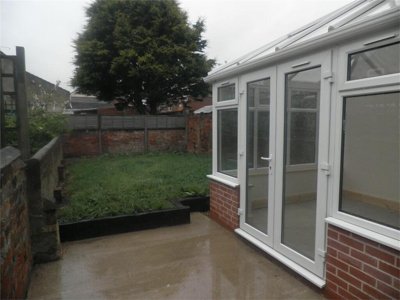
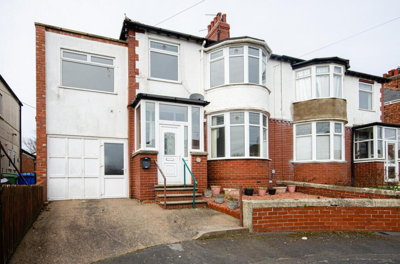
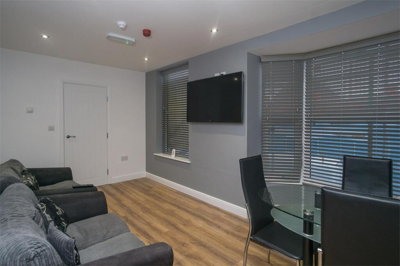
Browse 11 rental homes to rent in HU19 from local letting agents.
£525/m
1
1
7
Source: home.co.uk
Source: home.co.uk
Terraced
1 listings
Avg £525
Source: home.co.uk
Source: home.co.uk
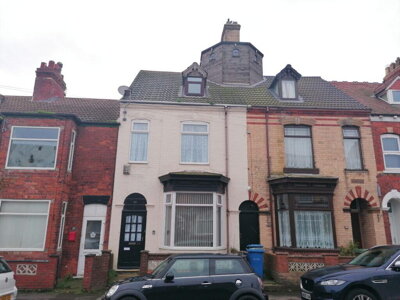
The HU19 rental market centres primarily on Withernsea, a coastal town where terraced properties make up approximately 35-40% of the housing stock alongside semi-detached homes at 30-35%. Semi-detached houses typically command rents around £650-850 per month depending on condition and location, while terraced properties in the town centre or near the seafront often fall in the £500-700 range. Detached family homes in HU19, representing 20-25% of stock, tend to be sought after by growing families and may reach £900-1,200 per month for well-presented three or four-bedroom properties. Flats remain relatively uncommon in HU19 at only 5-10% of housing stock but where available often fall in the £450-600 range.
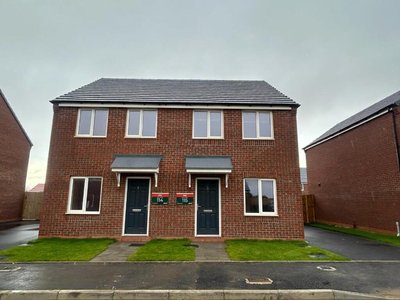
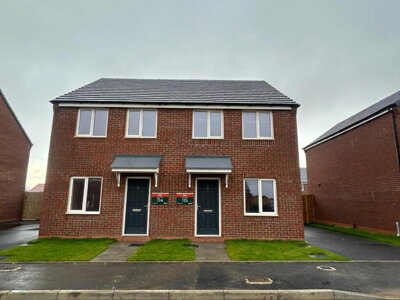
The local rental market benefits from strong demand from families attracted by affordable housing costs compared to Hull or Leeds, while seasonal visitors seeking holiday lets also influence availability during summer months. Our data shows approximately 200 properties changing hands across all tenures in HU19 over the past year, indicating a healthy level of market activity. New housing developments such as Cherry Tree Lane (Lovell Homes), Sandringham Gate (Persona Homes), and The Sycamores (Barratt Homes) are bringing modern properties to the area, though these new-build homes typically appear for sale rather than rent. Properties on these developments at addresses like HU19 2PE and HU19 2ES offer two, three, and four-bedroom homes from around £164,995 to £169,995 for those seeking to purchase instead.
Rental prices in HU19 fluctuate based on property condition, recent improvements, and seasonal demand from tourism workers or holiday seekers. The post-war housing stock representing around 30-35% of properties provides many affordable rental options, while Victorian and Edwardian properties in the historic town centre offer character homes that sometimes command premium rents. Properties near popular primary schools often attract families willing to pay a premium for convenient access, making school catchments an important consideration when searching for rental properties in HU19.

HU19 encompasses Withernsea along with surrounding villages and open countryside in the East Riding of Yorkshire, creating a predominantly residential area where the character blends Victorian and Edwardian architecture in the historic town centre with post-war housing developments and more recent construction on the outskirts. The town serves as a local service centre for the surrounding rural communities, offering a range of amenities including supermarkets, independent shops along Queen Street and Carlton Avenue, healthcare facilities at the local medical practice, and leisure services at the Community Centre. The shopping precinct provides day-to-day essentials while the traditional high street maintains its role as the commercial heart of the community.
The area's geology presents some considerations for residents, as HU19 sits on boulder clay (till) overlying chalk bedrock, with the clay having moderate to high shrink-swell potential that can affect foundations during extreme weather conditions. Properties with inadequate foundations or those close to large trees may show signs of subsidence or heave movement, potentially manifesting as cracking to external walls or doors and windows sticking. These geological factors are worth discussing with landlords when viewing older properties, and renters should inspect carefully for any signs of previous structural movement or underpinning works.
Coastal flooding remains a consideration given Withernsea's position on the Holderness Coast, one of Europe's fastest eroding coastlines, with tidal surges and surface water during heavy rainfall requiring awareness rather than undue concern for most properties. Surface water flooding can be a concern during heavy rainfall events due to the relatively flat topography and clayey soils, with areas closer to the coast identified as having some areas at risk. The town has a designated Conservation Area covering the historic core and seafront, where several listed buildings including the iconic Withernsea Lighthouse and various Victorian and Edwardian structures reflect the heritage that continues to shape local character. Properties very close to the coastline may show signs of structural stress over time, though the broader town area remains at distance from active erosion concerns.

Families considering rental properties in HU19 will find a selection of educational establishments serving the local community, from primary schools through to further education options. The area includes several primary schools serving different catchment areas within Withernsea and surrounding villages, with the town providing secondary education options for students progressing from primary level. The presence of good schools influences rental demand significantly, with properties near popular primary schools often attracting families willing to pay a premium for convenient access. Families should research current Ofsted ratings and visit schools during open days to find the best fit for their children's needs.
The property age distribution in HU19 means many rental homes will be older constructions where families can benefit from established neighbourhood characteristics and school catchments. Approximately 25-30% of properties date from the Victorian and Edwardian periods, particularly in the older parts of Withernsea, while 30-35% represent post-war expansion from 1945-1980. These established neighbourhoods often sit within good school catchments and offer mature street environments with trees and gardens. Only around 15-20% of properties post-date 1980, with more recent developments such as Cherry Tree Lane and The Sycamores offering modern homes on the outskirts of town.
For families with older children, understanding sixth form provision and proximity to colleges becomes important when choosing where to rent. The Withernsea area provides secondary education for students aged 11-18, though families may also explore options in surrounding towns for specialist subjects or particular educational approaches. Parents are advised to verify current Ofsted ratings and admission arrangements directly with schools, as these can change and catchment boundaries may affect which schools serve specific addresses. Properties in HU19 typically fall into council tax bands A-C, offering relatively modest annual obligations that can make family budgeting more manageable alongside rental costs.

Transport connectivity from HU19 revolves primarily around road connections, with the A1033 providing links toward Hull and the wider East Riding road network. Residents without private vehicles rely on bus services connecting Withernsea to Hull and surrounding towns, with journey times varying depending on routes and schedules. For those working in Hull, commuting by car typically takes around 45-60 minutes depending on traffic conditions, making HU19 a viable option for workers seeking more affordable housing than the city offers while maintaining employment connections to larger urban centres.
The geography of HU19 as a coastal area means transport routes tend to radiate inland rather than along the coast, with nearest rail connections in Hull requiring road transport to reach. Hull railway station provides connections to major cities including Leeds, Sheffield, and London, with the journey to London taking around two and a half hours by rail. The Stagecoach X46 and other local bus routes serve Withernsea, though frequencies may be limited on certain routes and at weekends. Residents relying on public transport should verify specific bus routes, frequencies, and journey times to their workplace or regular destinations before selecting a rental property.
Cycling infrastructure exists in the town but remains limited for longer commuter routes, though the flat terrain east of the A1033 makes local cycling practical for shorter journeys. Parking provision varies across HU19, with terraced properties in the town centre potentially offering limited off-street parking while semi-detached and detached homes on the outskirts more commonly include driveways or garages. These transport considerations are worth discussing with landlords before committing to a tenancy, particularly for those with regular commuting requirements. Properties near main roads may offer easier access to bus routes and onward transport connections, though residents should balance this against potential noise considerations.

Before searching for rental properties in HU19, obtain a rental budget agreement in principle to understand how much rent you can afford. Lenders assess your income against monthly rent to determine eligibility, typically requiring combined annual income of approximately 30-40 times the monthly rent. Getting this in place before viewing properties saves time and demonstrates seriousness to landlords and letting agents. For a terraced property at £500-700 per month, you would typically need combined annual income of around £18,000-28,000.
Browse current listings in HU19 through Homemove to see what properties match your requirements and budget. Consider property types from terraced houses around £500-700 per month through to detached family homes reaching £900-1,200, factoring in location preferences whether you prioritised the town centre, seafront, or quieter residential streets. Properties near schools or with parking may command slightly higher rents but offer valuable practical benefits for families or those with vehicles.
Once you identify suitable properties, arrange viewings through the listed estate or letting agents to assess condition, location, and suitability. Take time to explore the neighbourhood at different times of day, check proximity to schools if relevant, and verify transport connections meet your needs before submitting any application. Inspect properties carefully for signs of damp, structural movement, or outdated electrics given the age of much of the local housing stock.
When you find your preferred property, complete the letting agent's application process including references, right to rent checks, and employment verification. Landlords in HU19 typically require tenant referencing and may request a guarantor depending on individual circumstances and rental history. Application fees vary between letting agents, with some charging fees while others include administration costs within their management service.
Upon acceptance, arrange inventory check, sign your tenancy agreement, pay deposit (typically five weeks rent) and first month's rent, then collect keys on your agreed start date. The deposit must be protected in a government-approved scheme within 30 days by law. Consider booking a survey on older properties given the area's boulder clay geology and housing stock age, as this can identify potential issues before they become costly problems.
Renting properties in HU19 requires awareness of local factors that may affect your tenancy, beginning with the area's geological characteristics and the age of the housing stock. Approximately 70-80% of properties in HU19 are over 50 years old, meaning many rental homes will be Victorian, Edwardian, or post-war constructions that may harbour issues such as damp, outdated electrical wiring, or original plumbing nearing the end of its lifespan. These older properties require careful inspection for signs of problems that might not be immediately obvious during a viewing.
The boulder clay underlying much of HU19 can cause foundation movement during prolonged wet or dry spells, potentially manifesting as cracking to external walls, doors and windows sticking, or uneven floors. Properties with inadequate foundations or those close to large trees may show more pronounced signs of subsidence or heave damage. Ask the landlord about any previous structural issues, underpinning works, or insurance claims related to movement damage. A RICS Level 2 Survey can provide a detailed assessment of the property condition and identify any existing or potential structural concerns.
Flood risk warrants attention given HU19's coastal position on the Holderness Coast, with coastal tidal flooding, river overflow from smaller watercourses, and surface water during heavy rainfall all presenting potential concerns. Properties in lower-lying areas or very close to the seafront face higher flood risk that could affect contents insurance premiums and availability. Requesting the landlord's flood history documentation and checking Environment Agency flood maps for your specific address provides valuable information before committing to a tenancy. Properties in the Conservation Area or those very close to the coastline may show signs of structural stress over time related to coastal exposure.
Building materials in HU19 typically feature red brick with timber roof structures supporting slate or concrete tiles. Victorian and Edwardian properties in the Conservation Area may have solid walls rather than cavity walls, affecting insulation performance and requiring specialist maintenance approaches. Post-war homes could show signs of construction materials used during that era, while more recent developments offer modern construction with cavity wall insulation and contemporary fittings. Properties with original electrics or plumbing may require periodic updates that fall under tenant responsibility for routine maintenance, while issues affecting the fabric or structure of the building remain landlord obligations.

Terraced properties in Withernsea typically rent from £500-700 per month, semi-detached houses from £650-850 per month, and larger detached family homes from £900-1,200 per month depending on condition, location, and amenities. Flats remain relatively uncommon in HU19 at only 5-10% of housing stock but where available often fall in the £450-600 range. Rental prices fluctuate based on property condition, recent improvements, and seasonal demand from tourism workers or holiday seekers. Properties near popular schools or with desirable features like parking and gardens may command rents at the upper end of these ranges.
Properties in HU19 fall under East Riding of Yorkshire Council administration, with council tax bands ranging from A through to H depending on property value. Most terraced properties and smaller homes in the area typically fall into bands A-C, offering relatively modest annual council tax obligations compared to higher band properties. Renters should confirm the specific band with the letting agent or landlord, as this forms part of the tenancy costs alongside rent and utility bills. Band A properties in the East Riding typically pay around £1,200-1,400 annually, while Band D properties may pay around £1,800-2,000.
HU19 offers several primary schools serving the Withernsea area, with secondary education provided within the town for students aged 11-18. The specific "best" school depends on individual children's needs, with parents advised to research current Ofsted ratings, visit schools during open days, and understand admission catchment areas before committing to a rental property in a particular location. Properties near popular schools may command slightly higher rents due to sustained family demand from parents seeking convenient school access. The post-war housing estates often fall within established school catchments with good reputations.
Public transport from HU19 centres on bus services connecting Withernsea with Hull and surrounding towns, though frequencies may be limited on certain routes and at weekends. The Stagecoach X46 provides a key route to Hull, while other services connect to towns like Beverley and Bridlington. The nearest railway stations are located in Hull, requiring onward bus or car travel to reach from HU19. Residents reliant on public transport should verify specific bus routes, frequencies, and journey times to their workplace or regular destinations before selecting a rental property, as connections vary significantly across the postcode area and may be reduced on evenings and weekends.
Withernsea and the wider HU19 area offer affordable coastal living with genuine community spirit, making it attractive for renters seeking value for money compared to larger East Yorkshire towns. The area provides essential amenities, local schools, and beach access while remaining within commuting distance of Hull. Considerations include the seasonal nature of some local employment in tourism and hospitality, awareness of flood risk given coastal positioning, and the geological factors affecting some older properties built on boulder clay. Many renters find the relaxed lifestyle and community atmosphere outweigh these practical considerations, particularly those seeking affordable family housing or a seaside lifestyle.
Standard deposits on rental properties in HU19 typically amount to five weeks rent, held in a government-approved deposit protection scheme under tenancy regulations. The deposit must be protected within 30 days of receipt by the landlord, and tenants receive information about which scheme holds their deposit. Tenant referencing fees and administrative costs vary between letting agents, with some charging application fees while others include these in their management costs. First-time renters should budget for the deposit plus first month's rent upfront, along with potential moving costs and ongoing utility arrangements. A rental budget agreement in principle helps confirm affordability before incurring any fees.
HU19 sits along the Holderness Coast, one of Europe's fastest eroding coastlines, though direct coastal erosion affects primarily the immediate cliff edge rather than most built-up areas of Withernsea. Properties very close to the coastline may show signs of structural stress over time from coastal exposure, while the broader town area remains at distance from active erosion concerns. Surface water flooding during heavy rainfall can affect lower-lying areas due to the flat topography and clay soils, and tidal flooding remains a consideration for properties very close to the seafront. Property insurance and mortgage availability generally remain unaffected for most HU19 locations, though those considering longer-term tenancies may wish to research the long-term coastal management strategy for the area.
When viewing rental properties in HU19, pay particular attention to signs of damp given the age of much of the housing stock and the coastal exposure of some locations. Check walls for staining, peeling paint, or musty odours that might indicate rising or penetrating damp. Inspect window frames and door frames for rot or weathering, particularly on north-facing elevations. Look for cracking to walls or ceilings that might indicate structural movement related to the underlying boulder clay geology. Test light switches and sockets, and ask about the age of electrical and plumbing systems. Properties built before 1980 may have original systems requiring updating, and this maintenance responsibility falls on tenants for routine items.
Budgeting for a rental property in HU19 requires understanding all upfront costs beyond monthly rent, with deposits representing the largest initial outlay. Standard practice in the UK rental market requires a security deposit equivalent to five weeks rent, which must be protected in a government-approved scheme within 30 days of receipt by law. This deposit safeguards landlords against unpaid rent, damage beyond fair wear and tear, or other tenancy breaches while providing tenants with financial protection when the tenancy concludes correctly. The three approved schemes provide free online tools for tenants to register and check their deposit status.
Additional upfront costs include the first month's rent, typically due before or on move-in day, along with potential holding deposit to secure the property while references are checked. Letting agent fees vary across HU19, with some agencies charging application or admin fees while others operate fee-free models, so comparing agents when searching for properties makes financial sense. Renter insurance, sometimes called contents insurance, represents an ongoing cost worth arranging from day one to protect personal belongings within the property. Some landlords require tenants to hold contents insurance as a condition of the tenancy.
For renting older properties in HU19, awareness of potential maintenance issues helps renters budget for minor repairs that landlords may not cover. Properties with original electrics or plumbing may require periodic updates that fall under tenant responsibility for routine maintenance, while any issues affecting the fabric or structure of the building remain landlord obligations. Documenting the property condition thoroughly at move-in through photographs and a detailed inventory protects both parties and helps resolve any deposit disputes at tenancy end fairly. Our inventory check service provides professional documentation of condition to protect both tenants and landlords.

Our team assesses your financial situation to determine your rental budget before you start searching. Getting pre-approved helps you focus your search on properties you can realistically afford.
From 4.5%
Comprehensive referencing service that landlords require, including credit checks, employment verification, and previous landlord references.
From £99
Professional condition report protecting both tenants and landlords, essential for protecting your deposit at tenancy end.
From £99
Energy Performance Certificate required for all rental properties, showing the energy efficiency rating of the property.
From £85
Properties to Rent In London

Properties to Rent In Plymouth

Properties to Rent In Liverpool

Properties to Rent In Glasgow

Properties to Rent In Sheffield

Properties to Rent In Edinburgh

Properties to Rent In Coventry

Properties to Rent In Bradford

Properties to Rent In Manchester

Properties to Rent In Birmingham

Properties to Rent In Bristol

Properties to Rent In Oxford

Properties to Rent In Leicester

Properties to Rent In Newcastle

Properties to Rent In Leeds

Properties to Rent In Southampton

Properties to Rent In Cardiff

Properties to Rent In Nottingham

Properties to Rent In Norwich

Properties to Rent In Brighton

Properties to Rent In Derby

Properties to Rent In Portsmouth

Properties to Rent In Northampton

Properties to Rent In Milton Keynes

Properties to Rent In Bournemouth

Properties to Rent In Bolton

Properties to Rent In Swansea

Properties to Rent In Swindon

Properties to Rent In Peterborough

Properties to Rent In Wolverhampton

Enter your details to see if this property is within your budget.
Loans, cards, car finance
Estimated property budget
Borrowing + deposit
You could borrow between
Typical borrowing
Monthly repayment
Est. at 4.5%
Loan-to-value
This is an estimate only. Your actual budget may vary depending on interest rates, credit history, and personal circumstances. For an accurate affordability assessment, speak to one of our free mortgage advisors.
This calculator provides estimates for illustrative purposes only and does not constitute financial advice. Your home may be repossessed if you do not keep up repayments on your mortgage. Estimates based on 4.5% interest rate, repayment mortgage. Actual rates depend on your circumstances.
Homemove is a trading name of HM Haus Group Ltd (Company No. 13873779, registered in England & Wales). Homemove Mortgages Ltd (Company No. 15947693) is an Appointed Representative of TMG Direct Limited, trading as TMG Mortgage Network, which is authorised and regulated by the Financial Conduct Authority (FRN 786245). Homemove Mortgages Ltd is entered on the FCA Register as an Appointed Representative (FRN 1022429). You can check registrations at NewRegister or by calling 0800 111 6768.

We use cookies to show you personalised content and improve your experience of our website. Find out more in our Privacy policy and Cookie policy.