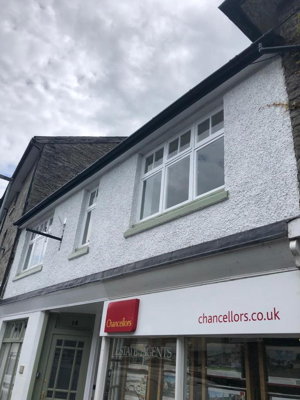
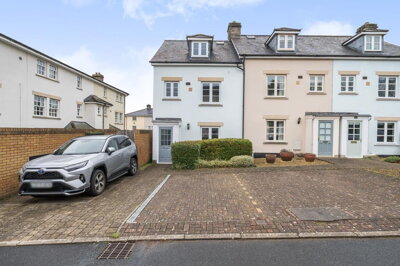
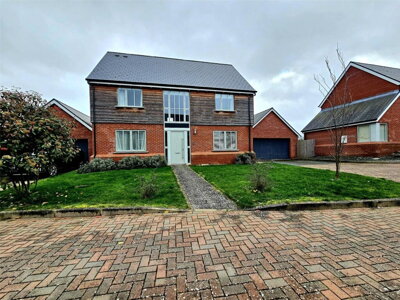
Browse 3 rental homes to rent in Hay, Powys from local letting agents.
£925/m
2
0
35
Source: home.co.uk
Source: home.co.uk
Apartment
1 listings
Avg £750
End of Terrace
1 listings
Avg £1,100
Source: home.co.uk
Source: home.co.uk
The rental market in Hay-on-Wye reflects the wider Powys property landscape, with average house prices currently sitting around £321,690 according to recent market data. Property types available to rent include traditional terraced cottages typical of the historic town centre, semi-detached homes in residential areas surrounding the main hub, and occasionally larger detached properties offering more space and privacy for families or those working from home. The HR3 postcode area encompasses not only Hay-on-Wye itself but also surrounding villages, expanding the geographic scope of your rental search considerably.
Market trends show some fluctuation in recent years, with overall prices experiencing a 2% increase year-on-year but remaining approximately 15% below the 2022 peak of £379,400. Another source indicates that house prices in the HR3 5 postcode area fell by 2.7% in the last year, suggesting regional variation within the broader Hay-on-Wye catchment. The market has witnessed approximately 60 property sales in the past twelve months across the HR3 5 postcode area, indicating steady transaction activity despite broader economic uncertainties that affect markets throughout Wales and the wider UK.
For renters, this mixed market environment can offer opportunities to secure properties at competitive rates, particularly for those willing to commit to longer tenancy agreements. The limited new build activity in the immediate Hay-on-Wye area means that rental stock primarily consists of older properties, which brings both character and unique considerations that prospective tenants should understand before committing to a tenancy agreement.

Life in Hay-on-Wye revolves around its exceptional literary and cultural heritage, with the annual Hay Festival transforming the town into a global literary capital each May. The festival attracts internationally acclaimed authors, poets, and speakers, drawing visitors who contribute significantly to the local economy throughout the year. The town centre features dozens of independent bookshops, from the famous Hay Castle booksellers to quirky second-hand emporiums, creating an atmosphere unlike anywhere else in Britain. This concentration of literary venues has fostered a distinctive community of writers, readers, and creative professionals who have made Hay-on-Wye their home.
Residents enjoy a vibrant community calendar that includes regular markets, cultural events, and gatherings that bring together locals and visitors throughout the year. Beyond the famous festival, the town hosts literary events, art exhibitions, and musical performances that punch well above their weight for a town of this size. The strong sense of community is evident in the numerous local organisations, volunteer groups, and social clubs that provide opportunities for new residents to integrate quickly into town life.
The surrounding Brecon Beacons National Park location provides residents with immediate access to outstanding natural beauty, including the River Wye valley with its scenic walking trails and picnic spots. The river itself is a major feature of the town, offering fishing rights, canoeing opportunities, and beautiful riverside walks that are accessible directly from the town centre. Local agriculture remains important to the area economy, with farmers markets providing fresh Welsh produce and contributing to the strong sense of local identity that defines this distinctive Powys community. The town offers essential amenities including a primary school, medical practice, post office, and a good selection of cafes and pubs serving local produce.
Employment opportunities within Hay-on-Wye itself are limited, with most residents working remotely, commuting to larger centres such as Hereford, Brecon, or even Birmingham, or running small businesses serving the local community and tourism sector. This economic reality shapes the rental market significantly, with many properties suited to home-based workers who require good broadband connectivity and dedicated workspace. Prospective renters should consider their employment situation carefully when evaluating the practicalities of daily life in this charming but rural location.
Families considering renting in Hay-on-Wye will find educational provision centred around Hay Primary School, a community school serving the town and surrounding rural areas. The school provides education for children from reception through to Year 6, offering a nurturing environment with the benefit of smaller class sizes than typically found in larger towns and cities. Given the historic nature of the town and its established family community, the local primary school maintains a strong reputation for both academic achievement and pastoral care, though parents should visit to assess whether the provision meets their specific requirements.
For secondary education, pupils typically travel to schools in nearby towns including Brecon, where several options are available for families seeking state-funded secondary schooling. The daily commute to secondary school involves significant travel time, typically 30-45 minutes by bus, which families should factor into their decision-making process when considering rental properties in Hay-on-Wye. Several schools in the Brecon area serve the Hay-on-Wye catchment, and parents should research specific admission arrangements and transport provisions well in advance of securing a rental property.
The wider Powys area maintains a network of primary schools serving scattered rural communities, with secondary education concentrated in the market towns. School admissions in rural Wales can be subject to capacity constraints and geographic considerations that differ from urban admission policies. Parents should confirm catchment areas and any appeals processes before committing to a tenancy agreement, as securing a place at the preferred school cannot be guaranteed and can significantly impact family logistics. For those seeking independent education, options exist in the broader region including Herefordshire, though these require additional travel arrangements and planning.
Transport connections from Hay-on-Wye reflect its position as a rural market town, with the nearest railway station located in Hereford, approximately 25 miles away, offering regular services to Birmingham, London Paddington, and Cardiff. The journey to Hereford itself typically takes around 45 minutes by car, with bus services also available although with considerably longer journey times. From Hereford station, commuters can access the West Midlands, London via Oxford or Reading, and direct services to South Wales including Cardiff Central.
Local bus services connect Hay-on-Wye to surrounding towns and villages, though frequencies are limited compared to urban areas, making private vehicle ownership practically essential for many residents. The A438 runs through the town, providing access to the A4103 and eventually the M5 motorway network for those commuting further afield to cities like Worcester, Birmingham, or Bristol. For commuters to Hereford, the A438 provides a direct route, though the road quality varies and includes some narrow sections through villages along the way.
Cyclists and walkers benefit from the beautiful surrounding countryside with numerous public footpaths and bridleways exploring the Wye Valley and nearby hills. The scenic quality of local routes attracts visitors and residents alike, though the hilly terrain requires reasonable fitness and appropriate equipment. The River Wye Walk and various trails within the Brecon Beacons National Park offer exceptional routes for outdoor enthusiasts, though these are primarily recreational rather than practical commuting options. For those working remotely or hybrid working, ultrafast broadband availability varies across the area, with newer developments generally having better coverage than some of the historic town centre properties where superfast services may be limited.
Contact lenders or brokers to obtain a mortgage agreement in principle before beginning your property search if you are considering eventual purchase. Having your financial position confirmed strengthens your application when you find the right rental property in Hay-on-Wye. Alternatively, ensure you have bank statements, payslips, and proof of identity readily available for the tenant referencing process that all landlords will require.
Spend time exploring Hay-on-Wye to understand neighbourhood character, proximity to amenities, flood risk areas near the River Wye, and the condition of potential properties. Consider visiting at different times of day and checking local services availability including shops, public transport connections, and school catchment boundaries. Understanding the specific micro-location within this small town can make significant differences to daily life.
Browse our listings for rental properties in Hay-on-Wye and contact estate agents to arrange viewings. Take notes on property condition, maintenance history, and any features specific to older Welsh properties like listed building status or conservation area restrictions. Many properties in Hay-on-Wye are located within the conservation area, which can affect what modifications tenants can make during their tenancy.
For older properties, particularly those built before 1970, consider a RICS Level 2 Survey to identify any structural issues, damp problems, or maintenance concerns before committing to a tenancy. This is especially important given the historic nature of much of Hay-on-Wye's housing stock, where issues like solid wall construction, aging heating systems, and timber defects are commonly encountered. A professional survey costs between £400 and £900 depending on property size and value.
Estate agents will require tenant referencing including credit checks, employment verification, and landlord references. Ensure you have these documents ready to move quickly when you find your ideal rental property. Our team can connect you with professional referencing services if required, with costs typically ranging from £30 to £100 per applicant depending on the provider.
Review the tenancy terms carefully, including deposit amount, notice periods, and responsibilities for maintenance and repairs. Your deposit will be protected in a government-approved scheme within 30 days of receiving it, and you should receive written confirmation of this protection promptly. In England and Wales, deposits for properties with annual rent below £50,000 are capped at five weeks rent.
Renting in Hay-on-Wye requires particular attention to flood risk, given the town's location on the River Wye. Properties situated near the river or in low-lying areas carry higher flood risk, and prospective tenants should inquire about flood history, any existing flood defences, and building insurance implications. The Environment Agency and Natural Resources Wales provide detailed flood maps that can help you assess the specific risk for any property you are considering. Understanding these factors helps ensure you choose a property that remains safe and accessible throughout the year, particularly during periods of heavy rainfall when the River Wye can experience significant rises in water level.
The historic nature of many Hay-on-Wye properties means conservation area restrictions and listed building status are common considerations that tenants must understand before committing. Listed buildings, which are numerous throughout the town centre, may require consent for modifications ranging from hanging pictures to installing fixtures, and some alterations permitted in ordinary rental properties may be prohibited or require listed building consent. Conservation area rules can affect exterior alterations, including window replacements, fence additions, or garden structures. Ask our estate agent partners about the specific status of any property you are considering, as these designations can impact your ability to personalise your rental home and may affect future maintenance responsibilities.
Due to the age of the local housing stock, expect to encounter typical issues associated with older Welsh properties including solid wall construction with limited insulation, original windows, and aging heating systems. Many properties pre-date modern building regulations, meaning that electrical systems, plumbing, and insulation may not meet contemporary standards. A thorough inspection before signing your tenancy helps document existing conditions and ensures landlord responsibilities for essential repairs are clearly understood from the outset. Our team can arrange professional inventory checks from £75 to ensure both tenant and landlord have a clear record of property condition at the start of the tenancy.
Hay-on-Wye's housing stock reflects its long history as a Welsh border market town, with buildings spanning several centuries of construction practice. The predominant building materials include local stone, traditional brickwork, and timber framing, with roofs typically covered in Welsh slate or local tiles. Properties in the historic town centre often feature thick solid walls constructed from locally quarried stone, which provides excellent thermal mass but limited insulation value compared to modern cavity wall construction. Understanding these construction methods helps prospective renters appreciate why certain maintenance issues are more prevalent in older properties.
The majority of terraced properties in Hay-on-Wye were constructed before 1919, featuring traditional building techniques that differ significantly from modern construction. These include lime-based mortars rather than cement, original timber floor joists suspended over ground floors, and handcrafted joinery that requires specific maintenance approaches. Later properties built between 1919 and 1980 may feature cavity walls, though many retain period features that require careful maintenance. Post-1980 properties, while less common in this historic town, generally offer more modern construction standards with improved insulation and updated building regulations compliance.
Given the prevalence of older construction, issues such as rising damp, penetrating damp, and condensation are common in Hay-on-Wye rental properties. Solid wall construction lacks the cavity that allows moisture to escape in newer properties, making ventilation and heating management particularly important for tenant comfort and property preservation. Our estate agent partners can provide guidance on specific construction details for any property you are viewing, helping you understand potential maintenance considerations before committing to a tenancy agreement.
Properties to rent in Hay-on-Wye frequently exhibit defects associated with their age and construction era, and prospective tenants should understand common issues they may encounter. Roof deterioration is prevalent given that many properties feature original slate or tile coverings that have endured decades of Welsh weather. Issues include slipped or missing tiles, deteriorated leadwork around chimneys and junctions, and timber decay in roof structures. Regular inspection and prompt reporting of roof issues is essential, as water ingress can cause extensive damage to ceilings, walls, and contents.
Timber defects represent another significant category of issues found in Hay-on-Wye's older properties, including both wet and dry rot affecting floor joists, roof timbers, and window frames. Woodworm infestations, while less common than in some other regions, do occur in properties with untreated softwood timbers. Tenants should report any signs of timber deterioration promptly, including soft or discoloured wood, fungal growth, or evidence of insect activity. A professional RICS Level 2 Survey can identify timber issues that may not be visible during a standard viewing.
Outdated electrical systems and plumbing are commonly encountered in Hay-on-Wye properties built before the 1980s, when building regulations were considerably less stringent than today. Properties may retain fabric-insulated cables, outdated consumer units, and limited socket outlets that struggle to meet modern household demands. Similarly, plumbing may include galvanised steel pipes prone to corrosion, lead connections, and aging boilers requiring attention. Our team recommends requesting a professional survey for any rental property built before 1970, as identifying these issues before signing your tenancy ensures the landlord takes appropriate responsibility for essential upgrades and repairs.
Renting a property in Hay-on-Wye involves several upfront costs that first-time renters should budget for carefully. The tenancy deposit, capped at five weeks rent for properties with annual rents below £50,000, is the largest initial outlay. This deposit must be protected in a government-approved scheme within 30 days of receipt, and you should receive prescribed information about where it is held before or at the start of your tenancy. The main government-approved schemes are the Deposit Protection Service, MyDeposits, and the Tenancy Deposit Scheme, all of which provide free dispute resolution services should any disagreements arise at the end of your tenancy.
Additional costs include tenant referencing fees, typically ranging from £30 to £100 per applicant depending on the agency or service provider used. Some landlords request advance rent payments, often one month in advance alongside the deposit, and you may need to pay for a professional inventory report documenting the property condition at check-in. Budget approximately £200 to £500 for these ancillary costs when calculating your total moving expenses to rent in this Powys market town. Our recommended inventory check service starts from £75 and provides comprehensive documentation that protects both tenant and landlord.
Utility setup costs including electricity, gas, water, and broadband connection should also be factored into your moving budget. Properties in rural locations like Hay-on-Wye may incur additional connection charges for services, and some properties may require switching to different providers than tenants are currently using. Council tax is administered by Powys County Council, with bands ranging from A to H depending on the property value. Most traditional terraced cottages and smaller period properties typically occupy bands A to C, making council tax costs relatively affordable compared to urban areas.

Average property prices in Hay-on-Wye stand around £321,690 to £339,000 according to recent market data, with terraced properties averaging £298,671 and semi-detached properties around £244,140. Rental prices typically reflect a proportion of these values, with terraced properties and smaller homes commanding lower monthly rents than larger detached family homes that can achieve rents approaching £1,500 per month for well-presented properties. The rural Powys location generally offers more affordable rental options compared to larger Welsh towns and cities, though availability can be limited in this smaller market town with fewer than 60 property transactions annually in the HR3 postcode area.
Properties in Hay-on-Wye fall under Powys County Council administration, with council tax bands ranging from A through to H. The majority of traditional terraced cottages and smaller period properties typically occupy bands A to C, while larger detached family homes may fall into higher bands. Prospective tenants should confirm the specific band with our estate agent partners or landlord, as council tax costs form an important part of budgeting for rental accommodation in Powys. Band A properties in Wales currently pay around £1,200 per year in council tax, while band C properties pay approximately £1,600 annually, though these figures are subject to annual review by Powys County Council.
Hay Primary School serves the local community for children aged 4 to 11, providing education within the town itself and maintaining strong community connections. Secondary school options require travel to nearby towns including Brecon, where pupils can access Brecon County Secondary School and Christ College Brecon. The smaller class sizes and community-focused environment of rural Welsh schools are valued by families, though parents should research specific admission arrangements, catchment area boundaries, and transport requirements well in advance of securing a rental property, as school transport provision can affect daily logistics significantly.
Hay-on-Wye has limited public transport options, with bus services connecting the town to surrounding areas including Hereford, Brecon, and village communities in the Wye Valley but with modest frequency that varies by day of week and season. The nearest railway station is in Hereford, approximately 25 miles away, providing connections to major cities including Birmingham and London. Most residents find private vehicle ownership practically necessary for daily life, and the scenic walking and cycling routes compensate for some transport limitations, particularly for those who can work remotely or maintain flexible working arrangements that reduce the need for daily commuting.
Hay-on-Wye offers an exceptional quality of life for those seeking a rural Welsh community with strong cultural credentials and international recognition as a literary destination. The famous bookshops, annual Hay Festival, beautiful riverside setting, and welcoming community atmosphere make it highly desirable for those who value lifestyle over urban conveniences. However, limited employment opportunities within the town itself mean most residents work remotely, commute to larger centres, or run small businesses serving the local community and tourism sector. Prospective renters should ensure their employment situation is compatible with the practical realities of rural living before committing to a tenancy in this distinctive Powys market town.
Standard tenancy deposits in England and Wales are capped at five weeks rent where the annual rent is less than £50,000, meaning a property renting at £800 per month would require a maximum deposit of £4,000. Most rental properties in Hay-on-Wye will require a deposit of between one and five weeks rent depending on the property value and landlord requirements. Tenant referencing fees typically range from £30 to £100 per applicant, and you should budget for moving costs, initial utility connections, potential costs for a professional inventory check at the start of your tenancy from £75, and council tax setup charges when calculating your total moving expenses.
From 4.5%
Our team can help you understand the true costs of renting including deposit requirements, monthly rent calculations, and ongoing expenses.
From £30
Professional referencing services ensure your rental application is strong and helps estate agents process your request efficiently.
From £75
Comprehensive property condition documentation protects both tenant and landlord with detailed reports and photographic evidence.
From £75
Energy Performance Certificates are required for all rental properties and provide important information about running costs.
Properties to Rent In London

Properties to Rent In Plymouth

Properties to Rent In Liverpool

Properties to Rent In Glasgow

Properties to Rent In Sheffield

Properties to Rent In Edinburgh

Properties to Rent In Coventry

Properties to Rent In Bradford

Properties to Rent In Manchester

Properties to Rent In Birmingham

Properties to Rent In Bristol

Properties to Rent In Oxford

Properties to Rent In Leicester

Properties to Rent In Newcastle

Properties to Rent In Leeds

Properties to Rent In Southampton

Properties to Rent In Cardiff

Properties to Rent In Nottingham

Properties to Rent In Norwich

Properties to Rent In Brighton

Properties to Rent In Derby

Properties to Rent In Portsmouth

Properties to Rent In Northampton

Properties to Rent In Milton Keynes

Properties to Rent In Bournemouth

Properties to Rent In Bolton

Properties to Rent In Swansea

Properties to Rent In Swindon

Properties to Rent In Peterborough

Properties to Rent In Wolverhampton

Enter your details to see if this property is within your budget.
Loans, cards, car finance
Estimated property budget
Borrowing + deposit
You could borrow between
Typical borrowing
Monthly repayment
Est. at 4.5%
Loan-to-value
This is an estimate only. Your actual budget may vary depending on interest rates, credit history, and personal circumstances. For an accurate affordability assessment, speak to one of our free mortgage advisors.
This calculator provides estimates for illustrative purposes only and does not constitute financial advice. Your home may be repossessed if you do not keep up repayments on your mortgage. Estimates based on 4.5% interest rate, repayment mortgage. Actual rates depend on your circumstances.
Homemove is a trading name of HM Haus Group Ltd (Company No. 13873779, registered in England & Wales). Homemove Mortgages Ltd (Company No. 15947693) is an Appointed Representative of TMG Direct Limited, trading as TMG Mortgage Network, which is authorised and regulated by the Financial Conduct Authority (FRN 786245). Homemove Mortgages Ltd is entered on the FCA Register as an Appointed Representative (FRN 1022429). You can check registrations at NewRegister or by calling 0800 111 6768.

We use cookies to show you personalised content and improve your experience of our website. Find out more in our Privacy policy and Cookie policy.