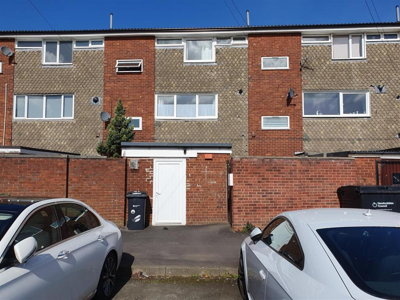
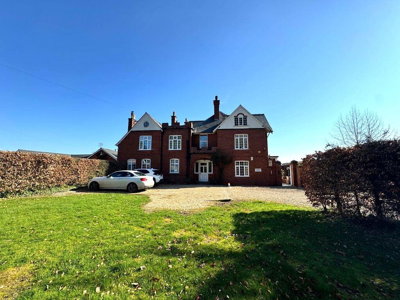
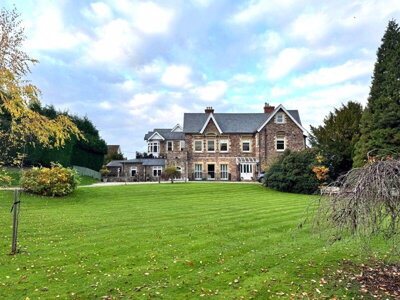
Browse 3 rental homes to rent in Hampton Bishop from local letting agents.
Studio apartments feature open-plan living spaces without separate bedrooms, incorporating sleeping, living, kitchen, and bathroom facilities. The Hampton Bishop studio market includes properties in modern apartment complexes, converted Victorian and Georgian buildings, and purpose-built developments.
£391,333
Average Property Value
£650-£950 pcm
Typical Terraced Rent
£1,200-£1,800 pcm
Typical Detached Rent
Over 60%
Properties Over 50 Years Old
The Hampton Bishop rental market reflects the broader Herefordshire property trends, with overall house prices averaging £391,333 according to recent data. Rental prices in the village typically range from £650-950 per month for standard terraced properties and cottages, rising to £1,200-1,800 per month for larger detached homes with gardens. The village's housing stock is predominantly detached properties, accounting for approximately 45-55% of homes, with semi-detached properties forming another significant portion at around 25-35% of the local stock. Terraced properties make up roughly 10-15% of available housing, while flats remain rare in this rural setting, comprising less than 5% of available properties.
Property values in Hampton Bishop have shown steady growth over the past twelve months, with overall prices increasing by 1% across all property types. Detached properties have seen the strongest appreciation at 2% growth, reflecting continued demand for family homes with outdoor space in rural settings. Flats have also performed well with 3% growth, while semi-detached properties saw a modest 1% decrease. Approximately 25 properties have changed hands in Hampton Bishop during the past twelve months, indicating sustained market activity despite the village's small scale. These trends suggest that renting in Hampton Bishop offers stable value, particularly for those seeking longer-term accommodation in a community where properties rarely stay on the market for long.
The rental market in Hampton Bishop is characterised by limited supply and consistent demand, creating competitive conditions for prospective tenants. With relatively few properties available for rent at any given time, quality homes attract multiple enquiries quickly. Landlords in the village typically seek reliable tenants who appreciate the rural setting and understand the responsibilities that come with older properties. Rental terms commonly include twelve-month Assured Shorthold Tenancies with five-week deposits, and properties are generally available unfurnished or part-furnished, allowing tenants to personalise their new home to Hampton Bishop according to their own taste and requirements.
Hampton Bishop's housing stock reflects its rural Herefordshire setting, with properties predominantly built from traditional materials suited to the local landscape. Common construction materials include red brick (often the distinctive local Herefordshire brick), sandstone, and rendered finishes that give the village its characteristic appearance. Very old properties may feature timber framing with infill panels, reflecting medieval building techniques that survived in rural areas long after they fell from favour in urban settings. Understanding these construction methods helps prospective tenants appreciate both the character and the maintenance requirements of rental properties in the village, particularly when arranging surveys or negotiating repairs with landlords.
The underlying geology of Hampton Bishop plays a significant role in how properties have been constructed and how they perform structurally over time. The area sits on Devonian Old Red Sandstone, with superficial deposits including river terrace sands and gravels along the River Wye floodplain, and glacial boulder clay in some surrounding areas. These clay-rich superficial deposits create a moderate to high shrink-swell risk, meaning that the ground can contract during dry spells and expand when wet, potentially affecting building foundations, particularly for older properties with shallow footings or those with large trees nearby. This geological context is essential information for anyone considering renting a property in Hampton Bishop, as foundation movement can lead to structural issues requiring professional attention.
Properties constructed before 1919 in Hampton Bishop typically feature solid wall construction using local brick or stone with lime mortar, timber floors and roofs, and slate or clay tile roofing. These solid walls, typically 225-300mm thick, lack the cavity found in modern construction and require different approaches to insulation and damp management. Lime mortar, while traditional and breathable, requires different maintenance than modern cement-based mortars and can be damaged by inappropriate repairs using cement. Tenants in older properties should understand that some damp issues may be normal for the construction type and do not necessarily indicate a defect, though persistent dampness or water penetration should always be reported to the landlord for investigation and repair.
Mid-century properties built between 1945 and 1980 brought cavity wall construction to Hampton Bishop, typically using brick or render with timber floors and concrete tile roofs. Post-1980 properties generally follow modern construction standards with cavity walls, uPVC windows, and concrete tile roofs. These newer properties often require less maintenance than their older counterparts but may lack the character features that make many Hampton Bishop homes desirable. A significant proportion of Hampton Bishop's housing stock, estimated at over 60-70%, is over 50 years old, meaning most rental properties will fall into the older construction categories requiring different approaches to maintenance and care than modern homes.
Properties in Hampton Bishop, particularly those predating 1919, frequently exhibit damp-related issues that prospective tenants should understand before committing to a tenancy. Rising damp occurs when ground moisture travels up through solid walls lacking modern damp-proof courses, while penetrating damp results from deteriorating rainwater goods, damaged pointing, or porous brickwork allowing water ingress. Condensation dampness is common in older properties where ventilation has been reduced by the installation of replacement windows and additional insulation without adequate background ventilation provision. A professional survey before signing your tenancy can identify the type and cause of any damp present and recommend appropriate remediation, giving you confidence in your decision or ammunition for negotiating repairs with the landlord.
The condition of roofs in Hampton Bishop's older properties requires careful inspection during any property viewing or survey. Original slate or clay tile roofing on pre-1919 properties may have worn significantly over decades of service, with slipped or broken tiles, failed felt underlayers, and deteriorated leadwork allowing water penetration. Properties with original lead valley gutters are particularly vulnerable as leadwork has a finite lifespan of approximately 40-70 years depending on thickness and exposure. Evidence of past leaks may be visible in loft spaces or on ceiling surfaces, and tenants should ask landlords about the age and condition of the roof covering and any recent repairs or maintenance carried out before committing to the tenancy.
The shrink-swell risk associated with Hampton Bishop's clay-rich soils can manifest as subsidence or heave affecting property foundations and structural elements. Properties on the River Wye floodplain may experience additional ground movement during flood events or subsequent drying periods. Signs of subsidence include cracking to walls (typically diagonal cracks widening above doors or windows), doors and windows sticking or not closing properly, and rippling wallpaper not caused by damp. Properties with large trees near the building are particularly susceptible, as tree roots can remove moisture from clay soils during dry periods, causing the clay to shrink and the ground to subside. Understanding these risks helps tenants make informed decisions and know what warning signs to watch for during their tenancy.
Electrical and plumbing systems in Hampton Bishop's older rental properties often require upgrading to meet current standards and safety requirements. Many properties pre-dating 1960 will have electrical systems with rubber or fabric insulated cables, older fuse boards without modern circuit protection, and insufficient socket outlets for contemporary needs. Galvanised steel or lead water pipes may still be present in some properties, with associated risks of water quality issues and reduced pressure. Gas safety certificates and electrical condition reports should be provided by landlords as required by law, and prospective tenants should ask about the age of electrical and plumbing installations and whether any recent upgrades have been carried out. Properties with private water supplies or septic tanks require additional consideration regarding water quality and maintenance responsibilities.
Hampton Bishop embodies the charm of rural Herefordshire, offering residents a lifestyle centred around community, countryside, and the gentle flow of the River Wye. The village spans approximately 250-300 households, creating an intimate atmosphere where neighbours often know one another by name and local events bring the community together throughout the year. The River Wye forms a central feature of the landscape, providing opportunities for fishing, kayaking, and scenic riverside walks that attract visitors from across the region. The surrounding farmland and orchards reinforce the agricultural heritage that has shaped this parish for centuries, creating a landscape that changes beautifully with each passing season.
The local economy in Hampton Bishop is primarily agricultural, with farming operations dotting the surrounding countryside and contributing to the area's distinctive character. Many residents commute to Hereford for work, taking advantage of the city proximity while enjoying village life at home. Tourism related to the River Wye and Herefordshire's cider-making heritage also supports local businesses, including nearby pubs and farm shops that provide essential amenities within walking distance. The village retains several historic buildings, including the Church of St Andrew and various listed farmhouses and cottages that reflect its medieval origins and architectural heritage.
Essential amenities in Hampton Bishop are limited due to the village's small scale, with residents typically travelling to Hereford for shopping, healthcare, and other services. The nearby villages of Fownhope and Woolhope offer local pubs, village shops, and community facilities that serve the surrounding area. Hereford city centre, approximately 5 miles northwest of Hampton Bishop, provides comprehensive retail options, restaurants, medical facilities including Hereford County Hospital, and a wide range of other services. The proximity to Hereford makes Hampton Bishop practical for daily commuting while still offering the lifestyle benefits of village living.
Community life in Hampton Bishop thrives through various events and organisations that bring residents together throughout the year. The Church of St Andrew hosts services and social events, while the village hall provides a venue for meetings, classes, and celebrations. The Three Crowns pub, a short walk from the village centre, serves as a local gathering point for meals and drinks. Seasonal events such as the Hampton Bishop Summer Fete and various church activities provide opportunities for new residents to integrate into the community and meet their neighbours.
Families considering renting in Hampton Bishop will find educational options available within the village and the surrounding Herefordshire countryside. The village is served by local primary schools in nearby parishes, with many children attending schools in the wider Hereford area or surrounding villages such as Fownhope, Woolhope, or Bartestree. Nearby primary options include the excellent Fownhope Primary School, which serves the surrounding area with a strong reputation for pupil achievement and community involvement, and the Ofsted-rated Good Woolhope Primary School which provides education for children from the village and surrounding hamlets. Parents should research specific catchment areas and admissions policies when planning a move, as school allocations can vary based on proximity and availability.
Secondary education options include the well-regarded secondary schools in Hereford city, which are accessible via school transport routes that pass through or near Hampton Bishop. St Mary's RC High School and Aylestone Business and Enterprise College provide secondary education with good Ofsted ratings, while the Hereford Cathedral School offers a private education option for families seeking faith-based or independent schooling. Parents should verify current catchment areas and admission policies with Herefordshire Council, as these can change and may affect school allocations for families moving to the village.
For families seeking higher education and further study opportunities, Hereford offers several institutions including Hereford College of Arts, which provides creative courses from Fine Art to Graphic Design, Herefordshire, Ludlow and North Shropshire College offering vocational qualifications, and Hereford Sixth Form College which serves students from across the county. Early years childcare is available in neighbouring villages, with several Ofsted-registered childminders and nurseries operating in the wider area. Families should book childcare well in advance as availability can be limited in rural areas.
Transport connections from Hampton Bishop centre primarily on road travel, with the village situated approximately 5 miles southeast of Hereford city centre. The A438 road runs through the village providing direct access to Hereford, while the A4103 provides connections to Worcester and the wider motorway network. These roads also connect Hampton Bishop to neighbouring villages including Fownhope, Woolhope, and the market town of Ledbury. Public transport options are more limited than in urban areas, with bus services connecting Hampton Bishop to Hereford and surrounding villages, though frequencies are typically reduced compared to city routes.
Hereford railway station offers connections to major destinations including Hereford to London Paddington via Reading (approximately 3 hours 20 minutes), Hereford to Manchester Piccadilly via Crewe, and regional services to Birmingham and Cardiff. The station is reachable by bus or car from Hampton Bishop, making it accessible for those who need to travel further afield for work. Cycle routes to Hereford are popular, with quiet country lanes providing relatively safe cycling options for commuters, though the hilly Herefordshire terrain means cycling requires reasonable fitness.
For those working in Hereford, the relatively short commute of approximately 15-20 minutes by car makes Hampton Bishop a practical base, while the village itself supports car-free living for those who can work remotely or arrange local transport. Bus services to Hereford operate approximately every two hours on weekdays, though services are significantly reduced at weekends and on public holidays. Residents without cars should factor transport arrangements carefully into their decision to rent in Hampton Bishop, as the limited public transport may affect employment options and access to services not available locally.
Before viewing properties in Hampton Bishop, secure a rental budget agreement in principle from a mortgage lender or use an online affordability calculator to determine how much you can afford to spend on monthly rent. This helps you focus your search on realistic options within your budget and demonstrates your financial credibility to landlords and letting agents. In this competitive rural market, having your finances arranged before property viewings gives you a significant advantage when a suitable property becomes available.
Explore the village thoroughly before committing to a tenancy by visiting at different times of day and week to understand the atmosphere and noise levels. Check Environment Agency flood maps for any riverside properties, as the River Wye poses genuine flood risk to low-lying areas, and speak to existing residents about the community, broadband speeds, and any planning restrictions that might affect your enjoyment of the property. Understanding local amenities, nearest shops, school transport options, and mobile phone coverage will help you make an informed decision.
Once you have identified suitable rental properties, schedule viewings through local letting agents or directly with landlords who advertise in the village. In a small village like Hampton Bishop, available rentals may be limited, so acting quickly when properties become available is essential. Take notes during viewings and ask about the property's condition, any recent renovations, and the terms of the proposed tenancy agreement including the start date, length of tenancy, and notice period requirements.
Given that many properties in Hampton Bishop are historic with construction dating back to the pre-1919 period, arranging a RICS Level 2 Survey before signing your tenancy can reveal hidden defects that may not be visible during a standard viewing. Survey costs in the area typically range from £400-700 depending on property size, and a professional survey can identify issues such as damp, roof condition, subsidence risk, and outdated electrics that may affect your decision or provide leverage for negotiating repairs before you move in.
Before signing any rental agreement, ensure you fully understand the terms including rent amount, deposit amount (typically 5 weeks rent, capped under the Tenant Fees Act 2019), tenancy duration, notice periods, and responsibilities for maintenance and repairs. In a rural village like Hampton Bishop, specific considerations may include flood risk provisions in the inventory, oil or LPG heating arrangements and their ongoing costs, private drainage systems, and rural broadband limitations that may affect your ability to work from home effectively.
Renting properties in Hampton Bishop requires careful attention to area-specific factors that differ from urban property searches. The village's position along the River Wye means that flood risk is a genuine consideration for any property near the river or in low-lying areas. Prospective tenants should check Environment Agency flood maps, ask landlords about previous flooding incidents, and consider the property's elevation and drainage history. Properties on higher ground within the village may offer better protection against fluvial flooding, while surface water flooding can affect low-lying areas during heavy rainfall events.
The geology of Hampton Bishop presents additional considerations for renters. The underlying Devonian Old Red Sandstone and areas of clay-rich superficial deposits create potential shrink-swell risks that can affect property foundations, particularly for older properties with established trees nearby. Properties constructed before 1919 often feature solid wall construction using local brick or stone with lime mortar, which requires different maintenance approaches compared to modern cavity-wall properties. Renters should inspect roof conditions carefully, as older properties may have original slate or clay tile roofing that requires ongoing maintenance.
The presence of listed buildings in Hampton Bishop, including the Church of St Andrew and various historic farmhouses, means that some properties in the village may be listed or located within a conservation area. These designations can affect what alterations tenants can make and may require landlord consent for certain modifications. Properties with oil-fired central heating or private drainage systems should be thoroughly inspected, as these rural infrastructure arrangements require different maintenance responsibilities than urban properties connected to mains services.
Flood resilience measures have become increasingly important for Hampton Bishop properties following significant flooding events along the River Wye in recent years. Prospective tenants should ask landlords about any flood resilience measures installed, such as raised electrics, flood barriers, or pump systems. Contents insurance is essential for properties with any flood risk, and premiums may be higher for properties in flood zones. Understanding the property's flood history and resilience measures helps tenants make informed decisions and prepare appropriately for their tenancy.
Rental prices in Hampton Bishop typically range from £650-900 per month for standard two-bedroom terraced properties and cottages, with larger detached family homes commanding £1,200-1,800 per month depending on condition, location within the village, and available amenities. The village's proximity to Hereford and its rural character help maintain stable rental values, with demand driven by commuters, families seeking more space, and those attracted to riverside village living. Prices are influenced by property condition, garden size, parking availability, and proximity to the River Wye. Properties with modern kitchens and bathrooms typically achieve higher rents, while those requiring modernisation may be available at the lower end of the range.
Council tax bands in Hampton Bishop are set by Herefordshire Council and vary according to property value and type. Most properties in Hampton Bishop fall within council tax bands A through D, which are among the lower bands in the region. Band A properties typically have lower annual charges of around £1,200-1,400 per year, while band D properties cost approximately £1,500-1,800 annually. Prospective tenants should ask landlords or letting agents for the specific council tax band of any property they are considering, as this forms part of the monthly cost calculation alongside rent, utilities, and other expenses.
Hampton Bishop is a small rural village without its own primary or secondary school, so children typically attend schools in surrounding parishes or Hereford city. Nearby primary options include schools in Fownhope, Woolhope, and Bartestree, with good Ofsted ratings reported for several of these establishments including Fownhope Primary School and Woolhope Primary School. Secondary education is provided by schools in Hereford including St Mary's RC High School and Aylestone Business and Enterprise College, accessible via school transport. Parents should verify current catchment areas and admission policies with Herefordshire Council, as these can change and may affect school allocations for families moving to the village.
Public transport connections from Hampton Bishop are limited compared to urban areas, with bus services operating between the village and Hereford at approximately two-hour intervals on weekdays and reduced services at weekends. A car is practically essential for most residents, though cyclists benefit from quiet country lanes connecting Hampton Bishop to Hereford and surrounding villages. Hereford railway station, approximately 5 miles away, provides connections to London Paddington (3 hours 20 minutes), Manchester, Birmingham, and Cardiff, accessible by bus or car from the village. Those working from home or with flexible working arrangements may find the limited public transport less restrictive than those with fixed commuting schedules.
Hampton Bishop offers an excellent quality of life for those who appreciate rural living and community atmosphere, with a safe, friendly environment featuring scenic riverside walks along the River Wye, historic architecture including the Church of St Andrew, and strong community connections through village events and local pubs. Renting here suits commuters working in Hereford or those who can work remotely, families seeking more space than urban areas offer, and anyone who values proximity to nature and outdoor activities. Considerations include limited local amenities within the village itself requiring travel to Hereford for most shopping and services, the necessity of car ownership for most residents, and potential flood risk for properties near the river that requires appropriate contents insurance.
Standard deposits on rental properties in Hampton Bishop are typically set at five weeks rent, as permitted under the Tenant Fees Act 2019 for properties with annual rents below £50,000. For a typical Hampton Bishop rental with monthly rent of £850, this means a deposit of approximately £2,191, plus a holding deposit of up to one weeks rent (£196) to secure the property while referencing proceeds. Permitted payments also include rent, council tax, utilities, communication services, and reasonable costs for immigration checks and early termination where applicable. Tenant referencing fees, if charged, must be limited to reasonable costs.
Properties near the River Wye in Hampton Bishop carry specific flood risks that prospective tenants should understand thoroughly, including fluvial flooding from the river affecting low-lying properties and floodplain areas during periods of heavy rainfall, and surface water flooding in low-lying areas when drainage is overwhelmed. Flood resilience measures such as raised electrics, flood barriers, and pump systems have been installed in some properties. Renters should ask landlords for flood history, check Environment Agency data, obtain appropriate contents insurance (which may cost more in flood risk areas), and consider whether flood warning systems and emergency procedures are in place. Properties on higher ground within the village offer lower flood risk while still providing access to riverside walks and scenery.
Broadband speeds in Hampton Bishop vary significantly depending on your location within the village and proximity to the cabinet, with rural areas typically experiencing slower speeds than urban locations. Full fibre broadband is not yet universally available in Hampton Bishop, with many properties relying on ADSL or FTTC connections. Satellite broadband services such as Starlink provide an alternative for properties unable to access reliable fixed-line services. Prospective tenants should test broadband speeds at the property before committing to a tenancy if reliable internet is essential for working from home, as speed variations between properties in the same village can be substantial.
Many rental properties in Hampton Bishop are suitable for pets given the rural setting and generous garden sizes typical of properties in the village, though landlords may request higher deposits or additional terms for tenants with pets. The Three Crowns pub and surrounding countryside provide excellent walking opportunities for dog owners. Prospective tenants should discuss pet arrangements with landlords before applying for properties and ensure any pet agreement is included in the tenancy documentation to avoid disputes later. Properties with smaller gardens or those in more urban-style developments within the village may be less suitable for larger pets.
From 4.5% APR
Compare rental budgets and secure agreement in principle from lenders to understand what you can afford
From £30
Comprehensive referencing services to support your rental application and demonstrate credibility to landlords
From £400
Professional survey identifying defects in Hampton Bishop's historic properties before you commit to a tenancy
From £80
Energy performance certificate to understand running costs and energy efficiency of your potential rental home
Understanding the full cost of renting in Hampton Bishop extends beyond the monthly rent figure to include deposits, fees, and ongoing household expenses. The standard security deposit for rental properties in England is capped at five weeks rent, which the landlord must protect in a government-approved tenancy deposit scheme within 30 days of receiving it. For a typical Hampton Bishop rental with monthly rent of £850, this means a deposit of approximately £2,191, plus a holding deposit of up to one weeks rent (£196) to secure the property while referencing proceeds. These upfront costs can total £2,000-2,500 before moving day expenses.
First-time renters in Hampton Bishop should budget for additional move-in costs including furniture if the property is unfurnished, contents insurance (essential given the flood risk near the River Wye), and connection fees for utilities and broadband. Rural properties may have additional costs for oil or LPG heating if not connected to mains gas, with annual heating oil costs typically ranging from £800-1,500 depending on property size and usage. Council tax, paid to Herefordshire Council, will be set according to the property's band and typically costs £1,200-1,800 annually for bands A through D.
Obtaining a rental budget agreement in principle before beginning your property search demonstrates financial credibility to landlords and helps you understand exactly what monthly rent you can afford. This is particularly important in Hampton Bishop's competitive rental market where multiple applications for desirable properties are common. Start budgeting for your move at least three months in advance to ensure you have funds available for deposits, fees, and moving costs when you find your ideal rental property in this attractive riverside village. Budgeting for ongoing costs like heating oil delivery, which requires advance arrangement and payment, helps avoid surprises during your tenancy.
Properties to Rent In London

Properties to Rent In Plymouth

Properties to Rent In Liverpool

Properties to Rent In Glasgow

Properties to Rent In Sheffield

Properties to Rent In Edinburgh

Properties to Rent In Coventry

Properties to Rent In Bradford

Properties to Rent In Manchester

Properties to Rent In Birmingham

Properties to Rent In Bristol

Properties to Rent In Oxford

Properties to Rent In Leicester

Properties to Rent In Newcastle

Properties to Rent In Leeds

Properties to Rent In Southampton

Properties to Rent In Cardiff

Properties to Rent In Nottingham

Properties to Rent In Norwich

Properties to Rent In Brighton

Properties to Rent In Derby

Properties to Rent In Portsmouth

Properties to Rent In Northampton

Properties to Rent In Milton Keynes

Properties to Rent In Bournemouth

Properties to Rent In Bolton

Properties to Rent In Swansea

Properties to Rent In Swindon

Properties to Rent In Peterborough

Properties to Rent In Wolverhampton

Enter your details to see if this property is within your budget.
Loans, cards, car finance
Estimated property budget
Borrowing + deposit
You could borrow between
Typical borrowing
Monthly repayment
Est. at 4.5%
Loan-to-value
This is an estimate only. Your actual budget may vary depending on interest rates, credit history, and personal circumstances. For an accurate affordability assessment, speak to one of our free mortgage advisors.
This calculator provides estimates for illustrative purposes only and does not constitute financial advice. Your home may be repossessed if you do not keep up repayments on your mortgage. Estimates based on 4.5% interest rate, repayment mortgage. Actual rates depend on your circumstances.
Homemove is a trading name of HM Haus Group Ltd (Company No. 13873779, registered in England & Wales). Homemove Mortgages Ltd (Company No. 15947693) is an Appointed Representative of TMG Direct Limited, trading as TMG Mortgage Network, which is authorised and regulated by the Financial Conduct Authority (FRN 786245). Homemove Mortgages Ltd is entered on the FCA Register as an Appointed Representative (FRN 1022429). You can check registrations at NewRegister or by calling 0800 111 6768.

We use cookies to show you personalised content and improve your experience of our website. Find out more in our Privacy policy and Cookie policy.