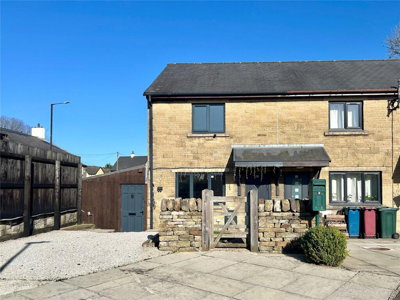
Browse 1 rental home to rent in Gisburn, Ribble Valley from local letting agents.
£0/m
0
0
0
Source: home.co.uk
The Gisburn rental market, while modest in scale, offers distinctive properties that reflect the village's architectural heritage. Average house prices in the area stand at approximately £303,500, with terraced properties averaging £265,600 and detached homes reaching around £366,667. These purchase prices give context to the rental market, where tenants can expect to pay rates commensurate with the quality and character of properties available. The village falls within the Gisburn, Rimington ward where 76.4% of households are owner-occupiers, meaning the private rented sector accounts for approximately 20.8% of residential properties. This relatively small private rental sector means that available properties to rent in Gisburn appear infrequently, making early registration with local letting agents worthwhile for serious tenants.
Property types available for rent in Gisburn typically include traditional stone cottages with original features, barn conversions, and period farmhouses that showcase the local building tradition of carboniferous limestone and gritstone construction. Many rental properties feature the distinctive Welsh slate roofs and sandstone window dressings typical of the area, along with internal features such as exposed stone walls, open fireplaces, and traditional timber floors that appeal to those seeking character homes. The 44.58% of detached properties in the ward provides options for families seeking space and privacy, while terraced cottages offer more affordable alternatives for individuals or couples. New build rental accommodation within Gisburn itself is extremely limited, with most activity concentrated in nearby towns like Clitheroe and Whalley, meaning that tenants seeking modern specifications may need to broaden their search area.
The scarcity of new development in Gisburn helps maintain the village's historic character while also meaning rental availability can be competitive, particularly for family-sized homes with gardens. Prospective tenants should budget for the upfront costs associated with renting, including the deposit equivalent to five weeks rent, referencing fees, and potential inventory check costs. Those renting period properties should also consider the additional costs of heating older homes, which may have higher energy consumption than modern equivalents. An Energy Performance Certificate (EPC) will be provided by the landlord, giving you information about the property's energy efficiency rating before you commit to a tenancy.

Gisburn nestles in the Lune Valley, framed by rolling hills and farmland that define the landscape of this corner of Lancashire. The village forms part of the Ribble Valley district, an area celebrated for its natural beauty and strong sense of community. With a population of 521 according to the 2021 Census, rising to an estimated 642 in 2024, Gisburn represents the kind of close-knit village where local events bring residents together throughout the year. The community maintains a traditional pub, village store, and post office, providing essential daily services within walking distance of most properties. The post office in the village centre serves as a hub for community information and postal services, while the local pub provides a welcoming space for evening meals and social gatherings.
The local economy centres on agriculture, with Gisburn Auction Mart serving as a notable institution for the surrounding farming community. The mart, situated at the western end of the village near the former railway station, reflects the agricultural heritage that has shaped Gisburn for generations. Livestock sales continue to draw farmers from across the region, maintaining the village's connection to rural life. Tourism also contributes to local life, with visitors drawn to the area for walking in the nearby Forest of Bowland and exploring the village's architectural treasures. The Pennine Way long-distance footpath passes nearby, offering spectacular scenery for hikers and providing direct access to the Yorkshire Dales.
The conservation area, designated in 1974, protects the special character of Main Street with its mix of 17th, 18th, and 19th-century houses set back from the road with cobbled pavements. Twenty-six listed buildings dot the civil parish, including Gisburne Park at Grade I, the village's grandest residence, along with two Grade II* listed buildings including the Church of St Mary. Tenants renting properties within the conservation area should be aware that any external modifications or significant alterations will require consent from Ribble Valley Borough Council planning department. This protection ensures the village maintains its historic character for future generations, preserving the features that make Gisburn such an attractive place to call home.

Families considering renting in Gisburn will find educational provision within reasonable travelling distance across the Ribble Valley. The nearest primary schools include Waddington and West Bradford Church of England Primary School, located approximately 5 miles from the village in the nearby village of Waddington, and Grindleton Church of England Primary School, situated around 4 miles away in the direction of the A59. These village schools offer small class sizes and strong community connections that many families value over the larger class sizes found in urban schools. Parents should verify current catchment areas and admission policies directly with Lancashire County Council, as these can change and may affect your child's eligibility for places.
Secondary education is provided at schools in larger settlements, with transport arrangements supporting families in rural communities. The Ribblesdale School in Clitheroe provides secondary education for many Gisburn families, with school buses operating the daily commute from the village. Other nearby secondary options include Ohrme in Clitheroe and the Bowland School in Longridge, each offering distinct curricular strengths and extracurricular programmes. Sixth form provision is available at secondary schools in Clitheroe, where students can access a wide range of A-Level subjects and vocational courses. The rural nature of the area means that school runs require planning, particularly during winter months when weather conditions may affect transport schedules, but many families find the benefits of countryside living outweigh the additional travel time.
For families prioritising educational options, the wider Ribble Valley offers several primary and secondary schools serving villages like Gisburn. Those relocating from urban areas often discover that the slower pace of rural school life offers valuable opportunities for children to develop independence and outdoor interests. The proximity to the Forest of Bowland provides excellent outdoor education opportunities, with schools often organising field trips to study the local environment and ecology. Extra-curricular activities in the village itself include football clubs and community events that bring together young people from across the surrounding area, helping children build friendships beyond their immediate school cohort.

Transport connections from Gisburn reflect its rural village character, with residents relying primarily on car travel for daily commuting and essential journeys. The village sits approximately 8 miles from Clitheroe, the nearest town offering comprehensive shopping, healthcare, and rail connections. The A59 trunk road passes nearby, providing access to Preston, Blackburn, and onward connections to the national motorway network including the M6 and M65. For those working in Manchester, the journey takes approximately one hour by car, making Gisburn potentially viable for remote workers or those with flexible commuting arrangements. The M6 motorway is accessible via the A59, connecting residents to the wider North West region and beyond.
Public transport options are limited, with bus services connecting Gisburn to surrounding villages and towns on finite timetables. The 280 service operated by Lancashire County Council provides connections between Clitheroe and Skipton, stopping in Gisburn along its route. The bus runs approximately every two hours on weekdays, with reduced services on weekends, making it suitable for occasional trips rather than daily commuting. The nearest railway stations are located in Clitheroe and Giggleswick, offering Northern Rail services on regional routes connecting to Leeds and Lancaster. For air travel, Manchester Airport and Leeds Bradford Airport are within approximately 90 minutes drive, providing access to domestic and international flights.
Cyclists will appreciate the quiet country lanes surrounding Gisburn, though the hilly terrain requires reasonable fitness for longer routes. The Pennine Cycleway and various bridleways provide options for leisure cycling, while the flat valley floor near the River Ribble offers gentler routes suitable for family cycling. The Ribble Valley benefits from several scenic traffic-free routes for cycling and walking, making car-free days possible for local errands when properly planned. For longer journeys, the village location does mean that owning a vehicle is practically essential for most residents, and this should be factored into your decision to rent property in Gisburn.

Explore Gisburn thoroughly before committing to a tenancy. Visit at different times of day, check broadband speeds which may vary in rural locations, and familiarise yourself with nearest shops, schools, and transport options. The village atmosphere suits those seeking peace and community spirit, so ensure rural living matches your lifestyle expectations before proceeding with viewings.
Before viewing properties, secure a rental budget agreement in principle from your bank or building society. This demonstrates to landlords that you are a serious, financially reliable applicant. For properties in Gisburn, landlords typically require references, employment verification, and sometimes a guarantor depending on your circumstances. Budget for upfront costs including deposit (typically five weeks rent), referencing fees, and inventory check charges.
Contact local estate agents and register your interest in rental properties matching your requirements. View multiple homes to compare condition, maintenance standards, and value for money. Pay particular attention to the age of properties, building materials typical of the area such as stone walls and slate roofs, and any signs of damp or structural issues common in period buildings. Ask about the property's EPC rating and any recent improvements made by the landlord.
For rental properties over 50 years old, which represents the majority in Gisburn, a professional inventory check before moving in protects you from disputes when departing. Document the condition of fixtures, fittings, and any existing damage thoroughly with photographs. This investment typically costs between £99 and £150 but provides valuable evidence should any deposit disputes arise at the end of your tenancy.
Once accepted, your agent will conduct tenant referencing including credit checks, employment verification, and landlord references. Read your tenancy agreement carefully, noting deposit amount, notice periods, and your responsibilities for maintenance and utilities. In England, deposits must be protected in a government-approved scheme within 30 days of receipt.
Arrange utility connections, contents insurance, and familiarise yourself with village amenities including the post office, local shop, and public house. Introduce yourself to neighbours and discover the local community groups, walking routes, and events that make Gisburn special. Register with the local GP surgery in Gisburn or nearby villages if you require NHS services.
Renting property in Gisburn requires attention to several area-specific factors that differ from urban lettings. The village's geology presents important considerations for prospective tenants, with alluvial clay and glacial deposits creating potential for shrink-swell ground movement affecting foundations. Older properties, which form the majority of the housing stock, may have shallower foundations than modern buildings, making it wise to inspect for cracks or signs of movement before committing to a tenancy. Ask landlords about any history of structural issues and whether professional surveys have been conducted on the property. The underlying bedrock consists of Carboniferous age rocks including limestones and sandstones, which generally provide good stable foundations but can interact with the overlying clay soils during wet or dry periods.
Flood risk deserves careful consideration given Gisburn's location within the Upper River Ribble, Hodder flood alert area. The River Ribble passes approximately one kilometre north of the village, and historical records show the river has reached 2.68 metres at Gisburn during flood events. The usual river level range at Gisburn is between 0.10m and 1.80m, with the highest recorded level occurring in February 2020 following prolonged heavy rainfall across the catchment area. Surface water flooding has affected the wider area, including properties near Chatburn, where overwhelmed drainage networks caused flooding during summer thunderstorms. Review the flood risk for any specific property address using the government flood risk checker and clarify with landlords what protections or insurance provisions are in place.
The conservation area designation affects what tenants can and cannot do to properties during their tenancy. Alterations, external changes, or significant modifications typically require consent from Ribble Valley Borough Council planning authority. If you plan to make any changes to a rented property in Gisburn, discuss your intentions with your landlord before signing and confirm what permissions might be needed. Listed buildings, of which there are 26 in the civil parish, carry additional restrictions that tenants should understand fully before committing. These restrictions typically cover internal as well as external works on listed structures, so understanding your obligations before moving in is essential.
Understanding the traditional construction methods used in Gisburn helps tenants appreciate the character of local properties and identify potential issues when viewing rental homes. Most buildings in the village are constructed from carboniferous limestone or gritstone, with window and door dressings typically in sandstone. Roofs are often made of carboniferous sandstone flags or Welsh slate, materials that have proved durable over centuries but require periodic maintenance. The vernacular building style of the Ribble Valley uses rubble stone, sometimes rendered, under sandstone roofs, creating the distinctive appearance that defines the village's conservation area along Main Street.
These traditional materials bring specific considerations for tenants renting period properties. The absence of modern damp-proof courses in older buildings means that rising damp can be a common issue, particularly in ground-floor rooms with solid floors rather than suspended timber boards. Tenants should check for signs of damp including tide marks on walls, musty smells, and peeling wallpaper, especially in rooms with limited ventilation. Penetrating damp from defective gutters, missing roof slates, or damaged pointing is also common in period properties, and rental properties should be inspected carefully during or after wet weather to identify any water ingress issues.
Insulation standards in older Gisburn properties vary considerably depending on the level of renovation undertaken by previous landlords. Properties with solid walls lose more heat than modern cavity-insulated walls, resulting in higher heating costs and potentially colder interior temperatures during winter. Tenants should ask about insulation improvements made to the property and consider the EPC rating when budgeting for energy costs. Many landlords have improved insulation in their rental properties in response to minimum energy efficiency standards, but older stock may still have significant room for improvement. Understanding these characteristics helps prospective tenants make informed decisions about which properties to rent and what additional costs to anticipate.
The majority of properties to rent in Gisburn date from the 17th, 18th, and 19th centuries, meaning that typical defects found in period properties are common considerations for tenants. Structural movement cracks may appear in walls and ceilings, often manifesting as diagonal cracks around door and window openings or stairwells. These cracks are frequently caused by the natural settlement of older buildings over time or by seasonal moisture changes affecting timber frame elements. Minor cracking is normal in period properties but larger cracks, bulging walls, or uneven floors warrant further investigation before committing to a tenancy.
Roof defects require careful inspection when viewing rental properties, as roofs represent a significant maintenance item in traditional stone buildings. Missing or broken slates, sagging roof lines indicating deteriorating timbers, and inadequate insulation are common issues in older properties. Tenants should ask landlords about the age and condition of the roof covering and any recent repairs or replacement work undertaken. Water ingress from roof defects can cause extensive damage to ceiling timbers and plasterwork, leading to costly repairs that tenants may be liable for if caused by negligence during the tenancy.
Timber decay including dry rot and wet rot affects many older properties where conditions permit fungal growth in damp or poorly ventilated areas. Signs include timber that appears darker than surrounding wood, brittle or crumbling timber, and the characteristic musty smell associated with fungal growth. Woodworm activity may also be present in structural and finish timbers, with small exit holes and bore dust indicating active or historic infestation. Professional surveys can identify the extent of any timber defects before you commit to renting, providing negotiating leverage for repairs or providing documented evidence of pre-existing conditions.
Outdated electrical systems and plumbing represent additional considerations when renting older properties in Gisburn. Wiring that does not meet current safety standards poses fire risks and may not support modern electrical demands from appliances and devices. Lead water pipes, while historic, can affect water quality and may need replacement. Tenants should ask landlords about the age of electrical and plumbing installations and whether any recent upgrades have been carried out. The government minimum safety standards for rented properties require landlords to ensure electrical installations are safe at the start of each tenancy, and tenants can request to see documentation confirming safety checks.
Specific rental price data for Gisburn itself is not publicly aggregated, but the local property market provides useful context for prospective tenants. Average house prices in Gisburn stand at approximately £303,500, with terraced properties averaging £265,600 and detached homes around £366,667. Rental prices in the Ribble Valley typically reflect property type, condition, and location, with village properties often offering good value compared to urban equivalents. Contact local letting agents for current rental listings matching your requirements, as the small number of rental properties in Gisburn means prices can vary considerably between individual homes.
Properties in Gisburn fall under Ribble Valley Borough Council jurisdiction for council tax purposes. Council tax bands range from A to H based on property valuation, and the majority of period cottages and village homes in Gisburn typically fall in bands A to D given their historic construction and smaller size. You can check the specific band for any property through the Ribble Valley Borough Council website or valuation office agency records before committing to a tenancy. Band D properties in Ribble Valley currently pay approximately £1,800 per year in council tax.
The nearest primary schools to Gisburn include Waddington and West Bradford Church of England Primary School, located around 5 miles away in Waddington village, and Grindleton Church of England Primary School approximately 4 miles from the village. Secondary education is available at The Ribblesdale School in Clitheroe, with school transport operating daily from Gisburn. Parents should research current catchment areas and admission criteria directly with Lancashire County Council, as these can change and vary between schools. The small class sizes and community-focused environment of rural schools are often cited as advantages by families living in the area.
Public transport connections from Gisburn are limited, reflecting its rural village status. The 280 bus service provides connections between Clitheroe and Skipton, stopping in Gisburn with approximately two-hourly services on weekdays. The nearest railway stations are in Clitheroe and Giggleswick, offering Northern Rail services on regional routes. Most residents rely on car travel for daily commuting and essential journeys, with the A59 providing road access to larger towns and cities. Prospective tenants without vehicles should carefully consider how transport limitations might affect their daily routines and lifestyle.
Gisburn offers an exceptional quality of life for those seeking rural countryside living in a friendly, established community. The village provides beautiful natural surroundings, historic architecture including 26 listed buildings, and strong community spirit that newcomers often find welcoming. The rental market is smaller than urban areas, meaning options may be limited and competitive when properties become available. For families, couples, or individuals who value peace, outdoor activities, walking in the Forest of Bowland, and village atmosphere over urban convenience, Gisburn represents an excellent choice. The sense of community and low crime rates are frequently mentioned by residents as key benefits of village life.
Standard deposits for rental properties in England are capped at five weeks rent, calculated when annual rent exceeds £50,000. Most landlords in Gisburn will require a deposit held in a government-approved tenancy deposit scheme, which includes Deposit Protection Service, MyDeposits, and Tenancy Deposit Scheme. Additional fees may include referencing costs typically ranging from £50 to £150 per applicant, administration charges, and inventory check fees of approximately £99 to £150. First-time renters should budget for the first month's rent plus deposit upfront, along with moving costs and potential surveyor fees for condition reports on older properties.
Gisburn falls within the Upper River Ribble, Hodder flood alert area, with the River Ribble located approximately one kilometre north of the village. Historical data shows significant flood events, including a recorded level of 2.68 metres in February 2020, well above the typical range of 0.10m to 1.80m. Surface water flooding has affected the wider area during heavy rainfall, including properties near Chatburn. Prospective tenants should check the specific flood risk for any property address using gov.uk/check-flood-risk and discuss any flood protection measures with landlords. Properties in low-lying areas, those near watercourses, or those with basements warrant extra caution during periods of heavy rainfall.
Gisburn civil parish contains 26 listed buildings, ranging from Grade I to Grade II listed properties. The most significant is Gisburne Park, an 18th-century country house listed at Grade I, surrounded by two Grade II* listed structures including the Church of St Mary and a pair of lodges at the southern entrance to the estate. The remaining 23 are Grade II listed, including traditional houses along Main Street, farmhouses, and historic structures such as the former Ribblesdale Arms Hotel. Renting a listed building or property within the conservation area means accepting restrictions on modifications and alterations that require consent from Ribble Valley Borough Council planning department.
Finding properties to rent in Gisburn requires registering with multiple local letting agents and monitoring property listing websites regularly. The village's small rental market means that available properties appear infrequently, so early registration ensures you receive notifications when new homes become available. Local estate agents in nearby Clitheroe often handle rentals across the wider Ribble Valley area, including Gisburn. Setting up automated alerts on property portals such as Rightmove, Zoopla, and OnTheMarket for the Gisburn area will help you identify new listings quickly. Visiting the village in person to introduce yourself to local agents can also prove beneficial in a market where personal recommendations still carry weight.
Get pre-approved for your rental budget before property viewings
From 4.5%
Comprehensive referencing including credit checks, employment verification, and landlord references
From £499
Professional documentation of property condition to protect your deposit
From £99
Energy Performance Certificate for rental properties
From £85
Renting a property in Gisburn involves several upfront costs that prospective tenants should budget for well in advance. The deposit, typically capped at five weeks rent for properties with annual rents under £50,000, must be protected in a government-approved tenancy deposit scheme within 30 days of receiving it. This protection ensures you can recover your deposit at the end of the tenancy provided there is no damage beyond fair wear and tear or unpaid rent. Ask landlords for details of their chosen deposit protection scheme before signing your agreement, as landlords must provide this information within 30 days of receiving your deposit.
Tenant referencing fees typically cover credit checks, employment verification, and landlord or previous landlord references. These costs vary between letting agents but generally range from £50 to £150 per applicant. Some agents include referencing within their admin fees while others charge separately, so always request a full breakdown of costs before proceeding with a tenancy application. For properties in Gisburn, landlords often require guarantors for students, those new to employment, or applicants with limited rental history. A guarantor agrees to cover rent and damages if the tenant fails to meet their obligations under the tenancy agreement.
Professional inventory checks, while not legally mandatory, provide valuable documentation of property condition at move-in and are strongly recommended for older properties where historical damage may exist. The inventory report should describe the condition of all rooms, fixtures, and fittings, with photographs attached as evidence. Both tenant and landlord should sign the inventory at the start of the tenancy, providing a benchmark against which any deductions at the end can be assessed. Moving costs for renters in Gisburn include van hire or removal services, plus connection charges for utilities and internet services. The village location may mean higher delivery charges or extended lead times for broadband installation compared to urban areas, so arrange these services as early as possible.
Contents insurance is essential for rented properties, protecting your belongings against theft, fire, and water damage. Policies typically cost between £10 and £30 per month depending on the value of your contents. First-time renters should also budget for general household items, basic tools for minor maintenance, and an emergency fund for unexpected repairs that landlords may not cover immediately. Understanding your responsibilities for day-to-day maintenance under the tenancy agreement will help you budget effectively and avoid disputes at the end of your tenancy. The government provides a helpful guide to tenant rights and responsibilities that all new renters should read carefully before signing their first tenancy agreement.

Properties to Rent In London

Properties to Rent In Plymouth

Properties to Rent In Liverpool

Properties to Rent In Glasgow

Properties to Rent In Sheffield

Properties to Rent In Edinburgh

Properties to Rent In Coventry

Properties to Rent In Bradford

Properties to Rent In Manchester

Properties to Rent In Birmingham

Properties to Rent In Bristol

Properties to Rent In Oxford

Properties to Rent In Leicester

Properties to Rent In Newcastle

Properties to Rent In Leeds

Properties to Rent In Southampton

Properties to Rent In Cardiff

Properties to Rent In Nottingham

Properties to Rent In Norwich

Properties to Rent In Brighton

Properties to Rent In Derby

Properties to Rent In Portsmouth

Properties to Rent In Northampton

Properties to Rent In Milton Keynes

Properties to Rent In Bournemouth

Properties to Rent In Bolton

Properties to Rent In Swansea

Properties to Rent In Swindon

Properties to Rent In Peterborough

Properties to Rent In Wolverhampton

Enter your details to see if this property is within your budget.
Loans, cards, car finance
Estimated property budget
Borrowing + deposit
You could borrow between
Typical borrowing
Monthly repayment
Est. at 4.5%
Loan-to-value
This is an estimate only. Your actual budget may vary depending on interest rates, credit history, and personal circumstances. For an accurate affordability assessment, speak to one of our free mortgage advisors.
This calculator provides estimates for illustrative purposes only and does not constitute financial advice. Your home may be repossessed if you do not keep up repayments on your mortgage. Estimates based on 4.5% interest rate, repayment mortgage. Actual rates depend on your circumstances.
Homemove is a trading name of HM Haus Group Ltd (Company No. 13873779, registered in England & Wales). Homemove Mortgages Ltd (Company No. 15947693) is an Appointed Representative of TMG Direct Limited, trading as TMG Mortgage Network, which is authorised and regulated by the Financial Conduct Authority (FRN 786245). Homemove Mortgages Ltd is entered on the FCA Register as an Appointed Representative (FRN 1022429). You can check registrations at NewRegister or by calling 0800 111 6768.

We use cookies to show you personalised content and improve your experience of our website. Find out more in our Privacy policy and Cookie policy.