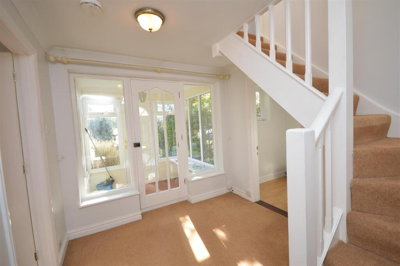
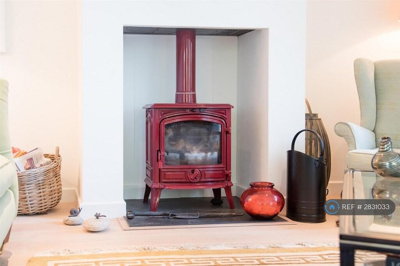
Browse 2 rental homes to rent in Gedgrave, East Suffolk from local letting agents.
£0/m
0
0
0
Source: home.co.uk
The rental market in Gedgrave reflects the broader character of this small Suffolk village, where tight supply meets consistent demand from those seeking coastal and rural living. Our platform aggregates available rental listings across Gedgrave and the surrounding area, helping you navigate what can be a limited selection of properties. Given that only approximately 110 households exist within the village itself, rental availability tends to be sparse but steady, with properties typically comprising period cottages, converted farm buildings, and traditional village homes. The housing stock here skews heavily toward detached properties at around 60%, with semi-detached homes at approximately 20% and terraced properties at 15%, with flats making up only about 5% of the market.
Property prices across Gedgrave demonstrate the premium associated with this coastal location. Detached properties command around £750,000 on average, with semi-detached homes valued near £500,000 and terraced properties at approximately £400,000. This ownership market directly influences rental pricing, as landlords factor in purchase costs, maintenance of older properties, and the unique considerations of properties within a designated AONB. Flats in the village average around £300,000, though rental availability across all property types remains limited in this village of approximately 15 property sales annually.
Rents for quality period properties in Gedgrave typically reflect these elevated values, making the village more suitable for those with established rental budgets. The older housing stock, with approximately 40% of properties built before 1919 and 80% constructed before 1980, means that many rentals require careful condition assessment before commitment. Properties from the pre-1919 period often feature solid wall construction, suspended timber floors, and traditional lime mortars that require different maintenance approaches than modern buildings, factors that influence both rental pricing and ongoing maintenance responsibilities for tenants.

Life in Gedgrave centres on the rhythms of the Suffolk coast and countryside. The village sits adjacent to the River Alde estuary, offering residents immediate access to waterways, salt marshes, and diverse wildlife that draw birdwatchers from across the region. The Suffolk Coast and Heaths Area of Outstanding Natural Beauty encompasses the village and its surroundings, ensuring that walking, birdwatching, and outdoor pursuits form part of daily life for many residents. This protected landscape means that planning controls preserve the village character, with several listed buildings including historic farmhouses, cottages, and St Andrew's Church requiring specialist considerations for any alterations.
The local economy draws from agriculture, tourism, and the leisure activities associated with the coast, creating a community that values both tradition and the natural environment. Many residents are employed in local agricultural enterprises, tourism-related businesses serving the Suffolk coast, or creative pursuits that benefit from the inspiring landscape. The area also attracts retirees and second-home owners drawn by the quality of life, which contributes to the property market dynamics and creates seasonal variations in the village atmosphere. Traditional village amenities may be limited, but the nearby market towns of Aldeburgh and Saxmundham provide additional services, shops, and social facilities within a short drive along the A12 corridor.
The demographic makeup of Gedgrave reflects its appeal to various groups. With approximately 250 residents across 110 households, the village maintains an intimate scale where community connections develop naturally. The property age distribution shows a mix of historic and more recent construction, with 40% built before 1919, 15% from the interwar period, 25% from the post-war era through 1980, and 20% representing more recent development. This variety in housing stock means that renters encounter everything from traditional flint-walled cottages to purpose-built homes from the latter half of the twentieth century, each with distinct characteristics and maintenance considerations.

Families considering rental properties in Gedgrave will find educational options within reasonable driving distance. The village falls within East Suffolk, where primary education is served by village schools in surrounding communities. These smaller rural schools often provide intimate class sizes and strong community connections, though families should verify current Ofsted ratings and availability directly with Suffolk County Council. The village's position within the Suffolk Coast and Heaths AONB means that some surrounding schools serve scattered rural communities across considerable distances, which affects class sizes and resources available to students.
Secondary education typically involves travel to larger villages or towns, with selective and non-selective options available depending on catchment areas and entrance criteria. For families prioritising educational access, proximity to Aldeburgh Grammar School or other secondary establishments warrants consideration when selecting a rental property in Gedgrave. The village's location means that school transportation arrangements and journey times form an important part of the rental decision-making process, particularly for those without private transport arrangements. Parents should research specific school catchments and admissions policies before committing to a rental property, as rural catchment areas can span considerable distances across the East Suffolk landscape.
Sixth form and further education provision is concentrated in Saxmundham, Ipswich, and Bury St Edmunds, accessible via the A12 corridor for older students pursuing advanced qualifications. The Greater Anglia railway services from Saxmundham station provide connections toward further and higher education opportunities in Norwich, Cambridge, and London for students considering university or specialized vocational training. Many families find that the trade-off between Gedgrave's exceptional natural environment and the need for transport planning is worthwhile, particularly when compared to urban rental options that may offer easier school access but a very different quality of life.

Transport connections from Gedgrave reflect its rural village character, with the A12 trunk road providing the primary artery for accessing larger towns and cities. The A12 runs through Saxmundham, connecting residents northward to Lowestoft and Great Yarmouth and southward through Woodbridge toward Ipswich. This route serves daily commuters, though journey times to major employment centres require careful planning given the nature of rural road travel. The nearest railway stations at Saxmundham and Ipswich provide connections to Norwich, Cambridge, and London Liverpool Street via the East Suffolk Line and Greater Anglia services, with Saxmundham station approximately 10 to 15 minutes drive from Gedgrave.
For those relying on public transport, bus services operating within rural Suffolk connect Gedgrave to neighbouring villages and market towns, though frequency may be limited compared to urban routes. Service 61 and similar routes operated by local providers link coastal communities with Saxmundham and Aldeburgh, though passengers should verify current timetables as rural bus provision can be subject to seasonal variations and occasional service changes. Many residents find that car ownership remains essential for comfortable daily living, though the village scale means that local destinations can often be reached on foot or bicycle along the country lanes that criss-cross the surrounding AONB landscape.
Cycling infrastructure varies, with country lanes providing scenic but sometimes narrow routes for cyclists sharing roads with agricultural vehicles and delivery trucks. The flat terrain characteristic of the Suffolk coast and estuary areas makes cycling more accessible than in hilly regions, though riders should be prepared for exposed conditions near the coastline where wind can significantly affect journey times. Parking availability within the village itself is generally adequate given the low household density, though visitors and commuters should plan accordingly for rail station parking at nearby Saxmundham, which can fill quickly during peak travel periods.

Obtain a rental budget agreement in principle before beginning your property search. This document demonstrates your financial capacity to landlords and agents, streamlining the application process for rental properties in Gedgrave and the surrounding East Suffolk area. Given the premium associated with this coastal village, understanding your maximum affordable monthly rent ensures you focus on realistic options from the outset of your search.
Spend time exploring Gedgrave and neighbouring communities to understand the village lifestyle, local amenities, and practical considerations such as school catchments, transport options, and nearest shopping facilities. Virtual and physical viewings of surrounding areas help renters make informed decisions, while understanding the local geology including clay shrink-swell risks and flood risk designations for specific properties provides important context for long-term renting decisions.
Search property platforms and contact local letting agents to identify available rentals matching your criteria. Given the limited supply in Gedgrave, expanding your search to include nearby villages along the Suffolk coast may reveal additional options within your acceptable commute range. Our platform aggregates listings across the area, helping you compare available properties across different communities and price points.
Arrange viewings of properties that meet your requirements, taking the opportunity to inspect the property condition, ask about lease terms, and assess the local neighbourhood. Pay particular attention to property age and construction type given the prevalence of older period properties in the area, many of which feature solid wall construction, traditional lime mortars, and original timber elements that may require ongoing maintenance attention.
Once you have agreed on a rental property, your landlord or agent will typically require tenant referencing, right to rent checks, and financial references. Prepare documentation including proof of identity, employment verification, and bank statements in advance to expedite this process. Given the older property types common in Gedgrave, some landlords may request additional provisions or specific insurance requirements related to period construction or flood exposure.
Review your tenancy agreement carefully before signing, ensuring you understand deposit protection arrangements, notice periods, maintenance responsibilities, and any specific conditions relating to the property. Your rental budget agreement and referencing should be finalised before completing your tenancy signing, with particular attention to provisions covering the unique characteristics of traditional Suffolk properties.
Renting properties in Gedgrave requires attention to factors specific to this coastal and rural location. The presence of clay geology underlying the village means that properties may be subject to moderate to high shrink-swell risk, potentially affecting foundations over time. Properties with shallow foundations are particularly vulnerable during prolonged dry spells when clay soils contract, or during wet periods when they expand. Prospective renters should inquire about any history of structural movement, subsidence indicators, or previous foundation repairs, especially given that approximately 80% of properties in Gedgrave were built before 1980.
The age of many properties in Gedgrave, with approximately 40% built before 1919, means that traditional construction methods including solid walls and lime mortars require different maintenance approaches than modern buildings. Common defects in this older housing stock include rising damp, penetrating damp, and condensation issues related to the coastal location and original construction methods. Roof condition represents another key consideration, with original slate or tile roofs often exhibiting slipped tiles, failing leadwork, and deteriorated timber elements that may require attention during the tenancy.
Timber defects including woodworm and rot are prevalent in older Gedgrave properties, especially those with poor ventilation or existing damp issues. Electrical wiring, plumbing, and heating systems in period properties may be outdated and require upgrading to meet current standards, with some properties still featuring original installations from the mid-twentieth century or earlier. Our inspectors frequently identify outdated services as a key consideration when assessing traditional Suffolk properties, and renters should understand their maintenance responsibilities under the tenancy agreement for these older building types.
Flood risk represents a significant consideration for rental properties in Gedgrave. The village's proximity to the River Alde estuary and the North Sea creates multiple flood risk pathways including fluvial flooding from the river, coastal flooding during storm surges and high tides, and surface water accumulation due to the flat local topography and potential drainage limitations. Some areas of Gedgrave may also be subject to coastal erosion over the long term, which can affect land stability and property values. Renters should verify flood risk designations for specific properties, check whether flood resilience measures have been implemented, and understand their responsibilities regarding flood preparation and recovery.

While specific rental price data for Gedgrave is not publicly compiled in the same way as ownership prices, rental costs in this village reflect the broader property market where average ownership values reach £650,000, with detached properties averaging £750,000 and terraced homes around £400,000. Period cottages and traditional village homes typically command premium rents due to their character, limited supply, and the costs associated with maintaining older properties in a coastal AONB location. The nearby coastal town of Aldeburgh provides some comparative context, with quality rental properties often ranging from £1,200 to £2,500 per month depending on property size, condition, and garden provision. Rural location, property age, and proximity to the estuary all influence actual rental valuations in Gedgrave.
Properties in Gedgrave fall under East Suffolk Council administration, with council tax bands assigned based on property valuation. Given the village's average property price of £650,000, many properties sit within higher council tax bands, typically bands D through H, particularly for the detached properties that dominate the local housing stock at approximately 60% of all homes. Prospective renters should request the specific council tax band from the landlord or agent during the property search process, as this forms part of the annual cost of occupying the property alongside rent and utility bills. The village's location within the AONB and the presence of listed buildings may also influence local council tax considerations.
Gedgrave itself is a small village without its own primary or secondary school, so educational access relies on surrounding communities. Families typically access primary education at schools in nearby villages such as those serving the Aldeburgh and Saxmundham catchments, with secondary options including Aldeburgh Grammar School and other schools along the A12 corridor in East Suffolk. School quality varies, and parents should consult current Ofsted reports and Suffolk County Council school admission information to identify the most suitable options for their children. Transport arrangements to schools represent an important practical consideration for families renting in Gedgrave, particularly given the rural nature of the surrounding area and the distances involved between villages.
Public transport connections from Gedgrave reflect its rural village status, with limited bus services connecting to neighbouring towns and villages along the Suffolk coast. The A12 trunk road provides the main route for accessing larger centres, with Saxmundham railway station approximately 10 to 15 minutes drive away offering Greater Anglia services toward Ipswich, Norwich, and London Liverpool Street. Many residents find that car ownership is essential for comfortable daily living, though the village itself is walkable and cycling is feasible for local journeys given the relatively flat terrain surrounding the estuary. Those relying heavily on public transport should verify specific bus routes and timetables with Suffolk County Council before committing to a rental property.
Gedgrave offers a distinctive rental proposition for those seeking coastal village life within East Suffolk. The village provides access to stunning natural scenery, the Suffolk Coast and Heaths AONB, and a close-knit community atmosphere with approximately 250 residents across 110 households. However, the limited rental supply, older housing stock with approximately 40% of properties built before 1919 requiring careful condition assessment, and rural transport connections mean that Gedgrave suits those prioritising quality of life and natural surroundings over urban conveniences. The premium associated with this desirable location within a designated AONB means that rental costs reflect the village's appeal, making thorough budget planning essential before entering the Gedgrave rental market.
Standard deposits for rental properties in England are equivalent to five weeks rent, capped at five weeks rent where the annual rent exceeds £50,000. In addition to the security deposit, renters should budget for referencing fees, right to rent checks, and potentially a holding deposit to secure the property while references are being processed. Given the older and potentially more complex property types in Gedgrave, including traditional flint construction and period features, some landlords may request additional provisions or specific insurance requirements. A rental budget agreement in principle helps ensure your financial position is clear before commencing your search, and properties in flood risk zones may require additional insurance considerations that affect overall tenancy costs.
Rental budget agreement in principle to demonstrate your affordability to landlords
From 4.5%
Comprehensive referencing checks required by landlords before tenancy signing
From £99
Professional survey ideal for older properties common in Gedgrave's housing stock
From £500
Energy performance certificate required for all rental properties
From £85
Understanding the full cost of renting in Gedgrave involves budgeting beyond simply the monthly rent. Security deposits in England are typically capped at five weeks rent, held in a government-approved deposit protection scheme, and returned at the end of tenancy minus any legitimate deductions for damage or unpaid rent. Given Gedgrave's position within a premium rural and coastal market where average property values reach £650,000, these deposits can represent a significant upfront sum that renters should factor into their moving budget alongside removal costs, furniture procurement, and any initial utility connections or council tax arrangements.
Additional fees in the rental process may include referencing fees charged by landlords or letting agents to verify your identity, credit history, employment status, and previous rental references. Right to rent checks are mandatory for all new tenants and must be completed before occupation under the Immigration Act 2014. Some older properties in Gedgrave may require specific insurance arrangements or additional deposits to cover particular risks associated with period construction, timber elements, or flood exposure along the estuary. Properties built before 1919 featuring solid wall construction and traditional materials often present different risk profiles than modern buildings, which landlords may reflect in their insurance requirements.
Prospective renters benefit from obtaining a rental budget agreement in principle before commencing their search, as this document clarifies affordability and demonstrates preparedness to landlords when competing for limited available properties in this small Suffolk village. The older housing stock in Gedgrave, including listed buildings and properties within the AONB, may require specialist considerations for alterations or renovations during tenancy, with any changes potentially requiring planning permission or listed building consent. Understanding these constraints helps renters plan for the long term and avoid unexpected complications during their tenancy in this distinctive coastal location.
Properties to Rent In London

Properties to Rent In Plymouth

Properties to Rent In Liverpool

Properties to Rent In Glasgow

Properties to Rent In Sheffield

Properties to Rent In Edinburgh

Properties to Rent In Coventry

Properties to Rent In Bradford

Properties to Rent In Manchester

Properties to Rent In Birmingham

Properties to Rent In Bristol

Properties to Rent In Oxford

Properties to Rent In Leicester

Properties to Rent In Newcastle

Properties to Rent In Leeds

Properties to Rent In Southampton

Properties to Rent In Cardiff

Properties to Rent In Nottingham

Properties to Rent In Norwich

Properties to Rent In Brighton

Properties to Rent In Derby

Properties to Rent In Portsmouth

Properties to Rent In Northampton

Properties to Rent In Milton Keynes

Properties to Rent In Bournemouth

Properties to Rent In Bolton

Properties to Rent In Swansea

Properties to Rent In Swindon

Properties to Rent In Peterborough

Properties to Rent In Wolverhampton

Enter your details to see if this property is within your budget.
Loans, cards, car finance
Estimated property budget
Borrowing + deposit
You could borrow between
Typical borrowing
Monthly repayment
Est. at 4.5%
Loan-to-value
This is an estimate only. Your actual budget may vary depending on interest rates, credit history, and personal circumstances. For an accurate affordability assessment, speak to one of our free mortgage advisors.
This calculator provides estimates for illustrative purposes only and does not constitute financial advice. Your home may be repossessed if you do not keep up repayments on your mortgage. Estimates based on 4.5% interest rate, repayment mortgage. Actual rates depend on your circumstances.
Homemove is a trading name of HM Haus Group Ltd (Company No. 13873779, registered in England & Wales). Homemove Mortgages Ltd (Company No. 15947693) is an Appointed Representative of TMG Direct Limited, trading as TMG Mortgage Network, which is authorised and regulated by the Financial Conduct Authority (FRN 786245). Homemove Mortgages Ltd is entered on the FCA Register as an Appointed Representative (FRN 1022429). You can check registrations at NewRegister or by calling 0800 111 6768.

We use cookies to show you personalised content and improve your experience of our website. Find out more in our Privacy policy and Cookie policy.