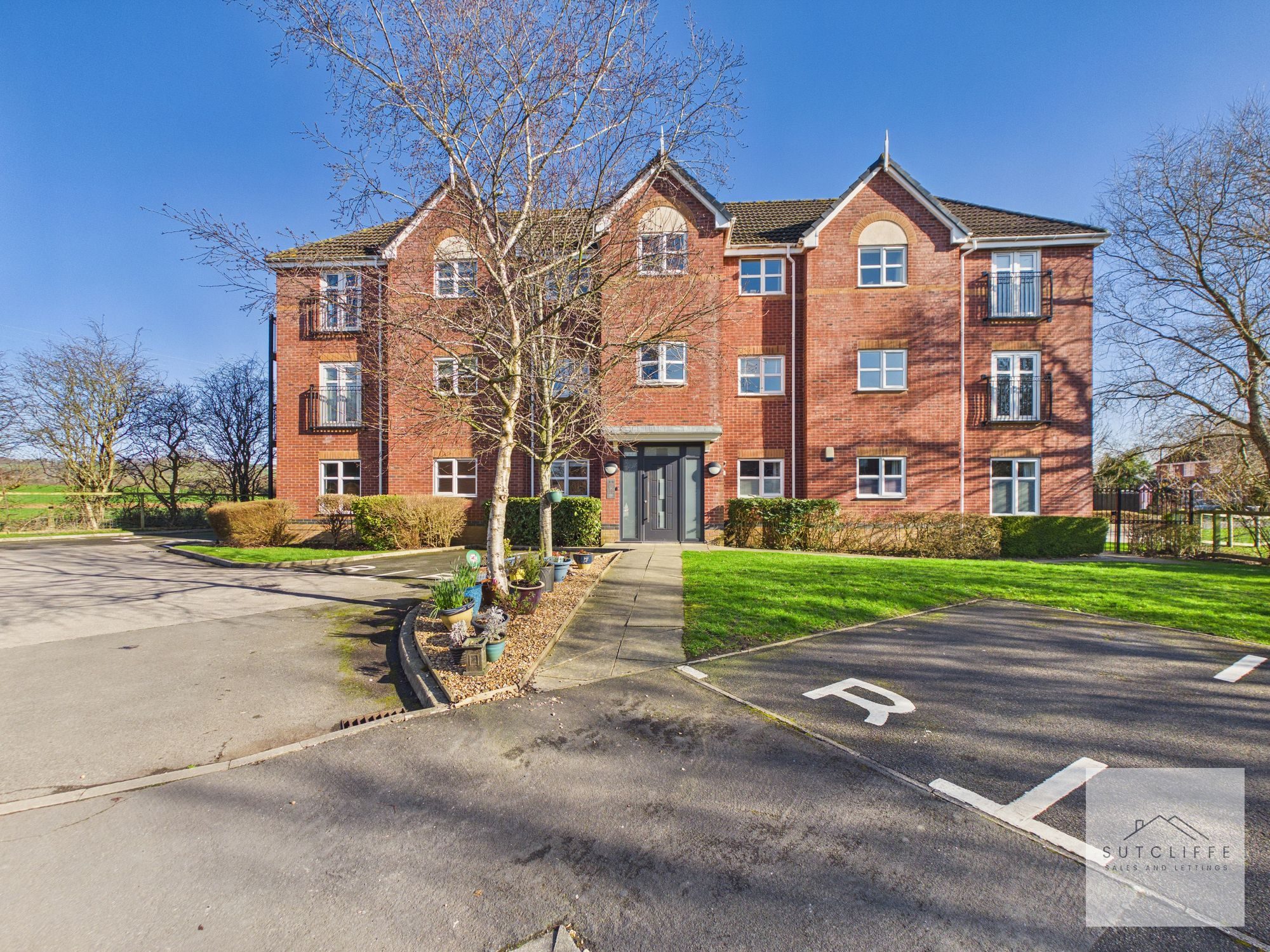
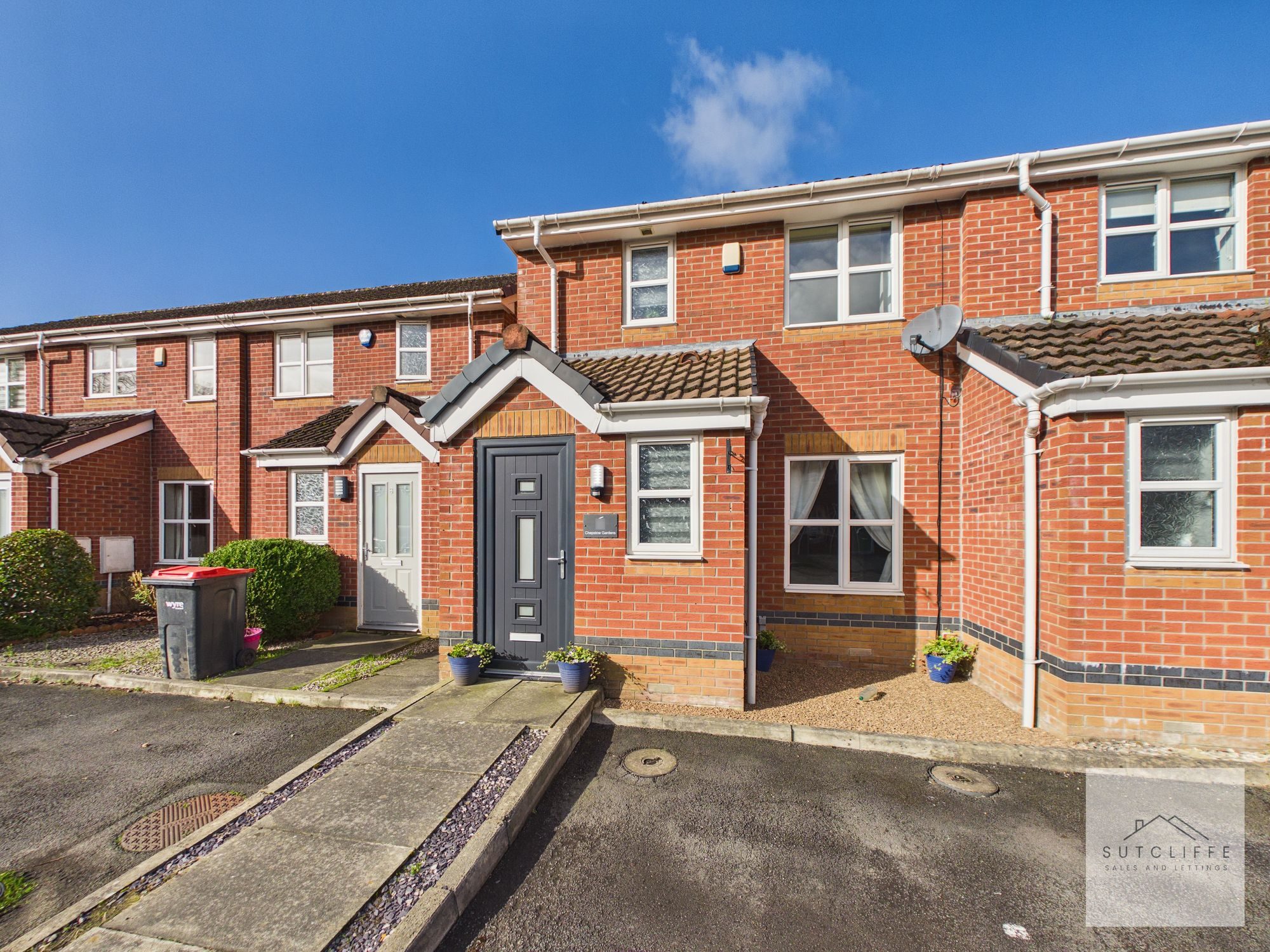
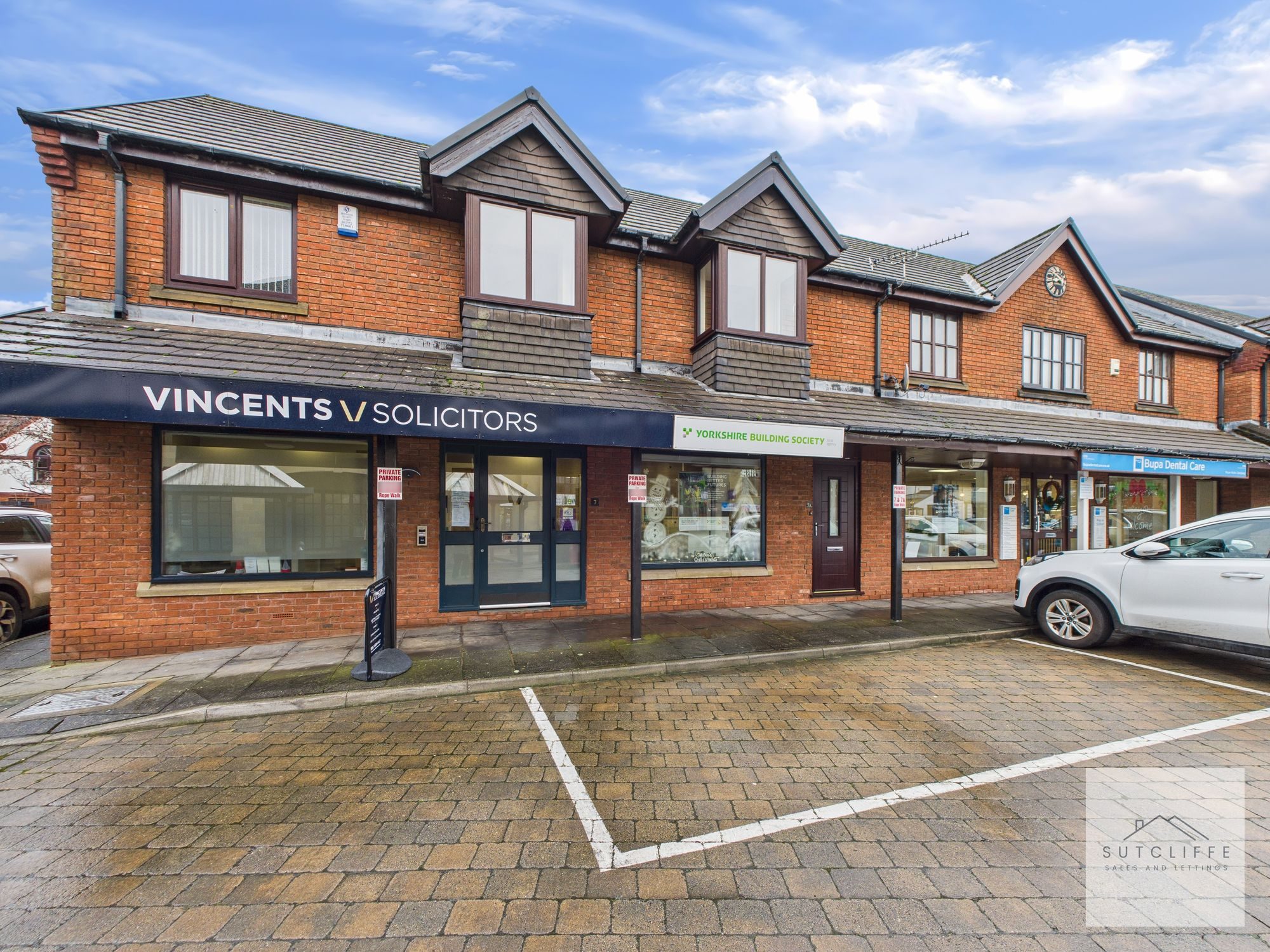
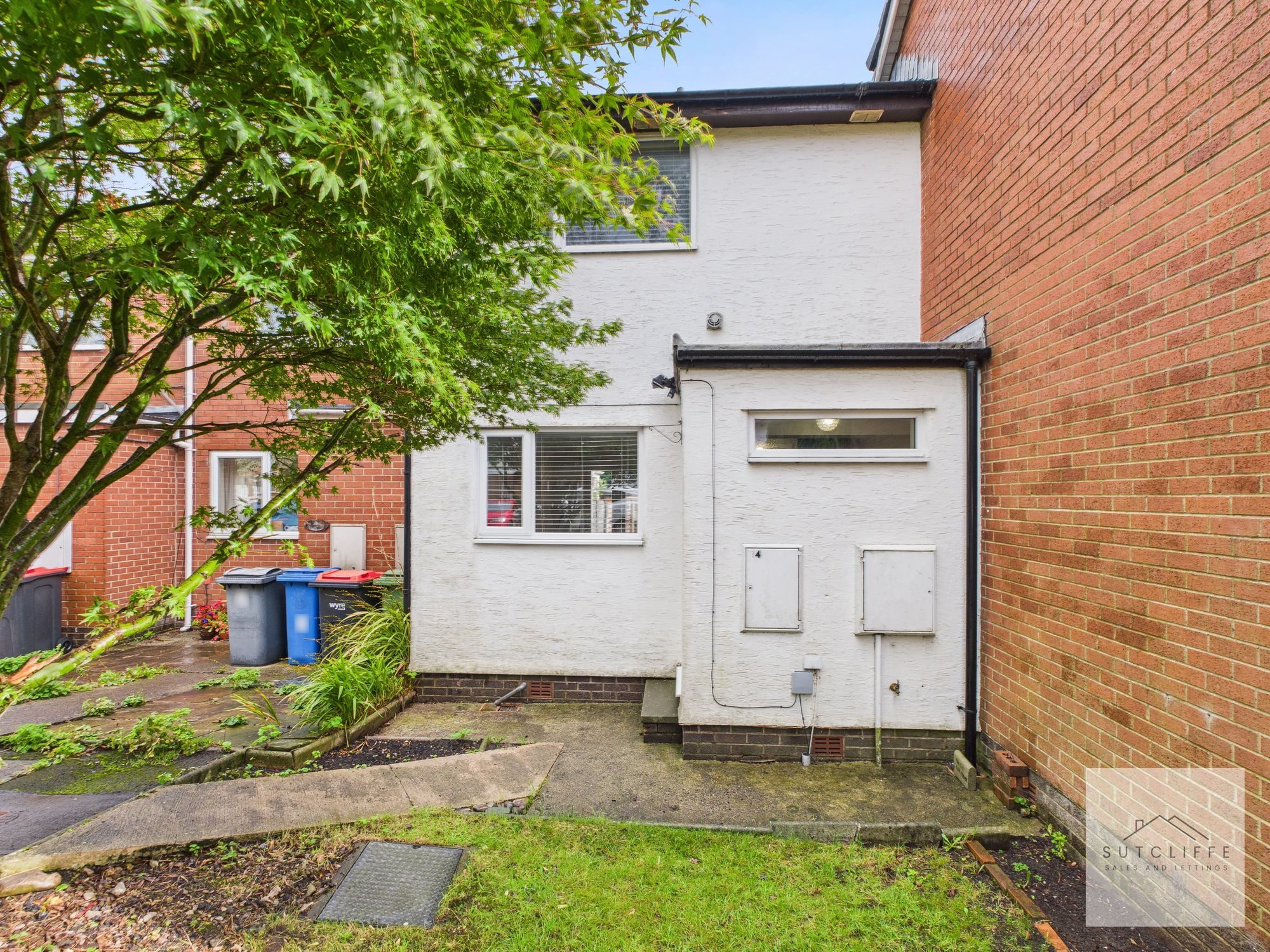
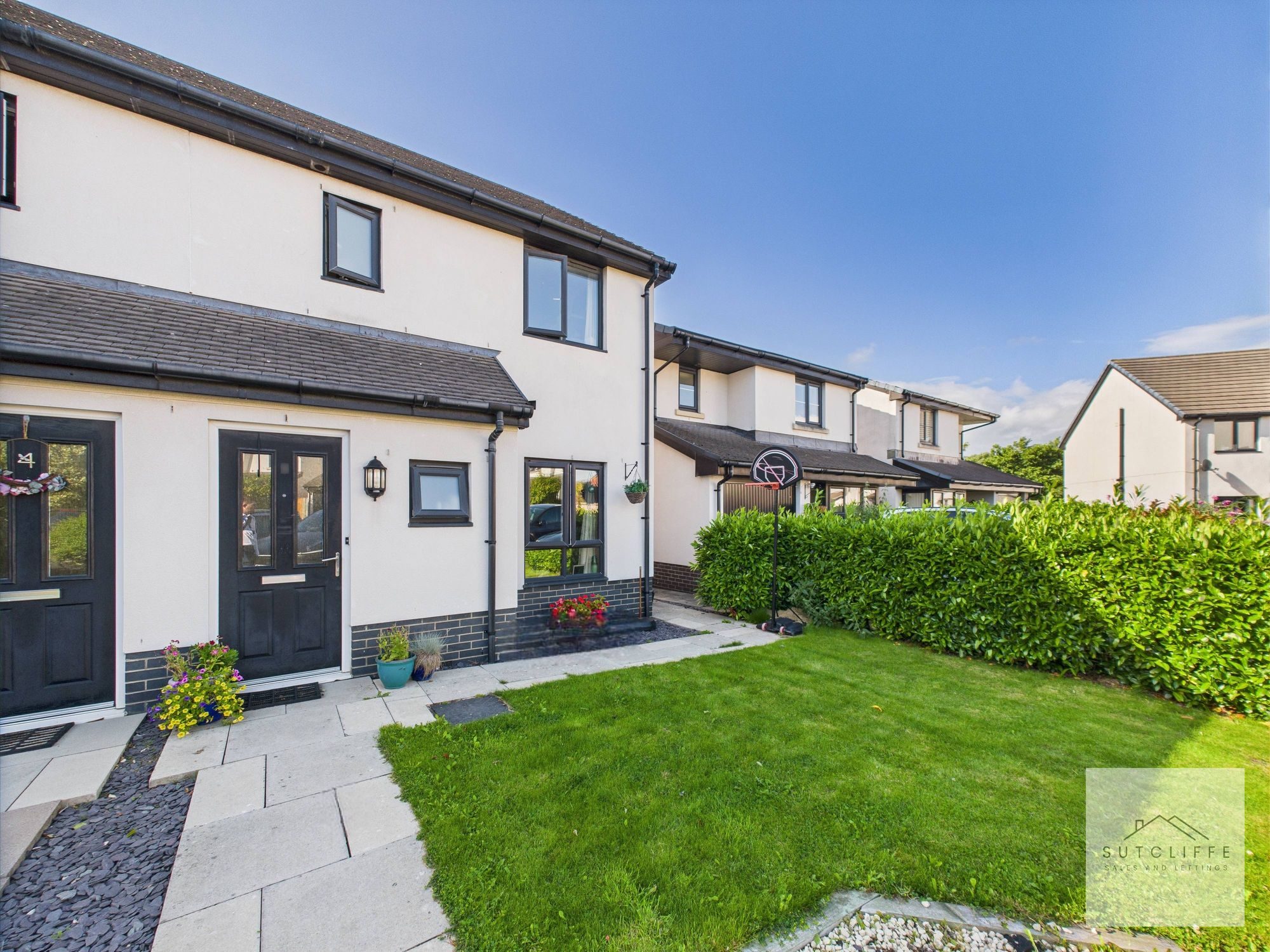
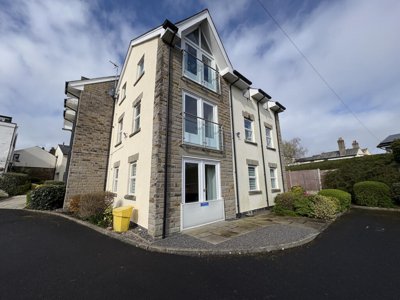
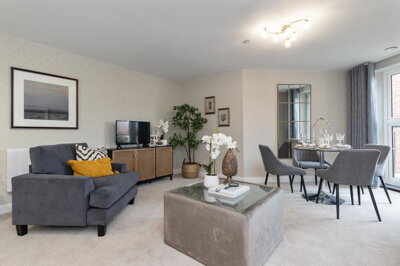
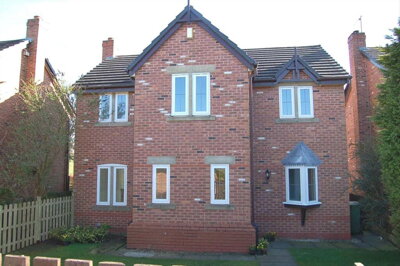
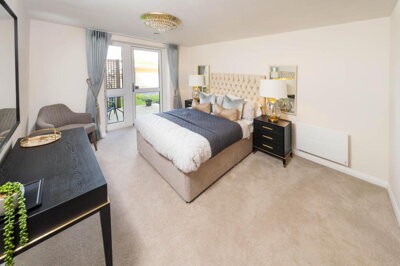
Browse 16 rental homes to rent in Garstang, Wyre from local letting agents.
£795/m
3
0
97
Source: home.co.uk
Source: home.co.uk
Apartment
1 listings
Avg £625
flat
1 listings
Avg £795
mid_terraced
1 listings
Avg £850
Source: home.co.uk
Source: home.co.uk
The rental market in Garstang benefits from strong demand driven by the town's appeal to commuters and families seeking quality homes in a semi-rural setting. Property sales data shows an average house price of £269,796 in the area, with detached properties averaging £371,208 and semi-detached homes at £220,119, giving renters a useful benchmark for understanding the broader property values that influence rental pricing. Terraced properties typically sell for around £182,727, while flats average £128,750, offering more affordable entry points for those on tighter budgets. Over the past 12 months, prices in Garstang have increased by 1.29%, indicating sustained demand in the local market with 100 property sales recorded in the last year.
New build activity in the wider Garstang area has introduced modern family homes to the market, with several active developments in nearby Catterall along Garstang Road. Rowland Homes offers properties at The Paddocks and The Ridings, both featuring 3, 4, and 5 bedroom detached and semi-detached homes priced from £229,995 to £429,995. Story Homes' The Pastures development nearby provides additional options with similar sized properties ranging from £259,995 to £439,995. While these represent sale prices, they reflect the quality expectations and investment values in the locality, with rental properties commanding premiums for modern construction and energy efficiency.
Rental properties in Garstang span a variety of styles, from period properties in the Conservation Area with original features to post-war semis and contemporary homes built since the 1980s. The housing stock breaks down as follows: 37.9% detached, 32.1% semi-detached, 17.0% terraced, and 12.0% flats and apartments. Approximately 60% of properties in Garstang were built before 1980, meaning many rental homes offer character and solid brick construction alongside period features that may require maintenance attention. Understanding the mix of property types available helps you narrow your search based on space requirements, budget, and preference for modern versus character properties.

Garstang is a traditional market town with a population of around 4,268 residents according to the 2021 Census, creating an intimate community atmosphere that many renters find appealing. The town centre features a mix of independent shops, cafes, and traditional pubs clustered around the historic Market Place and along the High Street, where numerous listed buildings speak to centuries of heritage. The presence of a Conservation Area covering much of the historic town centre helps maintain the architectural character that makes Garstang distinctive, with properties along Church Street and across the River Wyre bridges adding visual interest to everyday walks. The town retains its role as a service centre for surrounding villages, drawing visitors to its weekly markets and specialist shops.
The local economy has evolved from its agricultural roots to include retail, services, and light industry, while the town's strategic position between Preston and Lancaster continues to attract commuters who appreciate the quality of life offered by semi-rural living. Green spaces are plentiful, with the River Wyre providing scenic walks and the surrounding Lancashire countryside offering recreational opportunities for walkers and cyclists. The town has several parks and green corridors that connect residential areas to the town centre, making it practical to access amenities without always needing a car. Community events including the weekly market and seasonal festivals bring residents together, fostering a strong sense of belonging that renters often cite as a major advantage of life in Garstang.
For renters considering Garstang, the cost of living compares favourably to nearby Preston and Lancaster while still offering good access to urban amenities. Local amenities include supermarkets, independent grocers, pharmacies, medical practices, and a range of restaurants and cafes catering to different tastes and budgets. The town also has a library, community centre, and several sports facilities including football pitches and tennis courts. This combination of practical services and community atmosphere makes Garstang suitable for a wide range of renters, from young professionals to families and retirees.

Families considering a move to Garstang will find a reasonable selection of educational options within the town and surrounding area, making it a practical choice for those with children of various ages. The housing stock mix reflects family needs, with detached properties comprising 37.9% of homes and semi-detached properties at 32.1%, providing plenty of space for households with children. Primary schools in Garstang and nearby villages serve the local community, while secondary education options in the wider Wyre area cater to older students continuing their educational journey. The local primary schools serve catchments that include various residential areas, so checking school boundaries is worthwhile when searching for rental property.
The presence of quality schools influences the rental market significantly, as families often prioritise proximity to good educational establishments when selecting their home. Properties in catchments for well-regarded schools can command premium rents or experience higher demand, so understanding school catchment areas is valuable when searching for rental property in Garstang. Researching current Ofsted ratings for schools in specific catchment areas helps families make informed decisions, as school performance can vary and catchment boundaries may affect eligibility. Sixth form and further education provision is available in nearby towns including Preston and Lancaster, accessible via the transport links that make Garstang practical for secondary and higher education students who need to travel for specialist subjects or courses.
For renters without children, proximity to schools may still be relevant as properties in good school catchments tend to hold their value better and attract consistent tenant demand. This can be advantageous if you eventually need to relocate, as rental properties in desirable catchments often lease more quickly. The combination of good local schools, reasonable transport connections, and family-friendly amenities makes Garstang attractive to a broad range of renters, supporting a stable rental market.

Garstang benefits from its strategic position between Preston and Lancaster, making it particularly attractive to commuters who work in these larger centres but prefer the lifestyle benefits of town or countryside living. The A6 road runs through Garstang, providing direct connections north to Lancaster and south towards Preston and the M6 motorway beyond, giving residents flexible options for road travel. Bus services connect Garstang with surrounding villages and nearby towns, providing public transport alternatives for those who prefer not to drive or who wish to reduce their commuting costs. The bus network serves key locations throughout the day, though frequency may be reduced on evenings and weekends.
Rail connections are available from nearby stations on the Preston to Lancaster line, with journey times to Preston taking approximately 20-30 minutes by car depending on traffic conditions. Lancaster station offers direct services to destinations including Manchester, Liverpool, and Leeds, expanding the range of employment opportunities accessible to Garstang residents. The M6 motorway junction is easily accessible from Garstang, placing Manchester, Liverpool, and the wider motorway network within reasonable driving distance for those who travel for work or leisure. For commuters considering Garstang as a base, the practical access to employment centres while maintaining a quieter home environment represents a significant advantage that influences rental demand and property values throughout the area.
Local bus services connect Garstang with surrounding villages including Catterall, Broseley, and Bilsborrow, providing practical options for those working locally or accessing services not available in town. The frequency and routes of local buses make car ownership helpful but not essential for daily life in Garstang, particularly for those working from home or with flexible working arrangements. Many residents appreciate having the option to use public transport occasionally while benefiting from the convenience of car travel for larger shopping trips or weekend activities.

Before viewing properties in Garstang, arrange a rental budget agreement in principle to understand how much you can afford to spend on rent each month. Factor in deposit requirements, typically five weeks rent, and ongoing costs such as council tax, utilities, and insurance. Getting pre-approved helps you focus your search on properties within your range and demonstrates your seriousness to landlords when you make an offer. A rental budget agreement also helps you understand the true cost of renting, including potential increases at renewal time.
Spend time exploring different neighbourhoods in Garstang to find the area that best suits your lifestyle needs. Consider proximity to work, schools if you have children, local amenities, and transport links. The town has distinct areas from the historic Conservation Area around the Market Place to residential streets and newer developments on the outskirts, each offering different characteristics and rental price points. Driving or walking around different areas at various times of day helps you understand traffic patterns, noise levels, and the overall atmosphere of each neighbourhood.
Once you have identified suitable properties, arrange viewings to assess their condition and suitability. For properties over 50 years old, which comprise approximately 60% of Garstang's housing stock, consider arranging a survey to identify any potential defects before committing. Pay particular attention to signs of damp, roof condition, and the condition of windows and heating systems in period properties. Viewing properties in daylight allows you to assess the condition more accurately and spot any issues that might not be visible in evening viewings.
When you find your ideal rental property, review the tenancy agreement carefully before signing. Ensure you understand the terms including rent amount, deposit protection arrangements, lease length, and any restrictions on pets, smoking, or modifications to the property. Your deposit must be protected in a government-approved scheme within 30 days of receipt under current legislation. Ask the landlord or agent to explain any clauses you do not understand, and do not feel pressured to sign until you are satisfied with the terms.
Before moving in, complete a detailed inventory check with the landlord or letting agent to document the condition of the property and its contents. This protects both you and the landlord by ensuring you receive your full deposit back at the end of the tenancy, provided the property is left in the same condition as when you moved in, subject to fair wear and tear. Take dated photographs of all rooms and any items included in the inventory, and keep copies of all correspondence and documents related to your tenancy for your records.
Renting property in Garstang requires awareness of several area-specific factors that can affect your tenancy experience and property condition over time. The local geology presents particular considerations, as Garstang sits on boulder clay deposits overlying bedrock of mudstone and sandstone, creating moderate to high shrink-swell risk that can affect foundations of older properties when moisture levels change. Signs of subsidence or cracking in walls, particularly in properties built before 1980, warrant careful investigation before you commit to a tenancy. Approximately 60% of properties in Garstang fall into this older category where foundation issues may be more prevalent.
Flood risk is another important consideration for renters in Garstang, as the town's position on the River Wyre means that properties close to the river carry fluvial flood risk, particularly during periods of heavy rainfall. Surface water flooding can also affect low-lying areas when drainage capacity is exceeded. Before committing to a rental property, check whether it falls within known flood risk zones and consider the potential impact on your belongings and insurance requirements. Properties in areas with higher flood risk may require specialist contents insurance, so factor this into your budget calculations.
Properties within the Garstang Conservation Area, which covers much of the historic town centre including High Street, Market Place, and Church Street, may be subject to planning restrictions that affect what alterations or improvements tenants can make. Listed buildings in the area will have additional restrictions, so if you are considering renting a period property with the intention of making changes, clarify these limitations before signing your tenancy agreement. The character of living in a listed property can be rewarding, but it comes with responsibilities that differ from standard rental properties. Always check with the landlord whether consent is required for any decorations or minor modifications.
Common defects in Garstang's older properties include damp issues, timber defects such as rot or woodworm, and roof problems including missing tiles, failing lead flashing, and defective guttering. Properties with solid wall construction may have higher heating costs due to less effective insulation than modern cavity wall properties. Electrical systems in properties built before the 1980s may not meet current safety standards and could require updating. When viewing older rental properties, check the condition of these key areas and factor any necessary improvements into your decision-making process.

While specific rental price data for Garstang varies based on property type, size, and condition, rental prices typically range from around £500-650 per month for a one-bedroom flat up to £1,200-1,500 per month for a four or five-bedroom detached home. The overall average house price in the area is £269,796, with detached properties averaging £371,208 and terraced homes around £182,727, which influences the rental pricing structure across the local market. For accurate current rental pricing, searching property portals and contacting local letting agents provides the most up-to-date information on what is available in your budget range. Rental prices can vary significantly between similar properties depending on condition, location within Garstang, and whether the property has been recently renovated.
Council tax bands in Garstang are set by Wyre Borough Council and vary depending on the property's assessed value, with bands ranging from A through to H for residential properties. Most properties in Garstang fall within bands A to D, with band A properties attracting the lowest council tax charges and band D or above applying to higher value homes. You can check the specific band for any property through the Valuation Office Agency website or on your local council tax bill, and current Wyre Borough Council rates are published on their official website. When budgeting for your rental, remember to factor in council tax costs alongside your monthly rent, as these vary between properties based on their band and current council tax rates set by Wyre Borough Council.
Garstang and the surrounding Wyre area offer educational options for children at all stages, with primary schools serving the immediate community and secondary schools within reasonable travelling distance including those in Preston and Lancaster accessible via the A6. The quality of schools can significantly impact the attractiveness of rental properties for families, so we recommend researching current Ofsted ratings for schools in specific catchment areas before committing to a property. For families with older children, sixth form and further education provision in Preston and Lancaster is accessible via the town's transport links, providing additional options beyond local secondary schools. Schools in the Garstang area serve catchment zones that correspond to specific postcodes, so checking school maps helps ensure your rental property falls within your preferred school's boundary.
Garstang is served by bus routes connecting the town with surrounding villages and nearby towns including Preston and Lancaster, with the 40 and 41 bus services providing regular links to Preston city centre. The A6 road provides direct routes north and south, while the nearby M6 motorway offers access to the wider north west road network with junctions easily accessible from the town. Rail connections are available from Lancaster and Preston stations on the West Coast Main Line and regional services, with Preston city centre reachable by car in approximately 20-30 minutes depending on traffic. For commuters working in Preston or Lancaster, Garstang offers a practical balance between accessibility and the lifestyle benefits of semi-rural living, making it popular with those who travel to larger employment centres while preferring a quieter home environment.
Garstang offers a strong quality of life for renters, combining the charm of a historic market town with practical access to larger employment centres including Preston and Lancaster. The community atmosphere, with regular markets and local events, creates a sense of belonging that many residents appreciate, with the weekly market at the Market Place drawing visitors from across the surrounding area. The town centre features independent shops and cafes, while green spaces along the River Wyre provide recreational opportunities for walking, cycling, and enjoying the natural environment. The proximity to both the Lancashire countryside and good transport links makes Garstang particularly suitable for commuters, families, and anyone seeking a quieter lifestyle without complete isolation from urban amenities.
Standard practice in Garstang follows national norms, with deposits typically set at five weeks rent and held in a government-approved Tenancy Deposit Protection scheme within 30 days of the start of your tenancy. You may also need to pay a holding deposit to secure a property, usually equivalent to one week rent, which is offset against your final deposit or first month rent upon signing the tenancy agreement. Credit checking and referencing fees may apply, though regulations limit the amounts landlords and agents can charge, and you should receive a breakdown of any fees before proceeding. Always request a full breakdown of all costs before committing to a property to ensure you budget appropriately for deposits, fees, and your first month's rent in advance.
Approximately 60% of properties in Garstang were built before 1980, meaning many rental homes are period properties that may require more maintenance attention than newer builds. Before renting, inspect for signs of damp which can affect solid-wall construction properties common in older homes, check the condition of roofs and guttering which may show their age, and assess the heating system which may be original or older in character properties. Given Garstang's geology with boulder clay deposits, check for signs of subsidence or foundation movement including cracking to walls or floors. Properties near the River Wyre should be checked for flood risk history and you should consider appropriate contents insurance. If the property is listed or within the Conservation Area, understand any restrictions that may apply to alterations or decorations before signing your tenancy agreement.
From 4.5%
Get pre-approved for your renting budget to focus your property search
From £99
Complete credit checks and referencing to strengthen your rental application
From £400
Identify defects in older rental properties before you commit to a tenancy
From £85
Check energy efficiency ratings for potential rental properties
Understanding the full cost of renting in Garstang extends beyond simply comparing monthly rent figures to ensure you can comfortably afford your new home. The initial costs when moving into a rental property typically include a security deposit, usually equivalent to five weeks rent, which must be protected in a government-approved Tenancy Deposit Protection scheme within 30 days of the start of your tenancy. Holding deposits of around one week rent may also be required to secure a property while referencing and credit checks are completed. First month rent in advance is standard practice, bringing total upfront costs to approximately seven weeks rent before you have moved a single box.
Ongoing costs to budget for include council tax, which varies by property band in Garstang and is set by Wyre Borough Council, plus utility bills for gas, electricity, and water. Contents insurance is advisable to protect your belongings, and you may need to budget for TV licensing and internet services. For properties in Garstang, particularly older homes built before 1980, consider whether heating costs may be higher due to less effective insulation, especially in period properties that retain character features but may have higher energy requirements. Energy performance certificate ratings can help you estimate potential utility costs before committing to a tenancy.
Getting a rental budget agreement in principle before house hunting helps you understand your true affordability and positions you favourably when applying for properties in a competitive rental market. A budget agreement shows landlords and letting agents that you have been financially assessed and are a serious applicant, which can be particularly helpful in areas with high tenant demand. Contact local letting agents in Garstang to discuss available rental properties and understand current market conditions in different parts of the town. Being prepared with your budget agreement and referencing documents ready can help you secure your preferred property quickly when the right opportunity arises.
Properties to Rent In London

Properties to Rent In Plymouth

Properties to Rent In Liverpool

Properties to Rent In Glasgow

Properties to Rent In Sheffield

Properties to Rent In Edinburgh

Properties to Rent In Coventry

Properties to Rent In Bradford

Properties to Rent In Manchester

Properties to Rent In Birmingham

Properties to Rent In Bristol

Properties to Rent In Oxford

Properties to Rent In Leicester

Properties to Rent In Newcastle

Properties to Rent In Leeds

Properties to Rent In Southampton

Properties to Rent In Cardiff

Properties to Rent In Nottingham

Properties to Rent In Norwich

Properties to Rent In Brighton

Properties to Rent In Derby

Properties to Rent In Portsmouth

Properties to Rent In Northampton

Properties to Rent In Milton Keynes

Properties to Rent In Bournemouth

Properties to Rent In Bolton

Properties to Rent In Swansea

Properties to Rent In Swindon

Properties to Rent In Peterborough

Properties to Rent In Wolverhampton

Enter your details to see if this property is within your budget.
Loans, cards, car finance
Estimated property budget
Borrowing + deposit
You could borrow between
Typical borrowing
Monthly repayment
Est. at 4.5%
Loan-to-value
This is an estimate only. Your actual budget may vary depending on interest rates, credit history, and personal circumstances. For an accurate affordability assessment, speak to one of our free mortgage advisors.
This calculator provides estimates for illustrative purposes only and does not constitute financial advice. Your home may be repossessed if you do not keep up repayments on your mortgage. Estimates based on 4.5% interest rate, repayment mortgage. Actual rates depend on your circumstances.
Homemove is a trading name of HM Haus Group Ltd (Company No. 13873779, registered in England & Wales). Homemove Mortgages Ltd (Company No. 15947693) is an Appointed Representative of TMG Direct Limited, trading as TMG Mortgage Network, which is authorised and regulated by the Financial Conduct Authority (FRN 786245). Homemove Mortgages Ltd is entered on the FCA Register as an Appointed Representative (FRN 1022429). You can check registrations at NewRegister or by calling 0800 111 6768.

We use cookies to show you personalised content and improve your experience of our website. Find out more in our Privacy policy and Cookie policy.