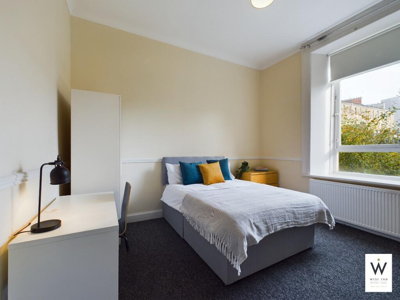
Browse 862 rental homes to rent in G4 from local letting agents.
£1,323/m
18
0
39
Source: home.co.uk
Source: home.co.uk
Flat
17 listings
Avg £1,828
House of Multiple Occupation
1 listings
Avg £2,175
Source: home.co.uk
Source: home.co.uk
The G4 rental market has demonstrated remarkable resilience despite broader economic pressures affecting the UK property sector. Over the past five years, property prices in the G4 area have increased by 11%, indicating sustained demand from buyers and renters alike, though the past 12 months have seen a modest 1% decrease as the market adjusts. This stability makes G4 an attractive option for renters who may be considering eventual purchase, as property values have proven durable even during periods of economic uncertainty. Our listings include properties across all price brackets, from compact one-bedroom flats ideal for students and young professionals to spacious family homes near the conservation areas of Garnethill.
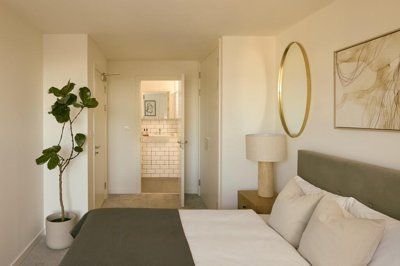
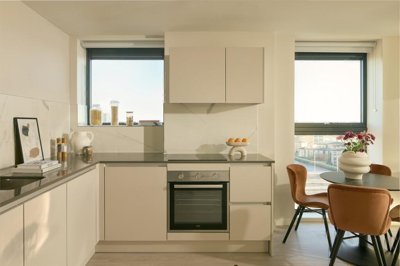
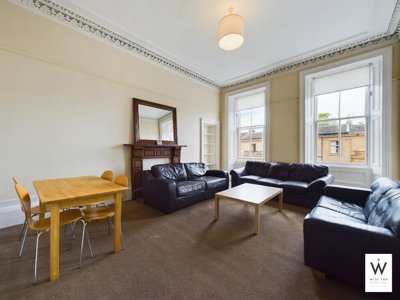
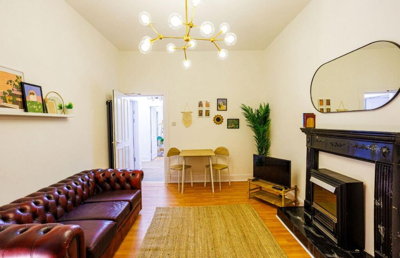
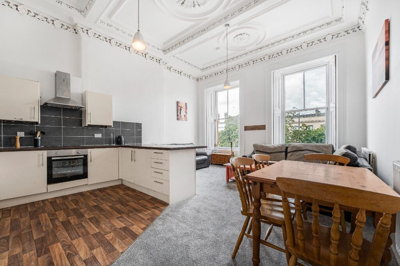
Property types available for rent in G4 encompass the full diversity of Glasgow's housing stock. Traditional tenement flats with original features like high ceilings, cornicing, and fireplaces remain popular choices, particularly among those who appreciate period character. Modern apartments in new developments offer contemporary living with amenities like concierge services, parking, and energy-efficient systems. For renters with specific needs, we list semi-detached and terraced properties that provide private gardens and more space, though these are less common in this predominantly urban postcode. The prevalence of older properties in G4 means that renters should consider arranging a thorough survey before committing to a lease, as hidden defects in historic buildings can become costly surprises.
The average property price in G4 stands at £163,892, with flats averaging around £150,000 and terraced properties around £165,000, according to recent market data. These sale prices provide useful context for understanding rental valuations, as landlords typically set rents to reflect both the capital value of their property and prevailing market conditions. The area has seen 19 property sales in the last 12 months, indicating moderate transaction volumes consistent with a city centre location where rental demand often exceeds buyer demand. Properties in this postcode tend to hold their value well, supported by the limited availability of development sites and the enduring appeal of traditional sandstone construction that characterises the neighbourhood.

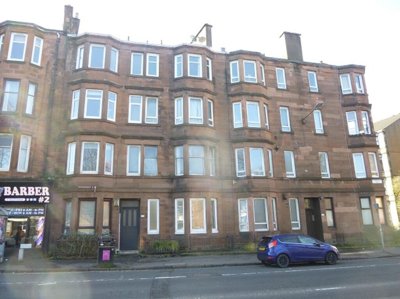
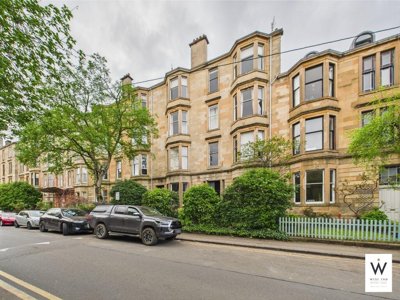
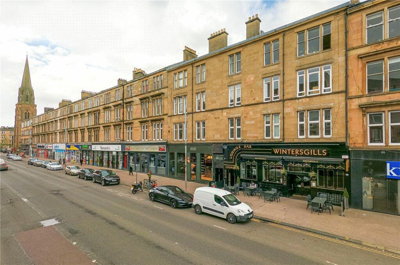
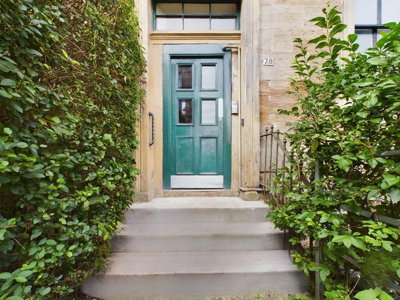
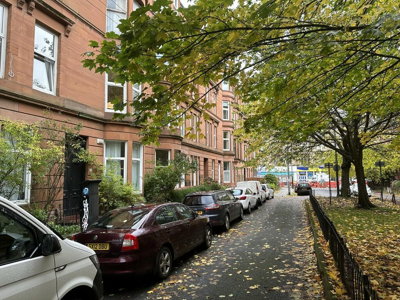
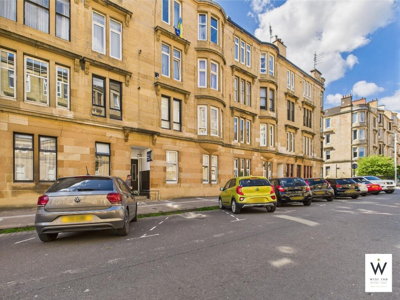
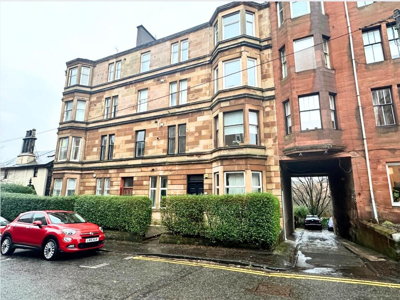
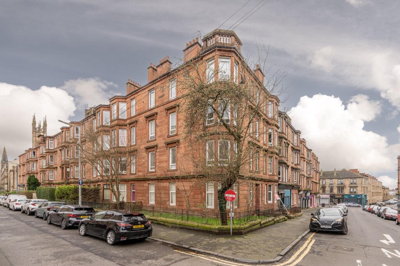
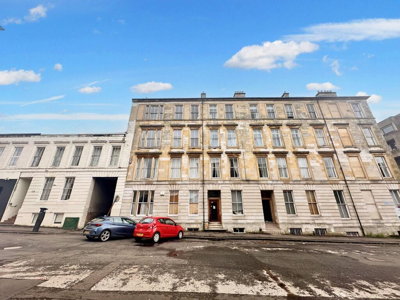
Glasgow's G4 postcode encompasses some of the city's most historically significant and culturally vibrant neighbourhoods, including Townhead, Garnethill, and the western edge of the merchant city. The area is characterised by its distinctive sandstone architecture, with red and blonde tenement buildings dating from the Victorian and Edwardian periods dominating the streetscape. These historic properties, many built using locally quarried Carboniferous sandstone, give the area its warm terracotta and honey-toned appearance that has become synonymous with Glasgow's architectural identity. The combination of traditional building materials including brick and slate roofing creates a cohesive urban environment that residents take considerable pride in maintaining.
The demographic composition of G4 reflects its position as a transitional zone between the commercial city centre and residential neighbourhoods. Students from the nearby University of Strathclyde and Glasgow Caledonian University create a youthful energy, while long-term residents contribute to the established community networks that define the area's character. The population of approximately 22,000 people across 10,000 households includes professionals working in finance, healthcare, retail, and hospitality sectors who value the convenient access to city centre employment. Local amenities include independent cafes, pubs, and shops alongside essential services like GP surgeries, pharmacies, and community centres that serve the residential population.
G4 contains several listed buildings and conservation areas that contribute to its distinctive character. Garnethill and parts of the Central Conservation Area fall within or border the G4 postcode, meaning that properties in these locations are subject to stricter planning controls designed to preserve their historic fabric. For renters, this means that exterior alterations to many buildings require consent, and the maintenance of period features falls to landlords rather than tenants. The area around High Street and the fringes of the merchant city features some of Glasgow's finest Victorian architecture, with ornate sandstone facades and decorative ironwork that create an attractive streetscape throughout the year.

Education provision in Glasgow G4 serves students from primary through to higher education, with several notable institutions located within or immediately adjacent to the postcode area. Primary schools serving the G4 area include Garnethill Primary School and Townhead Primary School, both of which serve their local communities with dedicated teaching staff and reasonable facilities given the urban environment. For secondary education, students typically attend schools like Shawlands Academy or St. Mary's Secondary School depending on their catchment area, with these institutions providing comprehensive curricula and extracurricular programmes for students aged 11 to 18. Parents considering rental properties in G4 should verify school catchments, as catchment boundaries can affect which schools children can access.
The proximity of two major universities significantly influences the character of G4 and creates opportunities for adult learners and graduate renters. The University of Strathclyde, situated just outside the G4 boundary on Richmond Road, is renowned for its engineering, science, and business programmes, attracting students from across the UK and internationally. Glasgow Caledonian University, also nearby in the city centre, specialises in health, social sciences, and professional programmes. Renting near these institutions appeals to students seeking short-term accommodation, postgraduate researchers, and academic staff who appreciate the convenience of campus proximity. The presence of university libraries, sports facilities, and cultural venues enriches the area for all residents, regardless of whether they are enrolled as students.
Beyond traditional academic institutions, G4 offers access to further education colleges and vocational training providers throughout Glasgow city centre. Adult learners can pursue continuing education courses at various locations, while professional development opportunities are available through employer-sponsored programmes and independent training providers. The Student Loans Company and other financial support services maintain offices in the city centre, making G4 a practical location for students managing their finances. The concentration of educational institutions creates year-round demand for rental accommodation in the area, which landlords frequently cite as a key factor in their investment decisions.

Transport connectivity from Glasgow G4 ranks among the best in the city, making it an exceptionally practical location for renters who need to commute or travel regularly. The area sits adjacent to the M8 motorway, providing direct access to Edinburgh via the M9 junction and connections to Glasgow Airport and the wider motorway network beyond. For those preferring public transport, the nearest railway stations include Glasgow Queen Street and Glasgow Central, both offering frequent services to destinations throughout Scotland including Edinburgh (approximately 50 minutes by train), Stirling, and the West Coast Main Line connections. The Glasgow Subway system, while not directly serving G4, is accessible from nearby stations connecting to the wider subway network.
Local bus services operated by First Glasgow and McGill's provide extensive coverage throughout the G4 area, with routes connecting to the city centre, West End, and surrounding suburbs. The nearby High Street railway station serves the Shotts line, providing additional options for commuters travelling to work or education. Cycling infrastructure has improved in recent years, with dedicated lanes making cycling a viable option for shorter journeys, though the hilly topography common in Glasgow can present challenges for less experienced cyclists. Parking availability varies significantly depending on the specific street and property type, with tenement flats often having limited on-street parking while newer developments may offer allocated spaces.
The Glasgow Airport is accessible within approximately 20-30 minutes by road from G4, making international travel straightforward for residents. For daily commuting, the walking time from central G4 locations to major employment hubs in the city centre is typically under 15 minutes, which many residents cite as a significant advantage of renting in this postcode. The integration of bus, rail, and subway services means that car-free living is genuinely practical in this location, with residents able to access the majority of Greater Glasgow without requiring a vehicle. Several car clubs operate vehicles in the G4 area, providing occasional access to vehicles for residents who prefer not to maintain their own cars.

Renting property in Glasgow G4 requires careful attention to several area-specific factors that differ from suburban locations. The geology of the G4 area, underlain by Carboniferous sedimentary rocks including sandstones, mudstones, and coal seams, means that clay-rich soils and glacial till deposits can present shrink-swell risks to property foundations, particularly during periods of drought or heavy rainfall. Prospective renters should ask landlords about any history of subsidence or foundation movement, especially for older properties with mature trees nearby. Properties in this former coalfield area may also warrant a mining report to check for any residual ground instability from historic mining activities, though such issues are typically localised rather than widespread.
Flood risk assessment forms an essential part of due diligence for any rental property in G4. While the area is not on the coast and coastal flooding poses no threat, properties near the River Clyde and the Forth and Clyde Canal have some susceptibility to river flooding during periods of exceptional rainfall or snowmelt. Surface water flooding represents a more common urban flooding risk throughout G4, occurring when heavy rainfall overwhelms drainage systems on the area's many impermeable surfaces. Renting a flat in one of the many listed buildings scattered throughout G4 brings additional considerations, as conservation area restrictions and listed building status limit what modifications tenants can make without obtaining consents.
The age of much of the housing stock in G4 means that prospective renters should familiarise themselves with common defects found in traditional tenement properties. Dampness, including rising damp, penetrating damp, and condensation issues, frequently affects older buildings with solid walls and inadequate ventilation systems. Roof deterioration affecting slate tiles and lead flashing commonly occurs in Victorian and Edwardian properties, while timber defects including wet rot, dry rot, and woodworm can affect structural timbers and floorboards throughout the building. Outdated electrical systems and plumbing that does not meet modern standards represent another category of defect that renters should investigate before committing to a tenancy agreement.

Before viewing properties in competitive areas like G4, obtain a rental budget agreement in principle from a lender or broker to demonstrate to landlords and letting agents that you have the financial capacity to meet monthly rent payments and associated costs. This document strengthens your application significantly in a market where multiple tenants may be competing for the same property.
Spend time exploring different streets and blocks within G4 to understand the character of each area, from the student-populated streets near the universities to the quieter residential pockets near Townhead and Garnethill conservation areas. Visit local shops, cafes, and amenities to get a genuine feel for daily life in each neighbourhood before committing to a specific location.
Contact local letting agents and use Homemove to arrange viewings of properties that match your requirements, taking notes on condition, fixtures, and any potential issues that might require landlord attention before you commit. Take photographs during viewings so you have a record of the property's condition at the time of viewing, which can be useful if any disputes arise later.
For older tenement properties in G4, consider arranging a RICS Level 2 Survey before signing your tenancy agreement to identify any structural issues, damp problems, or outdated electrics and plumbing that might affect your decision or provide leverage for rent negotiations. A survey typically costs between £400-£550 for a two-bedroom flat in this area, representing a worthwhile investment given the age of much of the housing stock.
Carefully review your tenancy agreement, ensuring you understand the deposit protection scheme, notice periods, rent review clauses, and any restrictions on pets, smoking, or modifications to the property. In Scotland, deposits must be protected in a government-approved scheme within 30 days of receipt, and tenants have the right to challenge deductions at the end of the tenancy.
Once your tenancy agreement is signed and deposit is protected in a government-approved scheme, coordinate your move date with your landlord, arrange contents insurance, and notify relevant utility companies and local authorities of your change of address. Remember to take meter readings on moving day and arrange for council tax registration with Glasgow City Council.
Understanding the full cost of renting in Glasgow G4 extends well beyond the monthly rent figure, and first-time renters should budget carefully for all associated expenses. The standard deposit requirement in G4 typically equals one month's rent, which must be protected in a government-approved scheme such as the Deposit Protection Service, MyDeposits, or the Tenancy Deposit Scheme within 30 days of receiving it. In addition to the deposit, landlords and letting agents usually require one month's rent in advance, meaning you may need to find the equivalent of two months' rent before moving into your new home. Other upfront costs include referencing fees, which typically range from £100-£300 depending on the agency, and administration charges that can add further costs.
Ongoing costs of renting in G4 include monthly rent (typically ranging from £800-£1,500 per month for flats depending on size and location), council tax (which varies by property band and tenant circumstances, with students often qualifying for exemptions), utility bills for gas, electricity, and water (Glasgow City Council manages water and sewerage services), and contents insurance to protect your belongings. Internet and mobile phone contracts represent additional monthly outgoings that renters often overlook when calculating their budgets. The average property price in G4 stands at £163,892 according to recent market data, compared favourably with surrounding areas given the central location, which suggests that many renters may be saving towards eventual purchase while enjoying the flexibility that renting provides.
For renters considering a longer-term commitment, understanding the true cost of renting versus buying provides useful context. Detached properties in G4 average £235,000, while semi-detached properties average £206,250, figures that illustrate the premium attached to larger properties with more space. Renting a flat in this area offers particular value for those who would otherwise face substantial maintenance responsibilities on older properties with their associated structural and material challenges. Students renting in G4 may qualify for council tax exemption, significantly reducing their monthly outgoings compared to working renters who are responsible for this charge.
Flats in Glasgow G4 typically range from £800-£1,200 per month for one and two-bedroom properties, with larger three-bedroom flats and houses commanding rents of £1,200-£1,500 or more depending on location and condition. Premium positions near the merchant city and modern developments such as The Printworks on Port Dundas Road may command higher rents than older tenement flats in quieter residential streets. The average property sale price in G4 stands at £163,892, with flats averaging around £150,000 and terraced properties around £165,000, which provides context for rental valuations in this central Glasgow location where landlords balance mortgage costs against rental yields.
Council tax bands in Glasgow vary by property, with most tenement flats in G4 falling into bands A through D given their city centre location and relatively modest size. Glasgow City Council sets the tax rates according to band, and renters should check the specific band with the council directly as bands affect the monthly amount payable. Students renting in G4 may qualify for council tax exemption, reducing their ongoing costs significantly, while other tenants should budget accordingly based on their property's band. Properties in newer developments may fall into higher bands due to their contemporary construction and larger floor areas.
Schools serving the G4 area include Garnethill Primary School and Townhead Primary School for primary education, with both schools serving their local communities within the constraints of the urban environment. Secondary students typically attend catchment schools such as Shawlands Academy or St. Mary's Secondary School, with catchment boundaries determining which school children can access based on their home address. The proximity to University of Strathclyde and Glasgow Caledonian University makes this area particularly suitable for students and staff seeking higher education options nearby, with both institutions accessible within walking distance from most G4 locations.
G4 benefits from excellent public transport connections, with Glasgow Queen Street and Glasgow Central stations offering national rail services including direct trains to Edinburgh (approximately 50 minutes), Stirling, and connections to the West Coast Main Line. Local bus services operated by First Glasgow provide extensive coverage throughout the area, while the M8 motorway is easily accessible for car users with connections to Glasgow Airport and Edinburgh beyond. The High Street railway station on the Shotts line provides additional commuting options, and the Glasgow Subway network is accessible from nearby stations for travel to the West End and Southside. Residents without cars can access the majority of Greater Glasgow using these integrated transport options.
Glasgow G4 offers an excellent combination of central location, characterful architecture, strong transport connections, and proximity to universities and employment that makes it a desirable rental location for many people. The area's mix of traditional sandstone tenements and modern apartments provides options across different budgets and lifestyle preferences, while local amenities and cultural attractions enhance the appeal. However, prospective renters should be aware of factors like flood risk near the River Clyde and Forth and Clyde Canal, the prevalence of older properties requiring maintenance, and the competitive nature of the rental market in this popular postcode where demand frequently exceeds supply.
Renting in G4 typically requires a deposit equal to one month's rent, protected in a government-approved scheme within 30 days, plus one month's rent in advance, meaning you should budget for the equivalent of two months' rent upfront. Additional costs may include referencing fees of £100-£300, administration charges, and potentially costs for inventory checks conducted at the start and end of tenancy. First-time renters should budget for the equivalent of two to three months' rent to cover all upfront costs before moving in, with ongoing costs including council tax, utilities, and contents insurance payable monthly.
Properties in G4 face some risk from surface water flooding during heavy rainfall due to the urban environment's impermeable surfaces and drainage limitations, while those near the River Clyde or the Forth and Clyde Canal may be susceptible to river flooding during extreme weather events. The area's underlying geology, including clay-rich soils from glacial till deposits, can contribute to localised drainage issues in some streets. Renters should enquire about flood history with landlords and consider the location of their potential new home relative to water features when making decisions, particularly if considering basement or ground-floor accommodation.
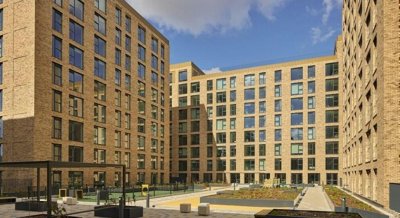
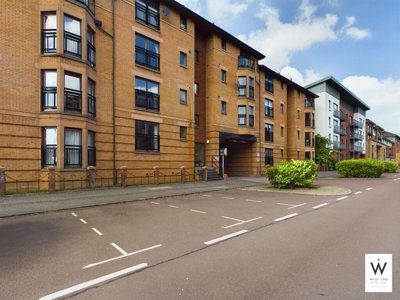
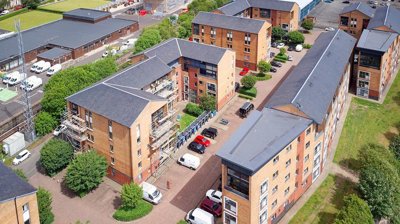
Several new rental developments operate within the G4 postcode, including High Street Station on 200 High Street, which offers one, two, and three-bedroom apartments in a purpose-built complex with modern amenities. The Printworks on Port Dundas Road features contemporary apartments in a converted building, while Merchants Gate on North Hanover Street provides one, two, and three-bedroom options from developer CCG Homes. These newer developments often command premium rents compared to traditional tenement flats but offer benefits including energy-efficient systems, modern fixtures, and in some cases concierge services and allocated parking that older properties cannot match.
Properties to Rent In London

Properties to Rent In Plymouth

Properties to Rent In Liverpool

Properties to Rent In Glasgow

Properties to Rent In Sheffield

Properties to Rent In Edinburgh

Properties to Rent In Coventry

Properties to Rent In Bradford

Properties to Rent In Manchester

Properties to Rent In Birmingham

Properties to Rent In Bristol

Properties to Rent In Oxford

Properties to Rent In Leicester

Properties to Rent In Newcastle

Properties to Rent In Leeds

Properties to Rent In Southampton

Properties to Rent In Cardiff

Properties to Rent In Nottingham

Properties to Rent In Norwich

Properties to Rent In Brighton

Properties to Rent In Derby

Properties to Rent In Portsmouth

Properties to Rent In Northampton

Properties to Rent In Milton Keynes

Properties to Rent In Bournemouth

Properties to Rent In Bolton

Properties to Rent In Swansea

Properties to Rent In Swindon

Properties to Rent In Peterborough

Properties to Rent In Wolverhampton

Enter your details to see if this property is within your budget.
Loans, cards, car finance
Estimated property budget
Borrowing + deposit
You could borrow between
Typical borrowing
Monthly repayment
Est. at 4.5%
Loan-to-value
This is an estimate only. Your actual budget may vary depending on interest rates, credit history, and personal circumstances. For an accurate affordability assessment, speak to one of our free mortgage advisors.
This calculator provides estimates for illustrative purposes only and does not constitute financial advice. Your home may be repossessed if you do not keep up repayments on your mortgage. Estimates based on 4.5% interest rate, repayment mortgage. Actual rates depend on your circumstances.
Homemove is a trading name of HM Haus Group Ltd (Company No. 13873779, registered in England & Wales). Homemove Mortgages Ltd (Company No. 15947693) is an Appointed Representative of TMG Direct Limited, trading as TMG Mortgage Network, which is authorised and regulated by the Financial Conduct Authority (FRN 786245). Homemove Mortgages Ltd is entered on the FCA Register as an Appointed Representative (FRN 1022429). You can check registrations at NewRegister or by calling 0800 111 6768.

We use cookies to show you personalised content and improve your experience of our website. Find out more in our Privacy policy and Cookie policy.