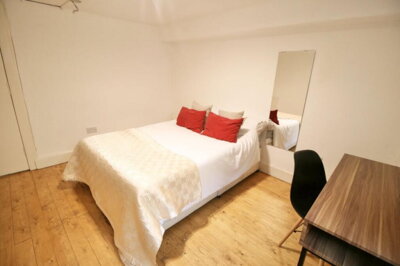
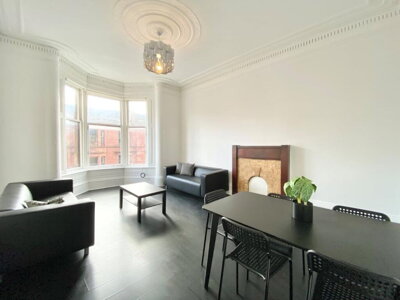
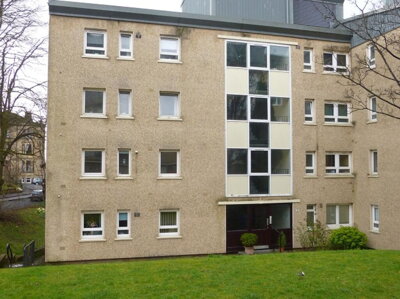
Browse 616 rental homes to rent in G20 from local letting agents.
£1,095/m
21
0
33
Source: home.co.uk
Source: home.co.uk
Flat
17 listings
Avg £1,653
Apartment
2 listings
Avg £1,100
House
2 listings
Avg £1,323
Source: home.co.uk
Source: home.co.uk
The G20 rental market reflects Glasgow's broader property trends, with flats representing the dominant property type available to rent in the postcode. Average sold prices in G20 reached £230,378 over the past year according to Rightmove data, with Zoopla reporting similar figures at £236,801. These figures demonstrate steady price growth of approximately 6% year-on-year, with current prices sitting 13% above the 2022 market peak of £203,215. For renters, this market activity indicates sustained demand for properties across the area, which often translates into competitive rental conditions.
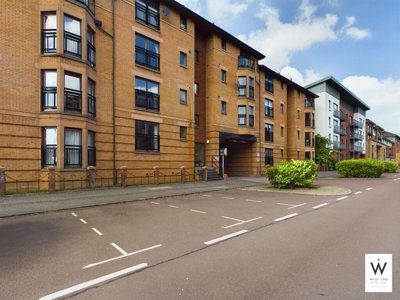
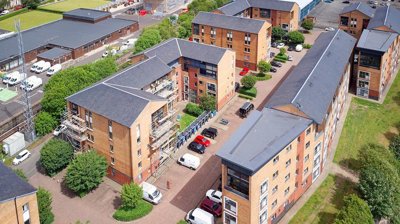
New build developments within G20 offer contemporary rental options alongside traditional housing stock, though rental availability in these schemes varies throughout the year. The Old Schoolhouse development on North Woodside Road features one, two, and three-bedroom apartments with prices ranging from £375,000 to £410,000 for two-bedroom units, placing it in the premium segment of the market. Ashlar Village on Bilsland Drive provides another modern option with various flat types available from £171,995 to £212,995. NorthBridge Glasgow adds further variety with three and four-bedroom terraced homes alongside apartments including The Kelvingrove, The Erinvale, The Moray, and The Fulford units. While these developments primarily serve the sales market, they influence rental expectations across the postcode.
Property type significantly influences values within G20, with terraced properties averaging £259,140 and detached homes at £254,017 according to recent Rightmove data. Flats averaged £220,534, while semi-detached properties came in around £215,880. This price differentiation between property types affects rental pricing across the area, with larger homes commanding higher monthly rents while flats offer more accessible entry points for renters on various budgets. Prospective tenants should consider that premium finishes, recent renovations, and desirable locations within the postcode can push rents above these general market averages.

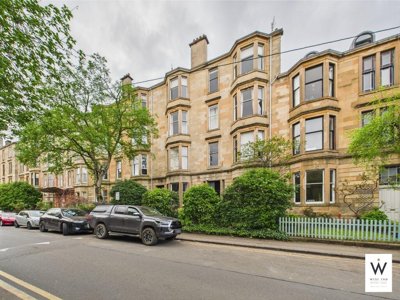
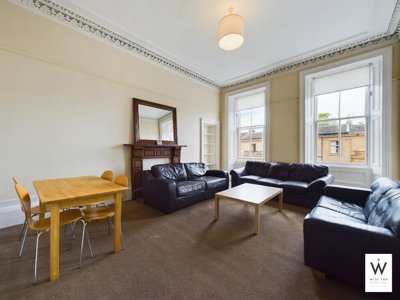
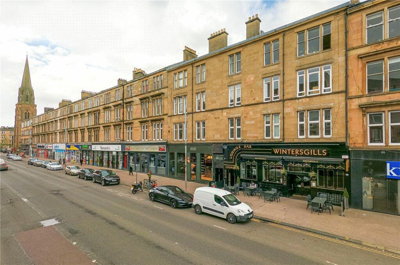
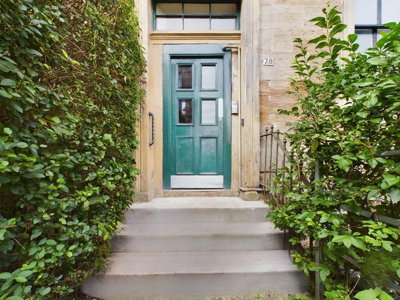
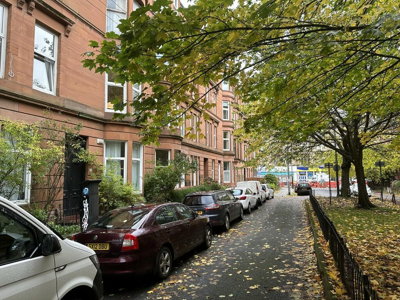
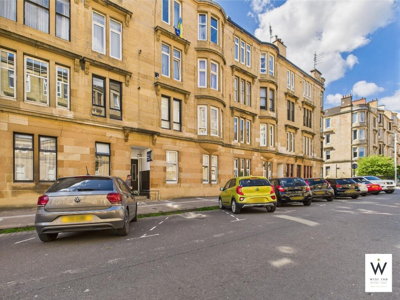
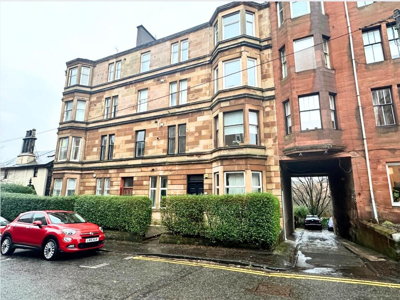
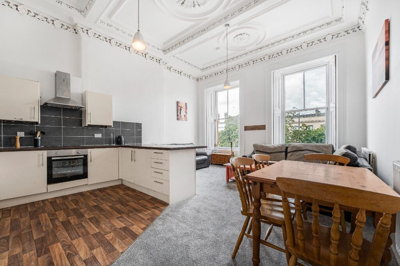
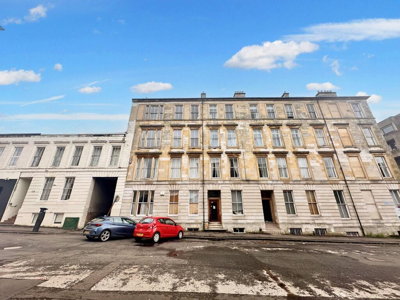
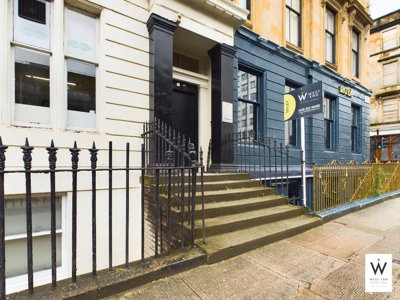
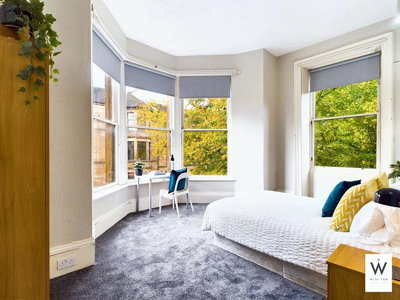
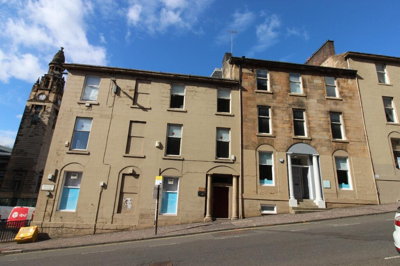
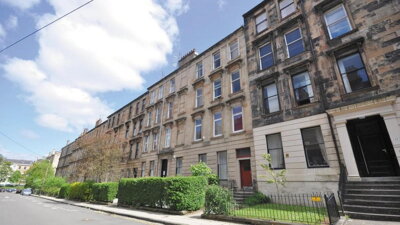
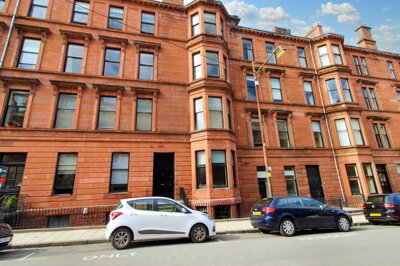
G20 encompasses some of Glasgow's most distinctive neighbourhoods, each offering a unique living experience that caters to different lifestyles and preferences. The area is characterised by traditional sandstone tenements that make up approximately 70% of Glasgow's housing stock, many of which are over a century old. These beautiful red sandstone buildings define the architectural character of streets in Maryhill, Kelvingrove, and the surrounding districts, offering spacious flats with high ceilings, bay windows, and period features that appeal to renters seeking authentic Glasgow character.
Maryhill represents one of the most sought-after residential areas within G20, combining excellent local amenities with strong community spirit and good transport links into the city centre. The area features a popular high street with independent shops, cafes, and restaurants, while Kelvingrove Park provides extensive green space popular with joggers, dog walkers, and families throughout the year. Ruchazic offers a quieter residential environment with good local schools, making it particularly attractive to families with children. Partick, on the boundary of G20, brings additional dining and entertainment options along Dumbarton Road, including popular pubs, restaurants, and the Partick Thistle football stadium that adds local character to the area.
The demographic makeup of G20 reflects Glasgow's diverse population, with strong student communities particularly near the university districts, young professionals drawn to the area's nightlife and amenities, and established families who appreciate the neighbourhood schools and green spaces. Glasgow itself is home to four universities and seven colleges within 10 miles, making G20 an attractive base for students and academic staff seeking convenient access to campus while enjoying more affordable rents than central postcodes. The area also benefits from proximity to major employers in healthcare, biosciences, higher education, creative industries, and financial services, contributing to a robust rental market driven by employment demand.

Education provision in G20 serves families with children of all ages, with primary and secondary schools located throughout the postcode area. The traditional tenement areas often fall within catchment zones for well-established local authority schools, while faith-based schools provide additional options for parents seeking denominational education. Parents renting in G20 should research specific catchment areas carefully, as these can vary significantly even between adjacent streets and can have a substantial impact on both school quality and property values in the surrounding streets.
Several primary schools within and near the G20 postcode have built strong reputations among the local community, with good Education Scotland inspection ratings reflecting quality teaching and pupil achievement. Secondary schools serving the area include well-established institutions that feed into the broader Glasgow education system, with many pupils progressing to further and higher education at the city's universities and colleges. The catchment system means that living on the right side of a boundary can determine which school your children attend, so families should verify school zones before committing to a rental property. Faith schools including Catholic primary and secondary options are available within accessible distance for families preferring denominational education.
For older students, G20 offers excellent further and higher education opportunities that make the area particularly attractive for those seeking independent living. The area's proximity to Glasgow's university districts makes it popular among students seeking shared rental accommodation, with the University of Glasgow and University of Strathclyde both accessible via public transport from G20 postcodes. Glasgow's four universities and seven colleges provide diverse course options across disciplines including medicine, engineering, business, arts, and sciences. Student renters in G20 should budget carefully and begin their property search early, as competition for properties near university campuses can be intense during term start periods when demand peaks.

G20 benefits from excellent transport connections that make commuting across Glasgow and beyond straightforward for residents. The postcode area is served by multiple bus routes providing access to Glasgow city centre and surrounding districts, with frequent services operating throughout the day and evening. Key bus routes pass through Maryhill and Kelvingrove, connecting residents to the city centre and beyond, with journey times typically ranging from 15 to 30 minutes depending on exact location and traffic conditions. Evening and weekend services maintain good frequency, though weekend journeys may take longer during peak shopping periods.
For rail travel, nearby stations connect to the wider Scottish rail network, while Glasgow Central and Glasgow Queen Street stations offer regular services to destinations across Scotland. The journey to Edinburgh takes approximately 50 minutes by train from Glasgow Central, making day trips to the capital practical and popular among residents. Stirling is around 45 minutes away by train, while Inverness can be reached in approximately 3.5 hours for those seeking Highland getaways. Local stations within easy reach of G20 provide options for commuting to employment hubs across the city without the need to travel into the city centre first.
Road connectivity from G20 is strong, with easy access to major trunk routes including the M8 motorway that runs through the northern Glasgow suburbs. The M80 provides connections to the north, while the M74 links to southern motorway networks, making car travel to Edinburgh, Stirling, and beyond straightforward. For commuters driving to work within Glasgow, parking availability varies throughout G20, with some tenement streets offering resident permit parking schemes while others may present parking challenges during busy periods. Cycling infrastructure has improved in recent years, with dedicated lanes connecting key areas, though Glasgow's hilly terrain can make cycling challenging for some residents, particularly during winter months.

Before viewing properties in G20, obtain a rental budget agreement in principle from a lender to understand your borrowing capacity. This demonstrates your financial readiness to letting agents and private landlords when you apply for properties, giving you a competitive edge over other applicants in the busy G20 rental market. Our partner lenders can provide quick quotes to help you understand your renting budget and avoid wasting time on properties beyond your means.
Explore different areas within G20 including Maryhill, Ruchazic, and Partick to find the neighbourhood that best matches your lifestyle needs and preferences. Consider proximity to work, schools, public transport, local amenities, and social activities when narrowing down your search area. Each neighbourhood within G20 offers distinct advantages, so visiting different areas at various times of day can help you understand traffic patterns, noise levels, and community atmosphere before committing.
Once you have identified suitable properties, schedule viewings with estate agents or private landlords through our platform or directly. View multiple properties before making a decision, and take notes on condition, features, and any concerns you notice during each visit. Ask landlords about the property's maintenance history, any recent renovations or upgrades, and what is included with the rental such as white goods or parking.
Before moving in, ensure a professional inventory check is completed by the letting agent or landlord to document the property condition at move-in. This protects both parties by creating a detailed record of existing damage or wear, preventing disputes when you eventually vacate the property. Our partner services can arrange this professional inspection for you, typically costing between £80 and £150 depending on property size.
Review your tenancy agreement carefully before signing, ensuring you understand all terms including rent amount, deposit protection scheme details, notice periods, and maintenance responsibilities. Your deposit must be protected in a government-approved scheme within 30 days of receipt, and your landlord must provide you with written information about which scheme protects your money. Never sign a tenancy agreement without reading it thoroughly and clarifying any unclear terms with the landlord or letting agent.
Arrange utility connections for electricity, gas, water, and broadband before moving day to ensure services are active when you arrive. Take meter readings on move-in day and photograph them for your records, then notify your local council of your change of address for council tax purposes. Budget for utility setup deposits, which some providers require from new customers, particularly for gas and electricity in rented properties.
Renting in G20 requires attention to specific local factors that affect property condition and living experience in Glasgow's traditional housing stock. Given that over 95,000 homes in Glasgow were built pre-1945, many properties in G20 will be traditional tenements over 50 years old with original construction methods and materials that require ongoing maintenance. Prospective renters should look for signs of common issues including damp, outdated electrical wiring, and older plumbing systems during viewings. These defects are particularly prevalent in pre-1919 tenements, which represent the main area of concern for urgent disrepair across Glasgow.
The traditional sandstone tenement construction common throughout G20 creates specific maintenance challenges that renters should understand before committing to a tenancy. Shared stairwells, common roofs, and external stonework are typically maintained collectively, so understanding the building's management arrangements and any outstanding maintenance issues is important. Ask landlords about recent maintenance work, building insurance coverage, and any known issues with the property structure or common areas. Conservation areas may have planning restrictions that affect exterior modifications, so clarify these constraints before signing if you plan any alterations to your rented home.
Flood risk varies across urban Glasgow depending on local topography and drainage systems, and heavy rainfall can exacerbate gutter and roof issues common in century-old tenements. While specific flood risk areas within G20 require individual property research through sources like the Scottish Environment Protection Agency, prospective renters should ask landlords about the property's history regarding water damage and what maintenance is performed on gutters and drainage systems. Taking time during a viewing to check for signs of damp, water staining, or musty odours can help identify properties that may have ongoing moisture issues requiring attention from the landlord.

While specific rental price data for G20 fluctuates throughout the year, rental prices in Glasgow typically run between 3-5% of property value annually. Based on the average sold price of £230,378 for properties in G20, flats might range from £575-£960 per month depending on size, condition, and exact location within the postcode. Premium properties on sought-after streets in Maryhill or Kelvingrove can command rents above this average, while flats requiring renovation or in less popular areas may fall below typical market rates. Always check current listing prices on Homemove for accurate real-time rental data across G20 properties.
Council tax bands in Glasgow are set by Glasgow City Council based on property value and characteristics, with bands ranging from A through H. The majority of tenement flats in G20 likely fall into bands A to C, with newer properties or larger homes potentially attracting higher bands. You can check specific band information for any property through the Scottish Assessors Association website using the property address, which provides free access to council tax banding records for all properties in Scotland. Council tax payments in Glasgow fund essential local services including education, waste collection, road maintenance, and community services throughout the city.
G20 contains several well-regarded primary and secondary schools serving the local community, with particular concentrations in the residential areas popular with families. Specific school performance data is available through Education Scotland's inspection reports, which evaluate schools on curriculum delivery, learning environment, and pupil achievement. Parents should research catchment areas carefully using Glasgow City Council's school information resources, as school zones can create significant differences in property availability and rental prices on different streets. Faith schools including Catholic primary and secondary options are available within and near the G20 postcode for families seeking denominational education settings.
G20 enjoys excellent public transport connections with frequent bus services operating throughout the postcode area via routes connecting Maryhill, Kelvingrove, and surrounding districts to Glasgow city centre. Multiple routes provide direct access to the city centre with typical journey times ranging from 15 to 30 minutes depending on exact location, traffic conditions, and time of day. The area also has good access to rail stations with connections across Scotland, including regular services to Edinburgh (50 minutes), Stirling (45 minutes), and longer-distance destinations from Glasgow Central and Queen Street stations. Glasgow's subway system, while not directly serving all G20 streets, is accessible from nearby stations, expanding your public transport options significantly.
G20 represents an attractive rental location for various demographics, from students to families and professionals seeking quality accommodation in north Glasgow. The area offers good value compared to some central Glasgow postcodes while maintaining excellent transport links and local amenities that make daily life convenient. Maryhill provides a vibrant high street with independent shops and eateries, while Kelvingrove offers access to the park and cultural venues. The prevalence of traditional tenement flats provides characterful living spaces with period features, though older properties may require tolerance for period construction quirks and associated maintenance. Glasgow's strong economy and diverse employment opportunities across healthcare, education, creative industries, and financial services support continued rental demand in the area.
Standard renting costs in G20 include a security deposit typically equivalent to 5 weeks rent, which by law must not exceed this amount for properties with annual rent below £50,000. Your landlord is legally required to protect your deposit in a government-approved scheme within 30 days of receiving it and must provide written confirmation of which scheme is being used. First month's rent is usually payable upfront along with the deposit, meaning initial costs typically amount to 6 weeks rent total. Additional fees may include referencing fees (around £50-150), administration charges from letting agents, and inventory check costs of approximately £80-150. Budget carefully for these upfront costs and compare quotes from different letting agents to understand all charges before committing to a property.
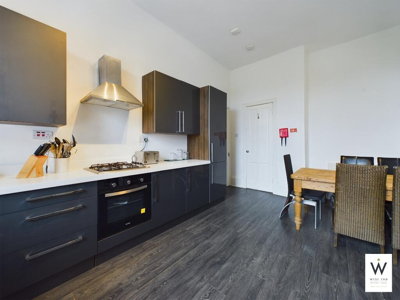
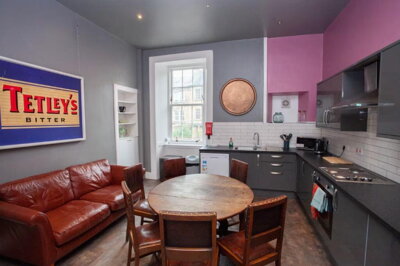
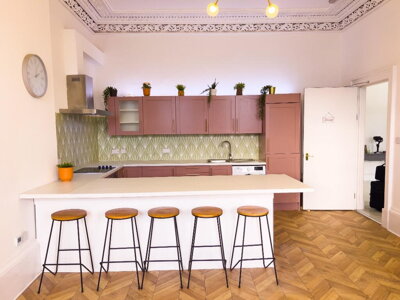
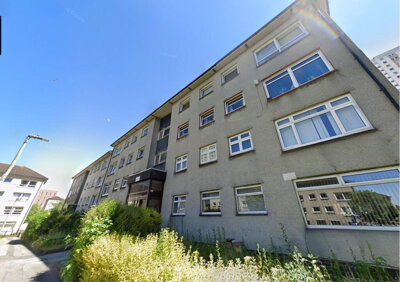
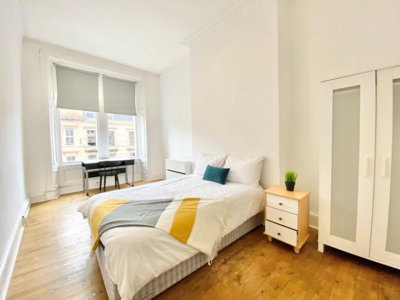
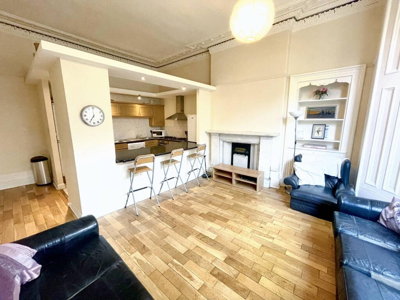
The G20 rental market predominantly features traditional tenement flats ranging from one to four bedrooms, typically located in sandstone buildings constructed in the late 19th or early 20th century. These period properties offer high ceilings, bay windows, fireplaces, and other original features that appeal to renters seeking characterful accommodation in Glasgow. Modern apartments in developments like those on North Woodside Road and Bilsland Drive provide contemporary alternatives, though rental availability in newer schemes varies throughout the year. Larger terraced and semi-detached houses are less common in the rental market but can be found, offering more space for families seeking longer-term accommodation in the area.
From 4.5% APR
Understand your renting budget before searching
From £49
Credit checks and references for your rental application
From £80
Professional move-in property condition report
From £80
Energy performance certificate for your rental property
Understanding the full cost of renting in G20 helps you budget accurately and avoid financial surprises during your move to your new home. Initial rental costs typically include first month's rent plus a security deposit, which by law must not exceed 5 weeks rent for properties with annual rent below £50,000 in Scotland. Your landlord is legally required to protect your deposit in one of three government-approved schemes within 30 days of receiving it, and must provide you with written information about which scheme they are using. Never hand over cash without receiving this confirmation, as unprotected deposits leave you vulnerable to disputes when you move out.
Beyond the deposit, budget for additional moving costs including inventory check fees typically ranging from £80-150 depending on property size and the provider used. Some letting agents charge referencing fees, typically £50-150 per applicant, though this varies between agents and you may be able to negotiate these costs. Utility setup often requires deposits for gas and electricity with new suppliers, while internet providers may charge installation fees depending on the package selected. Buildings insurance is usually the landlord's responsibility, but contents insurance for your belongings is worth considering as a renter, with policies typically available from £10-20 per month depending on coverage levels.
For those planning to buy in G20 after their rental period, Homemove survey services can provide property surveys from £350, with Level 2 surveys particularly recommended for traditional tenements over 50 years old where common defects include damp penetration, outdated electrics, and structural wear common to Glasgow's pre-1919 housing stock. A RICS Level 2 survey typically costs between £400-800 for standard residential properties, with costs increasing for larger homes or those requiring more complex assessment. Given that flats in G20 average £220,534, a survey representing less than 0.3% of purchase price can identify significant issues before you commit to buying.

Properties to Rent In London

Properties to Rent In Plymouth

Properties to Rent In Liverpool

Properties to Rent In Glasgow

Properties to Rent In Sheffield

Properties to Rent In Edinburgh

Properties to Rent In Coventry

Properties to Rent In Bradford

Properties to Rent In Manchester

Properties to Rent In Birmingham

Properties to Rent In Bristol

Properties to Rent In Oxford

Properties to Rent In Leicester

Properties to Rent In Newcastle

Properties to Rent In Leeds

Properties to Rent In Southampton

Properties to Rent In Cardiff

Properties to Rent In Nottingham

Properties to Rent In Norwich

Properties to Rent In Brighton

Properties to Rent In Derby

Properties to Rent In Portsmouth

Properties to Rent In Northampton

Properties to Rent In Milton Keynes

Properties to Rent In Bournemouth

Properties to Rent In Bolton

Properties to Rent In Swansea

Properties to Rent In Swindon

Properties to Rent In Peterborough

Properties to Rent In Wolverhampton

Enter your details to see if this property is within your budget.
Loans, cards, car finance
Estimated property budget
Borrowing + deposit
You could borrow between
Typical borrowing
Monthly repayment
Est. at 4.5%
Loan-to-value
This is an estimate only. Your actual budget may vary depending on interest rates, credit history, and personal circumstances. For an accurate affordability assessment, speak to one of our free mortgage advisors.
This calculator provides estimates for illustrative purposes only and does not constitute financial advice. Your home may be repossessed if you do not keep up repayments on your mortgage. Estimates based on 4.5% interest rate, repayment mortgage. Actual rates depend on your circumstances.
Homemove is a trading name of HM Haus Group Ltd (Company No. 13873779, registered in England & Wales). Homemove Mortgages Ltd (Company No. 15947693) is an Appointed Representative of TMG Direct Limited, trading as TMG Mortgage Network, which is authorised and regulated by the Financial Conduct Authority (FRN 786245). Homemove Mortgages Ltd is entered on the FCA Register as an Appointed Representative (FRN 1022429). You can check registrations at NewRegister or by calling 0800 111 6768.

We use cookies to show you personalised content and improve your experience of our website. Find out more in our Privacy policy and Cookie policy.