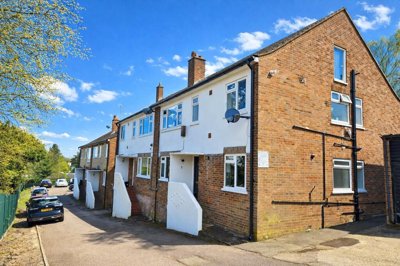
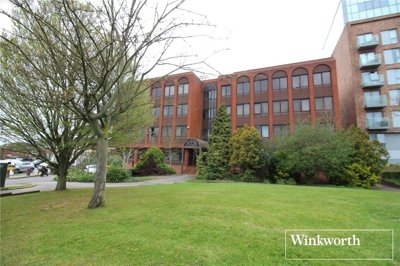
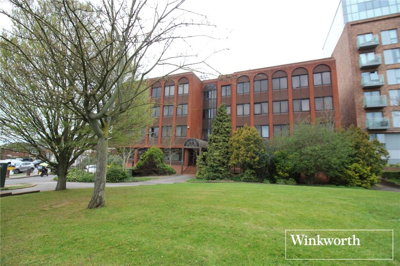
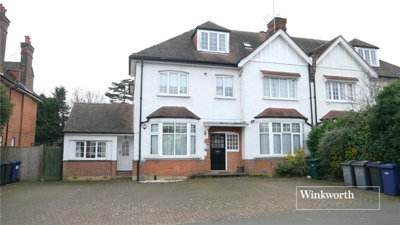
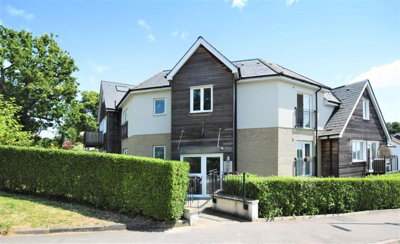
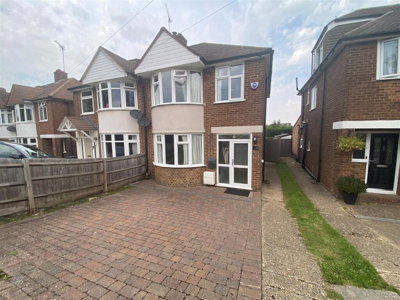
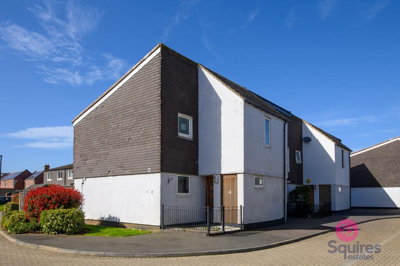
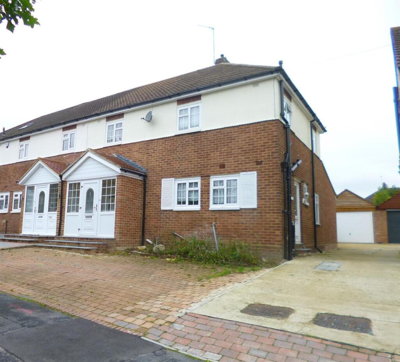
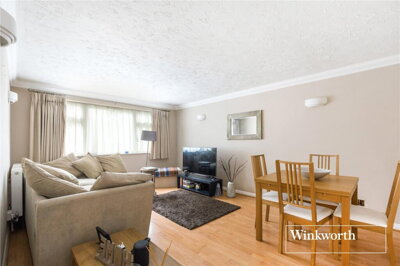
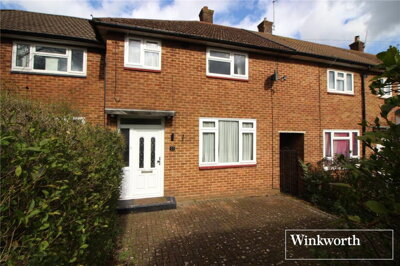
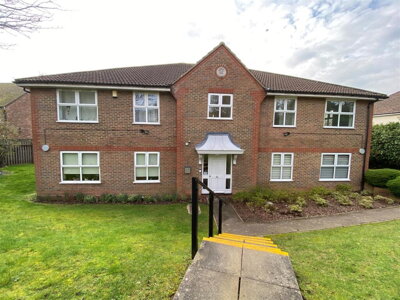
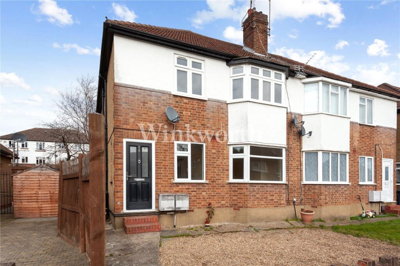
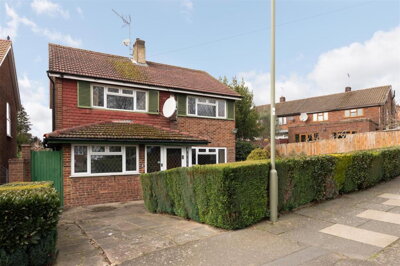
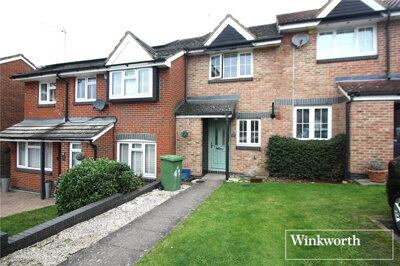
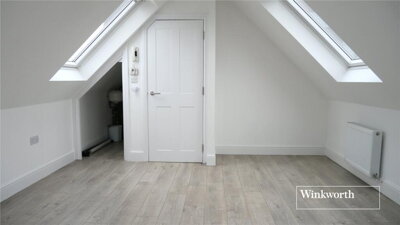
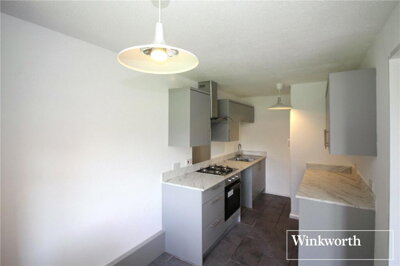
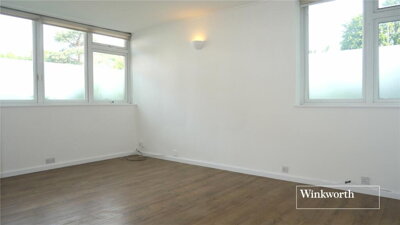
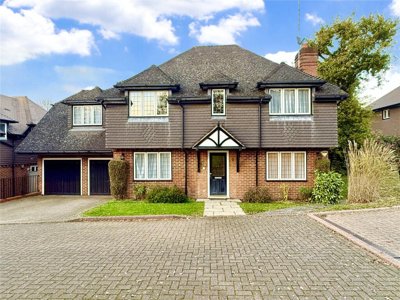
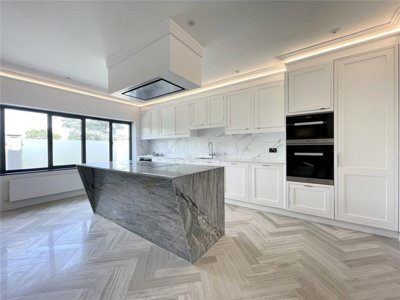
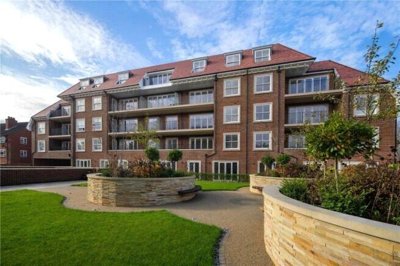
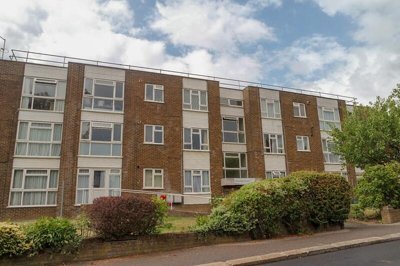
Browse 356 rental homes to rent in EN5 from local letting agents.
£1,750/m
29
1
98
Source: home.co.uk
Source: home.co.uk
Apartment
12 listings
Avg £1,548
Flat
9 listings
Avg £1,672
Semi-Detached
3 listings
Avg £3,200
Maisonette
2 listings
Avg £2,273
Bungalow
1 listings
Avg £3,400
Detached
1 listings
Avg £1,595
House
1 listings
Avg £3,000
Source: home.co.uk
Source: home.co.uk
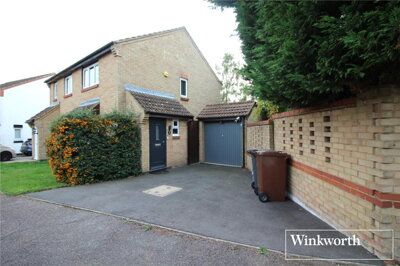
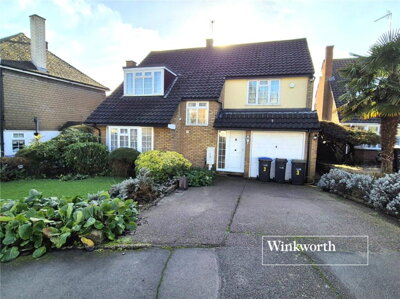
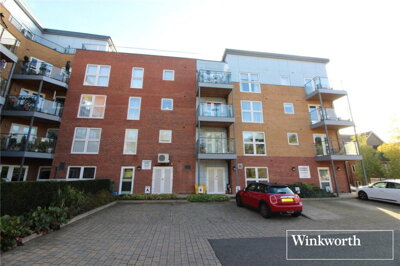
The rental market in EN5 reflects the area's popularity as a suburban London location with strong commuter appeal. Property types available to rent include Victorian and Edwardian terraced houses along streets like Stapleton Road and Galley Lane, inter-war semi-detached homes in areas such asarnia and Totteridge, and a selection of purpose-built and converted flats concentrated near High Barnet station and along the Barnet Road. The average purchase price in EN5 stands at approximately £609,493 according to recent market data, with detached properties averaging £1,050,000, semi-detached homes around £660,000, terraced properties at £550,000, and flats at approximately £350,000. These purchase prices indicate a premium market where rental values command strong returns for landlords and reflect the quality of properties available to rent.
The EN5 rental market has shown relative stability over the past twelve months, with overall prices declining by approximately 2.0% across all property types. Detached properties experienced the largest price reduction at 4.0%, while semi-detached and terraced homes saw more modest decreases of 1.0% each. Flats dipped by 3.0%. This slight softening in the market may present opportunities for renters to negotiate favourable terms, particularly for longer-term tenancies of two years or more. The area attracted approximately 200 property sales in the twelve-month period, indicating healthy market activity despite broader economic uncertainties affecting the London property sector.
Rental demand in EN5 remains steady throughout the year, though listings typically increase during the summer months when students and young professionals complete university and seek new accommodation ahead of the academic year. Landlords in High Barnet generally offer properties either furnished or unfurnished, with the latter more common for family homes where tenants prefer to use their own furniture. The majority of rental properties in EN5 are let through assured shorthold tenancies (ASTs) with initial terms of six or twelve months.

EN5 centres on High Barnet, a historic town that dates back to medieval times and retains much of its traditional character despite being within Greater London. The area features the distinctive red brick and tiled roof architecture typical of Victorian and Edwardian London suburbs, constructed primarily with London stock brick and clay or slate tiles. Many of the terraced properties along Barnet High Street and the surrounding residential roads were built for railway workers and local professionals in the late nineteenth century, giving the area its cohesive architectural character. The High Barnet Conservation Area protects the historic core around the high street and Wood Street, preserving listed buildings including St John the Baptist Church and the almshouses that give the area its unique sense of heritage.
The population of roughly 30,000 to 35,000 residents enjoys access to excellent local amenities including supermarkets, independent shops, restaurants, and cafes concentrated along Barnet High Street. The weekly market on Mondays and Wednesdays has operated from the high street for centuries, providing fresh produce and local goods alongside the modern convenience of chain supermarkets. Green spaces are abundant, with several parks and open spaces including York and Adelaide Recreation Ground providing recreational opportunities for families and individuals alike. The local economy benefits from major employers including Barnet Hospital, which provides healthcare jobs for the wider area, along with retail, education, and professional services sectors.
The combination of historic character, modern conveniences, and a strong sense of community makes EN5 particularly attractive to families and professionals seeking suburban living within easy reach of central London. Local residents frequently cite the friendly atmosphere of the high street, the quality of nearby schools, and the ease of commuting as key reasons for choosing to rent in the area. The neighbourhood associations and community groups active in High Barnet help maintain the area's village-like feel despite its proximity to the capital.

Education provision in EN5 represents a significant draw for families considering renting in the area. The postcode falls within the London Borough of Barnet, which maintains a strong reputation for school quality across the capital. Parents can access a range of primary schools within the EN5 boundary, including several options rated good or outstanding by Ofsted. The local primary schools serve families with children from Reception through Year 6, with many offering before and after-school clubs to support working parents. School catchments are an important consideration when renting, as properties within walking distance of popular primaries can command a premium in the rental market.
Secondary school options include both local authority schools and grammar schools accessible through the Barnet selection process at age 11. The grammar school system in Barnet allows academically selective students to attend schools including The Henrietta Barnett School and QE Boys School, both of which regularly rank among the top-performing secondary schools in London. Parents should verify current catchment areas and admission policies directly with schools, as these can change and may affect which properties best serve your family's educational needs. Many families choose to rent in EN5 specifically to access these highly-regarded educational institutions.
Beyond primary and secondary education, EN5 offers access to further education facilities serving students post-16. Sixth form colleges and vocational training providers in the wider Barnet area give young people options for continuing their education locally without commuting to central London. The presence of quality educational institutions throughout the borough reinforces EN5's appeal to families, many of whom prioritise school catchments when choosing where to rent. University students and those pursuing higher education can commute from High Barnet station to institutions across London, including the major universities in central locations, typically within 45 minutes.

Transport connectivity ranks among EN5's strongest attributes, with High Barnet station providing direct access to Central London via the Northern Line. Commuters can reach key destinations including Bank, Tottenham Court Road, and Leicester Square without requiring a change of trains, making the journey straightforward for those working in the City, West End, or along the technology corridor. Journey times to central London terminals typically range from 30 to 45 minutes depending on the specific destination and time of travel, with faster services during off-peak hours. High Barnet is currently served at a frequency of approximately four trains per hour during weekdays, with reduced services on weekends and evenings.
Bus services throughout EN5 and the wider Barnet area provide additional travel options for local journeys and connections to neighbouring towns including Edgware, Mill Hill, and Cockfosters. The 34 route connects High Barnet to Barnet Hospital and onward to central London via Arnos Grove, while the 263 route provides services to Holloway and Highbury. Road connectivity is supported by the A1 (Barnet Road) providing north-south access, while the M25 motorway circles the area offering regional connections to airports and surrounding counties. For those who drive, parking provisions vary by location, with permit parking schemes operating in certain residential streets near the station. Cycling infrastructure has improved in recent years, with dedicated routes connecting residential areas to the town centre and station.

Renting in EN5 requires understanding several area-specific factors that can affect your tenancy experience and property condition. The underlying London Clay geology presents particular considerations for tenants, as this soil type has high shrink-swell potential that can lead to subsidence issues in properties with shallow foundations. Prolonged dry spells followed by heavy rainfall may cause ground movement, so prospective renters should examine properties carefully for signs of structural stress, including cracking to walls or doors and windows that stick or no longer close properly. Properties built before the 1960s typically have shallower foundations and may be more susceptible to movement, so extra care when viewing older terraced and semi-detached houses is advisable.
Many properties in EN5 fall within the High Barnet Conservation Area or are listed buildings, particularly those along High Street and Wood Street. Conservation area restrictions may limit permissible alterations to properties, and listed building consent is required for certain works including changes to windows, doors, and exterior finishes. Tenants planning any modifications to a rental property should verify planning requirements with Barnet Council before committing to a tenancy. It is worth noting that landlords of listed properties carry additional responsibilities for maintenance, which may affect response times for repairs.
Surface water flooding represents another consideration, as lower-lying parts of EN5 have medium to high risk during heavy rainfall. Renters should check property histories for any flooding incidents and consider ground floor flats and basements more carefully when assessing flood vulnerability. Buildings insurance typically covers flood damage to the structure, but tenants should ensure their own contents insurance includes flood cover and consider the potential disruption of flooding events when choosing a property. Properties with history of flooding may also face higher insurance premiums.

The majority of rental properties in EN5 were built during the Victorian, Edwardian, or inter-war periods, meaning they often exhibit characteristics common to period construction that tenants should understand before signing a tenancy agreement. Damp represents the most frequently reported issue in older properties, manifesting as rising damp where ground moisture travels up through solid walls, penetrating damp from defective roof coverings or blocked gutters, and condensation damp resulting from inadequate ventilation. When viewing properties, look for watermarking at low levels on walls, peeling paint or wallpaper, and musty odours that may indicate damp problems requiring landlord attention.
Roof defects are particularly common in EN5 properties given the age of much of the housing stock. Tile and slate roofs over fifty years old frequently show signs of wear including cracked or missing coverings, deteriorated lead flashing around chimneys and valleys, and rusted metalwork on guttering and downpipes. During viewings, check ceilings for water staining and examine roof slopes from outside where visible. Timber elements in roof structures may be affected by wet rot, dry rot, or woodworm, which can weaken structural timbers if left untreated. Landlords of rental properties have legal obligations to maintain the structure and exterior, but tenants should report any signs of roof problems promptly to avoid more serious damage.
Outdated electrical systems and plumbing are common in properties built before the 1980s, and tenants should understand what they are inheriting when they move into a period property. Electrical consumer units may still use old-style fuse boxes rather than modern circuit breakers, and wiring may not meet current regulations for properties of this age. Plumbing systems in older EN5 properties often feature galvanized steel pipes prone to internal corrosion that restricts water flow and can cause discoloured water. When renting a property, document any concerns about electrics or plumbing during your check-in inventory, as changes to these systems typically require landlord permission and professional installation.

Before viewing properties in EN5, obtain a rental budget agreement in principle from a mortgage broker or financial adviser or simply calculate what you can afford based on your monthly income. This document demonstrates to landlords and letting agents that you can afford the monthly rent, typically required to be no more than 30-45% of your gross monthly income. Understanding your budget first saves time and prevents disappointment, and helps you focus your search on genuinely affordable properties rather than wasting time viewing homes outside your price range.
Explore different parts of the EN5 postcode to find the area that best suits your lifestyle needs. Consider proximity to High Barnet station if you commute, local schools if you have children, park access for outdoor recreation, and the character of surrounding streets. Visiting at different times of day helps you understand noise levels from neighbours and traffic, parking availability, and the general community atmosphere. The streets around the high street offer a different feel to the quieter residential roads further from the centre.
Once you have identified suitable properties, book viewings through local estate agents or directly with landlords listed on property portals. View multiple properties to compare condition, rental rates, and included features such as white goods, parking, and outdoor space. Ask about the length of the current tenancy if the property is occupied, what is included in the rent, any upcoming changes to the building or area, and the landlord's history with the property. Take photographs during viewings to help compare properties afterwards.
For longer-term rentals, particularly in older properties built from Victorian through to post-war periods, consider booking a RICS Level 2 Survey before committing to a tenancy. Survey costs for a typical 3-bedroom property in EN5 range from £500 to £800, while 2-bedroom flats cost from £450 to £650. This investment can reveal hidden defects including damp, structural movement, or roof problems that may require the landlord to address before you move in, potentially saving thousands in repair costs or providing leverage for rent negotiations.
Once you have chosen a property, the referencing process begins with credit checks, employment verification, and landlord references from previous tenancies. Budget for upfront costs including deposit (usually 5 weeks rent capped at £2,500 for annual rents under £50,000), first month's rent in advance, and any check-in or inventory fees charged by the letting agent. References typically take 3-5 working days to complete, during which time the property should be held for you with a refundable holding deposit.
Before receiving keys, conduct a thorough check-in inventory with the letting agent or landlord documenting every scratch, mark, and appliance condition with photographs and written notes. This protects your deposit at the end of the tenancy by clearly establishing the property's starting condition and avoids disputes over pre-existing damage. Register for council tax with Barnet Council within 21 days of moving in, set up utility accounts in your name, and arrange buildings and contents insurance before the tenancy begins.
While specific rental figures vary by property type and current market conditions, rental values in EN5 reflect the area's strong market position as a desirable north London suburb. Purchase prices average approximately £609,493 for all property types, with detached homes at around £1,050,000, semi-detached at £660,000, terraced properties at £550,000, and flats at £350,000. Rental prices typically correlate with these purchase values, meaning larger detached and semi-detached houses command the highest monthly rents of perhaps £2,000 to £3,500 per month, while flats offer more affordable entry points typically ranging from £1,200 to £1,800 per month depending on size and location. The 12-month price trend shows a slight softening of approximately 2.0%, which may provide negotiating opportunities for renters seeking longer-term tenancies of two years or more.
Properties in EN5 fall within the London Borough of Barnet council tax system with bands ranging from A through H based on assessed value. Victorian and Edwardian terraced houses along streets like Stapleton Road and Galley Lane in High Barnet typically fall into bands C to E, while larger semi-detached and detached properties in areas such asarnia may be in bands D to F. Flats and smaller properties often occupy bands A to D, which attract lower monthly charges. You can check the exact council tax band for any specific property through the Valuation Office Agency website or Barnet Council's online portal before committing to a tenancy. Band D properties in Barnet currently pay approximately £1,600-£1,800 annually, which works out to around £133-£150 per month added to your budgeting considerations.
EN5 and the wider Barnet borough offer strong educational options across all levels, making it particularly popular with families renting in the area. Primary schools within and near the EN5 postcode include several rated good or outstanding by Ofsted, serving families with children from Reception through Year 6. The local primaries within EN5 include within walking distance of the high street and surrounding residential areas. Secondary education options include local authority schools plus grammar schools accessible through the Barnet selection process at age 11, with The Henrietta Barnett School and QE Boys School consistently ranking among London's top performers. Further education opportunities exist through sixth forms and colleges serving post-16 students throughout the borough.
EN5 benefits from excellent public transport connections centred on High Barnet station, which provides Northern Line services direct to Central London in approximately 35-45 minutes depending on the time of day and specific destination. Key destinations accessible without changes include Bank in approximately 40 minutes, Tottenham Court Road in around 35 minutes, and Leicester Square in approximately 40 minutes. Bus services operated by London Bus connect EN5 to surrounding areas including Edgware, Mill Hill, Cockfosters, and beyond via routes 34 and 263. The A1 road provides north-south driving routes, while the M25 offers regional motorway access for those who drive. Transport for London journey planning tools can provide detailed door-to-door options using public transport from any EN5 address to your workplace.
EN5 represents an excellent rental location for those seeking suburban London living with strong transport links and genuine community atmosphere. The area combines historic character within the High Barnet Conservation Area, diverse property types from Victorian terraces to modern purpose-built flats, and access to good schools and local amenities along Barnet High Street. The approximate population of 30,000 to 35,000 residents across 12,000 to 14,000 households creates a genuine neighbourhood feel rather than anonymous urban sprawl. Commuters particularly appreciate the direct Northern Line access to Central London, while families value the green spaces including York and Adelaide Recreation Ground and the educational provision throughout the borough. The slight softening in the EN5 property market (approximately 2.0% decline over 12 months) has created more favourable conditions for renters to secure properties at competitive rates.
Renting in EN5 involves several upfront costs beyond your first month's rent that you should budget for before starting your property search. The security deposit is capped at 5 weeks rent for annual rents under £50,000 under the Tenant Fees Act 2019, held in a government-approved scheme (DPS, MyDeposits, or TDS) and returned within 10 days of tenancy end if no disputes arise. Additional costs include the first month's rent in advance, often payable before receiving keys, and potentially a holding deposit of around one week's rent to secure the property while referencing completes. Admin fees from letting agents have been largely prohibited since 2019, but some agents still charge for check-in, check-out, or inventory services typically ranging from £100 to £300. You will also need to budget for contents insurance (essential and typically £150-£300 per year), council tax set by Barnet Council, and utility deposits. If you consider a RICS Level 2 Survey on a longer-term rental, costs range from £450 to £650 for flats and £500 to £800 for houses.
From 4.5%
Understand what you can afford to rent with our budget planning tools
From £75
Complete your referencing checks quickly for EN5 rental applications
From £450
Check property condition before committing to a tenancy in EN5
From £80
Get your energy performance certificate for EN5 rentals
Understanding the full financial picture of renting in EN5 helps you budget effectively and avoid surprises during the tenancy process. The largest upfront cost is typically the security deposit, capped at 5 weeks rent for annual rents below £50,000 under the Tenant Fees Act 2019. This deposit must be protected in a government-approved scheme (DPS, MyDeposits, or TDS) within 30 days of receiving it, and should be returned within 10 days of tenancy end if no disputes arise regarding condition or unpaid amounts. Your landlord must provide you with information about which scheme holds your deposit within the same 30-day timeframe.
Additional costs include the first month's rent in advance, often payable before receiving keys, and potentially a holding deposit to secure the property while referencing completes. Admin fees from letting agents have been largely prohibited since 2019, but some agents still charge for check-in, check-out, or inventory services that are not covered by the ban on tenant fees. When renting older properties in EN5, budget for potential maintenance requests to landlords, contents insurance (essential for flats and strongly recommended for houses), and council tax set by Barnet Council. For those renting period properties with solid walls or limited insulation, utility costs may run higher than in newer builds during winter months.
Moving costs and potential furniture purchases should also feature in your budget if the property is unfurnished. Many first-time renters underestimate the total upfront cost of moving, which can easily reach £2,000-£3,000 when combining deposit, first month's rent, moving van, insurance, and new furnishings. Setting aside a contingency fund of at least one month's rent is advisable to cover any unexpected costs during your first months in the property.
Properties to Rent In London

Properties to Rent In Plymouth

Properties to Rent In Liverpool

Properties to Rent In Glasgow

Properties to Rent In Sheffield

Properties to Rent In Edinburgh

Properties to Rent In Coventry

Properties to Rent In Bradford

Properties to Rent In Manchester

Properties to Rent In Birmingham

Properties to Rent In Bristol

Properties to Rent In Oxford

Properties to Rent In Leicester

Properties to Rent In Newcastle

Properties to Rent In Leeds

Properties to Rent In Southampton

Properties to Rent In Cardiff

Properties to Rent In Nottingham

Properties to Rent In Norwich

Properties to Rent In Brighton

Properties to Rent In Derby

Properties to Rent In Portsmouth

Properties to Rent In Northampton

Properties to Rent In Milton Keynes

Properties to Rent In Bournemouth

Properties to Rent In Bolton

Properties to Rent In Swansea

Properties to Rent In Swindon

Properties to Rent In Peterborough

Properties to Rent In Wolverhampton

Enter your details to see if this property is within your budget.
Loans, cards, car finance
Estimated property budget
Borrowing + deposit
You could borrow between
Typical borrowing
Monthly repayment
Est. at 4.5%
Loan-to-value
This is an estimate only. Your actual budget may vary depending on interest rates, credit history, and personal circumstances. For an accurate affordability assessment, speak to one of our free mortgage advisors.
This calculator provides estimates for illustrative purposes only and does not constitute financial advice. Your home may be repossessed if you do not keep up repayments on your mortgage. Estimates based on 4.5% interest rate, repayment mortgage. Actual rates depend on your circumstances.
Homemove is a trading name of HM Haus Group Ltd (Company No. 13873779, registered in England & Wales). Homemove Mortgages Ltd (Company No. 15947693) is an Appointed Representative of TMG Direct Limited, trading as TMG Mortgage Network, which is authorised and regulated by the Financial Conduct Authority (FRN 786245). Homemove Mortgages Ltd is entered on the FCA Register as an Appointed Representative (FRN 1022429). You can check registrations at NewRegister or by calling 0800 111 6768.

We use cookies to show you personalised content and improve your experience of our website. Find out more in our Privacy policy and Cookie policy.