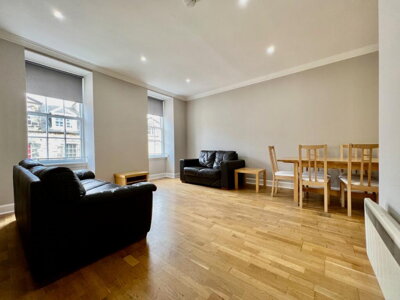
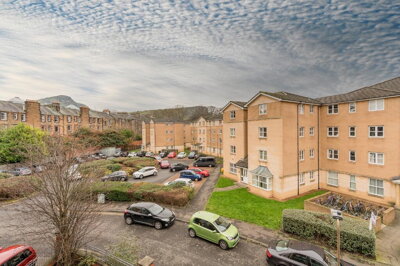
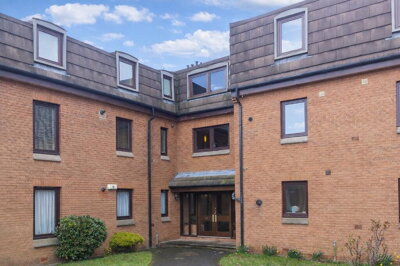
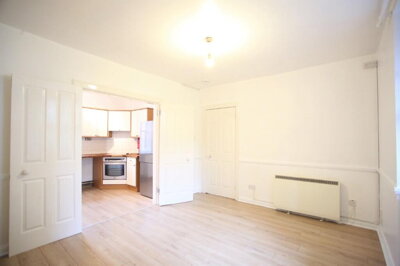
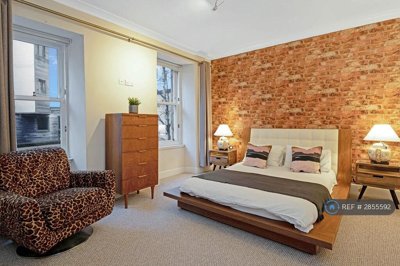
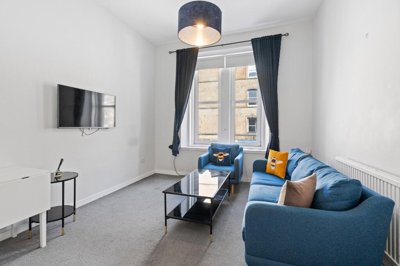
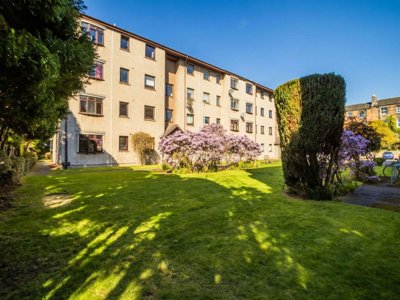
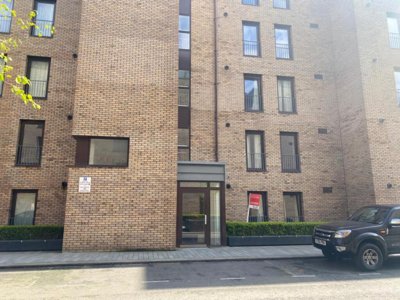
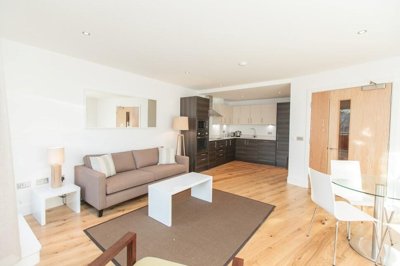
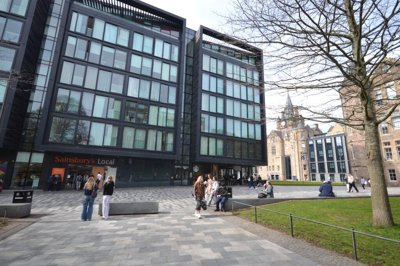
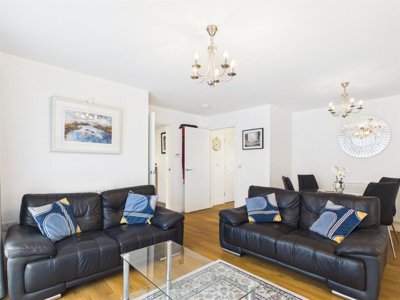
Browse 278 rental homes to rent in EH1 from local letting agents.
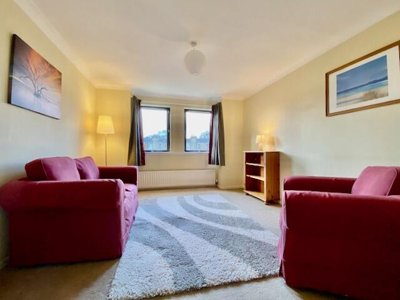
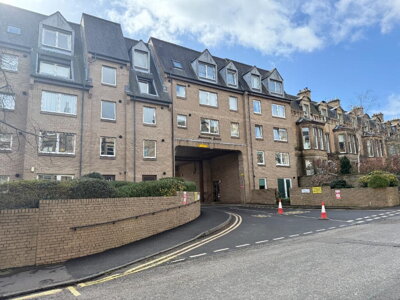
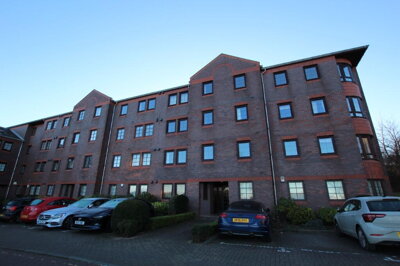
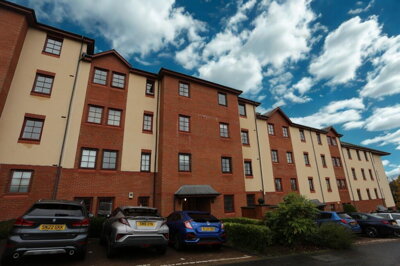
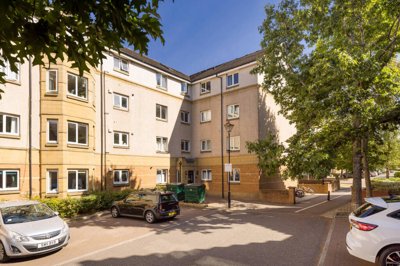
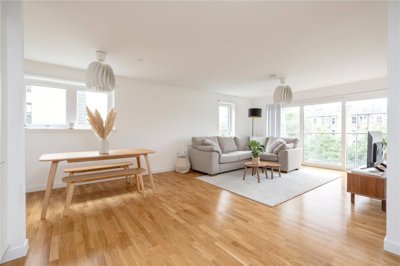
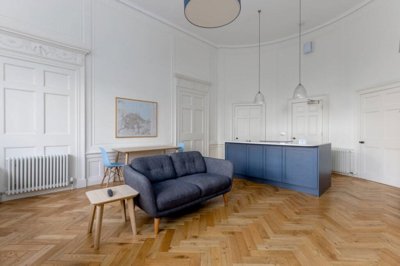
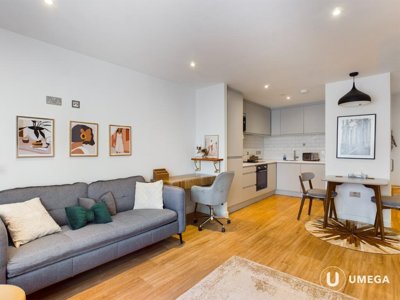
Studio apartments feature open-plan living spaces without separate bedrooms, incorporating sleeping, living, kitchen, and bathroom facilities. The EH1 studio market includes properties in modern apartment complexes, converted Victorian and Georgian buildings, and purpose-built developments.
£1,500/m
3
0
252
Source: home.co.uk
Showing 3 results for Studio Flats to rent in EH1. The median asking price is £1,500/month.
Source: home.co.uk
Flat
3 listings
Avg £1,605
Source: home.co.uk
Source: home.co.uk
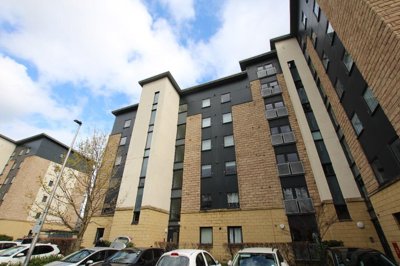
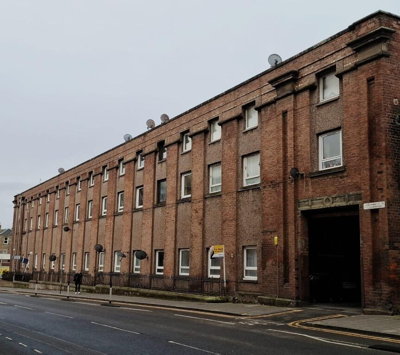
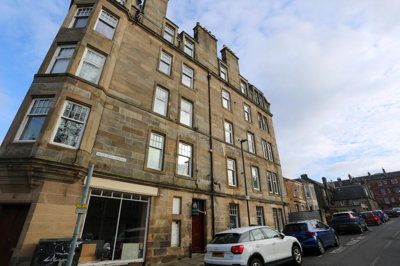
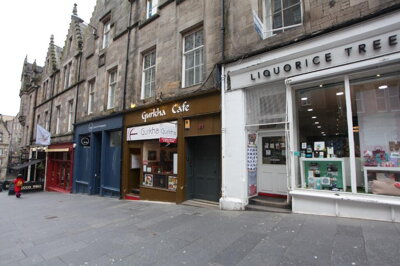
The EH1 rental market reflects the unique character of Edinburgh's city centre, where traditional sandstone tenements coexist with contemporary apartment developments. Flats and apartments dominate the housing stock, comprising approximately 90.7% of all properties in the area, according to ONS Census data. This urban density makes EH1 particularly attractive for professionals, students, and those who value walkability and access to amenities over suburban space. The average property price in EH1 sits around £321,999, with flats typically averaging £300,000, providing context for the rental values you can expect in this prestigious postcode.
Property prices in EH1 have remained relatively stable, with a modest 1% decrease over the past 12 months compared to the previous year. The New Eidyn development at St James Quarter represents one of the most significant contemporary additions to the rental market, offering luxury apartments with modern finishes within the heart of the city. Approximately 208 properties change hands in EH1 annually, indicating a healthy level of market activity. For renters, this diversity means access to properties ranging from compact studio apartments suitable for young professionals to spacious two and three-bedroom flats in historic buildings, all within one compact postcode.
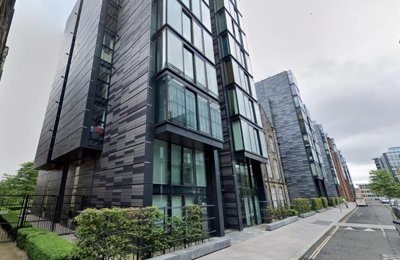
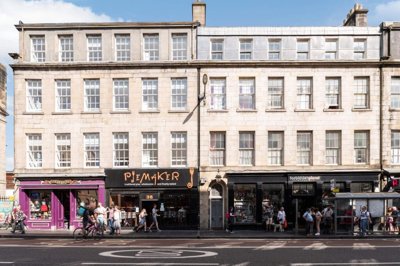
The EH1 property market is characterised by its mix of period tenements from the 18th and 19th centuries and modern apartment blocks, with very limited new construction occurring in recent decades due to the protected nature of the World Heritage Site. The New Eidyn development by Nuveen Real Estate offers one, two, and three-bedroom apartments starting from approximately £350,000 for a one-bedroom unit, with prices reaching over £1.5 million for larger luxury apartments. This contrast between historic sandstone buildings with their characteristic honey-coloured appearance, ashlar masonry detailing, and traditional slate roofs versus contemporary glass and steel constructions defines the visual landscape that EH1 renters will call home.

EH1 represents one of the most distinctive urban environments in the United Kingdom, defined by its position within the Old and New Towns of Edinburgh World Heritage Site. The area's population of approximately 12,015 residents across 7,025 households creates a vibrant, cosmopolitan atmosphere that blends historic grandeur with modern city living. The character of EH1 varies dramatically between the medieval closes of the Old Town, with their narrow wynds and steep staircases, and the Georgian elegance of the New Town, with its planned grid layout and grand terraces designed by architects including James Craig and John Henderson.
The economic foundation of EH1 draws from multiple sectors, creating a resilient and diverse community. Tourism and hospitality form a significant part of the local economy, with numerous hotels, restaurants, bars, and cultural venues serving both residents and the millions of annual visitors who flock to see Edinburgh Castle, explore the Royal Mile, and attend the world-famous Edinburgh Festival. The financial services sector maintains a strong presence, while the University of Edinburgh's campus facilities contribute to a lively academic community. Government bodies and retail operations at Princes Street and the St James Quarter provide additional employment, ensuring consistent demand for rental properties across all property types.
The built environment of EH1 is dominated by traditional Scottish tenement construction, with solid sandstone walls typically comprising two leaves of stone with rubble infill, timber suspended floors, and pitched slate roofs. This construction method, while incredibly durable and thermally massing, can present challenges for modern living, including damp penetration through porous masonry, heat loss through uninsulated solid walls, and the need for regular maintenance of shared roof elements and rainwater goods. Tenement ownership in Scotland involves complex common repair responsibilities, with each flat owner typically liable for a share of maintenance costs for shared structures, stairways, and roofs. Renters should understand that these arrangements exist and that landlord responsibilities for common repairs will affect their living environment.

EH1 offers excellent educational opportunities at all levels, serving families who choose to rent in Edinburgh's city centre. Primary education is well-served by schools within and adjacent to the EH1 postcode, with several establishments receiving strong ratings from education inspectors. The compact nature of the city centre means that primary schools are generally within walking distance of most rental properties, a significant advantage for families with young children. Key primary schools serving the EH1 area include Royal Mile Primary School, which serves families in the historic Old Town, and Bruntsfield Primary School, which covers the southern edge of the EH1 catchment area near Bruntsfield Links.
Secondary school provision includes several highly regarded institutions serving the wider city centre area, with catchment areas that encompass EH1 properties. Tyrswald College and George Watson's College, the latter being an independent school with an excellent academic reputation, serve students from the EH1 area. The catchment boundaries for secondary schools in Edinburgh are determined by the City of Edinburgh Council, and parents should verify which school serves a specific property address before committing to a tenancy. Schools within the EH1 area benefit from the cultural resources of the city centre, including easy access to museums, galleries, and theatres that can enrich the educational experience.
Higher and further education options are particularly strong in and around EH1, making the area ideal for students and academic professionals. The University of Edinburgh maintains major campus facilities nearby, including the Old College building on South Bridge and the recent development at Potterrow, attracting students from across the UK and internationally. Edinburgh Napier University also serves the broader Edinburgh area, with campuses at Merchiston and Crailing, while Queen Margaret University is accessible via public transport from the city centre. For families considering renting in EH1, the presence of quality educational institutions at all levels adds significant value to the area's already considerable attractions, supporting the rental market for properties ranging from one-bedroom flats to larger family homes.

EH1 benefits from exceptional connectivity within Edinburgh and beyond, making it an ideal base for commuters and those who travel regularly. Edinburgh Waverley station, located within the EH1 postcode at the foot of the famous Scott Monument, provides direct rail services to major UK destinations including London King's Cross, with journey times of approximately four and a half hours to the capital. Regular services connect EH1 with Glasgow, with frequent trains completing the journey in under one hour, making day trips to Scotland's largest city entirely feasible. For domestic travel, Edinburgh Airport provides international and domestic flights, accessible via the tramway from York Place or Princess Street bus services from the city centre.
Within Edinburgh, EH1 residents enjoy comprehensive public transport options including Lothian Buses services that connect the city centre with all major suburbs and surrounding areas. Key bus routes serving the EH1 area include routes along Princes Street, George Street, and the Royal Mile, providing connections to areas including Leith, Stockbridge, Morningside, and the suburbs to the south. The tram line serves the western side of the city, with stops at Piccadilly Circus and nearby locations providing access from areas adjacent to EH1. Walking is the preferred mode of transport for many city centre residents, with most amenities, workplaces, and attractions accessible within minutes from any EH1 property along the historic street pattern.
Cycling infrastructure continues to improve throughout Edinburgh, with dedicated lanes and bike-sharing schemes supporting sustainable commuting for EH1 residents. The city has invested significantly in cycling infrastructure in recent years, with protected lanes on key routes including the Grassmarket and Cowgate area. For those with vehicles, parking can be challenging in parts of EH1 due to the historic street pattern, steep gradients in parts of the Old Town, and extensive pedestrianised areas including portions of the Royal Mile and Grassmarket. Residents' parking permits are available through the City of Edinburgh Council, but competition for spaces can be intense in popular areas like the New Town where on-street parking is limited.

Before viewing properties in EH1, obtain a rental budget agreement in principle from a financial provider. This document confirms your affordability level and demonstrates to landlords that you are a serious, qualified tenant. In Edinburgh's competitive rental market, having this confirmation strengthens your application and can make the difference between securing your preferred property or missing out. Many letting agents and landlords in EH1 receive multiple applications for desirable properties, making financial pre-qualification an essential first step.
Explore the distinct character of Old Town versus New Town within EH1, considering factors such as proximity to your workplace, noise levels from tourism in peak seasons, access to green spaces like Princes Street Gardens, and the type of property that suits your needs. Each micro-location within EH1 offers different advantages, from the historic atmosphere of the Royal Mile with its medieval closes and tourist attractions to the Georgian elegance of Charlotte Square and the surrounding New Town conservation area. Consider whether you prefer the dramatic topography and tenement flats of the Old Town or the planned grandeur and wider streets of the New Town.
Contact local letting agents to arrange viewings of properties matching your criteria. EH1 properties can attract multiple enquiries, particularly well-presented flats in good locations, so schedule viewings promptly and be prepared to act quickly on properties that meet your requirements. Take notes during viewings and ask about lease terms, included amenities, maintenance responsibilities for common repairs, and the landlord's preferences for tenant references. Properties in EH1 are often managed by specialist city centre letting agents who understand the unique characteristics of historic tenement buildings.
Given that most EH1 properties are historic sandstone buildings constructed using traditional methods, understanding common issues is important before committing to a tenancy. Properties may have features like sash and case windows with single glazing, solid walls with different insulation properties compared to modern cavity wall construction, and shared maintenance responsibilities with other flat owners in tenement buildings. Common defects in EH1 properties include penetrating damp through porous sandstone, deteriorating pointing and masonry, slipped slate tiles, and timber issues including wet rot and woodworm affecting window frames and floor joists.
Once you have found a property, complete the tenant referencing process promptly. Landlords typically require credit checks, employment verification, and landlord references from previous tenancies. Edinburgh letting agents may also require a security deposit, usually equivalent to between one and two months' rent, held in a government-approved scheme such as MyDeposits, Deposit Protection Service, or Tenancy Deposit Scheme. Complete all paperwork accurately to avoid delays, and ensure you understand your responsibilities for utility payments, council tax, and any communal charges that may apply to your tenancy.
After your application is approved and referencing is satisfactory, review your tenancy agreement carefully before signing. Document the property condition with a detailed inventory check, noting the condition of fixtures, fittings, and any furnishings included in the tenancy. Arrange buildings insurance for your belongings, set up utilities and council tax accounts with the City of Edinburgh Council, and collect your keys to begin enjoying your new EH1 home. Remember that as a tenant you are responsible for reporting maintenance issues promptly and for keeping the property in good condition throughout your tenancy.
Renting a property in EH1 requires awareness of several area-specific considerations that differ from other UK locations. The overwhelming majority of properties in EH1 fall within conservation areas or are listed buildings, meaning strict planning controls apply to any alterations. If you plan to decorate or modify your rental property, you will need to understand these restrictions and discuss any proposed changes with your landlord and the City of Edinburgh Council planning department. This preservation focus ensures the area maintains its exceptional architectural character, but it does limit what tenants can change in their homes without consent.
Surface water flooding represents the primary environmental risk for EH1 properties, particularly for basement flats and ground-floor accommodations along low-lying areas. When viewing properties, investigate the drainage history and consider whether flood resilience measures are in place. The historic construction of EH1 properties, predominantly built before 1919 using traditional methods including solid stone walls and timber elements, means that damp and timber defects can occur more frequently than in modern buildings. A thorough inspection of the property's condition during viewings, including checking for signs of penetrating damp at ground level, roof condition from below if visible, and window operation, will help you understand the maintenance requirements and potential costs you might face during your tenancy.
Edinburgh's underlying geology presents specific considerations for property condition in EH1. The bedrock in central Edinburgh typically consists of sedimentary rocks including sandstone, shale, and limestone, with glacial till and made ground in areas of historical infill. While shrink-swell risk from clay soils is generally lower in EH1 compared to other parts of the UK, localised issues can occur where properties sit on significant depths of more plastic clay. Properties on steep slopes in the Old Town may have specific drainage considerations, and historical mining for resources including shale and limestone in some peripheral Edinburgh areas means that a coal mining report may occasionally be relevant, though central EH1 is generally not in a high-risk zone.
Understanding the construction methods used in EH1 properties helps prospective renters appreciate both the character and challenges of city centre living. The predominant building material throughout EH1 is sandstone, typically a warm honey-coloured variety that gives Edinburgh its distinctive appearance. Buildings feature ashlar masonry, where the stone is finely cut and dressed for visible surfaces, with rougher rubble construction used for hidden elements. Traditional tenement buildings, which dominate the EH1 housing stock, typically have solid walls comprising two leaves of stone with a rubble infill between, timber suspended floors, and pitched roofs covered with slate tiles.
The age of EH1's housing stock means that many properties require ongoing maintenance and occasional repair of traditional building elements. Slate roofs, while extremely durable, require regular attention including replacement of slipped or damaged slates, maintenance of lead flashings and valleys, and clearing of gutters and downpipes that can become blocked with moss and debris. Rainwater goods in historic properties are typically cast iron or (lead) and may require repainting or replacement. Timber elements including floor joists, window frames, and sash boxes are susceptible to wet rot and dry rot when exposed to sustained moisture, a particular concern in properties where original single-glazed windows and solid walls may lead to condensation issues.
The sash and case windows found throughout EH1's tenement buildings represent both a charming period feature and a potential maintenance consideration. Original timber sash windows, typically constructed from softwood with single glazing, can suffer from timber decay in the sills and frames, deterioration of the sash cords and weights, and poor thermal performance. Many landlords in EH1 have replaced original windows with double-glazed units that improve thermal performance while maintaining the external appearance, but this is not universal. Tenants should check window condition during viewings and understand their responsibilities for reporting any deterioration that could lead to more significant problems. The tenemental nature of much EH1 housing means that disputes over maintenance responsibilities between flat owners can occasionally affect shared elements, though a good landlord will manage these relationships effectively.
While specific rental figures fluctuate based on property type, size, and condition, EH1 commands premium rents reflecting its central location and exceptional environment within the World Heritage Site. A one-bedroom flat typically ranges from £900 to £1,400 per month, while two-bedroom properties generally start from £1,200 and can exceed £2,000 for well-presented or newly refurbished units in prestigious locations like Charlotte Square or the Grassmarket. Properties with period features such as original fireplaces, cornicing, or views of landmarks including Edinburgh Castle command additional premiums. Edinburgh's strong rental market, driven by tourism, education, financial services, and public sector employment, supports these higher rental values compared to outer city areas.
Council tax bands in EH1 vary by property, with bands typically ranging from B to H depending on the property's assessed value as determined by the Scottish Assessors. The City of Edinburgh Council sets the tax rates, and you can verify the specific band for any property through the Scottish Assessors Portal at spao.gov.uk or your tenancy agreement which should specify the band. Students may be exempt from council tax with appropriate certification from their institution, and single occupancy discounts of 25% are available for eligible households where only one person aged 18 or over lives in the property. Your landlord should provide information about the property's council tax band before you commit to a tenancy, and you should register with the City of Edinburgh Council promptly after moving in.
EH1 and the surrounding city centre area offer access to several well-regarded educational establishments for families renting in the postcode. Primary schools serving the area include Royal Mile Primary School serving the historic Old Town, Bruntsfield Primary School covering the southern EH1 catchment, and Sciennes Primary School near the Meadows. Secondary options include Tyrswald College, the independent George Watson's College with its strong academic reputation, and the Royal High School which serves a wide catchment area. For families renting in EH1, school catchment areas should be verified with the City of Edinburgh Council before committing to a property, as catchment boundaries can affect which school your children would attend.
EH1 offers excellent public transport connectivity for renters who need to commute or travel regularly. Edinburgh Waverley station, located centrally within the EH1 postcode, provides direct rail services to London, Glasgow, and other major UK destinations, with London's King's Cross reachable in approximately four and a half hours. Within the city, Lothian Buses operates comprehensive services connecting EH1 with all Edinburgh neighbourhoods via routes including those running along Princes Street, George Street, and through the Old Town. The tram line serves areas to the west and north of the city, with stops accessible from central EH1. Most EH1 residents find that walking or cycling meets the majority of their transport needs given the compact city centre location.
EH1 offers an exceptional quality of life for renters who value urban living, architectural beauty, and cultural richness in one of the world's most distinguished city centre environments. The area provides unmatched access to Edinburgh's attractions, workplaces, and amenities, with excellent public transport connections for commuting further afield to areas including the business parks at Edinburgh Park and the technology corridor at Silverburn. The rental market is competitive due to consistently high demand from professionals, students, academics, and those seeking the unique lifestyle that city centre World Heritage Site living provides. The main considerations include higher rental costs compared to outer Edinburgh, potential tourism noise during peak seasons including the August Festival period, and the challenges of parking if you own a vehicle.
Standard deposits for EH1 rentals range from one to two months' rent, held in a government-approved tenancy deposit scheme such as MyDeposits, Deposit Protection Service, or Tenancy Deposit Scheme as required by Scottish law. Tenant referencing fees are typically covered by landlords or charged at £100 to £300 depending on the letting agent, with the referencing process including credit checks, employment verification, and previous landlord references. Inventory check fees of approximately £100 to £200 are common, covering the check-in inspection at the start of tenancy and check-out at the end. Always request a full breakdown of costs before committing to a property, and ensure you receive proper documentation for any deposits paid and that your deposit is protected in an approved scheme within 30 days of receiving it.
From £450
Professional survey recommended for properties in EH1 given the age and construction of city centre buildings
From £85
Energy performance certificate required for rental properties
From 4.5% APR
Financial agreement in principle to strengthen your rental application
From £99
Comprehensive referencing including credit checks and employment verification
Renting a property in EH1 involves several upfront costs beyond your monthly rent, and understanding these from the outset helps you budget effectively. The security deposit, typically held in a government-approved scheme, is usually the largest initial cost, commonly equivalent to one month's rent for properties at the lower end of the market, rising to two months' rent for premium city centre apartments. This deposit is protected throughout your tenancy and returned at the end, subject to any agreed deductions for damage or unpaid rent. First-time renters should note that deposits can represent a significant sum in EH1's premium rental market, so planning ahead and ensuring you have funds available promptly is essential.
Additional fees may include tenant referencing costs, which cover credit checks, employment verification, and previous landlord references. Inventory check fees, conducted at the start and end of tenancy, ensure both parties have documented the property condition to avoid disputes at move-out. As an EH1 renter, you should budget for the cost of setting up utilities including electricity, gas, water, and broadband, as well as council tax registration with the City of Edinburgh Council. Moving costs, potential furniture purchases if renting an unfurnished property, and initial grocery shopping should also be factored into your moving budget. While the costs of moving may seem substantial, using Homemove's partner services helps you find competitive rates on rental budgets and professional services, ensuring a smooth transition to your new EH1 home.
The investment in quality referencing and proper documentation protects both you and your landlord throughout the tenancy. Under Scottish law, your deposit must be protected in an approved scheme within 30 days of the landlord receiving it, and you must be provided with information about which scheme holds your deposit. At the end of tenancy, the landlord has 10 days to return your deposit once you and the landlord have agreed what deductions, if any, will be made. If there is a dispute over deductions, the deposit scheme provides a free dispute resolution service. Understanding these protections helps ensure a positive renting experience in EH1's competitive property market.

Properties to Rent In London

Properties to Rent In Plymouth

Properties to Rent In Liverpool

Properties to Rent In Glasgow

Properties to Rent In Sheffield

Properties to Rent In Edinburgh

Properties to Rent In Coventry

Properties to Rent In Bradford

Properties to Rent In Manchester

Properties to Rent In Birmingham

Properties to Rent In Bristol

Properties to Rent In Oxford

Properties to Rent In Leicester

Properties to Rent In Newcastle

Properties to Rent In Leeds

Properties to Rent In Southampton

Properties to Rent In Cardiff

Properties to Rent In Nottingham

Properties to Rent In Norwich

Properties to Rent In Brighton

Properties to Rent In Derby

Properties to Rent In Portsmouth

Properties to Rent In Northampton

Properties to Rent In Milton Keynes

Properties to Rent In Bournemouth

Properties to Rent In Bolton

Properties to Rent In Swansea

Properties to Rent In Swindon

Properties to Rent In Peterborough

Properties to Rent In Wolverhampton

Enter your details to see if this property is within your budget.
Loans, cards, car finance
Estimated property budget
Borrowing + deposit
You could borrow between
Typical borrowing
Monthly repayment
Est. at 4.5%
Loan-to-value
This is an estimate only. Your actual budget may vary depending on interest rates, credit history, and personal circumstances. For an accurate affordability assessment, speak to one of our free mortgage advisors.
This calculator provides estimates for illustrative purposes only and does not constitute financial advice. Your home may be repossessed if you do not keep up repayments on your mortgage. Estimates based on 4.5% interest rate, repayment mortgage. Actual rates depend on your circumstances.
Homemove is a trading name of HM Haus Group Ltd (Company No. 13873779, registered in England & Wales). Homemove Mortgages Ltd (Company No. 15947693) is an Appointed Representative of TMG Direct Limited, trading as TMG Mortgage Network, which is authorised and regulated by the Financial Conduct Authority (FRN 786245). Homemove Mortgages Ltd is entered on the FCA Register as an Appointed Representative (FRN 1022429). You can check registrations at NewRegister or by calling 0800 111 6768.

We use cookies to show you personalised content and improve your experience of our website. Find out more in our Privacy policy and Cookie policy.