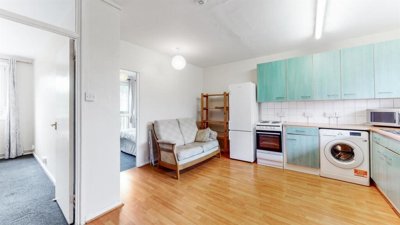
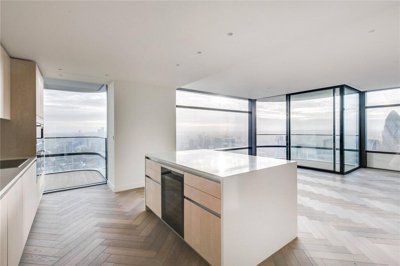
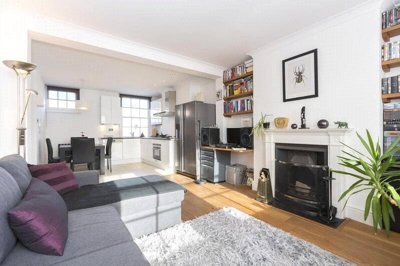
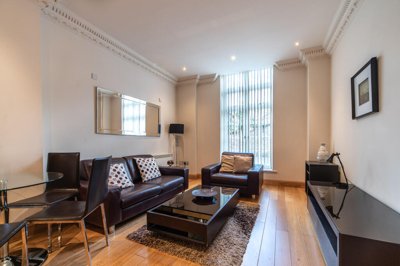
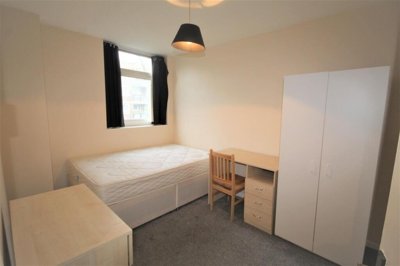
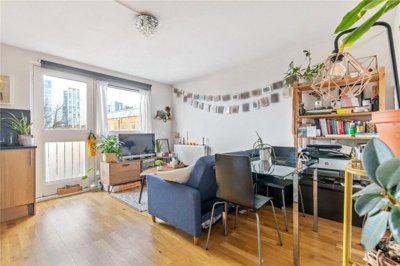
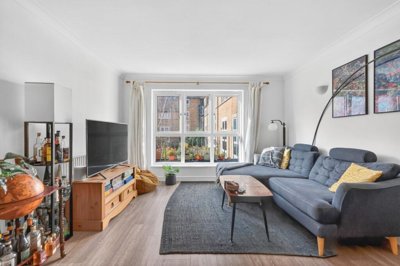
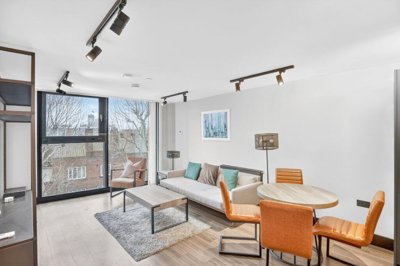
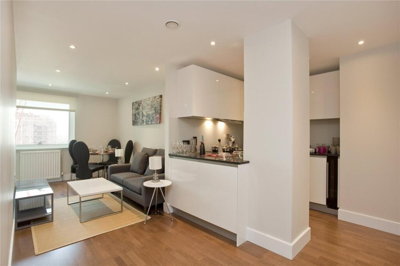
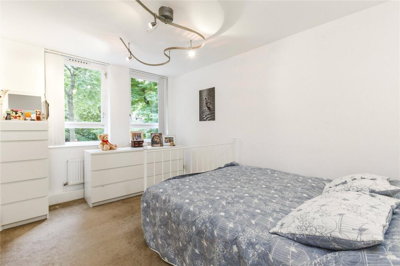
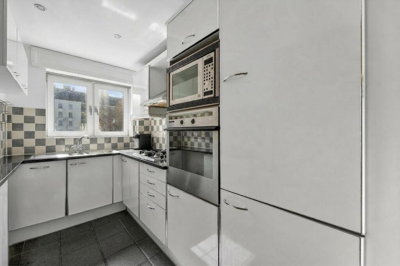
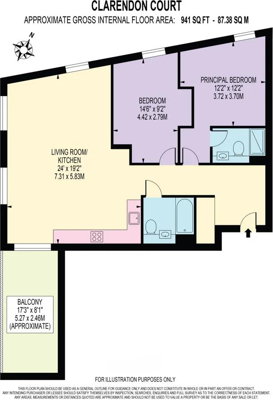
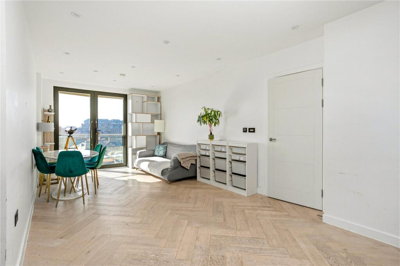
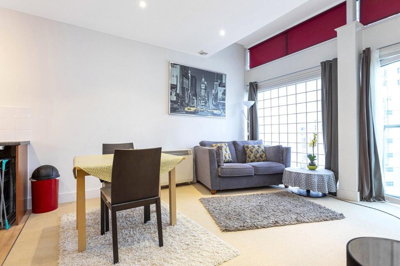
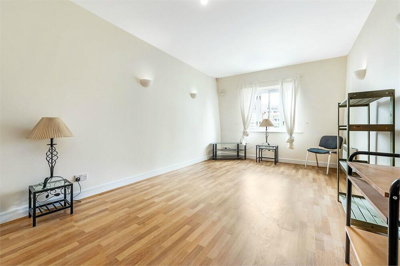
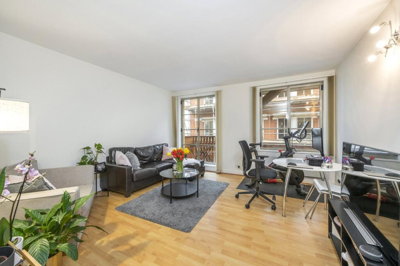
Browse 1,110 rental homes to rent in EC3A from local letting agents.
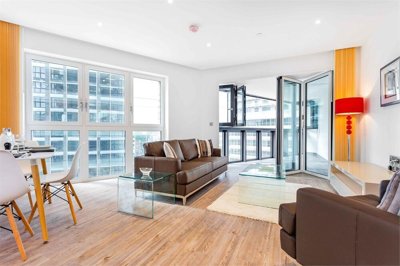
Studio apartments feature open-plan living spaces without separate bedrooms, incorporating sleeping, living, kitchen, and bathroom facilities. The EC3A studio market includes properties in modern apartment complexes, converted Victorian and Georgian buildings, and purpose-built developments.
£0/m
0
0
0
Source: home.co.uk
Showing 0 results for Studio Flats to rent in EC3A.
The rental market in EC3A operates quite differently from typical London residential areas, primarily because the postcode sits within one of the world's most important commercial districts. Residential properties here represent a tiny fraction of the total building stock, meaning that when flats do become available to rent, they generate significant interest from City workers and investors alike. The predominant property type is the apartment, with studios, one-bedroom, and two-bedroom flats making up the vast majority of available rentals. Larger family homes are virtually non-existent in EC3A, as the area's historical development as a commercial zone never accommodated the suburban housing patterns found in outer London boroughs.
Current rental prices in EC3A reflect the premium nature of City living, with one-bedroom flats typically ranging from £1,800 to £2,800 per month depending on specification, size, and exact location within the postcode. Two-bedroom apartments command higher figures, often falling between £2,500 and £4,000 per month for well-presented properties in modern developments. The limited supply of rental stock means that properties in good condition with contemporary finishes tend to achieve the upper end of these ranges. Lease lengths in EC3A typically run for 12 months, with the option to renew, and landlords generally seek tenants who can demonstrate stable employment within the financial or professional services sectors.
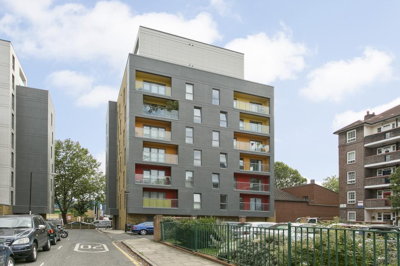
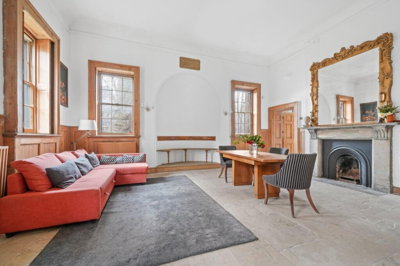
The residential stock in EC3A divides broadly into two categories: historic converted properties dating from the Georgian and Victorian periods, and modern apartment blocks constructed during the City's residential renaissance from the 1980s onwards. Properties in converted Georgian merchant houses along streets like Fenchurch Street and Mincing Lane often feature higher ceilings, original sash windows, and period details that command a premium from renters who appreciate character. In contrast, contemporary developments offer the latest specifications including underfloor heating, air conditioning, and concierge services, though these amenities typically come with higher service charges that renters should factor into their budget calculations.

Life in EC3A offers an experience unlike any other London postcode, defined by the dramatic contrast between its bustling weekday identity and tranquil weekend character. The residential population of the City of London numbers only around 9,000 to 10,000 people, making it one of the capital's most sparsely populated boroughs despite its enormous daytime workforce of over half a million office workers. This creates a unique atmosphere where renters can enjoy the cultural amenities, restaurants, and services typically associated with dense urban living, but within an intimate community context. The area attracts professionals who value the convenience of walking to work, access to exceptional dining options, and proximity to riverside walks along the Thames.
The character of EC3A blends historic architecture with modern commercial development in ways that create genuinely distinctive streetscapes. Leadenhall Market represents one of London's most photographed locations, its covered Victorian market hall providing a dramatic backdrop for scenes set in the Harry Potter films. The surrounding streets feature a remarkable concentration of listed buildings, from the medieval St Katharine Cree church to the elegant 18th-century warehouses that once served the City's merchant trade. For renters who appreciate architectural heritage, living in EC3A offers daily encounters with buildings of national significance, often unexpectedly integrated into the working landscape of a global financial centre.
Day-to-day life in EC3A centres on a network of narrow streets and alleyways that have changed little since medieval times. Fenchurch Street and Gracechurch Street form the main arterial routes, while the historic lanes of Mincing Lane, Jewry Street, and Bury Street reveal themselves to those who explore on foot. The nearest green space is the small St. Olave's Churchyard near Tower Hill, though Finsbury Circus offers a larger break in the concrete landscape just outside the EC3A boundary. Residents benefit from the proximity of the Thames waterfront at Tower and the Tower Bridge Experience, while the cultural institutions of the Barbican Centre lie within easy walking distance for those seeking exhibitions, theatre, and classical music performances.

Families considering rental properties in EC3A should note that the area's commercial character means primary and secondary school provision is limited within the immediate postcode. The City of London maintains a small number of schools serving its resident population, with the City of London School for Girls and the City of London School providing independent education options within the broader Square Mile. For state schooling, children residing in EC3A typically fall under the admission criteria of the Tower Hamlets or Islington boroughs depending on exact location, with schools such as Sir John Cass's Foundation Primary School serving local families. Parents should research catchment areas carefully, as admission policies in central London can be competitive.
Further education options in the vicinity of EC3A are exceptional, with the University of London campus at Senate House and the London School of Economics on the Strand both easily accessible via public transport. City workers seeking professional qualifications will find numerous opportunities for continuing education, including the Chartered Insurance Institute headquartered nearby and various finance-focused programmes offered by institutions throughout the City. For young children, nursery and reception provision exists through a mix of workplace nurseries operated by major financial institutions and private daycare providers serving the local community. Families prioritising school access may wish to explore rental options slightly further from EC3A while maintaining City commute convenience.
The independent schools serving the EC3A area include the City of London School for Girls at Barbican, which educates girls from ages 7 to 18 and consistently ranks among London's top academic institutions. The City of London School for Boys is located nearby at the Embankment, while the more recently established City of London Freemen's School in Ashtead provides boarding facilities. Competition for places at these establishments is intense, with entrance examinations and interviews forming part of the selection process. For families requiring wraparound care, major employers including Lloyd's of London and various banks operate workplace nurseries that may be available to tenants employed by these organisations, offering convenient childcare solutions for dual-income professional households.

Transport connectivity ranks among EC3A's most significant advantages for renters, with the area served by multiple Underground stations within easy walking distance. Aldgate and Aldgate East stations on the Circle, Hammersmith and City, and Metropolitan lines provide direct access to destinations across London, while Bank station offers connections to the Central, Northern, and Waterloo and City lines plus the DLR. Liverpool Street station, serving the Central, Circle, Hammersmith and City, and Metropolitan lines alongside National Rail services, lies just outside the EC3A boundary but remains comfortably accessible. This exceptional Underground coverage means residents can reach most central London destinations within 20 minutes.
For commuters travelling further afield, Liverpool Street station provides direct services to destinations including Stratford, Cambridge, and Norwich on the Greater Anglia network. Canary Wharf is reachable in approximately 15 minutes via the DLR from Bank station, while the Elizabeth line offers additional connectivity through nearby Fenchurch Street and Liverpool Street. Bus services throughout the EC3A area are comprehensive, with routes connecting to Tower Bridge, the West End, and Waterloo. Cyclists benefit from dedicated infrastructure on many major roads, and the Santander Cycles docking stations are well-distributed throughout the neighbourhood. For those who drive, parking provision is extremely limited and expensive, reflecting the area's excellent public transport alternatives.
The walking times from various EC3A addresses to key transport hubs are notably short compared to most London postcodes. From Leadenhall Market, Aldgate station is approximately 6 minutes' walk, while Bank and Monument stations are accessible in around 8 minutes. Liverpool Street station, offering mainline rail services and the Elizabeth line, is roughly 10 minutes' walk from the heart of EC3A. This pedestrian-friendly scale means that many residents can realistically live without a car, relying instead on the extensive public transport network and Santander Cycles for weekend excursions to other parts of the capital. Those who need occasional vehicle access should note that car clubs operate throughout the City of London, providing flexible access to vehicles without the burden of ownership costs.

Before viewing properties in EC3A, arrange a rental budget agreement in principle from a lender or broker. This document demonstrates your financial credibility to landlords and estate agents, showing your maximum affordable monthly rent.
Explore the neighbourhood thoroughly, visiting at different times of day to understand the quiet weekend atmosphere versus weekday bustle. Check proximity to your workplace, transport links, and local amenities that matter to your daily life.
Use Homemove to browse available rental properties in EC3A, setting up alerts for new listings since the market moves quickly. Book viewings promptly and prepare questions about lease terms, service charges, and property condition.
Once you have found your ideal flat, submit your tenancy application with required documentation including proof of identity, employment references, bank statements, and your rental budget in principle. Be prepared for competition from other applicants.
Your chosen estate agent or landlord will conduct referencing checks, typically covering employment verification, credit history, and previous landlord references. Upon satisfactory completion, you will sign your tenancy agreement and pay the deposit.
Arrange your move, ensuring you obtain inventory documentation and photographs to protect your deposit at lease end. Contact utility providers to set up accounts in your name and familiarise yourself with building management procedures.
The residential buildings in EC3A reflect centuries of development, from medieval merchant houses converted to flats through to sleek contemporary apartment towers. Understanding the construction of these properties helps prospective renters appreciate both the character of their potential home and the maintenance responsibilities that come with different building types. The area falls within the Leadenhall Market Conservation Area and borders the Bishopsgate Conservation Area, meaning many properties carry listed status that restricts alterations and requires specialist maintenance approaches.
Historic properties in EC3A typically feature traditional construction methods including load-bearing brick walls, timber floor joists, and slate or tile roofs. Buildings from the Georgian and Victorian periods often incorporate London stock brick and Portland stone dressings, with original sash windows and decorative cornices that form part of the listed building fabric. These properties require more maintenance than modern equivalents, and renters should understand that landlords are responsible for structural repairs while tenant responsibilities for interior maintenance are specified in the tenancy agreement.
Modern apartment blocks in EC3A follow contemporary construction practices with steel or reinforced concrete frames, pre-cast concrete floor slabs, and glass curtain walling that characterises the City's skyline. Following the Grenfell Tower tragedy, fire safety concerns have prompted increased scrutiny of external cladding systems on buildings of this type, and prospective renters should ask landlords about recent fire safety assessments and any remediation works completed or planned. Many modern developments include balconies with waterproof membrane systems that require regular maintenance to prevent water ingress into the structural elements.
Renting in EC3A requires attention to several area-specific factors that may not apply in typical residential neighbourhoods. Properties in this postcode often fall within conservation areas or occupy listed buildings, meaning alterations to the accommodation may require formal consent from the City of London planning authority. Before committing to a tenancy, prospective tenants should establish whether any restrictions exist regarding pets, subletting, or modifications to the property. The historic nature of many buildings means that maintenance issues can arise more frequently than in newer construction, and understanding your landlord's responsibilities versus your own becomes essential.
Flood risk in EC3A warrants consideration despite the area's generally protected position from river flooding. Surface water flooding represents the primary environmental concern, particularly for basement flats or ground-floor properties in areas with extensive hard landscaping. The underlying London Clay geology that characterises the City of London creates potential for ground movement, especially where mature trees draw moisture from the soil during dry periods. Prospective renters should inquire about the property's flood history and check the Environment Agency's flood risk mapping for the specific location.
The high concentration of commercial buildings in the vicinity means that some properties may experience elevated noise levels during weekday business hours, particularly those facing major roads or construction sites. Weekend quietness generally prevails, but this represents a significant lifestyle difference from traditional residential areas. Additionally, vibration from Underground lines running beneath the City can occasionally cause minor cosmetic cracking in properties directly above these routes, a factor that may concern renters seeking immaculate presentation. When viewing properties in EC3A, request details of service charge breakdowns, as these costs can vary significantly between buildings and often include contributions to building insurance, maintenance reserves, and concierge services.

Rental prices in EC3A reflect the premium nature of City of London living, with one-bedroom flats typically ranging from £1,800 to £2,800 per month and two-bedroom apartments commanding between £2,500 and £4,000 monthly. These figures represent the current market for well-presented properties in this central London postcode, though prices vary according to property condition, size, floor level, and exact location within the EC3A boundary. The limited supply of rental properties in this predominantly commercial postcode means that competitive pricing can push values toward the upper end of these ranges for desirable properties.
Properties in EC3A fall under the City of London Council's jurisdiction, which operates its own council tax banding system distinct from outer London boroughs. The City of London typically bands properties on a comparable basis to neighbouring Tower Hamlets and Islington, with one-bedroom flats commonly falling into bands A through C, while larger premium properties may attract higher banding. Prospective tenants should verify the specific banding with the City of London Corporation's council tax department, as bands can vary significantly between properties depending on their size, value, and exact specification.
The immediate EC3A area has limited state school provision due to its commercial character, with children typically accessing schools in neighbouring boroughs. Notable options include Sir John Cass's Foundation Primary School and the City of London School for Girls, with the latter providing independent education for girls aged 7 to 18. Parents should note that school admission policies in central London are highly competitive, and securing a place often requires living within a specific catchment area or meeting faith-based criteria. Researching admission arrangements well before relocating is strongly recommended for families with school-age children.
EC3A enjoys exceptional public transport connectivity, with multiple Underground stations within walking distance including Aldgate, Aldgate East, and Bank, providing access to the Circle, Hammersmith and City, Metropolitan, Central, Northern, and Waterloo and City lines. Liverpool Street and Fenchurch Street mainline stations offer National Rail services and Elizabeth line connections to destinations including Canary Wharf, Stratford, and Heathrow. Bus services are comprehensive throughout the area, and the Santander Cycles bike-sharing scheme has numerous docking stations nearby. This level of connectivity means that most central London destinations are reachable within 20 to 30 minutes.
EC3A suits renters who prioritise location and professional connectivity above traditional residential amenities such as parks, shops, and community facilities within immediate walking distance. The area offers an unmatched combination of transport links, proximity to major employers in the financial and professional services sectors, and access to City restaurants and cultural attractions. However, prospective tenants should be aware that the neighbourhood transforms dramatically between weekdays and weekends, with many facilities closing on Saturday and Sunday. The quiet weekend atmosphere appeals to those seeking respite from urban bustle, but those expecting traditional high-street amenities may need to venture slightly further afield.
Standard deposits on EC3A rental properties amount to five weeks' rent, capped at five weeks' worth of the annual rent where this exceeds £50,000 per year. Tenants should budget for additional costs including referencing fees, typically ranging from £100 to £300 per applicant, and inventory check fees of approximately £150 to £250. Some landlords may request a holding deposit equivalent to one week's rent while references are processed. As a first-time renter in England, you may qualify for relief from certain fees under the Tenant Fees Act 2019, though this relief has restrictions based on property price and landlord circumstances. Always request a full breakdown of costs before committing to a tenancy application.
The primary environmental consideration for EC3A renters relates to surface water flooding, particularly for basement and ground-floor properties, since the area sits above London Clay with moderate to high shrink-swell risk. Properties near established trees or with older drainage systems may experience ground movement during extended dry periods. Vibration from nearby Underground lines occasionally produces minor cosmetic cracking in buildings along certain routes. The City of London's historic character means that many properties occupy listed buildings requiring specialist maintenance approaches, and renters should clarify maintenance responsibilities with landlords before signing tenancy agreements.
Many residential properties in EC3A occupy Grade I or Grade II listed buildings, including converted Georgian and Victorian structures near Leadenhall Market and along Fenchurch Street. Listed building status imposes restrictions on alterations, redecoration choices, and modifications to original features such as fireplaces, sash windows, and decorative plasterwork. Renters should obtain copies of any existing schedules of condition and clarify with landlords what changes require consent from the City of London planning authority. Insurance costs for listed buildings typically exceed those for modern properties, and these costs are often incorporated into service charges that renters should examine carefully before committing to a tenancy.
Budgeting for a rental property in EC3A requires careful consideration of all associated costs beyond monthly rent, as these can significantly impact your initial moving expenses. The standard deposit amount in this postcode, consistent with English law, amounts to five weeks' rent, though this is capped at five weeks where annual rent exceeds £50,000. Given the premium rental values in EC3A, tenants should anticipate deposits typically ranging from £4,000 to £8,000 for standard one and two-bedroom apartments. This deposit will be protected in a government-approved scheme under the Tenancy Deposit Protection rules, and should be returned in full at the end of your tenancy minus any deductions for damage or unpaid rent.
Additional upfront costs include referencing fees charged by estate agents or referencing companies, which typically cover credit checks, employment verification, and previous landlord references. These services generally cost between £100 and £300 per applicant, though prices can vary between providers. Inventory check fees, charged by independent clerks who document property condition before your tenancy begins, usually fall in the £150 to £250 range. Some landlords may request a holding deposit equivalent to one week's rent to take the property off the market while referencing proceeds. First-time renters in England may benefit from exemptions on certain fees under the Tenant Fees Act 2019, though eligibility depends on property value thresholds and specific circumstances. Always obtain written confirmation of all costs before proceeding with any tenancy application in EC3A.
Service charges represent an ongoing cost that prospective renters often underestimate when budgeting for an EC3A tenancy. These charges cover building insurance, maintenance of communal areas, cleaning, concierge services, and contributions to reserve funds for future major works. In modern developments with extensive amenities, service charges can add several hundred pounds per month to rental costs, and renters should request a breakdown showing exactly what services are included. The leasehold structure common in EC3A means that as a tenant you will not be responsible for major decisions regarding the building, but you should understand how service charges are calculated and whether any significant works are planned that might result in special charges.

From 4.5%
Budget in principle to strengthen your rental application
From £100
Employment and credit verification for landlords
From £500
Professional assessment of flat condition before you rent
From £85
Energy performance certificate for your rental property
Properties to Rent In London

Properties to Rent In Plymouth

Properties to Rent In Liverpool

Properties to Rent In Glasgow

Properties to Rent In Sheffield

Properties to Rent In Edinburgh

Properties to Rent In Coventry

Properties to Rent In Bradford

Properties to Rent In Manchester

Properties to Rent In Birmingham

Properties to Rent In Bristol

Properties to Rent In Oxford

Properties to Rent In Leicester

Properties to Rent In Newcastle

Properties to Rent In Leeds

Properties to Rent In Southampton

Properties to Rent In Cardiff

Properties to Rent In Nottingham

Properties to Rent In Norwich

Properties to Rent In Brighton

Properties to Rent In Derby

Properties to Rent In Portsmouth

Properties to Rent In Northampton

Properties to Rent In Milton Keynes

Properties to Rent In Bournemouth

Properties to Rent In Bolton

Properties to Rent In Swansea

Properties to Rent In Swindon

Properties to Rent In Peterborough

Properties to Rent In Wolverhampton

Enter your details to see if this property is within your budget.
Loans, cards, car finance
Estimated property budget
Borrowing + deposit
You could borrow between
Typical borrowing
Monthly repayment
Est. at 4.5%
Loan-to-value
This is an estimate only. Your actual budget may vary depending on interest rates, credit history, and personal circumstances. For an accurate affordability assessment, speak to one of our free mortgage advisors.
This calculator provides estimates for illustrative purposes only and does not constitute financial advice. Your home may be repossessed if you do not keep up repayments on your mortgage. Estimates based on 4.5% interest rate, repayment mortgage. Actual rates depend on your circumstances.
Homemove is a trading name of HM Haus Group Ltd (Company No. 13873779, registered in England & Wales). Homemove Mortgages Ltd (Company No. 15947693) is an Appointed Representative of TMG Direct Limited, trading as TMG Mortgage Network, which is authorised and regulated by the Financial Conduct Authority (FRN 786245). Homemove Mortgages Ltd is entered on the FCA Register as an Appointed Representative (FRN 1022429). You can check registrations at NewRegister or by calling 0800 111 6768.

We use cookies to show you personalised content and improve your experience of our website. Find out more in our Privacy policy and Cookie policy.