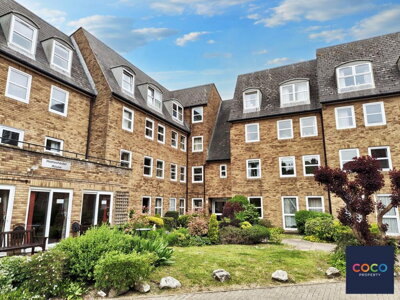
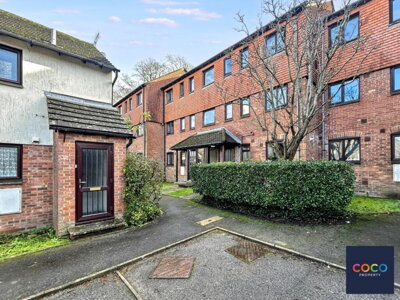
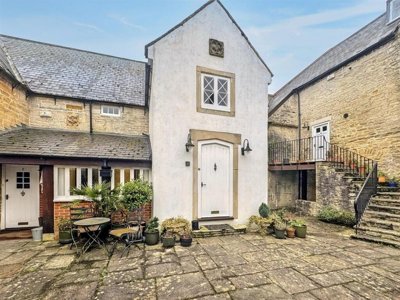
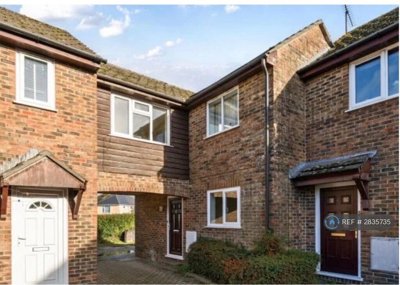
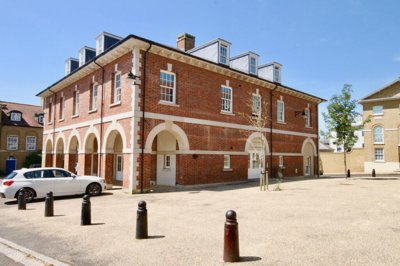
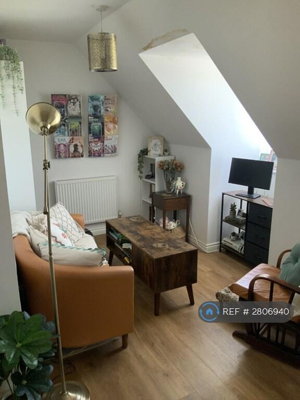
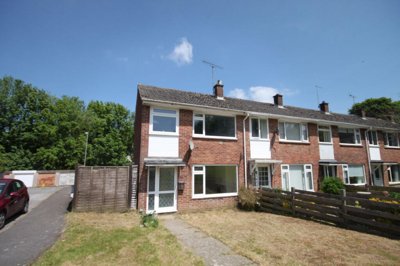
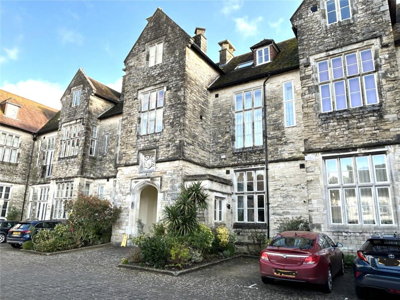
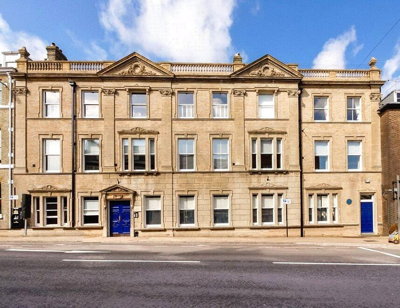
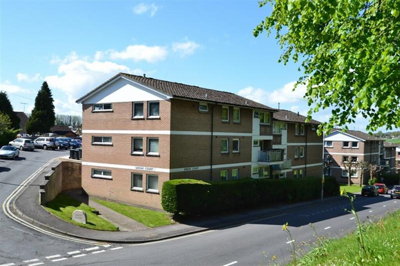
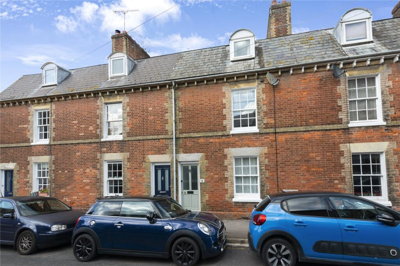
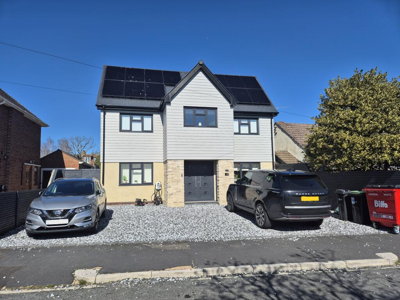
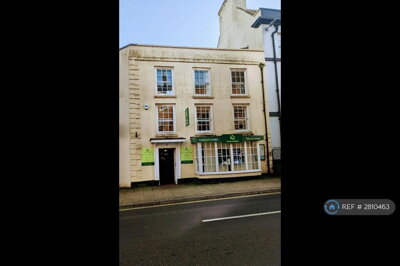
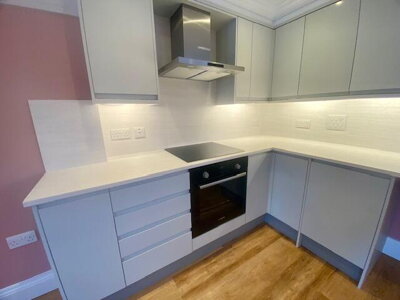
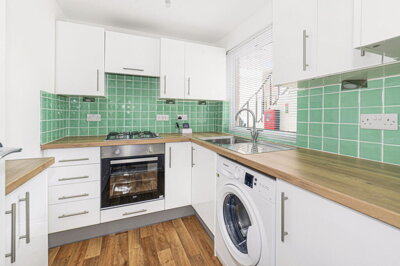
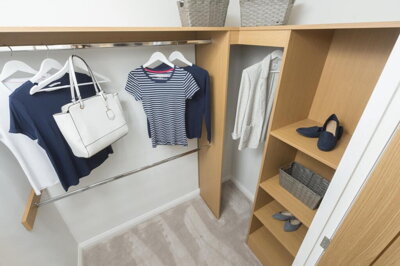
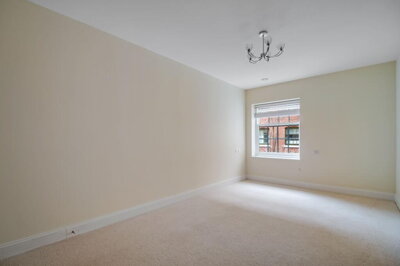
Browse 30 rental homes to rent in Dorchester, Dorset from local letting agents.
£1,000/m
9
1
52
Source: home.co.uk
Source: home.co.uk
Apartment
4 listings
Avg £925
End of Terrace
2 listings
Avg £925
Coach House
1 listings
Avg £1,450
Flat
1 listings
Avg £1,000
Terraced
1 listings
Avg £1,250
Source: home.co.uk
Source: home.co.uk
The Dorchester rental market reflects the broader property trends in this desirable Dorset market town. According to recent data, average property prices in the area hover around £355,000 according to Plumplot, with Rightmove reporting £357,308 and Property Solvers citing £381,884 using HM Land Registry data. Detached properties average approximately £537,000, while terraced homes typically sell around £352,000 and flats represent the most affordable segment at around £225,000. These figures relate to sales rather than rentals, but they indicate the underlying value of properties in the area and give landlords and tenants context about the local housing market. The DT1 and DT2 postcode areas that cover Dorchester have shown relatively stable price movements, with nominal changes of around 0.1 percent according to some measures, though overall sales volumes have dropped by approximately 10.5 percent over the past twelve months.
Rental demand in Dorchester remains steady, driven by the town's status as a county town with strong employment in public administration, healthcare, and retail sectors. The presence of Dorset County Hospital ensures a consistent healthcare workforce requiring rental accommodation, while the town's retail and hospitality sectors attract younger workers seeking homes close to their places of employment. Period properties with character features, including Victorian and Edwardian terraces, command particular interest among renters who appreciate original fireplaces, high ceilings, and stripped wooden floors. Newer developments in Poundbury offer contemporary rental options for those preferring modern fixtures and energy-efficient homes, with properties in this Duchy of Cornwall development often featuring traditional architectural styling combined with modern construction standards.
The local housing stock in Dorchester spans a wide range of property types and ages. Terraced properties account for a significant portion of sales, with the majority of properties sold in the past year being terrace houses according to Rightmove data. The town features substantial pre-1919 housing stock, including numerous Grade II listed buildings particularly concentrated around High East Street and South Street in the historic conservation area. Local building materials include Portland stone, Hamstone, traditional brick, and render, reflecting the geological diversity of the area with its chalk and limestone bedrock. For renters, this variety means choices ranging from characterful period cottages built with local stone to contemporary apartments in Poundbury with excellent energy efficiency ratings.

Dorchester, as the county town of Dorset, serves as the administrative and cultural heart of West Dorset. The town centre features a pleasant mix of independent shops, cafes, and restaurants clustered around the historic market place and along streets like South Street and High East Street, where many buildings are protected under conservation area designations. The famous Dorchester Saturday market has traded in the town for centuries and continues to draw visitors seeking local produce, crafts, and goods. Beyond the commercial centre, residential neighbourhoods radiate outward into quieter suburbs, each with its own distinct character and housing stock ranging from grand Georgian houses to modest post-war semis. The Frome River Valley provides attractive walking routes through the town, with the river itself running through lower-lying areas where flood risk should be considered by prospective renters.
The town's literary heritage, being the birthplace and home of Thomas Hardy, adds a distinctive cultural dimension to daily life here. The Dorset County Museum houses an extensive collection relating to Hardy and the natural history of the region, while the nearby Hardy Trail connects significant locations mentioned in his novels. For outdoor recreation, Dorchester sits on the edge of some of Dorset's most beautiful countryside, with the Dorset Area of Outstanding Natural Beauty accessible within a short drive. The Purbeck hills and Jurassic Coast beaches at Weymouth and Portland are readily accessible via the A35 trunk road. The town's sporting facilities include a leisure centre with swimming pool, tennis courts, and football pitches, catering to active families and individuals. Community life in Dorchester is vibrant, with regular events including the Dorchester Food Festival and summer carnival bringing residents together throughout the year.
The Poundbury development represents a significant part of Dorchester's modern identity, offering a sustainable urban extension designed to traditional architectural principles. Properties in this area often feature contemporary fittings alongside period-style facades, with good energy efficiency ratings that can help reduce monthly utility costs. Bincombe Park, just south of Dorchester, offers newer-build homes by Lovell Homes including two to four-bedroom properties priced from around £354,950 for a three-bed semi-detached to over £500,000 for four-bed detached homes. These new build options provide rental alternatives for those seeking modern construction with warranties. Park Bungalows in the area cater specifically to those aged 45 and over, offering single-level living in the Dorset countryside from around £270,000 to £325,000.

Education provision in Dorchester is a significant factor for families considering renting in the area, with a range of primary and secondary schools serving the town and surrounding villages. At primary level, Dorchester has several well-regarded schools including Middle Street Primary School, St Mary's CE VC First School, and St Augustine's Catholic Primary School, each offering education for children from reception through to Year 4. The St Osmund's CE Middle School serves older primary pupils and maintains strong academic standards alongside its Christian ethos. Parents should research individual school performance and catchment areas when considering rentals, as school placement can be competitive in certain neighbourhoods and proximity to good schools can significantly influence rental desirability in surrounding streets.
Secondary education in Dorchester is anchored by the Thomas Hardye School, a large and popular secondary with a strong reputation for academic achievement and extracurricular activities. The school has a significant sixth form offering A-level subjects across a range of disciplines, providing local progression for students from primary schools across the catchment area. St Osmund's Catholic School provides faith-based secondary education and is oversubscribed in some year groups, meaning proximity to these schools can influence property values and rental desirability in surrounding streets. For families requiring childcare or early years education, Dorchester has multiple nurseries and preschools, with several rated Good or Outstanding by Ofsted. The presence of these educational facilities makes Dorchester particularly attractive to renters with school-age children, and properties within the catchment areas of high-performing schools often command premium rents.

Dorchester benefits from excellent rail connections that make commuting to major cities feasible for those working in London, Bristol, or Southampton. Dorchester South station provides direct services to London Waterloo with journey times of approximately two and a half hours, operated by South Western Railway, while Dorchester West offers connections to Bristol Temple Meads via changes at Dorchester South or direct services to the west via Great Western Railway. These rail services are particularly valuable for commuters who work in the capital during the week but wish to live in a more affordable and pleasant location than central London allows. The stations are within walking distance of the town centre for many rental properties, though bus connections serve those living in surrounding neighbourhoods. Recent market analysis suggests that Dorchester's housing market benefited from the pandemic-era shift to remote working, though a return to more office days has affected markets with higher levels of longer-distance commuting.
Road transport in Dorchester is well-developed, with the A35 trunk road running through the town providing connections to Poole to the east and Exeter to the west. The A37 heads north towards Yeovil and connects with the M5 motorway at Junction 25, giving access to Bristol and Birmingham beyond. For those travelling to the Jurassic Coast beaches, the A35 continues through the outstanding landscape of the Purbeck hills, making seaside towns like Weymouth and Portland accessible for weekend outings. Local bus services operated by First Dorset and other providers connect Dorchester with surrounding villages, though frequencies on some rural routes can be limited outside peak hours. Cyclists will find some dedicated routes and lanes around Dorchester, though the hilly terrain of Dorset makes cycling challenging for some journeys. The town's compact and walkable nature means car ownership is less essential than in more spread-out locations.

Renting in Dorchester requires attention to several local factors that could affect your tenancy experience and property condition. Given the significant number of period properties in the town, including Victorian terraces, Georgian townhouses, and listed buildings, prospective tenants should carefully inspect properties for common issues in older construction. These may include damp affecting solid walls, outdated electrical wiring that may not meet current safety standards, and heating systems that could prove expensive to run during Dorset winters. Many older properties in Dorchester have solid wall construction predating cavity wall insulation, which can lead to condensation issues if ventilation is inadequate. Timber defects including rot and woodworm may be present in older structural timbers, while asbestos may be found in properties built before the year 2000.
The local geology around Dorchester features areas of chalk and limestone bedrock, which generally provide good foundation conditions for properties in elevated areas. However, clay deposits can be found in river valleys and lower-lying areas adjacent to the River Frome, creating potential shrink-swell risk for foundations during prolonged dry or wet periods. Properties in lower-lying areas near the River Frome should be checked for any history of flooding, as the Dorset Echo has reported instances where town centre roads were closed due to flooding and main routes forced to close as rivers broke their banks. Surface water flooding can also be a concern in urban areas during heavy rainfall. Prospective renters should check the specific flood risk of any property they are considering, as insurance costs and practical implications can be significant.
Conservation area restrictions apply to many Dorchester properties, particularly in the historic town centre around High East Street and South Street, which can limit what alterations tenants may make to properties. Those renting converted flats should pay attention to the quality of sound insulation between floors and the arrangements for building maintenance and service charges, which can add significantly to monthly costs. The Poundbury development offers modern apartments and houses designed to traditional architectural principles, often with good energy efficiency ratings and contemporary fittings that can reduce ongoing utility costs. Tenants should verify the terms of any proposed tenancy agreement carefully, including the length of contract, notice periods, and arrangements for maintenance and repairs, before committing to a rental in Dorchester. Given that Dorchester has a concentration of listed buildings and conservation areas, properties in these designations may require specialist attention and tenants should understand their obligations regarding the property's historic fabric.

Before searching for rental properties in Dorchester, ensure you have proof of income, identification documents, and references ready. Many landlords will require employment verification and may request a credit check, so understanding your financial position beforehand will streamline the application process. You should also obtain a copy of your credit report in advance to address any issues before landlords see it. Having three months of bank statements and payslips prepared will help demonstrate your financial stability to prospective landlords in Dorchester's competitive rental market.
Browse listings for properties to rent in Dorchester and surrounding DT1 and DT2 postcode areas. Consider factors like proximity to your workplace, schools if you have children, and transport links. The rental market here includes everything from period terraces in conservation areas to modern Poundbury apartments, so identify which neighbourhoods best match your lifestyle needs. Research average rental prices in the area, typically ranging from £800 to £1,200 per month for standard family homes, to understand what your budget can secure.
Once you have identified suitable properties, contact the listed agents to arrange viewings. In Dorchester, viewings may be conducted by local estate agents or directly by private landlords. Attend multiple viewings to compare properties and ask about the condition of appliances, the age of the boiler, and any recent renovations or planned maintenance. Take photographs during viewings to help remember property details and condition when comparing options.
Landlords in Dorchester typically require tenant referencing, which includes credit checks, employment references, and previous landlord references if available. Some may also request proof of income equivalent to at least thirty times the monthly rent. Prepare these documents in advance to move quickly when you find the right property. Under the Tenant Fees Act 2019, landlords cannot charge tenants for referencing or credit checks, as these costs must now be covered by the landlord.
Before moving in, thoroughly read and understand your tenancy agreement. This should detail the rent amount, deposit protection arrangements, maintenance responsibilities, and notice periods. In Dorchester, most assured shorthold tenancies run for six or twelve months with a security deposit capped at five weeks rent. Your deposit must be protected in a government-approved scheme within thirty days of receipt, and landlords are required to provide you with information about which scheme holds your deposit.
At the start of your tenancy, complete a comprehensive inventory check documenting the condition of all rooms, fixtures, and fittings. This protects you from disputes when you leave and ensures any pre-existing damage is not incorrectly attributed to your occupation. Consider booking a professional inventory service for thorough documentation. Photograph all rooms, note any existing damage or wear, and keep copies of all documentation for your records throughout the tenancy.
Renting a property in Dorchester involves several costs beyond the monthly rent that prospective tenants should budget for carefully. The most significant upfront cost is the security deposit, which is capped at five weeks rent for properties with annual rent below fifty thousand pounds under the Tenant Fees Act 2019. For example, a property renting at £1,000 per month would require a deposit of approximately £2,150. This deposit must be protected in a government-approved scheme within thirty days of receipt, and landlords are required to provide tenants with information about which scheme holds their deposit within the same timeframe. The three approved schemes are the Deposit Protection Service, MyDeposits, and the Tenancy Deposit Scheme.
Additional moving costs may include holding deposits to secure a property while references are checked, typically equivalent to one week's rent, which is often offset against the final security deposit. Tenant referencing fees, if charged, are now generally prohibited under the Tenant Fees Act, and landlords who charge these fees may face penalties. The first month's rent payment is usually due before or on the tenancy start date. Prospective renters should also consider ongoing costs including council tax, which varies by property band in Dorchester based on Dorset Council valuations, plus utility bills, contents insurance, and internet services. Period properties in the historic town centre, including Georgian and Victorian houses, often fall into higher council tax bands due to their size and central location, while newer properties in areas like Poundbury may occupy lower bands due to their more modest construction.
Getting quotes for rental budget agreements before viewing properties helps ensure you understand what you can comfortably afford each month. Properties in Dorchester town centre may have higher council tax bands reflecting their central location and period features, while newer properties in areas like Poundbury may offer lower running costs due to modern insulation and efficient heating systems. Energy efficiency should be a key consideration for renters, as older period properties with solid walls and outdated heating systems can incur significant winter heating costs. Modern Poundbury apartments often benefit from contemporary insulation standards that can substantially reduce monthly utility bills compared to older properties in the conservation area.
While specific rental figures fluctuate, the Dorchester property market shows sales prices averaging around £355,000 to £381,000 depending on the source. Terraced properties typically sell for approximately £352,000, while semi-detached homes average between £245,000 and £354,000 for new builds. Flats represent the most affordable segment at around £225,000. These sale prices provide context for rental values, with monthly rents generally ranging from £800 to £1,200 for standard family homes, though larger properties or those in premium locations may command higher rents. Poundbury apartments and modern homes often offer competitive rental rates with the benefit of contemporary fittings and energy efficiency. Properties near Dorchester's railway stations, particularly Dorchester South, often attract premium rents due to commuter convenience.
Council tax in Dorchester is administered by Dorset Council, with properties assigned bands from A through H based on their 1991 valuation. Period properties in the historic town centre, including Georgian townhouses on streets like High East Street and Victorian terraces in the conservation area, often fall into higher bands due to their size, period features, and central location. Newer properties in Poundbury and surrounding developments like Bincombe Park typically occupy lower bands. Tenants should check the specific council tax band with the agent or landlord before committing to a tenancy, as this cost forms a significant part of monthly outgoings. Properties in higher bands can incur council tax bills that add several hundred pounds to monthly housing costs.
Dorchester offers excellent educational provision at all levels. Primary schools include Middle Street Primary School, St Mary's CE VC First School, and St Augustine's Catholic Primary School, all serving families in the local area with good Ofsted ratings. The Thomas Hardye School is the main secondary, known for strong academic results and extensive extracurricular programmes including sports, arts, and music. St Osmund's CE Middle School serves pupils from Year 5 to Year 8, while St Osmund's Catholic School provides faith-based secondary education and is often oversubscribed. Families should verify current catchment areas and admission policies with Dorset Council, as these can affect placement eligibility and rental desirability in surrounding streets can be significant.
Dorchester has two railway stations serving the town: Dorchester South on the Weymouth to London Waterloo line offering approximately two and a half hour journey times to the capital via South Western Railway, and Dorchester West providing connections towards Bristol and the West Country via Great Western Railway. Both stations are within walking distance of the town centre for many rental properties. The A35 trunk road provides direct road access to Poole and Exeter, while the A37 connects to Yeovil and the M5 motorway at Junction 25. Local bus services connect Dorchester with surrounding villages and towns, though frequencies on some rural routes are limited outside peak hours. The town's compact centre makes walking viable for most daily needs.
Dorchester represents an excellent choice for renters seeking a balanced lifestyle combining historic character with modern conveniences. As the county town of Dorset, it offers comprehensive retail, healthcare through Dorset County Hospital, and cultural amenities including the Dorset County Museum and Hardy Trail that would typically only be found in much larger cities. The rental market provides good variety, from period terraces in conservation areas with original features to contemporary apartments in Poundbury with modern fittings. Employment opportunities exist in the public sector, healthcare, retail, and hospitality sectors. The town is compact and walkable, making car ownership less essential than in more spread-out locations, while excellent rail connections enable commuting to larger employment centres when needed. Recent market trends suggest Dorchester remains desirable despite broader national fluctuations.
Under the Tenant Fees Act 2019, security deposits for properties with annual rent below £50,000 are capped at five weeks rent. For a property at £1,000 per month, this would be £2,150. Landlords must protect your deposit in a government-approved scheme within thirty days and provide prescribed information. Holding deposits are typically one week's rent and are offset against the final deposit or first month's rent. Prohibited fees include charging tenants for referencing, credit checks, or inventory reports, as these costs must now be covered by landlords. Your first month's rent and deposit are the main upfront costs to budget for. Some landlords may also require advance rent payments, particularly for properties in high demand areas near good schools or railway stations.
Many rental properties in Dorchester are period homes requiring careful consideration before tenancy. Older properties may have inadequate insulation, leading to higher heating costs, or outdated electrical systems that may not meet current safety standards. Solid wall construction common in Victorian and Georgian properties can be prone to penetrating or rising damp if not properly maintained. Properties near the River Frome in lower-lying areas of Dorchester may have some flood history, so checking the flood risk of any specific property is advisable. Conservation area properties have restrictions on alterations that tenants should understand. The local geology includes clay deposits in river valleys that can cause foundation movement during extreme weather conditions. A thorough inspection and inventory check at the start of tenancy protects both tenant and landlord interests, and tenants should ask about the age of wiring, the condition of the boiler, and any history of damp or structural issues.
Dorchester offers several new build rental opportunities, particularly in the Poundbury development which is an urban extension of the town designed by the Duchy of Cornwall. Poundbury properties often feature contemporary fittings within traditional-style architecture, with good energy efficiency ratings that can reduce utility costs. The Bincombe Park development by Lovell Homes, situated just south of Dorchester, offers two to four-bedroom homes ranging from approximately £354,950 for a three-bed semi-detached to over £507,950 for a four-bed detached home. While these are primarily sale properties, similar styles and quality may be available in the rental market. Park Bungalows in the area offer single-level living for those aged 45 and over, priced from £270,000 to £325,000. Newer properties generally offer lower maintenance requirements and better insulation than period alternatives, though rents may reflect the premium nature of modern specifications.
From £350
A professional survey to assess the condition of a property before you commit to renting or purchasing
From £500
Comprehensive building survey for older or complex properties, ideal for period homes
From £60
Energy Performance Certificate to understand property efficiency and running costs
From 4.5%
Specialist mortgage advice for those looking to purchase their first rental property
Properties to Rent In London

Properties to Rent In Plymouth

Properties to Rent In Liverpool

Properties to Rent In Glasgow

Properties to Rent In Sheffield

Properties to Rent In Edinburgh

Properties to Rent In Coventry

Properties to Rent In Bradford

Properties to Rent In Manchester

Properties to Rent In Birmingham

Properties to Rent In Bristol

Properties to Rent In Oxford

Properties to Rent In Leicester

Properties to Rent In Newcastle

Properties to Rent In Leeds

Properties to Rent In Southampton

Properties to Rent In Cardiff

Properties to Rent In Nottingham

Properties to Rent In Norwich

Properties to Rent In Brighton

Properties to Rent In Derby

Properties to Rent In Portsmouth

Properties to Rent In Northampton

Properties to Rent In Milton Keynes

Properties to Rent In Bournemouth

Properties to Rent In Bolton

Properties to Rent In Swansea

Properties to Rent In Swindon

Properties to Rent In Peterborough

Properties to Rent In Wolverhampton

Enter your details to see if this property is within your budget.
Loans, cards, car finance
Estimated property budget
Borrowing + deposit
You could borrow between
Typical borrowing
Monthly repayment
Est. at 4.5%
Loan-to-value
This is an estimate only. Your actual budget may vary depending on interest rates, credit history, and personal circumstances. For an accurate affordability assessment, speak to one of our free mortgage advisors.
This calculator provides estimates for illustrative purposes only and does not constitute financial advice. Your home may be repossessed if you do not keep up repayments on your mortgage. Estimates based on 4.5% interest rate, repayment mortgage. Actual rates depend on your circumstances.
Homemove is a trading name of HM Haus Group Ltd (Company No. 13873779, registered in England & Wales). Homemove Mortgages Ltd (Company No. 15947693) is an Appointed Representative of TMG Direct Limited, trading as TMG Mortgage Network, which is authorised and regulated by the Financial Conduct Authority (FRN 786245). Homemove Mortgages Ltd is entered on the FCA Register as an Appointed Representative (FRN 1022429). You can check registrations at NewRegister or by calling 0800 111 6768.

We use cookies to show you personalised content and improve your experience of our website. Find out more in our Privacy policy and Cookie policy.