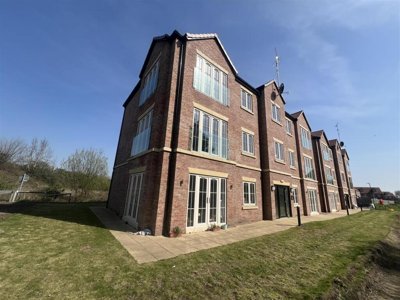
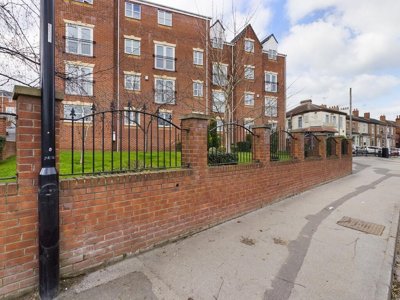
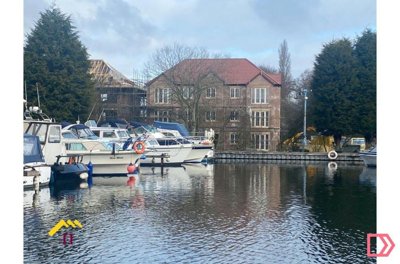
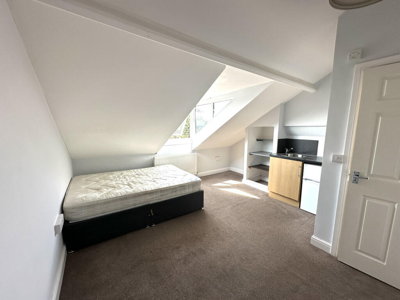
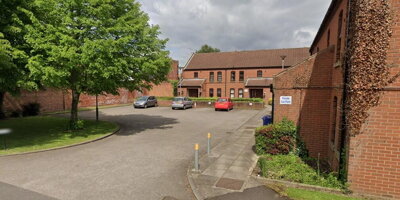
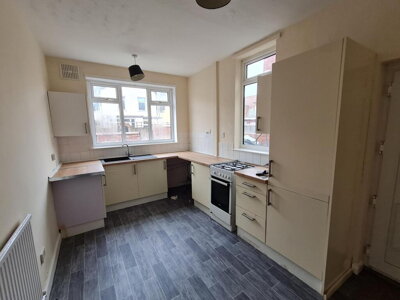
Browse 6 rental homes to rent in DN6 from local letting agents.
Studio apartments feature open-plan living spaces without separate bedrooms, incorporating sleeping, living, kitchen, and bathroom facilities. The DN6 studio market includes properties in modern apartment complexes, converted Victorian and Georgian buildings, and purpose-built developments.
£0/m
0
0
0
Source: home.co.uk
Showing 0 results for Studio Flats to rent in DN6.
The DN6 rental market reflects the broader Doncaster housing landscape, offering properties at various price points to suit different budgets. Based on comparable sales data, terraced properties in the area average around £130,000, while semi-detached homes command prices of approximately £175,000. Flats and apartments typically trade around £99,950, providing more affordable entry points for first-time renters or those seeking lower ongoing costs. These sale prices give context to the rental market, where monthly rents typically range from £500-800 for standard family homes depending on size and condition. The area has seen 330 property transactions in the past year, indicating a healthy market with consistent activity.
Three new build developments in Adwick-le-Street currently offer modern homes for sale, demonstrating ongoing investment in the DN6 area. The Sycamores by Strata Homes features 3 and 4 bedroom properties from £209,995, while The Pastures by Avant Homes offers similar configurations from £219,995. Keepmoat Homes presents The Hawthorns with the widest range, including 2 bedroom options from £169,995, which may influence future rental stock in the area. Property prices in DN6 have decreased by 1.5% over the past 12 months according to Rightmove data, which may affect rental pricing dynamics as the market adjusts.
For renters, this modest price adjustment represents a favourable window to secure accommodation before market conditions shift. Semi-detached family homes, which comprise 40.5% of the housing stock, remain the most commonly available rental properties in DN6. Detached properties at 20.3% of stock tend to command higher rents but offer generous space for larger families. The prevalence of properties built between 1945-1980 (35% of stock) means many rental homes feature traditional construction methods including brick cavity wall building, which impacts their thermal efficiency and maintenance requirements.

The DN6 postcode area is home to approximately 27,000 residents across about 11,000 households, creating vibrant yet manageable communities in South Yorkshire. Adwick-le-Street serves as a key local centre, offering essential amenities including supermarkets, independent shops, and popular pubs and restaurants. The village maintains its historical character with landmarks such as St Laurence Church, a Grade I listed building that dates back centuries and anchors the community identity. This blend of modern convenience and historical depth defines the DN6 living experience.
Housing in DN6 predominantly consists of semi-detached properties at 40.5%, with terraced homes comprising 28.5% and detached houses at 20.3%. This composition creates family-friendly streetscapes where terraced properties offer character and affordability while semi-detached homes provide generous gardens and living space. Approximately 68% of properties were built before 1980, meaning many homes carry architectural charm from the interwar and postwar periods, including distinctive 1930s semis and solid Victorian terraces. The area appeals particularly to families, commuters working in Doncaster or Sheffield, and those seeking good value without sacrificing access to urban amenities.
Doncaster's economy, which directly influences the DN6 area, has strong roots in rail engineering, logistics, and manufacturing. The city's strategic location between Sheffield and Leeds, combined with excellent motorway access via the A1(M) and M18, has attracted major distribution centres and manufacturing facilities. Major employers in the wider Doncaster area include logistics companies operating from out-of-town distribution parks, public sector services, and engineering firms. For renters working in these sectors or commuting to regional cities, DN6 provides an affordable base with lower living costs than comparable locations closer to Leeds or Sheffield city centres.

Education provision in DN6 includes primary schools serving the various villages and neighbourhoods within the postcode area. Parents renting in DN6 will find a mix of community primary schools and faith schools, with several schools in the surrounding Doncaster authority rated Good or Outstanding by Ofsted. Secondary education options include both comprehensive schools and the option of grammar school selection within the Doncaster area. The presence of multiple primary schools means families have choices depending on catchment areas and specific educational preferences.
For families considering rental properties in DN6, researching specific school catchments before committing to a tenancy is essential. School admissions in Doncaster are determined primarily by geographical proximity, meaning rental properties within certain postcodes can significantly improve placement chances at popular schools. Parents should verify current Ofsted ratings on the Ofsted website and confirm which schools serve specific addresses by contacting Doncaster Council's education admissions team. The 15% of DN6 properties built before 1919 are often located near historic village centres where some of the longer-established schools have their catchments.
For sixth form and further education, students typically progress to institutions in Doncaster town centre or the wider South Yorkshire area. The proximity to Doncaster means access to Doncaster College and other vocational training providers, while ambitious students may consider sixth forms at selective schools or colleges in Sheffield or Rotherham. Sixth form students from DN6 commonly travel to Doncaster for A-level courses, with regular bus connections making this feasible. For vocational qualifications, the DN6 location provides access to apprenticeship opportunities with major regional employers in logistics and manufacturing.

DN6 enjoys exceptional transport connectivity that makes it attractive to commuters and those needing regional access. The A1(M) motorway runs through the area, providing direct routes to Leeds, Newcastle, and the broader national motorway network. The M18 is also accessible, connecting Doncaster to Sheffield, Rotherham, and the M1 corridor. This dual motorway access puts DN6 residents within easy reach of major employment centres while maintaining the advantage of lower property costs compared to cities like Leeds or Sheffield.
Rail connections from Doncaster railway station offer excellent intercity services, with regular trains to London King's Cross taking approximately 90 minutes. Leeds, Sheffield, Manchester, and Birmingham are all reachable by direct train, making DN6 viable for professionals working in multiple cities. Commuters should factor in the 15-20 minute drive from villages like Adwick-le-Street or Carcroft to Doncaster station when calculating total journey times. Our team frequently speaks with renters who work in Leeds but choose DN6 for significantly lower housing costs, making the motorway commute a worthwhile trade-off.
Within the local area, bus services connect the various DN6 villages to Doncaster town centre, though timetable frequency varies by route and time of day. Services to Adwick-le-Street and Skellow operate throughout the day, but evening and weekend frequencies can be limited. For cyclists and pedestrians, National Cycle Route 62 passes through parts of the area, while local roads offer varying conditions for cycling commuters. Those without vehicles should check specific bus timetables for their intended village, as some smaller communities may have only hourly services.

Several area-specific factors merit consideration when renting properties in DN6. The Doncaster area has a historical association with coal mining, and properties in former mining areas may be subject to ground instability from past underground workings. While modern mining subsidence is rare, those considering older properties should ask letting agents about any history of subsidence claims or remediation. A mining search report, available through official channels, provides definitive information about past mining activity beneath a specific property. Our surveyors regularly encounter mining-related issues in properties across the DN6 area, particularly in streets built during the interwar period when mining communities expanded rapidly.
Flood risk in parts of DN6 warrants investigation, particularly for properties near watercourses including the River Don and its tributaries. Surface water flooding can occur during heavy rainfall, so prospective tenants should check the Environment Agency flood risk maps for any specific address. The superficial geology of the DN6 area includes alluvium and glacial till deposits along watercourses, which can increase flood susceptibility in low-lying areas. Properties in Skellow and areas near Bentley should be checked carefully for flood history, as these locations have experienced surface water flooding during periods of intense rainfall.
The local geology presents additional considerations for renters in older properties. Clay-rich superficial deposits common in parts of DN6 create shrink-swell risk, particularly where mature trees draw moisture from the ground. During dry spells, clay soils contract and cause movement that can affect foundations, while rewetting during wet periods causes expansion. Properties with large trees nearby, common in the 28.5% of terraced homes and older semi-detached properties, may show signs of foundation movement including cracked plaster, sticking doors, or uneven floors. When viewing properties, our inspectors recommend checking window frames and door frames carefully for these tell-tale signs.
Construction materials in DN6 properties vary significantly by age and type. The 68% of homes built before 1980 typically feature traditional brick cavity wall construction with pitched timber roofs covered in tiles. Older properties from the pre-1919 period (15% of stock) often have solid brick walls, which can be prone to rising damp if the original damp proof course has failed. Many interwar semis from the 1920s and 1930s have been subject to various alterations over the decades, meaning original features may have been removed or modified. Prospective renters should check the condition of rainwater goods, pointing, and external render, as these maintenance items commonly require attention in properties of this age.

Before searching for properties, obtain a rental budget agreement in principle from a lender or mortgage broker. This documents how much rent you can afford and demonstrates seriousness to letting agents and landlords. For DN6 properties ranging from £500-800 per month for family homes, having a clear budget prevents wasted viewings on properties outside your price range.
Explore the different areas within DN6 including Adwick-le-Street, Carcroft, and Skellow. Consider commute times to Doncaster station, school catchments for families with children, proximity to the A1(M) for commuters, and the character of each neighbourhood. Adwick-le-Street offers the most amenities including supermarkets and pubs, while Carcroft provides a smaller village atmosphere.
Browse available rental properties in DN6, attending viewings to assess condition, natural light, room sizes, and any signs of damp or disrepair. Take measurements for your furniture and note the direction the property faces. When viewing, pay particular attention to walls for damp staining, windows for condensation between double glazing units, and ceilings for water marks that might indicate roof leaks.
Consider booking a RICS Level 2 Survey for older properties, particularly given that 68% of DN6 homes were built before 1980. Survey costs for a typical 3-bedroom semi in DN6 range from £450-650 and can reveal defects hidden during casual viewings. While surveys are not a legal requirement when renting, they provide valuable documentation of property condition before you commit.
Once you find the right property, submit your referencing application through the letting agent. This typically involves credit checks, employment verification, and landlord references. Budget £200-400 for referencing fees and admin costs. For renters with limited UK rental history, having employer references and bank statements prepared in advance speeds up the process significantly.
Review the tenancy terms carefully before signing. Standard Assured Shorthold Tenancies in England typically run for 6 or 12 months. Ensure deposit protection compliance and inventory check procedures are explained clearly. The deposit must be protected in a government-approved scheme within 30 days, and you should receive written confirmation of which scheme holds your money.
Renting a property in DN6 involves several upfront costs beyond your first month's rent. The deposit, capped at five weeks' rent under the Tenant Fees Act 2019 for annual rents below £50,000, is the largest initial outlay. For a typical family home renting at £750 per month, this means a deposit of approximately £3,250. This deposit must be protected in a government-approved scheme within 30 days of receipt, and you should receive prescribed information about which scheme holds your money.
Additional fees to budget for include referencing costs typically ranging from £150-300 per applicant, administration charges from the letting agent, and inventory check fees of approximately £100-200. If you require a guarantor, they will also face referencing costs. First-time renters should note that deposits on properties priced up to £5,000 annual rent are capped at just one month's rent. For DN6 properties with monthly rents around £600-800 for family homes, the five-week cap applies, making budgeting more predictable than in more expensive areas.
When calculating your total upfront costs, remember to include the first month's rent in addition to the deposit and fees. For a £750 per month property, expect to pay approximately £4,000-5,000 upfront including first month's rent, deposit, and fees. Some letting agents may request a holding deposit to take a property off the market while references are processed, which is typically deducted from your first month's rent or returned if your application is declined. Always request written confirmation of what each fee covers before paying.

While rental prices fluctuate with market conditions, properties to rent in DN6 typically range from £500-600 per month for one and two-bedroom terraced houses, £650-850 per month for three-bedroom semi-detached homes, and £900-1,200 per month for larger detached properties. The comparable sales average of £194,374 for DN6 properties provides context for the rental market, with monthly rents typically representing 0.4-0.6% of property value annually. Contact local letting agents for current available properties and exact pricing, as the rental market moves quickly in popular areas like Adwick-le-Street.
Properties in DN6 fall under Doncaster Metropolitan Borough Council, which sets council tax rates based on valuation bands A through H. Most terraced properties and smaller semis in DN6 fall into bands A-C, with larger family homes in bands D-F. Doncaster's council tax rates are among the lower rates in South Yorkshire, making the area cost-effective for renters who factor ongoing costs into their housing budgets. Band D properties in Doncaster currently pay around £1,800-1,900 annually, which works out to approximately £150-160 per month.
DN6 has several primary schools serving the local villages, with parents encouraged to research current Ofsted ratings and catchment areas on the Ofsted website. Secondary education options include schools in the Doncaster area, with some families pursuing grammar school places through selection testing. For families prioritising education, viewing properties near highly-rated schools should be a key consideration, as school admissions heavily weight geographical proximity. Doncaster College provides further education options accessible from DN6, with regular bus services running to the town centre campus.
DN6 benefits from regular bus services connecting villages to Doncaster town centre, with routes varying in frequency throughout the day. Doncaster railway station offers excellent intercity rail services with direct trains to London, Leeds, Sheffield, and Manchester. The nearby A1(M) and M18 motorways provide road connectivity, though public transport options for those without cars can be limited outside peak hours. Prospective renters without vehicles should check specific bus routes and timetables for their intended village or neighbourhood, particularly if working irregular hours.
DN6 offers excellent value for renters seeking affordable accommodation in South Yorkshire with good transport connections. The area suits families, commuters working in Doncaster or regional cities, and those prioritising space and lower living costs over urban nightlife. With approximately 27,000 residents and strong community ties, DN6 provides a settled environment. The rental market benefits from ongoing new build activity in Adwick-le-Street and relatively stable property values compared to larger cities. Properties built to various standards require careful viewing to assess condition, particularly the 68% of homes constructed before 1980.
Renters in DN6 typically pay a security deposit of up to five weeks' rent, which must be protected in a government-approved scheme. Referencing fees range from £150-300 per applicant, with admin and inventory fees adding another £100-400. For a typical three-bedroom home renting at £750 per month, budget approximately £4,000-5,000 upfront including first month's rent, deposit, and fees. Under the Tenant Fees Act 2019, letting agents cannot charge fees beyond deposits, holding deposits, and rent, providing greater transparency for renters. Always request an itemised breakdown of any fees before proceeding.
While surveys are not legally required for renters, a RICS Level 2 Survey can identify hidden defects that might cost you money during your tenancy. Given that 68% of DN6 properties were built before 1980, many rental homes have age-related issues including damp, roof deterioration, or outdated electrics. Our inspectors commonly find problems in interwar and postwar properties that are not apparent during a standard viewing. A survey report provides documented evidence of property condition that protects you from being held responsible for pre-existing issues when you move out.
Properties in DN6 face several area-specific issues that prospective renters should understand. The historical coal mining in the Doncaster area means some properties may be affected by past underground workings, and a mining search is advisable for older properties. Clay soils prevalent in parts of DN6 cause foundation movement where mature trees draw moisture, leading to subsidence or heave that manifests as cracked walls or sticking doors. The traditional brick construction of most pre-1980 properties can develop damp issues if damp proof courses have failed or ventilation is inadequate. Regular maintenance of rainwater goods and exterior pointing is essential for properties of this age.
From 4.5%
Get pre-approved for your maximum monthly rent
From £150
Complete referencing checks for your rental application
From £450
Professional survey for properties over 50 years old
From £85
Energy performance certificate for your rental property
Properties to Rent In London

Properties to Rent In Plymouth

Properties to Rent In Liverpool

Properties to Rent In Glasgow

Properties to Rent In Sheffield

Properties to Rent In Edinburgh

Properties to Rent In Coventry

Properties to Rent In Bradford

Properties to Rent In Manchester

Properties to Rent In Birmingham

Properties to Rent In Bristol

Properties to Rent In Oxford

Properties to Rent In Leicester

Properties to Rent In Newcastle

Properties to Rent In Leeds

Properties to Rent In Southampton

Properties to Rent In Cardiff

Properties to Rent In Nottingham

Properties to Rent In Norwich

Properties to Rent In Brighton

Properties to Rent In Derby

Properties to Rent In Portsmouth

Properties to Rent In Northampton

Properties to Rent In Milton Keynes

Properties to Rent In Bournemouth

Properties to Rent In Bolton

Properties to Rent In Swansea

Properties to Rent In Swindon

Properties to Rent In Peterborough

Properties to Rent In Wolverhampton

Enter your details to see if this property is within your budget.
Loans, cards, car finance
Estimated property budget
Borrowing + deposit
You could borrow between
Typical borrowing
Monthly repayment
Est. at 4.5%
Loan-to-value
This is an estimate only. Your actual budget may vary depending on interest rates, credit history, and personal circumstances. For an accurate affordability assessment, speak to one of our free mortgage advisors.
This calculator provides estimates for illustrative purposes only and does not constitute financial advice. Your home may be repossessed if you do not keep up repayments on your mortgage. Estimates based on 4.5% interest rate, repayment mortgage. Actual rates depend on your circumstances.
Homemove is a trading name of HM Haus Group Ltd (Company No. 13873779, registered in England & Wales). Homemove Mortgages Ltd (Company No. 15947693) is an Appointed Representative of TMG Direct Limited, trading as TMG Mortgage Network, which is authorised and regulated by the Financial Conduct Authority (FRN 786245). Homemove Mortgages Ltd is entered on the FCA Register as an Appointed Representative (FRN 1022429). You can check registrations at NewRegister or by calling 0800 111 6768.

We use cookies to show you personalised content and improve your experience of our website. Find out more in our Privacy policy and Cookie policy.