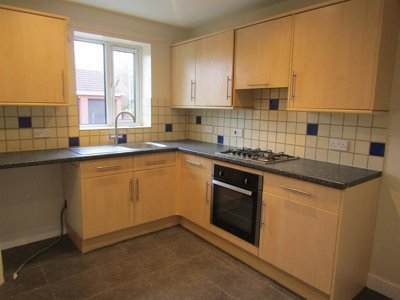
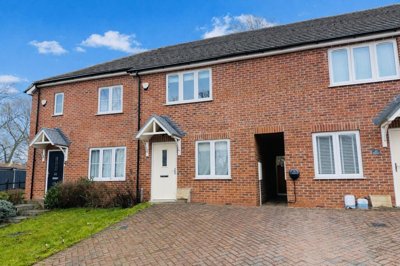
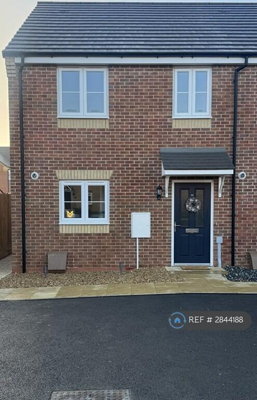
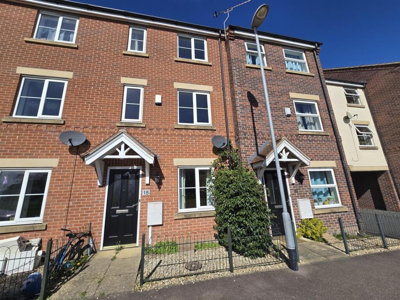
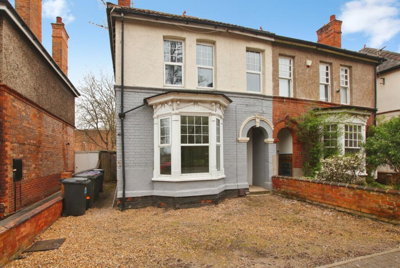
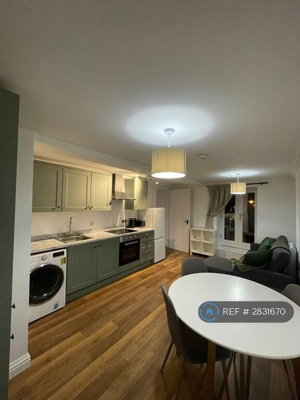
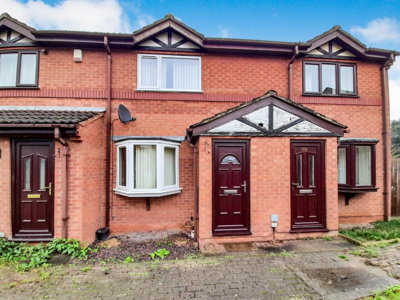
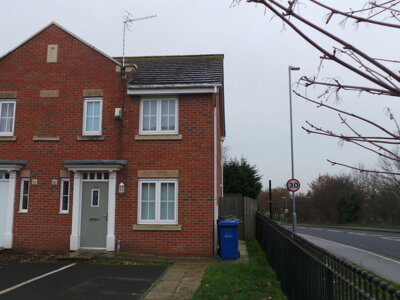
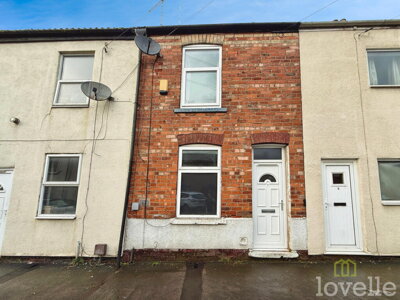
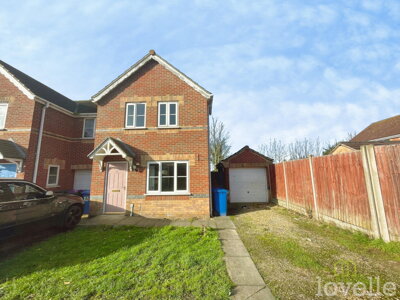
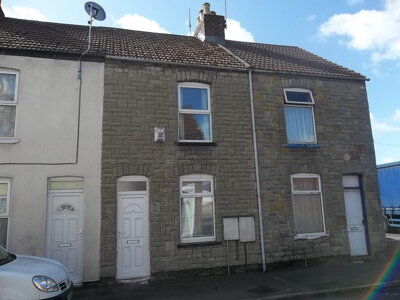
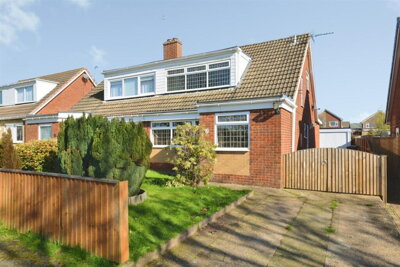
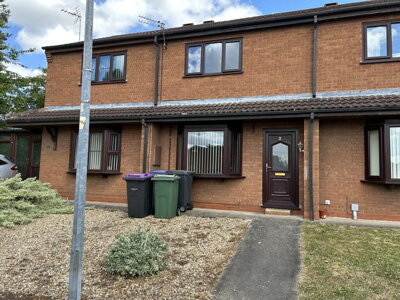
Browse 68 rental homes to rent in DN21 from local letting agents.
£713/m
14
0
57
Source: home.co.uk
Source: home.co.uk
Apartment
3 listings
Avg £607
Semi-Detached
3 listings
Avg £858
Terraced
3 listings
Avg £600
Town House
2 listings
Avg £885
End of Terrace
1 listings
Avg £595
Flat
1 listings
Avg £750
Not Specified
1 listings
Avg £995
Source: home.co.uk
Source: home.co.uk
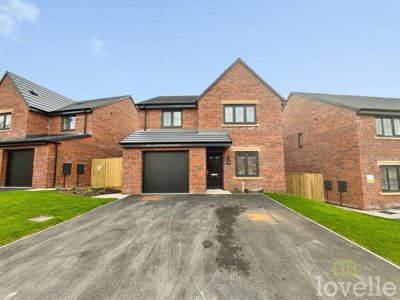
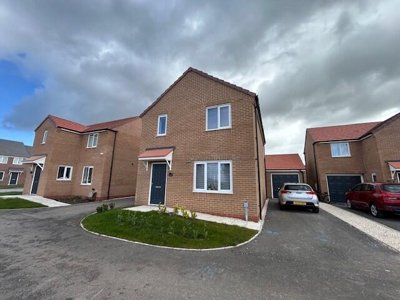
The Gainsborough rental market reflects the broader DN21 property landscape, which has shown consistent stability over recent years with house prices increasing by approximately 1.06% over the last twelve months according to market indicators. While the sales market shows detached properties averaging around £274,841 and terraced homes at approximately £119,827, rental prices in the area tend to be more accessible, making Gainsborough particularly attractive for first-time renters and families looking to establish themselves in the local community. The town benefits from several new-build developments including Thonock Green by Persimmon Homes at Sweyn Lane, Hillcrest Gardens by Gleeson Homes, and Warren Wood View by Keepmoat Homes, which offer contemporary rental options with modern fixtures, energy-efficient designs, and the assurance of new property condition.
Property availability in the DN21 area includes a variety of housing types suitable for different household needs. Terraced properties provide affordable entry-level options ideal for young professionals or small families, while semi-detached homes offer additional space and garden areas at competitive rental rates. Larger detached properties in village locations such as Lea, Marton, and Northorpe cater to those seeking more space and a rural lifestyle while remaining within reasonable distance of town amenities. The 496 residential transactions recorded in DN21 over the past year indicate active market movement, with rental properties becoming available regularly as tenants relocate for work, education, or lifestyle reasons. New rental listings appear throughout the year, providing opportunities for renters prepared to act quickly when suitable properties become available.

Gainsborough is a historic market town in West Lindsey, Lincolnshire, with roots stretching back to medieval times when it served as an important river port on the River Trent. The town centre retains much of its historic character, with the magnificent Gainsborough Old Hall standing as its rich heritage and providing a cultural anchor for residents and visitors alike. The town developed as a centre for manufacturing and agriculture, and while these industries have evolved, the legacy of this industrial past has shaped the architecture and character of many residential neighbourhoods throughout the area. Today, Gainsborough offers a balanced mix of historic charm and modern convenience, with independent shops, cafes, and restaurants sitting alongside national retailers in the town centre.
The DN21 postcode area encompasses not only Gainsborough town itself but also a network of surrounding villages including Lea, Marton, Northorpe, and various hamlets scattered across the Lincolnshire countryside. Each village brings its own distinct character, from the conservation area in Lea with its concentration of Grade II listed buildings including the Church of St Helen, a Grade I listed building dating back centuries, to Marton with its rural charm and proximity to agricultural land. Northorpe Hall, a Grade II listed property constructed in 1873, exemplifies the historic architecture found throughout the area. Residents of these villages enjoy access to primary schools, local pubs, and community facilities while benefiting from the additional amenities and employment opportunities available in the main town of Gainsborough.
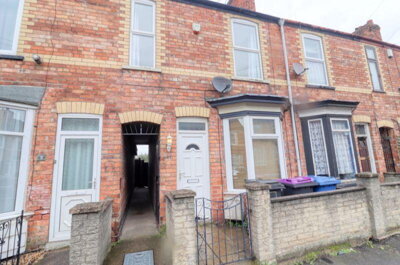
The housing stock in DN21 varies significantly between the town centre and surrounding villages. Town centre properties tend to include Victorian and Edwardian terraced houses, many built with solid brick walls that were standard construction practice before cavity wall insulation became common in the mid-twentieth century. Properties along streets such as those near the railway stations and in established residential areas like Trinity Street and Church Street often feature period details including bay windows, original fireplaces, and traditional floorboards that appeal to renters seeking character homes. Newer developments on the town's periphery, particularly at Thonock Green off Sweyn Lane and Warren Wood View off Foxby Lane, offer a different proposition with contemporary layouts, integral garages, and builder specifications that typically include ten-year warranties.

Families considering renting in the Gainsborough DN21 area will find a range of educational options from primary through to further education. Primary schools serving the town include Gainsborough Primary School, which provides education for children in the early years, along with several other primary schools in surrounding villages that serve their local communities. Secondary education is available at the Gainsborough Academy, which offers a comprehensive curriculum for students progressing from primary school, while nearby towns provide additional options for families seeking specialist subjects or particular educational approaches. Parents are advised to research catchment areas and admission policies when selecting rental properties, as school places can be competitive in certain locations.
The presence of listed buildings throughout the DN21 area, including properties dating back to the medieval period in conservation areas such as Lea and Marton, reflects the historical significance of the region and its continued importance as a residential community. For families with older children, further education options are available in Lincoln, approximately twenty miles from Gainsborough, where colleges offer A-level courses and vocational qualifications across a wide range of subjects. The education landscape in Gainsborough continues to develop, with schools working to meet the needs of a growing population drawn to the area by affordable housing and quality of life. When renting in the DN21 area, families should factor school proximity and available places into their property search to ensure the best fit for their children's educational journey.
Several primary schools in the surrounding villages serve families living in DN21 beyond the town centre. Lea Primary School, located within the village conservation area, serves families in Lea and neighbouring hamlets, while schools in nearby settlements provide education for children in outlying communities. These village schools often have smaller class sizes and strong community links, which many families find appealing when compared to larger town schools. However, parents should verify current school performance data through official Ofsted reports and contact West Lindsey District Council education department for the most current information on admissions and transport arrangements for their specific circumstances.

Gainsborough offers strong transport connections that make it practical for commuters working in larger cities while enjoying the benefits of town or village living. The town is served by two railway stations: Gainsborough Central Station and Gainsborough Lea Road Station, both providing regular services to destinations including Lincoln, Sheffield, Doncaster, and beyond. The train journey to Lincoln takes approximately thirty minutes, making it feasible for daily commuters who work in the county capital. Direct services to Sheffield and Doncaster open up employment opportunities in these larger urban centres while allowing residents to benefit from more affordable rental costs compared to city living. Train services operate throughout the day with regular intervals, though residents should check timetables for evening and weekend service frequencies.
Road transport in the DN21 area centres on the A631 and A156 roads, which connect Gainsborough to surrounding towns and villages. The A631 provides an east-west route linking the town to markets and employment centres across the region, while the A156 heads north-south connecting Gainsborough to the wider motorway network. For residents who drive, the proximity to the M18 and M180 motorways provides access to Sheffield, Leeds, and the Humber ports within reasonable driving distances. Local bus services operated by Stagecoach and other providers connect Gainsborough town centre with surrounding villages, offering an alternative to car travel for those who prefer not to drive. Parking availability in the town centre is generally good, with several public car parks serving shoppers and visitors, which benefits residents who own vehicles.
Gainsborough Lea Road station, located on the Sheffield to Lincoln line, provides additional commuting options for residents in the northern part of the town and those living in villages along the A156 route. This station offers good parking facilities, making it practical for those combining driving with rail travel. The station at Central provides access to the Doncaster direction and connects with broader national rail services. For renters considering properties in village locations such as Northorpe or Marton, understanding the limited bus services to these smaller communities is important. Many residents in villages rely on private vehicles for daily travel, and those without cars should factor this into their rental location choices within DN21.

Renting properties in the historic DN21 area requires attention to several specific factors that reflect the local housing stock and environmental conditions. Many properties in Gainsborough and the surrounding villages date from the Victorian and Edwardian periods, built using traditional construction methods with solid brick walls and period features that require ongoing maintenance. When viewing rental properties, prospective tenants should look for signs of dampness, which is a common issue in older properties with solid walls that lack modern cavity insulation. Check window frames for evidence of rot, examine roof tiles for damage or moss growth, and ask the landlord about the age and condition of the boiler and heating system, as older properties may have less efficient heating that affects utility costs.
The presence of conservation areas in villages such as Lea and Marton, together with numerous listed buildings throughout the DN21 postcode, means that certain properties come with specific responsibilities and restrictions. Grade II listed buildings may require consent for alterations or significant repairs, which can affect how tenants personalise their homes. Properties within conservation areas may have restrictions on external modifications, which tenants should understand before committing to a rental agreement. Flood risk is an important consideration throughout the UK, and while specific flood data for DN21 was not verified in available research, properties near the River Trent or in low-lying areas warrant careful investigation of flood history and flood defence measures. Prospective renters should request information about any previous flooding incidents and check the Environment Agency flood maps for their potential new home.
Common defects in older DN21 properties include penetrating damp through ageing brickwork, deteriorating ridge mortar on older roofs, and outdated electrical installations that may not meet current safety standards. Properties built before 1999 may contain asbestos in floor tiles, pipe cement, or thermal insulation, particularly in outbuildings and older conversions. Galvanised steel pipes, common in properties from the mid-twentieth century, can restrict water flow and may require replacement. When renting a property of any significant age in the Gainsborough area, understanding these potential issues helps tenants budget appropriately for the tenancy period and avoid unexpected costs during their occupation.

Before viewing properties in Gainsborough, arrange a rental budget agreement in principle from a financial provider. This document confirms how much rent you can afford based on your income and existing commitments, strengthening your position when you find a property you want to apply for. Many letting agents and landlords in the DN21 area expect prospective tenants to demonstrate financial capability before considering applications.
Explore different neighbourhoods within the Gainsborough area, from the town centre with its shops and stations to surrounding villages like Lea, Marton, and Northorpe. Consider commute times, school catchments, and the character of each area before focusing your property search. Each neighbourhood offers different advantages, from the convenience of town centre living near Marshall's Yard to the rural charm of village locations with their conservation areas and listed buildings.
Contact local estate agents and letting agencies in the Gainsborough area to arrange viewings of suitable rental properties. Be prepared to provide identification, proof of income, and references from previous landlords or employers when attending viewings. The rental market in DN21 moves at a steady pace, so acting promptly when suitable properties become available increases your chances of securing your preferred home.
When you find a property you wish to rent, submit your application promptly with all required documentation. This typically includes proof of identity, recent payslips or accounts, bank statements, a reference from your current or previous landlord, and employment verification. Having these documents prepared in advance streamlines the application process and demonstrates your preparedness to landlords and letting agents.
Once your application is accepted, your letting agent will conduct reference checks including credit searches, employment verification, and landlord references. Upon satisfactory references, you will sign your tenancy agreement and pay the deposit and first month's rent. Standard deposits in England are capped at five weeks' rent under the Tenant Fees Act 2019 and must be protected in a government-approved scheme within thirty days.
Before moving in, your landlord or letting agent will conduct a detailed inventory check of the property condition. Attend this if possible, photograph any existing damage, and ensure the inventory accurately records the condition of all fixtures, fittings, and furnishings to protect your deposit when you eventually leave. This document serves as evidence of the property condition at the start of your tenancy and helps resolve any disputes at the end.
While specific rental price averages for DN21 were not available in the research data, the sales market provides useful context for the rental market. Detached properties sell for approximately £274,841, semi-detached homes around £167,792, and terraced properties at roughly £119,827 according to recent market data. Rental prices in Gainsborough tend to be significantly lower than in major cities, making the town an affordable option for renters. The area has seen property prices increase by around 1.06% over the past year, indicating a stable market. For accurate current rental prices, prospective tenants should search property portals or contact local letting agents who can provide up-to-date listings matching their requirements. The new-build developments at Thonock Green and Warren Wood View offer rental options with contemporary specifications and energy-efficient designs that may command slightly higher rents than older properties of equivalent size.
Properties in the DN21 Gainsborough area fall under West Lindsey District Council, which sets council tax bands based on property valuations. Council tax bands in the area range from Band A for lower-valued properties through to Band H for the most valuable homes. Most terraced properties and smaller semi-detached homes in Gainsborough fall into Bands A to C, while larger detached properties and those in certain village locations may be in higher bands. Properties in conservation areas such as Lea and Marton, which contain many period cottages and farmhouses, typically fall into Bands B to D depending on their size and condition. Prospective renters should ask landlords or letting agents about the specific council tax band for any property they are considering, as this forms part of the ongoing cost of renting alongside rent and utility bills.
The Gainsborough area offers educational options for children at all levels, with primary schools serving the town and surrounding villages providing education for younger children. Secondary education is available at the Gainsborough Academy and other schools in the wider area, with further education colleges located in Lincoln for older students seeking A-levels or vocational qualifications. Families with school-age children should research individual school performance, Ofsted ratings, and catchment areas when choosing rental properties, as admission policies can significantly affect school placement. The presence of good primary schools in villages like Lea and Marton means families do not necessarily need to live in the town centre to access quality education. Primary schools in the surrounding villages often serve smaller catchments, which can mean more individual attention for children but may require families to demonstrate residence within specific boundaries.
Gainsborough benefits from excellent public transport connections relative to its size, with two railway stations serving the town. Gainsborough Central and Gainsborough Lea Road stations provide regular services to Lincoln, Sheffield, Doncaster, and other destinations, with journey times to Lincoln taking approximately thirty minutes. Local bus services connect the town with surrounding villages and towns, operated by providers including Stagecoach. The town is located near the A631 and A156 roads, providing road transport options for those with vehicles. However, bus services to smaller villages may be less frequent, so residents without cars should factor transport availability into their choice of rental location within the DN21 area. Weekend and evening train services may operate less frequently than weekday services, and those considering properties in outlying villages should verify the return journey options before committing to a tenancy.
Gainsborough offers several advantages for renters, including more affordable rental prices compared to major cities, a strong sense of community, and good transport connections to larger employment centres. The town centre provides adequate amenities through Marshall's Yard shopping complex and independent retailers, while the surrounding countryside offers attractive landscapes for recreation. The presence of listed buildings and conservation areas demonstrates the historical character that many residents appreciate. However, renters should consider that Gainsborough is a smaller town, so entertainment and cultural options are more limited than in larger cities. For those prioritising affordability, space, and community spirit over urban nightlife, Gainsborough represents an excellent choice within the DN21 postcode. The ongoing new-build activity at developments including Thonock Green and Warren Wood View indicates continued interest in the area and suggests the rental market will remain active.
Standard deposits for rental properties in England are equivalent to five weeks' rent, calculated based on the annual rent amount divided by twelve and multiplied by five. This deposit is protected in a government-approved tenancy deposit scheme within thirty days of receiving it. First-time renters in England no longer pay stamp duty on residential leases. Additional costs to budget for include the first month's rent in advance, letting agent fees if applicable, and moving costs. Some landlords may request references or guarantors, and tenants should factor in the cost of contents insurance and utility setup when moving into a new rental property. Always request a full breakdown of costs from your letting agent before committing to a tenancy. Holding deposits, which may be requested to secure a property while references are checked, are typically offset against the main deposit once the tenancy commences.
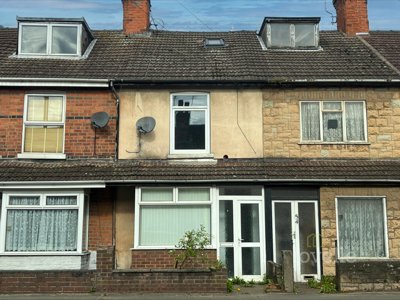
The DN21 area contains a significant proportion of period properties, particularly in the town centre and conservation villages of Lea and Marton. Victorian and Edwardian terraced houses are common along established residential streets, often featuring original fireplaces, high ceilings, and traditional wooden floorboards that appeal to renters seeking character homes. These older properties typically have solid brick walls rather than modern cavity construction, which means they may be more susceptible to damp and require more careful heating management during winter months. Properties in conservation areas such as Lea may be subject to restrictions on modifications, and tenants who wish to decorate or alter period homes should discuss any plans with their landlord before committing to a tenancy. The trade-off for dealing with solid wall construction is often lower rental prices compared to modern equivalents of similar size.
Renting a property in the Gainsborough DN21 area involves several financial commitments beyond the monthly rent that prospective tenants should understand and budget for. The deposit, capped at five weeks' rent under the Tenant Fees Act 2019, provides security for landlords against damage or unpaid rent during the tenancy. This deposit must be protected in one of three government-approved schemes within thirty days of receipt, and tenants should receive detailed information about how to retrieve their deposit at the end of the tenancy. First-time renters in the UK no longer pay stamp duty on residential properties, which removes one cost that previously affected tenants. However, renters should budget for setup costs including utility connections, internet installation, and potential council tax registration at the local authority.
The property market in DN21 includes a significant proportion of older properties, particularly in conservation areas and villages where Victorian and Edwardian terraced houses and period cottages are common. These properties may require more maintenance and present issues that a professional survey can identify before tenancy begins. A RICS Level 2 Home Survey, available from approximately £395 to £1,250 depending on property size and condition, can reveal defects such as dampness, structural movement, or outdated electrical systems that might not be apparent during a standard viewing. While surveys are typically associated with property purchases, tenants committing to longer-term rentals in older properties may find value in understanding the condition of their potential home. Local surveyors serving the Gainsborough area can provide quotes for survey work on specific properties, helping renters make informed decisions about their rental commitments.
Additional costs when renting in DN21 may include letting agent fees, although these have been restricted under the Tenant Fees Act for permitted payments. Some landlords offer properties direct without agent involvement, which can simplify the process and reduce administration costs. References from previous landlords, employment verification, and credit checks form part of the standard tenant screening process. First-time renters or those moving from abroad may need to provide additional documentation, and prospective tenants should ask letting agents about specific requirements early in their search. Budgeting for moving costs, contents insurance, and potential furnishing purchases completes the financial picture for those entering the rental market in Gainsborough.

From 4.5% APR
Get pre-approved for your rental budget to strengthen your application
From £199
Comprehensive referencing services to support your rental application
From £395
Professional survey to identify defects in your potential rental property
Properties to Rent In London

Properties to Rent In Plymouth

Properties to Rent In Liverpool

Properties to Rent In Glasgow

Properties to Rent In Sheffield

Properties to Rent In Edinburgh

Properties to Rent In Coventry

Properties to Rent In Bradford

Properties to Rent In Manchester

Properties to Rent In Birmingham

Properties to Rent In Bristol

Properties to Rent In Oxford

Properties to Rent In Leicester

Properties to Rent In Newcastle

Properties to Rent In Leeds

Properties to Rent In Southampton

Properties to Rent In Cardiff

Properties to Rent In Nottingham

Properties to Rent In Norwich

Properties to Rent In Brighton

Properties to Rent In Derby

Properties to Rent In Portsmouth

Properties to Rent In Northampton

Properties to Rent In Milton Keynes

Properties to Rent In Bournemouth

Properties to Rent In Bolton

Properties to Rent In Swansea

Properties to Rent In Swindon

Properties to Rent In Peterborough

Properties to Rent In Wolverhampton

Enter your details to see if this property is within your budget.
Loans, cards, car finance
Estimated property budget
Borrowing + deposit
You could borrow between
Typical borrowing
Monthly repayment
Est. at 4.5%
Loan-to-value
This is an estimate only. Your actual budget may vary depending on interest rates, credit history, and personal circumstances. For an accurate affordability assessment, speak to one of our free mortgage advisors.
This calculator provides estimates for illustrative purposes only and does not constitute financial advice. Your home may be repossessed if you do not keep up repayments on your mortgage. Estimates based on 4.5% interest rate, repayment mortgage. Actual rates depend on your circumstances.
Homemove is a trading name of HM Haus Group Ltd (Company No. 13873779, registered in England & Wales). Homemove Mortgages Ltd (Company No. 15947693) is an Appointed Representative of TMG Direct Limited, trading as TMG Mortgage Network, which is authorised and regulated by the Financial Conduct Authority (FRN 786245). Homemove Mortgages Ltd is entered on the FCA Register as an Appointed Representative (FRN 1022429). You can check registrations at NewRegister or by calling 0800 111 6768.

We use cookies to show you personalised content and improve your experience of our website. Find out more in our Privacy policy and Cookie policy.