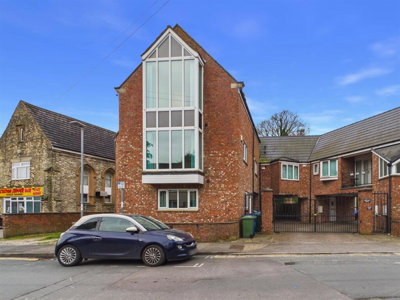
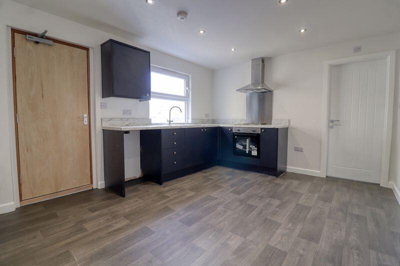
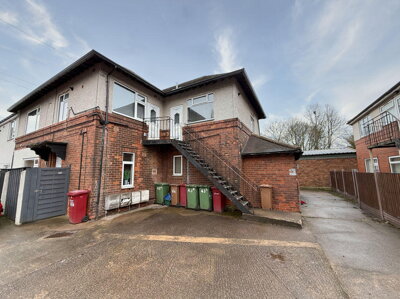
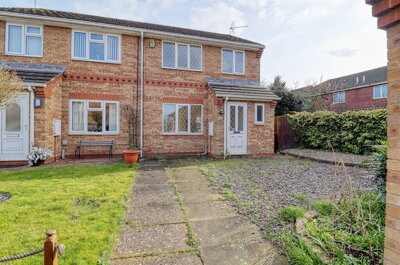
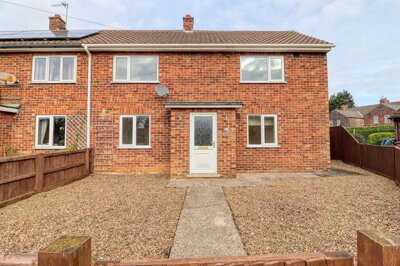
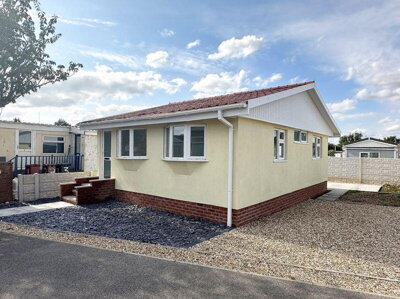
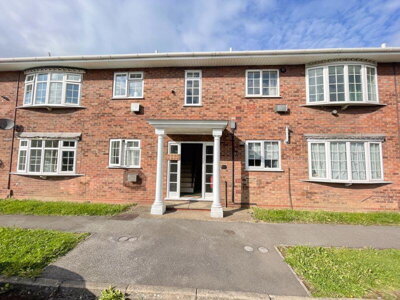
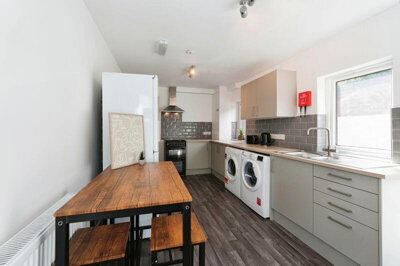
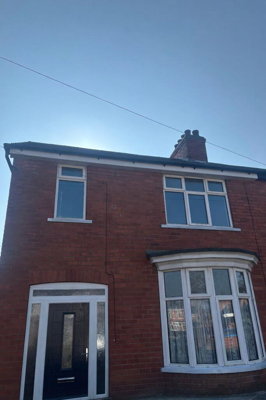
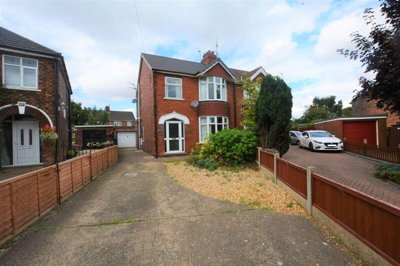
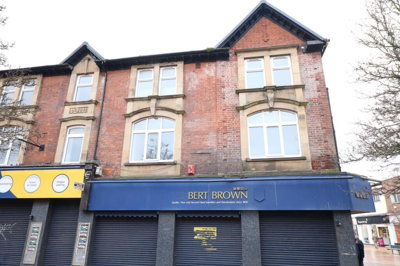
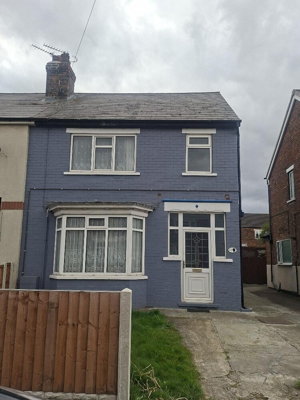
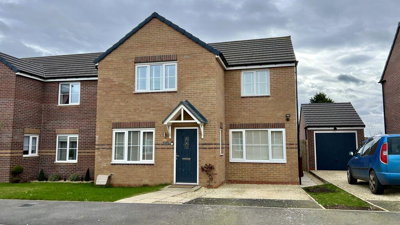
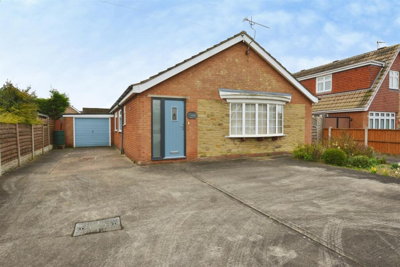
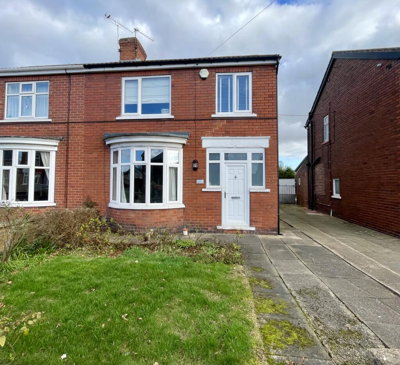
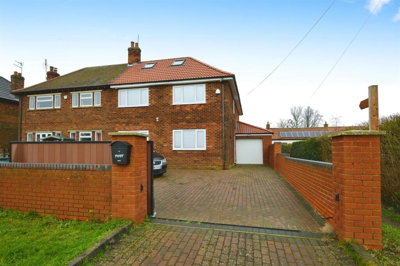
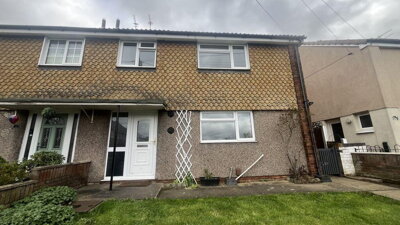
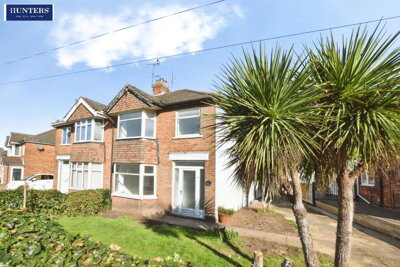
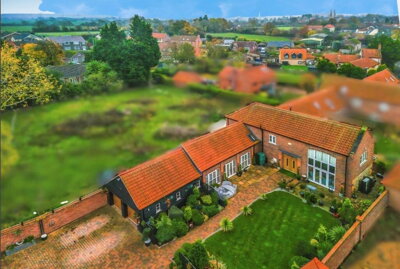
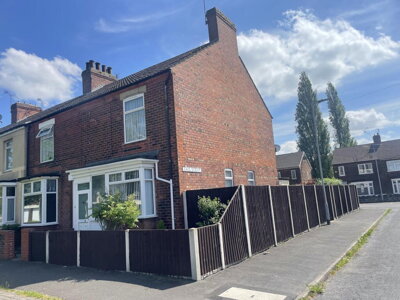
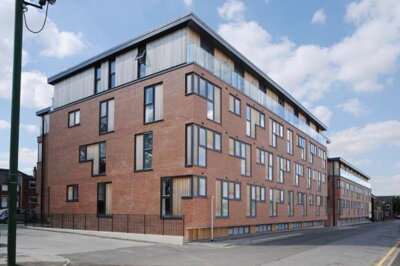
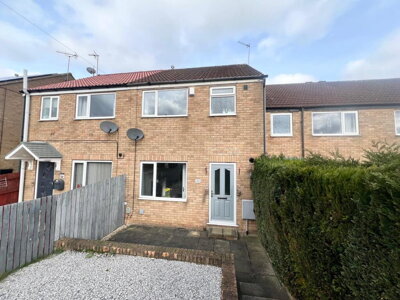
Browse 40 rental homes to rent in DN15 from local letting agents.
£950/m
9
0
69
Source: home.co.uk
Source: home.co.uk
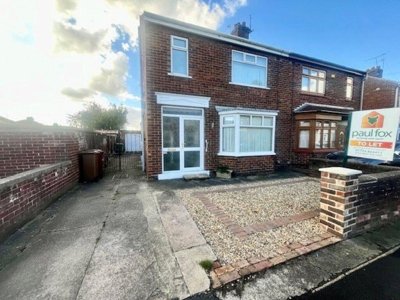
Semi-Detached
3 listings
Avg £915
Detached
2 listings
Avg £1,750
Detached Bungalow
1 listings
Avg £950
House
1 listings
Avg £375
Not Specified
1 listings
Avg £1,250
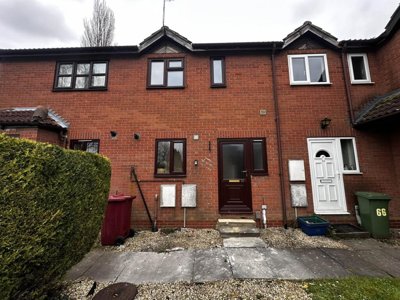
Terraced
1 listings
Avg £725
Source: home.co.uk
Source: home.co.uk
The DN15 postcode area has seen significant new housing development in recent years, expanding the range of properties available to rent. Several major housing developments have been completed around Scunthorpe, offering modern rental options with contemporary fixtures and fittings. These new build properties often come with the benefit of modern insulation, updated heating systems, and reduced maintenance requirements compared to older housing stock.
Notable developments in the DN15 8QJ area include The Grange by Keepmoat Homes, which offers 2, 3, and 4 bedroom homes from £169,995, and Lakeside by Barratt Homes with similar property types at comparable price points. David Wilson Homes is building larger 3 and 4 bedroom properties at Kings Park starting from £229,995, while The Spires development by Bellway provides options for families seeking modern homes in the £169,995+ range. Some of these properties may be available for rent directly from developers or through local letting agents.
Renting a newly built property in DN15 can offer several advantages including energy efficiency ratings, which typically translate to lower utility bills, and modern construction that meets current building regulations. However, rental prices for newer properties may be higher than for equivalent older homes, so prospective tenants should weigh the benefits of modern features against budget considerations. Our listings include both newer and established properties across the DN15 area.

The DN15 rental market reflects the broader property landscape of Scunthorpe, where recent data shows an average property price of £178,088 across all property types. Over the past 12 months, house prices in the area have decreased by 2.2%, with 395 property sales recorded during this period. This price softening has created opportunities for renters, as landlords may be more willing to negotiate on rental terms in a competitive market. The area saw 395 property transactions in the last year, indicating active market conditions.
Property types across DN15 vary considerably, with the local housing stock comprising semi-detached homes (36.6%), detached properties (26%), terraced houses (24.1%), and flats or apartments (12.6%). For renters seeking terraced properties, typical values sit around £115,000, while semi-detached homes average £160,111. Detached properties command higher prices at approximately £262,450, and flats remain the most affordable option at around £79,950. These variations in ownership values translate to competitive rental pricing across all property types, making DN15 an attractive option for those seeking value for money.
The predominant construction material in Scunthorpe is brick, with red brick properties common across terraced and semi-detached housing. Properties built after the 1930s typically feature cavity wall construction, which provides better insulation than the solid brick walls found in older Victorian and Edwardian properties. Understanding the construction type of a potential rental property can help tenants anticipate maintenance needs and heating efficiency. Most roofs in the area feature pitched construction with clay or concrete tiles, though some older properties may have slate roofing.

DN15 encompasses the historic town of Scunthorpe, which serves as the commercial and cultural heart of North Lincolnshire. The town has evolved from its industrial roots as a major steel-producing centre into a diverse community with strong manufacturing, logistics, and healthcare sectors. Residents benefit from a range of local amenities including the central shopping district, Scunthorpe Market, and various independent retailers along the High Street and surrounding streets. The area maintains several conservation zones that preserve its architectural heritage, particularly in the older parts of town where Victorian and Edwardian buildings stand alongside modern developments.
The demographic makeup of Scunthorpe reflects its working-class heritage while embracing new communities. Key employers include British Steel (still a significant presence in the area), the NHS through Scunthorpe General Hospital, retail sectors, and public services. The local economy has diversified in recent years, with growth in renewable energy, manufacturing, and logistics sectors providing varied employment opportunities. For families, the area offers numerous parks and green spaces, with several sports facilities and community centres serving local residents throughout the year.
Scunthorpe has a rich industrial heritage linked to iron ore mining and steel production that has shaped the town over the past 150 years. While deep mining has largely ceased, this historical activity means that certain areas within DN15 may be affected by shallow mining or historical extraction, potentially leading to ground instability in specific localised spots. Prospective renters should be aware that a mining search is often recommended when purchasing property, and while landlords typically manage these issues, tenants should query any history of ground movement with their letting agent. The legacy of the steel industry remains visible in the architectural character of older neighbourhoods.

Families considering a move to DN15 will find a comprehensive range of educational options across all age groups. The area hosts several primary schools serving local communities, with many rated Good or Outstanding by Ofsted inspectors. Secondary education in Scunthorpe includes both comprehensive schools and specialist academies, catering to students with varied academic interests and career aspirations. Several schools in the area have sixth form provisions, allowing students to continue their education locally rather than travelling to larger cities for advanced qualifications.
For further education, North Lindsey College provides a broad curriculum covering vocational courses, apprenticeships, and academic programmes for school leavers. The college has established strong connections with local employers, particularly in engineering, manufacturing, and construction sectors, reflecting the industrial heritage of the region. Parents should research specific school catchments when considering rental properties, as admission policies can significantly impact options for children. The presence of good schools makes DN15 particularly attractive to families seeking affordable rental accommodation without compromising on educational opportunities.
The property age distribution in Scunthorpe means that many schools serve catchment areas established decades ago, with catchment boundaries that may not align with newer housing developments on the town outskirts. Families relocating to DN15 should verify school admissions criteria directly with North Lincolnshire Council, as catchment areas can change and some schools operate waiting lists during popular admission years. The availability of school places can significantly influence which neighbourhoods offer the best fit for families with children of school age.

DN15 enjoys strong connectivity both locally and nationally, making it a practical choice for commuters and those who travel regularly for work. The area is served by Scunthorpe railway station, which provides regular services connecting residents to major cities including Sheffield, Leeds, and Doncaster. Journey times to Sheffield typically take around 60-90 minutes by train, while connections to Leeds require a change at Doncaster but can be completed in approximately 2 hours. The M180 motorway passes close to Scunthorpe, providing direct access to Hull to the east and the M18 to the west, linking to the broader motorway network.
Local bus services operated by Stagecoach and other providers offer comprehensive coverage throughout the Scunthorpe urban area, with regular routes connecting residential neighbourhoods to the town centre, shopping areas, and out-of-town retail parks. For those who drive, parking provision in the town centre is generally adequate, though spaces can fill quickly during peak shopping periods. Cyclists will find some dedicated routes, though the generally flat terrain of the area makes cycling a viable option for shorter journeys. The combination of rail, road, and bus connections makes DN15 a well-connected location for those who need to travel for work or leisure.
Commuters working in Hull will find the M180 provides a straightforward route for those with cars, while the proximity to the Humber Bridge offers connections to the wider region. The flat topography of the Scunthorpe area means that cycling is practical for most journeys under 5 miles, and the council has invested in improving cycle routes in recent years. For those dependent on public transport, properties located within easy walking distance of bus routes along axes such as Ashby Road, Enderby Road, and the Frodingham Road corridor offer the most convenient access to the town centre and railway station.

Before searching for properties, obtain a rental budget agreement in principle to understand how much you can afford to spend on monthly rent. This document from a financial provider demonstrates to landlords that you are a serious, financially-stable applicant. Having this prepared before you start viewing properties gives you a clear budget framework and positions you favourably against other applicants.
Explore different neighbourhoods within the DN15 postcode to find areas that match your lifestyle needs. Consider proximity to work, schools, local amenities, and transport links when narrowing down your preferred locations. Areas near Scunthorpe town centre offer convenience for shopping and entertainment, while suburbs like Brumby, Crosby, and Frodingham provide a quieter residential feel. Each neighbourhood has distinct characteristics in terms of property types, rental prices, and community atmosphere.
Once you have identified suitable properties, contact local estate agents to schedule viewings. Take notes during each viewing and ask about lease terms, included appliances, maintenance responsibilities, and any restrictions on pets or smokers. When viewing properties in older buildings, pay particular attention to signs of damp, the condition of windows and doors, and the age and efficiency of the heating system. In newer properties, check the quality of fixtures and any developer specifications that may affect your tenancy.
While surveys are more commonly associated with purchases, renters can benefit from an inventory check at the start of their tenancy. This documents the property condition to protect your deposit at the end of your lease. For rental properties over 50 years old in DN15, common issues to look for include rising damp in solid brick walls, roof condition, and any signs of subsidence related to the local clay geology. An independent inventory check provides an objective record that protects both tenant and landlord.
When you find the right property, submit your tenancy application promptly with all required documentation including proof of identity, employment references, and your rental budget agreement in principle. In competitive areas of DN15, properties can receive multiple applications quickly, so having your documentation ready speeds up the process. Ensure all references are contactable and that your employer can respond promptly to reference requests.
Carefully review the tenancy terms before signing. Ensure you understand your rights and responsibilities, the deposit protection scheme used, notice periods, and any break clause provisions. Your deposit must be protected in a government-approved scheme within 30 days, and you should receive written confirmation of which scheme is being used. In DN15, many rental properties are leasehold flats where ground rent and service charges apply, so clarify these ongoing costs with the landlord or agent.
Renting in DN15 comes with specific local considerations that prospective tenants should evaluate before committing to a tenancy. The local geology presents some unique factors, as the Scunthorpe area features shrink-swell clay deposits that can affect property foundations. Properties in areas with mature trees or those built before modern building regulations may show signs of subsidence or heave over time. A thorough inspection of walls, floors, and door frames can reveal whether any movement has occurred, and tenants should query any cracks or doors that stick with their landlord before moving in.
Flood risk is another consideration for certain parts of DN15, particularly properties located near the River Trent and its tributaries or in low-lying areas. Surface water flooding can also occur during periods of heavy rainfall, so prospective renters should investigate the flood history of any property they are considering. Conservation areas in Scunthorpe, including sections around the High Street and older residential neighbourhoods, may have restrictions on alterations or decorations that tenants should be aware of before signing a tenancy agreement. Additionally, many rental properties in the area are leasehold flats where ground rent and service charges apply, so clarify these costs with the landlord or agent.
Common defects found in DN15 rental properties include damp issues (particularly rising damp and condensation in older terraced and semi-detached properties), roof condition problems such as defective flashings and guttering issues, and outdated electrical systems in properties built before the 1970s. Timber defects including woodworm or rot can affect floorboards and structural timbers in older properties. When viewing rental properties, check the age and condition of the boiler, test light switches and sockets, and look for any signs of damp on walls especially in corners and behind furniture.

Understanding the full cost of renting in DN15 extends beyond the monthly rent to include various fees and deposits that all prospective tenants should budget for. The standard security deposit for a rental property is capped at 5 weeks' rent where the annual rent is less than £50,000, or 5 weeks' rent where annual rent exceeds this threshold. This deposit must be protected in a government-approved scheme within 30 days of receiving it, and you should receive information about which scheme is being used. Always ensure you receive an inventory check report at the start of your tenancy to protect yourself when the deposit is returned.
Additional costs to consider include letting agent fees, which were capped by government legislation but may still include charges for referencing, administration, and check-in services. First month's rent is typically required in advance along with your deposit. For those seeking to reduce upfront costs, Zero Deposit Guarantees offer an alternative where you pay a smaller non-refundable fee (typically equivalent to 1 week's rent) instead of a larger cash deposit. However, you remain liable for any damages or unpaid rent at the end of your tenancy. We recommend obtaining a rental budget agreement in principle before searching for properties, which helps you understand your borrowing capacity and demonstrates financial readiness to landlords.
For properties in DN15, additional ongoing costs may include council tax, which falls under North Lincolnshire Council bands ranging from A to H depending on property valuation. Most terraced properties and smaller flats in the area fall into bands A-C, while larger detached homes may be in higher bands. Utility bills including gas, electricity, and water should also be factored into your monthly budget, and energy efficiency ratings (EPC ratings) can indicate expected running costs for heating and hot water. Properties in older buildings with solid brick walls may have higher heating costs than modern cavity-walled properties.
While specific rental price data for DN15 varies by property type and location, the local property market provides useful context. Average property values in DN15 stand at approximately £178,088, with terraced properties around £115,000 and semi-detached homes at £160,111. This suggests competitive rental pricing across all property types, with many homes available at affordable rates compared to larger UK cities. For accurate current rental prices, search our live listings to see what is available in your budget range.
Properties in DN15 and Scunthorpe fall under North Lincolnshire Council tax bands, with most terraced homes and smaller flats typically in bands A-C, while larger detached properties may be in bands D-H. The specific band depends on the property valuation, and you can check the band for any property through the North Lincolnshire Council website using the property address. Council tax bills vary significantly between bands, so this cost should be factored into your overall rental budget alongside monthly rent.
DN15 offers a good selection of educational institutions for families, with several primary schools rated Good or Outstanding by Ofsted serving different catchment areas across Scunthorpe. Secondary options include comprehensive schools and specialist academies, many with sixth form provisions that allow students to continue studying locally. North Lindsey College provides further education opportunities with vocational and academic courses connected to local employers in engineering and manufacturing. Parents should research specific school admissions criteria and catchment boundaries when choosing a rental property, as availability can be competitive in popular areas.
DN15 benefits from good public transport links, with Scunthorpe railway station providing regular services to Sheffield (60-90 minutes), Leeds (approximately 2 hours via Doncaster), and Doncaster. Local bus services operated by Stagecoach offer comprehensive coverage throughout the Scunthorpe urban area, connecting residential neighbourhoods to the town centre, North Lindsey College, and out-of-town retail parks. The M180 motorway provides road connections to Hull and the M18 network, making car travel convenient for those commuting further afield.
DN15 offers excellent value for renters seeking affordable accommodation in a well-connected North Lincolnshire location. The area combines reasonable rental prices with good local amenities, diverse employment opportunities in manufacturing, healthcare, and services, and strong transport links to larger cities. The community atmosphere and range of property types make it suitable for singles, couples, and families alike. Recent market data showing a 2.2% price decrease may indicate favourable conditions for renters in terms of negotiating terms.
Standard deposits on rental properties in DN15 are typically equivalent to 5 weeks' rent, capped at 5 weeks' rent where the annual rent exceeds £50,000. Tenants should budget for a security deposit, the first month's rent in advance, and potentially referencing fees if charged by the agent. As a first-time renter, you may benefit from Zero Deposit Guarantees which replace traditional cash deposits with a smaller non-refundable fee. Always clarify all costs with the letting agent before committing to a property.
Parts of DN15 are susceptible to flooding, particularly properties near the River Trent and its tributaries or in low-lying areas of Scunthorpe. Surface water flooding can occur during periods of heavy rainfall, especially in areas with poor drainage. Prospective renters should ask the landlord or agent about the flood history of any property and can check the government flood risk checker online for specific locations. Properties in higher flood risk areas may face higher insurance costs, which landlords may pass on through service charges.
The local economy in DN15 is anchored by manufacturing and logistics, with British Steel remaining a significant employer despite the decline of the steel industry from its peak. The NHS operates Scunthorpe General Hospital, making healthcare a major source of employment. The renewable energy sector has grown in recent years, along with traditional manufacturing and public services. This diverse employment base provides job security for residents and supports demand for rental properties across all sectors.
From 4.5%
Get a rental budget agreement in principle before searching for properties
From £99
Verify your references to strengthen your rental application
From £95
Document property condition at the start of your tenancy
From £85
Check the energy efficiency of rental properties
Properties to Rent In London

Properties to Rent In Plymouth

Properties to Rent In Liverpool

Properties to Rent In Glasgow

Properties to Rent In Sheffield

Properties to Rent In Edinburgh

Properties to Rent In Coventry

Properties to Rent In Bradford

Properties to Rent In Manchester

Properties to Rent In Birmingham

Properties to Rent In Bristol

Properties to Rent In Oxford

Properties to Rent In Leicester

Properties to Rent In Newcastle

Properties to Rent In Leeds

Properties to Rent In Southampton

Properties to Rent In Cardiff

Properties to Rent In Nottingham

Properties to Rent In Norwich

Properties to Rent In Brighton

Properties to Rent In Derby

Properties to Rent In Portsmouth

Properties to Rent In Northampton

Properties to Rent In Milton Keynes

Properties to Rent In Bournemouth

Properties to Rent In Bolton

Properties to Rent In Swansea

Properties to Rent In Swindon

Properties to Rent In Peterborough

Properties to Rent In Wolverhampton

Enter your details to see if this property is within your budget.
Loans, cards, car finance
Estimated property budget
Borrowing + deposit
You could borrow between
Typical borrowing
Monthly repayment
Est. at 4.5%
Loan-to-value
This is an estimate only. Your actual budget may vary depending on interest rates, credit history, and personal circumstances. For an accurate affordability assessment, speak to one of our free mortgage advisors.
This calculator provides estimates for illustrative purposes only and does not constitute financial advice. Your home may be repossessed if you do not keep up repayments on your mortgage. Estimates based on 4.5% interest rate, repayment mortgage. Actual rates depend on your circumstances.
Homemove is a trading name of HM Haus Group Ltd (Company No. 13873779, registered in England & Wales). Homemove Mortgages Ltd (Company No. 15947693) is an Appointed Representative of TMG Direct Limited, trading as TMG Mortgage Network, which is authorised and regulated by the Financial Conduct Authority (FRN 786245). Homemove Mortgages Ltd is entered on the FCA Register as an Appointed Representative (FRN 1022429). You can check registrations at NewRegister or by calling 0800 111 6768.

We use cookies to show you personalised content and improve your experience of our website. Find out more in our Privacy policy and Cookie policy.