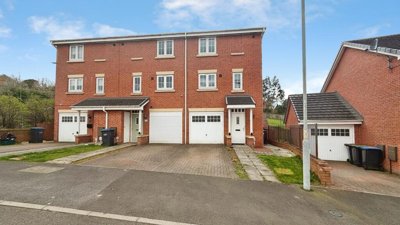
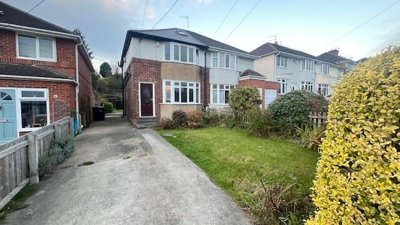
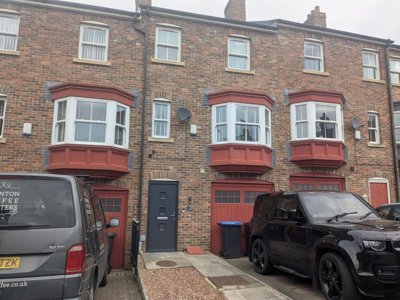
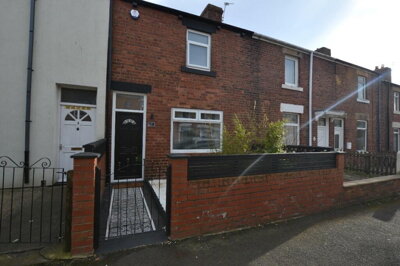
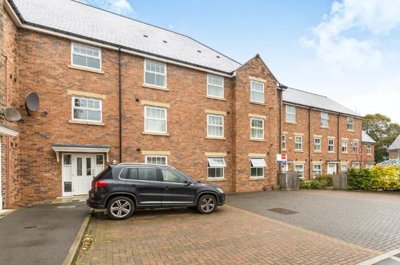
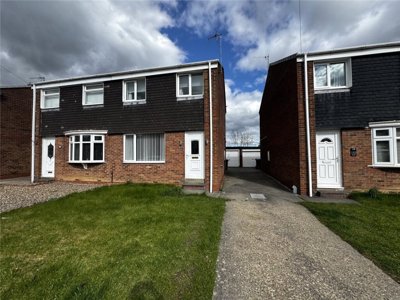
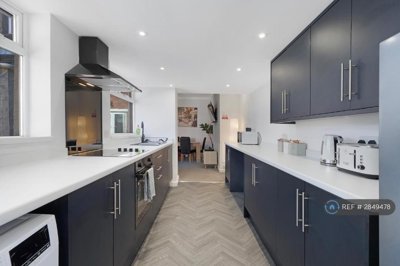
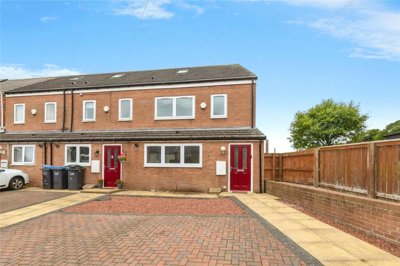
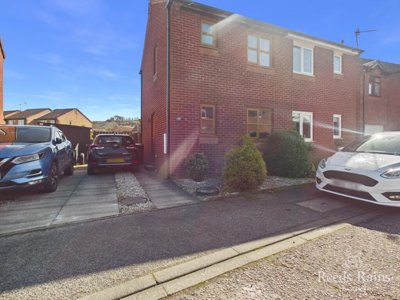
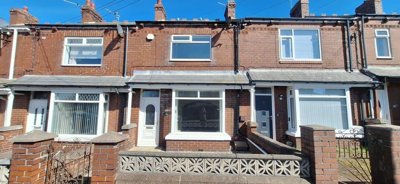
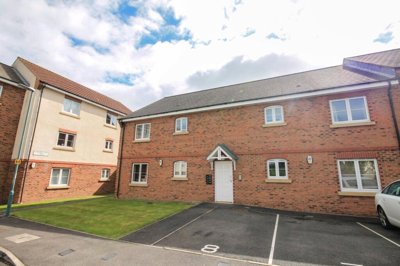
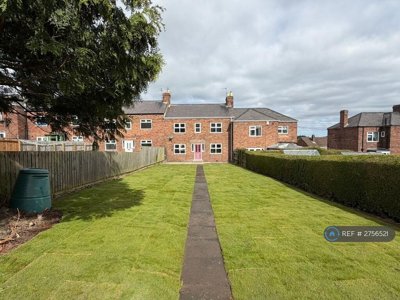
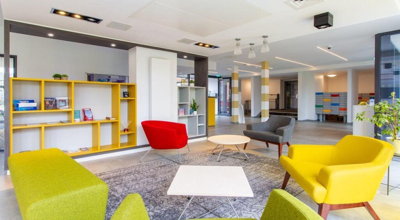
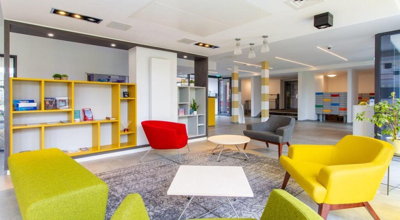
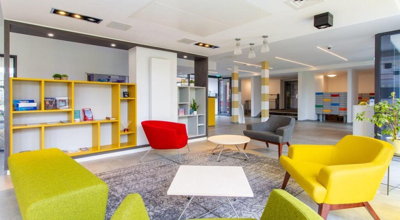
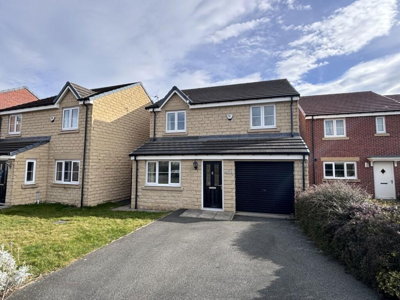
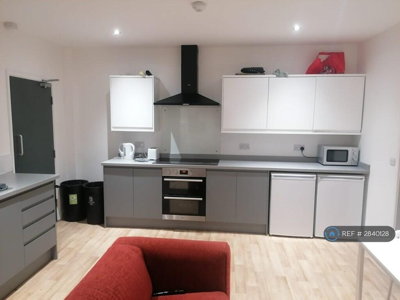
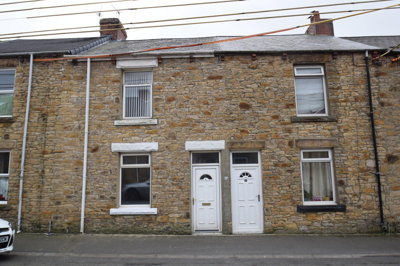
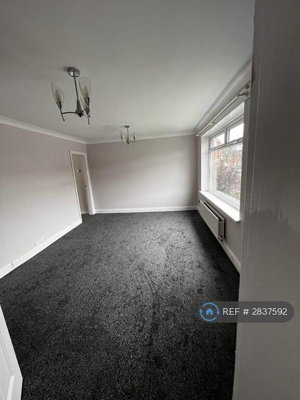
Browse 123 rental homes to rent in DH7 from local letting agents.
£650/m
16
0
67
Source: home.co.uk
Source: home.co.uk
Terraced
5 listings
Avg £594
Apartment
3 listings
Avg £598
End of Terrace
2 listings
Avg £813
Flat
2 listings
Avg £825
Semi-Detached
2 listings
Avg £775
Cottage
1 listings
Avg £650
House
1 listings
Avg £925
Source: home.co.uk
Source: home.co.uk
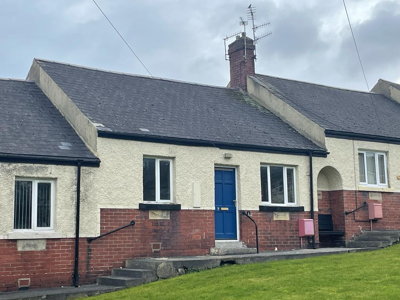
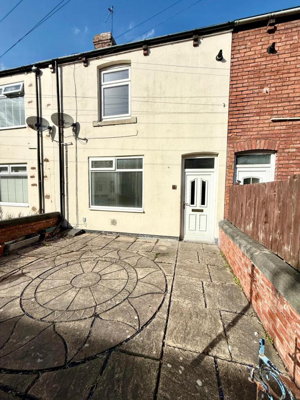
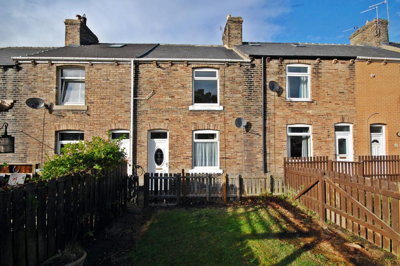
The DH7 rental market offers diverse options across its constituent villages, with property types ranging from traditional stone-fronted terraces popular in former mining communities to spacious detached homes on modern estates. Zoopla data indicates over 10,000 properties with sales history in DH7, demonstrating the depth of housing stock available, much of which is also available for rent through local letting agents. The area saw approximately 199 property sales in the last twelve months, with terraced properties forming the majority of transactions, reflecting the historical housing stock built to serve the Durham coalfield communities. This balance of property types means renters can find everything from compact terraces suitable for singles or couples to substantial family homes with gardens.
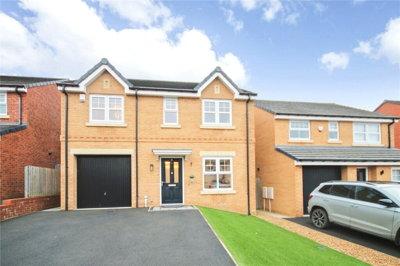
New build activity continues to shape the rental landscape, with developments like The Pastures in Esh Winning, The Meadows in Ushaw Moor, and The Brambles in Kelloe offering contemporary 2, 3, and 4-bedroom homes from Ascent Homes. These developments range from approximately £169,950 to £299,950 for purchase, with similar properties becoming available to rent in surrounding areas. Homes by Carlton are also active in the area with Beauford Park, offering larger detached properties including The Chelmsford, The Dorchester, and The Hereford models. The Woodlands in Bearpark provides additional options including 2-bedroom bungalows alongside family homes, with shared ownership available on some plots. This mix of new developments ensures the rental market has options at various price points and specification levels.
House prices in DH7 have shown modest growth of around 0.5% over the past year, with the DH7 7 postcode around Ushaw Moor experiencing stronger growth of 7.3%, suggesting increasing demand in certain village locations. Overall average property prices stand at approximately £161,515 to £171,833 depending on the source, with terraced properties averaging around £118,000 to £126,000, semi-detached homes at £141,000 to £169,000, and detached properties reaching £259,000 to £285,000. This stable pricing environment makes DH7 an attractive area for renters who may later consider transitioning to ownership, as property values have proven resilient while remaining accessible compared to nearby Durham City and Newcastle.

Life in DH7 revolves around its distinctive villages, each with its own character and sense of community. The area sits within the River Browney catchment, surrounded by rolling countryside that offers excellent walking routes and outdoor recreation opportunities. Villages like Lanchester provide local shops, pubs, and essential services, while the proximity to Durham City means residents benefit from comprehensive retail, dining, and cultural amenities without paying city-centre prices. The local economy benefits from employment at Durham University and the University Hospital of North Durham, both major institutions that draw workers from across the region. Many residents appreciate the balance between village life and access to urban employment and services.
The DH7 area has an estimated population of 25,000 to 30,000 people across approximately 10,000 to 12,000 households, creating communities where neighbours often know one another and local events bring residents together. The housing stock reflects this heritage, with significant proportions of properties dating from the pre-1919 and interwar periods when the Durham coalfield drove rapid village expansion. Many of these traditional properties feature local red or brown brick construction with stone detailing, giving villages their characteristic appearance. The geology of the area is characterised by Carboniferous rocks including coal measures, sandstones, and shales, with superficial deposits often including glacial till or boulder clay that can affect ground conditions in some locations.
Conservation areas in Ushaw Moor and Esh protect the architectural heritage of these communities, while Ushaw Historic House and its gardens provide a cultural attraction that draws visitors to the area throughout the year. Listed buildings are present throughout DH7, including churches, farmhouses, and other historic structures concentrated in older village centres. County Durham has over 3,000 listed buildings in total, and properties within conservation areas or those that are listed are subject to stricter planning controls that affect what changes tenants can make during a tenancy. For renters, this means understanding the status of your property matters if you are planning any modifications, and landlords of such properties have specific responsibilities for maintenance.

Families considering renting in DH7 will find a range of educational options across all levels, with primary schools serving local villages and secondary options providing pathways to further education. The area features schools with established reputations, and parents should research individual Ofsted ratings when choosing a rental property, as catchment areas can determine school allocations and acceptance is not guaranteed regardless of proximity. Primary schools in villages like Ushaw Moor, Esh Winning, and Lanchester serve their immediate communities, while secondary pupils typically travel to schools in nearby towns or commute to Durham City for specialist subjects and grammar school options. Competition for places at popular schools can be intense, particularly in villages with strong reputations.
For older students, the proximity to Durham City opens doors to Durham University, one of the country's most prestigious institutions, as well as further education colleges offering vocational and academic courses. The university attracts students and staff from across the UK and internationally, contributing to the broader regional economy and housing market. Renting in DH7 provides an affordable base for university employees or families with older children considering higher education options, with the benefit of shorter commutes compared to living directly in Durham City where rental prices tend to be higher. Many rental properties in DH7 are suitable for families with children of all ages, with gardens and space that newer developments and traditional semis often provide.
When viewing rental properties in DH7 with school-age children, it is worth confirming the specific catchment arrangements with the local education authority, as arrangements can change and boundary reviews occur periodically. Properties near good primary schools often attract premium rents and higher competition, particularly in villages like Lanchester where school performance has been historically strong. Some families choose to rent in DH7 specifically to access grammar school options in Durham City, with school transport and bus services providing viable routes for secondary pupils. The availability of school transport should be checked for your specific address if this is a consideration in your rental search.

The DH7 postcode benefits from strong transport connections that make commuting to major employment centres practical and efficient. The area serves as a commuter belt for Durham City, with regular bus services connecting villages to the city centre and allowing residents to access the wider North East rail network from Durham station. Bus routes serve communities including Ushaw Moor, Esh Winning, Lanchester, and Bearpark, with journey times to Durham city centre typically ranging from 20 to 45 minutes depending on the specific village and time of day. The A691 and A68 roads provide direct routes to Durham and Newcastle for drivers, with the A1(M) motorway accessible for longer journeys to the south and beyond.
For those who drive, parking provision varies by village, with newer developments typically including allocated parking spaces and older terraces often relying on on-street parking arrangements. The local road network is generally well-maintained, though some rural lanes may require careful driving, particularly during winter months when weather conditions can affect less-treated routes. Cyclists will find a mix of terrain, with countryside lanes offering scenic but sometimes challenging routes for recreational cycling, while the commute to Durham is achievable by bike for the more energetic. Many residents who work in Durham City or Newcastle choose to live in DH7 precisely because it offers the best of both worlds: affordable housing and rural character with excellent connectivity.
The combination of transport options makes DH7 a practical choice for renters who need flexibility in how they travel to work, education, and services. Having a vehicle offers greater flexibility for accessing services and employment across the region, though car-free living in DH7 is achievable for those working primarily in Durham City. The rail connections from Durham station provide access to the East Coast Main Line, offering direct services to Newcastle, York, Leeds, and London Kings Cross. For commuters to Newcastle, journey times are manageable, making DH7 an attractive option for those working in the city while benefiting from lower rental costs compared to living in Newcastle itself.

Several factors specific to the DH7 area deserve attention when evaluating rental properties, helping you avoid potential issues and make an informed decision. The mining heritage of County Durham means that some properties may sit above former shallow mine workings from the Durham coalfield era, and reputable landlords should be able to provide information about the mining history of their property or the results of a mining report if one has been commissioned. The Coal Authority maintains records of historic mine workings, and we recommend requesting this information before committing to a tenancy in areas like Ushaw Moor, Bearpark, or Esh Winning where mining activity was particularly concentrated.
The geology of DH7 includes areas with significant boulder clay deposits that can present a shrink-swell risk during periods of extreme wet or dry weather, potentially affecting foundations and causing structural movement. Properties in areas with significant clay content should be monitored for signs of subsidence or ground heave, and renters should check the condition of external walls and foundations during any viewing. The presence of Carboniferous rocks including sandstones and shales also characterises local ground conditions, and these factors are particularly relevant for older properties where foundation depths may have been designed for different ground conditions than modern standards would require.
Flood risk varies across DH7, with properties adjacent to the River Browney and its tributaries facing higher risk of fluvial flooding, while low-lying areas may experience surface water flooding during heavy rainfall events. Checking the Environment Agency flood maps for your specific address before committing to a rental is advisable, and renters should consider whether flood risk is acceptable given the property's other attributes. Conservation areas like those in Ushaw Moor and Esh impose planning restrictions that affect what changes tenants can make to properties, so understanding these constraints matters if you are planning any modifications during your tenancy. Listed building status brings additional requirements, and alterations typically require specific consents from Durham County Council.
The age of much of the housing stock in DH7 means that many properties will have traditional construction features including solid walls, older plumbing systems, and electrical wiring that may not meet current standards. Common defects in older DH7 properties include damp issues such as rising damp, penetrating damp through ageing brickwork, and condensation due to inadequate ventilation. Roof condition is another frequent concern, with older roofs showing signs of wear, slipped tiles, or defective flashings. Outdated electrics are prevalent in properties built before the 1980s, and timber defects including wet rot, dry rot, and woodworm can occur where damp is present. When viewing properties, ask landlords about recent renovations, the condition of the roof, and whether the property has been treated for damp or timber defects. A thorough inventory check at the start of your tenancy is essential to protect your deposit, and requesting documentation about the property's condition and any recent maintenance provides valuable protection as a tenant.
Explore different villages within the DH7 postcode to find the one that best matches your needs. Consider commute times, local amenities, school catchment areas, and the type of property you require. Our platform allows you to filter by location, property type, and price range to narrow your search effectively. Each village has distinct characteristics, from the conservation areas of Ushaw Moor to the newer developments in Bearpark, so spending time understanding the options will help you focus your search on properties that genuinely meet your requirements.
Before viewing properties, obtain a rental budget agreement in principle from a lender to demonstrate your affordability to landlords. In the DH7 area, most rentals require referencing, proof of income, and a security deposit typically equivalent to five weeks rent. Having your documentation ready speeds up the application process significantly and positions you favourably against other applicants, particularly for properties in popular villages or near good schools where competition can be strong.
Contact local letting agents or private landlords to arrange viewings of properties that interest you. Take notes during each viewing, check the condition of the property thoroughly, and ask about the length of the current tenancy and any planned maintenance. Many DH7 villages are best explored in person to get a feel for the neighbourhood, and visiting at different times of day can reveal information about traffic, noise, and community atmosphere that a single visit may not capture.
Once you find a suitable property, submit your application promptly with all required documentation. This typically includes identification, proof of income or employment, references from previous landlords, and your rental budget agreement. Competition for properties in popular DH7 villages can be high, particularly near good schools and transport links, so having your finances verified in advance gives you an advantage in a competitive market.
Your letting agent will conduct tenant referencing checks, which usually take a few days. Once approved, you will review and sign your tenancy agreement, pay your deposit and first month's rent, and receive the keys to your new DH7 home. Ensure you understand your rights and responsibilities as a tenant before signing, and clarify any questions about the property condition report, deposit protection arrangements, and maintenance procedures during the tenancy.
Renting a property in DH7 involves several costs beyond your monthly rent, and understanding these upfront helps you budget accurately for your move. Security deposits in the DH7 area are typically set at five weeks rent, held in a government-approved deposit protection scheme for the duration of your tenancy. This amount is refundable at the end of your tenancy, subject to any deductions for damage beyond fair wear and tear or unpaid rent. The three approved schemes are the Deposit Protection Service, MyDeposits, and the Tenancy Deposit Scheme, and your landlord must protect your deposit within 30 days of receiving it.
Tenant referencing fees are standard when renting through a letting agent, covering credit checks, employment verification, and landlord references. These costs typically range from £100 to £200 depending on the agency. Some landlords may also charge an administration fee, though regulations cap what agents can charge, and many have moved to a fee-free model. When calculating your total upfront costs, remember to include moving expenses, potential furniture purchases if the property is unfurnished, and connection fees for utilities and internet services. Renting in DH7 can be more affordable than nearby Durham City or Newcastle, but planning for all costs ensures a smooth transition to your new home.
Council tax bands in the DH7 area are set by Durham County Council and vary depending on the property's assessed value. Most terraced properties and smaller semi-detached homes fall into bands A to C, while larger detached properties and modern homes may be in bands D to F. You can check the specific council tax band for any DH7 property through the Valuation Office Agency website using the address or postcode. Durham County Council sets the annual council tax rates, and renters should factor this cost into their monthly budget alongside rent and utility bills. Properties in lower council tax bands will have lower annual charges, which can make a meaningful difference to overall housing costs over a tenancy.

While specific rental price data for DH7 varies by property type and location, the sales market provides useful context for the rental market. Overall average property prices in DH7 stand at approximately £161,515 to £171,833 depending on the source, with terraced properties averaging around £118,000 to £126,000, semi-detached homes at £141,000 to £169,000, and detached properties reaching £259,000 to £285,000. Rental prices will be lower than these purchase prices and will vary based on property size, condition, location within DH7, and whether the property is furnished or unfurnished. Properties in villages like Ushaw Moor and Lanchester with good transport links or near schools may command premium rents. Contact local letting agents for current specific rental figures, as the rental market moves quickly and prices change seasonally.
Council tax bands in the DH7 area are set by Durham County Council and vary depending on the property's assessed value. Most terraced properties and smaller semi-detached homes fall into bands A to C, while larger detached properties and modern homes may be in bands D to F. You can check the specific council tax band for any DH7 property through the Valuation Office Agency website using the address or postcode. Durham County Council sets the annual council tax rates, and renters should factor this cost into their monthly budget alongside rent and utility bills.
The DH7 area includes several primary schools serving local villages, with the specific best option depending on your address and the school catchment area. Parents should research individual school performance through Ofsted reports and consider visiting schools during any open days to assess suitability. For secondary education, options include schools in nearby towns and grammar schools in Durham City, accessible via school transport or the bus network. The proximity to Durham City also means access to Durham University for higher education, making DH7 attractive for families at all stages of education. School catchment boundaries can be complex, and acceptance is not guaranteed based on proximity alone, so confirming arrangements with Durham County Council education services is advisable.
DH7 benefits from regular bus services connecting its villages to Durham City, where you can access the wider regional rail network. Bus routes serve communities including Ushaw Moor, Esh Winning, Lanchester, and Bearpark, with journey times to Durham city centre typically ranging from 20 to 45 minutes depending on the specific village and time of day. The A691 and A68 roads provide direct routes to Durham and Newcastle for drivers, with the A1(M) motorway accessible for longer journeys. Durham railway station offers East Coast Main Line services to Newcastle, York, Leeds, and London. The combination of bus services and road connections makes car-free living in DH7 achievable, though having a vehicle offers greater flexibility for accessing services and employment across the region.
DH7 offers an excellent combination of affordability, community spirit, and accessibility that makes it a strong choice for renters across many circumstances. The area provides good value compared to Durham City and Newcastle, with a variety of property types from traditional terraces in former mining communities to modern homes on new build estates. Local villages have essential shops, pubs, and community facilities, while the countryside setting appeals to those who enjoy outdoor activities including walking in the River Browney valley. The presence of major employers including Durham University and the University Hospital of North Durham, combined with reliable transport connections to Durham and Newcastle, supports the rental market and makes DH7 particularly suitable for commuters, families, and those seeking a quieter lifestyle without sacrificing access to urban amenities.
The DH7 area is part of the historic Durham coalfield, and former mine workings can lead to ground instability including subsidence in some locations. Properties in villages like Ushaw Moor, Bearpark, and Esh Winning may be particularly affected given the concentration of mining activity in these areas. Reputable landlords should be able to provide information about the mining history of their property, and we recommend requesting a mining report from the Coal Authority before committing to a tenancy if one has not been provided. Signs of subsidence or ground movement should be noted during any viewing, and properties with a history of mining-related issues may require ongoing maintenance or specialist insurance. While not all properties will be affected, understanding the mining context is an important part of renting in DH7.
When viewing rental properties in DH7, check the condition of the roof, walls, and foundations for signs of damp, cracking, or structural movement. In older properties, look for evidence of timber defects including rot or woodworm, and ask about the condition of electrical wiring and plumbing systems. Check for double glazing and insulation standards, as older properties may have higher heating costs. Ask the landlord about recent maintenance, any history of flooding or mining issues, and whether the property is in a conservation area or is a listed building which affects what modifications are permitted. Outside the property, consider parking availability, public transport access, and proximity to local amenities and schools. A thorough viewing with a checklist helps ensure you understand the property condition before committing.
From 4.5% APR
Our rental budget service helps you understand what you can afford to rent in DH7, taking into account your income, expenses, and deposit requirements. Expert guidance for tenants.
From £99
Comprehensive referencing services to support your rental application in DH7, including credit checks and employment verification. Speed up your application process.
From £400
If you are considering purchasing a property after renting, our RICS Level 2 surveys assess condition and identify defects common in DH7 housing stock, including mining-related issues.
From £85
Energy Performance Certificates are required when renting, and our assessors provide detailed reports for properties across DH7 including traditional and modern construction.
Properties to Rent In London

Properties to Rent In Plymouth

Properties to Rent In Liverpool

Properties to Rent In Glasgow

Properties to Rent In Sheffield

Properties to Rent In Edinburgh

Properties to Rent In Coventry

Properties to Rent In Bradford

Properties to Rent In Manchester

Properties to Rent In Birmingham

Properties to Rent In Bristol

Properties to Rent In Oxford

Properties to Rent In Leicester

Properties to Rent In Newcastle

Properties to Rent In Leeds

Properties to Rent In Southampton

Properties to Rent In Cardiff

Properties to Rent In Nottingham

Properties to Rent In Norwich

Properties to Rent In Brighton

Properties to Rent In Derby

Properties to Rent In Portsmouth

Properties to Rent In Northampton

Properties to Rent In Milton Keynes

Properties to Rent In Bournemouth

Properties to Rent In Bolton

Properties to Rent In Swansea

Properties to Rent In Swindon

Properties to Rent In Peterborough

Properties to Rent In Wolverhampton

Enter your details to see if this property is within your budget.
Loans, cards, car finance
Estimated property budget
Borrowing + deposit
You could borrow between
Typical borrowing
Monthly repayment
Est. at 4.5%
Loan-to-value
This is an estimate only. Your actual budget may vary depending on interest rates, credit history, and personal circumstances. For an accurate affordability assessment, speak to one of our free mortgage advisors.
This calculator provides estimates for illustrative purposes only and does not constitute financial advice. Your home may be repossessed if you do not keep up repayments on your mortgage. Estimates based on 4.5% interest rate, repayment mortgage. Actual rates depend on your circumstances.
Homemove is a trading name of HM Haus Group Ltd (Company No. 13873779, registered in England & Wales). Homemove Mortgages Ltd (Company No. 15947693) is an Appointed Representative of TMG Direct Limited, trading as TMG Mortgage Network, which is authorised and regulated by the Financial Conduct Authority (FRN 786245). Homemove Mortgages Ltd is entered on the FCA Register as an Appointed Representative (FRN 1022429). You can check registrations at NewRegister or by calling 0800 111 6768.

We use cookies to show you personalised content and improve your experience of our website. Find out more in our Privacy policy and Cookie policy.