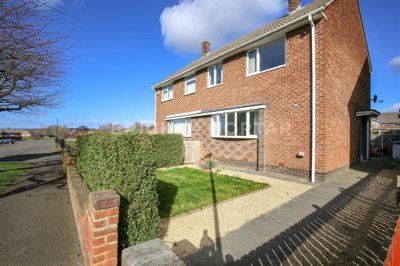
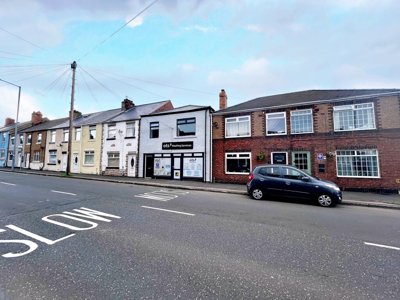
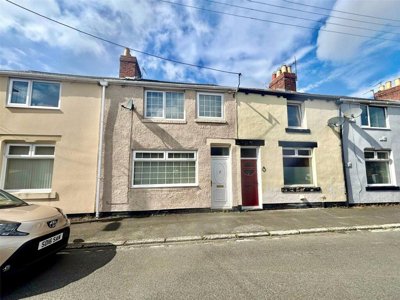
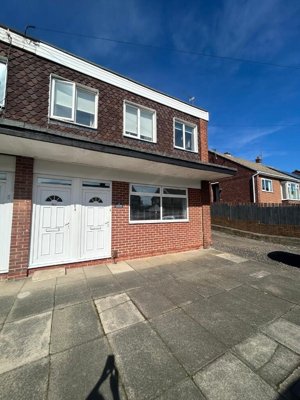
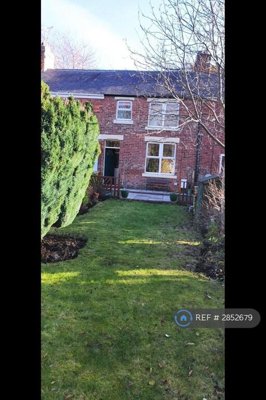
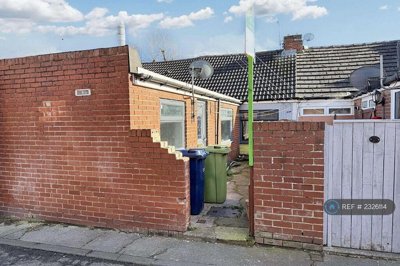
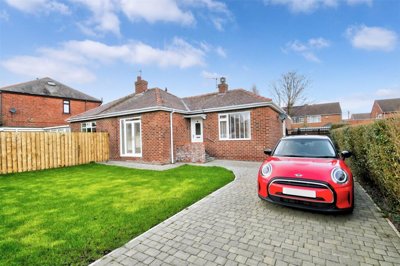
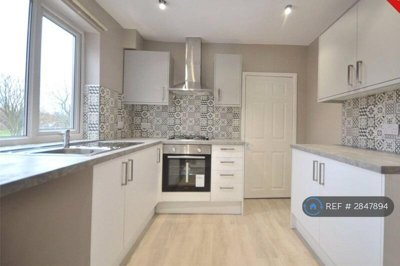
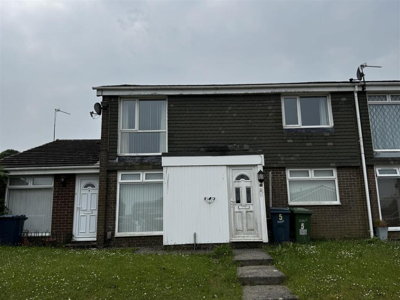
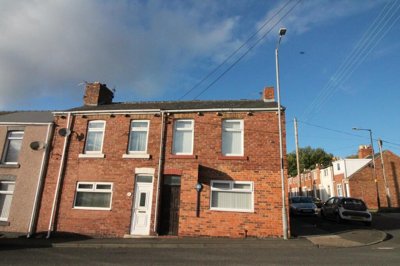
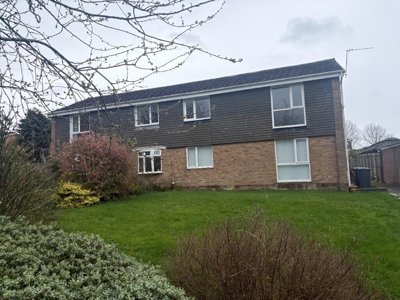
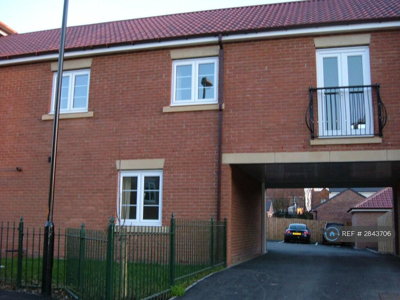
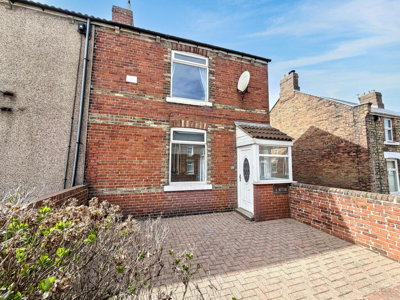
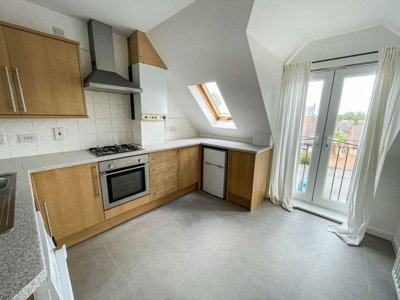
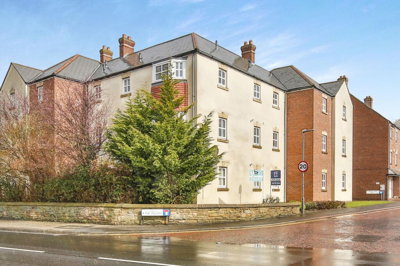
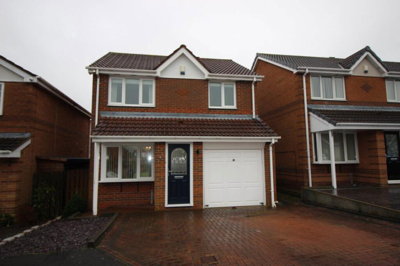
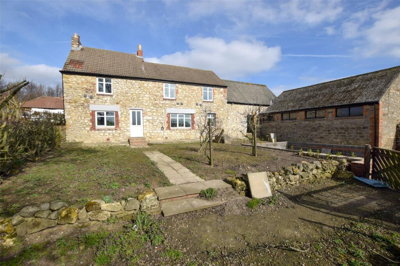
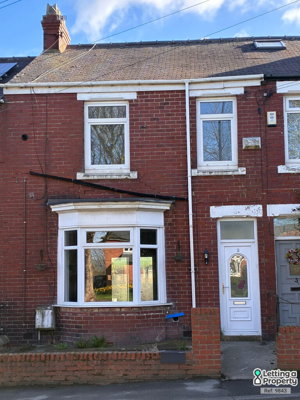
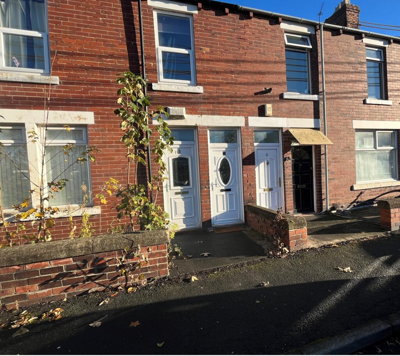
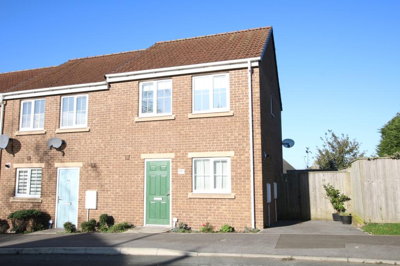
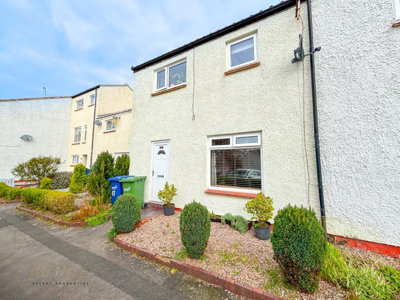
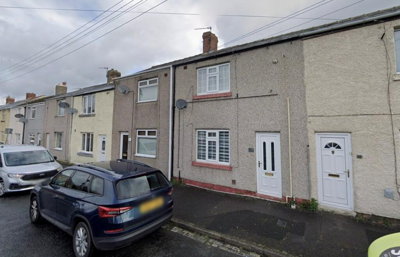
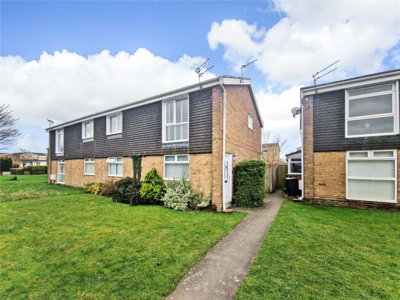
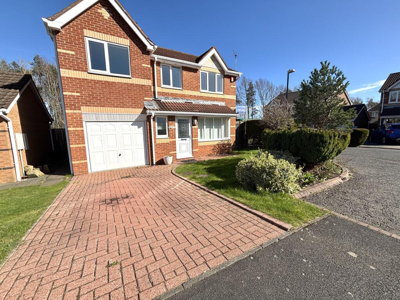
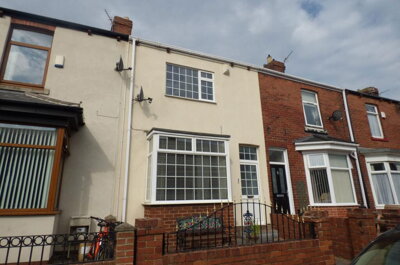
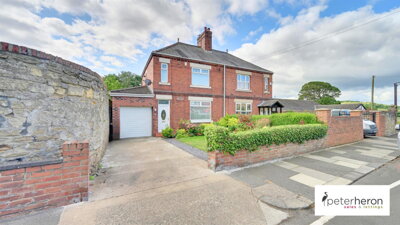
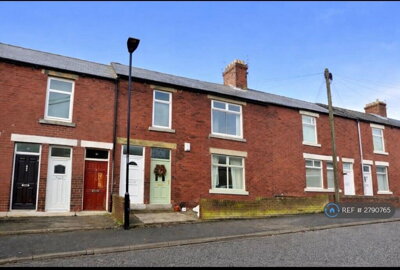
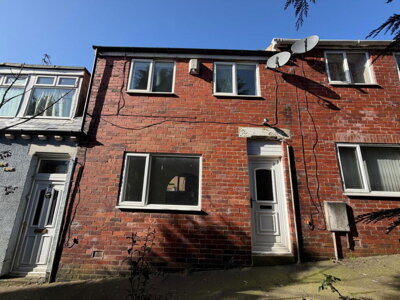
Browse 54 rental homes to rent in DH4 from local letting agents.
£650/m
4
0
60
Source: home.co.uk
Source: home.co.uk
Terraced
2 listings
Avg £848
Apartment
1 listings
Avg £475
Semi-Detached
1 listings
Avg £750
Source: home.co.uk
Source: home.co.uk
The DH4 rental market reflects the broader character of this established North East residential area, where the housing stock tells the story of the region's industrial past. Property sales data shows that semi-detached homes dominate the market, accounting for approximately 125 of the 290 total sales recorded in the past 12 months. This reflects the post-war expansion that characterised much of Chester-le-Street's growth, with semi-detached properties built in the 1950s and 1960s providing the backbone of family accommodation in the area. Terraced properties represent another significant segment with 104 sales, demonstrating strong demand for this traditional housing type that characterises much of Chester-le-Street's residential streets, particularly in areas like the town centre conservation zone and the older streets built to house miners during the coal industry boom.
Recent market trends indicate a period of relative price stability in DH4, with overall values experiencing a modest decline of 1.27% over the past 12 months. This slight softening creates favourable conditions for renters, as landlords may be more open to negotiation on rental terms and more willing to consider longer-term tenancies to secure reliable tenants. Detached properties command the highest values, averaging £242,917, followed by semi-detached homes at approximately £151,992. For renters seeking terraced accommodation, average values of £116,211 indicate a well-established market segment with good availability across different neighbourhoods within DH4. Flats remain the most affordable entry point, with average values around £74,000, making them popular among first-time renters and young professionals seeking independence in an area with lower monthly costs than regional cities.
The rental market in DH4 benefits from limited new-build activity strictly within the postcode, as confirmed by our searches of active developments. The nearest new-build sites are located in the neighbouring DH3 postcode, including Lambton Park by Miller Homes and The Aspens by Persimmon Homes off Blind Lane. This means that the majority of rental properties available in DH4 come from the existing housing stock, which typically dates from the Victorian period through to the 1980s. Properties constructed before 1919 make up a significant portion of the terraced housing, while post-war semi-detached homes dominate the family accommodation options. Understanding the age and construction of properties in this area helps prospective renters anticipate the characteristics and potential maintenance needs they may encounter.

The DH4 postcode area centres around Chester-le-Street, a historic town with roots stretching back to Roman times when the settlement served as an important crossing point on the River Wear. The town sits alongside the River Wear, with the Lumley Park Burn flowing through the area, creating pleasant green corridors and parks that define the local character. The presence of the historic Chester-le-Street Conservation Area, designated to protect the architectural heritage of the town centre, preserves traditional buildings including the medieval St. Mary and St. Cuthbert Church and the surrounding Georgian and Victorian structures that reflect the area's rich history as a market town. Beyond the conservation zone, residential streets showcase the area's industrial heritage, with many properties dating from the Victorian and Edwardian eras when coal mining dominated the local economy and shaped the urban landscape of terraced housing and miners' cottages.
The demographic profile of DH4 reflects a stable community with a good balance of families, professionals, and older residents who have lived in the area for generations. The area has historically been shaped by its mining legacy, and while active mining ceased decades ago, the community spirit and working-class values remain evident in the friendly neighbourhood atmosphere that characterises residential streets. Local amenities include major supermarkets along the of town, independent shops along Front Street, cafes, traditional pubs serving real ales, and restaurants offering diverse cuisine. The nearby Lambton Castle and its extensive estates provide expansive green spaces for recreation, while the town centre offers regular markets and community events throughout the year, including the popular Chester-le-Street Food Festival and Christmas market that draw visitors from across the region.
For families considering renting in DH4, the area offers excellent recreational facilities including several parks, the Chester-le-Street Cricket Club ground which hosts county matches, and the Riverside complex which provides swimming and fitness facilities. The town's library on Bowes Lane serves the community with resources for all ages, while the smaller libraries in surrounding villages ensure residents across the DH4 postcode have access to local services. The community centre on Station Road hosts various activities and events, reflecting the strong voluntary sector that contributes to the area's social fabric. We find that tenants who choose DH4 often comment on the welcoming atmosphere and the ease with which newcomers become integrated into neighbourhood life through local schools, sports clubs, and community groups.
The DH4 area also benefits from proximity to major employment centres while maintaining residential character. The industrial estates on the outskirts of Chester-le-Street provide local job opportunities in manufacturing, logistics, and retail sectors. For those working in the public sector, Durham County Council offices and the NHS hospitals in Durham and Newcastle are accessible via the A1(M) or public transport. The area's position as a dormitory town for Newcastle and Durham means that residents can enjoy the benefits of affordable housing while maintaining access to the employment opportunities and cultural amenities of larger cities.
Families considering renting in DH4 will find a comprehensive selection of educational establishments serving the area from early years through to further education. Primary schools in and around Chester-le-Street include several well-regarded options serving local catchment areas, with schools such as Bullion Lane Primary School, Chester-le-Street CofE Primary School, and Cestus Primary Academy providing education for children aged 5 to 11. The presence of schools with good Ofsted ratings reflects the area's commitment to educational provision, though parents should verify current ratings and catchment boundaries with Durham County Council, as these can affect which school their children can attend. Many primary schools in the area occupy historic buildings that have been updated and extended over the years to accommodate growing pupil numbers and modern educational requirements.
Secondary education in DH4 is served by schools in Chester-le-Street and the surrounding area, with options including The Hermitage School, which serves the local community with a broad curriculum across Key Stages 3 and 4. Students in the area may sit the eleven-plus examination to access grammar school provision, with schools in nearby Durham potentially falling within reasonable travelling distances for families willing to commute. St. Mary's Catholic School in Argent Road provides faith-based secondary education, while other options in County Durham offer diverse educational approaches. For post-16 education, sixth form provision at secondary schools allows students to continue their education locally, while Durham College and other further education providers in the region serve students seeking vocational qualifications, A-levels, and apprenticeships.
Early years childcare and preschool facilities are well distributed throughout the DH4 area, with nurseries and preschools operating from various locations including church halls and dedicated childcare centres. These facilities provide essential support for working families and help prepare children for the transition to primary school. Our team often hears from tenants with young children that the availability of quality childcare and the proximity of good primary schools were key factors in their decision to rent in DH4 rather than in larger cities where costs would be significantly higher.

Transport connectivity ranks among DH4's strongest attributes, making it particularly attractive to commuters working in major regional centres across the North East. The A1(M) motorway passes close to the area, providing direct access to Newcastle upon Tyne to the north and Durham to the south, with Newcastle city centre reachable in approximately 30 minutes by car during off-peak periods. This strategic location has established Chester-le-Street as a popular choice for workers who require access to major employment hubs while preferring residential areas outside the city centre where housing costs are more affordable. Traffic conditions on the A1(M) can become congested during peak hours, particularly around the Durham interchange and the Newcastle approach, so commuters should factor this into journey time calculations and consider flexible working arrangements where possible.
Public transport options in DH4 include regular bus services operated by Go North East and other providers, connecting Chester-le-Street with surrounding towns including Durham, Newcastle, Washington, and Sunderland. Bus routes through the town provide access to employment areas, shopping destinations, and leisure facilities across the region. The bus station on Central Street in Chester-le-Street town centre serves as a hub for inter-regional services, while local routes connect to surrounding villages within the DH4 postcode. For those preferring rail travel, Chester-le-Street railway station offers Northern Rail services connecting to Newcastle, with typical journey times around 20-25 minutes, and to Durham where connections to the East Coast Main Line provide access to longer-distance destinations including Leeds, York, and London.
For those travelling further afield, Newcastle International Airport provides domestic and international flights, accessible via the A1(M) in approximately 40 minutes depending on traffic conditions. The airport serves destinations across the UK, Europe, and beyond, making DH4 a practical base for frequent travellers. For commuters working in Newcastle city centre, the combination of the railway station and the A1(M) provides flexibility to switch between rail and road transport depending on scheduling needs and weather conditions. We find that tenants particularly appreciate this flexibility when choosing properties to rent in DH4, as it accommodates the varied working patterns common in modern employment.

Before beginning your property search, establish a clear budget that accounts for rent, council tax, utilities, and potential increases over the tenancy term. We recommend obtaining evidence of income to demonstrate affordability to landlords and letting agents, as this strengthens your application in a competitive rental market. In DH4, rental costs vary by property type and condition, with terraced homes typically offering more affordable monthly rents than larger semi-detached or detached properties.
Spend time exploring different areas within the DH4 postcode, considering factors such as proximity to work, schools, amenities, and transport links. Each neighbourhood within Chester-le-Street and surrounding areas has its own distinct character, from the conservation area around the town centre with its historic architecture to the post-war residential streets of Waldridge and the quieter villages towards Durham. We can help you identify which areas best match your lifestyle requirements based on your specific circumstances and priorities.
Once you have identified suitable properties, schedule viewings to assess their condition, size, and suitability for your needs. Pay attention to the property's state of repair, natural light, storage space, and the overall feel of the neighbourhood at different times of day. In DH4, many properties date from periods when building standards differed from today, so understanding the construction and age of potential rentals helps you assess maintenance requirements and anticipate costs during the tenancy.
Before committing to a rental agreement, particularly for older properties, consider commissioning a RICS Level 2 Survey to identify any defects or maintenance issues that may not be immediately apparent. Survey costs in the DH4 area typically range from £400 to £700 depending on property size. This investment proves particularly valuable given the age of much of the local housing stock and the potential for issues related to the area's mining heritage and clay geology that could affect foundations and structural integrity. Our team can arrange surveys on your behalf through qualified local inspectors who understand the specific characteristics of properties in the DH4 area.
Review the tenancy terms carefully before signing, paying attention to deposit amounts, notice periods, maintenance responsibilities, and any restrictions on pets or modifications. The standard deposit is equivalent to five weeks' rent for properties with annual rent below £50,000, protected in a government-approved scheme throughout the tenancy. We will walk you through the key terms and ensure you understand your rights and responsibilities as a tenant in the DH4 area.
Renting in DH4 requires careful consideration of several area-specific factors that could affect your tenancy experience. Properties in this postcode were constructed using traditional building methods, predominantly brick cavity wall construction with slate or concrete tile roofs. Many homes date from the Victorian, Edwardian, and post-war periods, meaning that older properties may require more maintenance than newly built alternatives. Understanding the construction and age of your potential rental helps you anticipate maintenance needs and assess whether the rent reflects the property's condition and requirements. The predominant brick construction in DH4 typically uses red or brown brick, with some stone elements in older properties and render finishes on certain street elevations.
The geological characteristics of DH4 warrant attention from prospective renters, particularly given the area's historical mining activity. The area sits on Carboniferous rocks including coal measures, sandstones, and shales, with glacial boulder clay deposits creating potential shrink-swell risks for foundations. Historical mining activity in the region means that some properties may have foundations affected by past mining operations, and unrecorded mine workings could cause ground instability in certain locations. We always recommend requesting a mining report for properties in DH4, as this identifies any historical mining activity that might affect the stability of the property and its grounds. While landlords typically maintain insurance and take responsibility for structural issues, being aware of this context helps you understand the property's maintenance history and any disclosed issues.
Flood risk assessment forms an important part of renting decisions in DH4. Properties located near the River Wear or Lumley Park Burn carry elevated flood risk, and surface water flooding can affect low-lying areas during periods of heavy rainfall. The area does not face coastal flooding as DH4 is inland, but the combination of river proximity and heavy rainfall can lead to standing water in some areas. Checking flood risk maps for specific addresses and discussing any flooding history with current tenants or the landlord provides valuable information. Properties in Flood Zone 2 or 3 may require specific insurance arrangements that could affect overall costs, and our team can help you understand the flood risk for any property you are considering.
Common property defects in DH4 reflect the age and construction of the local housing stock. Rising damp affects solid-walled Victorian terraced properties that lack modern damp-proof courses, while penetrating damp can occur where rainwater goods require maintenance or where pointing has deteriorated. Roof conditions on properties with slate coverings may show wear requiring ongoing maintenance, and properties pre-dating the 1980s commonly have electrical systems that require updating to meet modern standards. Timber defects including woodworm and rot can affect floor joists and window frames in properties with damp issues. We strongly recommend obtaining a RICS Level 2 Survey before committing to any rental agreement, particularly given that well over 60-70% of properties in DH4 exceed 50 years of age and therefore fall into the category where such surveys prove most valuable.

While specific rental price data was not available in our research, the DH4 market reflects local property values that provide useful context for prospective tenants. With average sale prices around £156,056 for all property types, terraced properties averaging £116,211, semi-detached homes at £151,992, and flats around £74,000, rental prices in DH4 tend to be more affordable compared to nearby Newcastle upon Tyne and Durham city centres where comparable properties command significantly higher rents. Rental costs vary significantly based on property type, size, condition, and location within the postcode area, with properties in the Chester-le-Street conservation area potentially commanding premiums due to their character and location. We recommend consulting local letting agents to obtain the most current rental pricing for your specific requirements, as the market changes regularly and seasonal variations can affect availability and pricing.
Council tax in the DH4 area is administered by Durham County Council, with property bands ranging from A to H based on property value at the time of assessment. Most terraced properties and smaller semi-detached homes in DH4 typically fall into Band A, B, or C, while larger semi-detached homes and detached properties may be in Bands D through F. The council tax rates for Durham County Council can be verified through their website, where you can search by property address to confirm the exact band applicable to any specific rental property. Understanding the council tax band helps you budget accurately for all costs associated with renting in DH4, and the band can sometimes be appealed if you believe the property has been incorrectly assessed.
The DH4 area offers good educational provision with several primary and secondary schools serving local communities. Primary schools including Bullion Lane Primary, Chester-le-Street CofE Primary, and Cestus Primary Academy serve different catchment areas within the town, with Ofsted ratings providing one measure of quality. For secondary education, The Hermitage School and St. Mary's Catholic School provide options for Key Stages 3 and 4, with sixth form provision available for post-16 students. Grammar school provision may be accessible in nearby Durham for students who pass the eleven-plus examination, with schools such as Durham School and other grammar schools in the city potentially within reasonable commuting distance. Parents should verify current Ofsted reports and check catchment area boundaries, as these can change and directly affect school placement eligibility.
Public transport connectivity in DH4 is good, with bus services operated by Go North East and other providers operating throughout Chester-le-Street and connecting to surrounding towns and cities including Durham, Newcastle, Washington, and Sunderland. Chester-le-Street railway station provides direct services to Newcastle (approximately 20-25 minutes) and Durham, with connections to the wider East Coast Main Line network for longer journeys. For road travel, the nearby A1(M) motorway provides access to major employment centres including Newcastle, Durham, and Sunderland, with typical car journey times to Newcastle city centre around 30 minutes outside peak hours. For air travel, Newcastle International Airport is accessible via the A1(M) in around 40 minutes, providing domestic and international flights. This combination of transport options makes DH4 particularly attractive to commuters who work in different locations across the North East.
DH4 represents an attractive rental location that offers good value compared to larger regional cities while maintaining excellent transport connections to major employment centres. The area provides a range of property types to suit different budgets, from affordable terraced homes in the town centre to larger family houses in residential suburbs and surrounding villages. The town centre offers comprehensive amenities including shops, restaurants, leisure facilities, and regular markets, while green spaces such as the Lambton Estate and Lumley Park provide recreational opportunities. Community spirit remains strong, with regular events and a friendly atmosphere that helps newcomers integrate quickly. For commuters working in Newcastle, Durham, or Sunderland, DH4 provides an accessible residential base without city centre prices, making it particularly popular among young professionals, families, and anyone seeking affordable housing with good transport links.
Standard practice in DH4 follows national regulations, with deposits capped at five weeks' rent for properties with annual rent below £50,000. This deposit must be protected in a government-approved scheme (DPS, MyDeposits, or TDS) within 30 days of receipt, and you should receive prescribed information about the scheme. Most landlords require a holding deposit equivalent to one week's rent to secure the property while referencing checks proceed, which is typically offset against the final deposit. Tenant referencing, right-to-rent checks, and inventory preparation may involve costs, though regulations under the Tenant Fees Act 2019 limit what agents and landlords can charge, with many administrative fees now prohibited including charges for viewing, checkout, or administration. Budget for initial costs including deposit, first month's rent in advance, and potentially a RICS Level 2 Survey if commissioning one independently, which we can arrange on your behalf.
Flood risk in DH4 varies significantly by location, and prospective tenants should check specific assessments for any property under consideration. Properties near the River Wear and its tributary, the Lumley Park Burn, carry elevated fluvial flood risk, particularly properties in low-lying areas close to these watercourses. Surface water flooding can affect low-lying areas during heavy rainfall, when drainage systems may be overwhelmed. The DH4 postcode is inland and does not face coastal flooding, which eliminates one category of flood risk present in coastal areas of the North East. Prospective renters should request information about any flooding history from landlords or letting agents, as flood events can affect basements, ground-floor accommodation, and gardens. Insurance costs may be higher for properties with significant flood risk, and landlords are required to provide an Energy Performance Certificate which may reference relevant property information.
Properties in DH4 often feature traditional construction that may exhibit age-related issues requiring attention during your tenancy. Common concerns include damp, which may manifest as rising damp in solid-walled Victorian properties lacking modern damp-proof courses, penetrating damp from damaged pointing or rainwater goods, or condensation damp resulting from inadequate ventilation in properties built before modern insulation standards. Roof conditions on properties with slate or tile coverings may show wear, slipped tiles, or damaged flashing that could lead to leaks if not addressed. Electrical wiring in properties pre-dating the 1980s may require updating, as consumer units and wiring standards have evolved significantly since that period. The clay geology and historical mining activity in DH4 create potential for subsidence or foundation movement, which typically manifests as cracking in walls or distorted door and window frames. Timber defects including woodworm or rot can affect floor joists, roof timbers, and window frames, particularly in properties with persistent damp issues. Obtaining a RICS Level 2 Survey before committing provides a comprehensive assessment of the property's condition and helps you understand the maintenance responsibilities you may encounter during your tenancy.
Understanding the construction of properties in DH4 helps prospective tenants anticipate the characteristics and potential maintenance issues they may encounter during a tenancy. The area predominantly features traditional brick construction, with red brick being common on Victorian and Edwardian properties and brown brick often appearing on post-war homes. Many properties incorporate cavity wall construction, which became standard from the early 20th century onwards, though solid wall construction appears in the oldest terraced properties built before widespread cavity wall adoption. Roofing typically uses slate or concrete tiles, with slate being more common on older properties and concrete tiles appearing on post-war construction. Timber floor joists support ground and upper floors in most properties, with suspended timber floors common in older terraced homes.
The age distribution of properties in DH4 means that a significant proportion of the housing stock was built before modern building regulations introduced requirements for insulation, damp-proof courses, and improved ventilation. Properties built pre-1919 often feature solid walls without cavity insulation, higher ceilings, larger windows, and decorative features that reflect the architectural styles of the period. Post-war properties built between 1945 and 1980 typically feature cavity wall construction, smaller rooms by modern standards, and original features that may require maintenance or updating. These construction characteristics affect energy efficiency, heating costs, and maintenance requirements, all of which tenants should consider when evaluating rental properties in DH4.
For properties within the Chester-le-Street Conservation Area or near listed buildings such as Lumley Castle and St. Mary and St. Cuthbert Church, planning restrictions may affect what modifications tenants can make during a tenancy. Listed building consent may be required for alterations to the exterior or significant changes to internal features, and the conservation area status may impose requirements on paint colours, signage, and other visible modifications. These considerations apply primarily to longer-term tenants seeking to personalise their accommodation, but understanding the status of the property helps avoid potential disputes with landlords or planning enforcement.
Understanding the full financial commitment of renting in DH4 helps you budget accurately and avoid surprises when moving into a new property. The initial costs of securing a rental property include the first month's rent in advance, a security deposit capped at five weeks' rent for properties with annual rent below £50,000, and potentially a holding deposit equivalent to one week's rent to secure the property during referencing. Inventory check costs are typically borne by the landlord rather than the tenant, and referencing fees are restricted under the Tenant Fees Act 2019 which prohibits many charges that were previously common. Additional upfront costs may include agency fees if using a letting agent, though many agents now operate no-fee models. We recommend requesting a full breakdown of all costs before committing to any rental agreement to ensure there are no unexpected charges.
Renting in DH4 offers particularly good value when compared to regional neighbours, with average property values in DH4 standing at £156,056, translating to more affordable rental levels than comparable properties in Newcastle or Durham city centres. Terraced properties averaging £116,211 and flats around £74,000 represent accessible entry points to the rental market, while larger semi-detached family homes provide more space for households needing additional bedrooms. For those renting older properties, budgeting for potential heating costs is important if insulation standards are below modern expectations, as many properties in the area pre-date the 1980s and may have higher energy consumption than newer builds. Council tax costs vary by property band, with most residential properties in DH4 falling into Bands A through D under Durham County Council's jurisdiction.
A RICS Level 2 Survey, costing approximately £400 to £700 depending on property size and complexity, represents a worthwhile investment that identifies defects before you commit, particularly given the age of much of the local housing stock and potential issues related to mining heritage and clay soils. While surveys are often associated with property purchases, tenants can also benefit from understanding the condition of their prospective rental, and our team can arrange surveys on your behalf through qualified local inspectors who understand the specific characteristics of properties in the DH4 area. This investment provides documented evidence of the property's condition at the start of the tenancy, which proves valuable when disputing any deposit deductions at the end of the tenancy.

🏠
Our inspectors assess property condition for rental agreements, identifying defects common to DH4 housing stock including damp, roofing issues, and mining-related subsidence risks. From £400
💷
Calculate your rental budget and understand the full cost of renting in DH4 including deposit, fees, and ongoing costs. From 4.5% APR
✓
Complete referencing checks required by landlords, including credit checks, employment verification, and right-to-rent compliance. From £99
📋
Energy Performance Certificate assessment required for all rental properties, providing an energy efficiency rating from A to G. From £85
Properties to Rent In London

Properties to Rent In Plymouth

Properties to Rent In Liverpool

Properties to Rent In Glasgow

Properties to Rent In Sheffield

Properties to Rent In Edinburgh

Properties to Rent In Coventry

Properties to Rent In Bradford

Properties to Rent In Manchester

Properties to Rent In Birmingham

Properties to Rent In Bristol

Properties to Rent In Oxford

Properties to Rent In Leicester

Properties to Rent In Newcastle

Properties to Rent In Leeds

Properties to Rent In Southampton

Properties to Rent In Cardiff

Properties to Rent In Nottingham

Properties to Rent In Norwich

Properties to Rent In Brighton

Properties to Rent In Derby

Properties to Rent In Portsmouth

Properties to Rent In Northampton

Properties to Rent In Milton Keynes

Properties to Rent In Bournemouth

Properties to Rent In Bolton

Properties to Rent In Swansea

Properties to Rent In Swindon

Properties to Rent In Peterborough

Properties to Rent In Wolverhampton

Enter your details to see if this property is within your budget.
Loans, cards, car finance
Estimated property budget
Borrowing + deposit
You could borrow between
Typical borrowing
Monthly repayment
Est. at 4.5%
Loan-to-value
This is an estimate only. Your actual budget may vary depending on interest rates, credit history, and personal circumstances. For an accurate affordability assessment, speak to one of our free mortgage advisors.
This calculator provides estimates for illustrative purposes only and does not constitute financial advice. Your home may be repossessed if you do not keep up repayments on your mortgage. Estimates based on 4.5% interest rate, repayment mortgage. Actual rates depend on your circumstances.
Homemove is a trading name of HM Haus Group Ltd (Company No. 13873779, registered in England & Wales). Homemove Mortgages Ltd (Company No. 15947693) is an Appointed Representative of TMG Direct Limited, trading as TMG Mortgage Network, which is authorised and regulated by the Financial Conduct Authority (FRN 786245). Homemove Mortgages Ltd is entered on the FCA Register as an Appointed Representative (FRN 1022429). You can check registrations at NewRegister or by calling 0800 111 6768.

We use cookies to show you personalised content and improve your experience of our website. Find out more in our Privacy policy and Cookie policy.