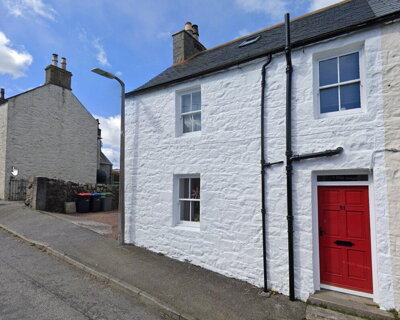
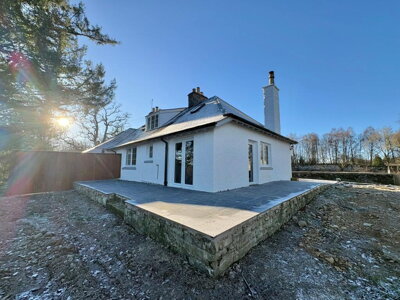
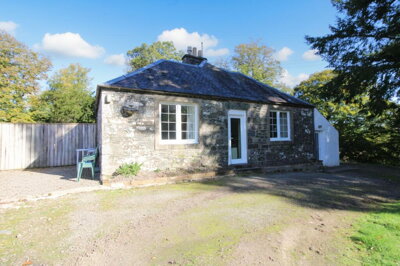
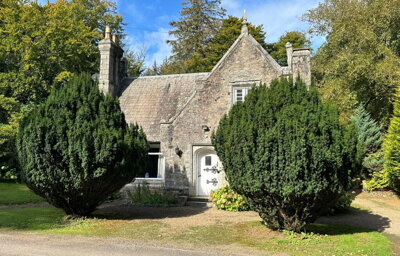
Browse 8 rental homes to rent in DG7 from local letting agents.
£725/m
1
0
55
Source: home.co.uk
Source: home.co.uk
Semi-Detached
1 listings
Avg £725
Source: home.co.uk
Source: home.co.uk
The DG7 rental market reflects the broader property trends of Dumfries and Galloway, where recent data shows average house prices of approximately £231,000, with terraced properties averaging around £150,000 and semi-detached homes at roughly £189,000. While comprehensive rental price data for DG7 requires checking current listings, the local sales market provides useful context for understanding property values in this postcode area. Detached properties command higher values at around £315,000 on average, reflecting the demand for spacious family homes with land that characterises the Stewartry housing market. The market has shown resilience with prices rising 3% year-on-year, though remaining approximately 5% below the 2022 peak of £243,000.
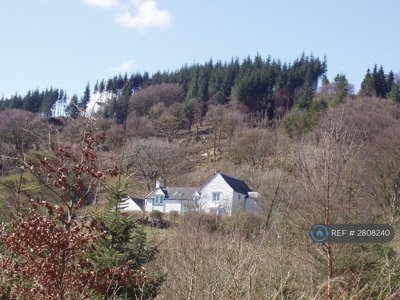
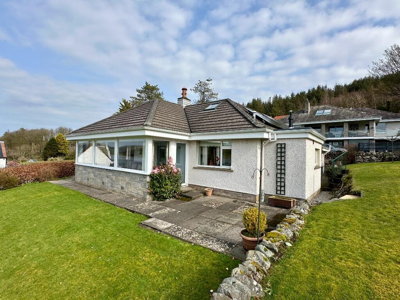
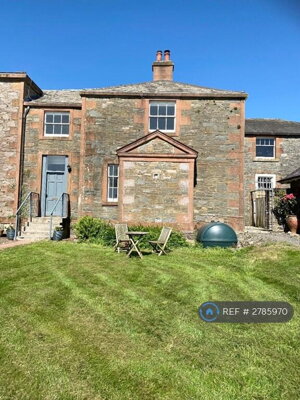
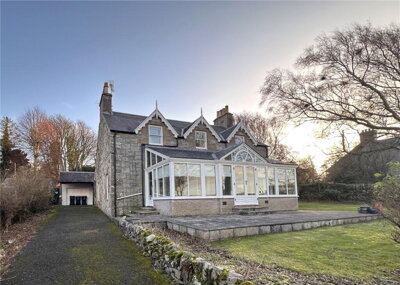
Property types available for rent in DG7 include traditional sandstone and granite cottages in conservation villages, modern family homes in Castle Douglas, and converted farm buildings in the surrounding countryside. Flats represent a smaller portion of the market at around £124,000 average value, offering more affordable entry points for first-time renters or those seeking low-maintenance accommodation. The rental stock varies seasonally, as tenants relocate and landlords adjust their portfolios throughout the year. Properties in prime positions near Threave Castle or with views over the surrounding hills may command premium rents due to their desirable locations.

The DG7 postcode encompasses a distinctive landscape shaped by millions of years of geological history, from volcanic activity to glacial scouring that created the rolling hills and valleys visible today. Local geology features granite formations, Permian and Triassic sandstone quarried from Dumfries and Galloway, and dimension stone from Galloway granites historically used in prominent local buildings. This geological heritage contributes to the characterful architecture found throughout the Stewartry, with buildings constructed from locally-sourced materials that blend seamlessly into the countryside. The region around Castle Douglas sits within the Solway Plan District for Flood Risk Management, with SEPA monitoring raised tidal flat deposits and marine beach deposits in the inner Solway area.
Flood risk assessment proves particularly important for DG7 renters, as Dumfries and Galloway lies within the Solway Plan District and SEPA has identified Potentially Vulnerable Areas for river, coastal, and surface water flooding. The 2013 Castle Douglas flood study confirmed effective management through systems like the Blackpark Pumps, but prospective tenants should verify property location relative to flood zones and consider drainage history when viewing properties. Properties near watercourses or in low-lying areas warrant extra scrutiny regarding flood risk and appropriate insurance coverage.
The area population of Dumfries and Galloway stands at approximately 145,700, though demographic trends show a modest decline of 3.4% over the past decade alongside an ageing population profile. These demographic factors influence the local economy, where health industries employ 17.9% of the workforce, followed by agriculture, forestry, and fishing at 13.4%. The median monthly pay in the region was £2,115 as of February 2024, sitting approximately 9.7% below the Scottish median, which affects rental affordability calculations for local workers. Despite these economic challenges, businesses in Dumfries and Galloway expressed increased confidence in late 2025, with nearly half planning for growth, suggesting improving prospects for the area.
Life in DG7 offers access to excellent local amenities in Castle Douglas, including independent retailers, cafes, pubs, and essential services like GP surgeries and pharmacies. The nearby Threave Castle, built in 1369, stands as the area's rich heritage and provides a dramatic backdrop for countryside walks. Community life centres around the weekly markets and events that foster the strong social connections valued by residents. For renters seeking space, fresh air, and genuine community spirit, the DG7 area delivers a quality of life that urban areas often cannot match.

Education provision in the DG7 area serves families well, with primary schools throughout Castle Douglas and the surrounding Stewartry villages providing local schooling for younger children. The countryside setting means many primary schools serve smaller catchments, allowing for more personalised attention and strong community ties between families and staff. Castle Douglas itself has a secondary school serving students across the postcode area, providing a comprehensive secondary offering. Scottish education follows the Curriculum for Excellence framework, preparing students for National Qualifications in the senior phase. Parents renting in DG7 should verify current school catchments with Dumfries and Galloway Council, as catchment boundaries can affect placement decisions.
Beyond statutory education, the DG7 area offers various learning opportunities through community education programmes and adult learning initiatives supported by the local authority. The region benefits from strong connections to further and higher education institutions in Dumfries, approximately 30 miles away, where Dumfries and Galloway College and the University of Glasgow's Crichton Campus provide higher education pathways. For families considering rental duration, understanding the local education landscape helps inform decisions about property location and tenancy length. Many rental properties in DG7 appeal particularly to families precisely because of the combination of good local schools, safe streets, and outdoor learning opportunities that the Stewartry environment provides.

Transport connections from the DG7 area serve Castle Douglas and the surrounding Stewartry with a network of bus routes linking villages to the main town and onward to Dumfries. Stagecoach and local operator services provide essential public transport for residents without private vehicles, with routes connecting to major towns including Kirkcudbright, Dalbeattie, and Dumfries. The A75 trunk road passes near Castle Douglas, providing direct road connections to Dumfries (approximately 30 miles north) and onwards to the M74 motorway network at Gretna Green. This strategic position makes DG7 accessible for commuters working in larger towns while enjoying the benefits of rural living. Road transport dominates in this part of Scotland given the limited rail infrastructure in the Stewartry.
For longer-distance travel, the nearest mainline railway stations are in Dumfries and Lockerbie, both offering connections to Glasgow, Edinburgh, Carlisle, and the West Coast Main Line. Flying is accessible via airports in Glasgow, Edinburgh, and Carlisle, providing domestic and international connections for business and leisure travellers. Within DG7 itself, a car remains highly beneficial for daily life, though the compact nature of Castle Douglas makes local journeys on foot or by bicycle feasible for many activities. Parking provision in the town accommodates residents and visitors, with larger properties often featuring off-street parking that rental tenants should factor into their property requirements.
Cycling infrastructure in the area includes quiet country lanes popular with recreational cyclists, though dedicated cycle paths remain limited compared to urban areas. The surrounding countryside offers excellent opportunities for cycling with varying terrain from flat coastal routes to more challenging hill climbs. Walking routes connect communities and provide access to the stunning natural beauty of the Stewartry, with footpaths and bridleways maintained by the council and rural development agencies. For renters considering commuting implications, factoring transport costs into your overall budget alongside rent payments helps establish true affordability before committing to a tenancy.

Begin by exploring rental listings in DG7 through Homemove and familiarise yourself with the Castle Douglas and Stewartry rental market. Consider your priorities regarding commute times, school catchments, and access to amenities, and take time to visit the area before committing to a tenancy.
Before viewing properties, obtain a rental budget agreement in principle to understand how much rent you can afford. This financial pre-assessment strengthens your position when applying for properties and demonstrates to landlords that you are a serious, qualified tenant.
Contact local letting agents or private landlords to arrange viewings of properties that match your requirements. Take notes during viewings, ask about the property condition, lease terms, and any specific rules or restrictions that apply.
Once you find a suitable property, complete the tenant application process promptly. This typically involves providing references, proof of income, employment details, and previous landlord references. Tenant referencing services through Homemove can help streamline this process.
Carefully review the tenancy agreement before signing, ensuring you understand your rights and responsibilities as a tenant. Scottish private residential tenancy agreements provide comprehensive protections, and you should clarify any unclear terms with the landlord or letting agent.
Prior to moving in, document the property condition with a detailed inventory check. This protects both tenant and landlord by establishing the baseline condition of the property, and you should ensure all utility connections and council tax arrangements are in place for your move date.
Renting properties in DG7 requires awareness of several area-specific considerations that differ from urban rental markets. Flood risk assessment proves particularly important given that Dumfries and Galloway lies within the Solway Plan District, with Potentially Vulnerable Areas identified for river, coastal, and surface water flooding. The 2013 Castle Douglas flood study confirmed effective management through systems like Blackpark Pumps, but prospective tenants should verify property location relative to flood zones and consider drainage history when viewing properties. Properties near watercourses or in low-lying areas warrant extra scrutiny regarding flood risk and appropriate insurance coverage.
Conservation areas and listed buildings feature prominently across Dumfries and Galloway, with 36 designated conservation areas and over 3,400 listed structures protecting the region's architectural heritage. Renting a listed building or property within a conservation area brings additional considerations, as exterior alterations require consent regardless of tenancy status. These properties often feature traditional construction using sandstone, granite, or traditional timber framing methods that differ from modern building standards. Older properties in DG7 commonly have maintenance issues including dampness arising from failed damp-proof courses, penetrating damp through historic walls, and timber issues that affect structural integrity. The age of many DG7 properties means electrical wiring may be outdated, requiring attention before modern appliances can be safely used.
Understanding local geology helps inform decisions about specific properties, as the DG7 area features varied ground conditions including areas with Permian and Triassic sandstone deposits alongside granite formations. While the British Geological Survey indicates shrink-swell risk is generally lower in DG7 than in south-east England due to older, hardened clay formations, individual site conditions can vary. Historical mining activity in Dumfries and Galloway, including lead mining near Kirkcudbright and coal workings in areas like Sanquhar, means some localities may have legacy mining features affecting ground stability. For properties in affected areas, a specialist survey can assess any potential risks from old mine workings. Lease terms, service charges for flats, and ground rent arrangements should be clearly established before committing to any tenancy in the DG7 rental market.

While comprehensive rental price data for DG7 varies by property type and location, the sales market provides useful context with average prices around £231,000 for all property types. Terraced properties typically sell for approximately £150,000, semi-detached homes around £189,000, and detached properties near £315,000. Rental prices generally reflect a proportion of these sale values, with one-bedroom properties starting from around £450 per month and family homes commanding higher rents. Checking current listings through Homemove provides the most accurate picture of available rental prices in Castle Douglas and the surrounding Stewartry area.
Properties in DG7 fall under Dumfries and Galloway Council administration, with council tax bands ranging from A to H based on property valuation. The council maintains detailed records of bandings for all properties within the DG7 postcode area, and prospective tenants can verify the council tax band for any specific property through the Scottish Assessors Association website. Council tax in Dumfries and Galloway remains competitive compared to many Scottish urban areas, contributing to the overall affordability of renting in the Stewartry region. Tenants should confirm the council tax band and associated costs before signing a tenancy agreement to ensure accurate budgeting.
Education in DG7 is served by primary schools throughout Castle Douglas and the Stewartry villages, providing local schooling within reasonable travelling distance for most residents. The area benefits from good primary provision with strong community connections, while secondary education centres on Castle Douglas Academy. For families with specific educational requirements, Dumfries and Galloway Council's school information portal provides current catchment details and any enrolment policies affecting placement decisions. The proximity to higher education facilities in Dumfries, including the Crichton Campus, also provides opportunities for older students continuing their education while living in the DG7 area.
Public transport in DG7 operates primarily through bus services connecting Castle Douglas to surrounding towns including Kirkcudbright, Dalbeattie, and Dumfries. Stagecoach and local operators provide essential services, though frequency varies by route, with more regular services on main corridors and limited options on rural routes. The nearest mainline railway stations are in Dumfries and Lockerbie, both offering connections to Glasgow, Edinburgh, Carlisle, and destinations beyond. A car proves advantageous for daily life in the Stewartry given the rural nature of many communities, though residents without vehicles can still access essential services through careful planning of journeys and shopping trips.
The DG7 area offers an excellent quality of life for renters seeking space, community, and access to Scotland's outstanding natural beauty. Castle Douglas provides sufficient amenities for daily needs including shops, healthcare, and schooling, while the surrounding countryside offers recreational opportunities that urban renters often cannot access. The community spirit in the Stewartry creates genuine neighbourly connections that many residents value highly. For those prioritising rural living, affordable housing compared to Scottish cities, and safe environments for families, DG7 represents an attractive rental destination with properties available across various budgets and property types.
Scottish private residential tenancy agreements typically require a deposit equivalent to one month's rent, held in a government-approved tenancy deposit scheme such as the Letting Agent Scheme or MyDeposits Scotland. Tenant referencing fees may apply, covering background checks including credit history, employment verification, and previous landlord references. Inventory check fees, often around £100-£200, establish the baseline condition of the property at move-in. First-time renters should budget for the first month's rent plus deposit upfront, and obtaining a rental budget agreement in principle before property viewings helps establish affordability parameters and demonstrates commitment to potential landlords.
Dumfries and Galloway has 36 conservation areas protecting areas of special architectural or historical interest, with over 3,400 listed buildings, objects, and structures across the region. Many properties in the DG7 area, particularly in Castle Douglas and historic villages like Kirkcudbright, fall within these protected designations. Living in a listed building or conservation area property means exterior alterations require consent regardless of tenancy status, and some internal changes may also be restricted. These properties often feature traditional construction methods and materials that require understanding and appropriate maintenance. Prospective tenants should discuss any planned modifications with landlords before committing to a tenancy.
The renting process in DG7 typically spans two to four weeks from initial property search to move-in, though this timeline varies based on property availability and tenant circumstances. Securing a rental budget agreement before viewing properties can accelerate the application stage, as financial qualification is already in place. References and credit checks through Homemove's tenant referencing services usually complete within a few working days. Once an application is accepted, the tenancy agreement review and inventory check process adds another week or so. In competitive periods, properties in desirable locations near Castle Douglas may attract multiple applicants, so being prepared with documentation helps move quickly when the right property becomes available.
From 4.5%
Calculate how much you can afford to rent with our quick affordability check
From £35
Complete reference checks to speed up your rental application
From £99
Professional move-in and move-out inventory reports
From £85
Energy Performance Certificate for your rental property
Understanding the costs involved in renting a property in DG7 helps prospective tenants budget accurately and avoid financial surprises during the tenancy process. The initial outlay typically comprises the first month's rent plus a security deposit, usually held in a government-approved tenancy deposit scheme such as the Letting Agent Scheme or MyDeposits Scotland. Scottish regulations require landlords to protect deposits within 30 days of receiving them, providing security for tenants alongside protecting landlords against damage claims at tenancy end. The deposit amount typically equals one month's rent for properties priced below £500 per month, or one and a half months' rent for higher-value rentals, though this can vary by landlord.
Additional costs to factor into your renting budget include tenant referencing fees, which cover credit checks, employment verification, and previous landlord references. These services through Homemove typically start from around £35 and provide landlords with the assurance needed to accept your application. Inventory checks, priced between £100-£200 depending on property size, document the condition of the rental at move-in to protect both parties. Some properties may require an Energy Performance Certificate assessment, which landlords usually arrange and sometimes include in the rental cost. First-time renters in the DG7 area should also budget for moving costs, utility setup fees, and potential council tax payments, which are payable regardless of whether properties are rented or owned.
Getting a rental budget agreement in principle before commencing your property search proves particularly valuable in the competitive DG7 rental market, where desirable properties can attract multiple applicants. This pre-assessment, available through Homemove's partner services, demonstrates to landlords that you have undergone financial scrutiny and can afford the rent. Properties in Castle Douglas and the Stewartry offer various price points, from modest flats suitable for single occupants to spacious family homes commanding higher rents, and understanding your budget parameters helps focus your search on achievable options. The affordability of Dumfries and Galloway compared to Scottish cities means many renters find properties priced within comfortable parameters of local salary levels, particularly given the median monthly pay of around £2,115 in the region.

Properties to Rent In London

Properties to Rent In Plymouth

Properties to Rent In Liverpool

Properties to Rent In Glasgow

Properties to Rent In Sheffield

Properties to Rent In Edinburgh

Properties to Rent In Coventry

Properties to Rent In Bradford

Properties to Rent In Manchester

Properties to Rent In Birmingham

Properties to Rent In Bristol

Properties to Rent In Oxford

Properties to Rent In Leicester

Properties to Rent In Newcastle

Properties to Rent In Leeds

Properties to Rent In Southampton

Properties to Rent In Cardiff

Properties to Rent In Nottingham

Properties to Rent In Norwich

Properties to Rent In Brighton

Properties to Rent In Derby

Properties to Rent In Portsmouth

Properties to Rent In Northampton

Properties to Rent In Milton Keynes

Properties to Rent In Bournemouth

Properties to Rent In Bolton

Properties to Rent In Swansea

Properties to Rent In Swindon

Properties to Rent In Peterborough

Properties to Rent In Wolverhampton

Enter your details to see if this property is within your budget.
Loans, cards, car finance
Estimated property budget
Borrowing + deposit
You could borrow between
Typical borrowing
Monthly repayment
Est. at 4.5%
Loan-to-value
This is an estimate only. Your actual budget may vary depending on interest rates, credit history, and personal circumstances. For an accurate affordability assessment, speak to one of our free mortgage advisors.
This calculator provides estimates for illustrative purposes only and does not constitute financial advice. Your home may be repossessed if you do not keep up repayments on your mortgage. Estimates based on 4.5% interest rate, repayment mortgage. Actual rates depend on your circumstances.
Homemove is a trading name of HM Haus Group Ltd (Company No. 13873779, registered in England & Wales). Homemove Mortgages Ltd (Company No. 15947693) is an Appointed Representative of TMG Direct Limited, trading as TMG Mortgage Network, which is authorised and regulated by the Financial Conduct Authority (FRN 786245). Homemove Mortgages Ltd is entered on the FCA Register as an Appointed Representative (FRN 1022429). You can check registrations at NewRegister or by calling 0800 111 6768.

We use cookies to show you personalised content and improve your experience of our website. Find out more in our Privacy policy and Cookie policy.