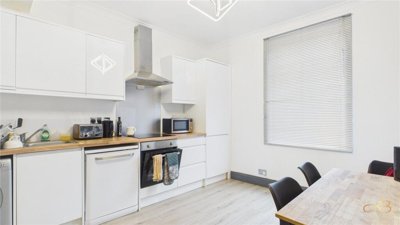
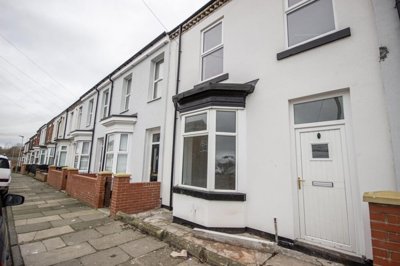
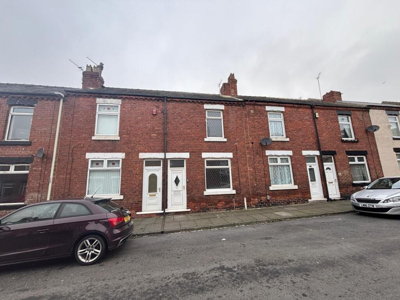
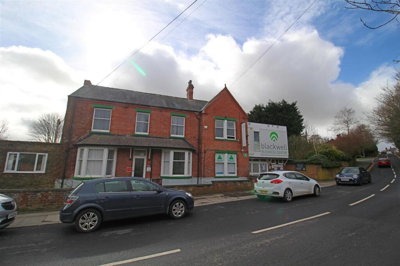
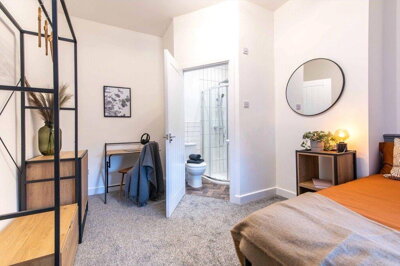
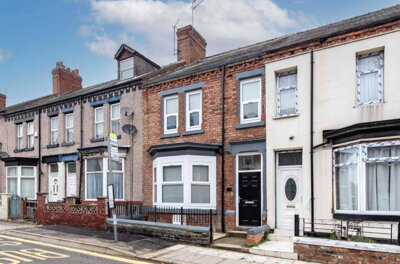
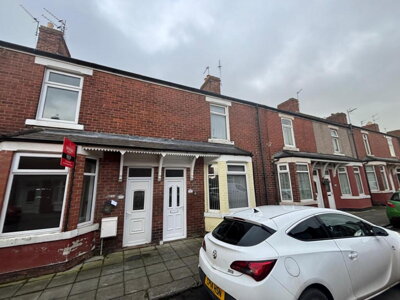
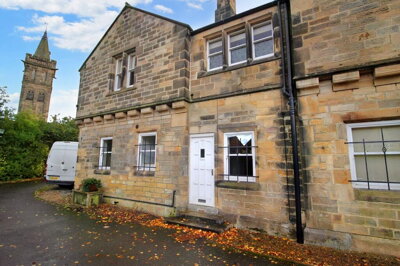
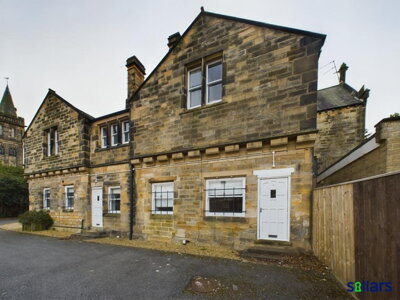
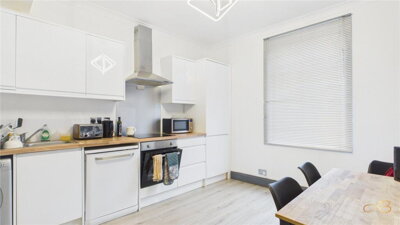
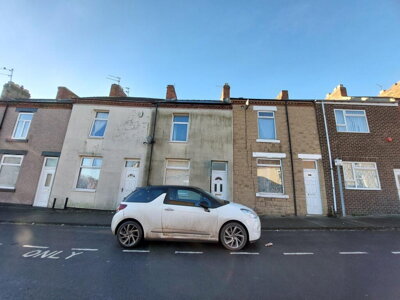
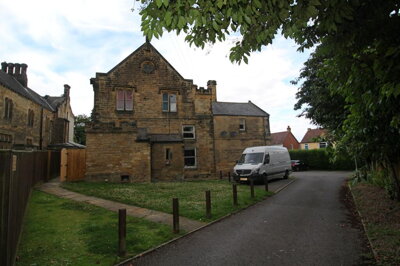
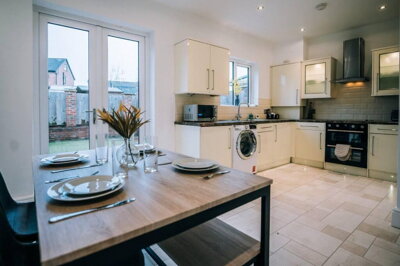
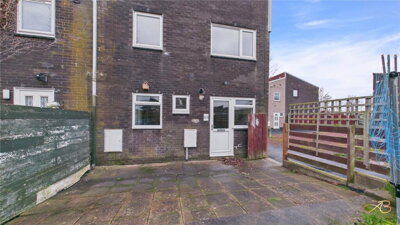
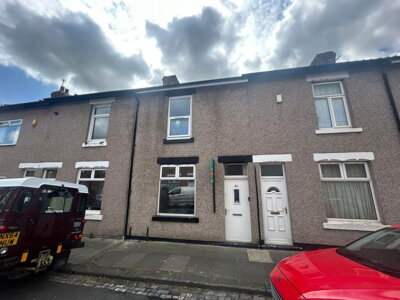
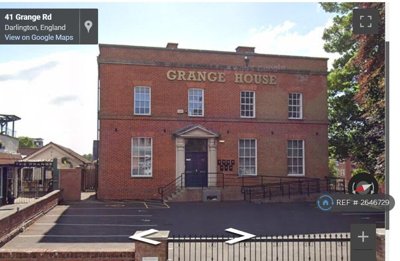
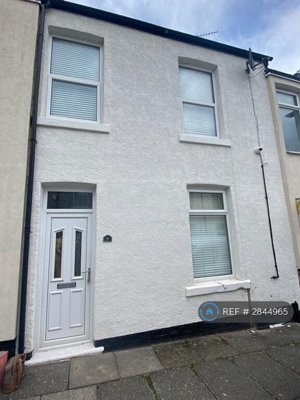
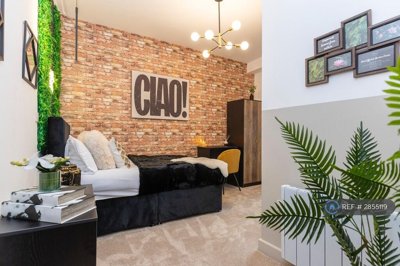
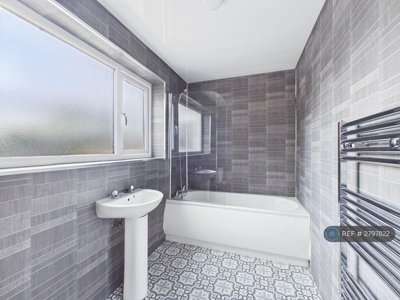
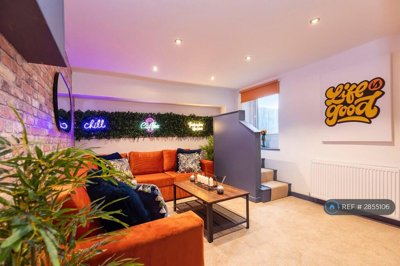
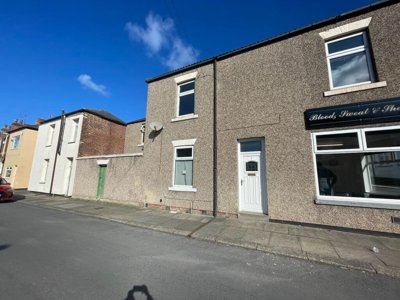
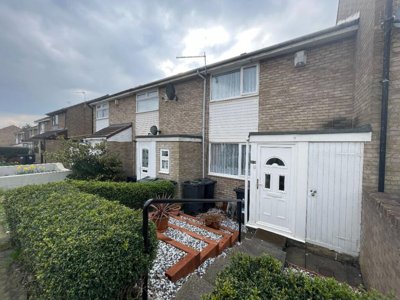
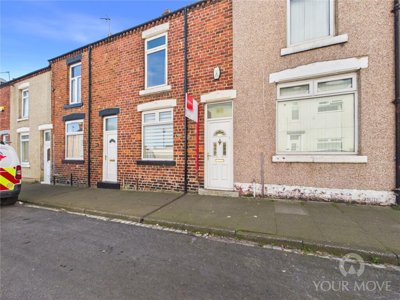
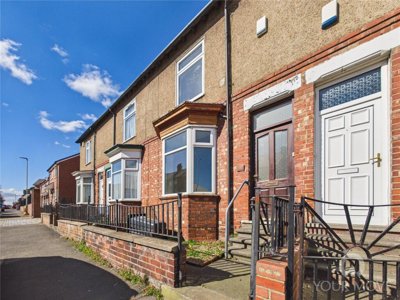
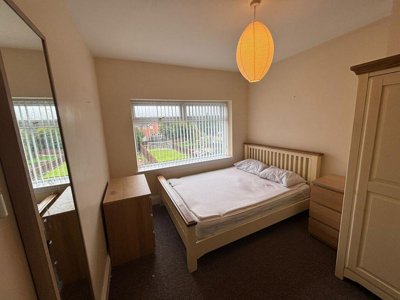
Browse 265 rental homes to rent in Darlington, Tees Valley from local letting agents.
£675/m
59
0
59
Source: home.co.uk
Source: home.co.uk
Terraced
22 listings
Avg £631
Apartment
8 listings
Avg £645
Semi-Detached
6 listings
Avg £1,073
House
5 listings
Avg £800
Detached
4 listings
Avg £1,449
End of Terrace
3 listings
Avg £715
Flat
3 listings
Avg £608
Not Specified
3 listings
Avg £848
House of Multiple Occupation
2 listings
Avg £536
Town House
2 listings
Avg £838
Source: home.co.uk
Source: home.co.uk
The Darlington rental market offers properties across all price points, with one and two-bedroom flats typically commanding between £450 and £650 per calendar month. Terraced houses with two or three bedrooms generally range from £550 to £800 PCM, while semi-detached and detached family homes can reach £900 to £1,200 per month depending on location and condition. The market has shown remarkable stability over the past year, with rental prices remaining relatively steady despite national fluctuations elsewhere. This consistency makes Darlington an excellent choice for renters who value predictability in their monthly housing costs, especially when compared to larger UK cities where rental inflation has been more pronounced.
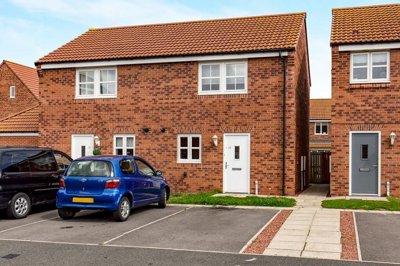
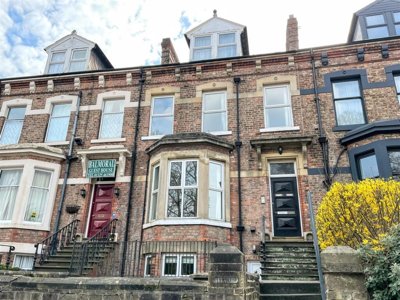
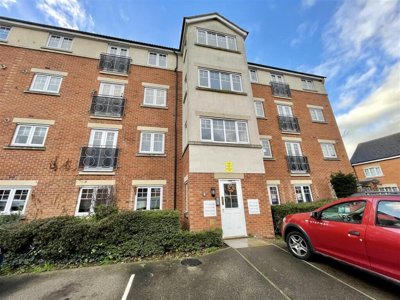
Property types available to rent in Darlington reflect the town's diverse housing stock. Victorian and Edwardian terraced houses dominate certain neighbourhoods, offering characterful accommodation with original features such as fireplaces, high ceilings, and bay windows. Semi-detached properties from various eras provide comfortable family accommodation, while purpose-built flats in the town centre cater to young professionals and those seeking low-maintenance living. Newer apartments in developments near the railway station appeal to commuters requiring easy access to transport links. The rental market sees regular turnover, ensuring fresh listings appear throughout the year for those actively searching. According to ONS Census data, terraced houses account for 37.5% of the housing stock, semi-detached properties represent 34.6%, with detached houses at 17.6% and flats comprising 9.9% of available accommodation.
The diversity of rental options means that whether you are a single professional seeking a modern flat, a couple looking for a starter home, or a family requiring space in a semi-detached property, Darlington's rental market can accommodate your needs. Areas like West Park offer newer properties in established neighbourhoods, while town centre locations provide access to apartments above commercial premises. Suburban areas such as Cockerton and Haughton-le-Skerne feature predominantly inter-war and post-war housing stock, offering more traditional family accommodation at competitive rental rates. The town's geography, sitting on glacial till deposits over Permian Magnesian Limestone, influences property foundations and construction methods across different eras.

Darlington is a town of approximately 107,700 residents distributed across 47,400 households, creating a community that feels substantial enough to offer excellent amenities while retaining a friendly, approachable character. The town centre has undergone significant regeneration in recent years, with the Cornmill Centre and surrounding streets providing modern shopping facilities alongside historic architecture. The Darlington Civic Theatre, Head of Steam railway museum, and regular markets in the Market Hall contribute to a vibrant cultural scene that reflects the town's proud railway heritage. Green spaces are well-distributed throughout residential areas, with South Park being a particular highlight featuring Victorian landscaping, a lake, and excellent children's facilities that make it popular with families renting nearby.
The character of Darlington neighbourhoods varies considerably, offering renters choices to match different preferences. The town centre and immediate surroundings feature a mix of Victorian commercial buildings, apartments above shops, and period terraced housing. Residential areas like Cockerton, Haughton-le-Skerne, and the West End offer quieter streets with good primary schools and local shops. The architecture throughout Darlington reflects its industrial heritage, with red brick dominating older properties and more varied materials appearing in twentieth-century developments. Several conservation areas protect the historic character of key neighbourhoods, including the Darlington Town Centre Conservation Area, Bank Top Conservation Area around the historic railway station, and Cockerton Conservation Area, ensuring that these areas maintain their distinctive appearance while continuing to provide desirable rental accommodation.
The local economy benefits from significant public sector employment, with major government departments including the Department for Education and Treasury North having offices in the town. Logistics operations along the A1(M) corridor provide substantial employment, while healthcare services at Darlington Memorial Hospital and manufacturing and engineering firms contribute to economic diversity. This varied employment base supports a stable rental market where tenants can find long-term accommodation without concerns about local job prospects. The town's investment in infrastructure and new business parks continues to attract employers and residents alike, making Darlington an increasingly popular choice for those seeking to establish roots in Tees Valley.

Families considering renting in Darlington will find a comprehensive range of educational establishments across all levels. Primary education is well-served throughout the town, with schools including Haughton-le-Sinder Primary, Springfield Primary, and St Mary's Primary School serving their respective neighbourhoods. Many primary schools in Darlington have received Good or Outstanding Ofsted ratings, providing parents with confidence in local educational provision. The infant and junior school system operates alongside some all-through primary schools, giving families flexibility in their choice of educational setting for younger children. Primary schools in areas like Cockerton and Haughton-le-Skerne serve dense residential populations, making these neighbourhoods particularly popular with families seeking rental properties.
Secondary education in Darlington includes both comprehensive schools and selective grammar school options. Schools such as Carmel College, a Catholic voluntary academy, and Hummersknott Academy serve diverse student populations with strong academic and extracurricular programmes. For families seeking grammar school education, the surrounding Tees Valley area includes several selective schools with entrance testing arrangements. Post-16 education is well-catered for through Darlington College, which offers vocational and academic courses, while sixth forms at secondary schools provide traditional A-level pathways. The presence of Durham University and Teesside University within reasonable commuting distance adds further educational options for older students considering higher education, with regular bus and train services connecting students to both institutions.
When searching for rental properties near schools in Darlington, consider that areas with good primary schools such as the Haughton and Springfield catchments often see higher demand from families. Properties in these neighbourhoods may command premium rents during school term time, and availability can be limited when demand is highest. The school year runs from September to July, with applications for school places typically processed during the autumn term for the following September intake. Parents relocating to Darlington for work or family reasons should prioritise school catchment areas during their property search to ensure their children can access preferred local education without requiring transport arrangements.

Darlington boasts excellent transport connections that make it highly attractive to commuters and those needing to travel regularly. Darlington railway station sits on the East Coast Main Line, providing direct services to major destinations including London King's Cross (approximately 2 hours 30 minutes), Edinburgh (around 2 hours), Newcastle (approximately 45 minutes), and Leeds (roughly 1 hour 20 minutes). The station has undergone significant redevelopment, creating a modern gateway to the town with improved facilities and accessibility. Regular services throughout the day make Darlington an excellent base for professionals working in any of these major cities while enjoying more affordable housing costs than would be available in those destinations.
Road connections are equally strong, with the A1(M) passing immediately north of the town and providing seamless access to Newcastle, Leeds, and the broader motorway network. The A66 provides east-west connectivity across Tees Valley, linking Darlington to Middlesbrough and the A19 corridor. For those working in Teesside's chemical processing industry or Tees Valley's growing business parks, the road network offers convenient commuting options that avoid the higher housing costs of towns closer to those employment centres. Local bus services operated by Arriva and other providers connect residential areas with the town centre, employment zones, and surrounding villages including Middleton St George, Heighington, and Hurworth.
Parking availability varies by neighbourhood, with town centre flats offering limited on-street parking while suburban areas typically provide off-street parking or garages. Properties in areas like West Park and new developments off Coniscliffe Road generally include dedicated parking spaces, which can be valuable for households with cars. The town has invested in improved cycle infrastructure in recent years, with designated routes connecting residential areas to employment zones and the town centre. For recreational cycling, Darlington's position relative to the Pennines offers scenic routes through Teesdale and Weardale, making it popular with cycling enthusiasts who value the combination of urban convenience and countryside access.

While much of Darlington's rental stock consists of characterful period properties, the town has seen significant new development activity that provides additional rental options. Coniscliffe Grange, developed by Bellway off Coniscliffe Road (DL3 8AL), offers contemporary 3, 4, and 5-bedroom detached and semi-detached homes with modern specifications. Mowden Park on Staindrop Road, developed by Avant Homes, provides 3 and 4-bedroom properties in a popular residential area. The ongoing expansion of West Park Garden Village continues to bring new homes to the western side of town, with various developers offering properties across different price points and styles.
Renting a newer property in one of these developments offers several advantages including modern insulation standards, contemporary heating systems, and layouts designed for modern living. Properties built after 1980 typically feature cavity wall construction with improved thermal performance compared to older solid-wall properties, which can result in lower energy bills for tenants. Many new build properties also include parking provisions and private gardens that may not be available in older terraced housing. However, rents for newer properties may be higher than equivalent older properties, so tenants should weigh the benefits of modern construction against their budget requirements when choosing between new and established rental accommodation.
Future development plans include Skerningham Garden Village, a large-scale strategic allocation north of the current town boundaries that will eventually provide extensive new housing. While specific postcodes and phases remain under development, this long-term expansion demonstrates Darlington's growth trajectory and ongoing appeal as a residential destination. For current renters, existing new build properties provide the best access to modern rental accommodation, though availability may be limited compared to the larger pool of established period properties. Our platform includes listings from both new developments and traditional housing stock, ensuring you can find the property type that best matches your requirements.

Before searching for properties in Darlington, obtain a rental budget agreement in principle from a financial provider. This document demonstrates to landlords that you can afford the rent and helps streamline the application process when you find a property you love. Budget agreements typically involve a basic affordability check based on your income and existing financial commitments, with most lenders offering same-day decisions for straightforward cases.
Browse current listings in Darlington on Homemove, filtering by property type, number of bedrooms, and price range. Create saved searches to receive alerts when new properties matching your criteria become available, as desirable rentals in popular areas can be let within days. Set up email or mobile alerts to ensure you never miss a new listing in your preferred neighbourhoods, particularly in high-demand areas near good schools or the railway station.
Once you have identified suitable properties, contact estate agents or landlords to arrange viewings. In Darlington's competitive rental market, viewing properties promptly and being prepared with references and proof of income can make the difference between securing a home and missing out. Prepare a simple viewing folder containing your photo ID, recent payslips or accounts, and reference contact details to present at viewings, demonstrating your seriousness as a potential tenant.
Before signing any tenancy agreement, ensure you understand the terms fully. Most rentals in Darlington use Assured Shorthold Tenancies with six-month minimum terms, though longer contracts may be available. Consider whether you need a fixed-term agreement providing security or prefer the flexibility of a periodic tenancy that rolls on a month-to-month basis. Pay particular attention to clauses regarding rent increases, maintenance responsibilities, and termination procedures.
Landlords in Darlington typically require tenant referencing, which includes credit checks, employment verification, and landlord references from previous tenancies. Prepare documents including proof of identity, recent payslips or accounts, and reference contacts in advance to speed up this process. Many referencing services offer to begin the process while your application is pending, helping to accelerate the paperwork once you have had an offer accepted on a property.
Before moving in, you will receive an inventory report documenting the property condition with photographs of all rooms and fixtures. Check this carefully and note any discrepancies within the timeframe specified in your tenancy agreement, typically 7-14 days. Once signed, pay your deposit (capped at five weeks' rent under the Tenant Fees Act 2019) and first month's rent to secure your new home in Darlington. Your deposit must be protected in a government-approved scheme within 30 days, and you should receive written confirmation of which scheme holds your money.
Renting in Darlington requires attention to several local factors that can significantly impact your experience as a tenant. Flood risk is worth considering carefully, as certain areas of Darlington show elevated risk due to proximity to the River Skerne and River Tees. Properties in neighbourhoods like Cockerton, Haughton-le-Skerne, and parts of the town centre may warrant additional investigation regarding flood history and mitigation measures. The Environment Agency has identified these areas as having higher flood risk, though many properties in affected locations have appropriate insurance in place. Surface water flooding can also occur during heavy rainfall when drainage systems are overwhelmed, which is worth checking using the Environment Agency flood maps available online.
The age of Darlington's housing stock means that many rental properties are more than fifty years old, with terraced houses and semi-detached properties from the Victorian, Edwardian, and inter-war periods comprising a significant proportion of available rentals. These properties often feature solid brick construction with 9-inch or 13-inch thick walls, original timber features, and character details that newer properties cannot replicate. Pre-1919 properties typically have shallow brick footings and may show signs of movement over time, particularly given the glacial till geology underlying parts of the town that can cause shrink-swell issues during extreme weather conditions. Properties built before 1980 may contain asbestos-containing materials such as artex ceilings, pipe lagging, or garage roofing, which are generally safe if undisturbed.
Energy efficiency varies considerably across the housing stock, with some period properties having undergone modernisation while others retain original features that may increase heating costs. Victorian and Edwardian properties often have solid walls without cavity insulation, making them more expensive to heat than modern cavity-walled construction. Check the property's EPC rating before committing, as this will indicate expected energy costs and highlight whether improvements have been made. Many landlords have upgraded boilers and windows in older properties, but some may retain original single-glazed sash windows or older heating systems that could increase your utility bills.
If you are considering renting a flat in Darlington, pay close attention to the terms of your lease, including service charge obligations and ground rent provisions. Some apartment developments have significant annual service charges that affect the overall cost of renting, and these should be clearly explained before you commit. Properties within conservation areas such as Bank Top, High Row, and West Cemetery may be subject to planning restrictions affecting permitted modifications, which tenants should understand before committing. For properties renting directly from private landlords rather than through letting agents, ensure you receive proper written tenancy agreements and understand your rights regarding deposit protection schemes. All deposits must be protected in one of three government-approved schemes: Deposit Protection Service, MyDeposits, or Tenancy Deposit Scheme.
Rental prices in Darlington vary significantly by property type and size. One and two-bedroom flats typically range from £450 to £650 per calendar month, while two and three-bedroom terraced houses generally fall between £550 and £800 PCM. Larger semi-detached and detached family homes can command £900 to £1,200 per month depending on location and condition, with premium properties near excellent schools or the railway station sometimes exceeding these ranges. The Darlington rental market has remained relatively stable over the past twelve months, making it an accessible option for renters compared to larger UK cities where prices have risen more sharply. When budgeting, remember to account for council tax, utilities, and contents insurance on top of your monthly rent.
Darlington falls under Darlington Borough Council, which sets council tax rates for properties across eight bands from A to H. Most terraced houses and smaller properties fall into bands A to C, while larger semi-detached and detached homes typically occupy bands D to F. To determine the specific council tax band for a property you are considering, check the Valuation Office Agency database online or contact the local authority directly. Council tax bills also include charges for Durham Police and Durham County Council, which are set by those respective authorities. Students, certain disabled individuals, and those on low incomes may qualify for council tax reductions or exemptions.
Darlington offers good primary school options including Haughton-le-Sinder Primary, Springfield Primary, and St Mary's Primary School, many of which have received favourable Ofsted assessments. Secondary education is provided through schools like Carmel College and Hummersknott Academy, while sixth form and further education options include Darlington College and school sixth forms. For families seeking selective grammar school education, schools in the surrounding Tees Valley area accept applications from Darlington residents, with testing typically taking place during Year 6. Always verify current Ofsted ratings and admissions policies directly with schools, as these can change and catchment areas may affect your child's eligibility for nearby schools.
Darlington railway station provides excellent connectivity via the East Coast Main Line, offering direct trains to London King's Cross (2h 30m), Edinburgh (2h), Newcastle (45m), and Leeds (1h 20m). The town is also well-served by bus services operated by Arriva and other providers, connecting residential areas with the town centre, employment zones, and surrounding villages including Middleton St George and Heighington. For car users, the A1(M) provides quick access to Newcastle and Leeds, while the A66 connects east to Middlesbrough and the A19 corridor towards Sunderland and Newcastle. These strong transport links make Darlington particularly attractive to commuters who work in major cities but prefer more affordable housing costs than those cities command.
Darlington offers excellent value for renters compared to many other UK towns, with a diverse housing stock, strong local amenities, and good transport connections. The town centre provides comprehensive shopping, dining, and entertainment options, while residential neighbourhoods offer family-friendly environments with good schools and green spaces including the Victorian South Park with its lake and children's facilities. The presence of major employers including public sector departments like the Department for Education and Treasury North, healthcare facilities like Darlington Memorial Hospital, and logistics companies operating from the A1(M) corridor supports a stable rental market with consistent demand. The town combines historical character preserved through multiple conservation areas with ongoing regeneration investment, creating neighbourhoods that appeal to a wide range of renters from young professionals to families and retirees.
Under the Tenant Fees Act 2019, deposits for rental properties in England are capped at five weeks' rent where the annual rent is less than £50,000. Most rentals in Darlington fall within this category, meaning tenants typically pay a deposit equivalent to around one month's rent. Holding deposits are limited to one week's rent and are refundable against the full deposit or first month's rent. Permitted payments beyond rent and deposit include reasonable holding deposits, default fees for lost keys or late rent (charged at the interest rate specified in the Act), and initial costs for utilities if agreed in the tenancy. Be wary of any agent or landlord requesting prohibited payments such as check-out fees, renewal fees, or amounts exceeding the statutory caps.
Parts of Darlington show elevated flood risk due to proximity to the River Skerne flowing through the town centre and the River Tees forming the southern boundary. Areas near the town centre, Cockerton, and Haughton-le-Skerne have been identified as having higher flood risk by the Environment Agency, with properties immediately adjacent to watercourses particularly affected. Surface water flooding can also occur during heavy rainfall when urban drainage systems are overwhelmed, which is a consideration for lower-lying areas. Before committing to a rental property, check the Environment Agency flood risk maps available online and ask the landlord or agent about the property's flood history and any mitigation measures in place. Many properties in affected areas have appropriate insurance, but understanding the specific risk profile helps inform your decision and allows you to take appropriate precautions.
While surveys are more commonly associated with property purchases, tenants can arrange their own condition assessments for rental properties, particularly for longer-term lets or properties over fifty years old. A professional condition report typically costs between £350 and £700 for a standard property in Darlington, depending on size and complexity, and can identify defects such as damp, roof issues, or structural movement that may not be immediately apparent during viewings. Given that significant proportions of Darlington's housing stock predate 1980 and the underlying glacial till geology can contribute to subsidence issues, a professional assessment can provide valuable for tenants committing to longer-term leases. Requesting landlord permission is advisable before arranging any intrusive inspections, though external observations can proceed without affecting the tenancy.
Darlington has several designated Conservation Areas including the Town Centre, Bank Top around the historic railway station, High Row, West Cemetery, and Cockerton, each with distinct architectural character protected by planning controls. Renting a property within a conservation area means certain restrictions may apply regarding external alterations, including changes to windows, doors, roofing materials, and boundaries. These restrictions are designed to preserve the historic character of the neighbourhood rather than to inconvenience tenants, and landlords typically handle any planning applications required. Conservation area properties often feature distinctive architecture including listed buildings with special architectural or historic interest, which can add character and value to your rental home while requiring careful attention to maintenance obligations in your tenancy agreement.
From 4.5% APR
Get pre-approved for your rental budget before searching for properties in Darlington
From £49
Complete referencing checks to speed up your rental application
From £400
Professional condition survey for older rental properties
From £85
Check energy efficiency before committing to a tenancy
Understanding the costs involved in renting a property in Darlington helps you budget effectively and avoid unexpected expenses. The initial financial commitment when renting typically includes a security deposit equivalent to five weeks' rent, which is capped under the Tenant Fees Act 2019 for properties with annual rent below £50,000. This deposit must be protected in a government-approved scheme within thirty days of receiving it, and you should receive detailed information about how it will be managed and what conditions must be met for its return at the end of your tenancy. Most tenants in Darlington also pay the first month's rent in advance, bringing the total upfront cash requirement to approximately six weeks' rent on a standard letting.
Beyond the deposit and first month's rent, renters should budget for additional moving costs including removal services, potential furniture purchases if the property is unfurnished, and connection fees for utilities and internet services. Some landlords include utility connections in the letting fee, while others pass these costs to tenants, so check the tenancy agreement carefully. Council tax is payable monthly alongside rent in most cases, with amounts varying by property band from approximately £1,200 to £2,400 per year for bands A to D. Utility bills for gas, electricity, and water require arrangement with respective suppliers, and moving into a property with an outdated heating system may result in higher-than-expected energy costs during the first winter.
Contents insurance is advisable even for furnished properties, as this protects your personal belongings rather than the landlord's fixtures and fittings. Premiums typically start from around £10-15 per month for basic cover, with comprehensive policies available for households with valuable items. Many tenants find that building up a small reserve fund beyond the initial moving costs provides valuable security for unexpected repairs or changes in circumstances during their tenancy, such as job relocation or relationship changes. Landlord-approved contractors typically handle major repairs, but tenants are usually responsible for minor maintenance and reporting issues promptly to avoid small problems becoming larger disputes at the end of the tenancy.
Properties to Rent In London

Properties to Rent In Plymouth

Properties to Rent In Liverpool

Properties to Rent In Glasgow

Properties to Rent In Sheffield

Properties to Rent In Edinburgh

Properties to Rent In Coventry

Properties to Rent In Bradford

Properties to Rent In Manchester

Properties to Rent In Birmingham

Properties to Rent In Bristol

Properties to Rent In Oxford

Properties to Rent In Leicester

Properties to Rent In Newcastle

Properties to Rent In Leeds

Properties to Rent In Southampton

Properties to Rent In Cardiff

Properties to Rent In Nottingham

Properties to Rent In Norwich

Properties to Rent In Brighton

Properties to Rent In Derby

Properties to Rent In Portsmouth

Properties to Rent In Northampton

Properties to Rent In Milton Keynes

Properties to Rent In Bournemouth

Properties to Rent In Bolton

Properties to Rent In Swansea

Properties to Rent In Swindon

Properties to Rent In Peterborough

Properties to Rent In Wolverhampton

Enter your details to see if this property is within your budget.
Loans, cards, car finance
Estimated property budget
Borrowing + deposit
You could borrow between
Typical borrowing
Monthly repayment
Est. at 4.5%
Loan-to-value
This is an estimate only. Your actual budget may vary depending on interest rates, credit history, and personal circumstances. For an accurate affordability assessment, speak to one of our free mortgage advisors.
This calculator provides estimates for illustrative purposes only and does not constitute financial advice. Your home may be repossessed if you do not keep up repayments on your mortgage. Estimates based on 4.5% interest rate, repayment mortgage. Actual rates depend on your circumstances.
Homemove is a trading name of HM Haus Group Ltd (Company No. 13873779, registered in England & Wales). Homemove Mortgages Ltd (Company No. 15947693) is an Appointed Representative of TMG Direct Limited, trading as TMG Mortgage Network, which is authorised and regulated by the Financial Conduct Authority (FRN 786245). Homemove Mortgages Ltd is entered on the FCA Register as an Appointed Representative (FRN 1022429). You can check registrations at NewRegister or by calling 0800 111 6768.

We use cookies to show you personalised content and improve your experience of our website. Find out more in our Privacy policy and Cookie policy.