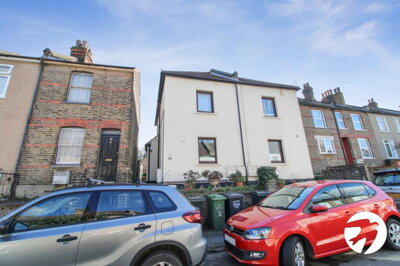
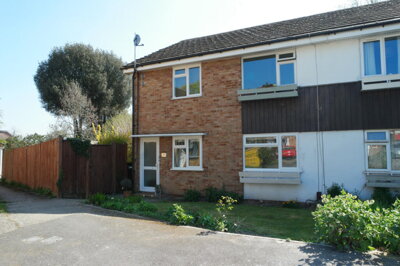
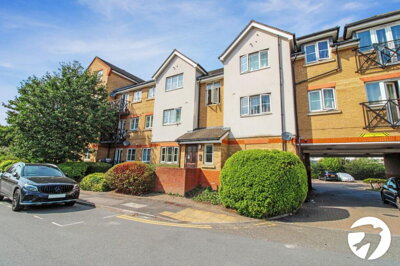
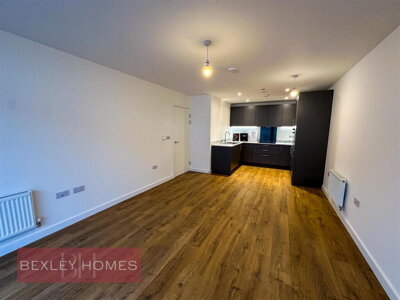
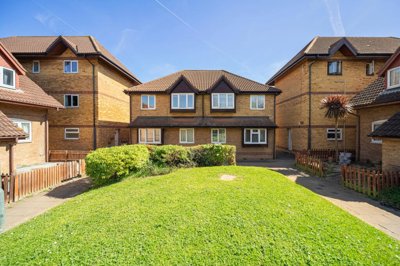
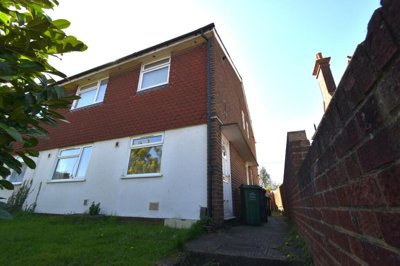
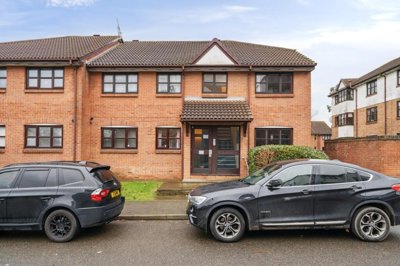
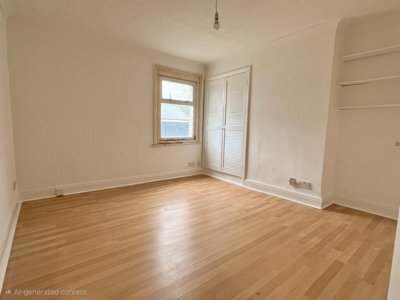
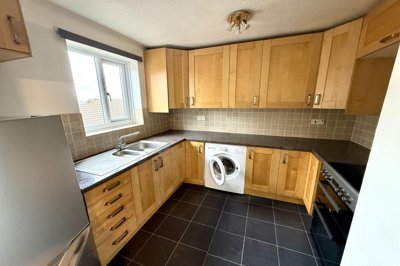
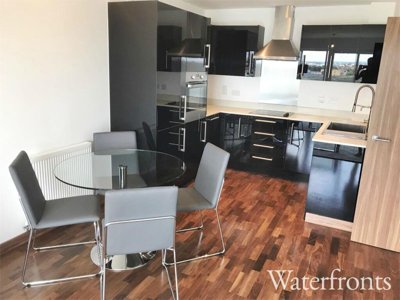
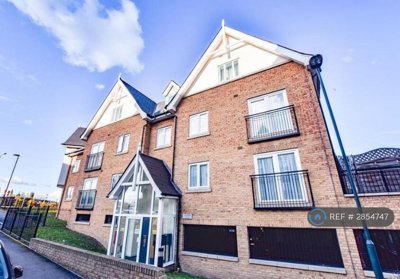
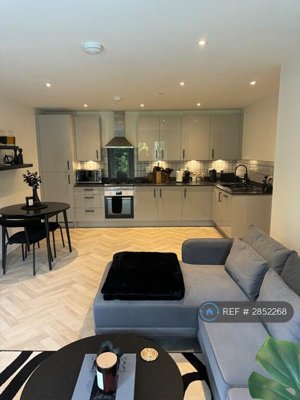
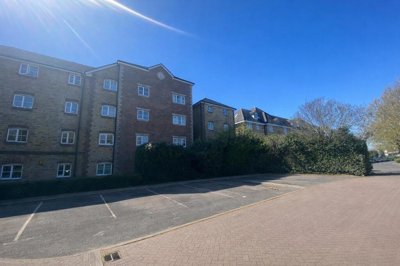
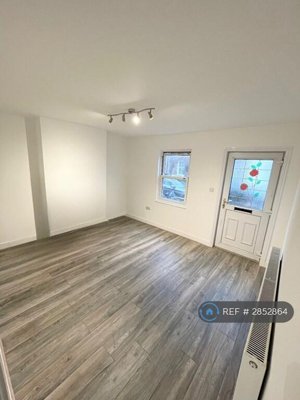
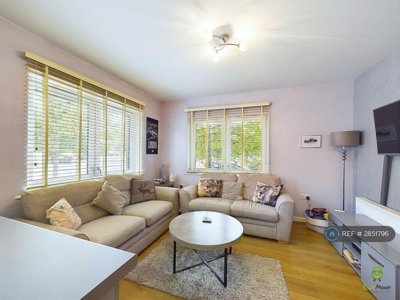
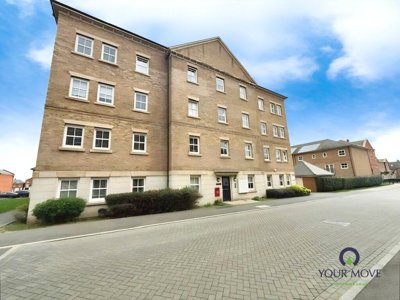
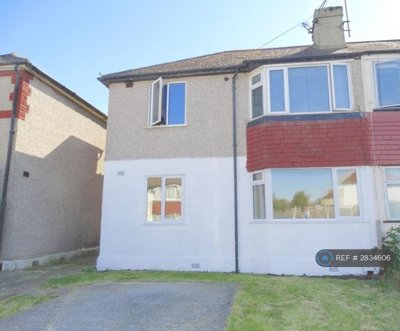
Browse 120 rental homes to rent in DA1 from local letting agents.
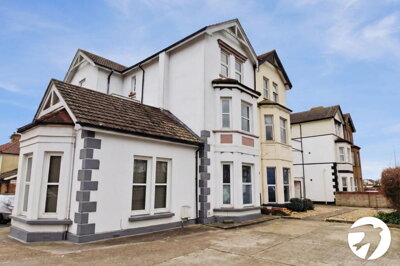
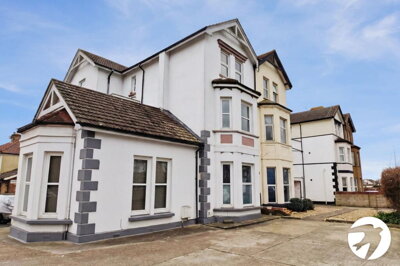
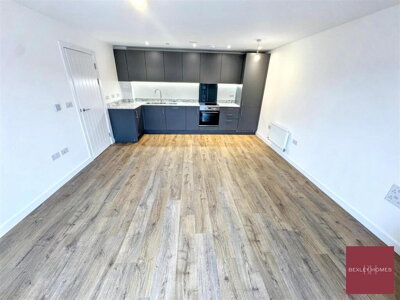
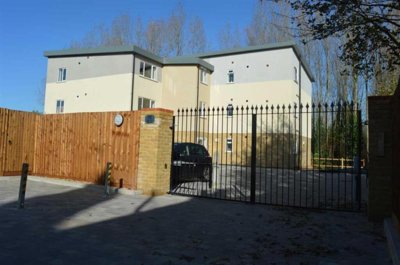
Studio apartments feature open-plan living spaces without separate bedrooms, incorporating sleeping, living, kitchen, and bathroom facilities. The DA1 studio market includes properties in modern apartment complexes, converted Victorian and Georgian buildings, and purpose-built developments.
£1,400/m
17
0
38
Source: home.co.uk
Showing 17 results for Studio Flats to rent in DA1. The median asking price is £1,400/month.
Source: home.co.uk
Flat
17 listings
Avg £1,404
Source: home.co.uk
Source: home.co.uk
The Dartford rental market in DA1 has shown remarkable resilience, with 308 property sales recorded in the area over the past twelve months, indicating strong underlying demand that also supports the lettings market. Average property values in DA1 currently sit at around £351,685, with considerable variation across different property types. Detached houses command the highest prices, averaging £572,167, while semi-detached properties typically sell for around £410,500. Terraced homes in DA1 average £330,950, making them more accessible for first-time buyers and investors alike. Flats represent the most affordable option, with average prices of £218,667, and these are particularly popular among young professionals and commuters.
Price trends over the past year show a slight softening across most property types, with the overall market declining by approximately 1.05 percent. This modest correction has created opportunities for renters, as some landlords may be more willing to negotiate on rental terms. The flat market has seen the most significant adjustment, with prices falling around 1.82 percent, while detached properties have been more resilient with a decline of only 0.65 percent. For those renting in DA1, this market context means you can expect competitive rental rates across different property types. New build developments such as Victoria Gardens on Victoria Road, Dartford Waterside, and Dartford Gateway offer modern rental options with contemporary fixtures and fittings, often including parking and communal facilities that appeal to tenants seeking newer accommodation.
Understanding the relationship between property sale prices and rental values can help you assess whether a particular property is fairly priced. Generally, rental yields in Dartford range from around 4 to 6 percent annually, depending on property type and location. Flats in the town centre tend to generate higher yields due to strong demand from commuters and young professionals, while family houses may command premium rents but produce slightly lower percentage returns. When evaluating rental options, consider not just the monthly cost but also the potential for rent increases over your tenancy period and the likelihood of the property retaining its value.
The regeneration of Dartford town centre, particularly through The Bridge development, has significantly expanded the range of modern rental properties available in DA1. These new developments offer specifications that rival central London apartments, including en-suite bathrooms, balconies, gym facilities, and concierge services. Renting in one of these newer developments can provide a contemporary living experience at a fraction of the cost of comparable London accommodation, making DA1 an attractive proposition for those seeking value without sacrificing quality.

Dartford is a bustling town with a population of approximately 109,500 people within the wider Dartford district, creating a vibrant community atmosphere that combines urban conveniences with suburban charm. The housing stock in DA1 reflects the area's long history, with a mix of property ages ranging from charming pre-1919 terraced houses in older neighbourhoods to contemporary apartments in the regenerating town centre. The predominant housing types are semi-detached properties at 33.1 percent of stock and terraced homes at 32.7 percent, with flats and apartments comprising 20.9 percent and detached houses making up 12.8 percent of the housing mix. This variety means renters can choose between different architectural styles and eras of construction, from characterful period properties with original features to sleek modern apartments.
The local economy in Dartford benefits from several major employers and industries, making it an attractive location for working professionals and families alike. The logistics and distribution sector thrives due to the area's strategic position near the M25, A2, and Dartford Crossing, providing employment for thousands of residents. Darent Valley Hospital is another significant employer in the healthcare sector, while the proximity to Bluewater Shopping Centre drives retail employment across the region. The ongoing regeneration projects, particularly around The Bridge development, are bringing additional investment and amenities to the town centre. For renters, this economic diversity means stability and the convenience of having shops, restaurants, healthcare facilities, and leisure amenities all within easy reach of home.
The town centre offers a good selection of high street retailers, independent shops, and restaurants clustered around the Shopping Centre and the Market Street area. Families appreciate the variety of parks and green spaces available, including Central Park with its gardens and play areas, and the proximity to the Kent countryside provides opportunities for weekend walks and outdoor activities. The area also hosts regular community events throughout the year, from farmers markets to cultural festivals, contributing to the strong sense of local identity that distinguishes Dartford from other commuter towns in the southeast.
Nightlife and entertainment options in Dartford have expanded in recent years, with a growing selection of bars, restaurants, and cafes catering to different tastes and budgets. The Orchard Theatre provides a programme of live performances, while the cinema complex offers the latest films. For fitness enthusiasts, several gyms and leisure centres operate throughout the area, and the local swimming pool provides facilities for both recreational swimmers and those seeking structured aquatics programmes.

Families renting in DA1 will find a comprehensive selection of educational establishments serving children of all ages across the area. Primary schools in Dartford and the surrounding DA1 postcode include several well-regarded options that cater to children from Reception through to Year 6, with many offering before and after-school clubs to support working parents. Secondary schools in the area provide education for students aged 11 through 16, with some offering sixth form provision for those pursuing further education locally. The presence of grammar schools in Kent means that academically gifted students may have opportunities to attend selective schools, though admission is based on the 11-plus examination and catchment area considerations.
For families considering renting in DA1, researching school performance and Ofsted ratings is essential to finding the right match for your children's education. Secondary school options include both local authority schools and faith schools, each with their own admission criteria and extracurricular offerings. Sixth form colleges and further education providers in the wider Dartford area serve students completing their secondary education and those seeking vocational qualifications or A-levels. The proximity to universities in London and Canterbury makes Dartford a practical base for students commuting to higher education, with direct train services making university towns accessible. When renting with school-age children, early registration with local schools is advisable, as popular schools can have waiting lists for catchment area admissions.
The quality of local schools can significantly impact property values and rental demand in specific neighbourhoods within DA1. Areas with highly-rated primary schools, such as those near popular schools like Holy Trinity Church of England Primary School and The Gateway Primary Academy, often see sustained demand from families. Secondary schools including Dartford Grammar School for Girls and Dartford Grammar School consistently achieve strong academic results, making the surrounding areas particularly attractive to parents prioritising education.
Beyond traditional schooling, DA1 offers various extracurricular activities and supplementary education options. Local music schools, sports clubs, and tutoring centres provide opportunities for children to develop skills outside the classroom. The Dartford area also has several libraries offering homework clubs and educational programmes, supporting families who want to supplement their children's learning with additional resources and activities.

Transport connections from DA1 are exceptional, making Dartford one of the most accessible towns in Kent for commuters and those who need to travel regularly for work. Dartford railway station provides regular services to London, with journey times to London Bridge and London Charing Cross taking approximately 40-50 minutes depending on the service. The station also connects commuters to other key destinations including Stratford, Bromley South, and services into London Victoria. For those who drive, the M25 orbital motorway circles Dartford, providing access to the wider motorway network, while the A2 road offers a direct route towards Canterbury and the Kent coast. The Dartford Crossing, consisting of the Queen Elizabeth II Bridge and the tunnels beneath the Thames, connects Kent with Essex on the M25 route.
Local bus services operated by various providers connect Dartford town centre with surrounding neighbourhoods and neighbouring towns, offering an affordable alternative for shorter journeys. The area has seen improvements in cycling infrastructure in recent years, with dedicated cycle lanes making cycling a viable option for commuters who live within cycling distance of their workplace. For air travel, both London City Airport and Gatwick Airport are accessible via the M25 and public transport connections, making international travel convenient for residents. The combination of these transport options makes DA1 particularly attractive to renters who work in London or across the southeast, as they can enjoy the benefits of living in Kent while maintaining effective commuting links. Parking availability varies across DA1, with town centre apartments often coming with allocated parking, while terraced and semi-detached properties may offer on-street parking or driveways.
Dartford station has undergone significant upgrades in recent years, with improved facilities including better waiting areas, enhanced ticket barriers, and increased bicycle storage. The station is served by Southeastern Railway services, with high-speed trains available on certain routes reducing journey times to central London stations. For commuters working in Canary Wharf or Stratford, the high-speed service provides a faster alternative to the standard stopping services.
Those considering renting in DA1 should factor transport costs into their budget. A monthly season ticket for travel to London can represent a significant outgoing, so it is worth comparing the costs of different routes and considering whether part-time office arrangements might allow for flexible ticketing options. Property locations within walking distance of the station, such as those in the town centre or along Victoria Road near Victoria Gardens, command a premium but can offer substantial time savings for daily commuters.

Understanding the construction methods used in Dartford properties can help you assess potential maintenance issues when renting. The majority of properties in DA1 are built with brick walls, with older Victorian and Edwardian properties typically featuring solid brick construction, while properties built after the 1920s generally have cavity wall construction. This distinction is important because solid-walled properties often have different insulation properties and may be more susceptible to damp penetration, requiring careful ventilation management during winter months.
The underlying geology of Dartford, which consists primarily of London Clay and Thanet Formation in northern areas, significantly influences the construction and maintenance of local properties. Properties built on London Clay require particular attention to drainage and tree proximity, as the shrink-swell behaviour of this clay in response to moisture changes can cause foundation movement. This is especially relevant for older properties with potentially shallow foundations, which may show signs of movement if nearby trees have been removed or if there are changes to local drainage patterns.
Roof construction in DA1 typically uses traditional pitched roofs with timber rafters or modern trussed rafters, covered with clay tiles, concrete tiles, or slate depending on the age and style of the property. Pre-1919 properties often feature natural slate roofs that may require occasional repair or replacement as they age. Flat roofs, more commonly found on extensions and some apartment blocks, require regular inspection and maintenance to prevent water ingress, and this is something tenants should query with landlords before signing a tenancy agreement.
For tenants renting older properties, awareness of common construction-related issues can prevent disputes at the end of a tenancy. Outdated electrical wiring, with systems designed for lower power requirements than modern households demand, is frequently encountered in pre-1980s properties. Similarly, plumbing systems in older homes may include galvanised steel pipes that are prone to corrosion and reduced water pressure. When renting a property over 50 years old, we recommend requesting a professional survey to identify any existing issues or potential problems before you commit to a tenancy.
Before you begin viewing properties, obtain a rental budget agreement in principle from a mortgage broker or financial adviser. This document demonstrates to landlords that you can afford the monthly rent, giving you a competitive advantage in the DA1 rental market where good properties can attract multiple applications. Having this prepared before you start searching shows agents and landlords that you are a serious, financially viable applicant.
Browse available rentals in DA1 using Homemove, applying filters for property type, number of bedrooms, and maximum monthly rent to identify homes that match your requirements. Our platform aggregates listings from multiple local estate agents, allowing you to compare options side by side without visiting dozens of separate websites. Set up property alerts to be notified immediately when new listings matching your criteria become available.
Arrange viewings of properties that interest you, taking measurements and photographs during each visit so you can compare options later and plan your furniture layout. Pay attention to the property condition, noting any visible damage or maintenance issues that may need addressing. In older properties in areas like the pre-1919 terraced streets near Dartford town centre, look specifically for signs of damp, structural cracks, or outdated fixtures.
For properties over 50 years old, we strongly recommend commissioning a RICS Level 2 Survey before committing to a tenancy. In DA1, these typically cost between £450-£650 for a standard 3-bedroom semi-detached house. A survey can reveal hidden defects such as subsidence risk from clay soils, damp issues, roof defects, or outdated electrics and plumbing. Given that a significant proportion of DA1 housing stock exceeds 50 years of age, a professional survey provides valuable protection for tenants.
Once you have found your ideal property, submit a tenancy application through the letting agent or landlord with references, proof of income, and your rental budget agreement in principle. Applications typically require employer references, previous landlord references, and a credit check. Having all documentation prepared in advance can expedite the process and strengthen your application against competing candidates.
Review the tenancy terms carefully before signing, paying particular attention to the length of the agreement, monthly rent amount, deposit amount, and any special conditions. Ensure you understand your responsibilities for maintenance and repairs, and clarify anything that is unclear with the landlord or agent. Most tenancies in DA1 are offered on a 12-month initial term with monthly rent payable in advance.
Arrange buildings insurance for your contents, set up utility accounts with your chosen suppliers, and conduct a thorough inventory check with the landlord or agent before collecting your keys. Document the property condition with dated photographs, as this evidence will be crucial when you eventually vacate and the landlord conducts their final inspection. Register with local services including doctors and dentists promptly after moving in.
Renting in DA1 comes with specific local considerations that prospective tenants should understand before committing to a property. The geology of Dartford, which includes London Clay and Thanet Formation in the northern areas, creates a moderate to high shrink-swell risk for properties in the area. This means that properties with mature trees nearby or those with shallow foundations may be susceptible to ground movement over time. When viewing properties, look for signs of subsidence such as cracks in walls, doors that stick, or uneven floors. A RICS Level 2 Survey can identify these issues before you move in, potentially saving you from costly repairs or disputes with your landlord later.
Flood risk is another important consideration for renters in parts of DA1, particularly properties near the River Darent or low-lying areas close to the River Thames estuary. While not all of DA1 is at significant flood risk, you should check the Environment Agency flood maps for any specific property you are considering and ask the landlord or agent about any history of flooding. Properties in conservation areas or those that are listed buildings may have restrictions on modifications and alterations, which is worth knowing if you plan to personalise your rental home. The Dartford town centre conservation area includes historic buildings that require sympathetic maintenance, and any works to listed buildings require special consent from the local authority.
When viewing rental properties in DA1, take time to assess the surrounding neighbourhood at different times of day. Visit in the evening or at weekends to gauge noise levels from nearby businesses, bars, or road traffic. Check the proximity to bus stops and train stations if you rely on public transport, and verify that local shops, schools, and healthcare facilities meet your needs. For properties with parking, confirm whether the space is allocated or on-street, and check restrictions that may apply to your vehicle type.
Energy efficiency varies considerably across DA1 properties, with older terraced and semi-detached houses often having poor insulation compared to newer developments. Ask to see the Energy Performance Certificate for any property you are seriously considering, as this will indicate heating costs and highlight properties that may be expensive to run. Newer apartments in developments like Dartford Waterside and Dartford Gateway typically feature high EPC ratings due to modern construction standards and efficient heating systems.

While rental prices fluctuate based on property type and condition, the sales data provides useful indicators of relative values across the market. Average property values in DA1 stand at approximately £351,685 overall, with flats averaging £218,667, terraced homes around £330,950, semi-detached properties at £410,500, and detached houses reaching £572,167. Monthly rents typically range from roughly £1,000 for a one-bedroom flat to over £2,000 for a large family house, with newer properties in developments like Victoria Gardens, Dartford Waterside, and Dartford Gateway commanding premium rents due to their modern fixtures and amenities.
Council tax bands in Dartford are set by Dartford Borough Council and vary based on property value and characteristics, with bands ranging from A through H. Most residential properties in DA1 fall within bands A to D, with smaller flats and terraced houses typically occupying the lower bands. You can check the specific band for any property through the Valuation Office Agency website before committing to a tenancy, and your tenancy agreement should specify the applicable council tax amount payable each month.
Dartford offers a range of primary and secondary schools, with several achieving good or outstanding Ofsted ratings. Primary schools in the DA1 area include well-regarded options serving children from Reception through Year 6, many offering before and after-school clubs. Secondary schools in the area include both grammar schools for academically able students and local authority schools, each with their own admission criteria and catchment areas. Parents should research individual school performance data through the government School Performance Tables website and consider visiting schools to assess their suitability before committing to a rental property in a specific catchment area.
Dartford railway station provides regular services to London Bridge and London Charing Cross, with journey times of approximately 40-50 minutes depending on the service. The station also connects commuters to Stratford, Bromley South, and Victoria, making it practical for those working across different London destinations. Local bus services operated by multiple providers connect the town centre with surrounding neighbourhoods and neighbouring towns, while the M25 and A2 provide road connections. Gatwick and London City airports are accessible via the motorway network for international travel.
Dartford offers excellent value compared to central London, combined with strong transport links and good local amenities that make it popular with renters. The ongoing regeneration of the town centre, particularly around The Bridge development, is improving facilities and attracting new businesses to the area. The variety of housing stock, from Victorian terraced houses to modern apartments, means there are options for different household types and budgets. The proximity to the Kent countryside provides opportunities for outdoor activities, while the M25 and A2 keep London accessible for work or leisure.
Standard deposits for rental properties are equivalent to five weeks' rent, protected in a government-approved tenancy deposit scheme within 30 days of receipt. Tenants typically pay a holding deposit to secure a property while references are checked, along with reference fees and potentially inventory check costs. First-time renters may be eligible for relief on certain fees under government tenant fee regulations. Always request a full breakdown of all fees before committing to a tenancy, and ensure you receive written confirmation of what is included.
Given the significant proportion of properties over 50 years old in DA1, several defect types are commonly encountered. Damp issues, including rising damp, penetrating damp, and condensation, frequently affect older properties with solid walls or inadequate ventilation. The clay soil geology creates subsidence and heave risks for properties with shallow foundations or nearby mature trees. Roof defects such as slipped tiles, damaged flashing, and deteriorated felt are common in older properties, as are timber defects including wet rot, dry rot, and woodworm. Outdated electrical systems and plumbing in pre-1980s properties may not meet current standards and could require upgrading by the landlord.
Understanding the costs involved in renting a property in DA1 is essential for budgeting purposes and ensuring a smooth tenancy application process. The standard deposit amount is equivalent to five weeks' rent, which is protected in a government-approved tenancy deposit scheme within 30 days of receiving it. This protection means you will receive your deposit back at the end of the tenancy, minus any deductions for damage beyond normal wear and tear or unpaid rent. When you move into a rental property, conducting a thorough inventory check with photographic evidence is crucial, as this document will be used to compare the property's condition at the end of your tenancy.
Additional fees may include a holding deposit to reserve a property while references are checked, which is typically equivalent to one week's rent and is deducted from your final deposit or first month's rent. Reference checks, including credit checks and employment verification, may incur fees charged by the letting agent or landlord. Some properties require an independent inventory check, where an inventory clerk documents the condition of the property and its contents at the start of your tenancy. For renters in DA1, particularly those new to renting or relocating from outside the area, working with a local letting agent can help navigate the process smoothly and ensure all necessary checks and documentation are completed correctly.
Under the Tenant Fees Act 2019, landlords and letting agents are limited in the fees they can charge tenants. Permitted payments include rent, a refundable deposit capped at five weeks' rent, a refundable holding deposit capped at one week's rent, and payments for defaulting on the tenancy agreement. Tenant fees for referencing, administration, and check-out are generally no longer permitted, so tenants should not be asked to pay these charges. If you are asked to pay any prohibited fees, you can report this to Trading Standards.
At the end of your tenancy, the landlord has 10 days to return your deposit once you have agreed on any deductions. If there is a dispute over deductions, the deposit is protected in the scheme while the dispute is resolved. Keeping your own records of the property condition throughout your tenancy, including dated photographs, can help protect you from unfair deductions and ensure you receive your full deposit back when you leave.

From 4.5%
Get a rental budget agreement in principle to strengthen your tenancy application
From £499
Employment and credit checks required by most landlords
From £350
Identify defects in properties over 50 years old before you commit
From £80
Check the energy efficiency of potential rental properties
Properties to Rent In London

Properties to Rent In Plymouth

Properties to Rent In Liverpool

Properties to Rent In Glasgow

Properties to Rent In Sheffield

Properties to Rent In Edinburgh

Properties to Rent In Coventry

Properties to Rent In Bradford

Properties to Rent In Manchester

Properties to Rent In Birmingham

Properties to Rent In Bristol

Properties to Rent In Oxford

Properties to Rent In Leicester

Properties to Rent In Newcastle

Properties to Rent In Leeds

Properties to Rent In Southampton

Properties to Rent In Cardiff

Properties to Rent In Nottingham

Properties to Rent In Norwich

Properties to Rent In Brighton

Properties to Rent In Derby

Properties to Rent In Portsmouth

Properties to Rent In Northampton

Properties to Rent In Milton Keynes

Properties to Rent In Bournemouth

Properties to Rent In Bolton

Properties to Rent In Swansea

Properties to Rent In Swindon

Properties to Rent In Peterborough

Properties to Rent In Wolverhampton

Enter your details to see if this property is within your budget.
Loans, cards, car finance
Estimated property budget
Borrowing + deposit
You could borrow between
Typical borrowing
Monthly repayment
Est. at 4.5%
Loan-to-value
This is an estimate only. Your actual budget may vary depending on interest rates, credit history, and personal circumstances. For an accurate affordability assessment, speak to one of our free mortgage advisors.
This calculator provides estimates for illustrative purposes only and does not constitute financial advice. Your home may be repossessed if you do not keep up repayments on your mortgage. Estimates based on 4.5% interest rate, repayment mortgage. Actual rates depend on your circumstances.
Homemove is a trading name of HM Haus Group Ltd (Company No. 13873779, registered in England & Wales). Homemove Mortgages Ltd (Company No. 15947693) is an Appointed Representative of TMG Direct Limited, trading as TMG Mortgage Network, which is authorised and regulated by the Financial Conduct Authority (FRN 786245). Homemove Mortgages Ltd is entered on the FCA Register as an Appointed Representative (FRN 1022429). You can check registrations at NewRegister or by calling 0800 111 6768.

We use cookies to show you personalised content and improve your experience of our website. Find out more in our Privacy policy and Cookie policy.