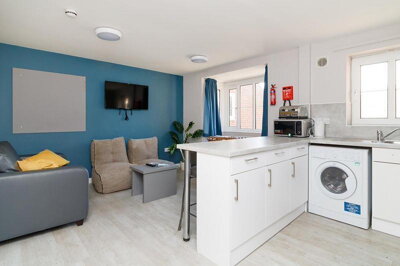
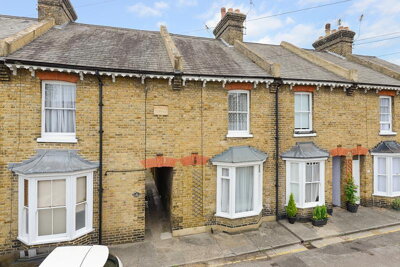
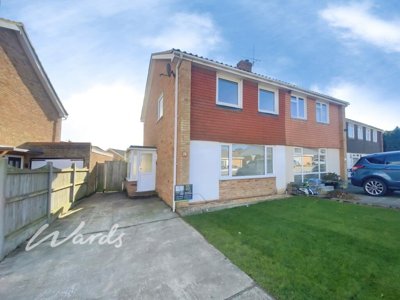
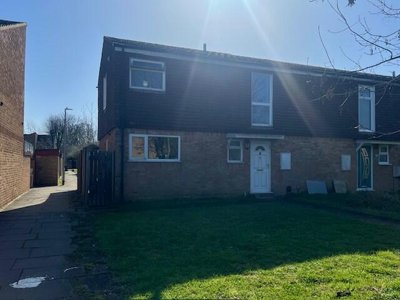
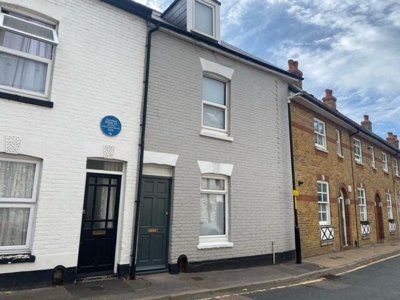
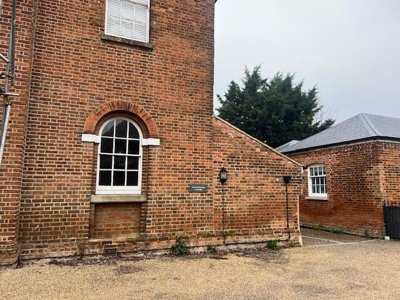
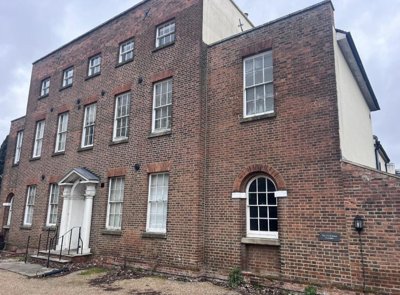
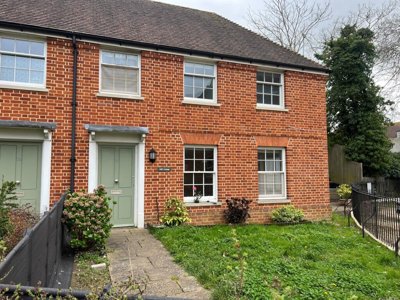
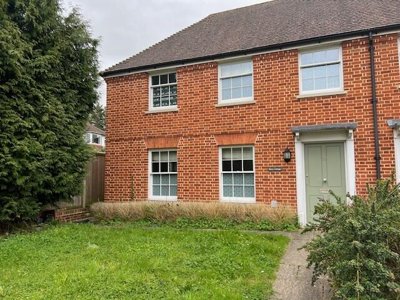
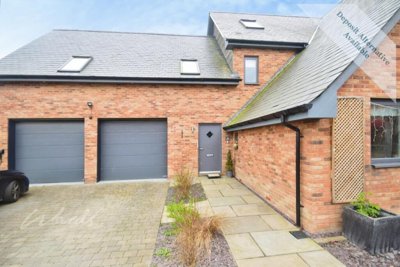
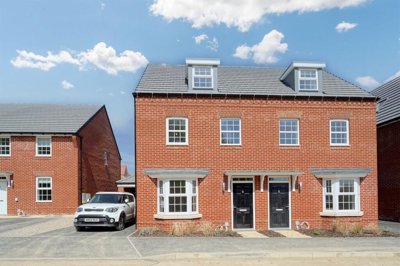
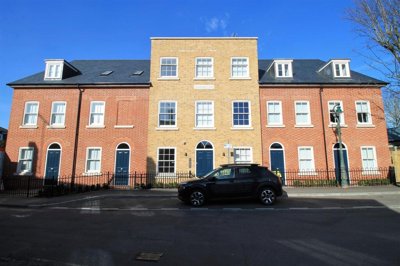
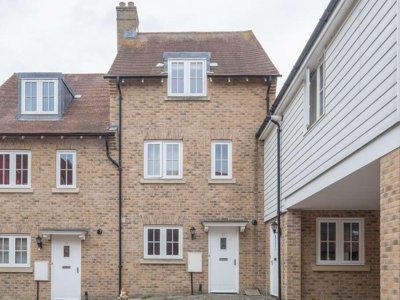
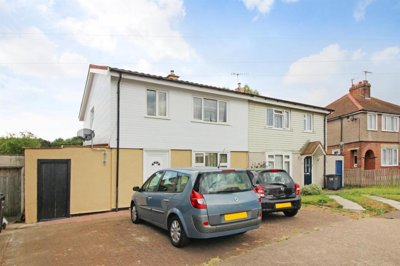
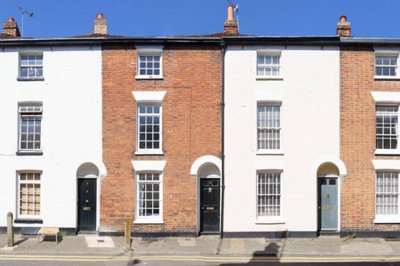
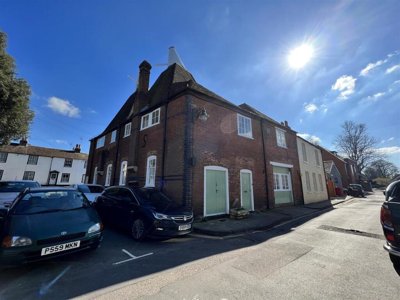
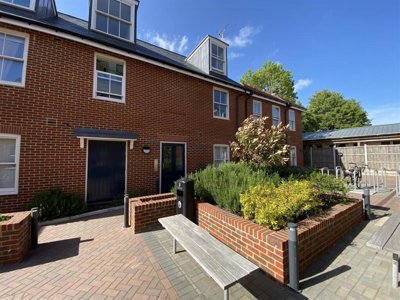
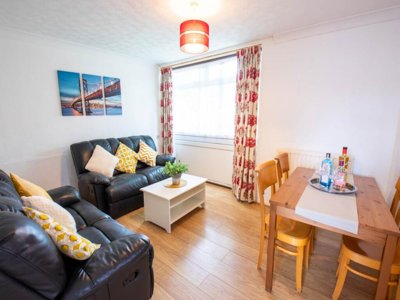
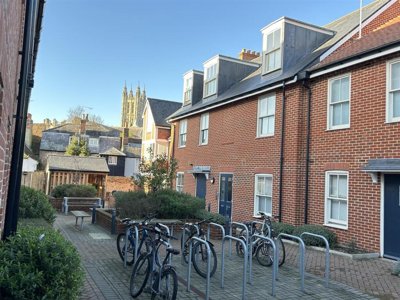
Browse 249 rental homes to rent in CT3 from local letting agents.
£1,450/m
7
0
53
Source: home.co.uk
Source: home.co.uk
Detached
3 listings
Avg £1,650
Terraced
2 listings
Avg £1,875
Cottage
1 listings
Avg £1,200
Semi-Detached
1 listings
Avg £3,000
Source: home.co.uk
Source: home.co.uk
The CT3 rental market benefits from strong fundamentals driven by the area's proximity to Canterbury and excellent transport links. Property prices across the postcode average £382,902 for all types, with detached homes commanding around £539,940 and semi-detached properties typically around £367,075. Terraced homes in the area average approximately £304,395, while flats represent the most accessible entry point at around £194,153. This variety means renters can find everything from period properties with original features to modern new-build homes in developments like The Oaks on Adisham Road.
Over the past twelve months, the CT3 property market has shown resilient growth across all property types. Terraced properties led price increases at 2.7%, followed by semi-detached homes at 2.2%. Detached properties rose by 0.3% and flats increased by 0.6%, indicating a healthy market where all segments are performing positively. The area has seen 199 property sales in the past year, demonstrating active market participation and ongoing interest in the CT3 postcode. This steady growth suggests continued demand for rental properties as buyers who cannot afford the rising purchase prices turn to the lettings market instead.
The area has experienced significant regeneration in recent years, particularly in Aylesham where new housing developments have transformed the former Kent Coalfield village. Barratt Homes has delivered multiple phases including Aylesham Village with homes priced from £329,995 to £479,995, while David Wilson Homes offers premium properties at St Augustine's Gate ranging from £399,995 to £499,995. These new-build homes attract tenants seeking modern energy efficiency and contemporary layouts, while the older housing stock appeals to those who appreciate period features such as original fireplaces, sash windows, and solid brick construction that defines traditional Kent architecture.

The CT3 postcode area encompasses a collection of picturesque villages set within the rolling Kent countryside, each offering its own distinct character and community spirit. The housing stock reflects this variety, with 35.1% detached properties, 33.1% semi-detached homes, 22% terraced houses, and 9.8% flats and maisonettes. This balanced mix provides rental options suitable for singles, couples, and families alike, while the predominantly traditional brick construction common throughout Kent gives the area its distinctive visual appeal. The villages range from the larger settlement of Aylesham with its recent regeneration to smaller communities like Nonington and Ickham that retain their historic cores.
The population of approximately 19,400 residents across 7,800 households creates intimate village communities where neighbours know one another. The property age distribution shows rich architectural heritage, with 25.4% of homes built before 1919, 19.3% from the interwar period, 30.1% from the post-war era through to 1980, and 25.2% of more modern construction. This blend of historic and contemporary properties means renters can choose between characterful period homes with original fireplaces and sash windows, and newer properties featuring modern insulation and efficient heating systems. Approximately 74.8% of properties were built before 1980, meaning most housing stock will benefit from a thorough survey before committing to a tenancy.
Local employment in CT3 is shaped by its rural character, with agriculture, local services, retail, education, and healthcare forming the backbone of the local economy. The proximity to Canterbury provides access to major employers including the University of Kent and Canterbury Christ Church University, as well as the tourism sector and professional services firms based in the historic city. The regeneration of Aylesham has also brought new jobs and services to the area, creating a more self-sufficient community than many expect from a rural postcode.

Families considering renting in CT3 will find a range of educational options across all levels, with primary schools serving the individual villages and secondary schools typically located in the larger settlements. The area falls within the Canterbury local education authority, which maintains several primary schools within the CT3 postcode and surrounding areas. These village primary schools often benefit from strong community connections and smaller class sizes, providing a nurturing environment for younger children beginning their educational journey. Parents should research specific school performance data and consider the travel implications if their preferred school is not within walking distance.
Secondary education in the area includes options both within CT3 and in nearby Canterbury, with several schools serving the villages directly. Kent operates a school admissions system based on catchment areas, meaning where you rent within CT3 can significantly affect which secondary school your children can access. Canterbury itself offers additional secondary options including grammars for academically able students, faith schools, and independent options for families seeking alternative educational approaches. The journey to Canterbury secondary schools typically takes 20-30 minutes by car or can be managed via public transport for older students.
For families requiring childcare, the villages within CT3 typically have nurseries and pre-school facilities, often based at village halls or primary schools. The mixed-age housing stock means many families find that the character of different villages suits different stages of family life, with some choosing to rent initially in one village before moving within CT3 as their children grow and their educational needs change. The proximity to Canterbury also means access to private tutoring services, specialist tuition centres, and extracurricular activities that larger towns provide.

Transport connectivity from CT3 is excellent, with the area well-served by both road and rail connections. The villages of CT3 are linked by regular bus services running to Canterbury, while the wider Kent bus network provides connections to coastal towns including Whitstable, Herne Bay, and Dover. For commuters, the A2 trunk road passes through the area, providing direct access to the M2 motorway and onward connections to London and the rest of the motorway network. The journey time by car to Canterbury city centre is typically around 20-30 minutes depending on the specific village, while London can be reached in approximately 90 minutes via the M2 and M25.
Rail services from Canterbury offer frequent connections to London, with journey times to London Victoria or London St Pancras International typically taking around 90 minutes on standard services. The high-speed Javelin train service from Canterbury West provides swift access to London St Pancras in approximately 55 minutes, making the area particularly attractive to commuters who work in the capital. This fast rail link has driven demand for properties in CT3 as professionals discover they can live in attractive Kent villages while maintaining London careers without the premium costs of living closer to the city.
For those needing to travel locally, the Kentish countryside provides pleasant walking and cycling routes between villages, though car ownership remains advantageous for full access to amenities. The area's position between Canterbury, Dover, and the Kent coast means that beach trips and continental travel via the Port of Dover or Eurotunnel at Folkestone are easily achievable weekend activities. Many residents appreciate how the CT3 postcode offers the best of both worlds: peaceful countryside living with exceptional connectivity when needed.

Before searching for rental properties in CT3, establish a clear budget taking into account monthly rent, utilities, council tax, and moving costs. Getting a rental budget agreement in principle from a lender can strengthen your position when applying for properties and demonstrate your commitment to landlords. In the CT3 area, rental prices vary considerably depending on property type, with modern new-builds commanding premium rents while older period properties may offer more competitive pricing.
Take time to visit the villages within CT3 to find the right neighbourhood for your lifestyle. Consider factors including distance to work, school catchment areas, local amenities, and the character of different villages from traditional Aylesham with its mining heritage to historic Bridge and charming Littlebourne. Each village has its own distinct feel, with some offering shops and pubs while others are quieter residential communities requiring travel for everyday amenities.
Browse available rental listings in CT3 through Homemove and local estate agents. Register your interest and arrange viewings for properties that meet your requirements, taking notes on condition, location, and any features that matter most to you. Given that 74.8% of properties in CT3 were built before 1980, pay particular attention to the condition of older properties and note any areas of concern for further investigation.
Before committing to a rental property, consider booking a survey to assess the condition of the property. A RICS Level 2 Survey, priced from approximately £400-£700 in the CT3 area, can identify any maintenance issues or defects that may affect your decision or require attention from the landlord. With the area's geology featuring clay-rich superficial deposits over chalk bedrock, a professional survey can check for any signs of subsidence or heave that might affect properties with shallow foundations.
Once you have found your ideal rental property, submit your application through the estate agent or landlord with references, proof of income, and your rental budget agreement. Be prepared to provide identification and references from previous landlords or employers. In competitive areas like CT3 where proximity to good schools can drive demand, having your finances arranged in advance can make the difference between securing a property and losing out to another tenant.
Upon acceptance, review and sign your tenancy agreement carefully, ensuring you understand the terms including deposit amount, notice periods, and maintenance responsibilities. Your deposit will be protected in a government-approved scheme within 30 days of the tenancy commencing. For properties in the numerous conservation areas or listed buildings within CT3, ensure you understand any restrictions on alterations that may affect your plans for the tenancy.
Renting in the CT3 area requires awareness of several local factors that could affect your tenancy. The geology of the area features chalk bedrock of the North Downs formation with overlying Head deposits including silty, sandy clay with flints. While chalk itself has low shrink-swell potential, the overlying clay-rich superficial deposits can pose a moderate shrink-swell risk, especially for properties with shallow foundations. If you are considering renting an older property, particularly one in a conservation area, ask the landlord about any history of structural movement or foundation issues. A RICS Level 2 Survey can identify potential problems before you commit.
Surface water flooding represents a consideration in certain parts of CT3, particularly in lower-lying areas near minor watercourses. While major river flooding is not a significant concern given the inland nature of the postcode, heavy rainfall can occasionally overwhelm drainage systems in some villages. When viewing properties, check the drainage around the building and consider whether the property sits in a known surface water flood risk area. Your surveyor can advise on any history of flooding or drainage issues. Coastal flood risk is not a factor for CT3 as the postcode is entirely inland.
The CT3 area includes numerous conservation areas and listed buildings, particularly in villages such as Adisham, Barham, Bridge, Ickham, Nonington, and Wingham. If you are renting a listed building, be aware that the property may be subject to restrictions on alterations and improvements that require the landlord to obtain consent. These properties often feature historic construction methods and materials including solid brick walls, lime mortar, and timber elements that may require more maintenance than modern equivalents. Discuss with the landlord how maintenance responsibilities will be handled before signing your tenancy agreement.
For properties in Aylesham and surrounding areas, the legacy of the former Kent Coalfield should be considered. While the mines are now closed, properties built on or near former mining areas may be subject to ground instability from old mine workings. A mining report is highly recommended for properties in these specific locations before committing to a tenancy. The good news is that the regeneration of Aylesham through new housing developments has improved the infrastructure and amenities of the area significantly, making it an increasingly attractive location for renters.

Understanding the construction of properties in CT3 helps you anticipate common issues and maintenance needs during your tenancy. Properties built before 1919 typically feature solid brick construction, sometimes incorporating flint or stone in rural settings, with timber floors and roofs, slate or clay tile roofs, and lime mortar pointing. These period properties offer tremendous character but require different maintenance approaches than modern homes, particularly regarding breathability and moisture management. If you are renting a pre-1919 property, discuss with the landlord any previous work carried out on the damp-proof course, as failures are common in older properties.
Mid-century properties built between 1919 and 1980 in CT3 typically feature cavity wall construction with a brick outer leaf and timber or steel frame internal structure. These homes commonly have timber roof structures with concrete or clay tile coverings that may be approaching the end of their serviceable life if not maintained. Electrical wiring and plumbing installed during these decades may not meet current standards and could require updating. Many properties from this era had gas fires and storage heaters that tenants often find inefficient compared to modern alternatives.
Modern properties constructed after 1980, including recent new-builds from Barratt Homes and David Wilson Homes in Aylesham, feature contemporary cavity wall construction with brick and blockwork, timber frame options with various cladding systems, concrete tile roofs, and uPVC windows throughout. These properties generally require less maintenance and offer improved energy efficiency compared to older stock. However, they may lack the character and solidity that many tenants find appealing in period properties. The new developments at The Oaks, Aylesham Village, and St Augustine's Gate represent the most modern end of the CT3 housing spectrum.

Given that approximately 74.8% of properties in CT3 were built before 1980, potential renters should be aware of common defects found in the local housing stock. Dampness represents one of the most frequent issues, manifesting as rising damp in properties without adequate damp-proof courses, penetrating damp from failed pointing or damaged gutters, and condensation resulting from poor ventilation or inadequate insulation. Older properties with solid walls are particularly susceptible to moisture issues, especially during Kent's damp winters. A RICS Level 2 Survey will identify the type and extent of any damp problems and advise on remediation.
Roof defects are common in properties over 50 years old throughout CT3. Issues include loose or missing tiles following winter frosts or summer storms, defective flashings around chimneys and dormers, sagging rooflines indicating structural problems, and blocked or damaged gutters that allow water to penetrate the building fabric. During viewings, look for signs of water staining on ceilings and walls, particularly in rooms directly below the roof. The chalk bedrock of the North Downs means that while some traditional roofs used durable slate, many properties have clay tiles that can become brittle with age.
Timber defects including woodworm and rot affect floor joists, roof timbers, and window frames throughout the older properties in CT3. These issues often develop when timber becomes damp and cannot dry out properly. Properties with solid floors or limited underfloor ventilation are particularly vulnerable. Additionally, properties built before 2000 may contain asbestos-containing materials in Artex coatings, insulation, or floor tiles. A professional survey will identify any asbestos present and advise on management or removal options that the landlord should address before your tenancy commences.
While specific rental price data for CT3 is not publicly available, the average property value across all types is £382,902, with flats averaging £194,153, terraced homes around £304,395, semi-detached properties at approximately £367,075, and detached homes reaching around £539,940. Rental prices typically run at a fraction of these values depending on property size, condition, and location within the postcode, with modern new-builds commanding premium rents compared to older period properties in villages like Aylesham, Nonington, and Bridge.
Properties in the CT3 postcode fall under Canterbury City Council, which sets council tax rates based on property valuation bands A through H. The specific band depends on the individual property and can be confirmed through the Valuation Office Agency. Canterbury City Council publishes annual council tax schedules showing charges for each band, which typically increase slightly each year in line with budget requirements. When budgeting for your tenancy, remember to factor in monthly council tax payments in addition to rent.
The CT3 area offers good educational options across all levels, with village primary schools serving local communities and secondary schools available in larger settlements and nearby Canterbury. Schools within the area include several that have achieved positive Ofsted ratings, though parents should research current Ofsted reports and consider school-specific admissions criteria when choosing a rental property, as catchment areas vary by school. Kent's admissions system prioritises proximity, so where you rent within CT3 can significantly affect secondary school options for your children.
CT3 enjoys reasonable public transport connectivity through bus services linking the villages to Canterbury and beyond, with connections to coastal towns including Whitstable, Herne Bay, and Dover. The nearest railway stations are in Canterbury, offering services to London with journey times from approximately 55 minutes on high-speed Javelin services to around 90 minutes on standard trains. Bus services connect villages throughout CT3, though frequency may be limited on some routes, making car ownership advantageous for full access to amenities and school transport.
CT3 offers an excellent quality of life for renters seeking a balance between rural tranquility and urban accessibility. The area combines charming village communities with easy access to Canterbury's extensive amenities, including shops, restaurants, theatres, and universities. The property market shows steady growth with prices increasing by 1.6% over the past year, indicating strong demand and a stable rental market. The variety of housing stock, from period cottages to modern new-builds in Aylesham, ensures options for different preferences and budgets. The recent regeneration of Aylesham through new housing developments has also improved local amenities significantly.
When renting in CT3, you will typically pay a security deposit equivalent to five weeks rent, which must be protected in a government-approved deposit scheme within 30 days of your tenancy starting. You may also incur fees including references, credit checks, and tenancy agreement preparation costs, though most tenant fees were banned under the Tenant Fees Act 2019. First-time renters should budget for moving costs, initial rent in advance, and potentially a rental budget agreement in principle if required by the landlord to demonstrate financial stability in competitive rental situations.
The CT3 area includes the former Kent Coalfield, with Aylesham being a historic mining village established to serve the collieries. While the mines are now closed, properties built on or near former mining areas may be subject to legacy issues including ground instability from old mine workings. If you are considering renting a property in Aylesham or surrounding areas with historic mining activity, we recommend requesting information about the property history and any previous investigations or warranties regarding mining risk. A mining report can provide reassurance about ground conditions before committing to your tenancy.
With approximately 74.8% of properties in CT3 built before 1980, a RICS Level 2 Survey can identify issues that might affect your decision to rent or require the landlord to address. Common findings include dampness, roof defects, timber issues, and outdated electrical systems. For properties on clay-rich superficial deposits, surveys can check for signs of subsidence or heave affecting properties with shallow foundations. In conservation areas with listed buildings, surveys highlight maintenance requirements and any restrictions on alterations that might affect your tenancy plans.
From 4.5%
Get a rental budget agreement in principle to strengthen your tenancy application
From £99
Comprehensive referencing services for landlords and tenants
From £400
Professional property survey to identify defects before you commit
From £85
Energy performance certificate for your rental property
Understanding the costs involved in renting a property in CT3 is essential for budgeting effectively. The standard security deposit for an Assured Shorthold Tenancy is five weeks rent, which must be protected in a government-approved deposit scheme within 30 days of the tenancy commencement. This protection ensures you can recover your deposit at the end of the tenancy, provided there is no damage beyond normal wear and tear or unpaid rent. The deposit scheme will hold your money during the tenancy and facilitate its return when you move out. At the end of your tenancy, the landlord must provide details of any deductions within 14 days of agreeing the final amount.
While most tenant fees were banned under the Tenant Fees Act 2019, landlords and agents may still request payment for certain items. These include rent, a refundable tenancy deposit capped at five weeks rent where the annual rent is less than £50,000, and holding deposits capped at one weeks rent to secure the property while references are checked. You may also be asked to contribute to reasonable costs for changes to the tenancy such as replacing keys or lost keys. Understanding which fees are permissible helps you avoid unexpected charges when moving into your CT3 rental property. If you are ever asked to pay a prohibited fee, you can report this to Trading Standards.
First-time renters should budget beyond the deposit and first months rent to cover moving costs, potential furniture purchases, and utility setup fees. Connection charges for gas, electricity, water, and internet services can add up, particularly if you are moving into a property where services need to be transferred to your name. Some tenants also choose to obtain a rental budget agreement in principle before beginning their property search, which demonstrates financial capability to landlords and can strengthen your application in competitive rental situations. In desirable villages like Bridge or Littlebourne, having your finances arranged can make the difference when multiple applicants are competing for the same property.
Properties to Rent In London

Properties to Rent In Plymouth

Properties to Rent In Liverpool

Properties to Rent In Glasgow

Properties to Rent In Sheffield

Properties to Rent In Edinburgh

Properties to Rent In Coventry

Properties to Rent In Bradford

Properties to Rent In Manchester

Properties to Rent In Birmingham

Properties to Rent In Bristol

Properties to Rent In Oxford

Properties to Rent In Leicester

Properties to Rent In Newcastle

Properties to Rent In Leeds

Properties to Rent In Southampton

Properties to Rent In Cardiff

Properties to Rent In Nottingham

Properties to Rent In Norwich

Properties to Rent In Brighton

Properties to Rent In Derby

Properties to Rent In Portsmouth

Properties to Rent In Northampton

Properties to Rent In Milton Keynes

Properties to Rent In Bournemouth

Properties to Rent In Bolton

Properties to Rent In Swansea

Properties to Rent In Swindon

Properties to Rent In Peterborough

Properties to Rent In Wolverhampton

Enter your details to see if this property is within your budget.
Loans, cards, car finance
Estimated property budget
Borrowing + deposit
You could borrow between
Typical borrowing
Monthly repayment
Est. at 4.5%
Loan-to-value
This is an estimate only. Your actual budget may vary depending on interest rates, credit history, and personal circumstances. For an accurate affordability assessment, speak to one of our free mortgage advisors.
This calculator provides estimates for illustrative purposes only and does not constitute financial advice. Your home may be repossessed if you do not keep up repayments on your mortgage. Estimates based on 4.5% interest rate, repayment mortgage. Actual rates depend on your circumstances.
Homemove is a trading name of HM Haus Group Ltd (Company No. 13873779, registered in England & Wales). Homemove Mortgages Ltd (Company No. 15947693) is an Appointed Representative of TMG Direct Limited, trading as TMG Mortgage Network, which is authorised and regulated by the Financial Conduct Authority (FRN 786245). Homemove Mortgages Ltd is entered on the FCA Register as an Appointed Representative (FRN 1022429). You can check registrations at NewRegister or by calling 0800 111 6768.

We use cookies to show you personalised content and improve your experience of our website. Find out more in our Privacy policy and Cookie policy.