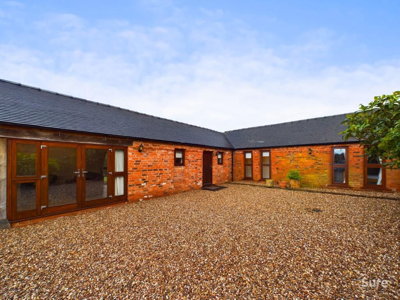
Browse 1 rental home to rent in Coton in the Elms from local letting agents.
The rental market in Coton in the Elms reflects the village's character as a small, sought-after community in South Derbyshire. With approximately 354 households in the parish and limited turnover in what is essentially a commuter settlement, rental availability tends to be infrequent but consistently in demand. Properties that do become available for rent typically include semi-detached family homes and detached houses, matching the predominant housing stock of the area. The overall average house price in Coton in the Elms stands at £264,500, with semi-detached properties averaging around £252,000 and detached homes reaching approximately £281,167.
Recent market activity shows that house prices in the village have experienced a notable correction, down 34% over the past year and approximately 22% below the 2022 peak of £339,851. This price adjustment has made the village more accessible for buyers, which can influence rental pricing as property values shift. Specific recent sales on Elms Road demonstrate the range of values in the area, with transactions including properties sold at £245,000 in February 2024, £330,000 in September 2024, and £240,750 in December 2024, showing active but modest market turnover.
Rental rates in Coton in the Elms tend to be competitive with similar South Derbyshire villages, offering good value compared to larger towns in the region. The most common property type listed in the DE12 area is a 4-bedroom detached house, though smaller configurations are available for renters seeking more modest accommodation. For those considering shared ownership options, nearby developments like Dracan Village at Drakelow Park in Burton upon Trent offer alternative routes to home ownership, though these are situated outside the village itself. Our platform aggregates listings from multiple sources to maximise your access to available rental properties in this desirable village location.

Coton in the Elms occupies a special position as one of the most geographically isolated villages in the UK, nestled within the South Derbyshire countryside. The village name itself derives from the cotton-like appearance of the local elm trees that once dominated the landscape, though like many English villages, it has evolved while retaining its rural character. The community maintains a population of around 861 residents according to the 2021 census, down slightly from 896 in 2011, creating an intimate atmosphere where neighbours know one another and community spirit runs high. The village was historically sustained by mining and farming occupations, though the pits are now all closed and the settlement now primarily serves as a commuter base for the wider region.
The architectural heritage of Coton in the Elms contributes significantly to its appeal, with three Grade II listed buildings including The Old School House (16th or 17th century, timber-framed with red brick cladding), Manor Farmhouse (early 18th century, red brick construction), and the Church of St Mary (constructed 1844-1847 in stone). The Queen's Head Inn dates back to the 17th century, offering traditional hospitality alongside the more recent Methodist chapel built in 1922. These historic structures showcase traditional building materials of red brick and stone with distinctive tile roofs, giving the village its characteristic appearance that prospective renters will encounter throughout the community.
Daily life in Coton in the Elms centres around the village hall, local primary school, and the welcoming public houses that serve as community gathering points. For larger shopping needs, residents typically travel to nearby Swadlincote or Burton-on-Trent, both within easy reach by car. The proximity to East Midlands Airport, approximately 21.6 miles away and accessible via the M42 motorway, opens international travel opportunities while maintaining the village's peaceful character. Railway connections in nearby Burton-on-Trent and Tamworth offer direct services to Birmingham, Derby, Nottingham, and London, making the village particularly attractive to commuters who value countryside living within practical reach of major employment centres.

Education provision in Coton in the Elms centres on the local primary school, which serves families with children of nursery and primary school age within the village itself. This community school provides a nurturing educational environment where class sizes tend to be smaller than those found in urban schools, allowing for more individual attention and a strong sense of community among pupils and staff. Parents choosing to rent in Coton in the Elms can expect their children to receive quality foundational education without the need for lengthy daily commutes to school.
For secondary education, students from Coton in the Elms typically travel to schools in the surrounding towns, with several options available within reasonable distance in Swadlincote and Burton-on-Trent. These secondary schools offer diverse curricula, specialist facilities, and extracurricular programmes that complement the primary education received in the village. Transport arrangements for secondary school pupils often involve school bus services connecting the village to nearby schools, making this a practical consideration for families renting in the area who should verify current catchment areas and admission policies with South Derbyshire Education Authority.
The proximity of Coton in the Elms to larger towns means that further and higher education options are readily accessible for older students and adults. Colleges and training providers in Burton-on-Trent and Derby offer various vocational and academic courses, while the University of Derby provides higher education opportunities within the region. For families with older children pursuing university education, the village's position provides manageable access to multiple higher education institutions across the Midlands. Families renting in the village can plan their educational journey from primary through to further education with practical travel solutions available.

Transport connections from Coton in the Elms reflect its village status, with residents relying primarily on road travel and local bus services for everyday transportation. The village sits within easy reach of the A444 and A513 roads, providing direct routes to Burton-on-Trent, Swadlincote, and the wider Midlands road network. For commuters working in nearby towns, the village serves as a practical base with manageable journey times typically ranging from 15 to 30 minutes to major employment centres in the surrounding area.
Public transport options include local bus services connecting Coton in the Elms with surrounding towns and villages, though frequencies may be limited compared to urban routes. Residents without private vehicles often plan their weekly activities around bus timetables, particularly for grocery shopping and medical appointments requiring travel to larger centres. Taxis and community transport schemes provide additional options for those with reduced mobility or unusual working patterns. The combination of walking and cycling works well for local journeys within the village itself, while the car remains essential for accessing amenities in nearby towns.
For air travel, East Midlands Airport lies approximately 21.6 miles from Coton in the Elms, accessible via the M42 motorway for those travelling by car. This connection opens international travel opportunities while maintaining the village's peaceful character. Railway connections are available in nearby Burton-on-Trent and Tamworth, offering direct services to Birmingham, Derby, Nottingham, and London St Pancras. Many residents choose to live in Coton in the Elms specifically for the quality of life while commuting to professional roles in these larger centres, balancing the peaceful village environment with career opportunities across the region.

Before beginning your property search in Coton in the Elms, secure a rental budget agreement in principle from a lender or broker. This document demonstrates your financial capacity to potential landlords and estate agents, giving you a clear picture of your monthly affordability including rent, utilities, and other costs associated with renting in South Derbyshire. Standard deposits on rental properties in England are capped at five weeks rent based on annual rent below £50,000, so understanding your full financial commitment upfront helps you budget accurately.
Spend time exploring Coton in the Elms to understand what life would be like living in this South Derbyshire community. Visit the local pub, check proximity to the primary school if relevant, and familiarise yourself with bus routes and road connections to your workplace. Understanding the village's character helps ensure it matches your lifestyle expectations, and with approximately 354 households, the community offers an intimate atmosphere quite different from urban living.
Register your interest with estate and letting agents covering the South Derbyshire rental market. Given the limited rental turnover in small villages like Coton in the Elms, being on agent mailing lists means you will hear about new listings before they appear publicly. Our platform aggregates listings from multiple sources to maximise your access to available properties, but registering with local agents provides additional coverage.
Once suitable properties become available, arrange viewings promptly as rental homes in villages like this tend to attract swift interest from prospective tenants. View multiple properties to compare condition, maintenance standards, and rental terms before making a decision. The age of many properties in the village means that traditional construction methods and materials are prevalent, so paying attention to the condition of older features like timber-framed structures, original tile roofs, and red brickwork during viewings is advisable.
Successful applicants will need to pass tenant referencing checks including credit history, employment verification, and landlord references where applicable. Prepare necessary documentation in advance to expedite this process and strengthen your application against competing interests. Referencing fees typically cover credit checks and employment verification, and having your documentation ready speeds up this process considerably.
Upon passing referencing, review your tenancy agreement carefully before signing. Ensure you understand the deposit protection scheme, notice periods, and any specific conditions relating to the property. Traditional construction homes in Coton in the Elms may have particular requirements regarding maintenance or alterations, and the presence of historic features in some properties means tenants should understand their responsibilities for caring for period details.
Renting properties in Coton in the Elms requires attention to specific local factors that distinguish this South Derbyshire village from urban rental markets. The age of many properties in the village means that traditional construction methods and materials are prevalent, including timber-framed structures encased in red brick and homes with original tile roofs. Properties with timber-framed construction may be particularly common given the presence of The Old School House, a 16th or 17th century timber-framed building now listed, suggesting similar construction may exist in other older properties. Prospective renters should consider the maintenance history and condition of these older properties, as traditional construction can require different care compared to modern builds.
The presence of three Grade II listed buildings in the village highlights the architectural significance of the area, and similar listing considerations may apply to private rental properties with historic features. Listed properties often come with restrictions on modifications and alterations, which renters should understand before committing to a tenancy. Maintenance responsibilities between landlord and tenant should be clearly defined in the tenancy agreement, particularly for older properties where issues like damp or roof condition may require attention. A RICS Level 2 Survey can be valuable for understanding the condition of any property you are considering renting, especially older homes where defects may not be immediately apparent.
Historical mining activity to the north-east of the village, reflected in the name Coalpit Lane, indicates past extraction operations that could potentially influence ground stability in some areas. While specific current subsidence risks are not documented, this mining heritage represents a local factor that informed property surveys may address. Pestlebrook, a local watercourse that flows through or near the village, also warrants consideration for its proximity to certain properties, particularly regarding drainage and potential damp issues. Renting in Coton in the Elms offers an opportunity to live in a village with genuine historical depth and architectural character, provided tenants understand the unique aspects of traditional rural property ownership.

Specific rental price data for Coton in the Elms is limited due to the village's small size and infrequent rental turnover, with approximately 354 households meaning options rarely become available. However, rental values in this South Derbyshire village typically reflect the overall property market, where the average house price stands at approximately £264,500. Semi-detached properties average around £252,000 and detached homes reach approximately £281,167, suggesting monthly rents that compete favourably with larger nearby towns. For accurate current rental pricing, we recommend searching our platform for available listings, as each property is priced individually based on its size, condition, and features.
Properties in Coton in the Elms fall under South Derbyshire District Council for council tax purposes. Council tax bands in the village range across bands A through H depending on property value and size, with most traditional family homes typically falling in bands B to D. Prospective renters should ask the landlord or letting agent for specific band information on any property they are considering, as council tax costs form a significant part of monthly budgeting for tenants. The village's mix of older period properties and more modern homes means that council tax bands can vary considerably depending on the property type and its valuation.
Coton in the Elms has a local primary school serving children from nursery age through to Year 6, providing quality education within the village itself for the community of approximately 861 residents. For secondary education, students typically attend schools in nearby Swadlincote or Burton-on-Trent, with several options within reasonable commuting distance. The village's small size means class sizes tend to be smaller than urban schools, offering more individual attention for pupils. Parents should verify current catchment areas and admission policies with South Derbyshire Education Authority, as these can change and may influence school placement for their children.
Public transport connectivity in Coton in the Elms reflects its village status, with local bus services providing connections to surrounding towns including Swadlincote and Burton-on-Trent. Service frequencies are more limited than urban routes, so residents typically plan travel around timetables for essential journeys. The nearest railway stations are in Burton-on-Trent and Tamworth, offering East Midlands Railway services to Birmingham, Derby, Nottingham, and London St Pancras. Many residents find that a combination of walking and cycling for local journeys within the village, combined with car or taxi use for longer trips, provides the most practical transport solution for daily life.
Coton in the Elms offers an excellent quality of life for renters seeking rural village living within practical reach of Midlands employment centres in Burton-on-Trent, Swadlincote, and Tamworth. The village combines historic character with genuine community spirit, making it particularly suitable for families, couples, and individuals who appreciate countryside settings away from urban congestion. The limited rental availability means that properties rarely stay on the market long when they become available, so prospective renters should act quickly when suitable listings appear and register with multiple agents to maximise their chances. The village provides essential amenities including a primary school, village hall, and public houses, while larger facilities in nearby towns are easily accessible by car or bus.
Standard deposits on rental properties in England are capped at five weeks rent based on annual rent below £50,000, meaning most renters in Coton in the Elms would pay a deposit equivalent to approximately five weeks of their monthly rent. First-time renters should budget for the deposit plus upfront rent in advance, typically one month rent to start, along with referencing fees covering credit checks and employment verification. Additional fees may include admin charges from letting agents and check-in fees for inventory documentation, while utility connections and council tax setup also require initial payments. We recommend obtaining a rental budget agreement in principle before viewing properties, as this clarifies your financial position and demonstrates serious intent to landlords.
Coton in the Elms has a rich heritage dating back centuries, with The Old School House originating in the 16th or 17th century and Manor Farmhouse constructed in the early 1700s. The village name derives from the elm trees that once gave the settlement its distinctive character, and the presence of Coalpit Lane to the north-east reflects the mining heritage that historically sustained many local families alongside farming, though the pits are now all closed. Today, the village maintains its architectural heritage including three Grade II listed buildings while serving as a modern commuter settlement for the wider region, with residents working in nearby towns like Burton-on-Trent, Swadlincote, and Tamworth.
Historical mining activity to the north-east of Coton in the Elms, evidenced by Coalpit Lane, indicates past extraction operations that could potentially influence ground stability in some areas of the village. While specific current subsidence risks are not well documented, this mining heritage represents a local factor worth considering when evaluating any property. Pestlebrook, a local watercourse, flows through or near the village and its proximity to certain properties should be assessed during viewings, particularly regarding drainage and potential damp issues. Our platform recommends that tenants consider requesting a professional survey on older properties to identify any potential issues before committing to a tenancy.
From 4.5%
Get your budget agreement in principle before searching
From £199
Complete referencing checks for your rental application
From £400
Professional survey to assess property condition before renting
From £80
Energy performance certificate for your rental property
Understanding the full financial picture when renting in Coton in the Elms helps you budget accurately and avoid surprises during the application process. The standard security deposit on a rental property in England is capped at five weeks rent, calculated on an annual rent below £50,000 threshold. For a typical property in this South Derbyshire village, this deposit amount would be calculated based on the agreed monthly rent multiplied by the deposit cap percentage, ensuring tenants know their maximum exposure for security deposits.
Additional upfront costs include the first month's rent payable in advance, referencing fees that cover credit checks and employment verification, and inventory check-out fees that protect both tenant and landlord interests. Some letting agents charge admin fees for processing the tenancy, though regulations have restricted certain charges in recent years. Setting aside funds for utility connections, council tax setup, and potential minor household items ensures you can move in smoothly without immediate additional expenses that could strain your initial budget.
Before beginning viewings in Coton in the Elms, we strongly recommend obtaining a rental budget agreement in principle from a mortgage broker or financial provider. This document confirms how much you can afford in monthly rent, preventing wasted time on properties beyond your budget and demonstrating serious intent to landlords in a competitive market where rental properties can attract multiple interested parties. For properties with traditional construction features like those common in this historic village, landlords may have specific requirements regarding maintenance or alterations that tenants should understand before committing to a tenancy agreement.
Properties to Rent In London

Properties to Rent In Plymouth

Properties to Rent In Liverpool

Properties to Rent In Glasgow

Properties to Rent In Sheffield

Properties to Rent In Edinburgh

Properties to Rent In Coventry

Properties to Rent In Bradford

Properties to Rent In Manchester

Properties to Rent In Birmingham

Properties to Rent In Bristol

Properties to Rent In Oxford

Properties to Rent In Leicester

Properties to Rent In Newcastle

Properties to Rent In Leeds

Properties to Rent In Southampton

Properties to Rent In Cardiff

Properties to Rent In Nottingham

Properties to Rent In Norwich

Properties to Rent In Brighton

Properties to Rent In Derby

Properties to Rent In Portsmouth

Properties to Rent In Northampton

Properties to Rent In Milton Keynes

Properties to Rent In Bournemouth

Properties to Rent In Bolton

Properties to Rent In Swansea

Properties to Rent In Swindon

Properties to Rent In Peterborough

Properties to Rent In Wolverhampton

Enter your details to see if this property is within your budget.
Loans, cards, car finance
Estimated property budget
Borrowing + deposit
You could borrow between
Typical borrowing
Monthly repayment
Est. at 4.5%
Loan-to-value
This is an estimate only. Your actual budget may vary depending on interest rates, credit history, and personal circumstances. For an accurate affordability assessment, speak to one of our free mortgage advisors.
This calculator provides estimates for illustrative purposes only and does not constitute financial advice. Your home may be repossessed if you do not keep up repayments on your mortgage. Estimates based on 4.5% interest rate, repayment mortgage. Actual rates depend on your circumstances.
Homemove is a trading name of HM Haus Group Ltd (Company No. 13873779, registered in England & Wales). Homemove Mortgages Ltd (Company No. 15947693) is an Appointed Representative of TMG Direct Limited, trading as TMG Mortgage Network, which is authorised and regulated by the Financial Conduct Authority (FRN 786245). Homemove Mortgages Ltd is entered on the FCA Register as an Appointed Representative (FRN 1022429). You can check registrations at NewRegister or by calling 0800 111 6768.

We use cookies to show you personalised content and improve your experience of our website. Find out more in our Privacy policy and Cookie policy.