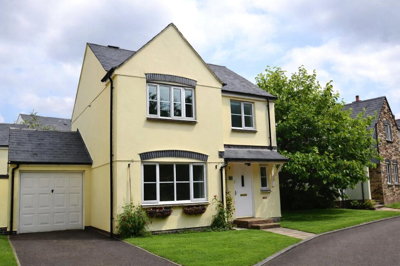
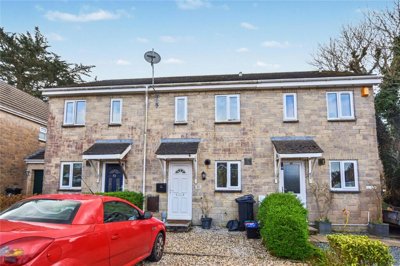
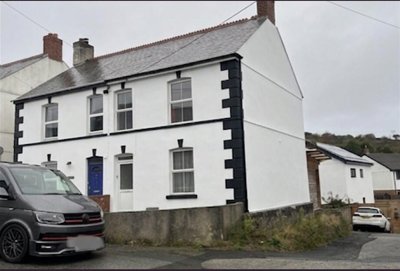
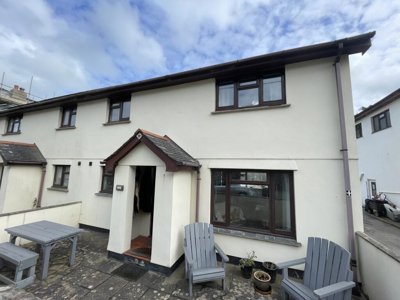
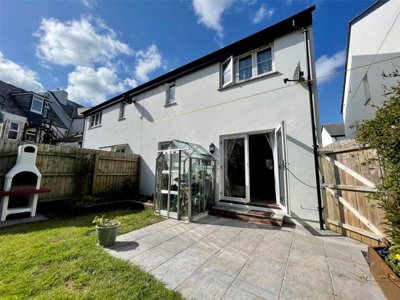
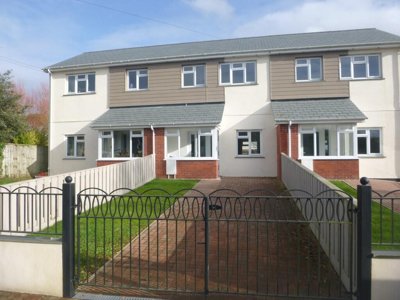
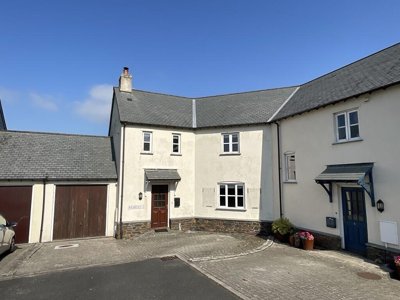
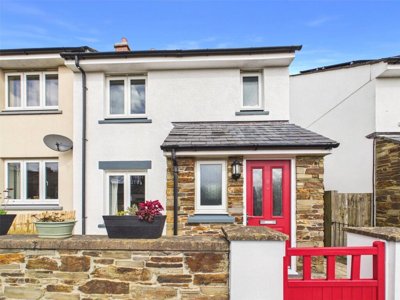
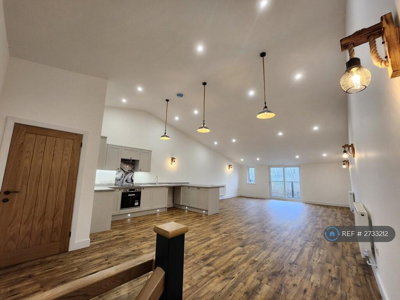
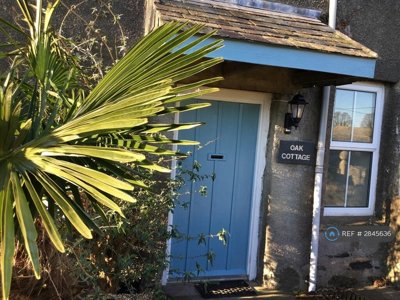
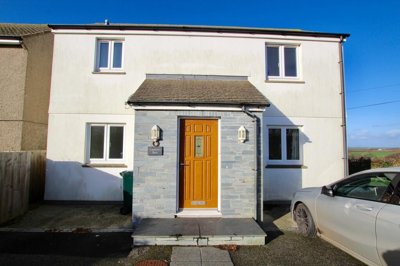
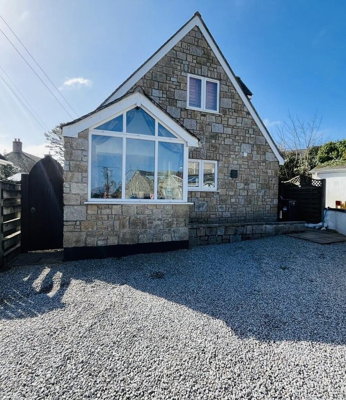
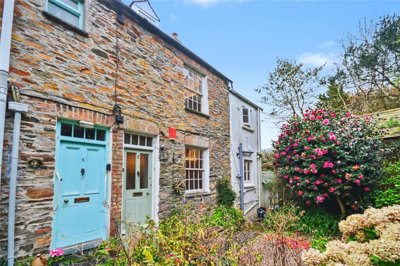
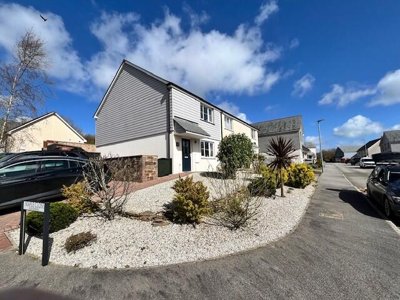
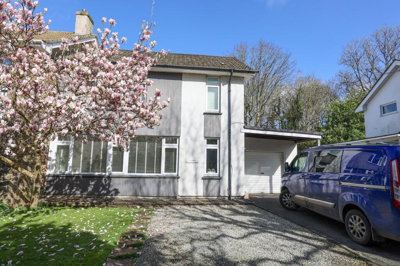
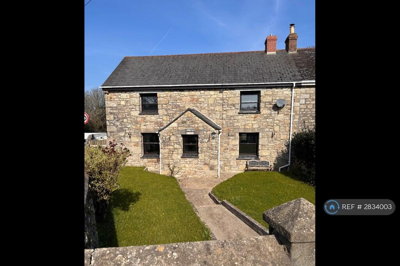
Browse 153 rental homes to rent in Cornwall, England from local letting agents.
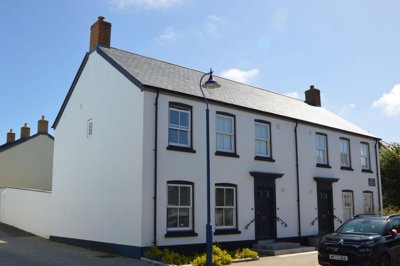
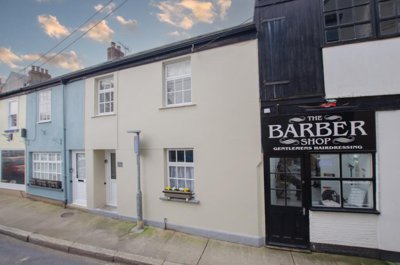
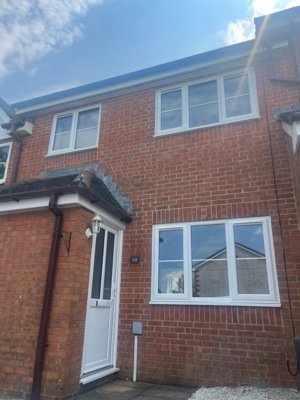
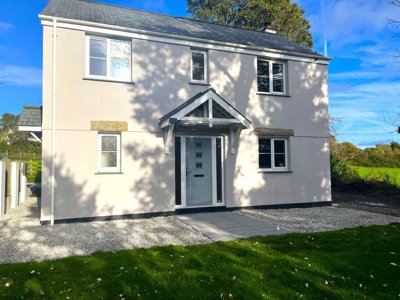
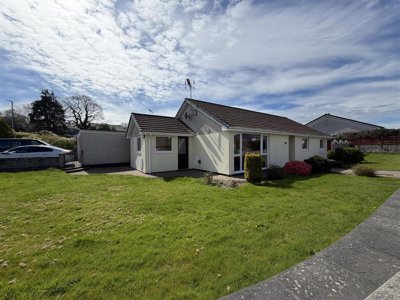
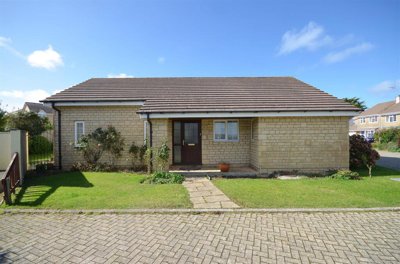
Three bedroom properties represent a significant portion of the Cornwall housing market, offering space for families with multiple reception rooms and gardens in many cases. Browse detached, semi-detached, and terraced options ranging from period character homes to contemporary developments.
£1,250/m
37
3
63
Source: home.co.uk
Showing 37 results for 3 Bedroom Houses to rent in Cornwall, England. 3 new listings added this week. The median asking price is £1,250/month.
Source: home.co.uk
Semi-Detached
20 listings
Avg £1,310
Terraced
11 listings
Avg £1,341
Detached
6 listings
Avg £1,483
Source: home.co.uk
Source: home.co.uk
The Cornwall property market has shown remarkable resilience despite broader national economic pressures. Average sale prices across the county currently sit around £332,000 according to Rightmove data, though rental prices follow different dynamics with significant variation between property types and locations. Detached properties command higher values, particularly those with sea views or proximity to popular beaches, while flats and terraced houses offer more accessible entry points for first-time renters in the market.
The most recent Rightmove data shows that property values in Cornwall have declined by approximately 5% compared to the previous year, with current prices standing 7% below the 2022 peak of £357,625. This market correction has created opportunities for renters as some landlords adjust their expectations, though demand remains steady in popular areas. The overall average masks considerable variation, with semi-detached properties averaging around £280,000 (ONS) while detached properties reach approximately £422,000, reflecting the premium placed on space and coastal positioning in this peninsula county.
New build activity in Cornwall remains modest, with 179 newly built properties sold in the last twelve months representing just 2.6% of total sales. Most new homes have been concentrated in the PL12 postcode area around Torpoint and the Rame Peninsula, where 42 sales occurred from January to December 2025. The average price for new build properties in Cornwall is approximately £355,000, with the majority falling within the £300,000-£400,000 price range. For renters, this limited new build supply means that much of the available rental stock consists of existing properties, many of which are older constructions featuring traditional materials like granite and slate that require careful consideration during the letting process.

Cornwall offers a lifestyle that is increasingly attractive to renters seeking escape from urban congestion and a better work-life balance. The county's economy is built on several key sectors including tourism, which remains the primary driver of economic activity, alongside agriculture, fishing, and growing creative and renewable energy industries. This economic diversity provides job opportunities across different skill levels and sectors, from hospitality and retail roles in towns like Newquay and St Ives to professional positions at Cornwall Council in Truro and research roles at the university campuses in Falmouth and Penryn.
The demographic makeup of Cornwall reflects a mix of long-term residents, incoming migrants from London and other parts of the UK, and international residents drawn to the peninsula's unique appeal. The county's population swells significantly during summer months when holidaymakers arrive, creating seasonal demand for temporary accommodation and influencing the broader rental market. A notable feature of Cornwall's housing landscape is the prevalence of second homes and holiday lets, which affects availability and pricing for permanent renters in popular areas like Rock, Mousehole, and the Lizard Peninsula.
Conservation Areas are found throughout the county's historic towns and villages, protecting the special architectural character of areas like Truro's city centre, Falmouth's old town, Penzance's seafront, and numerous coastal villages where traditional stone cottages and historic buildings form the fabric of the community. Properties within these areas often have restrictions on modifications, which is worth understanding if you are planning to personalise a rental home. The county also has numerous Listed Buildings, from grand manor houses to humble miners' cottages, where any alterations require approval from Cornwall Council's planning department.

For families considering renting in Cornwall, the county offers a comprehensive range of educational opportunities from early years through to higher education. Primary schools across Cornwall serve local communities in both rural villages and larger towns, with many performing well in Ofsted inspections. Schools in market towns like Truro, Redruth, and Camborne draw students from wider geographic areas, meaning proximity to these towns can be advantageous for families with school-age children. The county maintains a network of primary schools in smaller communities including Probus, Mylor, St Agnes, and St Ives, though class sizes and provision can vary.
Secondary education options include both comprehensive schools and the selective grammar school system, with institutions such as Penryn College and Falmouth School serving the south coast catchment areas. Truro School is a well-established independent secondary school in the county capital, while other notable state secondary schools include Cape Cornwall School in St Just, Humphry Davy School in Penzance, and Brannel School near St Austell. For families, understanding local school catchment areas is essential, as property values and rental premiums often reflect proximity to highly-rated schools.
Higher education provision in Cornwall has strengthened considerably in recent years, with Falmouth University established as a major centre for arts, design, and creative industries education, including programmes in illustration, photography, marine and natural history, and business. The University of Exeter's Penryn Campus offers courses in business, environmental studies, sustainability, and engineering, attracting students from across the UK and internationally. These universities not only serve school-leavers but also contribute to graduate retention efforts, creating a pool of educated young professionals who may become long-term renters in the area.

Transport connectivity is a key consideration for anyone renting in Cornwall, given the county's peninsula geography that means most journeys eventually lead toward the Devon border. The main rail line connects Cornwall to London Paddington via Exeter, with direct services from Truro taking approximately four and a half hours to reach the capital. Major towns including Truro, St Austell, Bodmin Parkway, Camborne, Redruth, and St Erth are served by regular train services, while bus networks operated by various providers including Stagecoach provide essential connections for those without cars, though frequencies can be limited in rural areas.
The A30 trunk road runs the length of the county from the Devon border near Launceston through to Land's End, and is the primary artery for road travel. However, congestion is common during peak summer tourist season when the county's population can triple, particularly around bottlenecks near Truro, St Austell, and the approach roads to popular beaches. The A39 Atlantic Highway along the north coast provides access to towns including Wadebridge, Bude, and Bideford, while the A3075 connects the A30 to the north coast beaches. For commuters working in Plymouth or Exeter, the ferry services across the River Tamar via the Torpoint crossing provide an alternative to the road route.
Many Cornwall residents have adapted to the county's transport realities by working locally, embracing remote working, or accepting longer but manageable commutes. The improved digital infrastructure in many areas has supported the growth of home working, allowing residents to maintain careers with national or international employers while enjoying Cornwall's coastal lifestyle. Cycling infrastructure varies significantly across the county, with dedicated paths available in some tourist areas like the Camel Trail between Wadebridge and Padstow, but limited provision in more rural locations. For renters who need to commute regularly, properties near railway stations in Truro, St Austell, or Bodmin Parkway offer the best connectivity.

Cornwall's rental market varies dramatically between coastal hotspots like St Ives, Falmouth, and Newquay, and more affordable inland villages around Bodmin Moor and mid-Cornwall. Research average rental prices in your preferred areas using our platform and get a rental budget agreement in principle before starting your property search. This financial pre-qualification strengthens your position when applying for properties in competitive areas.
Many quality rental properties in Cornwall are marketed directly through local letting agents rather than on major portals. Register your interest with agents such as those operating from offices in Truro, Falmouth, St Ives, and Newquay to receive early notifications of new listings before they appear publicly. Agents including South West Rentals, Stags Lettings, and Palmers Properties often have portfolios of desirable properties.
Schedule viewings for properties that match your criteria. In popular areas like St Ives, Falmouth, and Newquay, well-priced properties can receive multiple enquiries quickly, sometimes within hours of listing. Take notes and photos during viewings to help compare properties later, and be prepared to move quickly on properties you really want.
Once you find a property you want, submit a complete application quickly. This typically includes references, proof of income showing annual earnings at least 2.5 to 3 times the annual rent, right to rent documentation, and a holding deposit equivalent to one week's rent. Be prepared to provide tenant referencing information to your chosen provider.
Before moving in, you will complete a detailed inventory check documenting the property's condition, which protects both you and the landlord. Your tenancy agreement will confirm the rent amount, deposit amount (typically five weeks' rent), and terms including the length of tenancy. Ensure you understand your obligations regarding maintenance, utilities, and any restrictions on pets or modifications.
Once your tenancy begins, take time to explore your new neighbourhood and connect with local services. Cornwall's communities are welcoming, and neighbours often appreciate new residents taking an interest in local affairs. Register with local doctors and dentists promptly, as NHS services in popular areas can have waiting lists.
Renting in Cornwall requires awareness of several local factors that may not be present in other parts of the UK. The county's geology is dominated by granite intrusions from Bodmin Moor to Land's End, which generally provide stable foundations for properties, though areas with historical mining activity around Redruth, Camborne, and St Just may have risks from old mine workings that could affect the structural integrity of buildings above. Properties built on clay soils in river valleys such as the River Tamar, River Fowey, and River Camel can experience shrink-swell movement during dry periods, so understanding the underlying geology of your chosen area is valuable before committing to a tenancy.
Coastal erosion is a significant concern for properties located on cliffs or low-lying coastal areas throughout Cornwall, and flood risk exists in many towns including parts of Looe, Polperro, Fowey, Truro, and Wadebridge. Always check whether a property is in a flood risk zone using Environment Agency maps and understand what protections are in place such as flood barriers or raised electrical outlets. Cornwall is also designated as a high-risk area for radon gas, a naturally occurring radioactive gas that can accumulate in buildings, particularly those with basements, limited ventilation, or solid wall construction. Consider requesting a radon test when viewing properties, especially for older buildings without modern ventilation systems.
Many rental properties in Cornwall are located within Conservation Areas or are themselves Listed Buildings, which can impose restrictions on modifications and improvements. If you are planning to decorate or make changes to a rental property, always obtain written permission from your landlord first and understand that consent for listed properties may require approval from Cornwall Council's planning department. The prevalence of traditional building materials like cob, render, and natural stone means that properties may require more maintenance than newer constructions, and understanding your responsibilities for minor repairs under the tenancy agreement is important for avoiding disputes at the end of your tenancy.

While specific rental price data varies by source, Cornwall's property market shows significant variation by location and property type. Average sale prices across the county currently range around £332,000 according to Rightmove data, with detached properties averaging £422,000 and flats around £147,000. Coastal areas like St Ives, Padstow, and Newquay typically command premium rents, while inland towns such as Truro, Redruth, and Bodmin offer more accessible pricing. Properties with sea views or beach access consistently attract higher rents, particularly during summer months when demand peaks due to holidaymakers seeking temporary accommodation.
Cornwall Council sets council tax bands based on property valuations from 1991, and the distribution across bands varies by area and property type. Properties in Cornwall range from Band A through to Band H, with the majority of properties falling in the middle bands B through E. Newer properties and those in more affluent areas like Falmouth, St Ives, and Truro tend to be in higher bands, while smaller terraced houses and flats often occupy lower bands A or B. You can check the specific council tax band for any property through Cornwall Council's online valuation service at cornwall.gov.uk.
Cornwall offers good educational options at all levels, with standout secondary schools including Penryn College, Falmouth School, and the independent Truro School. Primary schools across the county include many rated Good or Outstanding by Ofsted, with particular strengths in rural and semi-rural communities. Ofsted-rated Outstanding primary schools include St Mary's Catholic Primary School in Truro and Probus Primary School. Falmouth University and the University of Exeter's Penryn Campus provide higher education opportunities within the county. Parents should research specific catchment areas as school admissions are determined by geographic proximity, and properties in popular school catchments often command rental premiums.
Cornwall has a comprehensive but geographically limited public transport network. The rail network connects major towns including Truro, St Austell, Bodmin Parkway, Camborne, and St Erth to London Paddington, with services operated by Great Western Railway. Bus services operated by various providers including Stagecoach connect smaller communities, though frequencies outside main towns can be limited, making car ownership advantageous for rural living. The ferry across the River Tamar connects Cornwall to Plymouth. For commuters to Exeter or Plymouth, the train journey from Truro takes around one and a half hours to Exeter St Davids, with regular services throughout the day.
Cornwall offers an exceptional quality of life for renters who value access to coastal scenery, outdoor activities including surfing, sailing, and walking along the South West Coast Path, and strong community ties. The county attracts people seeking to escape urban living, with opportunities to enjoy Cornwall's renowned food scene, arts communities in St Ives and Falmouth, and world-class gardens including the Eden Project and St Michael's Mount. However, potential renters should be aware of seasonal variations in demand, with prices often increasing during summer months when holidaymakers compete for accommodation. The presence of second homes and holiday lets in popular areas can limit long-term rental availability. Remote working has made Cornwall more accessible to professionals who do not need to commute daily.
Standard deposits for rental properties in Cornwall are equivalent to five weeks' rent, held in a government-approved tenancy deposit scheme such as the Deposit Protection Service, MyDeposits, or TDS. This deposit is returned at the end of your tenancy, subject to any deductions for damage beyond fair wear and tear or unpaid rent. Tenant referencing fees typically cover credit checks, employment verification, and landlord references, with costs varying between agencies. Most letting agents will require proof of income, typically asking for annual earnings at least 2.5 to 3 times the annual rent. First-time renters without rental history may need a guarantor or to provide additional financial guarantees.
Understanding the upfront costs of renting in Cornwall helps you budget effectively and avoid surprises during your property search. The standard deposit amount is five weeks' rent, held in a government-approved tenancy deposit scheme such as the Deposit Protection Service, MyDeposits, or TDS. This deposit is returned at the end of your tenancy, subject to any deductions for damage beyond fair wear and tear or unpaid rent. Your landlord must protect your deposit within 30 days of receiving it, and you should receive details of which scheme is being used along with prescribed information about your rights.
Tenant referencing is a standard requirement for most rental properties in Cornwall, and costs vary between letting agents and referencing providers. This process typically includes identity verification through right to rent checks, credit checks to assess financial reliability, employment or income verification, and landlord or character references. Some agents charge flat fees while others price based on the number of applicants being referenced, with typical costs ranging from £29 to £150 per applicant. If you are a first-time renter or have limited rental history, you may need to provide a UK-based guarantor who agrees to cover rent payments if you default, or pay for additional insurance products.
Beyond deposits and referencing fees, renters should budget for moving costs, potential furniture purchases if renting unfurnished, and connection fees for utilities and internet services. Properties in Cornwall often have higher heating costs due to their coastal exposure and older construction with solid walls rather than cavity insulation. Factoring in energy efficiency during property selection is prudent, and requesting an Energy Performance Certificate from your agent or landlord before committing helps you understand potential utility costs. Some properties in high-demand areas like Falmouth, St Ives, and Newquay may require multiple viewings or quick decision-making, so having your finances arranged in advance positions you favourably against other applicants. Our rental budget tool helps you understand what you can afford before beginning your property search, taking into account not just rent but also associated costs of living in different parts of Cornwall.
From 4.5%
Calculate what you can afford to spend on rent each month
From £29.99
Complete your referencing checks before you rent
From £85
Get your Energy Performance Certificate for rental properties
From £350
Professional survey for any property you are considering renting
Properties to Rent In London

Properties to Rent In Plymouth

Properties to Rent In Liverpool

Properties to Rent In Glasgow

Properties to Rent In Sheffield

Properties to Rent In Edinburgh

Properties to Rent In Coventry

Properties to Rent In Bradford

Properties to Rent In Manchester

Properties to Rent In Birmingham

Properties to Rent In Bristol

Properties to Rent In Oxford

Properties to Rent In Leicester

Properties to Rent In Newcastle

Properties to Rent In Leeds

Properties to Rent In Southampton

Properties to Rent In Cardiff

Properties to Rent In Nottingham

Properties to Rent In Norwich

Properties to Rent In Brighton

Properties to Rent In Derby

Properties to Rent In Portsmouth

Properties to Rent In Northampton

Properties to Rent In Milton Keynes

Properties to Rent In Bournemouth

Properties to Rent In Bolton

Properties to Rent In Swansea

Properties to Rent In Swindon

Properties to Rent In Peterborough

Properties to Rent In Wolverhampton

Enter your details to see if this property is within your budget.
Loans, cards, car finance
Estimated property budget
Borrowing + deposit
You could borrow between
Typical borrowing
Monthly repayment
Est. at 4.5%
Loan-to-value
This is an estimate only. Your actual budget may vary depending on interest rates, credit history, and personal circumstances. For an accurate affordability assessment, speak to one of our free mortgage advisors.
This calculator provides estimates for illustrative purposes only and does not constitute financial advice. Your home may be repossessed if you do not keep up repayments on your mortgage. Estimates based on 4.5% interest rate, repayment mortgage. Actual rates depend on your circumstances.
Homemove is a trading name of HM Haus Group Ltd (Company No. 13873779, registered in England & Wales). Homemove Mortgages Ltd (Company No. 15947693) is an Appointed Representative of TMG Direct Limited, trading as TMG Mortgage Network, which is authorised and regulated by the Financial Conduct Authority (FRN 786245). Homemove Mortgages Ltd is entered on the FCA Register as an Appointed Representative (FRN 1022429). You can check registrations at NewRegister or by calling 0800 111 6768.

We use cookies to show you personalised content and improve your experience of our website. Find out more in our Privacy policy and Cookie policy.