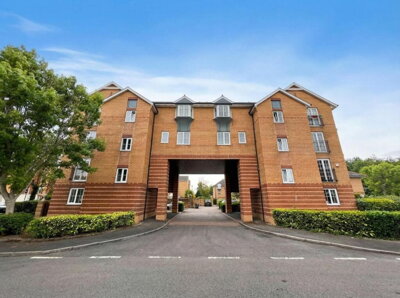
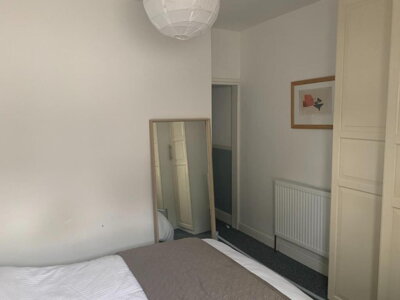
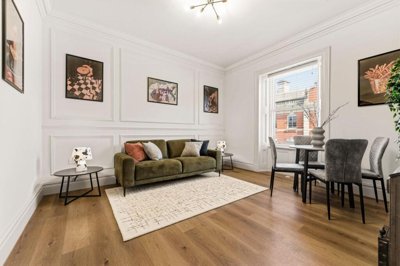
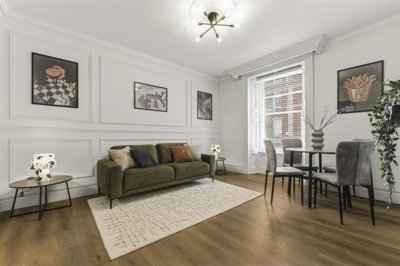
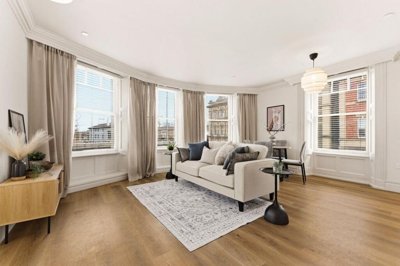
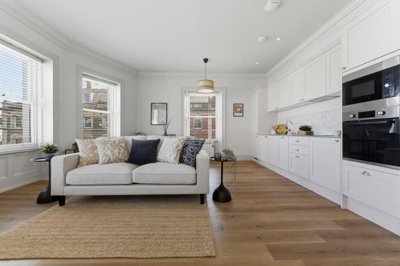
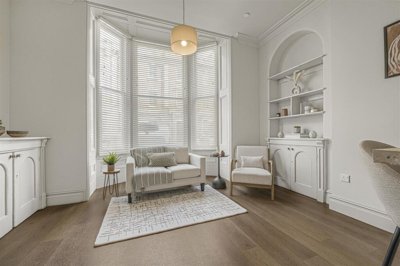
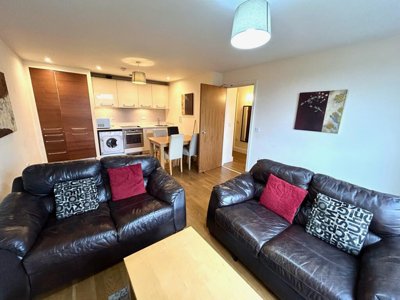
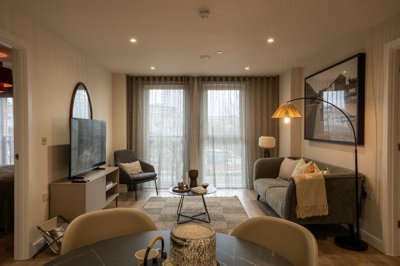
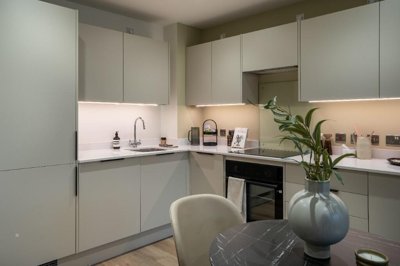
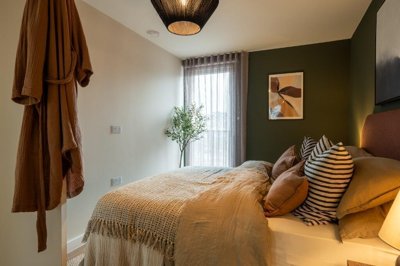
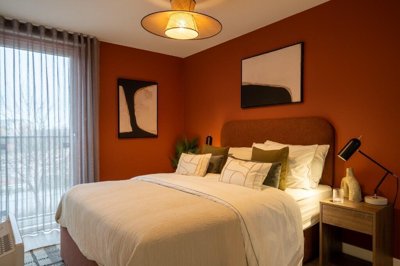
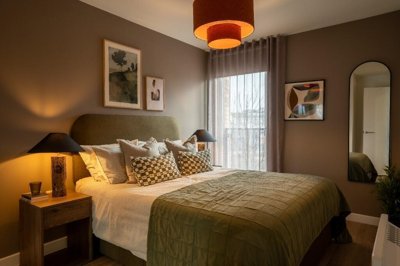
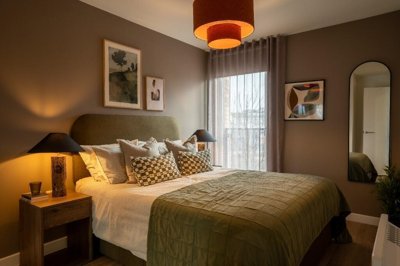
Browse 209 rental homes to rent in CF99 from local letting agents.
£0/m
0
0
0
Source: home.co.uk
The Cardiff rental market continues to demonstrate steady growth, with average property prices reaching £271,000 as of December 2025 according to provisional ONS data. This represents a 2.4% increase over the previous twelve months, showing consistent demand for properties in the Welsh capital. For renters specifically, this market strength translates into a wide selection of quality properties across various price points and styles, from compact city-centre studios to spacious family homes in desirable neighbourhoods.
Property types in Cardiff and the CF99 area include traditional Victorian and Edwardian terraced houses, which remain popular for their characterful features and central locations. Semi-detached properties average around £322,000, while flats and maisonettes command approximately £162,000. The terraced segment saw the strongest growth at 3.5% annually, reflecting sustained tenant demand for this property type. With Cardiff's predominantly Victorian and later urban fabric, many rental properties offer original features such as high ceilings, fireplaces, and bay windows that appeal to those seeking character homes.
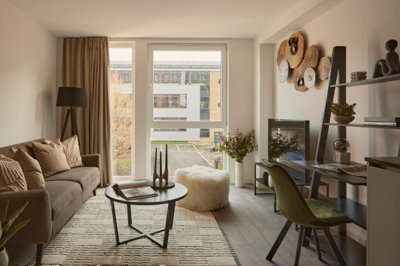
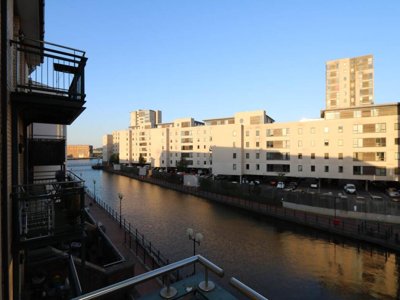
The city centre and waterfront areas around Cardiff Bay feature more contemporary apartment developments, offering modern finishes, secure parking, and amenities like gyms and concierge services. These properties attract young professionals and couples seeking low-maintenance living with easy access to workplaces, entertainment venues, and transport links. The diversity of housing stock in the CF99 area means renters can find everything from period properties with historic charm to purpose-built apartments designed for modern urban life.

Cardiff, with a population of 383,919 as of 2024, is Wales' largest city and cultural heart. The CF99 postcode connects to Cardiff's central business district, placing residents at the epicentre of the city's renowned nightlife, dining scene, and cultural attractions. Living in Cardiff means having immediate access to iconic landmarks including Cardiff Castle, the Principality Stadium, and the Wales Millennium Centre, all within walking distance of the city centre. The city effortlessly blends its industrial heritage with modern regeneration, particularly visible in the transformation of Cardiff Bay into a vibrant waterfront destination.
The city's architecture reflects its rich history, with approximately 1,000 listed buildings protected for their architectural and historical significance. The predominant building materials include Bath stone, blue Pennant stone, and red brick, creating the distinctive character of Victorian and Edwardian neighbourhoods. Portland stone features prominently in the civic buildings around Cathays Park, while medieval structures like Cardiff Castle and Llandaff Cathedral showcase Grey Lias stone construction. Contemporary developments in Cardiff Bay, including the Senedd and Wales Millennium Centre, feature Welsh slate, glass, and steel, demonstrating the city's architectural evolution.
Cardiff is divided into distinctive neighbourhoods, each with its own personality. Roath offers tree-lined streets and the popular Roath Park, while Canton provides a lively community atmosphere with independent shops and pubs. Pontcanna appeals to professionals seeking leafy surroundings and artisan cafes, and Grangetown offers excellent value with strong community ties. The city boasts 27 designated conservation areas, with Llandaff particularly notable for its concentration of historic buildings around the Cathedral Green. Recent additions to Cardiff's local heritage list include more than 70 buildings added in November 2025, reflecting the city's commitment to preserving its built character.

Cardiff offers an impressive range of educational establishments, making it an excellent choice for families seeking rental properties. The city is home to several highly regarded primary and secondary schools, with institutions consistently performing well in national league tables. Key secondary schools include Cardiff High School, Cantonian High School, and the English-language secondary schools in areas like Whitchurch and Radyr. For those seeking grammar school education, Cardiff's selective schools such as Fitzalan High School and Ysgol Plasmawr serve students from across the city and surrounding areas.
The city also offers excellent faith-based schooling options, with Catholic schools like St Mary's Catholic Primary and St Illtyd's Catholic High School serving families seeking religious education for their children. Welsh-language education is well-represented through Ysgol Gyfun Gymraeg Glantaf and Ysgol Gyfun Gymraeg Plasmawr, providing opportunities for students to receive their education through the medium of Welsh. These schools often have catchment area restrictions, so parents should research specific admission criteria when choosing rental properties.
Higher education is a particular strength, with Cardiff University attracting students from around the world. The university, along with Cardiff Metropolitan University and the University of South Wales, contributes to Cardiff's youthful, academic atmosphere. Further education colleges including Cardiff and Vale College provide vocational pathways and apprenticeships. For renters with children, proximity to good schools can significantly impact property values and rental desirability, making areas like Cyncoed, Lisvane, and Thornhill popular with families despite potentially higher rental costs.

Cardiff offers excellent connectivity for commuters, with the CF99 area placing residents the city's transport network. Cardiff Central railway station provides regular services to major UK destinations including London Paddington (approximately 2 hours), Bristol (1 hour 15 minutes), and Birmingham New Street (2 hours 30 minutes). The South Wales Metro, currently under development, will further enhance public transport connections across the region, linking Cardiff to surrounding towns and cities with faster, more frequent services.
Within the city, Cardiff benefits from an extensive bus network operated by Cardiff Bus, with services covering all major residential areas and key destinations. The city is also served by train services at Cardiff Queen Street, Cardiff Bay, and several suburban stations including Coryton, Radyr, and Caerphilly. For cyclists, Cardiff has invested in cycling infrastructure with dedicated lanes connecting the city centre to neighbourhoods like Cardiff Bay, Pontcanna, and Roath. The Taff Trail provides scenic routes for both commuting and leisure cycling.
Motorway access is excellent from the CF99 area, with the M4 motorway providing a direct route to Bristol and London to the east and the Swansea area to the west. The A48 and A470 connect Cardiff to northern areas of Wales and the Brecon Beacons. For those commuting by car, parking can be challenging in the city centre, making proximity to public transport a significant factor when choosing rental properties. Many city-centre apartments offer underground parking, while suburban rentals typically provide driveways or garage access.

Before viewing properties, secure a rental budget agreement in principle. This documents how much rent you can afford and demonstrates to landlords that you are a serious, qualified tenant. Lenders typically offer rental budget agreements from 4.5% APR, and having this in place speeds up the application process significantly. We recommend obtaining this agreement before starting your property search to give yourself a competitive edge in Cardiff's rental market.
Cardiff offers diverse neighbourhoods from city-centre living in areas like Cardiff Bay and the CID to family-friendly suburbs such as Cyncoed, Lisvane, and Whitchurch. Consider commute times, school catchment areas, local amenities, and rental price differences across these areas when narrowing your search. Each neighbourhood offers distinct advantages, from the vibrant atmosphere of Pontcanna to the excellent value found in Grangetown.
Once you have identified suitable properties, arrange viewings through Homemove or directly with local estate agents. View multiple properties to compare condition, location, and value. Take photographs and notes during viewings to help compare options afterwards. In competitive areas like Pontcanna and Roath, properties can receive multiple applications quickly, so being prepared and responsive is essential.
When you find the right property, submit a formal application along with references, proof of income, and identification. Landlords typically require tenant referencing checks, employment verification, and sometimes a guarantor. Using a professional tenant referencing service can streamline this process and give your application credibility with landlords.
Review your tenancy agreement carefully before signing. Key details include the length of tenancy (typically 6 or 12 months), rent amount and payment schedule, deposit amount and protection scheme, maintenance responsibilities, and any restrictions on pets or modifications. We advise reading the Small Claims clause and understanding your obligations regarding property maintenance.
Arrange inventory check at the property, ensure all utilities are transferred to your name, and photograph any existing damage to avoid disputes at the end of your tenancy. Your deposit must be protected in a government-approved scheme within 30 days of receiving it. The three approved schemes are DPS, TDS, and MyDeposits, and your landlord must provide you with prescribed information about where your deposit is held.
Renting in Cardiff requires careful consideration of several area-specific factors that can significantly impact your tenancy experience. Flood risk is a particular concern in Cardiff, which faces the highest flood risk of any local authority area in the UK, with around 33,000 properties predicted to be threatened by 2050. Areas including Canton, Grangetown, Leckwith, Butetown, and Cardiff Bay are particularly susceptible to flooding. When viewing properties in these areas, check flood defenses, ask about previous flooding incidents, and consider ground floor and basement rentals carefully. Cardiff Council operates a Local Flood Risk Management Strategy addressing risks from surface water runoff, groundwater, and coastal flooding.
Given Cardiff's geology, with its clay-rich soils and susceptibility to shrink-swell ground movement, understanding the property's construction and foundation is important. Clay soils expand when wet and contract during dry periods, which can lead to subsidence affecting structural integrity over time. Properties in areas with significant trees near foundations may be more susceptible to subsidence. A RICS Level 2 survey, costing around £500 in Cardiff, can identify any structural concerns before you commit to a tenancy. Common defects in Cardiff's Victorian and Edwardian housing stock include dampness, roof damage, structural movement, and outdated electrical systems.
Many Cardiff properties are located within conservation areas, with approximately 1,000 listed buildings across the city. Living in a listed building or conservation area can mean restrictions on modifications, requirements to maintain original features, and planning permission needed for certain changes. These properties often come with higher maintenance standards and potentially increased insurance costs. However, they also offer character and charm that newer builds cannot match, along with often excellent central locations. The city has 27 designated conservation areas, with Llandaff being particularly notable for its concentration of historic buildings around the Cathedral Green.
When viewing rental properties in Cardiff, we recommend checking for signs of common Victorian property defects including rising damp (visible as tide marks on ground-floor walls), penetrating damp (staining or blistering paint on external walls), and condensation issues in poorly ventilated areas. Look for cracked or bulging plaster, particularly above doorways and windows, which can indicate structural movement. In older properties, verify that electrical systems have been updated to meet current standards, as re-wiring a property can cost several thousand pounds. Our team can arrange a RICS Level 2 survey to identify these issues before you commit to a tenancy.

Given Cardiff's predominantly Victorian and Edwardian housing stock, renters should be aware of common defects found in period properties. These include inadequate ventilation leading to damp and condensation, outdated electrical systems that may not meet current safety standards, and poor drainage causing standing water or water ingress. Blocked air bricks and vents are particularly problematic in properties with suspended floors, as they can lead to timber rot and structural deterioration over time.
Cracking, open joints, and spalling brickwork are frequently encountered issues in older Cardiff brick properties, particularly those built before modern cavity wall construction became standard. Asbestos may be present in residential properties constructed before the 1980s, particularly in insulation materials, floor tiles, and pipe lagging. Our surveyors regularly identify these issues during inspections, and a RICS Level 2 survey priced from around £450 in Cardiff can provide before committing to a tenancy.
Understanding the construction materials used in Cardiff properties helps assess potential issues. The city's Victorian buildings commonly feature solid brick walls with lime mortar, which requires different maintenance approaches compared to modern cavity wall construction. Blue Pennant stone, used extensively in Cardiff's traditional buildings, can be susceptible to weathering and erosion over time. Red brick properties may show signs of mortar deterioration if not properly maintained. We recommend requesting a thorough property inspection to identify any defects before signing your tenancy agreement.
While CF99 is a non-geographic postcode, Cardiff's average property price stands at £271,000 as of December 2025 according to ONS data. Rental prices vary significantly by property type and location, with one and two-bedroom flats in the city centre typically commanding higher rents than larger properties in suburban areas. For accurate current rental prices for specific property types, we recommend searching our platform which updates listings daily from local agents. City-centre flats in areas like Cardiff Bay and the CID generally offer the highest rental yields, while family homes in suburbs like Cyncoed and Lisvane provide better value for larger households.
Council tax in Cardiff is set by Cardiff Council and varies according to property valuation band. Bands range from A (lowest value properties) through to H (highest value properties), with most residential properties in Cardiff falling into bands A through E. You can check the specific band for any property through the Cardiff Council website or by contacting them directly, as this information affects your monthly outgoings. Properties in areas like Pontcanna and Cyncoed tend to fall into higher valuation bands due to their desirability and property values, while areas like Grangetown and Canton often feature properties in lower bands.
Cardiff offers excellent educational options including Cardiff High School, Cantonian High School, and Fitzalan High School for secondary education. Primary schools such as Roath Park Primary and Ysgol Pwll Coch are highly regarded by parents and consistently achieve strong results in national assessments. For families seeking Welsh-language education, Ysgol Gyfun Gymraeg Glantaf and Ysgol Gyfun Gymraeg Plasmawr are outstanding options with excellent reputations. School catchment areas can be restrictive, so research specific admissions policies before committing to a rental property, as properties just outside desirable catchment areas may be significantly more affordable.
Cardiff boasts excellent public transport connections, with Cardiff Central station offering rail services to London (approximately 2 hours), Bristol (75 minutes), and Birmingham (2.5 hours). The South Wales Metro development is enhancing regional connectivity, linking Cardiff to surrounding towns and cities with faster, more frequent services. Within the city, Cardiff Bus operates extensive routes across all major areas, and several train stations serve suburban neighbourhoods including Coryton, Radyr, and Caerphilly. The M4 motorway provides straightforward road access to major cities including Bristol and London to the east, and Swansea to the west.
Cardiff is an excellent choice for renters, offering a perfect balance of urban conveniences and liveable neighbourhoods. The city provides strong employment opportunities, particularly in public administration, education, healthcare, and creative industries, with major employers including Cardiff University, the NHS, and Welsh Government located within the city centre. Cultural attractions include Cardiff Castle, the Wales Millennium Centre, and the Principality Stadium, while the city centre offers extensive shopping, dining, and entertainment options. The city features diverse neighbourhoods to suit all lifestyles, from vibrant city-centre living in areas like Cardiff Bay to family-friendly suburbs like Cyncoed and Lisvane.
Standard deposits in Cardiff are equivalent to five weeks' rent, which must be protected in a government-approved Tenancy Deposit Scheme (DPS, TDS, or MyDeposits) within 30 days of receiving it. Holding deposits, typically one week's rent, may be requested to secure a property while references are checked and are normally offset against your first month's rent upon successful completion. Tenant referencing fees vary but are often covered by landlords. You may also need to budget for moving costs, initial rent payments in advance, and potentially a guarantor agreement if you have limited rental history or employment references.
Flood risk is the most significant environmental concern in Cardiff, which faces the highest flood risk of any local authority area in the UK, with around 33,000 properties predicted to be threatened by 2050. Areas like Grangetown, Butetown, Canton, and parts of Cardiff Bay are at elevated risk from river, coastal, and surface water flooding. Subsidence risk exists in areas with clay soils due to shrink-swell ground movement, particularly during extended dry periods or when significant trees are located near foundations. When renting, always ask about flood history, check the property's elevation and drainage systems, and consider appropriate insurance coverage. A thorough property survey can identify potential structural and environmental issues before you commit to a tenancy.
Since the Tenant Fees Act 2019, landlords in England (including Cardiff) cannot blanket ban pets, though they can require tenants to pay a higher deposit or agree to restore the property to its original condition at the end of the tenancy. Many landlords in Cardiff are open to pet owners, particularly those with gardens or properties in suburban areas like Cyncoed, Lisvane, and Thornhill. When viewing properties, ask specifically about pet policies and whether any additional terms would apply. Some landlords may request professional cleaning at the end of tenancy as a condition of keeping pets.
Understanding the costs involved in renting a property in Cardiff and the CF99 area is essential for budgeting effectively. The standard deposit requirement is five weeks' rent, which must be protected in a government-approved Tenancy Deposit Scheme within 30 days of receipt. This protection scheme ensures your deposit is held safely and will be returned at the end of your tenancy, subject to any legitimate deductions for damage or unpaid rent. You have the right to challenge any proposed deductions through a free dispute resolution service if you believe deductions are unreasonable.
First month's rent is typically due in advance, along with the deposit. When calculating your initial outlay, budget for one month's rent plus five weeks' deposit, plus any application or referencing fees. Holding deposits of one week's rent may also be requested to take a property off the market while your application is processed. This holding deposit is normally offset against your first month's rent or deposit upon successful completion of referencing. Be aware that if your referencing fails, you may lose your holding deposit, so ensure you meet all eligibility criteria before paying.
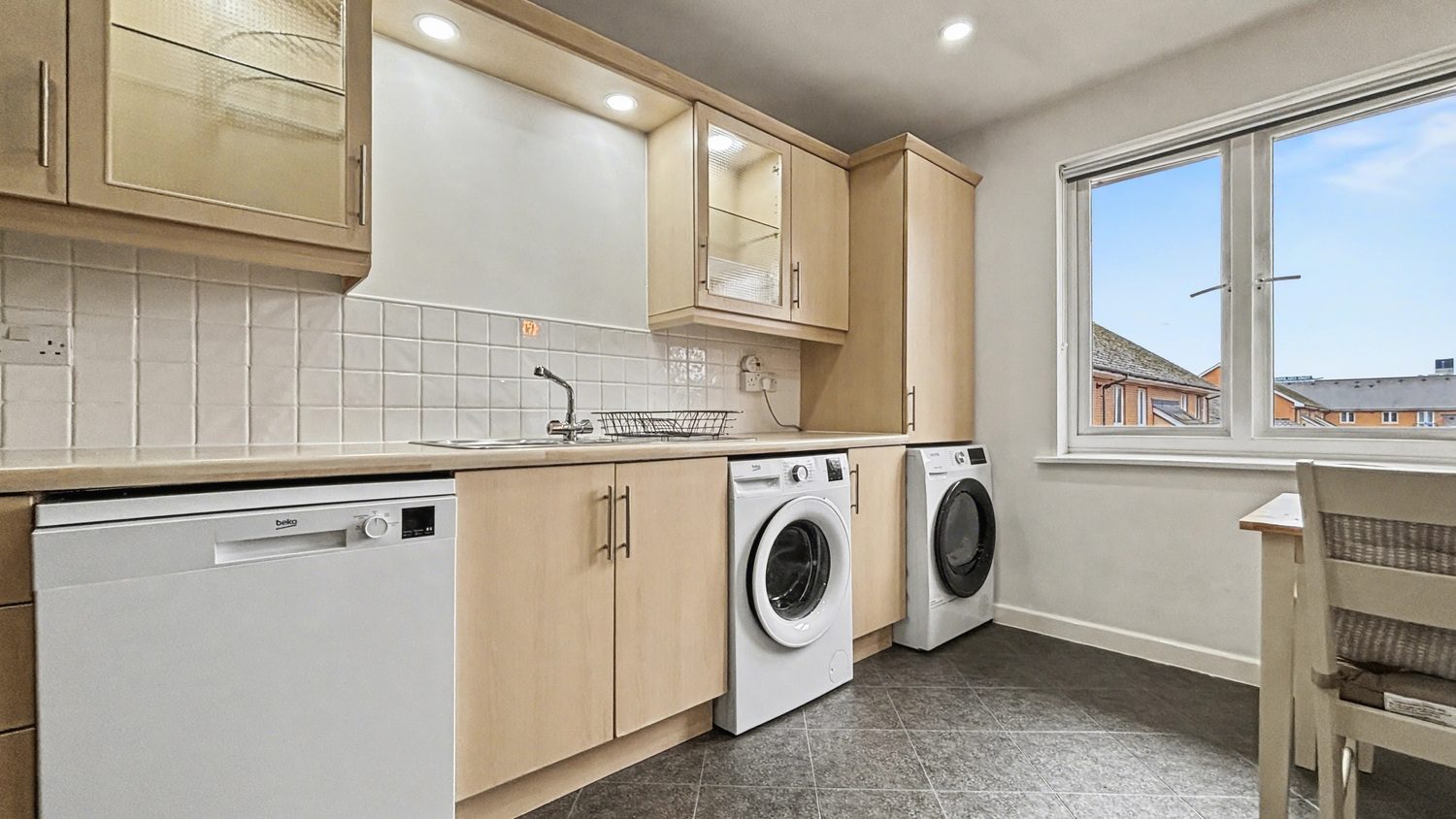
Additional costs to factor into your moving budget include removal company fees (varying by distance and volume of belongings), utility connection charges, contents insurance (strongly recommended for renters), and potential red tape fees if you have pets or need to make modifications to the property. Many landlords in Cardiff offer well-presented properties with white goods included, which can reduce initial furnishing costs. Before committing to a tenancy, we recommend obtaining a rental budget agreement in principle from a lender, which documents your borrowing capacity and strengthens your rental application in competitive situations where multiple tenants may be pursuing the same property.
Properties to Rent In London

Properties to Rent In Plymouth

Properties to Rent In Liverpool

Properties to Rent In Glasgow

Properties to Rent In Sheffield

Properties to Rent In Edinburgh

Properties to Rent In Coventry

Properties to Rent In Bradford

Properties to Rent In Manchester

Properties to Rent In Birmingham

Properties to Rent In Bristol

Properties to Rent In Oxford

Properties to Rent In Leicester

Properties to Rent In Newcastle

Properties to Rent In Leeds

Properties to Rent In Southampton

Properties to Rent In Cardiff

Properties to Rent In Nottingham

Properties to Rent In Norwich

Properties to Rent In Brighton

Properties to Rent In Derby

Properties to Rent In Portsmouth

Properties to Rent In Northampton

Properties to Rent In Milton Keynes

Properties to Rent In Bournemouth

Properties to Rent In Bolton

Properties to Rent In Swansea

Properties to Rent In Swindon

Properties to Rent In Peterborough

Properties to Rent In Wolverhampton

Enter your details to see if this property is within your budget.
Loans, cards, car finance
Estimated property budget
Borrowing + deposit
You could borrow between
Typical borrowing
Monthly repayment
Est. at 4.5%
Loan-to-value
This is an estimate only. Your actual budget may vary depending on interest rates, credit history, and personal circumstances. For an accurate affordability assessment, speak to one of our free mortgage advisors.
This calculator provides estimates for illustrative purposes only and does not constitute financial advice. Your home may be repossessed if you do not keep up repayments on your mortgage. Estimates based on 4.5% interest rate, repayment mortgage. Actual rates depend on your circumstances.
Homemove is a trading name of HM Haus Group Ltd (Company No. 13873779, registered in England & Wales). Homemove Mortgages Ltd (Company No. 15947693) is an Appointed Representative of TMG Direct Limited, trading as TMG Mortgage Network, which is authorised and regulated by the Financial Conduct Authority (FRN 786245). Homemove Mortgages Ltd is entered on the FCA Register as an Appointed Representative (FRN 1022429). You can check registrations at NewRegister or by calling 0800 111 6768.

We use cookies to show you personalised content and improve your experience of our website. Find out more in our Privacy policy and Cookie policy.