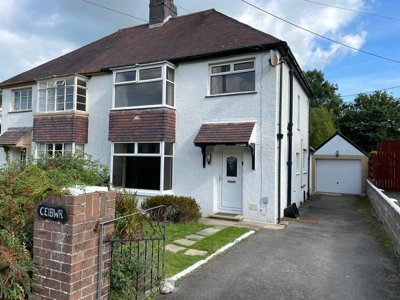
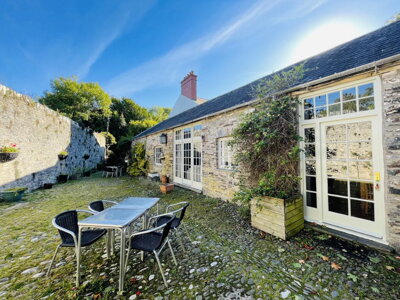
Browse 2 rental homes to rent in Cardigan, Ceredigion from local letting agents.
£0/m
0
0
0
Source: home.co.uk
The rental market in Cardigan presents excellent opportunities for those seeking quality homes at accessible price points. Detached properties command the highest values in the area, averaging around £331,192 for sales, while terraced properties offer more accessible entry at approximately £190,462. Semi-detached homes, popular with families, average £222,083. The SA43 postcode area recorded 128 residential property sales over the past year, with the majority falling in the £140,000 to £268,000 range, showing that Cardigan maintains a diverse property stock appealing to various budgets. Rental prices typically reflect these sale values, with terraced and semi-detached homes offering the most competitive monthly rates for tenants.
Recent market analysis shows prices in Cardigan have experienced a modest 4% correction from the 2023 peak of £263,141, creating potential opportunities for renters who may find more competitive asking rents as the market stabilises. The broader SA43 area saw property prices increase by £5,737 (2.01%) over the past twelve months, indicating underlying market strength despite broader economic headwinds. Landlords investing in Cardigan benefit from the town's tourism appeal and growing population, which supports consistent rental demand throughout the year. The majority of property transactions, 35 sales, fell in the £140,000 to £204,000 range, with a further 31 properties trading between £204,000 and £268,000.
The housing stock in Cardigan reflects its historic development pattern, with a significant proportion of properties dating from the Georgian and Victorian periods. The town's oldest inn, the Black Lion, was established in the 12th century and enlarged in the 17th century, while the Red Lion dates back to the 1630s, illustrating the age of some commercial buildings. Victorian warehouses on the south bank of the Teifi have been converted to residential and commercial use, adding to the diverse property types available for rent. Properties built before 1919 will typically feature traditional construction methods including solid masonry walls, timber floors, and lime-based mortars, which require different maintenance approaches compared to modern cavity-wall construction.
While no active new-build developments were verified within the immediate Cardigan town area during our research, the surrounding SA43 postcode includes villages like Aberporth where new properties are available. For renters seeking modern specifications and energy efficiency, these surrounding areas may offer alternatives, though commuting considerations and access to town centre amenities should be factored into any decision. Our listings include properties across all age ranges and construction types, allowing you to balance character preferences against modern requirements when choosing your rental property in Cardigan.

Cardigan traces its origins to the 11th century when a Norman castle was established to control the strategic crossing point of the River Teifi, and today the town preserves this heritage through its 103 listed buildings and designated Conservation Area. Georgian architecture dominates the main streets, with handsome red-brick and stone facades creating an unmistakably historic character that distinguishes Cardigan from modern developments. The town developed around the castle with merchants and traders establishing themselves along what are now High Street, Pendre, and St Mary's Street, forming the commercial heart that remains evident today. The Guildhall and Market Hall, opened in 1860, still anchor the weekly market where local producers sell fresh Welsh produce.
The cultural identity of Cardigan is deeply intertwined with the Welsh language, with 45.3% of Ceredigion residents speaking Welsh fluently in 2021, lending the town a distinctive bilingual character reflected in street signs, local businesses, and community events. The town's regeneration has focused on attracting independent businesses, with boutique shops, artisan cafes, and galleries filling restored Victorian warehouses along the Teifi's south bank. Cardigan Castle serves as a focal point for cultural events and heritage tourism, while the nearby Teifi estuary provides opportunities for kayaking, boat trips, and birdwatching. The average salary in Ceredigion stands at £27,500, and while this creates affordability challenges for some, it also reflects the lower cost of living that makes Cardigan an attractive proposition for those seeking escape from metropolitan expenses.
The underlying geology of the Cardigan area comprises Ordovician and Silurian marine sedimentary rocks, primarily mudstone with sandstone beds, overlaid by glacial till and alluvial deposits. These ancient rocks, deposited in a deep ocean basin approximately 450 million years ago, shape the local landscape and influence property foundations throughout the area. Boulder clay deposited during the last ice age contains clasts from the Irish Sea, North Wales, and Southern Scotland, creating variable ground conditions that can affect construction and maintenance. Abandoned pits previously worked for brick clay in Cardigan suggest local brick production was historically significant, explaining why many Georgian properties feature locally-made bricks alongside imported stone.
Cardigan Bay is home to two Special Areas of Conservation due to its rich marine life, including populations of bottlenose dolphins and Atlantic grey seals that attract visitors throughout the year. The town serves as a gateway to the Ceredigion Coast Path and the wider Wales Coast Path, with walking and cycling opportunities extending along the dramatic coastline. For tenants who value outdoor recreation and natural beauty, Cardigan's location provides exceptional access to coastal and countryside activities without sacrificing access to essential amenities. The combination of cultural heritage, natural environment, and community spirit creates a quality of life that many renters find difficult to replicate in larger towns and cities.

Families considering renting in Cardigan will find a reasonable selection of educational establishments serving the town and surrounding communities. The town hosts primary schools serving different catchment areas, with Ysgol Gyfun Aberteifi (Cardigan Secondary School) providing secondary education locally and offering Welsh-medium education for students seeking bilingual qualifications. Ysgol Gyfun Aberteifi maintains a reputation for strong community ties and offers various GCSE and A-level courses, with sixth form provision enabling students to continue their education without traveling to larger towns. Parents should verify current catchment boundaries and admissions criteria with Ceredigion County Council, as these can affect school placements for renters.
For families requiring alternative educational pathways, the surrounding area offers additional options, including faith schools and schools in nearby towns such as Aberystwyth, which is approximately 30 miles north and accessible via the A487 coast road. Further education opportunities exist at Coleg Ceredigion in Cardigan itself, providing vocational courses and adult learning programmes for residents pursuing further qualifications or career changes. The Welsh-medium education system in Ceredigion represents a significant advantage for families wishing to raise children with fluency in both Welsh and English, a skill set highly valued in contemporary Welsh society and the local job market. With 45.3% of the local population speaking Welsh, bilingual education opens doors to employment in education, public services, media, and cultural sectors throughout Wales.
Primary school provision in Cardigan includes several options serving different residential areas, with catchment boundaries that extend into surrounding villages and rural communities. Parents seeking specific placement should contact Ceredigion County Council's education department for current catchment maps and any planned changes to school organisation. For secondary education, Ysgol Gyfun Aberteifi provides comprehensive coverage with both English and Welsh as languages of instruction, preparing students for qualifications recognised throughout the UK. The school offers A-level courses through its sixth form, allowing students to complete their secondary education locally rather than travelling to larger towns for advanced qualifications. Transport arrangements for students living outside the immediate town area are managed through the local authority's school transport policy.

Transport connections from Cardigan reflect its position as a market town serving a rural area rather than a major commuter hub, and understanding these practicalities is essential for anyone considering a rental property here. The A487 road connects Cardigan to Aberystwyth to the north and Fishguard to the south, while the A484 provides routes inland towards Lampeter and the Cambrian Mountains. For rail travel, the nearest mainline station is in Carmarthen, approximately 25 miles southeast, offering connections to Cardiff, London Paddington, and beyond via the Great Western Railway network. The port town of Fishguard, roughly 20 miles southwest, provides ferry connections to Rosslare in Ireland, making Cardigan a viable option for those with ties to Ireland.
Local bus services operated by Richard Brothers and other carriers connect Cardigan with surrounding villages, coastal communities like Aberporth and New Quay, and market towns including Lampeter and Aberaeron. These services are less frequent than urban bus networks, so residents without private vehicles should factor journey times and schedules into their daily planning. For those working remotely or in local employment, Cardigan's compact town centre is highly walkable, with most amenities accessible within a 15-minute radius from the central market area. Cycling infrastructure is developing, with the Wales Coast Path passing through Cardigan and offering scenic routes for recreational cycling, though dedicated cycle lanes remain limited within the town itself.
For commuters travelling further afield, the drive to Carmarthen railway station takes approximately 45 minutes under normal conditions, allowing access to rail connections reaching Cardiff in around three hours and London Paddington in approximately four and a half hours. Those working in Aberystwyth can reach the university town in roughly one hour via the scenic A487 coast road, though this route can be affected by adverse weather conditions during winter months. The nearest airport with scheduled passenger services is at Cardiff, approximately 150 miles by road, while Bristol Airport offers an alternative at similar distances. Planning for occasional longer journeys is necessary for those whose employment or personal circumstances require regular travel beyond the immediate area.

Before viewing properties in Cardigan, obtain a rental budget agreement in principle from a lender if you plan to transition to buying. Even for pure renting, understanding what monthly rent you can comfortably afford within your circumstances helps narrow your search effectively. Most letting agents and landlords will want to see evidence of stable income, typically requiring payslips and bank statements as part of the referencing process.
Browse available properties on Homemove and set up instant alerts for new listings matching your criteria. Cardigan's rental market moves at a steady pace, but desirable properties in central locations or those with river or estuary views can attract multiple enquiries quickly. Properties near the Conservation Area, along High Street or Pendre, and those with off-street parking are particularly sought after by tenants.
Schedule viewings of properties that match your requirements, taking time to assess the neighbourhood at different times of day. Consider factors like flood risk areas (particularly near The Strand and Teifi waterfront), parking availability, and proximity to schools if applicable to your situation. Ask about the property's flood history and any flood resilience measures that have been installed, especially for properties in areas like St Mary Street, Gloster Row, or Pwllhai.
Once you find your preferred property, your landlord will require references, credit checks, and right-to-rent verification. Homemove's tenant referencing service streamlines this process, collecting employment references, previous landlord checks, and financial verification efficiently. For properties in Cardigan, referencing typically takes between three and five working days, though this can be expedited for tenants who have documentation ready.
Your solicitor or letting agent will prepare the tenancy agreement, typically a 6 or 12-month Assured Shorthold Tenancy. Read the terms carefully, noting deposit amount (capped at 5 weeks' rent for properties with annual rent below £50,000), break clauses, and responsibilities for maintenance and utilities. For properties in Cardigan's Conservation Area or listed buildings, check whether landlord consent is required for any modifications you might want to make.
Arrange contents insurance for your belongings, set up utilities and council tax with Ceredigion County Council, and conduct a thorough check-in inspection documented with photographs. Your deposit will be protected in a government-approved scheme within 30 days of tenancy commencement, and you should receive written confirmation of which scheme holds your money and the prescribed information about your rights.
Renting in Cardigan requires awareness of several location-specific factors that could affect your tenancy experience and property condition. Flood risk deserves particular attention given Cardigan's history of tidal flooding from the Teifi estuary and fluvial flooding from the Afon Mwldan, with significant events recorded in 2007, 2008, 2012, and 2014. Areas including The Strand, St Mary Street, Gloster Row, Pwllhai, and Quay Street carry particular flood vulnerability, so prospective tenants should ask landlords about flood history, existing flood resilience measures, and building insurance provisions. Natural Resources Wales is currently developing a scheme to reduce tidal flood risk in The Strand area, which is expected to benefit approximately 90 homes and businesses when complete.
The age of Cardigan's housing stock means many rental properties will be Georgian, Victorian, or earlier constructions, bringing both character and potential maintenance concerns. Common issues in these older properties include damp penetration due to absent or failed damp-proof courses, roof deterioration requiring attention to leadwork and pointing, and outdated electrical systems predating modern safety standards. The local geology, comprising clay-rich superficial deposits in some areas, can contribute to ground movement that affects property foundations over time. Landslips have been mapped in coastal cliff areas, suggesting potential ground movement risk in certain locations that could affect property foundations. Properties built on or near coastal cliffs or steep slopes merit careful structural assessment.
Listed buildings, which number 103 across Cardigan, often require landlord consent for modifications, so tenants planning any alterations should clarify permissions with both the landlord and Ceredigion County Council planning department. Properties in the Conservation Area similarly have restrictions on external alterations that could affect the street scene. For tenants seeking modern specifications, properties built after 1980 will typically feature cavity wall construction, modern damp-proof courses, and updated electrical installations, though these represent a smaller proportion of the local housing stock. A thorough inspection before committing helps identify problems, and tenants should document existing damage with photographs to protect their deposit when vacating.
The bedrock geology of the Cardigan area comprises Ordovician and Silurian marine sedimentary rocks, primarily mudstone with sandstone beds, overlaid by glacial till and alluvial deposits in valley areas. Boulder clay deposited during the last ice age creates variable ground conditions that can affect construction and maintenance, particularly for properties built on or near areas of former clay extraction. Properties built before 1900 may have solid ground floors rather than suspended timber, which can be more susceptible to damp penetration through the ground. When viewing properties, check for signs of movement or cracking that might indicate foundation issues, and ask the landlord about any previous structural work or underpinning that has been carried out.

While specific rental figures vary by property type and condition, the sale prices in Cardigan provide useful context for the rental market. Detached properties average around £331,192, semi-detached homes £222,083, and terraced properties £190,462 in the SA43 postcode area. Rental prices typically reflect a percentage yield on these values, with modern flats and compact terraced homes offering the most affordable monthly rents. Cardigan's prices sit approximately 17.5% below the national average, making it notably more affordable than many UK towns. Contact local letting agents for current listing prices on properties matching your requirements.
Properties in Cardigan fall under Ceredigion County Council's jurisdiction, and council tax bands range from A through H depending on property value. The historic and Georgian properties common in Cardigan often fall in lower bands due to their age and construction, though converted properties and modern developments may attract higher banding. Prospective tenants should request the council tax band from the landlord or letting agent before committing, as this cost forms part of the monthly outgoings alongside rent. Ceredigion County Council provides current band listings and applicable charges through their official website, with most Cardigan properties falling in bands A through D.
Cardigan offers good educational provision through Ysgol Gyfun Aberteifi for secondary education, which provides both English and Welsh-medium instruction across GCSE and A-level courses. Primary options include nearby primary schools serving different catchment areas across the town and surrounding villages, with catchment boundaries that extend into rural communities. Ceredigion has a strong tradition of Welsh-language education, and parents seeking Welsh-medium schooling will find excellent provision locally. The town also has a sixth form at Ysgol Gyfun Aberteifi and Coleg Ceredigion for post-16 studies, reducing the need to travel for older students. Always verify current catchment areas and admissions policies with Ceredigion County Council, as these can affect school placement for children.
Cardigan has moderate public transport connections suitable for a rural Welsh market town, with bus services operated by Richard Brothers and other carriers linking the town with surrounding villages and coastal towns including Aberporth, New Quay, and Aberaeron. The A487 provides road connections to Aberystwyth (north) and Fishguard (south), with Fishguard Harbour offering ferry services to Ireland for those with international connections. The nearest mainline railway station is Carmarthen, approximately 25 miles southeast, providing connections to the national rail network including services to Cardiff and London Paddington. Residents without vehicles should note that bus frequencies are limited compared to urban areas, typically running several times daily rather than hourly, and planning around service timetables is necessary for daily commuting.
Cardigan offers an excellent quality of life for renters seeking a balanced lifestyle away from urban congestion, combining historic character with essential amenities, independent shopping, and strong community spirit rooted in Welsh culture and language. The Teifi estuary and proximity to Cardigan Bay provide outstanding natural recreational opportunities, while ongoing regeneration efforts have improved leisure facilities and the town centre offering. The lower cost of living compared to national averages makes Cardigan particularly attractive for first-time renters, families, and those seeking to maximise their purchasing power. The town's popularity with tourists supports a healthy rental market with consistent demand, which benefits tenants by ensuring a good selection of available properties and competitive rental terms.
Standard deposits on rental properties in Cardigan are capped at five weeks' rent where the annual rent is below £50,000, in line with Tenant Fees Act 2019 regulations. This means a property renting at £800 per month would require a £2,769 deposit, while a family home at £1,100 per month would require around £4,231. Most letting agents and landlords will require upfront rent payment, typically one month in advance, along with the deposit before tenancy commencement. Additional costs may include inventory check fees (averaging £100-200), and potential charges for late payment or early termination where specified in your tenancy agreement. Always request a full breakdown of costs before committing to a property.
Several areas in Cardigan carry elevated flood risk due to the town's position on the Teifi estuary and proximity to watercourses. The Strand, St Mary Street, Gloster Row and its car park, Pwllhai, and Quay Street car park are all vulnerable to tidal flooding during high tides and adverse weather conditions. The Afon Mwldan creates fluvial flood risk affecting areas around the Cattle Market and Mwldan areas of town. Significant tidal flood events occurred in 2007, 2008, 2012, and 2014, and Natural Resources Wales maintains a flood alert for the Ceredigion coast between Clarach and Cardigan. Prospective tenants should ask landlords directly about flood history and any resilience measures installed, as well as verify building insurance provisions.
Cardigan's rental market offers diverse property types reflecting the town's historic development and Georgian, Victorian character. Terraced properties along streets like High Street, Pendre, and St Mary's Street are popular for their character and central locations, while semi-detached homes in residential areas like Brynhyfryd and near the schools offer more garden space for families. Detached properties command higher rents but provide more privacy and off-street parking, which is valuable in an area where on-street parking can be limited in central locations. Flats and apartments above commercial premises are available in the town centre, offering convenient access to amenities at lower price points.
Free
Calculate your renting budget with our free tool
From £75
Fast reference checks for renters
From £350
Professional survey for properties in Cardigan
From £75
Energy performance certificate
Understanding the full financial picture of renting in Cardigan helps you budget accurately and avoid surprises during the application process. The Tenant Fees Act 2019 caps deposits at five weeks' rent for properties with annual rents below £50,000, which covers the majority of homes in Cardigan's rental market. For a typical terraced property renting at £700 per month, this means a deposit of approximately £2,692, while a larger family home at £1,100 per month would require around £4,231. This deposit must be protected in a government-approved scheme (such as Deposit Protection Service, MyDeposits, or TDS) within 30 days of receiving it, and you should receive prescribed information about where your money is held.
First month's rent is typically due in advance along with the deposit before keys are handed over, so new tenants should budget for two months' rent plus deposit when moving in. Additional costs can include inventory check fees (averaging £100-200), admin charges from letting agents (though prohibited fees were banned for tenants in 2019), and costs for changing locks if keys are lost. Some landlords may request a holding deposit to secure the property while referencing is completed, which is capped at one week's rent and should be deducted from the final deposit payment.
For those purchasing a property after renting, remember that first-time buyers in Wales pay zero Land Transaction Tax on purchases up to £225,000, with reduced rates up to £425,000, which can significantly reduce upfront purchase costs compared to the old Stamp Duty system. Given Cardigan's average house price of £234,541, many properties fall within the zero-rate band for first-time purchasers, making the transition from renting to buying more affordable than in many other parts of the UK. Planning these expenses in advance ensures a smooth transition into your new Cardigan home, whether you plan to rent long-term or use your rental period to save for a deposit to purchase.
Properties to Rent In London

Properties to Rent In Plymouth

Properties to Rent In Liverpool

Properties to Rent In Glasgow

Properties to Rent In Sheffield

Properties to Rent In Edinburgh

Properties to Rent In Coventry

Properties to Rent In Bradford

Properties to Rent In Manchester

Properties to Rent In Birmingham

Properties to Rent In Bristol

Properties to Rent In Oxford

Properties to Rent In Leicester

Properties to Rent In Newcastle

Properties to Rent In Leeds

Properties to Rent In Southampton

Properties to Rent In Cardiff

Properties to Rent In Nottingham

Properties to Rent In Norwich

Properties to Rent In Brighton

Properties to Rent In Derby

Properties to Rent In Portsmouth

Properties to Rent In Northampton

Properties to Rent In Milton Keynes

Properties to Rent In Bournemouth

Properties to Rent In Bolton

Properties to Rent In Swansea

Properties to Rent In Swindon

Properties to Rent In Peterborough

Properties to Rent In Wolverhampton

Enter your details to see if this property is within your budget.
Loans, cards, car finance
Estimated property budget
Borrowing + deposit
You could borrow between
Typical borrowing
Monthly repayment
Est. at 4.5%
Loan-to-value
This is an estimate only. Your actual budget may vary depending on interest rates, credit history, and personal circumstances. For an accurate affordability assessment, speak to one of our free mortgage advisors.
This calculator provides estimates for illustrative purposes only and does not constitute financial advice. Your home may be repossessed if you do not keep up repayments on your mortgage. Estimates based on 4.5% interest rate, repayment mortgage. Actual rates depend on your circumstances.
Homemove is a trading name of HM Haus Group Ltd (Company No. 13873779, registered in England & Wales). Homemove Mortgages Ltd (Company No. 15947693) is an Appointed Representative of TMG Direct Limited, trading as TMG Mortgage Network, which is authorised and regulated by the Financial Conduct Authority (FRN 786245). Homemove Mortgages Ltd is entered on the FCA Register as an Appointed Representative (FRN 1022429). You can check registrations at NewRegister or by calling 0800 111 6768.

We use cookies to show you personalised content and improve your experience of our website. Find out more in our Privacy policy and Cookie policy.