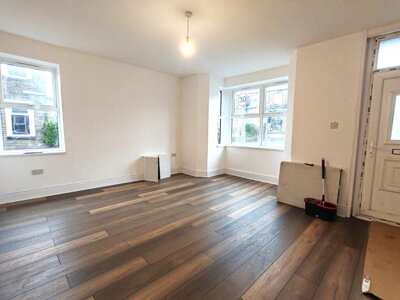
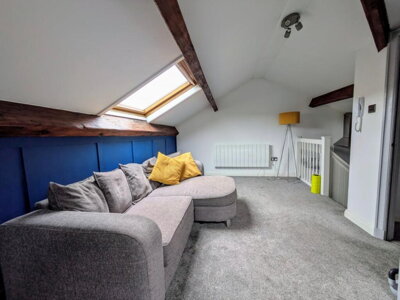
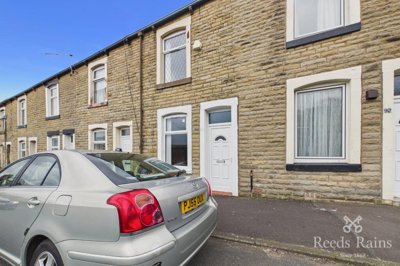
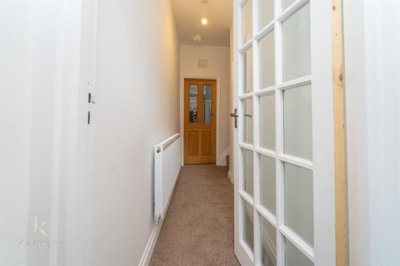
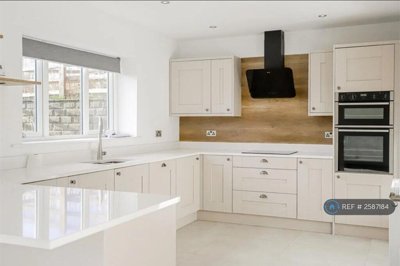
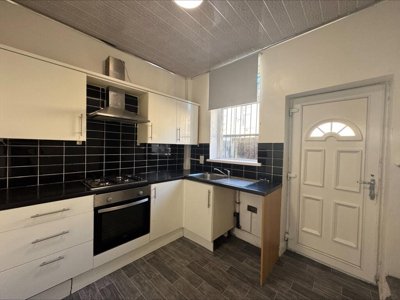
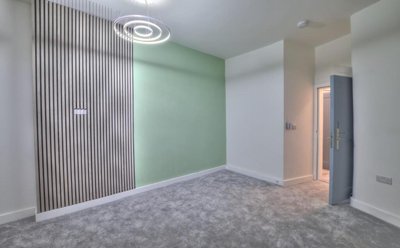
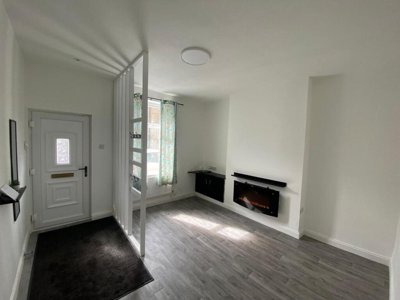
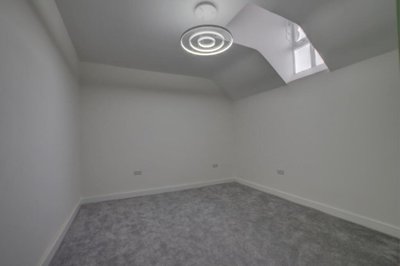
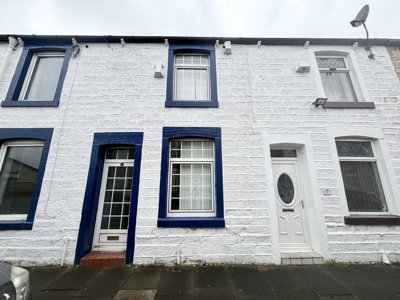
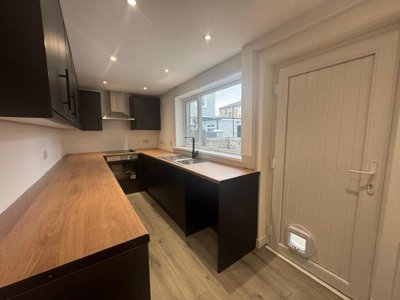
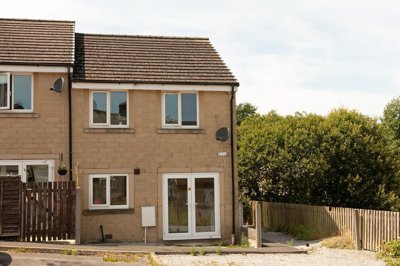
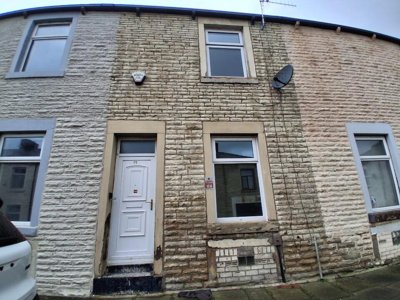
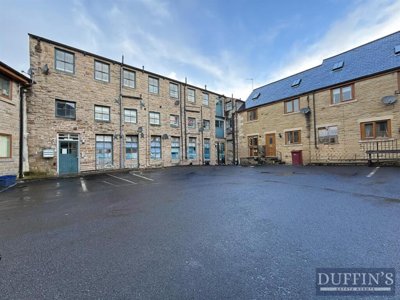
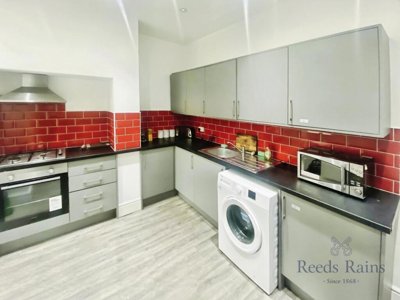
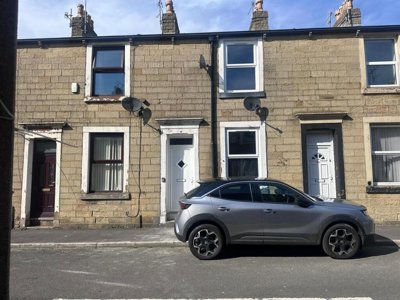
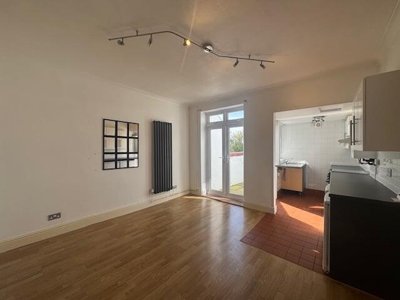
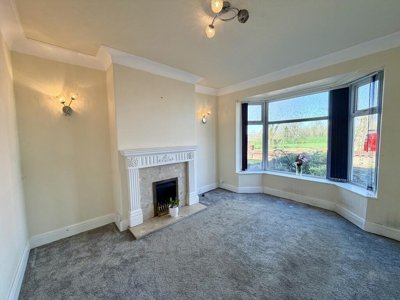
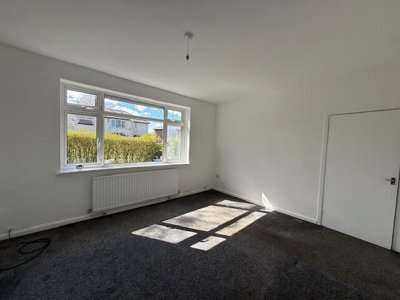
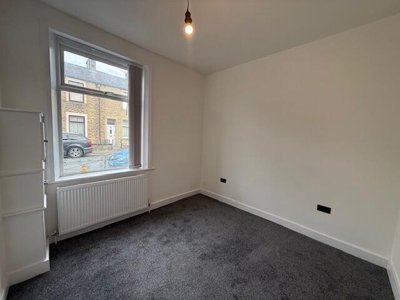
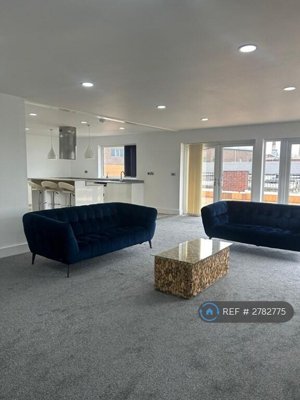
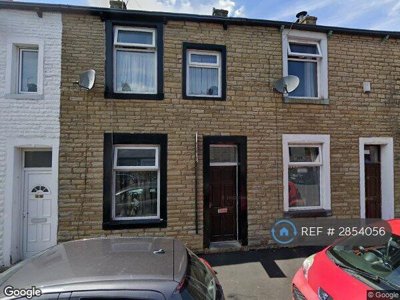
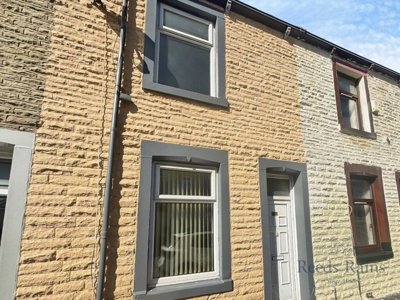
Browse 192 rental homes to rent in Burnley, Lancashire from local letting agents.
£600/m
36
1
47
Source: home.co.uk
Source: home.co.uk
Terraced
16 listings
Avg £716
Flat
6 listings
Avg £523
House
3 listings
Avg £683
House Share
3 listings
Avg £470
Apartment
2 listings
Avg £700
End of Terrace
2 listings
Avg £563
Semi-Detached
2 listings
Avg £1,050
Garages
1 listings
Avg £304
Not Specified
1 listings
Avg £575
Source: home.co.uk
Source: home.co.uk
The Burnley rental market reflects the broader property trends across East Lancashire, where terraced houses remain the most common housing type at 48.7 percent of all residential stock according to the 2021 Census. Renting in Burnley typically offers better value compared to neighbouring Greater Manchester or Preston, making it particularly appealing to first-time renters, young professionals, and families looking to establish themselves without the commitment of a purchase. The average property in Burnley sells for around £129,599, with detached homes averaging £246,750, semi-detached properties at £144,302, and flats at roughly £72,167, giving you a clear picture of the rental price brackets you might expect when negotiating with landlords.
House prices in Burnley have shown a modest 2% increase over the past twelve months, indicating a stable market that rewards both buyers and long-term renters alike. New developments like Victoria Mill on Trafalgar Street have introduced contemporary apartment options to the rental market, appealing to those seeking modern living within converted historic buildings. The ongoing Canal Quarter regeneration project signals future growth in the area, which could positively impact property values and rental demand over the coming years. For renters, this stability combined with regeneration investment makes Burnley a shrewd choice for those who want to build roots in a town on the up.
The local economy has diversified significantly from its traditional manufacturing base, now featuring strong employment in advanced manufacturing, aerospace supply chains, and the health sector through East Lancashire Hospitals NHS Trust. Burnley College and the University of Central Lancashire campus provide further employment and educational opportunities, contributing to a stable community of residents who choose to live and work locally. This economic diversity means renters can often find employment locally without needing to commute to Manchester or Preston, making Burnley an increasingly practical choice for those who want to reduce their travel costs while maintaining access to regional employment centres.
Burnley is a town of approximately 94,498 residents across 39,400 households, situated in the heart of East Lancashire where the River Calder winds through the valley. The town centre retains much of its Victorian and Edwardian architectural heritage, with grand civic buildings and former textile mills standing alongside modern retail and leisure facilities. The surrounding Pennine landscape provides excellent walking and cycling opportunities, with the Forest of Bowland an Area of Outstanding Natural Beauty accessible just a short drive from the town. Residents appreciate the balance between urban conveniences and access to countryside that Burnley uniquely provides.
The local economy has diversified significantly from its traditional manufacturing base, now featuring strong employment in advanced manufacturing, aerospace supply chains, and the health sector through East Lancashire Hospitals NHS Trust. Burnley College and the University of Central Lancashire campus provide further employment and educational opportunities, contributing to a stable community of residents who choose to live and work locally. The town centre has benefited from ongoing regeneration investment, improving shopping facilities, restaurants, and cultural venues that serve both local residents and visitors from surrounding areas. Community spirit remains strong in Burnley, with numerous local events, sports clubs, and neighbourhood associations fostering connections among residents across all ages and backgrounds.
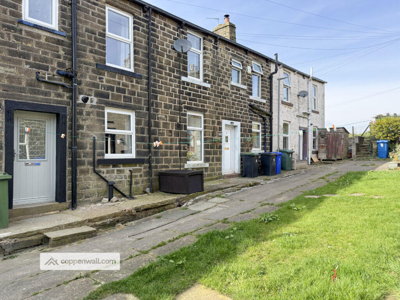
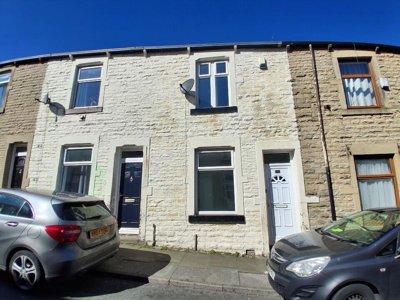
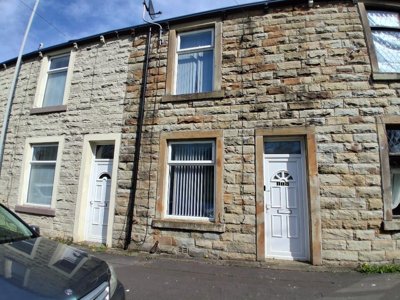
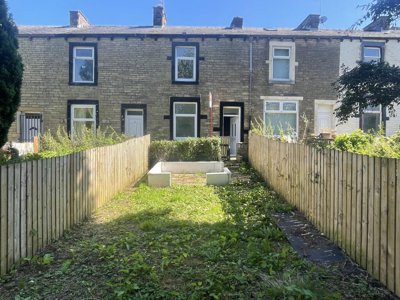
Burnley's housing stock reflects its industrial heritage, with the majority of properties built using local stone and traditional red brick construction methods. Many terraced homes in areas such as Daneshouse, Stoneyholme, and the Bank Hall conservation area were constructed before 1919 during the peak of the cotton industry. These solid-wall properties often feature timber suspended floors and traditional pitched roofs covered with slate or clay tiles, construction methods that require specific knowledge when assessing their condition for rental purposes. The mix of older housing stock means renters can find character properties with original features alongside more modern options in post-war developments on the town's outskirts.
Families considering renting in Burnley will find a range of educational options across all levels, with several primary and secondary schools serving the town and surrounding areas. The town is served by primary schools including Cherry Tree Primary School, which has earned a strong reputation among local parents, along with St Mary's Roman Catholic Primary School and other faith and community schools. Secondary education options include Burnley High School, which opened as part of the area's educational investment, along with established schools such as Blessed Trinity Roman Catholic College serving students from Year 7 through to sixth form. Parents should research individual school Ofsted ratings and catchment areas before committing to a rental property, as school placements can significantly impact daily family life.
For higher education, Burnley College offers vocational courses and apprenticeships, while the University of Central Lancashire maintains a campus in the town providing degree-level programmes. These institutions not only serve students but also contribute to the local community through research projects, public lectures, and partnerships with local employers. Further education options in the wider East Lancashire area include colleges in Blackburn and Accrington, accessible via the reliable train and bus networks that connect Burnley to neighbouring towns. Renting in Burnley positions families well to access these educational opportunities while benefiting from the lower cost of living compared to larger regional cities.
When searching for rental properties near schools in Burnley, consider that catchment areas can vary significantly between primary and secondary schools, and some schools have waiting lists for certain year groups. Properties in neighbourhoods like Worsthorne, Shuttleworth, and Harlescott may offer easier access to some of the town's higher-performing primary schools, while secondary school catchments tend to cover wider areas. Our platform allows you to search for properties while considering proximity to schools, but we always recommend confirming current catchment boundaries directly with the local education authority before committing to a tenancy.
Burnley benefits from strong transport connections that make commuting feasible for residents working across Greater Manchester, Lancashire, and beyond. Burnley Central and Burnley Manchester Road railway stations provide regular train services, with direct routes to Manchester, Leeds, and Preston connecting the town to major employment centres. The journey to Manchester typically takes around one hour by train, making Burnley an affordable option for commuters who work in the city but prefer to live somewhere with lower rental costs. Bus services operated by Lancashire County Council and private operators provide good coverage across the town and surrounding villages, ensuring residents without cars can access essential amenities and employment.
For drivers, Burnley is well-connected to the motorway network via the M65, which passes close to the town and provides direct access to Preston, Blackburn, and the national motorway network beyond. This road connectivity has attracted logistics and manufacturing businesses to the area, creating local employment opportunities while keeping commute times to regional centres manageable. Cycling infrastructure has improved in recent years, with designated routes making it safer and more appealing for residents to cycle to work or local amenities. Parking availability varies across Burnley, with town centre car parks serving retail and leisure visitors while residential areas typically offer on-street parking, a factor worth considering when choosing where to rent within the town.
For those who rely on public transport, Burnley's bus network connects the town centre with surrounding villages including Padiham, Brierfield, and Colne Road, while the rail services provide faster links to Manchester Victoria, Leeds, and Preston stations for onward connections. Season tickets for commuters travelling to Manchester typically cost less than comparable journeys from towns closer to the city, representing a significant saving for regular commuters. When viewing rental properties, consider whether they offer easy access to these transport hubs, as properties within walking distance of Burnley Central station or major bus routes may command a small premium but can substantially reduce your daily commute time and costs.
Before viewing any properties, obtain a rental budget agreement in principle to understand how much you can afford to spend on rent each month. Include rent, council tax, and utility estimates in your calculations, and factor in potential increases if your lease includes annual rent reviews. A clear budget helps you focus your search on properties you can genuinely afford, avoiding wasted time viewing homes outside your price range.
Consider factors like commute times to your workplace, school catchments for your children, and local amenities when choosing which areas of Burnley suit your lifestyle. Terraced streets near the town centre offer walkable access to shops and restaurants, while quieter residential estates in Padiham or Hapton provide more space and a suburban feel at potentially lower rents.
Contact local letting agents or landlords directly through Homemove to schedule viewings of properties that match your criteria. Take notes on property condition during each visit and ask about lease terms including the length of tenancy, notice periods, and any restrictions on pets or modifications to the property.
Before signing, carefully review the tenancy agreement including the length of lease, rent amount, deposit amount, and any restrictions on pets or modifications to the property. Our team can explain standard clauses and flag any terms that seem unusual or particularly onerous for tenants.
Most landlords require credit checks, employment references, and previous landlord references as part of their tenant selection process. Having these ready in advance can significantly speed up your application and help you secure a property ahead of other applicants who may not be as prepared.
Once your references are approved and your deposit is protected in a government-approved scheme, you can collect your keys and move into your new Burnley home. Document the property condition thoroughly when you move in, taking date-stamped photographs as evidence to protect yourself against any deposit disputes at the end of your tenancy.
Renting in Burnley requires attention to specific local factors that may not be immediately obvious during a standard viewing. Given that the majority of Burnley's housing stock consists of older properties, often built before 1919, prospective renters should look closely for signs of dampness, which is one of the most common defects in traditional terraced homes with solid walls. Check for any musty smells, discoloured patches on walls, or evidence of condensation on windows, as these can indicate ventilation problems or failed damp-proof courses that could lead to costly issues during your tenancy. Ask the landlord about recent maintenance, any history of damp treatment, and whether the property has been updated with improved insulation or modern heating systems.
Flood risk is another consideration specific to Burnley's geography, particularly for properties located near the River Calder or its tributaries including the River Brun and Pendle Water. The town has experienced surface water flooding in some urban areas during periods of heavy rainfall, so it is worth checking the Environment Agency flood risk maps for the specific address you are considering. Additionally, Burnley's coal mining history means that some properties may sit above former mining workings, potentially requiring a mining report to assess any risk of ground instability. Properties within conservation areas such as Town Centre, Bank Hall, or Stoneyholme may have restrictions on modifications and could require specialist surveys due to their listed status, factors that affect both your enjoyment of the property and your obligations as a tenant.
The geology of Burnley is primarily characterised by Carboniferous rocks including sandstones, shales, and mudstones, with superficial deposits often including glacial till or boulder clay. Properties built on these clay soils may be susceptible to subsidence or heave if moisture content in the ground changes significantly, a risk that can be assessed through a professional survey. When renting older properties, watch for signs of structural movement such as diagonal cracks around door and window frames, sticking doors or windows, and uneven or sagging floors, as these may indicate ongoing ground movement that requires further investigation by a qualified surveyor.
Understanding the costs involved in renting a property in Burnley helps you budget accurately and avoid surprises when you find your ideal home. Security deposits in England are capped at five weeks' rent where the annual rent is less than £50,000, and your landlord must protect this deposit in one of three government-approved schemes within 30 days of receiving it. You have the right to receive your deposit back at the end of your tenancy, minus any deductions for legitimate damages beyond normal wear and tear, so document the property's condition thoroughly when you move in and take date-stamped photographs as evidence. Ask your landlord for confirmation that your deposit has been protected and keep the certificate safe throughout your tenancy.
Beyond the deposit, you may encounter holding deposits, which landlords use to take a property off the market while they process your application and verify references, and this is typically capped at one week's rent. Inventory checks are common at the start and end of tenancies, with costs usually ranging from £80 to £200 depending on the property size and whether a professional inventory clerk is used. Renting an older property in Burnley may also require you to budget for higher utility costs if the property lacks modern insulation, a factor worth investigating during viewings. Getting a rental budget agreement in principle before you begin searching gives you a clear picture of your financial position and demonstrates to landlords that you are a serious and financially prepared applicant, which can strengthen your offer in competitive rental situations.
Council tax in Burnley is set by Pendle Borough Council and covers services including waste collection, road maintenance, and local authority services. Most terraced houses and smaller properties fall into Bands A through C, meaning residents benefit from some of the lowest council tax rates in England. You can check the specific band for any property through the Valuation Office Agency website using the property address, and this cost should be factored into your monthly budget alongside rent and utilities when calculating the true cost of renting a property in Burnley.
While specific rental price data varies by property type and location, Burnley's overall average property value stands at approximately £129,599 according to recent sales data. Terraced houses, which make up nearly 49 percent of all housing stock, typically represent the most affordable rental options with prices often starting below £500 per month for standard properties. Semi-detached and detached properties command higher rents reflecting their larger size, with three-bedroom semis in areas like Clover Hill or Harlescott often available in the £550-£700 range. The town's stable 2% annual price increase suggests rental costs have remained consistent, making Burnley an affordable option compared to neighbouring Manchester and Preston. Contact local letting agents through Homemove for current listings matching your budget.
Council tax bands in Burnley are set by Pendle Borough Council and range from Band A for lower-value properties up to Band H for the most expensive homes. Most terraced houses and smaller properties fall into Bands A through C, meaning residents benefit from some of the lowest council tax rates in England. You can check the specific band for any property through the Valuation Office Agency website using the property address. Properties in higher bands like D, E, or F tend to be larger detached or semi-detached homes in more affluent neighbourhoods such as Worsthorne or Haggate, where monthly council tax costs will be proportionally higher.
Burnley offers a range of educational options including Cherry Tree Primary School and St Mary's Roman Catholic Primary School at primary level, while secondary options include Burnley High School and Blessed Trinity Roman Catholic College. The town also has further education facilities through Burnley College and the University of Central Lancashire campus. Always verify current Ofsted ratings and school catchment areas, as these can change and directly impact which schools your children can attend from a given address. The Burnley area has seen investment in educational facilities in recent years, with new school places being created to accommodate population growth in expanding neighbourhoods.
Burnley benefits from excellent public transport links, with Burnley Central and Burnley Manchester Road stations providing regular train services to Manchester, Leeds, Preston, and other major destinations. Bus services operated by Lancashire County Council and private operators cover the town centre, surrounding villages, and neighbouring towns comprehensively. The M65 motorway provides direct road access to Preston, Blackburn, and the wider motorway network, making car travel convenient for those commuting to work or exploring the region. For commuters working in Manchester, the train journey takes approximately one hour, making Burnley a practical base for those who need to travel to the city regularly while benefiting from significantly lower rental costs than closer commuter towns.
Burnley offers excellent value for renters seeking affordable accommodation in East Lancashire with strong community spirit and ongoing regeneration investment. The town's diverse economy, good transport connections, and access to both urban amenities and Pennine countryside make it suitable for a wide range of renters from first-time tenants to growing families. The predominance of older housing stock means properties may require some maintenance awareness, but this is balanced by lower rental costs compared to larger regional cities. The ongoing regeneration projects including the Canal Quarter development and improvements to the town centre suggest Burnley will continue to be an attractive option for renters seeking affordable living with good prospects for the future.
As a renter in England, you can expect to pay a security deposit equivalent to five weeks' rent, which must be protected in a government-approved deposit scheme within 30 days of receiving it. Some landlords may also charge a holding deposit to take a property off the market while references are checked, typically equivalent to one week's rent. You should budget for potential fees including tenancy agreement costs, inventory check fees, and reasonable moving expenses. First-time renters may qualify for relief on certain costs, so it is worth discussing your circumstances with your letting agent. Our team can provide guidance on what fees to expect and help you understand your rights as a tenant throughout the rental process.
Properties near the River Calder, River Brun, or Pendle Water face potential fluvial flood risk during periods of high rainfall and river flows. Surface water flooding is also a concern in urbanised areas where drainage systems can become overwhelmed during intense rainfall events. The Environment Agency provides detailed flood risk mapping for specific addresses in Burnley, which prospective renters should consult before committing to a tenancy. Properties in designated flood zones may require additional contents insurance coverage and could be subject to restrictions on certain types of tenancy. Areas particularly close to watercourses in the Calder Valley may have elevated flood risk, while properties on higher ground in neighbourhoods like Hapton or Padiham generally face lower risk levels.
Burnley's coal mining history means that some properties may sit above former mining workings, potentially requiring a mining report to assess any risk of ground instability. While most deep mining ceased decades ago, properties in former mining areas may be at risk from mine workings instability including subsidence from collapsing shafts or shallow workings. This is particularly relevant for properties in areas historically associated with coal extraction, which include parts of the town centre and some residential neighbourhoods. A mining report can identify any past mining activity that might affect the property and is often recommended for older properties in Burnley as part of a thorough pre-rental assessment.
When viewing rental properties in Burnley, pay particular attention to signs of dampness given the prevalence of older solid-wall construction in the local housing stock. Check for musty smells, discoloured patches on walls, and condensation on windows, and ask the landlord about the property's damp-proof course and ventilation arrangements. Inspect the roof for missing or slipped tiles, check that plumbing and heating systems are in working order, and look for signs of subsidence such as cracks in walls or uneven floors. For properties in conservation areas like Town Centre, Bank Hall, or Stoneyholme, ask about any planning restrictions that might affect your use of the property.
From £400
Professional survey ideal for conventional properties, identifying defects before you commit to a tenancy
From £600
Comprehensive building survey recommended for older properties and conservation areas
From £80
Energy performance certificate required for rented properties
Whether you are a first-time renter looking for your first home or a family seeking more space in an affordable area, Burnley offers opportunities that are hard to find in larger regional cities. Our platform connects you directly with local letting agents and private landlords listing properties across every neighbourhood in Burnley, from the town centre conservation area to the residential estates of Padiham and beyond. Start your search today and discover why so many renters are choosing to make Burnley their home.

Properties to Rent In London

Properties to Rent In Plymouth

Properties to Rent In Liverpool

Properties to Rent In Glasgow

Properties to Rent In Sheffield

Properties to Rent In Edinburgh

Properties to Rent In Coventry

Properties to Rent In Bradford

Properties to Rent In Manchester

Properties to Rent In Birmingham

Properties to Rent In Bristol

Properties to Rent In Oxford

Properties to Rent In Leicester

Properties to Rent In Newcastle

Properties to Rent In Leeds

Properties to Rent In Southampton

Properties to Rent In Cardiff

Properties to Rent In Nottingham

Properties to Rent In Norwich

Properties to Rent In Brighton

Properties to Rent In Derby

Properties to Rent In Portsmouth

Properties to Rent In Northampton

Properties to Rent In Milton Keynes

Properties to Rent In Bournemouth

Properties to Rent In Bolton

Properties to Rent In Swansea

Properties to Rent In Swindon

Properties to Rent In Peterborough

Properties to Rent In Wolverhampton

Enter your details to see if this property is within your budget.
Loans, cards, car finance
Estimated property budget
Borrowing + deposit
You could borrow between
Typical borrowing
Monthly repayment
Est. at 4.5%
Loan-to-value
This is an estimate only. Your actual budget may vary depending on interest rates, credit history, and personal circumstances. For an accurate affordability assessment, speak to one of our free mortgage advisors.
This calculator provides estimates for illustrative purposes only and does not constitute financial advice. Your home may be repossessed if you do not keep up repayments on your mortgage. Estimates based on 4.5% interest rate, repayment mortgage. Actual rates depend on your circumstances.
Homemove is a trading name of HM Haus Group Ltd (Company No. 13873779, registered in England & Wales). Homemove Mortgages Ltd (Company No. 15947693) is an Appointed Representative of TMG Direct Limited, trading as TMG Mortgage Network, which is authorised and regulated by the Financial Conduct Authority (FRN 786245). Homemove Mortgages Ltd is entered on the FCA Register as an Appointed Representative (FRN 1022429). You can check registrations at NewRegister or by calling 0800 111 6768.

We use cookies to show you personalised content and improve your experience of our website. Find out more in our Privacy policy and Cookie policy.