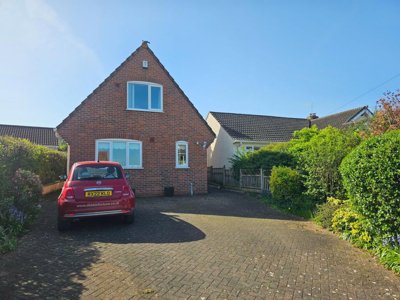
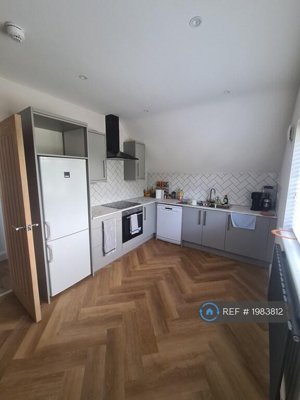
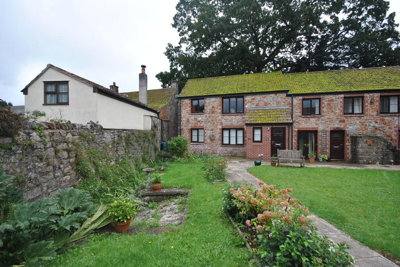
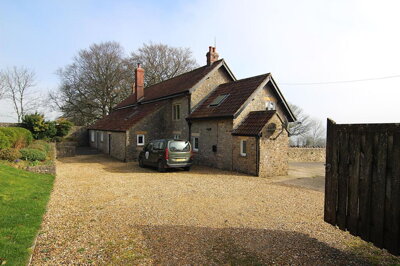
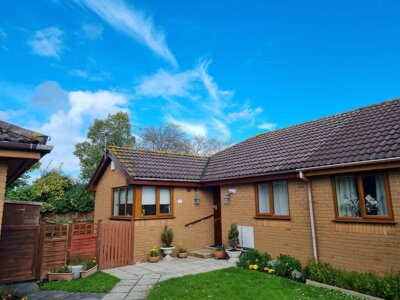
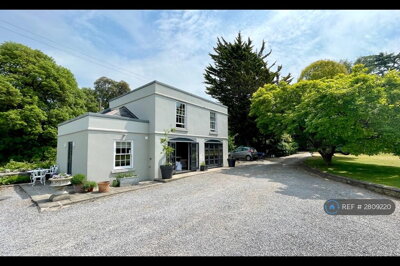
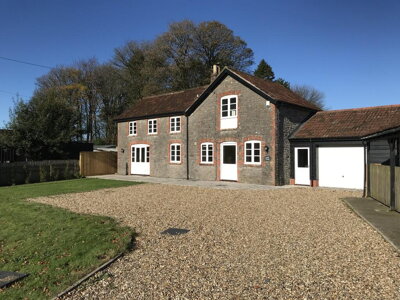
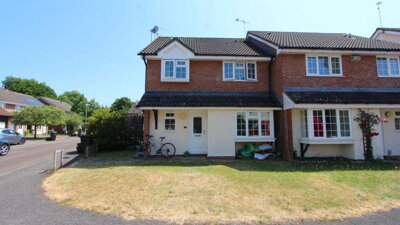
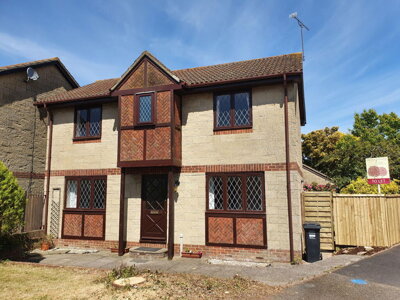
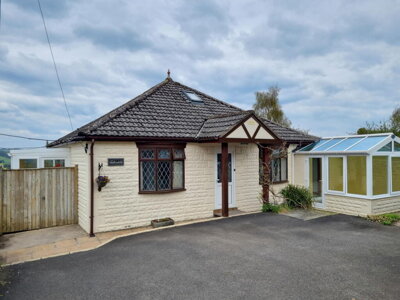
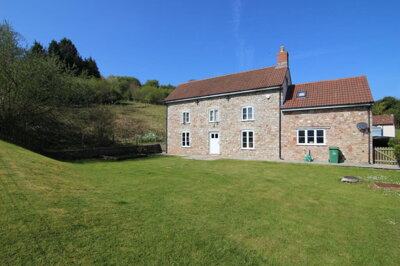
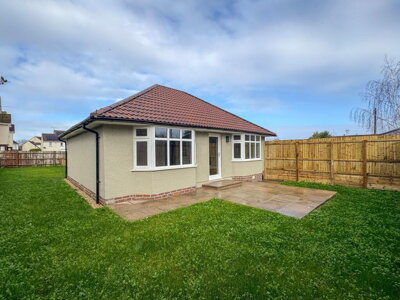
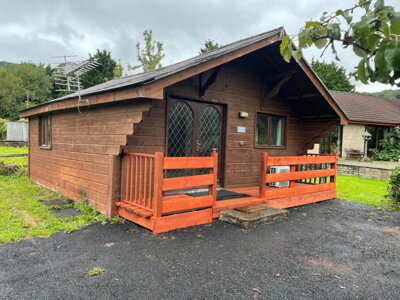
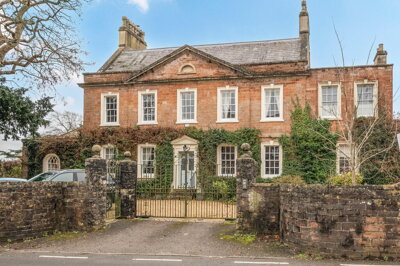
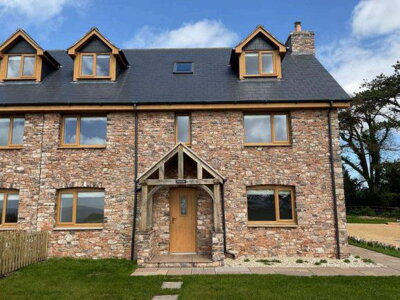
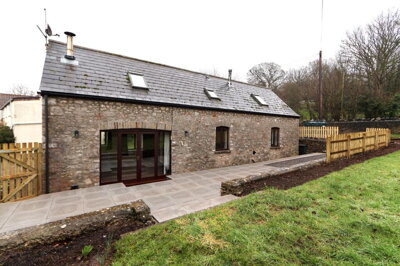
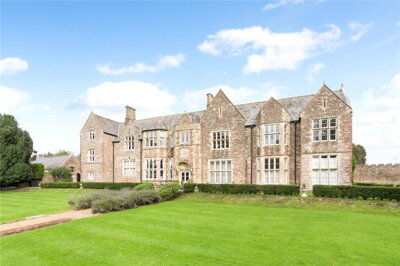
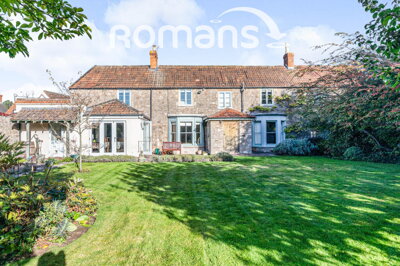
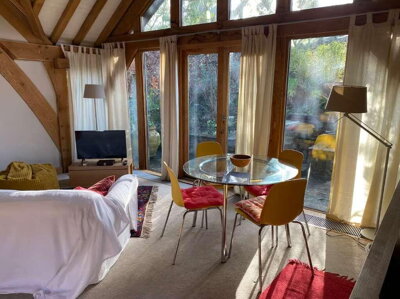
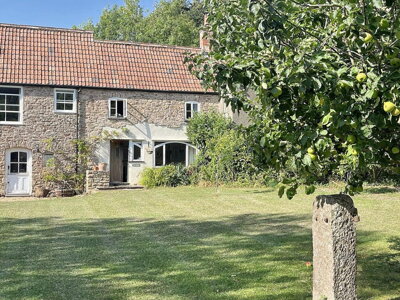
Browse 37 rental homes to rent in BS40 from local letting agents.
£1,650/m
7
0
66
Source: home.co.uk
Source: home.co.uk
Detached
2 listings
Avg £2,175
Semi-Detached
2 listings
Avg £4,238
Bungalow
1 listings
Avg £1,650
Detached Bungalow
1 listings
Avg £1,600
Terraced
1 listings
Avg £1,300
Source: home.co.uk
Source: home.co.uk
The BS40 rental market reflects the unique character of this Chew Valley location, with property types that cater primarily to families and professionals seeking spacious accommodation away from urban density. Detached homes command the highest rents in the area, often featuring generous gardens and off-street parking that appeal to households requiring additional space. Semi-detached properties represent good value for renters seeking village living without the premium associated with fully detached homes. With average prices for detached properties reaching around £679,444 for those considering eventual purchase, the rental market offers an accessible entry point to this desirable postcode without the commitment of buying.
Rental prices in BS40 vary according to property size, condition, and specific village location, with properties closer to local amenities in Chew Magna and Chew Stoke typically attracting premium rents. The area has seen relatively stable price movements over the past twelve months, with a modest downward adjustment of around 1.0% reflecting broader national trends. New build developments such as The Laurels in Chew Stoke, featuring homes by Burrington Estates on Bristol Road, offer three, four, and five-bedroom properties from £465,000 for those considering purchase. Similarly, Chewton Place by Strongvox Homes in Chewton Mendip provides additional modern housing options from £450,000. For renters, the availability of both period properties with character and newerbuild homes provides genuine choice when selecting a property in this postcode.
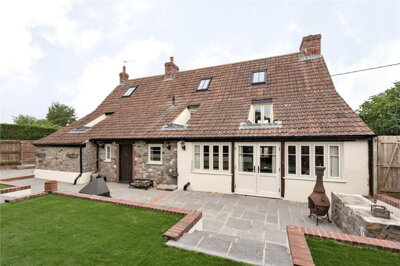
Understanding the local housing stock helps renters appreciate what the area offers. Properties in BS40 range from pre-1919 stone cottages and farmhouses in villages like Chew Magna to inter-war and post-war family homes constructed from brick and render. The traditional Lias limestone construction found in many village centre properties gives the area its distinctive golden character, while more recent developments have introduced contemporary designs with modern insulation and energy-efficient features. We recommend renters consider both the character of older properties and the practical benefits of newer construction when evaluating their options.
The Chew Valley represents one of the most desirable rural locations within easy reach of Bristol, characterised by a patchwork of ancient villages, farmland, and woodland set against the backdrop of the Mendip Hills. The local economy has evolved from its agricultural roots to incorporate tourism, leisure, and services, with many residents choosing to commute to Bristol or Bath for employment while enjoying the quality of life that village living provides. Chew Magna serves as one of the largest villages in the area, featuring a historic church, village green, and a selection of independent shops and cafes that serve the local community. The village has retained much of its medieval character, with properties constructed predominantly from local Lias limestone that give the buildings their distinctive golden hue.
The area around Chew Stoke offers similar village charm with the added benefit of proximity to Chew Valley Lake, a reservoir that provides habitat for diverse wildlife including rare birds and forms a focal point for recreational activities. The lake attracts visitors throughout the year for fishing, sailing, and walking, contributing to the local economy and community atmosphere. Compton Martin, another key village in the postcode, sits higher on the limestone plateau and offers panoramic views across the valley, with its own selection of historic properties and community facilities.
The local geology presents important considerations for renters. The underlying clay soils of the Lias Group, including the Charmouth Mudstone Formation, can exhibit shrink-swell behaviour during periods of dry or wet weather. This means properties in BS40 may experience ground movement that affects foundations, floors, and walls over time. Properties in low-lying areas near the River Chew and its tributaries may face occasional flooding, and those considering tenancies should enquire about flood history and any flood resilience measures that may have been implemented. Conservation areas covering villages like Chew Magna, Chew Stoke, and Compton Martin ensure that development is sensitively managed, preserving the historical character that makes this area so attractive to renters.

Education provision in the BS40 area serves families well, with a selection of primary schools within the Chew Valley that cater to children from early years through to Key Stage 2. The rural setting means that many schools operate within tight-knit communities where staff know pupils and their families personally, creating supportive learning environments. Church primary schools serving the area often benefit from strong community links and values that complement academic achievement. St. Mary's Church of England Primary School in Chew Magna has served the community for generations, offering education within a village setting that many families appreciate.
For secondary education, students typically travel to schools in nearby towns, with several well-regarded options accessible by school transport or public bus services operating throughout the Chew Valley. Sir John Coles Academy in Midsomer Norton and Ralph Allen School in Bath have established reputations for academic achievement and pastoral care. Several schools in the surrounding region have achieved Ofsted ratings of Good or Outstanding, providing parents with confidence in local educational standards. The proximity to Bristol and Bath also opens access to a wider range of educational establishments, including grammar schools accessible through the Bristol entrance examinations for families residing in the catchment area.
Families renting in BS40 should research specific school catchment areas and admission policies, as competition for places at popular schools can be intense in this desirable commuter belt location. Independent schools in Bristol and Bath offer additional options for families seeking alternative educational approaches, with school transport arrangements enabling pupils to travel from their Chew Valley homes. We recommend families visit school websites and contact admissions offices directly to confirm current catchment boundaries, as these can change and may affect your tenancy decisions if school proximity is a priority.

Commuting from BS40 to Bristol or Bath is straightforward, with regular bus services connecting the Chew Valley villages to both cities throughout the day. The A368 road provides a direct route towards Bristol, while the A37 offers access to Bath and Yeovil, with typical journey times to Bristol city centre ranging from 30 to 45 minutes depending on traffic conditions. For professionals working in Bristol's business districts or hospitals, living in BS40 provides the advantage of relatively uncongested routes compared to those travelling from more distant locations. Weekend and off-peak travel times are significantly shorter, making the area particularly attractive to workers with flexible or hybrid working arrangements.
Train services from Bristol Temple Meads and Bristol Parkway provide connections to major UK destinations including London Paddington, with journey times to the capital typically around one hour forty minutes from Bristol. Bath Spa station offers additional rail options with direct services to South Wales and the South Coast. Bristol Airport located nearby offers international connections, though flight noise is generally minimal for most of the BS40 area. The X39 and X40 bus routes operated by First Bus and local operators provide regular connections between Chew Valley villages and Bristol city centre, though evening and weekend services are less frequent than weekday provision.
For cyclists, the National Cycle Network passes through the region, connecting Chew Valley villages to Bristol and providing traffic-free routes for recreational cycling along former railway lines. Parking provision varies by village, with on-street parking being common in older settlements where properties lack dedicated driveways. Car ownership remains advisable for residents of BS40 given the limited evening and weekend public transport services. Those considering renting without a car should factor in the cost of taxis or lift-sharing arrangements for social activities outside normal bus operating hours.

Before searching for properties, obtain a rental budget agreement in principle to understand what you can afford. Include rent, council tax, utilities, and moving costs in your calculations. For BS40 properties, remember that larger detached homes with gardens will command higher rents than flats or terraced properties, so factor in potential gardening costs if you choose a property with significant outdoor space.
Spend time in the BS40 area to understand village amenities, travel options, and community atmosphere. Visit at different times of day and week to gauge noise levels and traffic patterns. Check distances to local shops in Chew Magna and Chew Stoke, and investigate parking arrangements if you own a vehicle. Take time to explore footpaths and bridleways that connect the villages, as these form part of daily life for many residents.
Browse current rentals on Homemove, noting properties that match your requirements in terms of size, type, and price. Set up alerts to be notified of new listings. Given the relatively limited rental stock in this semi-rural postcode, acting quickly when suitable properties appear is advisable. Research comparable properties to understand fair market rents for the area, noting that prices closer to Bristol or Bath tend to be higher.
Contact letting agents or landlords to schedule viewings of properties that interest you. Prepare questions about tenancy terms, maintenance responsibilities, and any specific property concerns. For older properties in conservation areas, ask about restrictions on modifications. Enquire about the condition of heating systems, as many traditional properties use oil-fired central heating that may be older than modern equivalents.
Once you find a suitable property, complete referencing applications promptly. Provide accurate information about your income, employment, and rental history. In the competitive BS40 market, having your documentation prepared in advance, including proof of income and references from previous landlords, can strengthen your application against other interested parties.
Review your tenancy agreement carefully before signing, noting the deposit amount, rent payment schedule, and any special conditions. Your deposit will be protected in a government-approved scheme within thirty days of the tenancy start date. For properties in BS40, pay particular attention to clauses regarding garden maintenance, as many rental agreements specify tenant responsibility for upkeep of outdoor spaces.
Renting a property in BS40 requires careful attention to several area-specific factors that may not be immediately apparent during viewings. The age of properties in the Chew Valley means that many homes feature traditional construction methods that differ significantly from modern buildings, including solid walls rather than cavity insulation and older plumbing and electrical systems. Properties constructed from local stone or with historic features may require more maintenance than newerbuild homes, and tenants should clarify with landlords who holds responsibility for repairs and upkeep. Our team has extensive experience guiding renters through the quirks of traditional Chew Valley properties, helping them understand what to expect from their prospective new homes.
Given the prevalence of clay soils in the area, signs of subsidence or heave such as cracking, doors sticking, or uneven floors warrant professional investigation before committing to a tenancy. The Lias Group geology underlying much of BS40 creates moderate to high shrink-swell potential, particularly during extended dry spells or periods of heavy rainfall. Properties with large trees nearby may be more susceptible to foundation movement as roots extract moisture from clay soils. For renters, understanding the age and type of foundations is valuable information when evaluating a property on clay ground.
The flood risk in certain parts of BS40, particularly near the River Chew and Chew Valley Lake, should be assessed when considering a property in a low-lying location. Chew Magna and Chew Stoke have recorded instances of flooding historically, and prospective tenants can check Environment Agency flood maps to understand the risk profile of specific properties. Properties within conservation areas may be subject to restrictions on modifications or improvements, affecting what tenants can do to personalise their home. Listed buildings, which are numerous in villages like Chew Magna and Chew Stoke, often require landlord consent for even minor alterations due to their protected status.
A thorough inventory check at the start of a tenancy protects both tenant and landlord, documenting the condition of fixtures, fittings, and furnishings to avoid disputes at the end of the tenancy. For older properties, the inventory should note the condition of traditional features such as stone floors, sash windows, and original fireplaces that may show signs of wear consistent with their age. We recommend requesting a professional inventory service rather than relying on verbal agreements, as this documentation proves invaluable should any disputes arise during or after your tenancy.

Specific rental price data for BS40 varies according to property type and size, with two and three-bedroom homes in villages like Chew Magna and Chew Stoke typically commanding rents within the moderate range for the Bristol commuter belt. Flats and smaller properties start at the lower end of the market, while detached family homes with four or more bedrooms reach premium rents reflecting their size and village locations. The overall average house price of approximately £499,997 in BS40 indicates a market where both buyers and renters can expect quality accommodation, though rental prices generally sit below the levels found in closer proximity to Bristol city centre. Prospective renters should search current listings to obtain accurate rental figures for their specific requirements.
Properties in the BS40 postcode fall within North Somerset Council's jurisdiction, with council tax bands ranging from A to H depending on property value and characteristics. Most residential properties in the Chew Valley villages fall within bands C through E, with band D representing a common classification for typical family homes in the area. Council tax bills in North Somerset fund local services including education, waste collection, and road maintenance, with annual charges varying according to band. Prospective renters should confirm the council tax band with landlords or agents, as this forms part of the regular cost of occupying a property alongside rent payments.
The BS40 area benefits from several primary schools serving the Chew Valley villages, with church and community schools providing strong educational foundations for younger children. St. Mary's Church of England Primary School in Chew Magna has served the community for many years, offering education within a village setting that many families appreciate. Secondary school options in the surrounding area include Sir John Coles Academy and Ralph Allen School, both of which have established reputations for academic achievement and pastoral care. Families should verify current catchment boundaries and admission criteria directly with schools, as these can change and may affect your decision if education provision is a primary consideration.
Bus services operated by First Bus and local operators provide connections between Chew Valley villages and Bristol city centre, with the X39 and X40 routes offering regular services throughout the day. Evening and weekend services are less frequent than weekday provision, making private vehicle ownership advisable for residents who work irregular hours or wish to explore the region independently. Bristol Temple Meads and Bristol Parkway stations provide rail connections to London, Birmingham, and other major destinations, while Bristol Airport offers international flights for both business and leisure travel.
BS40 represents an excellent choice for renters seeking a balance between rural village living and access to urban employment centres. The Chew Valley offers strong community spirit, beautiful natural surroundings including Chew Valley Lake and proximity to the Mendip Hills AONB, and well-regarded local schools. Commuting to Bristol or Bath remains practical for those working in either city, while the villages themselves provide adequate everyday amenities including shops, pubs, and recreational facilities. Families, couples, and individuals who appreciate outdoor activities and a slower pace of life often find BS40 particularly well-suited to their lifestyle. The variety of property types available, from traditional stone cottages to modern family homes, means renters can find accommodation that matches their specific needs and preferences.
Standard practice in BS40 requires a security deposit equivalent to five weeks' rent, which will be protected in a government-approved deposit protection scheme within thirty days of the tenancy start date. Holding deposits equivalent to one week's rent may be requested to secure a property while referencing checks proceed, though this does not guarantee acceptance of your application. Tenant referencing fees, inventory check costs, and contract preparation charges may apply depending on the letting agent or landlord's requirements. North Somerset Council may also require payment of council tax, with bands typically ranging from C to E for standard family homes in the area.
Properties in BS40 frequently feature traditional construction methods that require careful inspection before tenancy. Many homes have solid walls rather than cavity insulation, older electrical wiring that may not meet current standards, and plumbing systems predating modern materials. The clay soils underlying much of the area can cause foundation movement, so checking for cracking, sticking doors, or uneven floors is advisable. Properties near Chew Valley Lake or the River Chew may have elevated flood risk, and those in conservation areas face restrictions on modifications. We recommend requesting a thorough condition report or professional survey before committing to any tenancy in older properties.
Pet policies vary between landlords and properties in the BS40 area, with some owners happy to accept well-behaved pets while others prefer to restrict animals in their properties. Properties with larger gardens, often found in detached and semi-detached homes in the Chew Valley, may be more suitable for tenants with pets. The surrounding countryside provides excellent walking opportunities, making BS40 an attractive option for pet owners. Always discuss pet arrangements with landlords before submitting your application, as properties accepting pets can be popular and competitive.
Understanding the full cost of renting in BS40 extends beyond the monthly rent figure to include deposits, fees, and ongoing expenses that should be factored into your budget planning. The standard security deposit for an Assured Shorthold Tenancy in England is capped at five weeks' rent where the annual rent exceeds £50,000, or four weeks' rent for lower rental amounts. This deposit must be protected in one of three government-approved schemes within thirty days of receipt, providing you with recourse should disputes arise at the end of your tenancy. Your landlord is required to provide you with information about which scheme holds your deposit and the circumstances under which it may be retained.
Additional upfront costs when commencing a tenancy in BS40 typically include a holding deposit equivalent to one week's rent to secure the property, which may be offset against your first month's rent if your application proceeds successfully. Tenant referencing fees cover credit checks, employment verification, and landlord references, with costs varying between agents. An independent inventory check conducted by a professional inventory service provides a detailed record of property condition at the start and end of your tenancy, protecting both parties from disputes about damage or missing items. First-time renters should also budget for moving costs, connection fees for utilities and internet services, and potential purchase of furniture or household items if renting an unfurnished property.
Ongoing costs to budget for include council tax, which in North Somerset typically falls in bands C through E for standard family homes in BS40, plus utility bills that may be higher in older properties with solid wall construction and less effective insulation. Many rental properties in the Chew Valley use oil-fired central heating, requiring tenants to budget for oil deliveries alongside electricity and gas costs. Internet connection may require installation fees and line rental, with broadband speeds varying depending on your specific village location within the BS40 postcode. We recommend requesting copies of recent utility bills from landlords or agents to help estimate your ongoing costs before committing to a tenancy.

Properties to Rent In London

Properties to Rent In Plymouth

Properties to Rent In Liverpool

Properties to Rent In Glasgow

Properties to Rent In Sheffield

Properties to Rent In Edinburgh

Properties to Rent In Coventry

Properties to Rent In Bradford

Properties to Rent In Manchester

Properties to Rent In Birmingham

Properties to Rent In Bristol

Properties to Rent In Oxford

Properties to Rent In Leicester

Properties to Rent In Newcastle

Properties to Rent In Leeds

Properties to Rent In Southampton

Properties to Rent In Cardiff

Properties to Rent In Nottingham

Properties to Rent In Norwich

Properties to Rent In Brighton

Properties to Rent In Derby

Properties to Rent In Portsmouth

Properties to Rent In Northampton

Properties to Rent In Milton Keynes

Properties to Rent In Bournemouth

Properties to Rent In Bolton

Properties to Rent In Swansea

Properties to Rent In Swindon

Properties to Rent In Peterborough

Properties to Rent In Wolverhampton

Enter your details to see if this property is within your budget.
Loans, cards, car finance
Estimated property budget
Borrowing + deposit
You could borrow between
Typical borrowing
Monthly repayment
Est. at 4.5%
Loan-to-value
This is an estimate only. Your actual budget may vary depending on interest rates, credit history, and personal circumstances. For an accurate affordability assessment, speak to one of our free mortgage advisors.
This calculator provides estimates for illustrative purposes only and does not constitute financial advice. Your home may be repossessed if you do not keep up repayments on your mortgage. Estimates based on 4.5% interest rate, repayment mortgage. Actual rates depend on your circumstances.
Homemove is a trading name of HM Haus Group Ltd (Company No. 13873779, registered in England & Wales). Homemove Mortgages Ltd (Company No. 15947693) is an Appointed Representative of TMG Direct Limited, trading as TMG Mortgage Network, which is authorised and regulated by the Financial Conduct Authority (FRN 786245). Homemove Mortgages Ltd is entered on the FCA Register as an Appointed Representative (FRN 1022429). You can check registrations at NewRegister or by calling 0800 111 6768.

We use cookies to show you personalised content and improve your experience of our website. Find out more in our Privacy policy and Cookie policy.