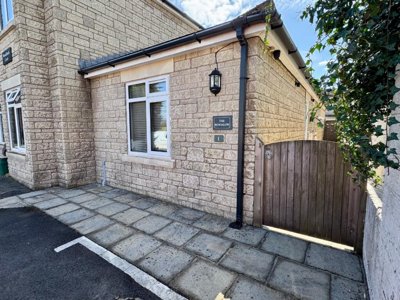
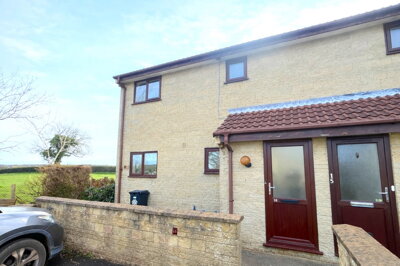
Browse 2 rental homes to rent in BS39 from local letting agents.
One bed apartments provide a separate bedroom alongside distinct living space, bathroom, and kitchen areas. Properties in BS39 are available in various building types including mansion blocks, contemporary developments, and house conversions.
£750/m
1
0
29
Source: home.co.uk
Showing 1 results for 1 Bedroom Flats to rent in BS39. The median asking price is £750/month.
Source: home.co.uk
Flat
1 listings
Avg £750
Source: home.co.uk
Source: home.co.uk
The rental market in BS39 reflects the broader property trends across this sought-after postcode, with average house prices increasing by 2% over the past 12 months according to recent market data. The area offers a diverse range of property types, from traditional stone-built cottages and Victorian terraces to modern family homes and converted agricultural buildings. Detached properties command the highest values at around £609,000 on average, while terraced homes at approximately £330,000 and flats around £200,000 provide more accessible entry points to the local market. Understanding these price dynamics helps renters appreciate the investment value of properties in this area.
The predominant housing stock in BS39 likely consists of detached and semi-detached properties given the rural character of the villages, with smaller proportions of terraced houses and flats concentrated in village centres. Properties dating from before 1919 form a significant part of the local character, often featuring local stone construction, lime mortar, and original sash windows that require different maintenance considerations. New build activity in the surrounding Chew Magna area (BS40) includes developments such as The Meadows by Barratt Homes, The Avenue by David Wilson Homes, and The Orchard by Linden Homes, with properties starting from £465,000 and £399,950 respectively. However, within BS39 itself, the market is characterised primarily by existing housing stock reflecting the historic character of these village communities.
For renters in BS39, the absence of large-scale new developments within the postcode means that period properties with original features, local stone construction, and mature gardens form a significant proportion of available rentals. Semi-detached homes averaging around £390,000 represent a popular middle ground for families seeking space without the premium of a detached property. The rental market here tends to move more slowly than in urban areas, giving prospective tenants more time to make informed decisions about their tenancy.

The BS39 postcode captures a network of villages nestled in the North Somerset countryside, offering residents a quality of life that combines rural tranquility with practical accessibility. The local geology includes areas of Mercia Mudstone, which has shaped both the landscape and the traditional building materials found throughout the area - properties frequently feature local limestone, Bath Stone, and traditional brick construction that give these villages their distinctive character. The River Chew and its tributaries wind through parts of the postcode, creating attractive green corridors and natural features that define the local landscape.
Village life in BS39 centres around community pubs, local shops, churches, and village halls that host regular events and activities. The area attracts a mix of families, professionals who commute to Bristol or Bath, and those seeking a slower pace of life without sacrificing urban amenities. The BS39 area is largely rural, with agriculture being a traditional employer, though proximity to Bristol and Bath means many residents commute to these cities for employment in sectors such as finance, technology, education, healthcare, and retail. Local employment also exists in tourism, hospitality, and small businesses within the villages.
Several villages within and bordering the postcode, including Chew Stoke and Chew Magna, have designated Conservation Areas that protect the historic character of these communities. Numerous listed buildings, from historic farmhouses to village churches, dot the landscape and contribute to the area's architectural heritage. Parts of Chew Stoke and the bordering community of Chew Magna feature Conservation Area designations that preserve the historic village centre character. The combination of period properties, village amenities, and strong community spirit makes BS39 an attractive location for renters seeking a genuine neighbourhood feel.

Families renting in the BS39 area benefit from access to well-regarded schools across both primary and secondary levels. The local primary schools serve the individual villages, with Chew Stoke Primary School and Pensford Primary School providing education for younger children within a village setting. These smaller primary schools often benefit from strong community links and individual attention for pupils. Parents should check current Ofsted ratings when selecting a rental property, as school performance can influence both educational outcomes and property values in the surrounding area.
For secondary education, students typically attend schools in the surrounding towns, with several good options within reasonable commuting distance that serve the BS39 catchment area. The area's proximity to Bristol and Bath also provides access to additional school choices, including grammar schools for families who meet entry requirements through the 11-plus examination. The grammar school system in the Bristol and North Somerset area provides additional choices for academically selective families. Parents should research specific school catchment areas and admission policies, as these can vary and may impact eligibility for places at particular schools.
Sixth form provision is available at secondary schools in nearby towns, offering a range of A-level and vocational courses for older students. The presence of quality schools significantly influences the rental market in BS39, with families often prioritising proximity to good educational provision when selecting their rental property. When renting in BS39, families should verify which schools serve their specific village location, as catchment boundaries can vary even within the same postcode area. Several primary schools in the surrounding North Somerset area have achieved good or outstanding Ofsted ratings, making them attractive options for families relocating to the BS39 area.

Transport connectivity ranks among the strongest appeals of the BS39 postcode, with residents enjoying straightforward access to major road and rail networks. The A4 runs through or near parts of the postcode, providing direct routes to Bristol city centre and connections to Bath. For commuters heading to Bristol, the journey typically takes around 20-30 minutes by car, depending on traffic conditions and specific village location within BS39. The nearby Bristol to Bath cycle path offers an alternative for cyclists, while bus services connect villages to nearby towns and the broader public transport network.
Rail travel from nearby stations offers services to Bristol Temple Meads, Bath Spa, and beyond, making BS39 attractive to commuters who prefer not to drive. The geography of the area, situated between Bristol and Bath, means residents have flexibility in their travel options and can choose the route and transport mode that best suits their needs. Parson Street station in south Bristol provides regular services to Bristol Temple Meads and beyond, while connections to Bath Spa and other regional destinations are accessible from the broader rail network. For those working in either city, the strategic position of BS39 provides a significant advantage over more remote rural locations.
Bus services serving the BS39 area connect villages to key destinations including Bristol, Bath, and surrounding market towns, though frequencies may be limited on some rural routes. Parking availability varies by village, with some areas offering on-street parking while properties may include allocated parking spaces depending on the specific development. The attractiveness of the rural lifestyle combined with good commuter links to major cities is a significant factor influencing the housing market in BS39. Residents who work from home occasionally may find the balance between countryside living and occasional city commuting particularly appealing.

Before searching for properties in BS39, obtain a rental budget agreement in principle to understand how much you can afford. Factor in monthly rent, deposit (typically 5 weeks rent), agency fees, and moving costs. The average property values in BS39 reflect the quality of the local housing stock, with rental prices typically ranging from around £800-£1,000 per month for terraced properties and flats up to £1,500-£2,500 per month for larger detached homes with gardens. First-time renters should also budget for utility setup, contents insurance, and potential maintenance costs for older period properties.
Spend time in the villages and communities that make up the BS39 postcode. Visit local pubs, shops, and amenities to get a feel for each neighbourhood. Consider your commute requirements and proximity to schools if relevant to your household. The villages of Pensford, Woollard, Compton Dando, and Chew Stoke each offer distinct characters despite sharing the same postcode. Take time to explore different villages at various times of day to understand traffic patterns, noise levels, and community atmosphere.
Contact local letting agents to arrange viewings of suitable properties. The rental market in BS39 can move quickly for well-presented properties, so be prepared to view properties promptly and make decisions efficiently. Take notes and photographs during viewings to help compare properties later. When viewing period properties, pay particular attention to signs of damp, roof condition, and the state of original features such as windows and floors. Ask the letting agent about the property history, landlord maintenance record, and any known issues with the property.
For older properties or those with period features, consider booking a RICS Level 2 Survey before committing to a tenancy. Survey costs in the BS39 area typically range from £400 to £800 depending on property size. Common issues in local properties include damp, roof condition, and potential subsidence risk from clay soils. Given that a significant proportion of BS39 housing stock is likely over 50 years old, a survey can identify defects that might not be visible during a standard viewing.
Once you find a property, your letting agent will provide a tenancy agreement. Ensure you understand the terms, including notice periods, rent review provisions, and responsibilities for maintenance and repairs. Consider having a solicitor review the agreement if needed. The Tenancy Deposit Protection scheme requires your deposit to be protected in a government-approved scheme within 30 days, so confirm this has been arranged when you sign your tenancy.
Arrange buildings insurance, contents insurance, and utility transfers. Document the property condition with a detailed inventory check-in report to protect your deposit when you eventually vacate. Properties in BS39 may have higher heating costs if they are older period properties with solid walls and less modern insulation, so factor these ongoing costs into your budget. Take time to understand the heating system, boiler location, and any practical considerations for maintaining a larger garden if the property includes outdoor space.
Understanding the construction methods used in BS39 properties helps renters appreciate the characteristics and maintenance needs of their potential home. The area features a diverse range of building eras, from historic stone cottages built before 1919 to modern family homes constructed in the late 20th and early 21st centuries. This variety in construction methods means that no two properties are identical, and each comes with its own set of considerations for tenants.
Older properties (pre-1919) in BS39 were often constructed with local stone such as Bath Stone or limestone, solid brick walls, timber floors and roofs, and slate or clay tile roofs. Lime mortar would have been commonly used in these properties, which is softer and more breathable than modern cement mortar. These features contribute to the character of village properties but require different maintenance approaches compared to modern construction. Mid-century properties (1919-1980) typically feature brick cavity wall construction, timber roofs with concrete tiles, and suspended timber floors, while newer properties (post-1980) predominantly use brick and block cavity wall construction with rendered sections, concrete tiled roofs, and a mix of timber and concrete floors.
Properties in BS39 may contain materials containing asbestos, particularly those built before 2000, which could be present in textured coatings, insulation boards, and pipe lagging. While asbestos-containing materials are generally safe when undisturbed, tenants should be aware of their potential presence in older properties. Any concerns about asbestos should be raised with the landlord and potentially investigated by a qualified surveyor before significant maintenance or decoration work is carried out. Understanding these construction details helps tenants appreciate why older properties require different care and maintenance approaches.

Given the mix of older and newer properties in the BS39 area, prospective renters should be aware of common defects that may affect their potential home. Damp issues, including rising damp, penetrating damp, and condensation, are common in older properties, particularly those with solid walls or inadequate ventilation. Properties with poor ventilation are especially susceptible to condensation-related damp during winter months, which can affect timber elements and cause decorative damage. Tenants should check for signs of damp during viewings, including discoloured walls, musty odours, and warped timber.
Roof condition represents another common concern in BS39 properties, with deterioration of roof coverings, lead flashing, and timber elements occurring due to age and weathering. Given the prevalence of slate and clay tile roofs on period properties, missing or damaged tiles can allow water ingress that leads to more serious structural issues over time. Our inspectors frequently find that roof condition on older properties requires attention, particularly on exposed elevations where wind-driven rain can penetrate vulnerable areas. Properties with trees nearby may also experience root intrusion or increased moisture levels that affect roof timbers.
The geology of BS39 includes areas of Mercia Mudstone Group, which can be prone to shrink-swell behaviour especially when overlain by superficial deposits of clay. This presents a potential risk of subsidence or heave, particularly for properties with inadequate foundations or those affected by tree roots drawing moisture from clay soils during dry periods. Properties built on clay soils may have a moderate to high shrink-swell risk, which can manifest as cracking, door and window sticking, or uneven floors. Our team recommends that renters understand this risk, particularly for older properties with potentially shallow foundations.
Outdated electrics and plumbing are common in properties built before the 1980s, which represents a significant proportion of the BS39 housing stock. Properties may still have original wiring, consumer units, and plumbing that do not meet modern standards and could require upgrading. Timber defects including wet rot, dry rot, and woodworm can affect structural timbers and floorboards, especially in properties with poor ventilation or damp issues. A thorough survey can identify these defects before you commit to a tenancy, potentially saving significant expense and inconvenience during your occupation of the property.

Renting properties in the BS39 area requires awareness of several local factors that can affect your tenancy experience and property condition. Many properties in this postcode were built using traditional methods and materials, including local stone and solid brick walls that require different maintenance considerations compared to modern construction. Properties dating from before 1919 may have features such as lime mortar, timber floors, and original sash windows that add character but require careful upkeep. Before signing a tenancy agreement, understanding the maintenance responsibilities between tenant and landlord prevents disputes during your tenancy.
The local geology presents specific considerations for renters, as parts of BS39 sit on shrink-swell clay soils (Mercia Mudstone Group) that can affect properties with trees nearby or inadequate drainage. While structural issues are uncommon, awareness of this potential risk helps tenants understand property maintenance requirements and recognise early signs of movement such as cracking or sticking doors. Flood risk exists in areas near the River Chew and its tributaries, so checking the Environment Agency flood risk maps provides valuable information about specific locations before committing to a tenancy. Surface water flooding is also a concern in some low-lying areas, particularly during heavy rainfall, due to local topography and drainage capacity.
Properties in Conservation Areas may have restrictions on modifications, so renters planning any changes should discuss these with their landlord and local authority beforehand. Listed buildings are subject to strict planning controls and require Listed Building Consent for alterations, so any proposals for changes should be carefully considered before signing a tenancy. Our team can advise on the specific implications of renting a listed or conservation area property, including what modifications might require consent and how these restrictions affect your occupation of the property.
While specific rental price data for BS39 varies by property type and current market conditions, the area's desirability means rents reflect the quality of village living with good commuter links. Terraced properties and flats typically offer more affordable rental options starting from around £800-£1,000 per month, while larger detached homes with gardens can command £1,500-£2,500 per month depending on size, condition, and location within the postcode. The average house price of £410,500 in BS39 indicates strong underlying property values that support rental levels, with 100 property sales in the last 12 months demonstrating active market conditions. Contact local letting agents for current rental listings and accurate pricing for specific property types.
Council tax bands in BS39 properties vary depending on the specific property and its valuation, with bands ranging from A through to H. Most period cottages and smaller terraced properties fall in lower bands, while larger detached homes may be in higher bands reflecting their market value. The specific council authority depends on your exact village location within BS39, as the postcode spans areas administered by both Bath and North East Somerset Council and North Somerset Council. Contact the relevant local authority for exact bandings and current council tax rates applicable to properties in the BS39 postcode before budgeting for your tenancy.
The BS39 area offers good primary school options including Chew Stoke Primary School and Pensford Primary School, which serve their local communities with strong educational provision. These village primary schools often benefit from smaller class sizes and strong community connections that parents frequently value. Secondary school options in surrounding towns provide good GCSE and A-level pathways, with several schools within reasonable commuting distance serving the BS39 catchment area. The area's proximity to Bristol and Bath also provides access to additional school choices, including grammar schools for families who meet entry requirements through the 11-plus examination. Always check current Ofsted ratings and admission catchment areas when selecting a rental property for your family.
BS39 benefits from reasonable public transport connections despite its rural character, with bus services linking the villages to nearby towns including Bristol and Bath. Rail services from stations in the surrounding area, including Parson Street station in south Bristol, provide access to major cities and the wider rail network. The strategic location between Bristol and Bath gives residents flexibility in their travel choices, with the A4 providing direct road connections to both cities. However, car ownership remains advantageous for residents who commute daily or need to access services in multiple locations, as bus frequencies may be limited on some rural routes.
BS39 offers an excellent quality of life for renters seeking village living with urban accessibility, combining attractive countryside settings with strong community spirit and straightforward commuting options to Bristol and Bath. The area has seen 100 property sales in the last 12 months, indicating consistent demand for housing in this postcode. Properties range from characterful period cottages with original features to modern family homes, providing options for different household types and budgets. The absence of large-scale new development within the postcode means the housing stock retains its village character, making it particularly suitable for renters who appreciate traditional architecture and established neighbourhoods.
Renting a property in BS39 typically requires a security deposit equivalent to 5 weeks rent, held in a government-approved tenancy deposit scheme under the Tenancy Deposit Protection regulations. The deposit must be protected within 30 days of receipt and you should receive prescribed information about which scheme holds your money. Letting agent fees may apply for administration, referencing, and inventory services, though the Tenant Fees Act 2019 has limited the fees landlords can charge. First-time renters should budget for moving costs, initial rent in advance, and potentially a rental budget agreement fee if using a mortgage broker or financial advisor. Always request a full breakdown of costs before committing to a property.
Older properties in BS39 often feature traditional construction methods including solid walls, lime mortar, and original timber features that require different maintenance compared to modern homes. Watch for signs of damp, particularly in properties with solid walls that lack cavity insulation, and check the condition of original sash windows, which may need draft-proofing or repair. Roof condition is particularly important given the age of many properties, as missing tiles or deteriorated flashing can lead to water ingress and more serious damage. Properties on clay soils should be checked for signs of subsidence, including cracking, uneven floors, or sticking doors and windows.
Flood risk in BS39 varies by location, with areas near the River Chew and its tributaries having elevated river flood risk that prospective renters should investigate before committing to a tenancy. Surface water flooding can also affect some low-lying areas during heavy rainfall due to local topography and drainage capacity limitations. The Environment Agency provides detailed flood risk maps that can help you assess the specific risk for any property you are considering. While serious flooding events are relatively uncommon, renters should understand the risk and check whether the property has appropriate flood resilience measures in place.
From 4.5%
Get a rental budget agreement in principle to understand what you can afford
From £99
Complete referencing checks required by letting agents
From £400
Professional survey for older and period properties
From £85
Energy performance certificate for your rental property
Understanding the costs involved in renting a property in BS39 helps you budget effectively and avoid unexpected expenses during your tenancy. The security deposit, typically capped at 5 weeks rent under the Tenancy Deposit Protection scheme, must be protected in a government-approved scheme within 30 days of receiving it. This protection ensures you will receive your deposit back at the end of your tenancy, subject to any legitimate deductions for damage or unpaid rent. Your inventory check-in report serves as crucial evidence of the property condition when you moved in, so ensure this document is thorough and agreed upon by both parties before you sign it.
Additional costs to factor into your renting budget include letting agent fees for administration and referencing, although these have been reduced under the Tenant Fees Act 2019. You may also need to budget for a rental budget agreement in principle if you require financial assessment, moving costs, buildings insurance (often arranged by landlords but worth confirming), and contents insurance for your belongings. Properties in BS39 may have higher heating costs if they are older period properties with solid walls and less modern insulation, so factor these ongoing costs into your affordability assessment. Our team can provide guidance on the typical costs associated with renting in the BS39 area, helping you prepare a comprehensive budget.
First-time renters should also consider setting aside funds for utility setup and any immediate purchases needed for the property. Council tax bands in BS39 vary from A to H depending on property value, so contact the relevant local authority (Bath and North East Somerset Council or North Somerset Council depending on village location) for current rates. When budgeting for your move, remember to factor in potential costs for garden maintenance if the property includes outdoor space, as many period properties in BS39 come with established gardens that require regular upkeep throughout the year.
Properties to Rent In London

Properties to Rent In Plymouth

Properties to Rent In Liverpool

Properties to Rent In Glasgow

Properties to Rent In Sheffield

Properties to Rent In Edinburgh

Properties to Rent In Coventry

Properties to Rent In Bradford

Properties to Rent In Manchester

Properties to Rent In Birmingham

Properties to Rent In Bristol

Properties to Rent In Oxford

Properties to Rent In Leicester

Properties to Rent In Newcastle

Properties to Rent In Leeds

Properties to Rent In Southampton

Properties to Rent In Cardiff

Properties to Rent In Nottingham

Properties to Rent In Norwich

Properties to Rent In Brighton

Properties to Rent In Derby

Properties to Rent In Portsmouth

Properties to Rent In Northampton

Properties to Rent In Milton Keynes

Properties to Rent In Bournemouth

Properties to Rent In Bolton

Properties to Rent In Swansea

Properties to Rent In Swindon

Properties to Rent In Peterborough

Properties to Rent In Wolverhampton

Enter your details to see if this property is within your budget.
Loans, cards, car finance
Estimated property budget
Borrowing + deposit
You could borrow between
Typical borrowing
Monthly repayment
Est. at 4.5%
Loan-to-value
This is an estimate only. Your actual budget may vary depending on interest rates, credit history, and personal circumstances. For an accurate affordability assessment, speak to one of our free mortgage advisors.
This calculator provides estimates for illustrative purposes only and does not constitute financial advice. Your home may be repossessed if you do not keep up repayments on your mortgage. Estimates based on 4.5% interest rate, repayment mortgage. Actual rates depend on your circumstances.
Homemove is a trading name of HM Haus Group Ltd (Company No. 13873779, registered in England & Wales). Homemove Mortgages Ltd (Company No. 15947693) is an Appointed Representative of TMG Direct Limited, trading as TMG Mortgage Network, which is authorised and regulated by the Financial Conduct Authority (FRN 786245). Homemove Mortgages Ltd is entered on the FCA Register as an Appointed Representative (FRN 1022429). You can check registrations at NewRegister or by calling 0800 111 6768.

We use cookies to show you personalised content and improve your experience of our website. Find out more in our Privacy policy and Cookie policy.