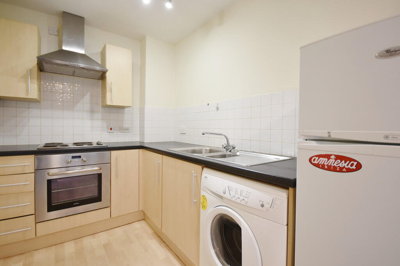
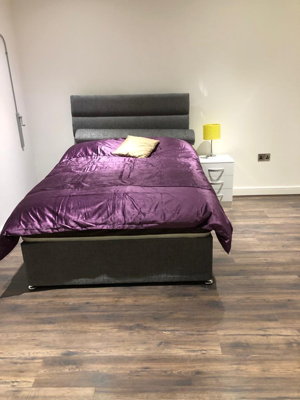
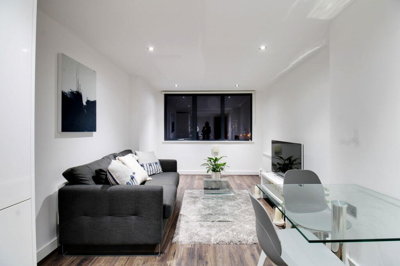
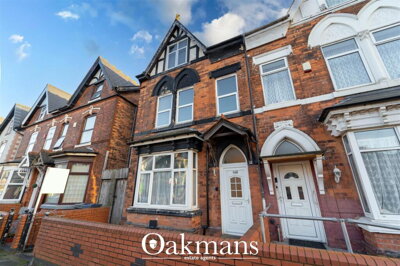
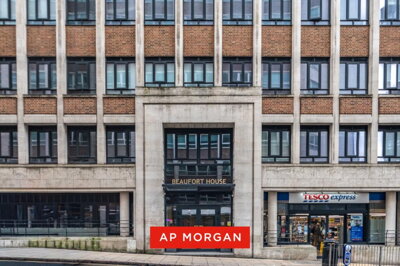
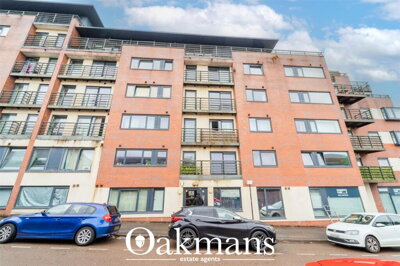
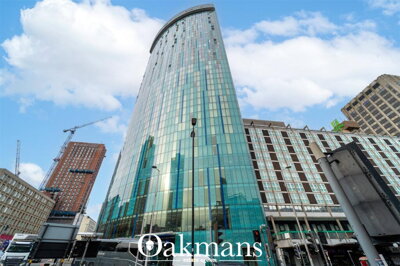
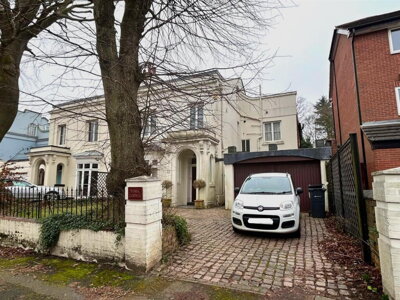
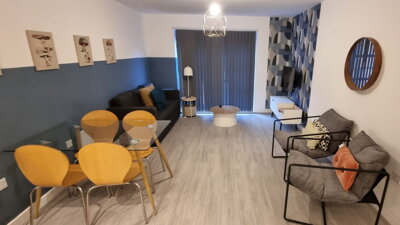
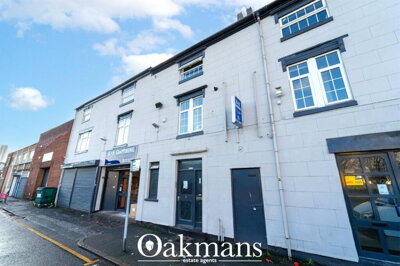
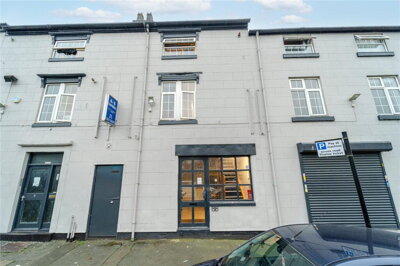
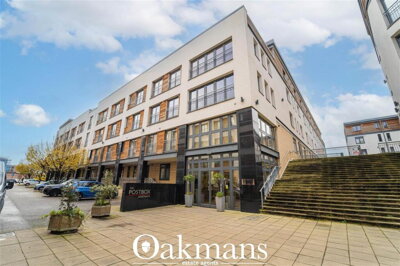
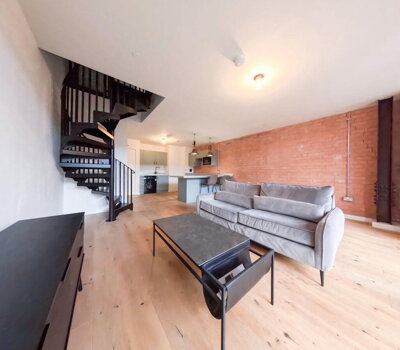
Browse 2,035 rental homes to rent in B1 from local letting agents.
£1,000/m
58
0
64
Source: home.co.uk
Source: home.co.uk
Apartment
37 listings
Avg £1,067
Flat
17 listings
Avg £1,100
Penthouse
2 listings
Avg £1,650
House
1 listings
Avg £1,200
House Share
1 listings
Avg £520
Source: home.co.uk
Source: home.co.uk
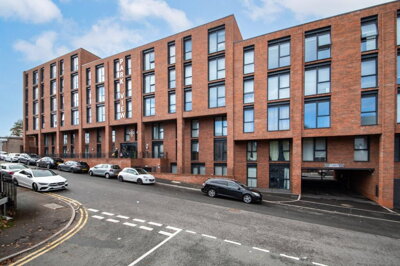
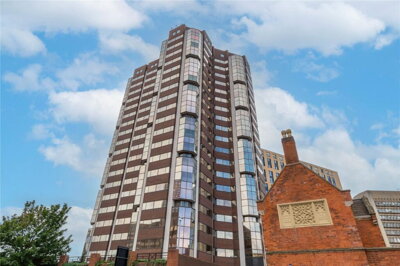
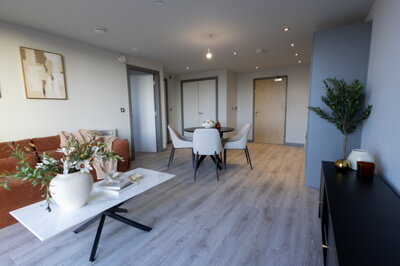
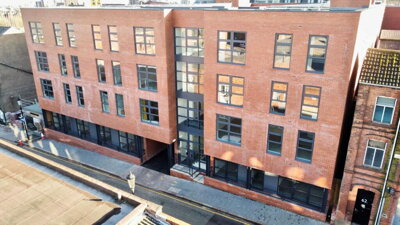
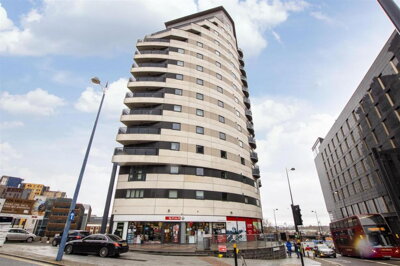
The B1 rental market is predominantly characterised by apartment living, with 7,622 of the postcode's 8,248 addresses being flats. This urban landscape reflects Birmingham's evolution into a modern city where contemporary apartment developments sit alongside historic warehouse conversions. One-bedroom flats typically range from £800 to £1,200 per calendar month, while two-bedroom apartments in premium developments such as The Axium on Windmill Street command rents of £1,250 to £1,500 pcm. New build developments like Chapmans Yard in Upper Gough Street offer modern one-bedroom apartments from £204,750 to purchase, with equivalent rental options available in the same desirable city-centre location.
Purchase prices in B1 have experienced some correction in recent months, with the average property price standing at approximately £211,974 according to recent market data. Flats in the area average around £206,496, while the limited supply of terraced properties commands premium prices of approximately £447,500. Market trends show a 5.3% decrease in sale values over the past 12 months, though economists forecast strong growth for the West Midlands region, with Savills predicting cumulative price increases of 24-25% through 2030. This makes B1 an attractive area for both renters and those considering long-term property investment.
The rental market in B1 remains robust despite sales fluctuations, driven by strong demand from young professionals, students, and newcomers to the city. Developments like Scholars Quarter on Legge Lane offer contemporary two-bedroom rentals from £1,400 per calendar month, appealing to those seeking modern specification without the commitment of purchase. The city's growing tech sector and major employers continue attracting new residents, supporting rental demand across all property types. Competition for well-presented properties in prime locations remains fierce, particularly during peak moving periods in late summer when graduates arrive and families time moves around the academic year.

B1 encompasses some of Birmingham's most distinctive neighbourhoods, from the trendy Jewellery Quarter with its Victorian architecture and thriving artisan community to the regenerated areas around Centenary Square and The Mailbox. The postcode contains a remarkable concentration of heritage assets, including 23 Grade I listed buildings and 95 Grade II* listed structures, alongside hundreds of Grade II buildings that line streets like Summer Hill Terrace and Newhall Hill. The Grade I listed Hall of Memory stands as a powerful reminder of Birmingham's civic heritage, while the Greek Orthodox Cathedral on the city's edge showcases architectural excellence spanning multiple periods.
Birmingham itself had a population of 1,144,900 according to the 2021 Census, representing 6.7% growth since 2011, with projections indicating expansion to 1.24 million by 2030. The city centre density of 4,275 people per square kilometre creates a vibrant urban atmosphere where restaurants, galleries, theatres, and independent shops coexist with major employers and universities. The graduate retention rate of approximately 44% speaks to Birmingham's appeal as a place where young professionals can build careers and lives, while the substantial student population of over 73,000 ensures a lively cultural scene throughout the year. Whether you are drawn to the creative energy of the Jewellery Quarter's independent boutiques or the polished amenities of city-centre living, B1 offers a neighbourhood to suit every lifestyle.
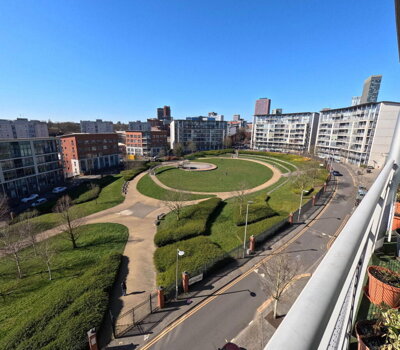
The cultural amenities within B1 are exceptional for a city-centre postcode. The Hippodrome Theatre, Symphony Hall, and the Birmingham Museum and Art Gallery are all within easy walking distance, alongside the historic Gas Street Basin canal network that provides scenic walking and cycling routes. The Mailbox complex offers premium shopping and dining, while the smaller-scale independent cafes and bars of the Jewellery Quarter provide a more intimate atmosphere for socialising. For green space, B1 residents benefit from proximity to the larger parks and gardens found across Birmingham's wider network, with excellent public transport links making the likes of Cannon Hill Park and Sutton Park accessible within reasonable journey times.

Birmingham's education landscape is one of the city's greatest strengths, and families renting in B1 have access to an impressive range of schooling options. The Birmingham School Admission Team manages primary and secondary allocations across the city, with popular primary schools in the vicinity including St George's Church of England Primary Academy and Lady Zephyr's Church of England Primary School. Secondary education is served by institutions such as Queens Elizabeth School in the Jewellery Quarter area, which has earned recognition for its academic achievements and inclusive approach to student development.
Beyond state education, Birmingham offers exceptional independent schooling options including the renowned King Edward's School for Boys and Girls, both historic institutions that consistently produce outstanding examination results. For older students, Birmingham's further and higher education facilities are second to none, with Birmingham City University and the University of Birmingham serving over 73,000 students combined. The presence of these institutions creates a wealth of opportunities for young people and contributes to the city's vibrant, educated workforce. Parents should note that school catchment areas can be competitive in popular neighbourhoods, so beginning property searches early and understanding admission criteria is essential when relocating with children.
The University of Birmingham, one of the UK's leading Russell Group institutions, attracts students from across the globe and contributes significantly to the city's economy and cultural life. Birmingham City University, based at Millennium Point in the Eastside area, offers practical degree programmes aligned with local industry needs, particularly in arts, media, business, and technology. The Bloomsbury and Summer Hill areas within B1 fall into specific primary school catchment zones, while secondary school allocations depend on proximity and oversubscription criteria that change annually. We recommend consulting the Birmingham City Council school admissions portal and contacting schools directly to confirm current catchment boundaries before committing to a rental property based on school placement.

B1 enjoys exceptional connectivity that makes it ideal for commuters and those who travel regularly for work or leisure. Birmingham New Street station, located within the B1 postcode, provides direct rail services to major destinations including London Euston (journey time approximately 1 hour 10 minutes), Manchester Piccadilly (1 hour 30 minutes), and Birmingham Airport (10 minutes). The nearby Moor Street and Snow Hill stations offer additional services across the West Midlands and beyond, creating a comprehensive rail network that puts the entire country within easy reach. Local bus services operated by National Express West Midlands connect B1 with surrounding neighbourhoods and suburbs, while the West Midlands Metro tram system provides reliable light rail connections to Wolverhampton and the Black Country.
Road connectivity is equally impressive, with the A38 and A4540 providing rapid access to the national motorway network including the M6, M5, and M42. Birmingham's position England makes it an excellent base for regional business, while the upcoming HS2 high-speed rail link will further reduce journey times to London to just 49 minutes when completed. For cyclists, Birmingham City Council has invested in expanding cycling infrastructure, with dedicated lanes and bike-sharing schemes making sustainable commuting increasingly practical. Airport access is a particular advantage of B1 living, with Birmingham Airport offering domestic flights, European destinations, and long-haul routes reachable without the need for lengthy transfers.
The West Midlands Metro extension to New Street station and beyond continues to improve sustainable transport options for B1 residents. The tram line now connects Centenary Square directly to Wolverhampton, with stops at key destinations including The Cube, Brindleyplace, and the Jewellery Quarter. Bus services are comprehensive, with routes 40, 47, and 50 providing regular connections to the University of Birmingham, Selly Oak, and the Queen Elizabeth Hospital, which is one of the largest NHS teaching hospitals in Europe. For those working in the wider city region, the good motorway access from B1 means Solihull, Coventry, and the Black Country are all reachable within 30-45 minutes, making the postcode attractive to professionals working across the metropolitan area.

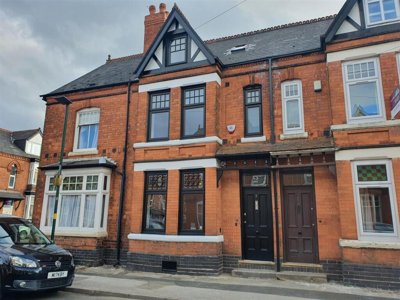
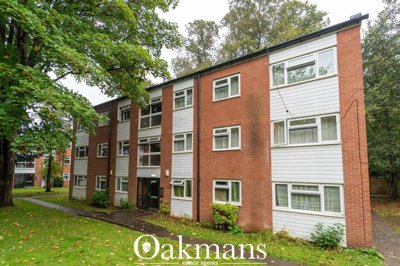
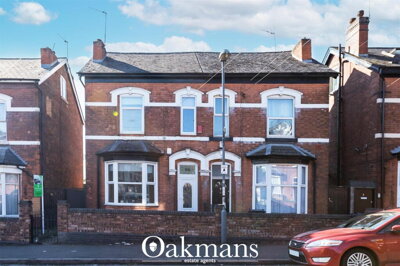
Understanding the construction types prevalent in B1 helps prospective renters identify properties that suit their lifestyle and maintenance expectations. Birmingham's architecture spans centuries, from Georgian townhouses and Victorian industrial buildings to sleek contemporary apartments. The predominantly flat landscape means many residents live in converted warehouses and purpose-built blocks from various eras, each with distinct characteristics and potential maintenance considerations. Classic red-brick construction is prevalent throughout the older properties, particularly in the terraced housing that sits alongside the more common apartment stock.
For renters considering older properties in the Jewellery Quarter or around Ladywood, awareness of common construction issues is valuable. Properties dating from the Victorian and Edwardian periods often feature traditional timber floors, cast-iron fireplaces, and solid brick walls that require specific maintenance approaches. Many loft apartments in converted warehouses feature exposed brickwork and original timber beams, which add character but may require attention to ensure adequate insulation and weatherproofing. When viewing older properties, look for signs of damp penetration around windows and in lower walls, check that original features are in good repair, and ask the landlord or agent about recent maintenance and any building surveys that have been conducted.
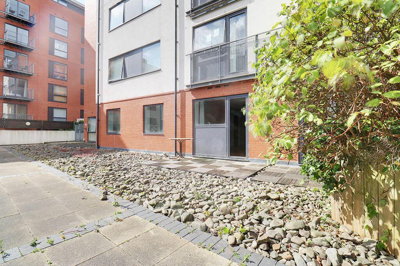
The geological conditions beneath Birmingham create specific challenges for properties with gardens or those with foundations in direct contact with the ground. The clay-rich soils that characterise much of the Birmingham area expand and contract with moisture levels, which can lead to subsidence, structural movement, and cracking in older properties. Signs of foundation movement include diagonal cracks wider than a few millimetres, doors and windows that stick or no longer close properly, and uneven floor levels. Modern apartment developments generally sit on concrete piled foundations that mitigate these risks, but ground-floor flats with private gardens may still be affected by adjacent soil conditions.

Before viewing properties in B1, obtain a rental budget agreement in principle to understand how much rent you can afford. Lenders assess your income against monthly rent, typically requiring rent to be no more than 30-40% of your gross monthly salary. This step positions you as a serious tenant and helps narrow your search to realistic options. Many letting agents and landlords in Birmingham require proof of income or employment before agreeing to viewings, so having documentation ready accelerates the process considerably.
Spend time exploring different areas within B1, from the heritage-rich Jewellery Quarter to the modern developments around Centenary Square. Consider your daily commute, proximity to amenities, noise levels from nightlife, and local community atmosphere. Each micro-location within B1 offers a distinctly different living experience despite the compact postcode. The Jewellery Quarter provides a more intimate, village-like atmosphere with independent shops and lower traffic, while areas around New Street and the Broad Street entertainment district offer vibrant city living with associated noise considerations.
Contact local estate agents and private landlords to arrange viewings of properties matching your criteria. Take notes on property condition, natural light, storage space, and any signs of disrepair. Ask about included amenities, parking arrangements, and the terms of the tenancy agreement including rent reviews and break clauses. In a competitive market like B1, being prepared to move quickly with references and documentation can make the difference between securing a property and missing out to another applicant.
For older properties in B1, particularly those with historic features or in conservation areas, consider commissioning a professional survey before committing. Properties in Birmingham can be affected by clay soils leading to subsidence, timber decay in older construction, or damp issues in period buildings. A thorough survey identifies potential problems before you sign a tenancy, and while you cannot change the property as a tenant, documented issues protect you from being blamed for pre-existing conditions when you eventually vacate.
Your solicitor or letting agent should explain all terms clearly, including deposit amount (typically five weeks' rent for properties with annual rent above £50,000), inventory procedures, maintenance responsibilities, and notice periods. Birmingham City Council provides additional guidance for tenants regarding their rights and landlord obligations. Pay particular attention to clauses regarding rent increases, subletting restrictions, and permission requirements for decorations or alterations, especially in listed buildings where stricter rules apply.
Once your offer is accepted and references are verified, coordinate with your landlord or agent to sign the tenancy agreement and pay your deposit. Arrange buildings insurance, set up utility accounts in your name, and conduct a thorough check-in inventory to protect your deposit when you eventually vacate. Take dated photographs of all rooms, noting any existing damage on the inventory form before signing. Birmingham utility providers and local council services can be contacted in advance of your move date to ensure services are ready from day one.
Renting in B1 Birmingham requires careful attention to several area-specific considerations that may not be immediately obvious to newcomers. Properties in this postcode often fall within conservation areas or adjoin listed buildings, meaning planning restrictions and special maintenance obligations may apply. If you are considering a ground-floor flat or a property near the River Rea or canal network, investigating the long-term flood risk from rivers, surface water, and groundwater is essential, even though current flood warnings show very low immediate risk. Birmingham City Council maintains detailed flood risk maps that can help you assess any specific property's exposure.
The geological conditions in Birmingham create specific challenges that prospective renters should understand. The area sits on clay-rich soils that expand and contract with moisture levels, which can lead to subsidence, structural movement, and cracking in older properties. When viewing properties, look for signs of subsidence such as diagonal cracks wider than a few millimetres, doors and windows that stick, or uneven floor levels. Properties with exposed brickwork in the Jewellery Quarter's loft apartments are popular but may require more maintenance attention. Always request documentation about recent building surveys, maintenance records, and any structural reports that the landlord or management company holds.
Listed building status brings additional considerations for renters. The B1 postcode contains numerous Grade I and Grade II listed structures, and living in or adjacent to a listed building may mean restrictions on modifications and alterations. Ask specifically whether the property you are considering is listed, what the implications are for your tenancy, and whether any recent works have required Listed Building Consent from Birmingham City Council. These considerations are particularly relevant in the Jewellery Quarter and around Summer Hill Terrace and Newhall Hill, where the concentration of heritage buildings is highest.

Rental prices in B1 vary considerably depending on property type and location within the postcode. One-bedroom flats typically range from £800 to £1,200 per calendar month, while two-bedroom apartments in modern city-centre developments command £1,200 to £1,500 pcm. Premium properties in developments such as The Axium on Windmill Street or Scholars Quarter on Legge Lane may exceed £1,500 per month for larger configurations. The Jewellery Quarter tends to offer slightly lower prices than newer city-centre developments while providing excellent character and character-filled accommodation in converted warehouses and period properties.
Birmingham City Council sets council tax bands for all properties in B1, with most city-centre apartments falling into Bands A to C due to their relatively lower values. Band A properties pay the lowest annual charges, while Band H properties at the top of the scale pay significantly more. The exact band depends on the property's assessed value at the time of the 1991 valuation, which applies across England and Wales. You can check the specific band for any B1 property through the Birmingham City Council website or the Valuation Office Agency using the property address. Students, people living alone, and those on certain benefits may qualify for council tax discounts or exemptions, and some new build apartments may qualify for exemption during the first completion year.
B1 and the surrounding areas of Birmingham offer excellent educational opportunities at all levels. Primary schools serving the postcode include St George's Church of England Primary Academy and Lady Zephyr's Church of England Primary School, both of which have strong community reputations. Secondary options include Queens Elizabeth School in the Jewellery Quarter area and the prestigious King Edward's Schools for academically motivated students, with the latter being selective independent schools requiring separate entrance examinations. Birmingham also hosts outstanding independent schools, further education colleges including Birmingham Metropolitan College, and two major universities, making it an excellent location for families at every stage of their educational journey. School catchment areas within B1 can be competitive, and we recommend checking current admission policies and Ofsted ratings before committing to a property based on school placement.
B1 is exceptionally well-connected by public transport, making car ownership optional rather than essential for most residents. Birmingham New Street station provides national rail services including direct trains to London Euston, Manchester Piccadilly, and Edinburgh, with multiple services departing throughout the day. The West Midlands Metro tram system serves stops within B1 including Centenary Square and the Jewellery Quarter, providing reliable light rail connections to Wolverhampton and the wider Black Country. Extensive bus networks operated by National Express West Midlands serve the entire city and surrounding regions, with routes 40, 47, and 50 providing particularly useful connections to the University of Birmingham and Queen Elizabeth Hospital. Birmingham Airport is accessible within 10 minutes by train from New Street, offering flights across the UK, Europe, and beyond including long-haul routes.
B1 is an excellent choice for renters seeking dynamic urban living in one of Britain's most vibrant cities. The postcode offers a unique combination of historic character, modern amenities, strong employment prospects, and relatively affordable rents compared to London and the South East. Birmingham's population growth trajectory from 1.14 million in 2021 to an anticipated 1.24 million by 2030, combined with major infrastructure investments including HS2, suggests continued demand for rental properties in the area. The large student and graduate population creates a lively atmosphere, while families benefit from outstanding schools and good green spaces within the city. The city's diversified economy spanning finance, technology, manufacturing, and creative sectors provides robust employment opportunities across many fields.
When renting in B1, you will typically need to pay a security deposit equivalent to five weeks' rent, which must be protected in a government-approved tenancy deposit scheme within 30 days of receiving it. The three approved schemes are the Deposit Protection Service, MyDeposits, and the Tenancy Deposit Scheme, all of which provide free protection for your deposit and dispute resolution services. Tenant referencing fees, credit check costs, and administration charges vary between letting agents, with referencing typically ranging from £60 to £200 depending on the depth of screening required. You should also budget for the first month's rent in advance, meaning moving into a £1,000 per month property requires approximately £3,000 to £4,000 in immediately available funds. Contents insurance, moving van costs, and potential utility connection fees add further to your moving budget, so preparing a comprehensive financial plan before beginning your B1 rental search is essential.
From 4.5%
Calculate your affordable rent range based on your income and expenditure
From £60
Employment and credit checks required by most landlords
From £350
Professional condition survey for older properties in B1
From £80
Energy performance certificate for your rental property
Understanding the full cost of renting in B1 Birmingham extends far beyond your monthly rent payment, and budgeting carefully ensures a smooth move into your new home. The initial financial outlay typically includes a security deposit equivalent to five weeks' rent, which must be protected in a government-approved scheme such as the Deposit Protection Service, MyDeposits, or the Tenancy Deposit Scheme. This protection ensures you receive your deposit back at the end of the tenancy, minus any legitimate deductions for damage or unpaid rent. You should document the property's condition thoroughly during your check-in inventory to protect yourself against unfair deductions, taking dated photographs of all rooms and noting any existing wear and tear on the inventory form before signing.
Additional upfront costs include tenant referencing fees, which cover credit checks, employment verification, and previous landlord references. These typically range from £60 to £200 depending on the letting agent and the depth of screening required. Some agents charge administration fees for processing the tenancy, though transparency requirements have reduced excessive charges in recent years. You should also budget for the first month's rent in advance alongside your deposit, meaning moving into a £1,000 per month property requires approximately £3,000 to £4,000 in immediately available funds. Contents insurance, moving van costs, and potential utility connection fees add further to your moving budget, so preparing a comprehensive financial plan before beginning your B1 rental search is essential.
The deposit protection rules in England are strict, and your landlord must place your deposit in a government-approved scheme within 30 days of receiving it. If your landlord fails to do this, they can be fined between one and three times the deposit amount. At the end of your tenancy, the deposit should be returned within 10 days of you both agreeing on the amount to be returned. If there is a dispute about deductions, both you and your landlord can refer the case to free dispute resolution through the deposit scheme, avoiding the need for costly court proceedings. Keep copies of all correspondence, inventory documents, and check-in photographs throughout your tenancy to ensure you have evidence if a dispute arises.
Properties to Rent In London

Properties to Rent In Plymouth

Properties to Rent In Liverpool

Properties to Rent In Glasgow

Properties to Rent In Sheffield

Properties to Rent In Edinburgh

Properties to Rent In Coventry

Properties to Rent In Bradford

Properties to Rent In Manchester

Properties to Rent In Birmingham

Properties to Rent In Bristol

Properties to Rent In Oxford

Properties to Rent In Leicester

Properties to Rent In Newcastle

Properties to Rent In Leeds

Properties to Rent In Southampton

Properties to Rent In Cardiff

Properties to Rent In Nottingham

Properties to Rent In Norwich

Properties to Rent In Brighton

Properties to Rent In Derby

Properties to Rent In Portsmouth

Properties to Rent In Northampton

Properties to Rent In Milton Keynes

Properties to Rent In Bournemouth

Properties to Rent In Bolton

Properties to Rent In Swansea

Properties to Rent In Swindon

Properties to Rent In Peterborough

Properties to Rent In Wolverhampton

Enter your details to see if this property is within your budget.
Loans, cards, car finance
Estimated property budget
Borrowing + deposit
You could borrow between
Typical borrowing
Monthly repayment
Est. at 4.5%
Loan-to-value
This is an estimate only. Your actual budget may vary depending on interest rates, credit history, and personal circumstances. For an accurate affordability assessment, speak to one of our free mortgage advisors.
This calculator provides estimates for illustrative purposes only and does not constitute financial advice. Your home may be repossessed if you do not keep up repayments on your mortgage. Estimates based on 4.5% interest rate, repayment mortgage. Actual rates depend on your circumstances.
Homemove is a trading name of HM Haus Group Ltd (Company No. 13873779, registered in England & Wales). Homemove Mortgages Ltd (Company No. 15947693) is an Appointed Representative of TMG Direct Limited, trading as TMG Mortgage Network, which is authorised and regulated by the Financial Conduct Authority (FRN 786245). Homemove Mortgages Ltd is entered on the FCA Register as an Appointed Representative (FRN 1022429). You can check registrations at NewRegister or by calling 0800 111 6768.

We use cookies to show you personalised content and improve your experience of our website. Find out more in our Privacy policy and Cookie policy.