Pick the right path and we'll point you to the next step.
I'm the homeowner
Track this property, get market updates, and list it on Home when you're ready to sell or let.
I'm an estate agent
Claim your branch on Home.co.uk, list your properties for free, and reach buyers actively searching your area.
From riverside apartments to country cottages, search hundreds of thousands of properties for sale, to rent, and recently sold, all enriched with three decades of market data.
Browse 219 homes for sale in Swansea, Cymru / Wales from local estate agents.
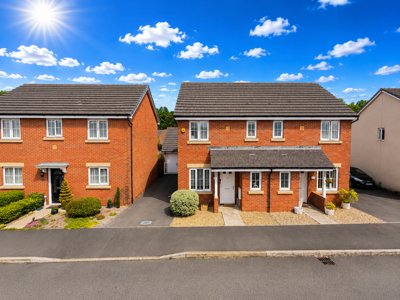
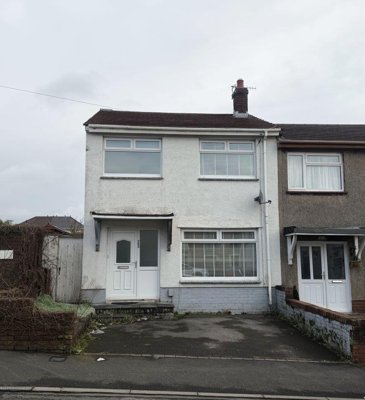
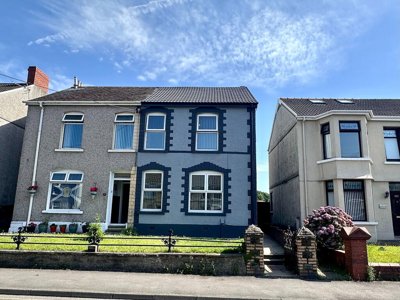
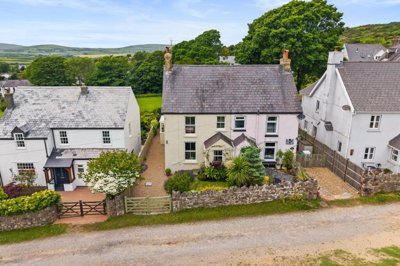
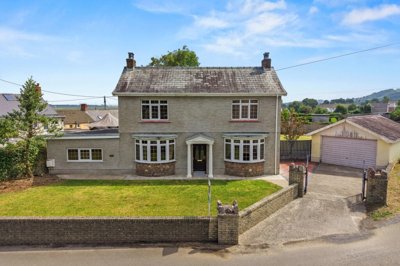
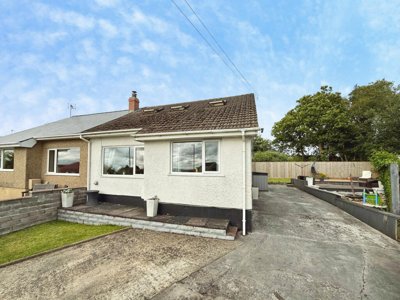
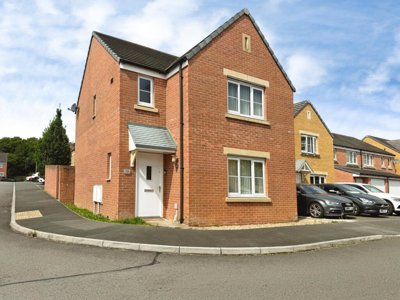
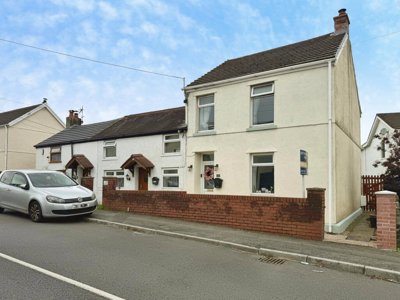
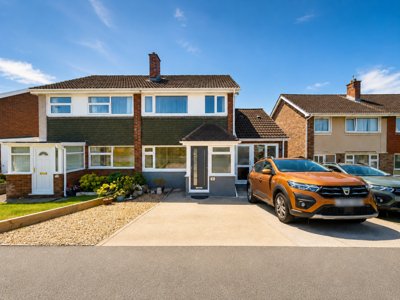
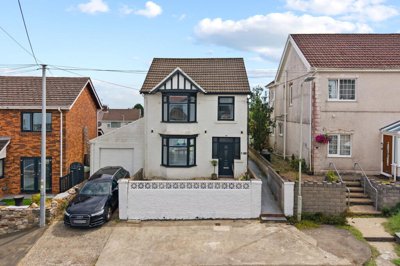
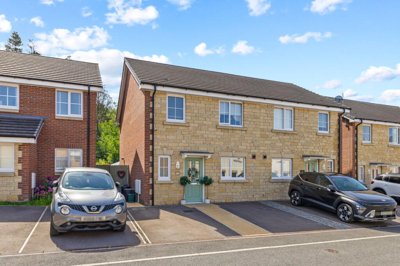
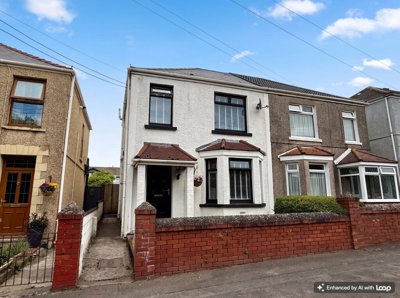
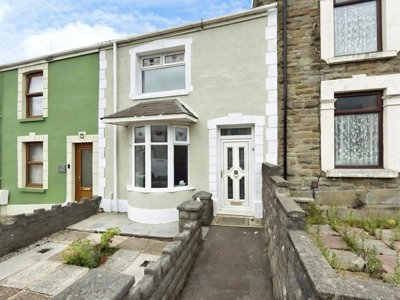
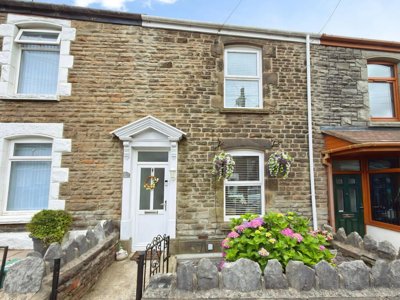
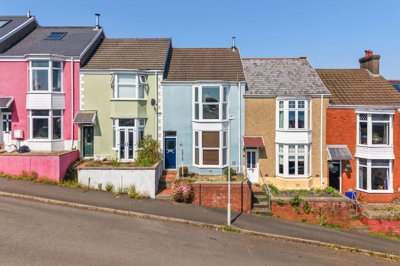
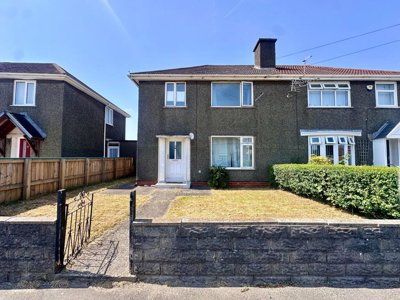
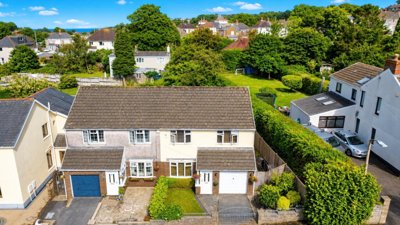
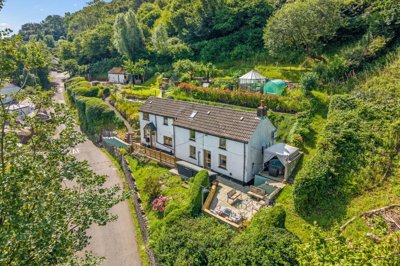
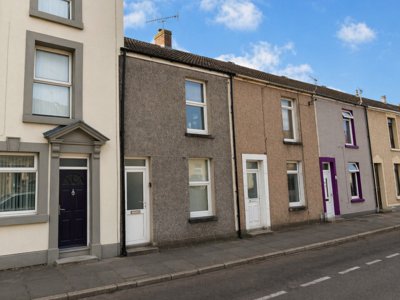
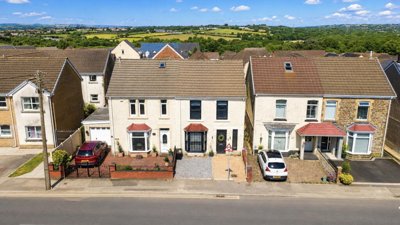
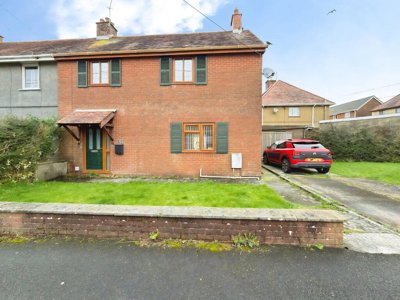
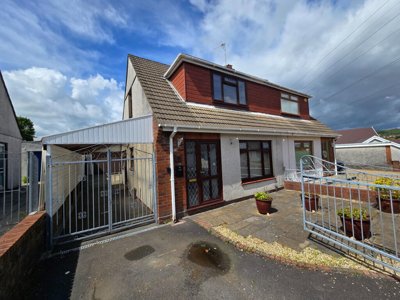
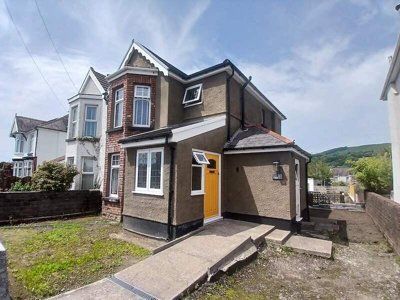
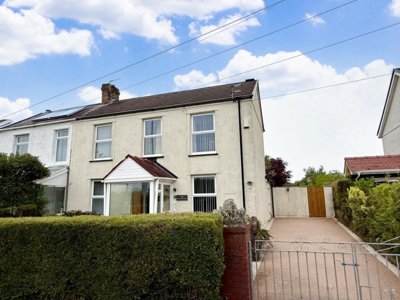
Three bedroom properties represent a significant portion of the Swansea housing market, offering space for families with multiple reception rooms and gardens in many cases. Browse detached, semi-detached, and terraced options ranging from period character homes to contemporary developments.
£250k
335
15
100
Source: home.co.uk
Showing 335 results for 3 Bedroom Houses for sale in Swansea, Cymru / Wales. 15 new listings added this week. The median asking price is £250,000.
Source: home.co.uk
Semi-Detached
161 listings
Avg £262,285
Terraced
92 listings
Avg £200,011
Detached
82 listings
Avg £370,046
Source: home.co.uk
Source: home.co.uk
homedata.co.uk shows Swansea still leaning on affordable terraces and semis, with terraced homes averaging £172,000 and semi-detached homes averaging £215,000 in December 2025. Detached homes averaged £332,000. Flats averaged £113,000, which keeps apartment buyers and downsizers in play too. Most sales sat in the £150,000-£200,000 bracket, taking 23.4% of transactions, with £100,000-£150,000 next at 22.2%. To us, that says the market is still centred on mid-priced stock rather than the very top end.
Even with fewer transactions going through, Swansea has kept moving. Prices rose 6.4% over 12 months, ahead of the 5.0% increase across Wales, and semi-detached homes led the way with 7.6% growth. Flats still went up by 2.8%, so smaller homes were not left behind. home.co.uk also points to current new-build options across Swansea, including Pentref Llewelyn in Penllergaer from £250,000 to £425,995, Beacon Hill in SA1 from £260,000, and Hendrefoilan Park with examples from £362,995 to £481,995. That range matters if buyers are weighing up a new home, shared ownership, or an older street with a different feel.
Not every buyer in Swansea is looking for the same thing. Near the city centre, a terraced home can make sense as a first purchase. In Sketty or Penllergaer, a semi may suit a household that wants a garden and parking. Then there are detached homes in quieter suburbs, plus waterfront flats by the bay, which keep the upper end of the market active. We help buyers line those options up side by side, so the decision comes down to the street and the layout, not just the headline figure.

Swansea is Wales's second-largest city and the commercial centre for South West Wales, so it has the pace of a city without cutting you off from the coast or countryside. You can see that range in the housing too. Some 34.5% of households live in semi-detached homes, 19.1% are in socially rented accommodation and 18.0% are in private rented homes, while 62.3% are owner-occupied. It gives many parts of the city a settled, mixed pattern. Older terraces sit near newer apartments, which leaves buyers choosing between period detail and day-to-day practicality.
The setting changes how Swansea feels. The city sits by the bay and the River Tawe, with the Gower Peninsula nearby and Pennant sandstone, Coal Measures and limestone shaping parts of the district. Those materials carry through into the housing stock, from older stone and brick homes to waterfront schemes built with more modern finishes. Buyers drawn to heritage have plenty to work with as well, because the City and County of Swansea contains 31 conservation areas and more than 500 listed buildings.
Jobs are a big part of the picture here. Public administration, education and health make up 38.3% of local employment, while distribution, hotels and restaurants account for 24.2%, and banking, finance and insurance for 19.9%. Swansea University, the DVLA, the council and NHS services all feed people into the local market on a steady basis. The bay helps too. So do the beaches, parks and the city centre, which is one reason many buyers who arrive in Swansea end up staying.
School catchments come up early in Swansea viewings. Buyers often compare them as closely as the kitchen or the garden, because the right address can matter a lot across the city. Primary schools are spread widely, and secondary options sit across the centre and the main suburbs. Swansea University and the University of Wales Trinity Saint David strengthen the higher-education side, while Gower College Swansea adds another route for older students and adult learners. For households planning ahead, that full pathway in one city can be a major plus.
We hear the same areas mentioned time and again, Sketty, Uplands, Morriston and the western suburbs. Family houses are part of the reason, but so is the day-to-day travel. Names such as Olchfa School and Bishop Gore School get attention, though the better choice depends on the exact postcode and the latest admissions rules. In Wales, Estyn reports are the ones to read before offering on a home for a child-focused move. Primary catchment matters just as much in many cases, especially if a short walk to school is part of the plan.

For rail, Swansea station does a lot of the heavy lifting. The fastest services usually reach Cardiff Central in around 50 minutes, and direct trains to London Paddington take roughly 2 hours 45 minutes when the timetable behaves. By road, the A483, A4067 and M4 open up routes towards Llanelli, Neath, Bridgend and the wider stretch of South Wales. That suits buyers whose week is split between local journeys and regional travel.
Getting around Swansea is not just about the train station. Bus routes run from the city centre towards Sketty, Morriston, Gorseinon and Penllergaer, and the bay-side walking and cycling routes make shorter trips easier than many people expect. Parking is where some streets become more complicated, particularly near the marina, the university and the waterfront, where visitor pressure can be heavier. Out in the suburbs there is often more room, but we still tell buyers to check permit rules, driveway access and turning space. An agreement in principle can help here, because homes in the right spot do not always hang around.
It is worth lining up city-centre apartments with family homes in Sketty, new builds in Penllergaer and coastal roads by the bay, then checking schools, flood risk, commute times and parking before we book viewings.
Prepared buyers tend to get a better hearing from sellers and estate agents. In Swansea, having an agreement in principle can make it much easier to move fast when the right property appears.
Go twice if you can. One visit in daylight helps, but another around school-run time or during the evening traffic will tell you far more about noise, street parking, travel routes and how the area actually feels.
In Swansea, older terraces, coastal homes and properties in former mining areas often justify a RICS Level 2 survey. Larger homes, or places that have been altered, may need a fuller inspection before you commit.
We would ask the conveyancer to go through the title documents carefully. Leasehold terms, service charges, planning history and any conservation-area restrictions all need checking before the purchase is tied up.
Try to fix the completion date around removals, school dates and work commitments. After that, keep the lender, solicitor and estate agent updated, because the last stage tends to go better when everyone has the same timetable.
Flood risk deserves real attention in parts of Swansea. Some areas sit close to the coast, rivers or lower ground, and across South West Wales there are 19,944 properties at risk from rivers and 7,679 at risk from the sea. Heavy rain can still bring surface water issues further inland. The local mix of clay-rich soils, coastal weather and a mining legacy can also raise movement or subsidence concerns in older streets, especially where old workings sit below ground. Before any offer goes in, we would want the survey to look hard at cracking, drainage, roofs and damp.
What you buy in Swansea can affect what you are allowed to do later. The city has 31 conservation areas and more than 500 listed buildings, so some streets come with restrictions on windows, extensions, render and external materials. Flat buyers need to read the lease properly, because service charges, maintenance contributions and ground rent can shift the true cost of ownership. New-build homes can still be a sensible option, but we would check warranties, snagging and how shared spaces are managed before treating them as straightforward.
Across Swansea, older homes often combine stone, brick and slate, while newer developments rely on more modern construction and materials. That can help with energy efficiency, but it also means one survey approach does not fit every property. Buyers trying to keep future repair costs under control should watch for poor drainage, failing pointing, roof wear and insulation that has not kept up. A detailed survey can also put you in a stronger place if the inspection leads to renegotiation.
In December 2025, homedata.co.uk recorded an average Swansea house price of £209,000. Detached homes averaged £332,000, semi-detached homes £215,000, terraced homes £172,000 and flats £113,000, which gives buyers a few different ways into the market. Over the year, prices increased by 6.4%, stronger than the 5.0% rise across Wales. Even with fewer sales than the year before, that still looks like an active market to us.
Council tax in Swansea is not one flat figure across the city. It varies by address, property size and valuation band, and Swansea Council is the billing authority. Smaller flats or terraces often fall into lower bands than large detached homes, but the asking price on its own does not settle it. We always suggest checking the exact property before an offer is made, and the solicitor can confirm the band during conveyancing.
For many buyers, the school search starts with names like Olchfa School and Bishop Gore School. Welsh-medium options matter too, along with local primaries in suburbs where family housing is common. Swansea University, the University of Wales Trinity Saint David and Gower College Swansea also come into the picture for older students and households planning further ahead. In Wales, Estyn is the body to check, and the latest report for the precise catchment tells you more than reputation on its own. One street can sit differently from the next, so postcode-level checking is worth the effort.
For a Welsh city of this size, Swansea gets around well. The fastest rail services usually make Cardiff Central in around 50 minutes, and direct trains to London Paddington are typically about 2 hours 45 minutes. Buses connect the centre with Sketty, Morriston, Gorseinon and Penllergaer, while the bay area suits walking and cycling. Near the waterfront, traffic and parking can tighten up, so we usually suggest testing the route before settling on a home.
Investors do look closely at Swansea, and the reasons are fairly clear. The city has a large student population, a strong public-sector jobs base and a rental market with breadth. Private renting accounts for 18.0% of households, and the average monthly private rent reached £827 in January 2026, up 6.8% year on year. Homes with workable layouts, access to employers and straightforward travel tend to hold tenant interest more consistently. Still, service charges, maintenance, voids and finance costs need to be in the sums before any yield looks convincing.
For standard buyers in 2024-25, SDLT is charged at 0% up to £250,000, 5% from £250,000 to £925,000, 10% from £925,000 to £1.5 million and 12% above that. On a typical Swansea home priced at £209,000, the standard SDLT bill would be £0 because it sits below the £250,000 threshold. A first-time buyer gets 0% up to £425,000, then 5% from £425,000 to £625,000, so plenty of first purchases in Swansea also come out at £0. On a £300,000 purchase, a standard buyer would pay £2,500, while a first-time buyer would still pay £0 with the relief.
Sketty, Killay, Penllergaer and Uplands often make the shortlist for family buyers. Schools matter, of course, but so do parks and the practical question of parking. The right choice depends on the commute, because some streets make it easier to reach the city centre, while others suit buyers who want a quieter residential setting. New-build developments can help if low-maintenance space and a modern layout are high on the list. We usually think a viewing schedule that covers weekdays and weekends tells you more than sales particulars ever will.
Stamp duty is only one line in the budget, but it is one of the easier ones to calculate because the 2024-25 bands are fixed. Standard buyers pay 0% up to £250,000, 5% from £250,000 to £925,000, 10% from £925,000 to £1.5 million and 12% above that. First-time buyers pay 0% up to £425,000 and 5% from £425,000 to £625,000. That leaves many Swansea purchases, especially around the current average of £209,000, with no SDLT to pay at all. Move up to £300,000 and the standard SDLT bill is £2,500, but a first-time buyer still remains inside the relief band.
The deposit and mortgage are only part of the spending plan. Legal fees, search fees, survey costs, removals and any early repair budget can mount up quickly, especially with an older property or one inside a conservation area. home.co.uk listings for Swansea new builds show that some homes already sit at a higher budget level, including houses from £250,000 in Penllergaer and flats from £260,000 in SA1, so borrowing headroom matters just as much as the asking price. We find that an agreement in principle, a careful survey and a reliable conveyancer help keep the purchase moving without a scramble at the end.
Properties for Sale In London

Properties for Sale In Plymouth

Properties for Sale In Liverpool

Properties for Sale In Glasgow

Properties for Sale In Sheffield

Properties for Sale In Edinburgh

Properties for Sale In Coventry

Properties for Sale In Bradford

Properties for Sale In Manchester

Properties for Sale In Birmingham

Properties for Sale In Bristol

Properties for Sale In Oxford

Properties for Sale In Leicester

Properties for Sale In Newcastle

Properties for Sale In Leeds

Properties for Sale In Southampton

Properties for Sale In Cardiff

Properties for Sale In Nottingham

Properties for Sale In Norwich

Properties for Sale In Brighton

Properties for Sale In Derby

Properties for Sale In Portsmouth

Properties for Sale In Northampton

Properties for Sale In Milton Keynes

Properties for Sale In Bournemouth

Properties for Sale In Bolton

Properties for Sale In Swansea

Properties for Sale In Swindon

Properties for Sale In Peterborough

Properties for Sale In Wolverhampton

Enter your details to see if this property is within your budget.
Loans, cards, car finance
Estimated property budget
Borrowing + deposit
You could borrow between
Typical borrowing
Monthly repayment
Est. at 4.5%
Loan-to-value
This is an estimate only. Your actual budget may vary depending on interest rates, credit history, and personal circumstances. For an accurate affordability assessment, speak to one of our free mortgage advisors.
This calculator provides estimates for illustrative purposes only and does not constitute financial advice. Your home may be repossessed if you do not keep up repayments on your mortgage. Estimates based on 4.5% interest rate, repayment mortgage. Actual rates depend on your circumstances.
Homemove is a trading name of HM Haus Group Ltd (Company No. 13873779, registered in England & Wales). Homemove Mortgages Ltd (Company No. 15947693) is an Appointed Representative of TMG Direct Limited, trading as TMG Mortgage Network, which is authorised and regulated by the Financial Conduct Authority (FRN 786245). Homemove Mortgages Ltd is entered on the FCA Register as an Appointed Representative (FRN 1022429). You can check registrations at NewRegister or by calling 0800 111 6768.

We use cookies to show you personalised content and improve your experience of our website. Find out more in our Privacy policy and Cookie policy.