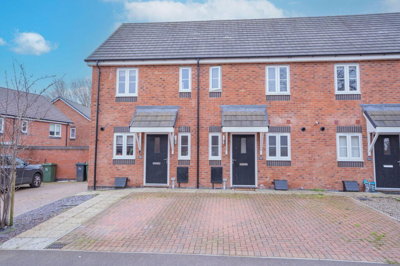
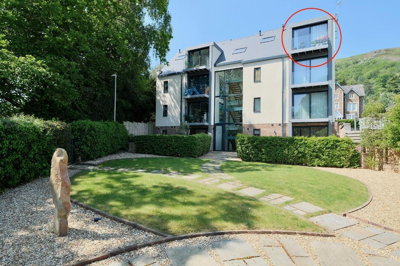
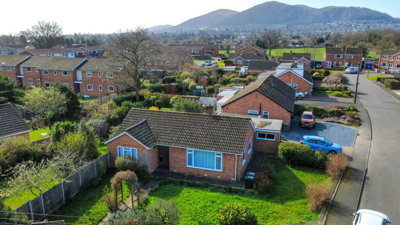
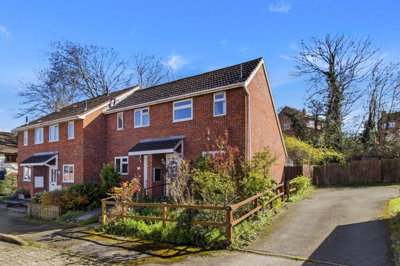
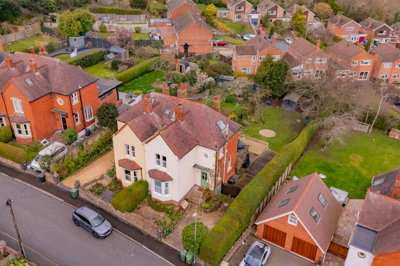
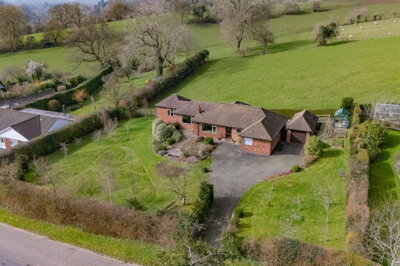
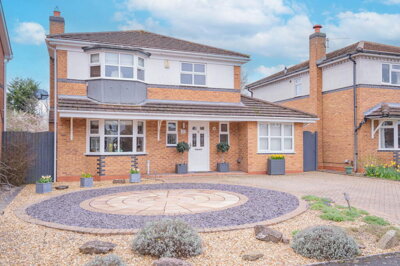
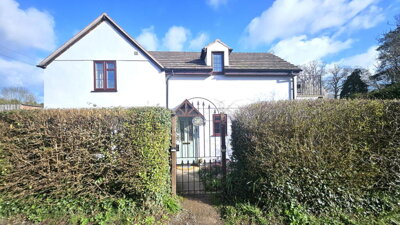
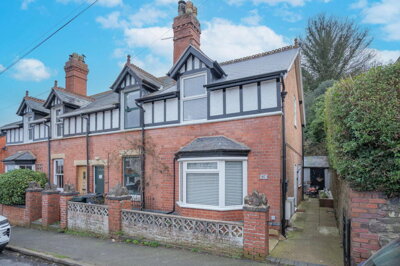
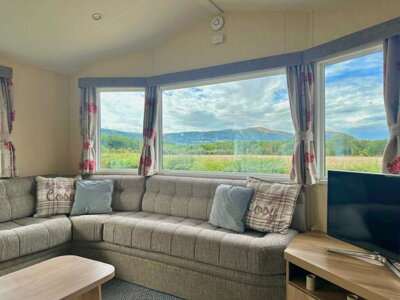
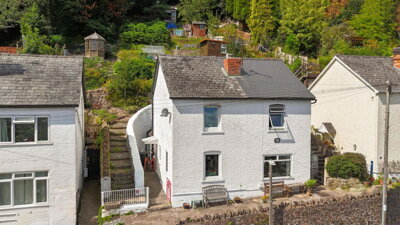
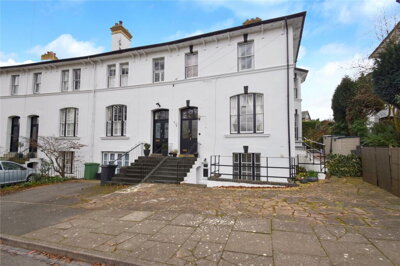
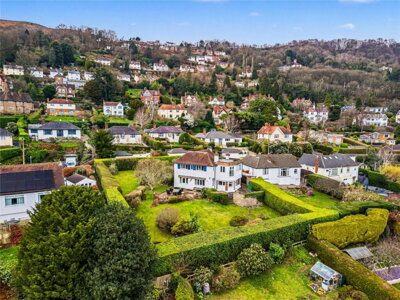
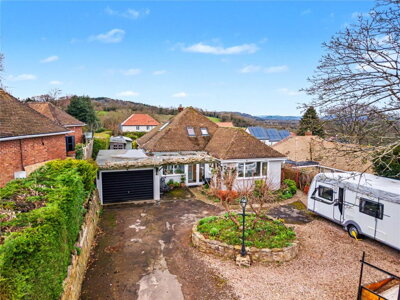
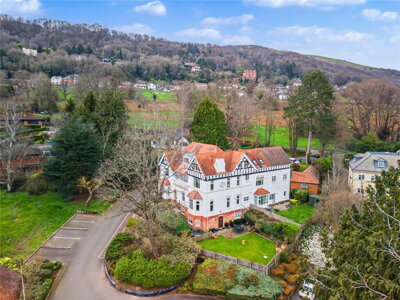
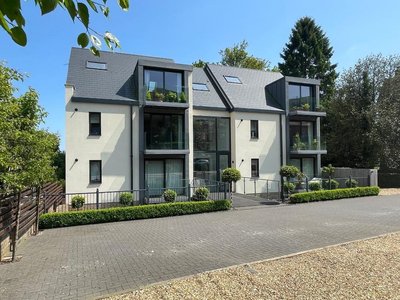
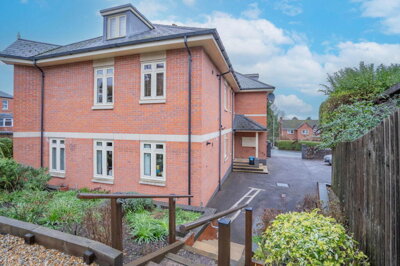
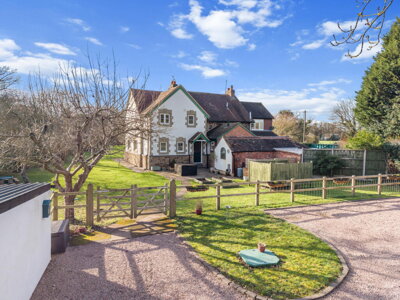
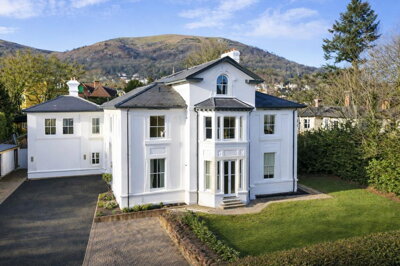
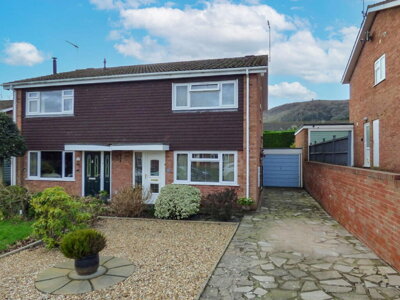
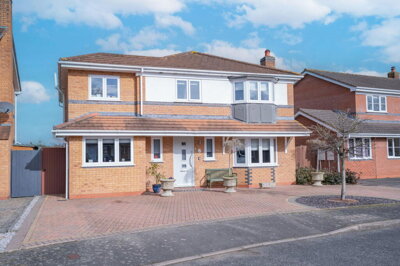
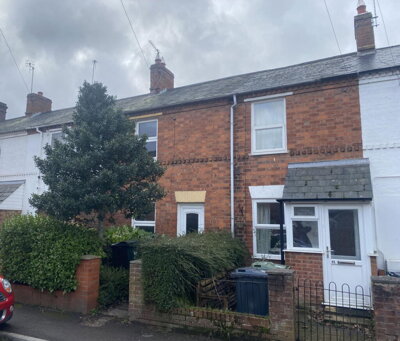
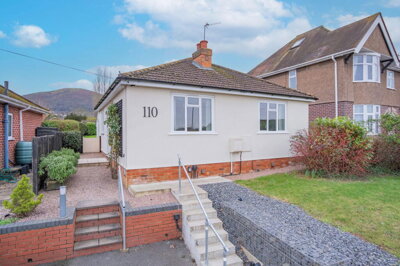
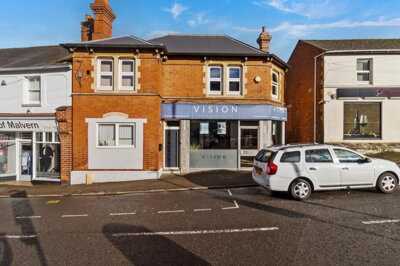
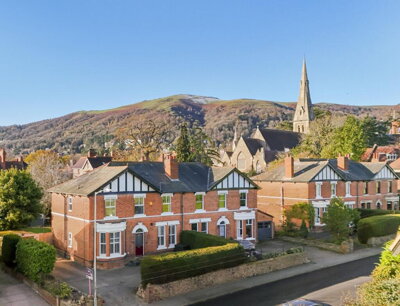
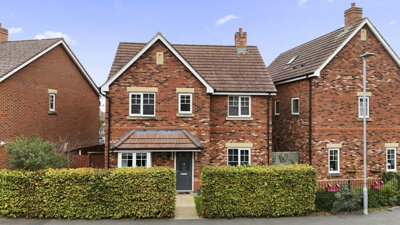
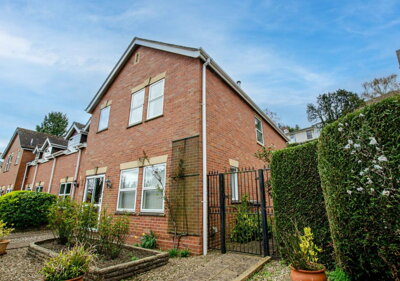
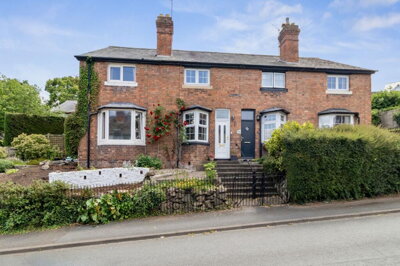
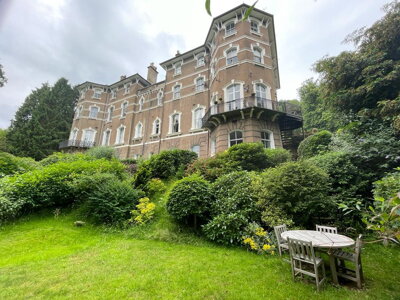
Browse 463 homes for sale in Malvern, Malvern Hills from local estate agents.
£285k
191
14
127
Source: home.co.uk
Source: home.co.uk
Apartment
43 listings
Avg £198,252
Detached
40 listings
Avg £570,600
Retirement Property
20 listings
Avg £162,420
Semi-Detached
20 listings
Avg £427,250
Terraced
14 listings
Avg £263,818
Detached Bungalow
13 listings
Avg £398,077
Flat
13 listings
Avg £263,385
End of Terrace
8 listings
Avg £223,063
Bungalow
3 listings
Avg £479,983
apartment
3 listings
Avg £243,317
Source: home.co.uk
Source: home.co.uk
The Teignbridge property market reflects the diversity of its geography, spanning coastal towns and countryside villages across a district that encompasses approximately 63,000 hectares. Our data shows that the average property price reached £298,000 by December 2025, representing a modest 0.5% increase over the previous year, though some reporting periods show stronger growth of up to 2.4%. With 1,586 completed sales in the twelve months to February 2026, the market remains active despite broader economic uncertainty, and the variety of property types available means buyers can find homes across a wide price spectrum.
Detached properties command the highest prices in Teignbridge, with the average reaching £470,000. These family homes often feature generous gardens, off-street parking, and views across the surrounding countryside or towards the coast. Semi-detached homes average £311,000, making them popular choices for growing families seeking more space than a terraced property offers while remaining within an accessible price range. Terraced properties average £245,000, providing an excellent entry point for first-time buyers or those seeking character homes in established neighbourhoods. Flats and maisonettes average £151,000, offering an affordable route onto the Teignbridge property ladder, particularly appealing to young professionals and retirees alike.
Price trends across different property types tell an interesting story about buyer demand in the area. Semi-detached properties have shown the strongest appreciation, rising by 1.8% over the past year as families prioritise additional space and garden access. In contrast, flats have seen prices decrease by 2.5%, reflecting broader national trends in the apartment market and perhaps some oversupply in certain coastal areas. Overall, the market demonstrates healthy activity with Zoopla reporting an average sold price of £345,451 and Rightmove indicating £339,657 for properties sold over the past year, figures that sit above the current asking price average due to the mix of property types completing in the area.

Life in Teignbridge offers a quality of life that many buyers find difficult to replicate elsewhere in the South West. The district combines the advantages of coastal living with access to excellent local amenities, making it particularly attractive to families, remote workers, and retirees seeking a balanced lifestyle. The area benefits from a strong sense of community, with regular local events, farmers markets, and cultural activities that bring residents together throughout the year. From the artistic community centred around Bovey Tracey to the traditional seaside atmosphere of Dawlish, Teignbridge provides diverse environments to suit different lifestyles and preferences.
The economic landscape of Teignbridge is supported by several key sectors that provide employment opportunities for residents. Tourism plays a significant role, with visitors drawn to the stunning coastline, Dartmoor National Park boundaries, and the historic towns that dot the district. Local retail and hospitality businesses thrive on this visitor economy, while the education and healthcare sectors provide stable employment for those seeking traditional career paths. Newton Abbot, as the largest town in the district, serves as a commercial hub with major supermarkets, independent shops, and regular markets that serve the surrounding villages. The presence of good local employment opportunities means many residents can enjoy coastal living without needing to commute long distances to work.
The built environment of Teignbridge reflects its historical development, with each town offering distinctive architectural character. Traditional stone and rendered properties are common throughout the district, particularly in conservation areas where efforts have been made to preserve the historic character of market towns and villages. Newer developments provide modern housing stock for those seeking contemporary specifications, though the overall character of the area remains rooted in its Georgian, Victorian, and Edwardian heritage. Green spaces are abundant, with parks, commons, and access to the coast providing recreational opportunities for residents of all ages. The combination of natural beauty, historical character, and strong community spirit makes Teignbridge a genuinely special place to call home.

Education provision in Teignbridge serves families well across all age groups, with a range of primary and secondary schools that cater to different educational approaches and requirements. The district includes several primary schools in towns like Teignmouth, Dawlish, and Newton Abbot, many of which have earned good Ofsted ratings and maintain strong reputations within their communities. For secondary education, schools such as Teignmouth Community School and Dawlish Community College provide comprehensive education for students aged 11-18, with Sixth Form options available for those pursuing further academic qualifications. Parents moving to Teignbridge will find that school catchment areas are an important consideration when choosing a property location, as demand for places at popular schools can be competitive.
Beyond state education, Teignbridge offers options for families seeking alternative educational pathways. Independent schools in the surrounding Devon area provide private education options for those with the means to pursue them, while grammar schools in nearby Exeter serve students from across the wider region. For younger children, a variety of nursery and preschool settings operate throughout the district, providing early years education and childcare that supports working parents. Further education opportunities are available at colleges in Newton Abbot and Exeter, with transport links making these accessible for older students who may be preparing for university or vocational training.
The presence of quality schools significantly influences property values and buyer demand throughout Teignbridge. Properties located within the catchment areas of well-regarded schools often command a premium, and homes in these locations tend to sell more quickly than those in areas with less popular educational options. Families relocating to Teignbridge frequently cite the quality of local schools as a primary motivation for their move, particularly those coming from larger urban areas where school places can be harder to secure and class sizes tend to be larger. Researching school performance data and understanding catchment boundaries should form an essential part of any property search in the area, particularly for buyers with children or those planning to start a family.

Connectivity from Teignbridge has improved significantly in recent years, with the district offering good transport links that balance rural charm with practical accessibility. The mainline railway station at Newton Abbot provides regular services to major destinations including Exeter, Plymouth, Bristol, and London Paddington, with journey times to the capital typically taking around two and a half hours. The coastal towns of Teignmouth and Dawlish each have their own railway stations, offering convenient access for residents who prefer to travel from their local area rather than heading to Newton Abbot. These rail connections make Teignbridge viable for commuters who need to travel to larger employment centres while enjoying the benefits of coastal or rural living.
Road connectivity is equally important for Teignbridge residents, with the A380 providing a direct route to Exeter and connecting to the M5 motorway for longer journeys. The A381 runs through the heart of the district, linking Newton Abbot to the coastal towns and eventually reaching Totnes and the A38 beyond. For those who need to travel to Plymouth, the A38 offers a relatively quick route across the county. However, it is worth noting that some rural roads in the district can be narrow and winding, reflecting the agricultural character of the area, and journey times can increase significantly during the summer tourist season when traffic volumes rise substantially.
Local bus services operated by various providers connect towns and villages throughout Teignbridge, offering an alternative to car travel for those without vehicles or preferring not to drive. However, service frequencies on some routes can be limited, particularly in more rural areas where buses may run only a few times per day. Cycling is popular for shorter journeys, with several scenic routes available for recreational and commuting purposes, though the hilly terrain can present challenges for less experienced cyclists. Exeter International Airport, located approximately 20 miles from Newton Abbot, provides domestic and international flight options for business and leisure travel, adding another dimension to the connectivity of the area.

Understanding the local geology is crucial for anyone buying property in Teignbridge, as the underlying ground conditions can significantly affect buildings and their maintenance requirements. Much of the district sits on clay soils, which are prone to shrink-swell movement depending on moisture levels. This characteristic means that trees and vegetation near properties can cause ground movement during dry periods, potentially leading to subsidence issues that may not become apparent until years after a property is purchased. Our surveyors frequently encounter the effects of clay-related subsidence in the area, particularly in older properties where foundations may not have been designed with modern standards in mind.
The coastal areas of Teignbridge, including parts of Teignmouth and Dawlish, face additional geological considerations related to their proximity to the sea. Coastal erosion is an ongoing concern for properties near cliff edges or eroding shorelines, and buyers should investigate the historical erosion rates and any coastal defence works in their area of interest. Surface water flooding can occur in low-lying areas after heavy rainfall, especially where drainage systems may be overwhelmed during exceptional weather events. Properties near the River Teign, including areas around Newton Abbot and the riverside towns, should be checked against Environment Agency flood maps to understand any potential risk from river flooding.
Traditional building materials in Teignbridge reflect the local geology, with many older properties constructed using locally sourced stone and brick. These materials can be beautiful and characterful, but they also require understanding and appropriate maintenance. Lime-based mortars and renders are often more suitable for older properties than modern cement products, as they allow the building to breathe and accommodate slight movement. When we survey period properties in the area, we always assess the condition of traditional building fabrics and note any instances where inappropriate modern materials may have been used in previous repairs, as this can lead to trapped moisture and subsequent deterioration.
Start by exploring different towns and villages within Teignbridge to find the area that best matches your lifestyle needs. Consider proximity to schools, transport links, amenities, and the type of property you are seeking. The district offers diverse neighbourhoods from coastal towns like Teignmouth to market towns like Newton Abbot and rural villages around Bovey Tracey. Each location has its own character and price profile, so visiting at different times of day and speaking to local residents can help you understand what life would actually be like in your chosen area.
Obtain a mortgage agreement in principle before you start viewing properties. This demonstrates to sellers that you are a serious buyer and helps you understand your budget. With average prices around £298,000 in Teignbridge, most buyers will need a mortgage, and speaking to a broker can help you find the best rates and products for your circumstances. First-time buyers should take advantage of the enhanced Stamp Duty thresholds available, which can result in zero SDLT liability on properties up to £425,000.
Use Homemove to browse available properties and book viewings with local estate agents. Take time to view multiple properties in different areas before making decisions. Pay attention to the condition of properties, potential maintenance costs, and the character of the neighbourhood at different times of day. In Teignbridge, pay particular attention to signs of damp or timber issues in period properties, and check whether any flooding or coastal erosion affects areas you are considering.
Once you have found a property, arrange a RICS Level 2 survey to assess the condition of the building. This is particularly important for older properties in Teignbridge, which may have issues such as damp, roof problems, or outdated electrics. Given the prevalence of clay soils in the district, we also recommend checking for any signs of subsidence or movement. The survey report can also provide valuable negotiating leverage on price if defects are identified.
Appoint a conveyancing solicitor to handle the legal aspects of your purchase. They will conduct searches, handle contracts, and coordinate with the Land Registry to transfer ownership. Your solicitor should investigate local planning history, check for any environmental risks such as flooding or contamination, and confirm that any alterations to the property have the necessary permissions. Using a solicitor with local knowledge of Teignbridge properties can help expedite the process.
Once all surveys, searches, and legal work are complete, you will exchange contracts and pay your deposit. Completion typically follows within a few weeks, after which you will receive the keys to your new Teignbridge home. Make sure buildings insurance is in place from the completion date, and arrange for utility transfers to be set up in advance of moving day.
Property buyers considering Teignbridge should be aware of several area-specific factors that can significantly impact their purchase experience and long-term satisfaction. Flood risk is a consideration in parts of the district, particularly properties located near the River Teign, coastal areas around Teignmouth and Dawlish, and lower-lying parts of Newton Abbot. While most properties in the area have never experienced flooding, obtaining a flood risk report and checking the Environment Agency maps is advisable before committing to a purchase in any at-risk location. Surface water flooding can also occur after heavy rainfall, so this should not be overlooked even for properties not directly adjacent to watercourses.
The presence of conservation areas and listed buildings throughout Teignbridge adds character to the district but also brings additional considerations for buyers. Properties with listed status may have restrictions on alterations, repairs, and improvements, which can affect future renovation plans and increase maintenance costs. Conservation areas often have similar requirements, with planning permission potentially needed for extensions, roof changes, or even replacement windows that do not match the original specifications. If you are considering a period property in one of these protected areas, factor in the potential costs and delays associated with obtaining necessary consents.
Construction type and building materials vary throughout Teignbridge, reflecting the historical development of different towns and villages. Traditional properties may feature local stone, cob, or historic brickwork, sometimes with solid walls rather than cavity construction, which affects insulation properties and renovation options. The clay soils prevalent in parts of the district can contribute to subsidence risk, particularly where mature trees are present or where foundations are shallow. Given the age of much of the housing stock in established areas, issues such as damp (both rising and penetrating), timber defects including rot and woodworm, and outdated electrical systems are not uncommon. A thorough RICS Level 2 survey will identify any such problems before you commit to a purchase.
For those considering leasehold properties, particularly flats, the terms of the lease, annual service charges, and any ground rent obligations should be carefully reviewed as these can vary substantially between developments and affect the long-term cost of ownership. We have seen leasehold properties in Teignbridge where ground rent clauses have become onerous over time, so understanding these terms before purchase is essential. Freehold properties are generally preferable where available, though they may come with additional maintenance responsibilities for shared driveways or other areas.
The average house price in Teignbridge was £298,000 in December 2025, according to provisional figures. This figure represents a modest 0.5% increase over the previous year, though some reporting periods show stronger growth of up to 2.4%. Property prices vary significantly by type, with detached homes averaging £470,000, semi-detached properties at £311,000, terraced homes at £245,000, and flats averaging £151,000. The variation between different property types means your budget will significantly influence what is available in different parts of the district, from affordable flats in coastal towns to premium detached homes with countryside views.
Council tax bands in Teignbridge follow the standard England banding system from A to H, with the specific band depending on the property's value as assessed in 1991. Most properties in the district fall within bands A through D, with band A being the lowest and band H the highest. Teignbridge District Council administers council tax in the area, and you can check the banding for any specific property through the Valuation Office Agency website. The bands affect your annual council tax liability and are worth considering alongside other costs when budgeting for a home purchase.
Teignbridge offers good educational options across all age groups, with several primary and secondary schools that have achieved positive Ofsted ratings. Primary schools in towns like Teignmouth, Dawlish, and Kingsteignton serve their local communities well, while Teignmouth Community School and Dawlish Community College provide secondary education with Sixth Form provision. School catchment areas are important considerations, and parents should research specific schools and their admissions criteria when searching for property. The quality of local education is a significant factor in property demand throughout the district, and properties within good school catchments often command a premium and sell more quickly.
Teignbridge has reasonable public transport connectivity for a rural district, with Newton Abbot serving as the main railway hub providing services to Exeter, Plymouth, Bristol, and London. Teignmouth and Dawlish each have their own stations on the main line, offering convenient access for coastal residents. Local bus services operate throughout the district, though frequencies on some rural routes can be limited. For those working in Exeter or Plymouth, regular train services make commuting feasible, with journey times to Exeter taking around 30 minutes. The A380 provides road access to the M5 motorway via Exeter, making longer journeys straightforward.
The Teignbridge property market has shown steady growth, with prices rising by between 0.5% and 2.4% over the past year depending on the reporting source. The combination of coastal appeal, access to Dartmoor, good transport links, and relative affordability compared to other coastal areas in the South West makes the district attractive to both owner-occupiers and investors. Rental demand is likely to remain solid given the tourism economy and the presence of key workers in education and healthcare sectors. However, as with any property investment, thorough research into specific locations and property types is essential before committing.
Stamp duty rates in England are tiered based on property price. For standard purchases, you pay nothing on the first £250,000, 5% on the portion between £250,001 and £925,000, and 10% on the portion between £925,001 and £1,500,000, with 12% above £1,500,000. First-time buyers benefit from increased thresholds, paying nothing on the first £425,000 and 5% on the portion between £425,001 and £625,000. Given the average price of £298,000 in Teignbridge, many purchases by first-time buyers would fall entirely within the nil-rate band. You should calculate your specific SDLT liability based on your circumstances and the property price.
Parts of Teignbridge are susceptible to flooding, particularly areas near the River Teign, coastal zones in Teignmouth and Dawlish, and lower-lying areas of Newton Abbot. Surface water flooding can also occur in various locations. Before purchasing any property, particularly one near water or in a known flood risk area, you should request a flood risk assessment and check the Environment Agency flood maps. While most properties in the district have never flooded, understanding the risk helps you make an informed decision and ensure you have appropriate insurance in place. The clay soils present in parts of Teignbridge can also contribute to subsidence risk, which is worth considering alongside flood risk when evaluating a property.
From £350
A detailed inspection of the property condition, ideal for most homes in Teignbridge's varied housing stock
From £500
A comprehensive survey for older or complex properties, recommended for period homes and listed buildings
From £80
Energy Performance Certificate required for all property sales
From 3.89%
Compare mortgage rates and find the best deal for your Teignbridge purchase
From £499
Expert legal services for your property purchase in Teignbridge
Understanding the full costs of buying a property in Teignbridge is essential for budgeting effectively and avoiding surprises during the transaction process. The most significant immediate cost for most buyers is Stamp Duty Land Tax (SDLT), which is calculated on a tiered system based on the purchase price of your property. For purchases under £250,000, no stamp duty is payable, making this threshold particularly relevant for first-time buyers seeking affordable entry points into the Teignbridge market. Properties priced between £250,001 and £925,000 incur 5% on the portion above £250,000, while higher value properties face progressively higher rates on additional bands.
First-time buyers purchasing residential property enjoy enhanced SDLT thresholds that can substantially reduce their tax liability. The nil-rate band for first-time buyers extends to £425,000, with 5% applying to the portion between £425,001 and £625,000. For a first-time buyer purchasing a property at the Teignbridge average price of £298,000, no stamp duty would be payable, representing a significant saving compared to the standard rates. However, first-time buyer relief is only available to those who have never previously owned property anywhere in the world, and certain other conditions must be met. Buyers who do not qualify as first-time buyers should ensure they budget for SDLT based on standard thresholds.
Beyond stamp duty, several other costs must be factored into your buying budget for a Teignbridge property. Survey costs typically range from £350 for a basic RICS Level 2 survey on a modest property to over £1,000 for larger or more complex homes, with older period properties potentially requiring more detailed assessment. Solicitor fees for conveyancing generally start from around £500 and can reach £1,500 or more depending on the complexity of the transaction and whether leasehold procedures are involved. Local authority searches, which are mandatory for most mortgage-funded purchases, typically cost between £250 and £500 depending on the specific council requirements. Removal costs vary widely based on the volume of belongings and distance moved, while mortgage arrangement fees, if applicable, can add another £500 to £2,000 to your costs. Building insurance must be in place from the point of completion, and you should also budget for Land Registry fees if applicable and any mortgage broker charges if you use a broker to arrange your lending. Our team can provide guidance on typical costs for properties in your chosen area of Teignbridge.
Properties for Sale In London

Properties for Sale In Plymouth

Properties for Sale In Liverpool

Properties for Sale In Glasgow

Properties for Sale In Sheffield

Properties for Sale In Edinburgh

Properties for Sale In Coventry

Properties for Sale In Bradford

Properties for Sale In Manchester

Properties for Sale In Birmingham

Properties for Sale In Bristol

Properties for Sale In Oxford

Properties for Sale In Leicester

Properties for Sale In Newcastle

Properties for Sale In Leeds

Properties for Sale In Southampton

Properties for Sale In Cardiff

Properties for Sale In Nottingham

Properties for Sale In Norwich

Properties for Sale In Brighton

Properties for Sale In Derby

Properties for Sale In Portsmouth

Properties for Sale In Northampton

Properties for Sale In Milton Keynes

Properties for Sale In Bournemouth

Properties for Sale In Bolton

Properties for Sale In Swansea

Properties for Sale In Swindon

Properties for Sale In Peterborough

Properties for Sale In Wolverhampton

Enter your details to see if this property is within your budget.
Loans, cards, car finance
Estimated property budget
Borrowing + deposit
You could borrow between
Typical borrowing
Monthly repayment
Est. at 4.5%
Loan-to-value
This is an estimate only. Your actual budget may vary depending on interest rates, credit history, and personal circumstances. For an accurate affordability assessment, speak to one of our free mortgage advisors.
This calculator provides estimates for illustrative purposes only and does not constitute financial advice. Your home may be repossessed if you do not keep up repayments on your mortgage. Estimates based on 4.5% interest rate, repayment mortgage. Actual rates depend on your circumstances.
Homemove is a trading name of HM Haus Group Ltd (Company No. 13873779, registered in England & Wales). Homemove Mortgages Ltd (Company No. 15947693) is an Appointed Representative of TMG Direct Limited, trading as TMG Mortgage Network, which is authorised and regulated by the Financial Conduct Authority (FRN 786245). Homemove Mortgages Ltd is entered on the FCA Register as an Appointed Representative (FRN 1022429). You can check registrations at NewRegister or by calling 0800 111 6768.

We use cookies to show you personalised content and improve your experience of our website. Find out more in our Privacy policy and Cookie policy.