Pick the right path and we'll point you to the next step.
I'm the homeowner
Track this property, get market updates, and list it on Home when you're ready to sell or let.
I'm an estate agent
Claim your branch on Home.co.uk, list your properties for free, and reach buyers actively searching your area.

From riverside apartments to country cottages, search hundreds of thousands of properties for sale, to rent, and recently sold, all enriched with three decades of market data.
Browse 147 homes for sale in Edinburgh, Scotland from local estate agents.
Studio apartments feature open-plan living spaces without separate bedrooms, incorporating sleeping, living, kitchen, and bathroom facilities. The Edinburgh studio market includes properties in modern apartment complexes, converted Victorian and Georgian buildings, and purpose-built developments.
£250k
925
120
76
Source: home.co.uk
Showing 925 results for Studio Flats for sale in Edinburgh, Scotland. 120 new listings added this week. The median asking price is £250,000.
Source: home.co.uk
Flat
925 listings
Avg £297,802
Source: home.co.uk
Source: home.co.uk
Edinburgh’s price spread is wide, and buyers feel it street by street. homedata.co.uk records put the average sold price at £293,000 in December 2025, up 5.4% on the previous year. By property type, detached homes averaged £676,000, semis £439,000, terraces £371,000, and flats and maisonettes £238,000. So a buyer looking at a Leith flat is dealing with a very different budget from someone chasing a house in Morningside.
The market has not gone quiet, even though the pace has eased. The City of Edinburgh recorded 11,525 residential sales in 2024-25, around 22% of all residential sales in Scotland. Between September and November 2025, sales volumes were 4.9% lower year on year, and by the end of October 2025 Edinburgh and the Lothians had 1,319 sales agreed, down from 1,393 a year earlier. Still moving, just fussier than during the rush.
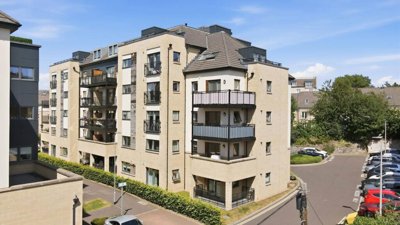
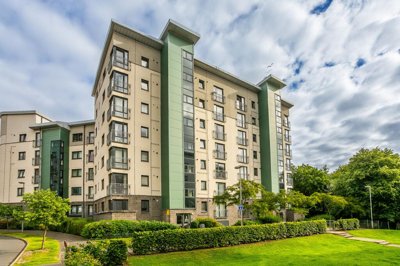
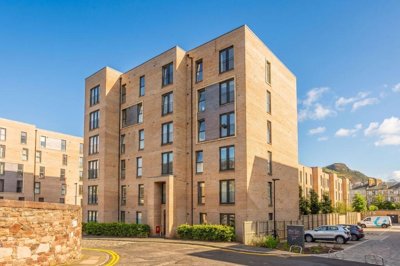
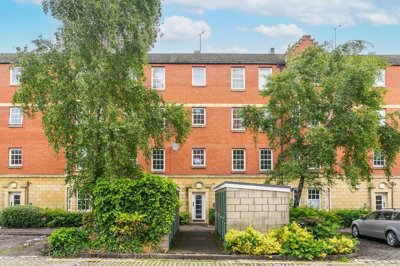
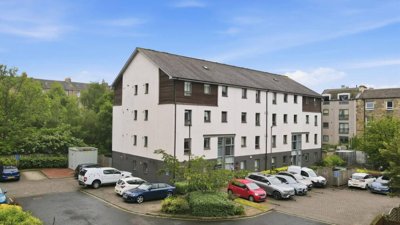
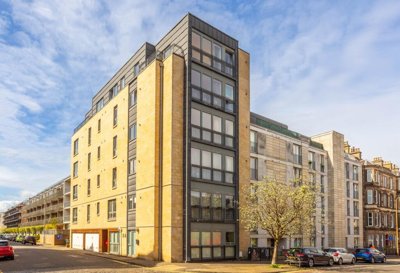
Current stock on home.co.uk shows the range clearly. There are 2-bedroom duplex apartments at Eyre Place from £530,000 to £600,000, a 4-bedroom semi-detached home at Belgrave Villas for £825,000, and West Shore apartments in Granton from £300,000 to £330,000. West Craigs runs from apartments through to terraced and semi-detached homes, while Village View on Belford Road has 2 and 3-bedroom apartments with support towards LBTT. The better buy depends on the brief, not just the headline price.

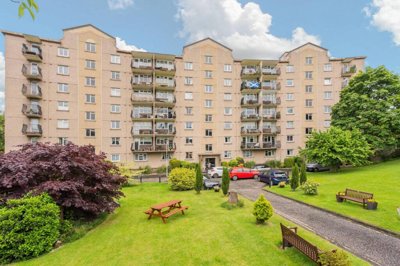
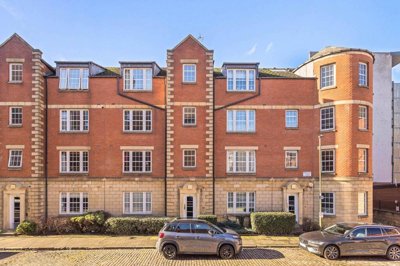
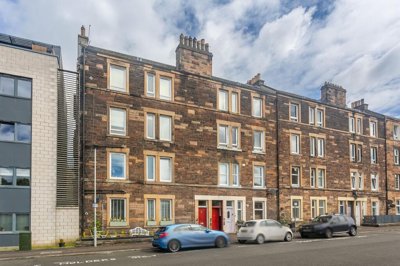
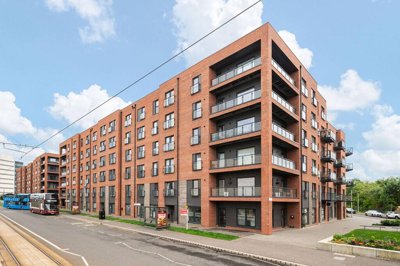
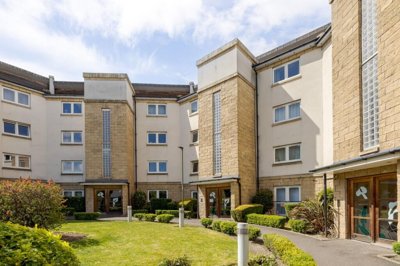
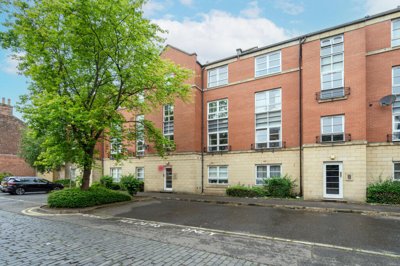
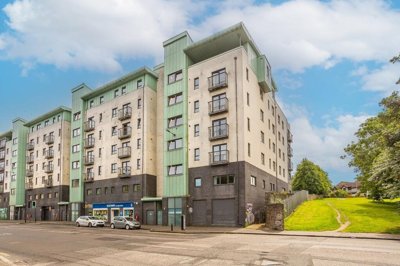
Edinburgh can feel like several smaller places stitched together. Around the centre, sandstone terraces set much of the tone. Leith, Granton and the west end bring newer apartment blocks and regeneration schemes, while Stockbridge, Marchmont, Morningside and Portobello each have a different daily rhythm, from weekend brunch to the beach. With a large resident base and a high share of single-person households, demand is spread across flats, villas and family houses.
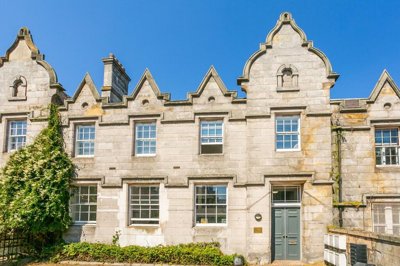
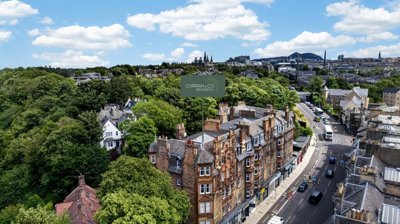
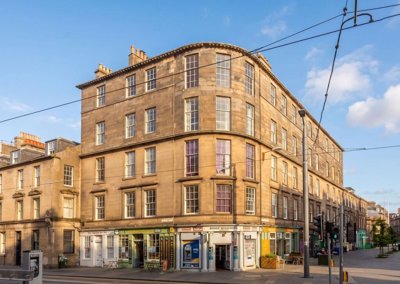
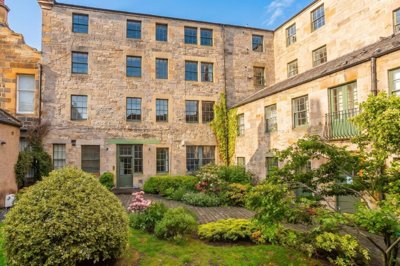
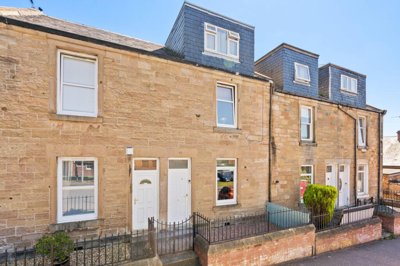
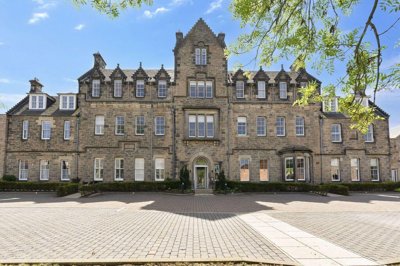
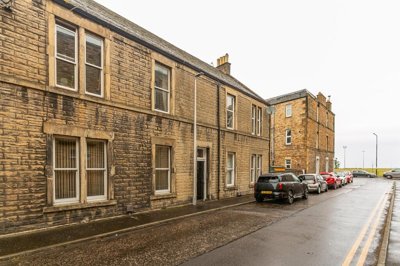
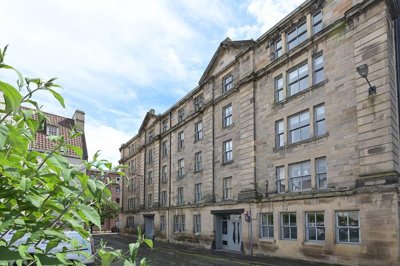
Sandstone, shale, limestone and volcanic rock all sit under the city, and you can see that in the buildings as much as in the skyline. Georgian and Victorian streets are full of honey-coloured sandstone, slate roofs, stone tenements and traditional villas. The Old and New Towns are a UNESCO World Heritage Site, so many addresses also fall within conservation areas or carry listed status. Period detail is part of the draw, but older fabric and heritage rules come with the keys.
Green space is not an afterthought in Edinburgh. Holyrood Park and Arthur’s Seat sit close to the centre, the Water of Leith path cuts through the city, and the Meadows, Inverleith Park and Portobello’s coastline give residents places to walk, run or cycle. Festivals, galleries, theatres and museums are woven into normal weeks too. That combination keeps interest steady from buyers looking at New Town flats to those comparing homes near the sea.
For families, catchments often come before kitchen size. Boroughmuir High School, James Gillespie’s High School and The Royal High School are among the state secondaries many buyers check early, while primary boundaries in the south, west and north can affect where people search. George Watson’s College and George Heriot’s School add independent options. The map can change, so check the current boundary for the exact Edinburgh street before offering.
The University of Edinburgh, Heriot-Watt University and Edinburgh College all feed into the housing market. Students, academics and staff shape demand around central areas and west-side travel points, especially near Haymarket. That population supports cafés, local services and rental demand, which can matter for landlords and future resale. A campus-side flat can work well, but noise, parking and term-time traffic still deserve a proper look.
School choice in Edinburgh is rarely just a league-table exercise. Some families want a quieter west or south-side address for the school run, while others put central primaries and tram stops higher on the list. If children are part of the move, start with the school boundary and then compare the house, garden and journey to work. It saves wasted viewings and avoids the awkward discovery that a good home is on the wrong side of the line.

Getting around can be simple, provided the address works for your routine. Edinburgh Waverley and Haymarket give direct rail routes to Glasgow, Dundee, Aberdeen and London, and the tram links the airport, the west end and the city centre. Lothian bus services reach many areas with no rail or tram stop. In some parts of Edinburgh, a dependable bus corridor is just as valuable as being near a station.
Roads matter here too. The city bypass connects with the M8, M9, M90 and A1, which helps people travelling west, north or east for work. Drivers heading to Edinburgh Airport often look closely at bypass access, while cyclists use the Water of Leith, the Union Canal and routes into the centre. Parking is the catch. Tenement streets and heritage districts can be tight, especially in the evening.
Hybrid workers tend to weigh rail, tram and active travel differently. A flat near Haymarket may suit someone on regular train days, while a house near the bypass can make more sense for a daily driver. Families may put school runs and weekend trips to parks ahead of the quickest rail journey. In Edinburgh, the right travel set-up adds value, but only if it fits the way the household actually lives.
Get a mortgage agreement in principle before viewings, then build a budget that includes the deposit, LBTT, survey fees, solicitor costs and moving expenses.
Choose your broad target first: a period flat in the centre, a family house in the west or a newer apartment on the waterfront. After that, compare the commute, parking and school catchments.
At viewings, look closely at the roof, common stair, windows, heating, storage and any sign of damp or movement. Make notes on likely repairs after purchase.
Scottish sales can move fast once an offer is accepted, so appoint a conveyancer as soon as you are serious about a home.
A RICS Level 2 survey is enough for many standard homes. Older sandstone properties, altered flats or homes with roof concerns may need the fuller Level 3 report.
Once the offer is accepted and searches are done, agree dates, finalise the mortgage and get ready for completion. Book removals and insurance before moving day.
Edinburgh’s older buildings can be lovely, but they need a careful eye. Sandstone, slate, lime mortar and timber all weather over time, while frequent rain and strong winds can mean slipped slates, blocked gutters or damp patches. In an older flat or villa, check for penetrating damp, internal staining, roof leaks and repair history. A survey helps separate ordinary age from a structural problem.
Flood risk is worth checking in several parts of Edinburgh. The Water of Leith corridor, low-lying coastal areas around Leith and streets prone to heavy surface water deserve attention after storms. Some ground is also affected by shrink-swell clay or made-up ground, with possible effects on foundations and movement. Ask for drainage records, previous flood reports or insurance claims if the seller has them.
The title and planning position can be just as important as the walls. Many Edinburgh homes are in conservation areas or listed buildings, so changes to windows, doors, stonework or exterior paint may need consent. Flats can come with factoring fees, reserve fund payments, shared repairs or title conditions. Ground rent is much less common in Scotland, but an unusual title should still be checked, and a RICS Level 3 survey is often sensible for older or high-value homes where roof or upper masonry access is limited.

homedata.co.uk records show an average house price of £293,000 in December 2025, up 5.4% on a year earlier. The property type makes a big difference: flats and maisonettes averaged £238,000, terraces £371,000, semis £439,000 and detached homes £676,000. A city-wide average only tells part of the story. When comparing Edinburgh homes, sold prices and building condition need to sit side by side.
Edinburgh is within the City of Edinburgh Council area, where council tax bands run from A to H, as elsewhere in Scotland. The band depends on valuation, size and property type, not postcode alone. A central flat can sit in a higher band if it is larger or in a premium building. The seller’s information or your solicitor should confirm the band before you commit.
For state education, buyers often check Boroughmuir High School, James Gillespie’s High School and The Royal High School. George Watson’s College and George Heriot’s School are two of Edinburgh’s better-known independent schools. Catchments carry real weight, and they can move over time, so use the latest boundary for the exact street. A house that looks right online may still miss the school area you need.
Rail, tram and bus routes make daily movement easier in many parts of Edinburgh, especially near Waverley, Haymarket or a main bus corridor. The tram runs to Edinburgh Airport and across the west side, while buses cover most suburbs and outer districts. A car helps for the bypass. Central parking, though, can be scarce, so the practical value of the route outside the front door should not be underestimated.
Yes, it can be, but the street and building type do a lot of the work. homedata.co.uk records show 11,525 residential sales in 2024-25, with the average price rising 5.4% to £293,000 by December 2025. Finance, government, universities and tourism all support demand, although older homes can bring repair bills. Purchases near schools, travel routes or major employers usually have the broadest resale audience.
In Edinburgh, buyers normally pay Scottish LBTT rather than stamp duty. For comparison with the rest of the UK, SDLT is currently 0% up to £250,000, 5% from £250,000 to £925,000, 10% from £925,000 to £1.5 million and 12% above that. People buying their first home elsewhere in the UK pay 0% up to £425,000 and 5% from £425,000 to £625,000, with no relief above £625,000. Your solicitor will calculate the Scottish tax due on the exact purchase price.
Tenements, sandstone terraces and flats make up a large slice of Edinburgh’s stock, with detached homes in outer suburbs and newer apartments in regeneration areas. homedata.co.uk records put flats and maisonettes at an average of £238,000, while detached homes averaged £676,000. That spread gives buyers several budget points to work from. The catch is that age, layout and repair history can matter as much as postcode.
Buying in Edinburgh means Scottish LBTT rather than SDLT, although many buyers still want the wider UK thresholds in plain sight. SDLT currently sits at 0% up to £250,000, 5% from £250,000 to £925,000, 10% from £925,000 to £1.5 million and 12% above £1.5 million. People buying their first home elsewhere in the UK pay 0% up to £425,000 and 5% from £425,000 to £625,000, with no relief above £625,000. Your solicitor will confirm the Scottish tax bill for the price agreed.
At Edinburgh’s average sold price of £293,000, the largest cash items may be the deposit, survey, legal fees and moving expenses rather than tax alone. Older sandstone flats also need a buffer for upgrades, communal repairs and possible factoring costs. New-build homes can look low maintenance at first, but LBTT contributions, snagging work and energy upgrades still belong in the budget. A realistic cash plan makes completion less stressful.
Build in extra margin if you are competing for a home in a strong catchment or a central conservation area. In those parts of Edinburgh, character, schools and walkable streets can bring heavy interest. If you compare home.co.uk listings with sold-price data from homedata.co.uk, judge the total cost of ownership rather than the asking price alone. That is usually the better way to read value in a city with so many different property types.
Properties for Sale In London

Properties for Sale In Plymouth

Properties for Sale In Liverpool

Properties for Sale In Glasgow

Properties for Sale In Sheffield

Properties for Sale In Edinburgh

Properties for Sale In Coventry

Properties for Sale In Bradford

Properties for Sale In Manchester

Properties for Sale In Birmingham

Properties for Sale In Bristol

Properties for Sale In Oxford

Properties for Sale In Leicester

Properties for Sale In Newcastle

Properties for Sale In Leeds

Properties for Sale In Southampton

Properties for Sale In Cardiff

Properties for Sale In Nottingham

Properties for Sale In Norwich

Properties for Sale In Brighton

Properties for Sale In Derby

Properties for Sale In Portsmouth

Properties for Sale In Northampton

Properties for Sale In Milton Keynes

Properties for Sale In Bournemouth

Properties for Sale In Bolton

Properties for Sale In Swansea

Properties for Sale In Swindon

Properties for Sale In Peterborough

Properties for Sale In Wolverhampton

Enter your details to see if this property is within your budget.
Loans, cards, car finance
Estimated property budget
Borrowing + deposit
You could borrow between
Typical borrowing
Monthly repayment
Est. at 4.5%
Loan-to-value
This is an estimate only. Your actual budget may vary depending on interest rates, credit history, and personal circumstances. For an accurate affordability assessment, speak to one of our free mortgage advisors.
This calculator provides estimates for illustrative purposes only and does not constitute financial advice. Your home may be repossessed if you do not keep up repayments on your mortgage. Estimates based on 4.5% interest rate, repayment mortgage. Actual rates depend on your circumstances.
Homemove is a trading name of HM Haus Group Ltd (Company No. 13873779, registered in England & Wales). Homemove Mortgages Ltd (Company No. 15947693) is an Appointed Representative of TMG Direct Limited, trading as TMG Mortgage Network, which is authorised and regulated by the Financial Conduct Authority (FRN 786245). Homemove Mortgages Ltd is entered on the FCA Register as an Appointed Representative (FRN 1022429). You can check registrations at NewRegister or by calling 0800 111 6768.

We use cookies to show you personalised content and improve your experience of our website. Find out more in our Privacy policy and Cookie policy.