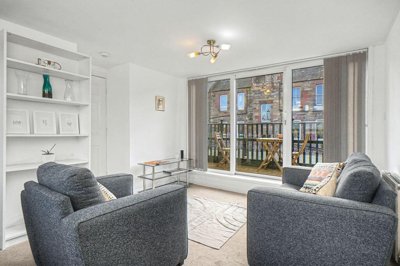
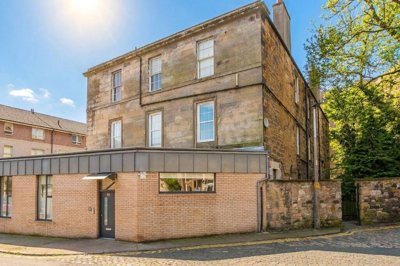
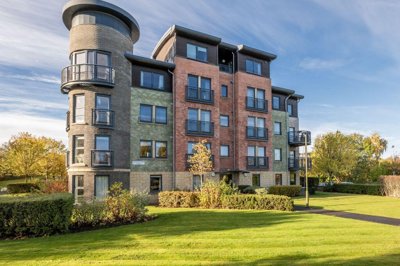
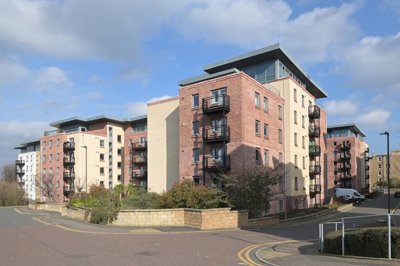
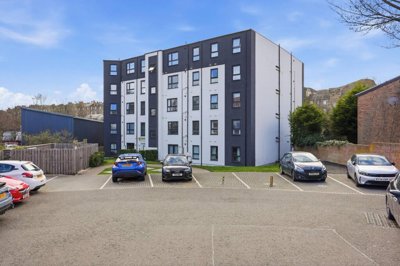
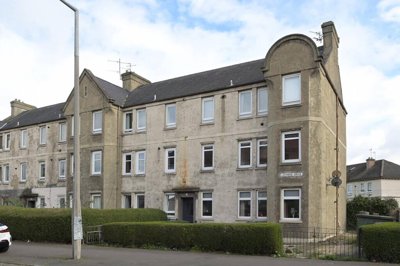
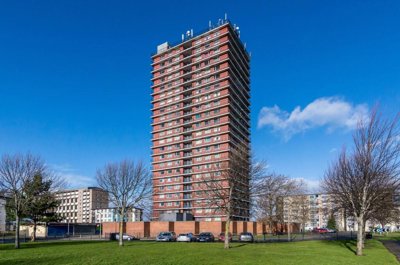
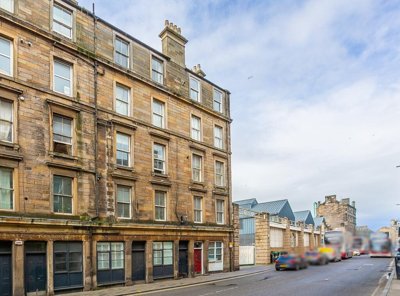
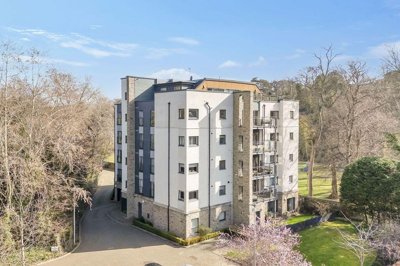
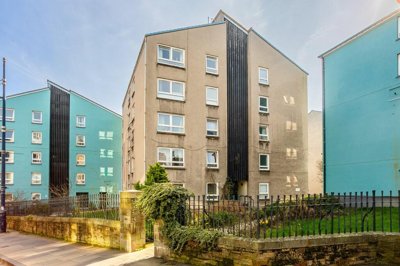
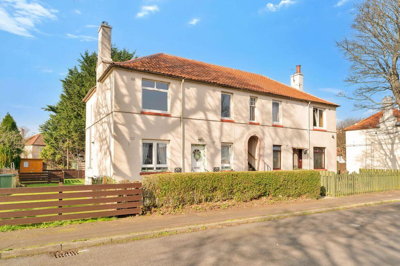
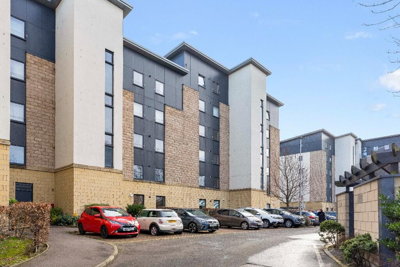
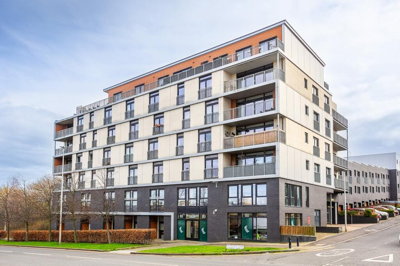
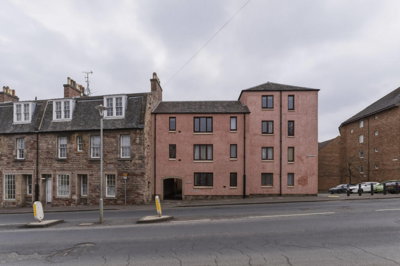
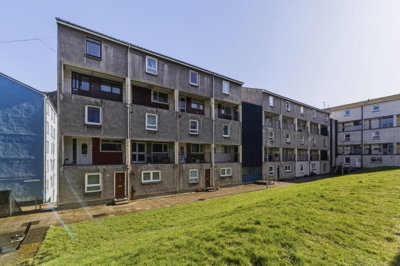
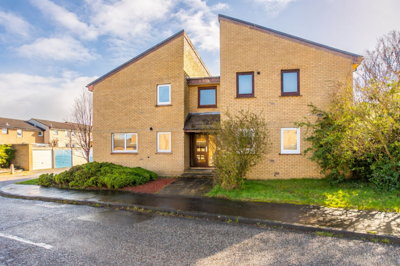
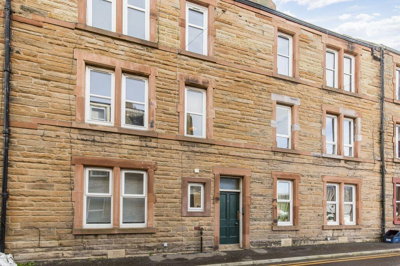
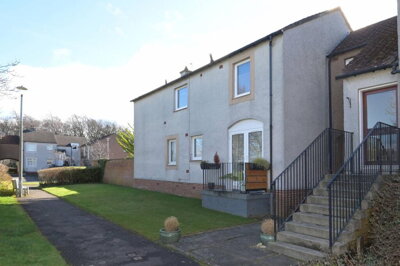
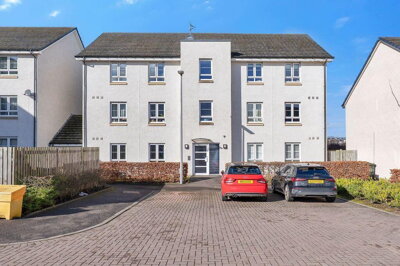
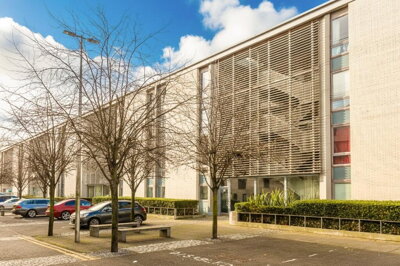
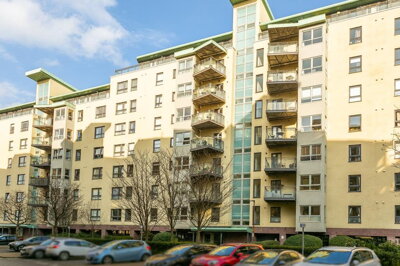
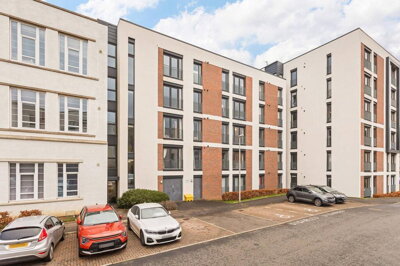
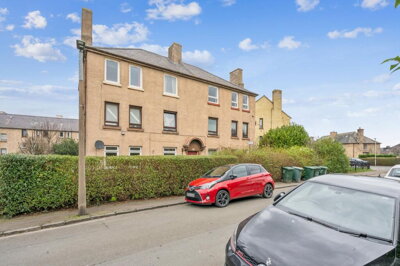
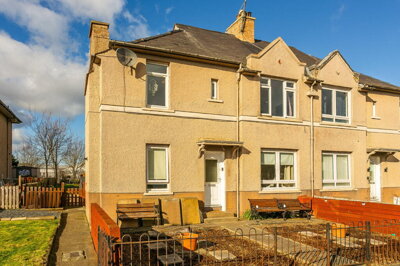
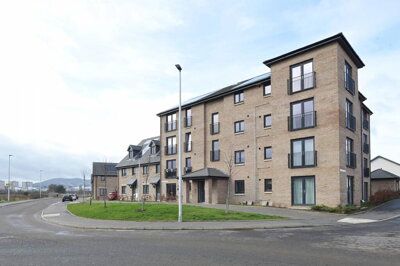
Browse 1,036 homes for sale in Edinburgh, Scotland from local estate agents.
Studio apartments feature open-plan living spaces without separate bedrooms, incorporating sleeping, living, kitchen, and bathroom facilities. The Edinburgh studio market includes properties in modern apartment complexes, converted Victorian and Georgian buildings, and purpose-built developments.
£250k
701
116
68
Source: home.co.uk
Showing 701 results for Studio Flats for sale in Edinburgh, Scotland. 116 new listings added this week. The median asking price is £249,999.
Source: home.co.uk
Flat
701 listings
Avg £290,341
Source: home.co.uk
Source: home.co.uk
The Edinburgh property market has demonstrated remarkable resilience and steady growth over recent years, driven by limited supply and sustained demand from buyers relocating from London and the south of England. Our current listings include over 2,000 properties across Edinburgh, ranging from traditional sandstone tenements priced between £200,000 and £400,000 to spacious family homes in areas like Murrayfield, Barnton, and Davidsons Mains commanding prices from £450,000 to over £1 million. The city centre commands premium prices, with one and two-bedroom flats in the New Town and West End typically selling between £250,000 and £500,000 depending on condition and period features.
New build developments continue to shape the Edinburgh property landscape, particularly in regeneration areas such as Leith Walk, Granton, and the Edinburgh Waterfront. These contemporary apartments and townhouses offer modern specifications with energy-efficient systems, underground parking, and resident amenities, often priced from £300,000 for a two-bedroom flat. Period properties remain highly sought after, with Victorian and Edwardian flats in Morningside, Bruntsfield, and Stockbridge attracting competitive bidding due to their original features, generous room sizes, and desirable postcodes. The rental market in Edinburgh is equally active, with yields averaging 5-6% for flats, making buy-to-let investments attractive to many buyers.
Edinburgh's housing stock spans centuries of construction, from medieval wynds in the Grassmarket area to sleek modern apartments at Ocean Terminal. Understanding the different property types helps buyers narrow their search effectively. Traditional tenements typically feature stone construction, high ceilings, and shared stairwells, while Georgian and Victorian properties offer period details like cornicing, fireplaces, and sash windows. Newer properties built since the 1990s generally provide improved insulation and modern heating systems but may lack the character of older homes. Each style carries different maintenance considerations and potential defects that informed buyers should understand before purchasing.

Edinburgh unfolds across a dramatic landscape of volcanic hills and valleys, with the iconic castle presiding over the city from its ancient rock formation. The city divides naturally into the medieval Old Town, with its steep closes and winding streets radiating from the Royal Mile, and the elegant Georgian New Town, featuring grand terraces and manicured garden squares designed in the late 18th century. Neighbourhoods like Stockbridge, Canonmills, and the Shore in Leith offer village atmospheres with independent shops, artisan cafes, and popular pubs within walking distance of the city centre. Families are drawn to areas including Cramond, Blackhall, and Corstorphine, which combine good schools with access to green spaces and local amenities.
The demographics of Edinburgh reflect its status as a cosmopolitan capital, with a population of approximately 550,000 people including a significant student population attending the University of Edinburgh, Heriot-Watt University, and Napier University. The city attracts professionals working in finance, technology, creative industries, and the public sector, creating a diverse and educated community. Cultural life thrives throughout the year, anchored by the Edinburgh Festival Fringe, the Royal Edinburgh Military Tattoo, and Hogmanay celebrations that draw millions of visitors. Outdoor enthusiasts appreciate the numerous parks including the Royal Botanic Garden, Holyrood Park where Arthur's Seat rises dramatically, and the Pentland Hills Regional Park on the city outskirts.
Each Edinburgh neighbourhood has its own distinct character and housing characteristics. Leith, once a working port, has transformed into one of the city's most vibrant areas with converted warehouse apartments, traditional tenements, and new waterfront developments. Morningside and Bruntsfield offer a village atmosphere with independent retailers, traditional pubs, and access to the Meadows park. The New Town provides elegant Georgian apartments and townhouses with proximity to George Street's shops and restaurants. Further afield, areas like South Queensferry feature historic cottages and family homes with stunning views of the Forth bridges, while Liberton and Gilmerton offer more affordable options with good local schools.

Edinburgh boasts an exceptional educational landscape, making it a prime choice for families seeking quality schooling. The city features over 70 primary schools and 20 secondary schools managed by the City of Edinburgh Council, with notable institutions including James Gillespie's High School, Boroughmuir High School, and the Royal High School. Many Edinburgh primary schools have excellent reputations, with catchment areas becoming critical considerations for parents purchasing property. Schools in areas such as Morningside, Cramond, and Davidson's Mains frequently appear in top rankings for Scotland, with Ofsted-equivalent Education Scotland inspections providing guidance on performance.
Independent schooling is a significant feature of Edinburgh's educational offering, with prestigious institutions including Edinburgh Academy, Fettes College, Stewart's Melville College, and George Watson's College providing education from nursery through sixth form. These schools typically charge annual fees ranging from £12,000 to over £20,000 but consistently achieve outstanding academic results and university placements. For higher education, the University of Edinburgh ranks among the top UK universities, particularly renowned for arts, humanities, medicine, and informatics programmes. The city's Further Education colleges including Edinburgh College provide vocational courses and pathways to university, serving students of all ages seeking career advancement or retraining.
For families prioritising state education, understanding Edinburgh's catchment area system is essential when searching for property. Unlike some UK cities, Edinburgh operates strict catchment zones, meaning purchasing within the school's catchment area does not guarantee a place but significantly improves chances of admission. Properties near catchment boundaries can command premiums, as demonstrated by house prices in areas like Cramond and Blackhall serving highly-rated schools. Parents should verify current catchment boundaries with the City of Edinburgh Council and consider future school rolls when planning a purchase, as intake policies and pupil numbers can change over time.

Edinburgh offers excellent connectivity within Scotland and to the rest of the UK, making it an accessible location for commuters and frequent travellers. Edinburgh Waverley station sits the city centre, providing direct rail services to London King's Cross with journey times of approximately 4.5 hours, while the faster Azuma trains reduce this to under 4 hours. North Berwick, with its scenic coastal route, connects to Edinburgh in just 35 minutes, making it a popular commuter belt location. Glasgow is accessible in 50 minutes by frequent ScotRail services, supporting those working across both cities or maintaining family connections.
Edinburgh Airport, located west of the city near Turnhouse, serves over 150 destinations including regular flights to London hubs, European cities, and international long-haul routes via Dubai and Abu Dhabi. The tram system links the airport directly to the city centre in approximately 35 minutes, while the recently extended tram line serves areas including Leith, the Ocean Terminal, and Newhaven waterfront. Within the city, Lothian Buses provide extensive public transport coverage with single journeys costing around £2 and day tickets offering unlimited travel. The city is increasingly cycle-friendly with dedicated paths and the Boris bike-sharing scheme, while the bypass and motorway network provide straightforward access to the M8 for Glasgow and the M90 for Perth and the north.
For those considering Edinburgh as a commuter base, the journey to London has become increasingly practical with the introduction of LNER Azuma services. These direct trains connect Edinburgh to London in under 4 hours, making day trips to the capital feasible and opening up career opportunities with London-based employers. The West End of Edinburgh, near Haymarket station, is particularly popular with commuters due to its direct train connections and proximity to the financial district around Exchange District. Commuters should factor in the cost of season tickets, which can exceed £5,000 annually for peak-time travel to London, when calculating the affordability of property purchases.

Edinburgh encompasses diverse areas from city centre flats to suburban family homes. Identify which neighbourhood matches your lifestyle, budget, and priorities for schools, transport, and amenities before beginning your property search. Consider visiting different areas at various times of day and week to understand the local atmosphere, noise levels, and community feel before committing to a purchase.
Contact Edinburgh lenders or brokers to obtain a mortgage Agreement in Principle before viewing properties. This strengthens your offer when competing in Edinburgh's competitive market, showing sellers you are a serious buyer with financing in place. Scottish mortgage processes have specific requirements including lender valuation surveys, so understanding your borrowing capacity early helps you focus your search on affordable properties.
Use Homemove to browse all current listings across Edinburgh, from flats in Leith and Morningside to houses in Cramond and Currie. Arrange viewings through listed estate agents and note any properties requiring surveys or investigation. When viewing, pay attention to the condition of common areas in tenement buildings, any obvious signs of damp or structural movement, and the quality of neighbouring properties which can indicate future maintenance responsibilities.
Before committing to purchase, book a RICS Level 2 Survey for modern properties or a more detailed Level 3 Survey for older homes. Edinburgh's historic building stock often requires professional assessment of structure, stonework, and potential defects. Given the prevalence of tenement properties, a thorough survey can identify issues with shared roofs, foundations affected by previous mining activity, or stonework requiring expensive maintenance that might not be visible during a standard viewing.
Scottish property transactions have distinct legal processes requiring a solicitor to handle title checks, property reports, and completion through Registers of Scotland. Instruct an Edinburgh conveyancing solicitor early to manage the process efficiently. The Scottish system differs significantly from England and Wales, with legally binding offers and a streamlined process that typically moves more quickly from acceptance to completion once subjects are lifted.
In Scotland, once your offer is accepted and subjects are lifted, the transaction proceeds to a fixed completion date. Your solicitor will transfer funds and register your ownership with Registers of Scotland, officially making you the new owner. Unlike the English system, Scotland does not have a separate exchange date, providing greater certainty about completion timing.
Edinburgh's diverse housing stock ranges from medieval wynds and Georgian terraces to Victorian tenements and modern apartments, each presenting specific considerations for buyers. Tenement flats, which dominate many neighbourhoods, may have factored contributing to stair repair costs, historic maintenance issues, and shared responsibilities with neighbours for common areas. Properties in conservation areas including the Old Town, New Town, and various village conservation areas may be subject to planning restrictions affecting alterations and extensions. Always request information about historic maintenance costs, outstanding works, and factor contributions before proceeding.
Flood risk varies across Edinburgh, with areas near the Water of Leith and other watercourses requiring careful investigation. Properties in lower Leith and near the River Almond in areas like Ratho warrant specific flood searches and insurance consideration. Ground conditions also vary across the city, with some areas built on volcanic rock requiring specialist foundations while others have different soil conditions affecting construction. Buildings Listed as being of special architectural or historic interest require consent for any alterations, potentially limiting renovation options. Always commission appropriate searches and surveys, particularly for older properties where hidden defects may not be visible during viewings.
Common defects found in Edinburgh properties include roof and chimney deterioration on tenement buildings, stonework erosion particularly on south-facing walls exposed to prevailing winds, and damp penetration through solid walls in older properties without modern damp proof courses. Windows in period properties often require refurbishment rather than replacement to maintain character and comply with conservation requirements. Electrical systems in older homes may require complete rewiring to meet current standards, while heating systems vary significantly from single room gas fires in older tenements to modern full central heating in more recent properties. A comprehensive survey can identify these issues and provide cost estimates for remediation, allowing you to make an informed purchase decision.
Factor companies and communal maintenance responsibilities require particular attention when buying tenement properties. Many Edinburgh flats form part of mutual building insurance and maintenance arrangements where all owners contribute to roof repairs, external painting, and structural works. Request copies of previous meeting minutes, outstanding maintenance schedules, and the building's insurance policy. Properties with significant planned works, such as roof replacement or stonework repointing, could face special assessment charges of several thousand pounds per property. Understanding these commitments before purchasing prevents unexpected costs that could affect your budget.

Average property prices in Edinburgh vary significantly by property type and location. Flats in the city average around £280,000 while terraced houses typically sell for £350,000 to £450,000. Detached homes in sought-after areas such as Cramond, Barnton, and Murrayfield command prices from £500,000 to over £1 million. The Edinburgh property market has shown consistent growth, with prices rising approximately 5-8% annually over recent years driven by limited supply and continued demand from buyers relocating from London and the south. Premium locations including the New Town, Stockbridge, and Morningside consistently outperform city averages, with period properties maintaining strong values due to their character and limited supply.
Council tax in Edinburgh is set by the City of Edinburgh Council and properties are allocated bands A through H based on valuation bandings set by the Scottish Government. Current annual charges range from approximately £1,100 for Band A properties up to £2,500 for Band H homes. Most standard family homes in Edinburgh fall into Bands C through E, with premium properties in areas like the New Town and Stockbridge typically in higher bands. The council provides exemptions and discounts for certain circumstances including single occupancy, disability adaptations, and properties occupied by full-time students. When budgeting for your Edinburgh home, factor in annual council tax payments which are typically collected in monthly instalments by the council.
Edinburgh offers excellent state and independent schooling options for families relocating to the city. Top-performing state secondary schools include James Gillespie's High School, Boroughmuir High School, and the Royal High School, all serving catchment areas with strong academic results and good facilities. Independent schools such as Fettes College, Edinburgh Academy, and George Watson's College are highly regarded with outstanding examination results and strong university placement records. For primary education, schools in Morningside, Cramond, and Davidson's Mains consistently achieve excellent inspection ratings from Education Scotland, though parents should verify current catchment boundaries as these can change based on school capacity and local pupil numbers.
Edinburgh enjoys excellent public transport connectivity through Lothian Buses serving the entire city with extensive routes and affordable fares, making car ownership optional for most residents. Edinburgh Waverley station provides direct rail connections to London, Glasgow, and destinations across Scotland with regular services operated by LNER, ScotRail, and CrossCountry. Edinburgh Airport offers domestic and international flights with tram access to the city centre, while the expanding tram network serves Leith, Newhaven, and the western areas including the airport, providing reliable alternative transport options throughout the city. The city's compact centre means many residents can walk or cycle to work, reducing commuting costs and improving quality of life.
Edinburgh consistently proves an attractive property investment destination due to strong tenant demand, good rental yields, and historic price appreciation that has outperformed many UK regional cities. The city's diverse economy, hosting financial services headquarters, technology companies includingSkyscanner and FanDuel, and major public sector organisations, supports continued demand from renters seeking quality accommodation. Rental yields in Edinburgh average 5-6% for flats, with the strongest returns typically found in the city centre, Leith, and areas popular with students and young professionals near university campuses. Capital appreciation has historically been strong, though investors should research specific neighbourhoods carefully and consider factors including void periods between tenancies, property management costs, and potential regulatory changes affecting the private rental sector.
Scotland uses the Land and Buildings Transaction Tax (LBTT) instead of UK stamp duty, with rates set by the Scottish Government and collected by Revenue Scotland. LBTT rates start at 0% for purchases up to £145,000, then rise through bands of 2% on £145,000-£250,000, 5% on £250,000-£325,000, 10% on £325,000-£750,000, and 12% on amounts exceeding £750,000. First-time buyers in Scotland receive relief on the first £175,000 of purchase price through the First-Time Buyer Relief scheme, meaning properties up to this value incur zero LBTT. For a typical £300,000 Edinburgh flat, LBTT would amount to approximately £3,600 after first relief is applied, though this should be confirmed with your solicitor during the conveyancing process as reliefs may change.
Key risks when buying in Edinburgh include factor debts on tenement properties, where previous owners may have left outstanding charges that transfer to new owners, and flood risk in specific areas near waterways including the Water of Leith, the River Almond, and coastal areas. Properties on or near former mining areas may require specialist surveys to assess foundation stability, while those with trees nearby could face subsidence issues requiring detailed investigation. Conservation area restrictions can limit renovation options and increase maintenance costs on period properties, while Listed building status requires planning consent for alterations. Comprehensive surveys and local searches can identify these risks before you commit to a purchase, allowing you to negotiate appropriate reductions or require remediation as conditions of sale.
Purchasing property in Edinburgh involves specific costs beyond the property price, with the Land and Buildings Transaction Tax (LBTT) being the primary levy replacing UK stamp duty. First-time buyers benefit from relief on purchases up to £175,000, meaning properties within this threshold incur zero LBTT. For a typical Edinburgh flat priced at £280,000, LBTT would be calculated as 2% on the portion between £145,000 and £250,000 plus 5% on the remaining £30,000, totaling £3,600 before any first-time buyer relief. Properties exceeding £750,000 face the highest LBTT rates of 12%, significantly increasing costs for premium Edinburgh homes in areas like the New Town and Stockbridge.
Additional buying costs include solicitor fees typically ranging from £800 to £1,500 for conveyancing work including title searches, property reports, and registration with Registers of Scotland. Survey costs vary from £350 for a basic RICS Level 2 Survey on newer properties up to £800 or more for a detailed Level 3 Survey on older historic buildings where specialist assessment of stonework, roofs, and structure may be required. Mortgage arrangement fees average 0.5-1.5% of the loan amount, though many lenders offer fee-free deals that should be compared carefully. Search fees, including local authority, drainage, and environmental searches, typically cost £250-£400 depending on the provider. Buyers should budget approximately £2,000 to £3,000 for these additional costs on a typical Edinburgh property purchase, in addition to any moving expenses and potential furniture or renovation costs for the new home.
Moving costs in Edinburgh can vary significantly depending on distance and volume of belongings, with typical costs for a one-bedroom flat ranging from £500 to £1,000 with a professional moving company. Removal firms based in Edinburgh and the Lothians often offer competitive rates for local moves, while long-distance relocations from other parts of the UK will cost more. Some buyers choose to use portable storage solutions which can be more economical for certain circumstances. Factor in the cost of redirecting post, updating records with banks and employers, and any temporary accommodation if your move involves a chain or rental tenure change.

From 4.5% APRC
Finding the right mortgage is essential for Edinburgh property purchases. Compare rates from lenders across the market.
From £499
Edinburgh solicitors handle Scottish conveyancing including title checks and Registers of Scotland registration.
From £350
A detailed inspection of your Edinburgh property, checking for defects common in the local housing stock.
From £80
Energy Performance Certificate required for all Edinburgh properties before sale.
Properties for Sale In London

Properties for Sale In Plymouth

Properties for Sale In Liverpool

Properties for Sale In Glasgow

Properties for Sale In Sheffield

Properties for Sale In Edinburgh

Properties for Sale In Coventry

Properties for Sale In Bradford

Properties for Sale In Manchester

Properties for Sale In Birmingham

Properties for Sale In Bristol

Properties for Sale In Oxford

Properties for Sale In Leicester

Properties for Sale In Newcastle

Properties for Sale In Leeds

Properties for Sale In Southampton

Properties for Sale In Cardiff

Properties for Sale In Nottingham

Properties for Sale In Norwich

Properties for Sale In Brighton

Properties for Sale In Derby

Properties for Sale In Portsmouth

Properties for Sale In Northampton

Properties for Sale In Milton Keynes

Properties for Sale In Bournemouth

Properties for Sale In Bolton

Properties for Sale In Swansea

Properties for Sale In Swindon

Properties for Sale In Peterborough

Properties for Sale In Wolverhampton

Enter your details to see if this property is within your budget.
Loans, cards, car finance
Estimated property budget
Borrowing + deposit
You could borrow between
Typical borrowing
Monthly repayment
Est. at 4.5%
Loan-to-value
This is an estimate only. Your actual budget may vary depending on interest rates, credit history, and personal circumstances. For an accurate affordability assessment, speak to one of our free mortgage advisors.
This calculator provides estimates for illustrative purposes only and does not constitute financial advice. Your home may be repossessed if you do not keep up repayments on your mortgage. Estimates based on 4.5% interest rate, repayment mortgage. Actual rates depend on your circumstances.
Homemove is a trading name of HM Haus Group Ltd (Company No. 13873779, registered in England & Wales). Homemove Mortgages Ltd (Company No. 15947693) is an Appointed Representative of TMG Direct Limited, trading as TMG Mortgage Network, which is authorised and regulated by the Financial Conduct Authority (FRN 786245). Homemove Mortgages Ltd is entered on the FCA Register as an Appointed Representative (FRN 1022429). You can check registrations at NewRegister or by calling 0800 111 6768.

We use cookies to show you personalised content and improve your experience of our website. Find out more in our Privacy policy and Cookie policy.