Pick the right path and we'll point you to the next step.
I'm the homeowner
Track this property, get market updates, and list it on Home when you're ready to sell or let.
I'm an estate agent
Claim your branch on Home.co.uk, list your properties for free, and reach buyers actively searching your area.

From riverside apartments to country cottages, search hundreds of thousands of properties for sale, to rent, and recently sold, all enriched with three decades of market data.
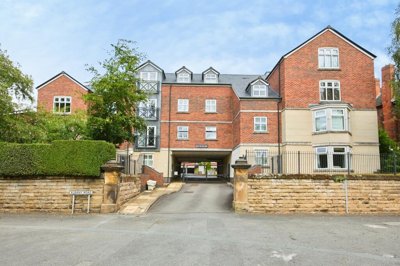
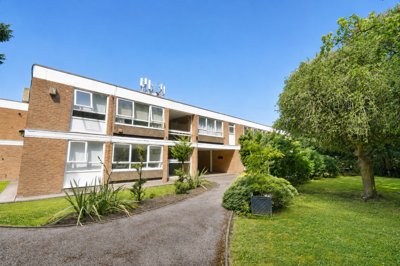
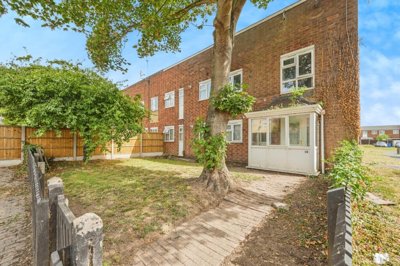
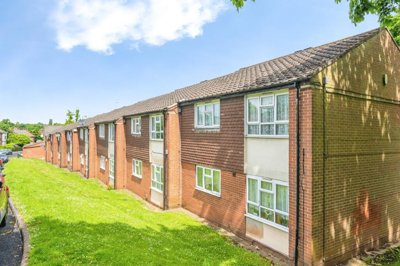
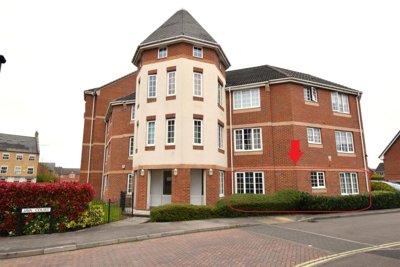
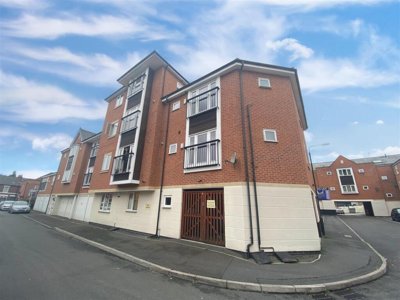
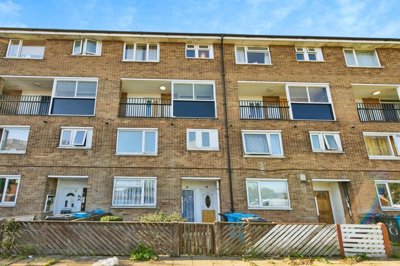
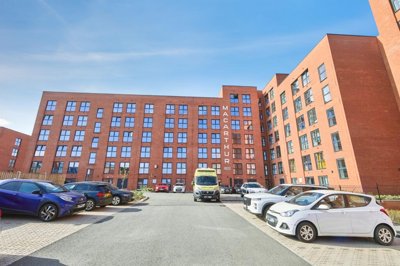
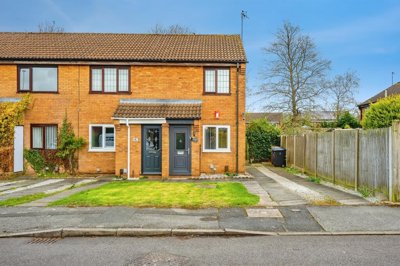
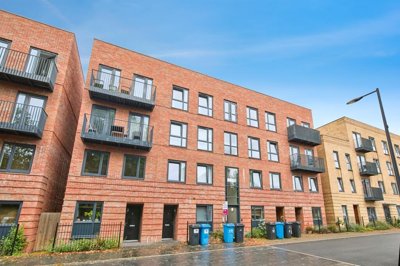
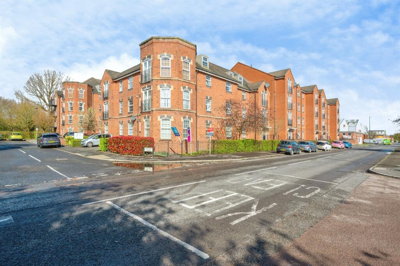
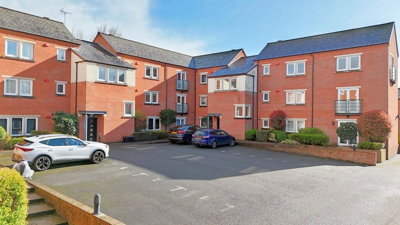
Browse 62 homes for sale in Derby, East Midlands from local estate agents.
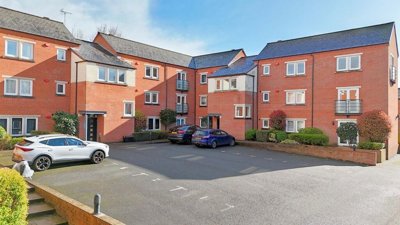
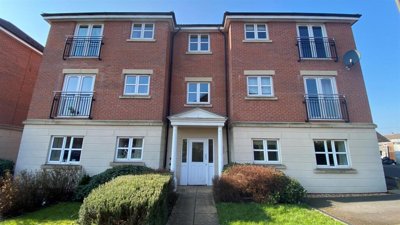
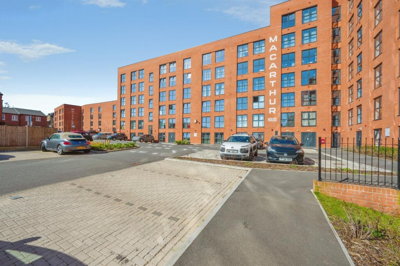
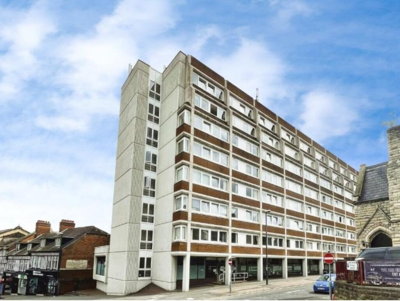
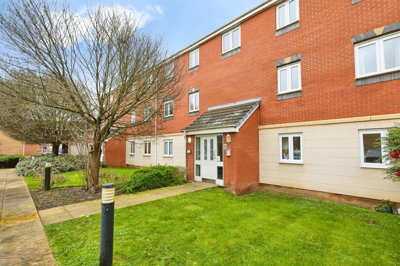
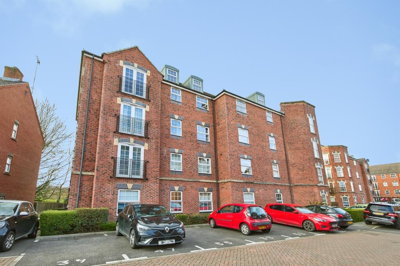
Studio apartments feature open-plan living spaces without separate bedrooms, incorporating sleeping, living, kitchen, and bathroom facilities. The Derby studio market includes properties in modern apartment complexes, converted Victorian and Georgian buildings, and purpose-built developments.
£110k
66
3
168
Source: home.co.uk
Showing 66 results for Studio Flats for sale in Derby, East Midlands. 3 new listings added this week. The median asking price is £110,000.
Source: home.co.uk
Flat
66 listings
Avg £115,981
Source: home.co.uk
Source: home.co.uk
homedata.co.uk records show 9,506 property sales in Derby across the last 12 months. That points to a market that keeps moving at different price levels, rather than one stuck at either end. Average sold values are around £245,924, and another recent sold-price snapshot places Derby near £232,000, so prices have remained in a fairly tight band. Over the same year, values have nudged up by around 2% to 3%, which suggests steadiness rather than a sudden spike. Buyers with finances lined up often find Derby simpler to handle than places where stock vanishes within days.
New-build listings give a clear read on where Derby is heading. home.co.uk shows Marble Square from £289,950, with shared ownership from £53,999. Osmaston Villas starts at £175,000, while Radbourne View runs from £459,500 to £681,000. There are also apartments at Nightingale Quarter, homes at The Meadows from £289,950 to £419,950, and bigger houses at Hackwood Grange from £499,000. It is a wide spread, so buyers can look at entry-level options, more space, or a higher-end address without moving out of the city.

Derby is not a huge city, but it is a sizeable one, with 261,400 residents and 105,700 households. Since 2011, the population has grown by 5.1%. Housing changes noticeably by area, with more flats in the centre and more family houses in places such as Allestree, Mickleover and Chellaston. Across the Derby postcode area, detached homes accounted for 34.5% of sales over the last year, semis 35.1%, terraced homes 25.0% and flats 5.4%. That gives buyers proper range, from a starter flat to a bay-fronted terrace or a larger house.
Derby’s building history is easy to read once you start noticing it. Around Sadler Gate, Wardwick and Friar Gate, you get older stone and red brick, while Darley Abbey, Allestree, Mickleover and the city centre conservation areas show how much of the city has been carefully managed over time. The median construction year is 1971, so a big share of homes are post-war or later. Even so, roughly 20% were built before the 1940s, and another 10.6% in the 1940s. That mix leaves room for buyers who want an older house with detail, and for those who would rather have a later home with easier upkeep, broader plots or off-street parking.
Our Derby research does not name individual schools or list Ofsted grades, and we will not fill that gap with guesswork. What we can say is that family demand is backed by the city’s scale, with 105,700 households and a strong volume of family purchases across suburban Derby. Most buyers start by matching the home to the catchment they need, then checking admissions rules direct with Derby City Council and the school itself. That is the safest route, especially in areas where family houses can move quickly.
School catchments are only part of the picture. The University of Derby is one of the city’s major employers, which helps keep rental demand going and brings a steady flow of graduates and working households into Derby. Engineering, manufacturing and healthcare matter too. For buyers with children, the real decision is often practical, garden space, commute time, and access to schools or college, rather than the headline asking price on its own.
For anyone buying around a child’s daily routine, postcode is only one part of it. We would look just as hard at parking, the route in and out, and the age of the house. Older terraces near central Derby can put you close to facilities, but many family buyers lean towards the suburbs for extra room and simpler parking. Newer homes at Marble Square, The Meadows and Radbourne View also get attention because the layouts are modern and the early maintenance bill is often lower. In practice, the right house is the one that works for the school run and the budget.

Derby’s position in the country does a lot of the heavy lifting here. It sits in one of the most central parts of the UK, with direct rail links to London, Nottingham, Birmingham and Leicester. By road, buyers can get onto the A52, A38 and the M1 corridor without much fuss. East Midlands Airport is also within practical reach, which matters for work travel and overseas routes. That helps explain why Derby keeps pulling in professionals as well as local movers.
Getting around inside Derby is more area-specific than the city-wide map first suggests. Buses reach most residential districts, though some routes work better than others. Near the centre, rail and bus access can be handy, but parking is often tighter around the Cathedral Quarter, Friar Gate and other older streets. Suburban areas tend to give buyers more driveway space, garages or room on the road. That can make a real difference if the car is part of the daily routine. For shorter journeys, cycling can also cut out city-centre traffic and parking charges.
One reason buyers keep coming back to Derby is flexibility. You can work locally, commute out, or mix train, car and bus without paying huge-city prices for the privilege. That keeps demand spread across flats, terraces and larger houses instead of narrowing onto one slice of the market. If travel is going to shape your week, we would shortlist homes by the route you will actually use, then check the exact station, bus stop or motorway junction before a second viewing.
Before booking viewings, get a mortgage agreement in principle in place, so sellers and agents can see you are serious and ready to proceed.
It helps to compare central Derby with Allestree, Mickleover, Chellaston, Chaddesden and nearby districts, so you can weigh price against commute, parking and school access.
We would check more than the house itself, traffic noise, parking, flood exposure, the age of the building, and whether the street falls within a conservation area or sits near a main route.
Derby has older brick and stone homes, 1970s stock and newer schemes. For a standard property, a RICS Level 2 survey is usually sensible. On an older home, or one that has been altered, a fuller report can be the better call.
Searches matter in Derby. Flood risk can affect one address and not the next, conservation controls can limit changes, and leasehold details can alter both timing and cost during the purchase.
Once the mortgage, searches and survey results are back, the next step is to settle the completion date, transfer funds and organise removals with enough time for keys, utilities and council tax.
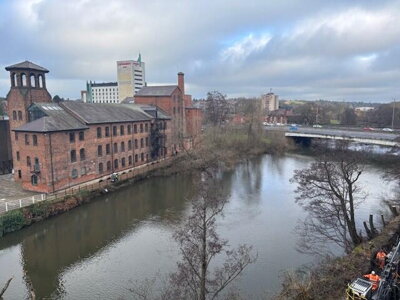
Flood risk is not a side issue in Derby. Homes near the River Derwent and its tributaries need careful checking, and the city centre has also had surface water problems when heavy rain pushes drainage beyond capacity. If a property sits near the river, on low-lying land, or along a paved street with weak runoff, we would always check flood maps and ask the seller about any previous water ingress. Derby does have a £95 million flood scheme aimed at reducing risk to more than 800 homes, but location still needs to be part of the buying call. Riverside flats can look appealing, though drainage, insurance and access all deserve a closer review.
The age of Derby housing stock matters more than many buyers expect. A substantial share is pre-1970s, and that can mean dated wiring, poor ventilation, worn roofs or signs of movement. Geology adds another layer, because some clay-rich areas may have shrink-swell potential. Cracks, sticking doors and uneven floors are not things we would brush past. Conservation areas, including Friar Gate, Darley Abbey, Mickleover, Allestree and the city centre, can also limit external changes to windows, doors or roof materials. North and northwest of the centre alone, there are 76 listed buildings, so a good surveyor should flag heritage constraints before you commit.
Leasehold buyers need to read the small print carefully in Derby, especially on newer apartments and converted buildings such as central flats or converted villas. Service charges, ground rent and building management can all change the real cost. A leasehold flat can still be a sensible way into the market, but only if the paperwork stands up. Freehold houses often feel more straightforward, yet some still come with estate charges, shared access roads or maintenance liabilities. Knowing that early makes it easier to compare a £175,000 apartment with a £289,950 new-build house on fair terms, not just by headline price.

For the Aug 2024 to Jul 2025 period, homedata.co.uk shows an average sold price in Derby of £245,924, based on 9,506 sales. That gives us a useful picture of a market that is active, while still looking relatively affordable beside many larger UK cities. On the asking-price side, home.co.uk shows a broad spread, from around £175,000 for some converted city properties up to £681,000 at the top of the new-build market. Budget really comes down to the kind of home you want, flat, terrace, family semi or premium detached house.
Derby City Council sets council tax for homes in the city, but there is no single band that covers the whole area. Stock ranges from apartments to large detached houses, so the band depends on the address and its valuation history. Smaller flats and terraces often sit lower, while bigger family houses move higher. Before making an offer, we would check the listing, the seller’s paperwork and the council tax reference. A quick check, but it can save an awkward budget surprise later.
We do not have school rankings or Ofsted grades here, so we are not going to invent them. In practice, buyers usually narrow the search by catchment first, then confirm admissions and inspection details direct with the school and Derby City Council. Allestree, Mickleover, Chellaston and parts of Chaddesden often come up in family searches because the housing stock works well day to day. If schooling matters, check the exact postcode of the property before relying on any assumed catchment line.
For travel, Derby has a strong position. There are direct rail links to London, Nottingham, Birmingham and Leicester, and the road network puts the A52, A38 and the M1 corridor close at hand. East Midlands Airport is also within practical reach. Bus coverage extends across most neighbourhoods, though frequency and journey times vary by address. For any commuter purchase, we would check the nearest station or main bus corridor from the exact street, not just the wider district.
Derby can stack up for investors for a few straightforward reasons. The employment base is large, home prices are moderate, and the rental market is active. Aerospace, rail, automotive, healthcare and education all support tenant demand, while local data points to rental yields commonly around 4.5% to 6.0%. homedata.co.uk also records 9,506 sales in the last 12 months, which suggests resale liquidity is reasonably healthy. The final return still depends on the exact location, the property’s condition, the lease length and the type of tenant you plan to target.
For standard buyers, SDLT is 0% up to £250,000, then 5% from £250,000 to £925,000, 10% from £925,000 to £1.5 million and 12% above that. First-time buyers pay 0% up to £425,000 and 5% from £425,000 to £625,000, with no relief above £625,000. Since Derby’s average sold price is around £245,924, many standard buyers purchasing close to the city average may pay no stamp duty at all. A second home or buy-to-let changes the picture because of the surcharge, so it is worth getting advice before you reserve.
Yes, there are a few main points we would watch in Derby. Flood risk is one, especially near the River Derwent and in parts of the city that can see surface water after heavy rain. Older wiring and roof condition matter too, because some of the housing stock needs closer electrical or structural checks. A solid survey should also pick up damp, cracking, ventilation issues and any movement linked to clay-heavy ground. If the property is leasehold, add service charges and ground rent to the list so the full ownership cost is clear.
Stamp duty is one of the first figures we would model on a Derby purchase, and many homes here still sit near or below the key threshold. Standard buyers pay 0% up to £250,000, 5% from £250,000 to £925,000, 10% from £925,000 to £1.5 million and 12% above that. First-time buyers pay 0% up to £425,000 and 5% from £425,000 to £625,000, with no relief above £625,000. With Derby’s average sold price at about £245,924, a buyer near the city average can often keep SDLT low or avoid it altogether on a main home.
SDLT is only one part of the moving budget. We always tell buyers to allow for legal fees, survey costs, mortgage fees and removals as well. In Derby, a survey is especially useful on an older terrace, a stone-built house or a property with extensions, because those can hide wiring trouble, damp or roof defects. Local electrical checks vary as well, with Derby EICR inspections starting from around £60 and Homemove offering EICR assessments from £119. Price gaps like that are exactly why early budgeting helps. Add the numbers together at the start, and it becomes much easier to compare properties by total cost instead of the asking figure alone.
Properties for Sale In London

Properties for Sale In Plymouth

Properties for Sale In Liverpool

Properties for Sale In Glasgow

Properties for Sale In Sheffield

Properties for Sale In Edinburgh

Properties for Sale In Coventry

Properties for Sale In Bradford

Properties for Sale In Manchester

Properties for Sale In Birmingham

Properties for Sale In Bristol

Properties for Sale In Oxford

Properties for Sale In Leicester

Properties for Sale In Newcastle

Properties for Sale In Leeds

Properties for Sale In Southampton

Properties for Sale In Cardiff

Properties for Sale In Nottingham

Properties for Sale In Norwich

Properties for Sale In Brighton

Properties for Sale In Derby

Properties for Sale In Portsmouth

Properties for Sale In Northampton

Properties for Sale In Milton Keynes

Properties for Sale In Bournemouth

Properties for Sale In Bolton

Properties for Sale In Swansea

Properties for Sale In Swindon

Properties for Sale In Peterborough

Properties for Sale In Wolverhampton

Enter your details to see if this property is within your budget.
Loans, cards, car finance
Estimated property budget
Borrowing + deposit
You could borrow between
Typical borrowing
Monthly repayment
Est. at 4.5%
Loan-to-value
This is an estimate only. Your actual budget may vary depending on interest rates, credit history, and personal circumstances. For an accurate affordability assessment, speak to one of our free mortgage advisors.
This calculator provides estimates for illustrative purposes only and does not constitute financial advice. Your home may be repossessed if you do not keep up repayments on your mortgage. Estimates based on 4.5% interest rate, repayment mortgage. Actual rates depend on your circumstances.
Homemove is a trading name of HM Haus Group Ltd (Company No. 13873779, registered in England & Wales). Homemove Mortgages Ltd (Company No. 15947693) is an Appointed Representative of TMG Direct Limited, trading as TMG Mortgage Network, which is authorised and regulated by the Financial Conduct Authority (FRN 786245). Homemove Mortgages Ltd is entered on the FCA Register as an Appointed Representative (FRN 1022429). You can check registrations at NewRegister or by calling 0800 111 6768.

We use cookies to show you personalised content and improve your experience of our website. Find out more in our Privacy policy and Cookie policy.