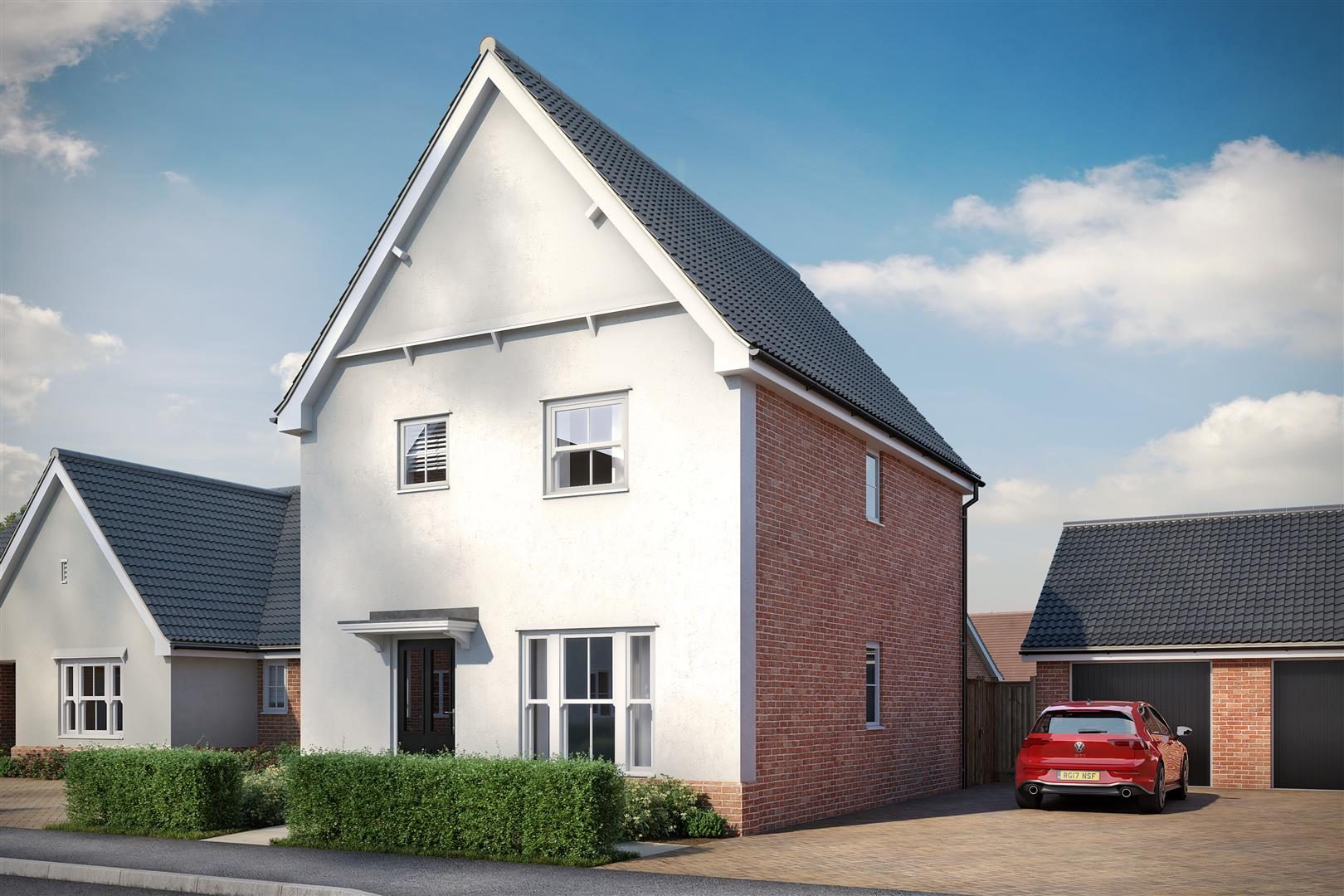
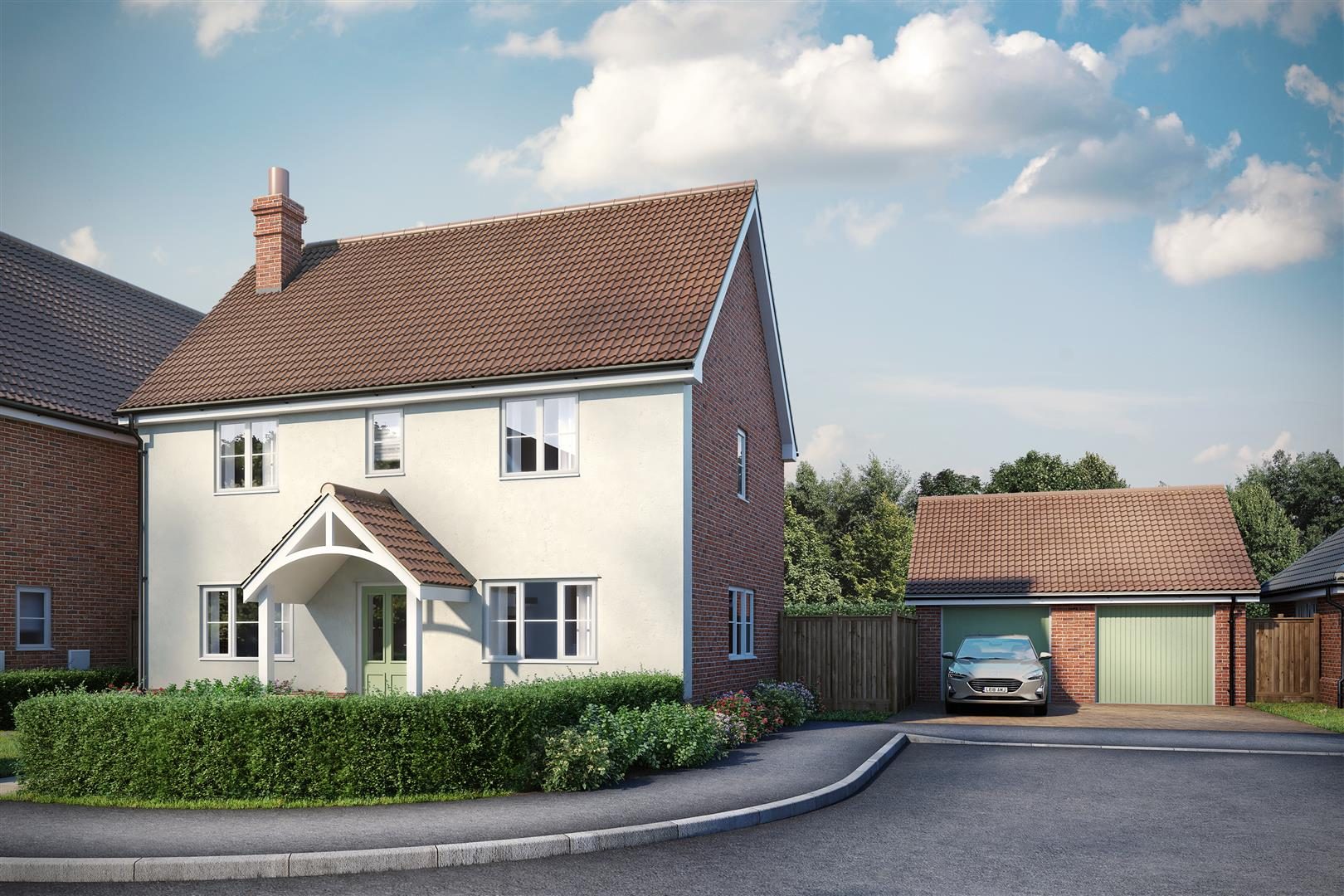
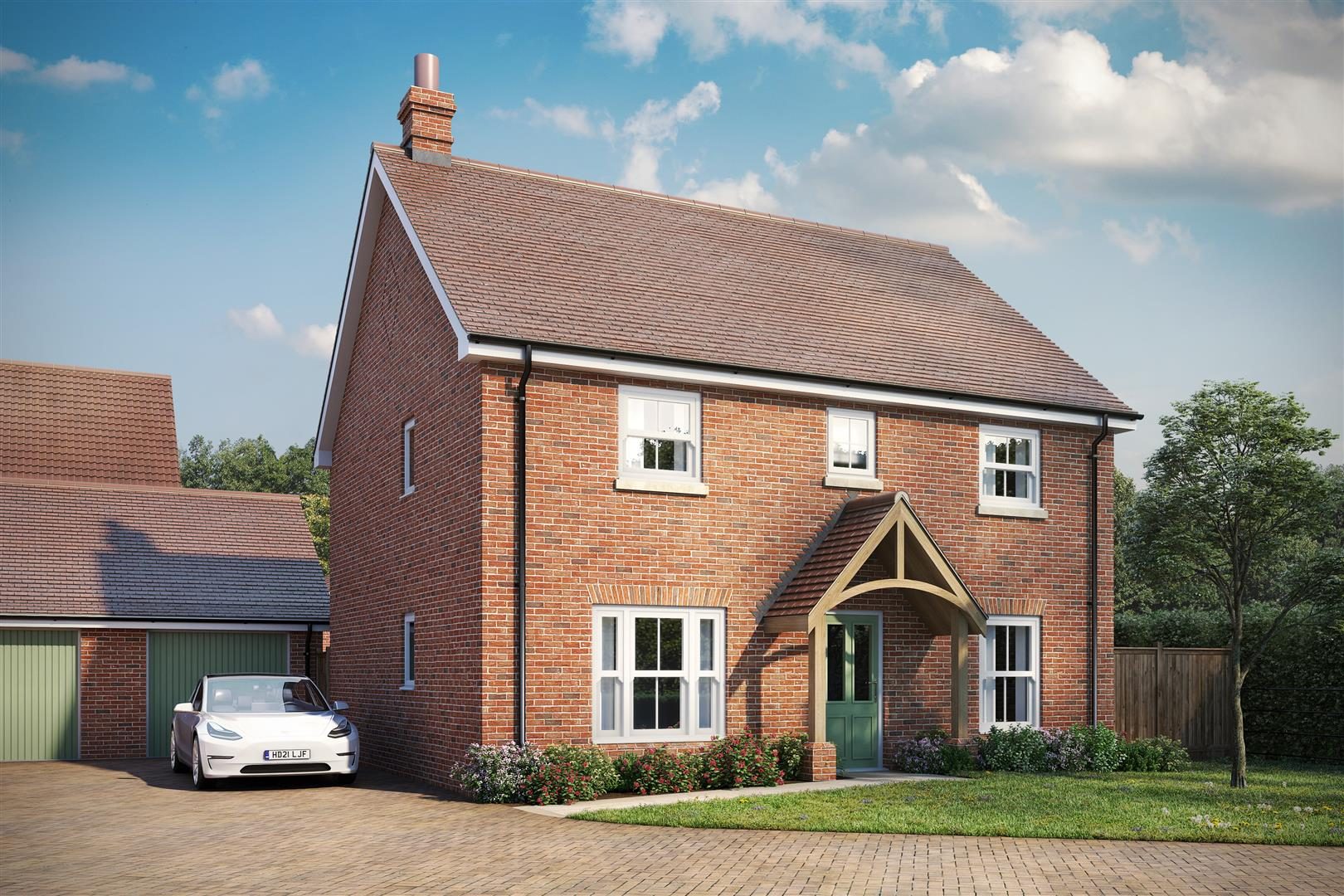
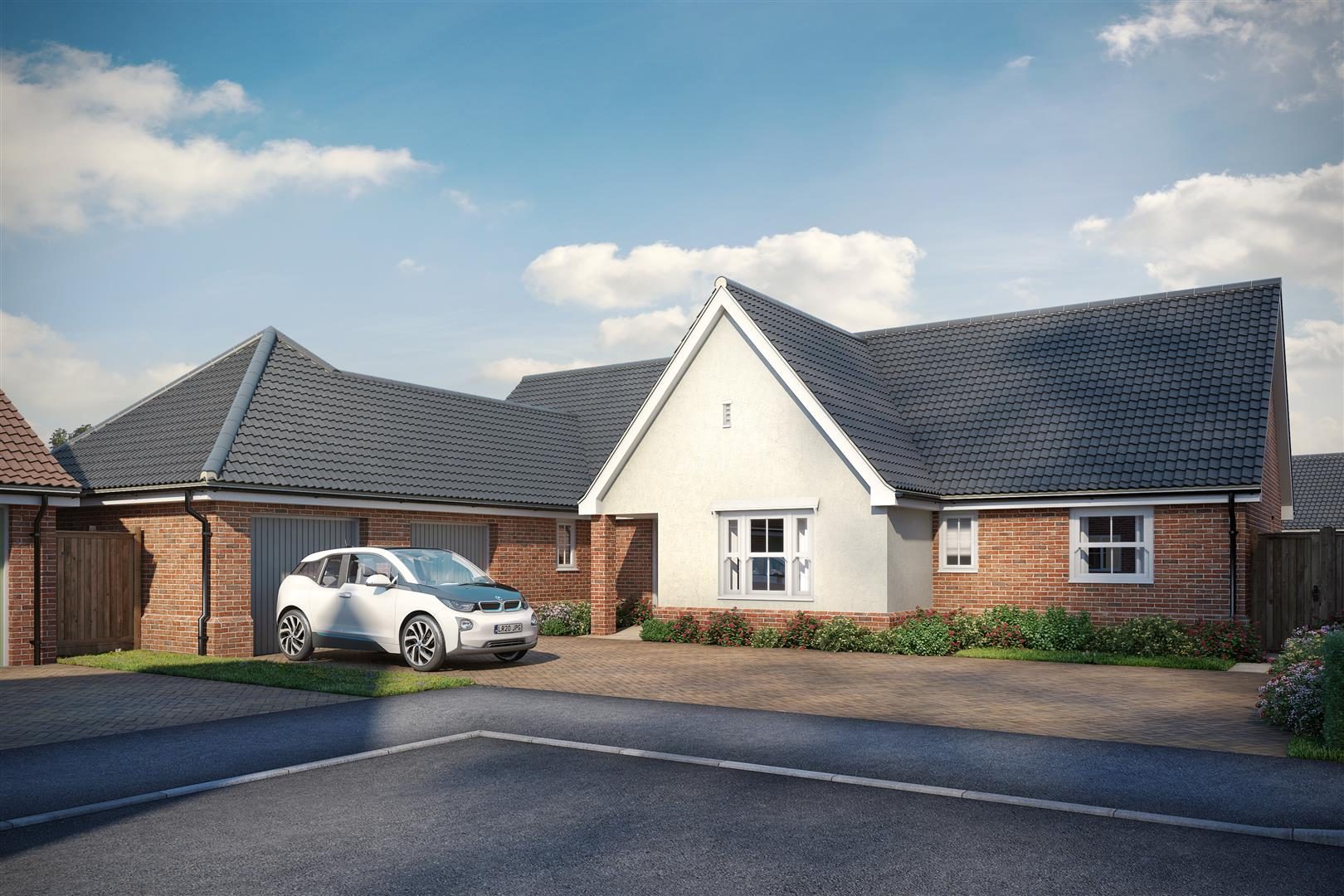
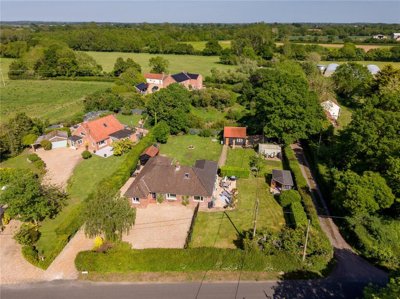
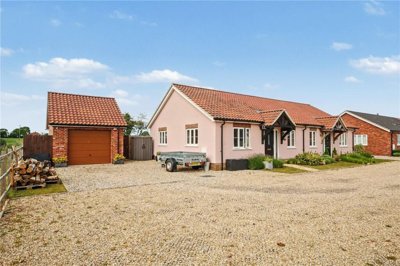
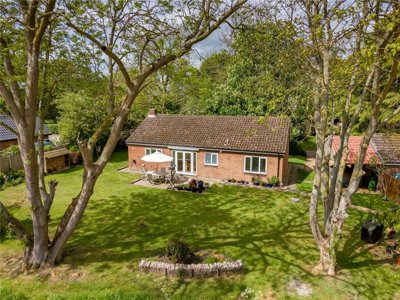
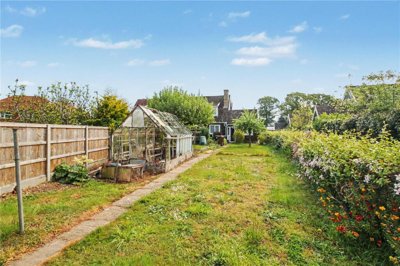
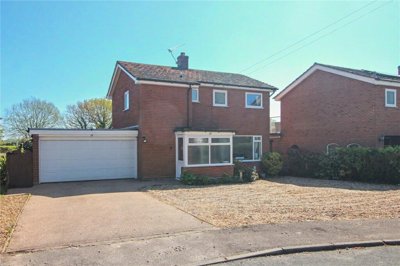
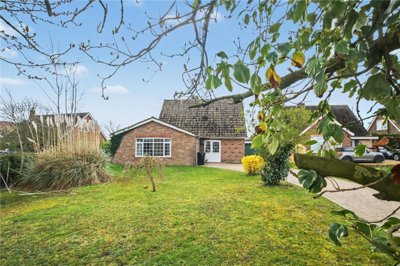
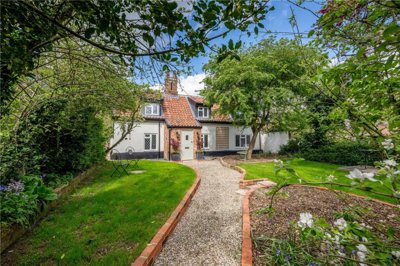
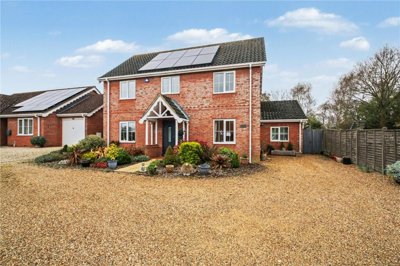
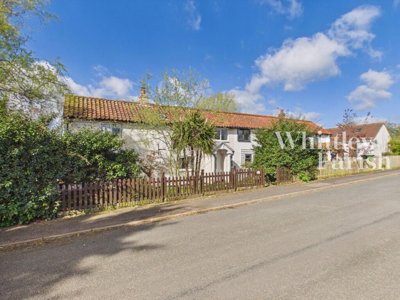
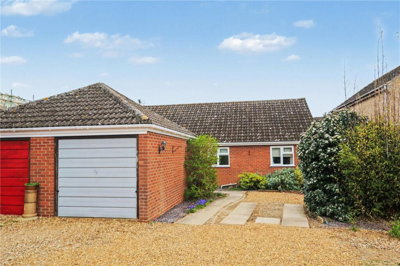
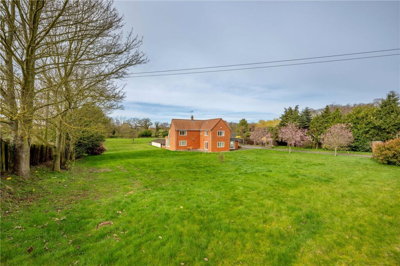
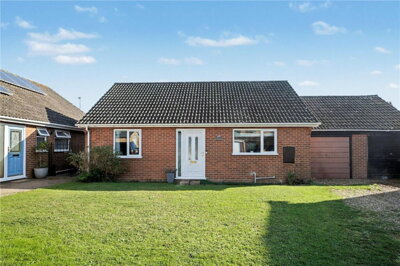
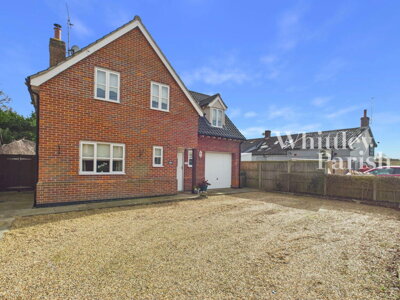
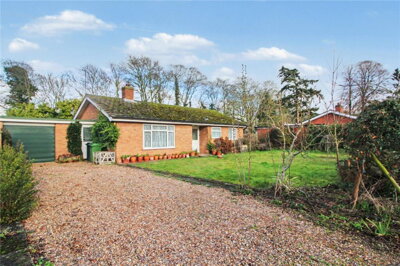
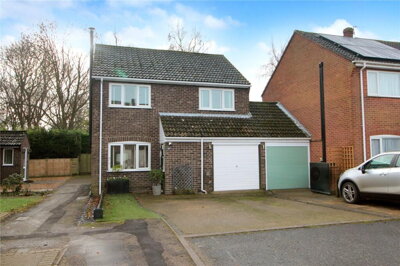
Browse 38 homes for sale in Seething, South Norfolk from local estate agents.
£625k
4
0
106
Source: home.co.uk
Source: home.co.uk
Detached
3 listings
Avg £666,667
Link Detached House
1 listings
Avg £600,000
Source: home.co.uk
Source: home.co.uk
The Seething property market reflects the dynamics of rural South Norfolk, where demand for character properties with ample outdoor space continues to attract buyers from across the region. Our listings show a strong preference for detached homes in this village, with properties sold over the past year averaging £605,000 to £656,667 depending on the source. The housing stock predominantly features larger family homes rather than the terraced properties or flats more common in urban areas, with detached properties accounting for the majority of transactions. At the Norfolk county level, detached properties represented 39.9% of all sales in the twelve months to December 2025, followed by semi-detached at 26.0%, terraced at 25.0%, and flats at just 9.0%.
Price trends across different parts of the village reveal distinct market dynamics that buyers should understand when considering Seething. Overall sold prices in the village over the last year were approximately 3% down on the 2005 peak of £625,000, indicating a market that has remained relatively stable despite broader national fluctuations. However, sub-market analysis shows more significant corrections in specific locations: Seething Street prices were 25% down on the 2023 peak of £882,500, while Seething Fen prices were 21% down on the 2021 peak of £825,000. These variations suggest that premium locations within the village have experienced more volatility than the overall average indicates.
At the county level, Norfolk property prices declined by approximately £5,800 or 2% over the twelve months to December 2025, following a 3.8% annual increase reported in mid-2025. The Norfolk market recorded around 11,600 property sales in the previous twelve months, though this represented a 14.1% drop in transaction volumes compared to the previous period. This broader county trend provides context for understanding Seething's relative performance, suggesting the village has held value better than some other parts of Norfolk during recent market adjustments.
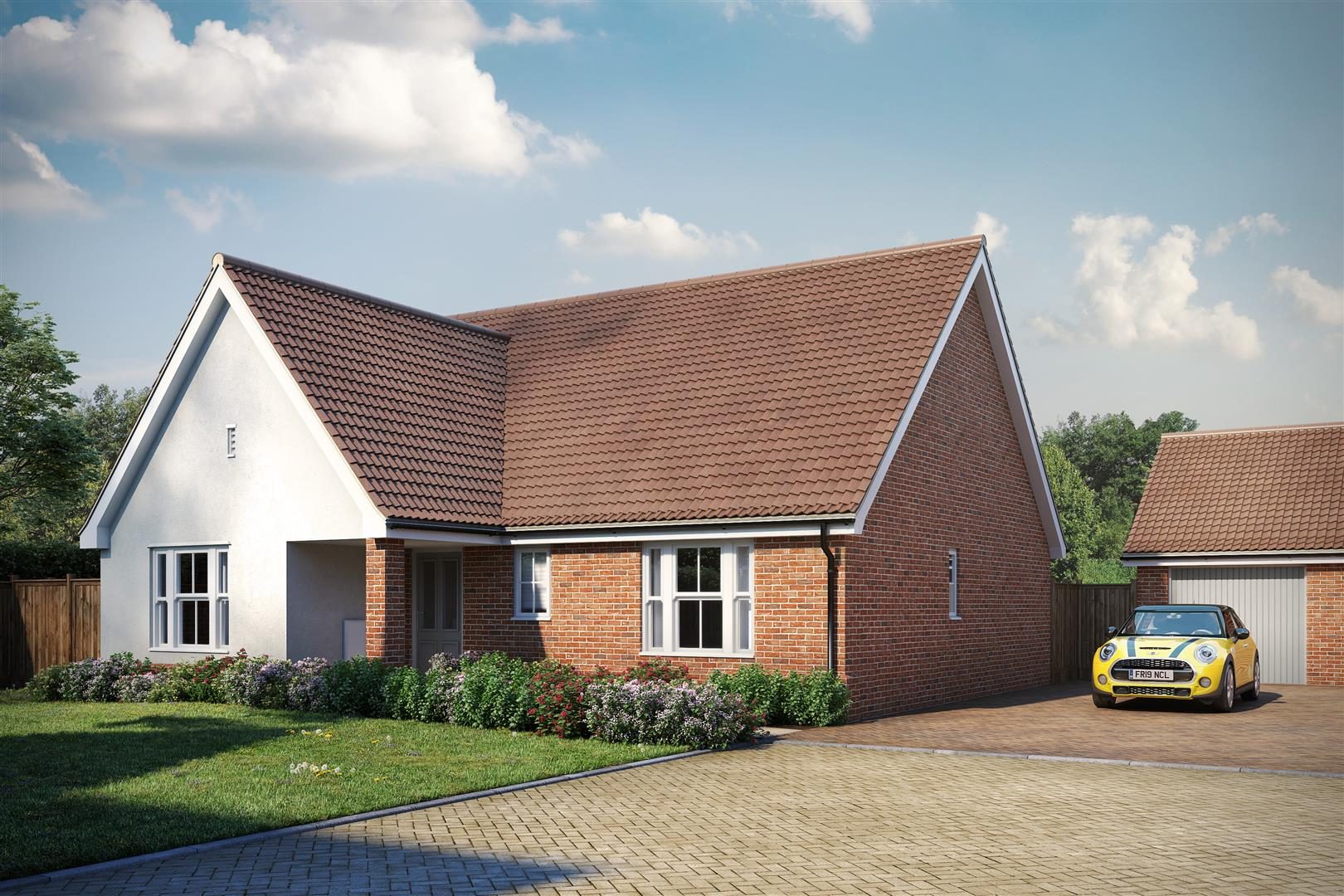
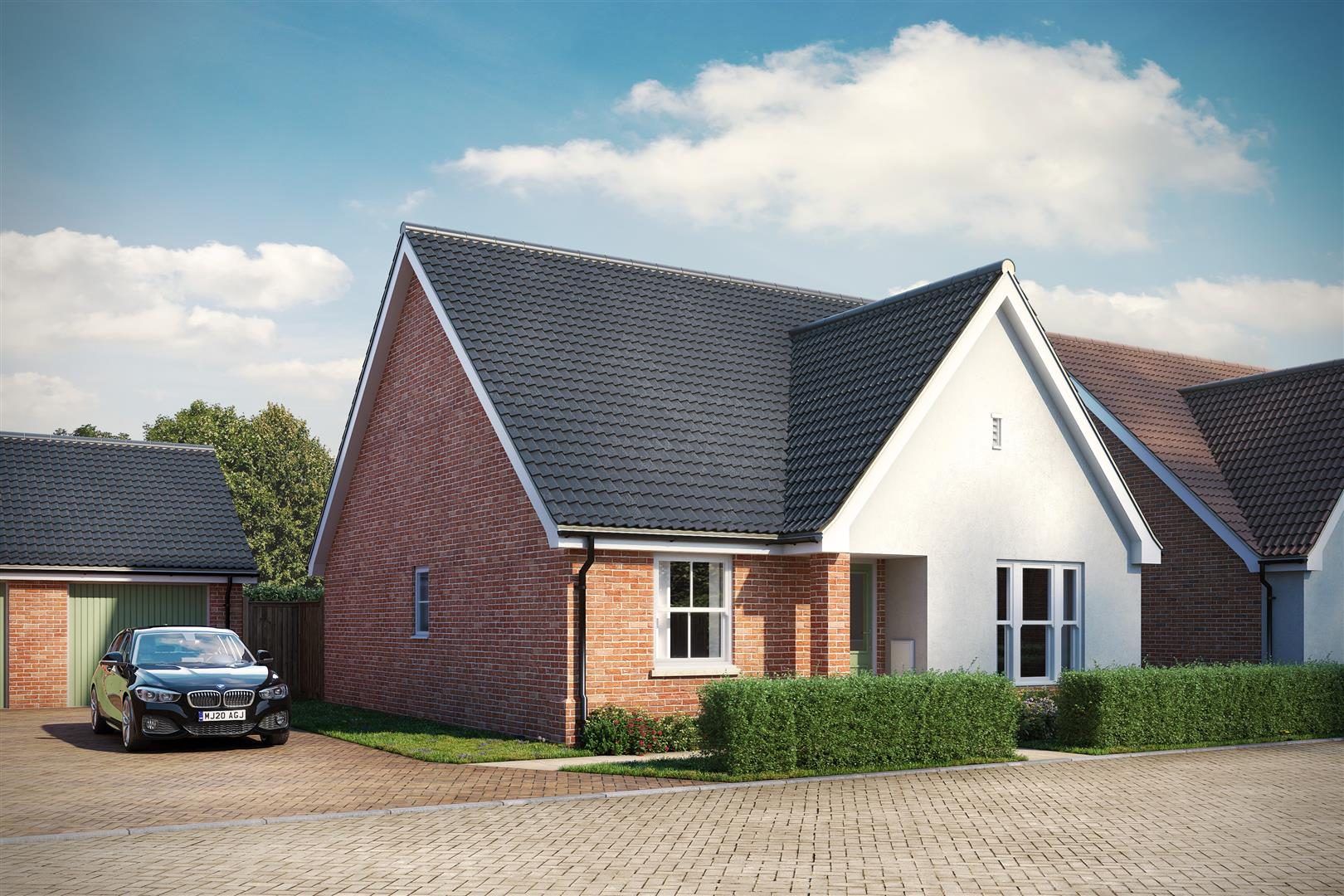
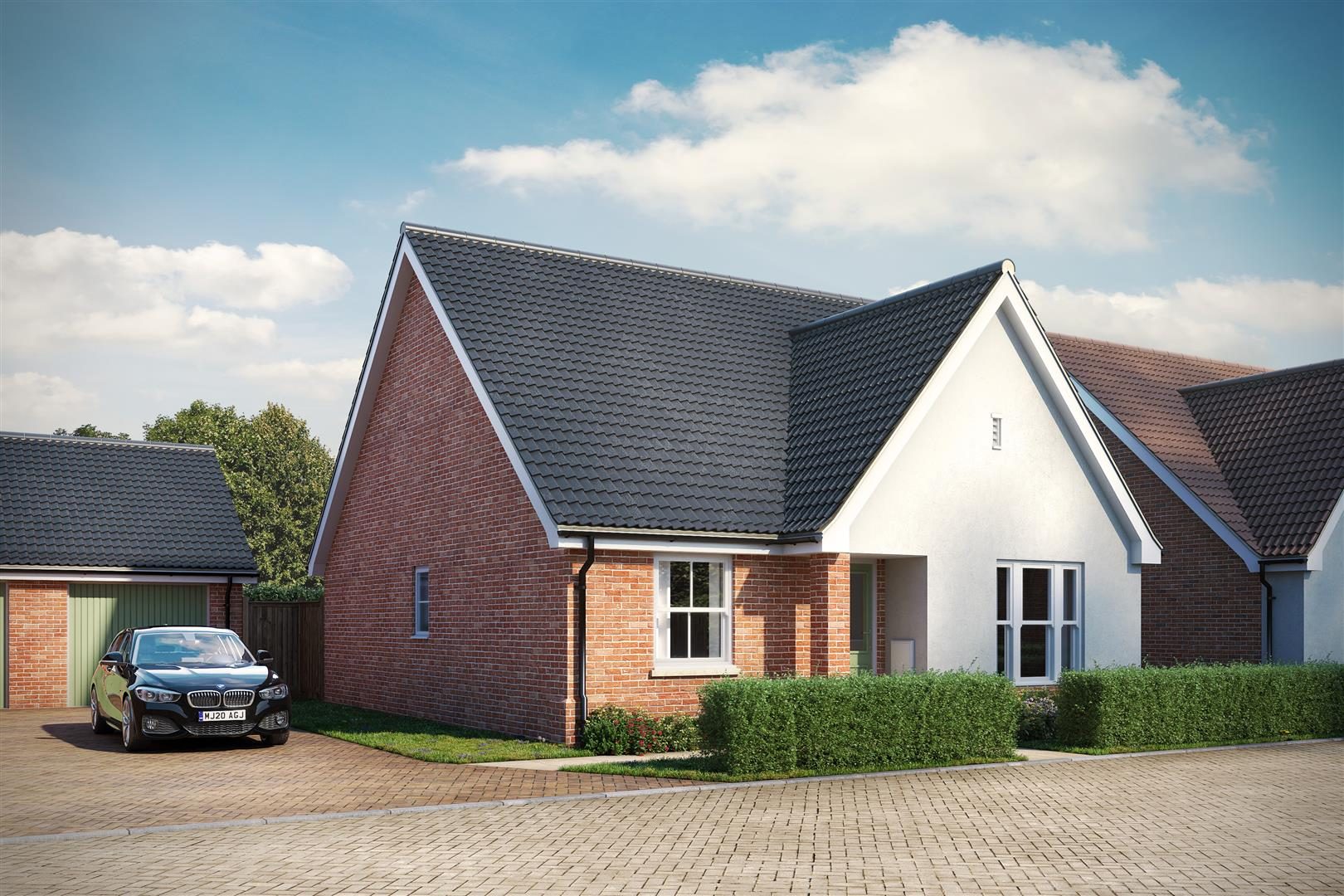
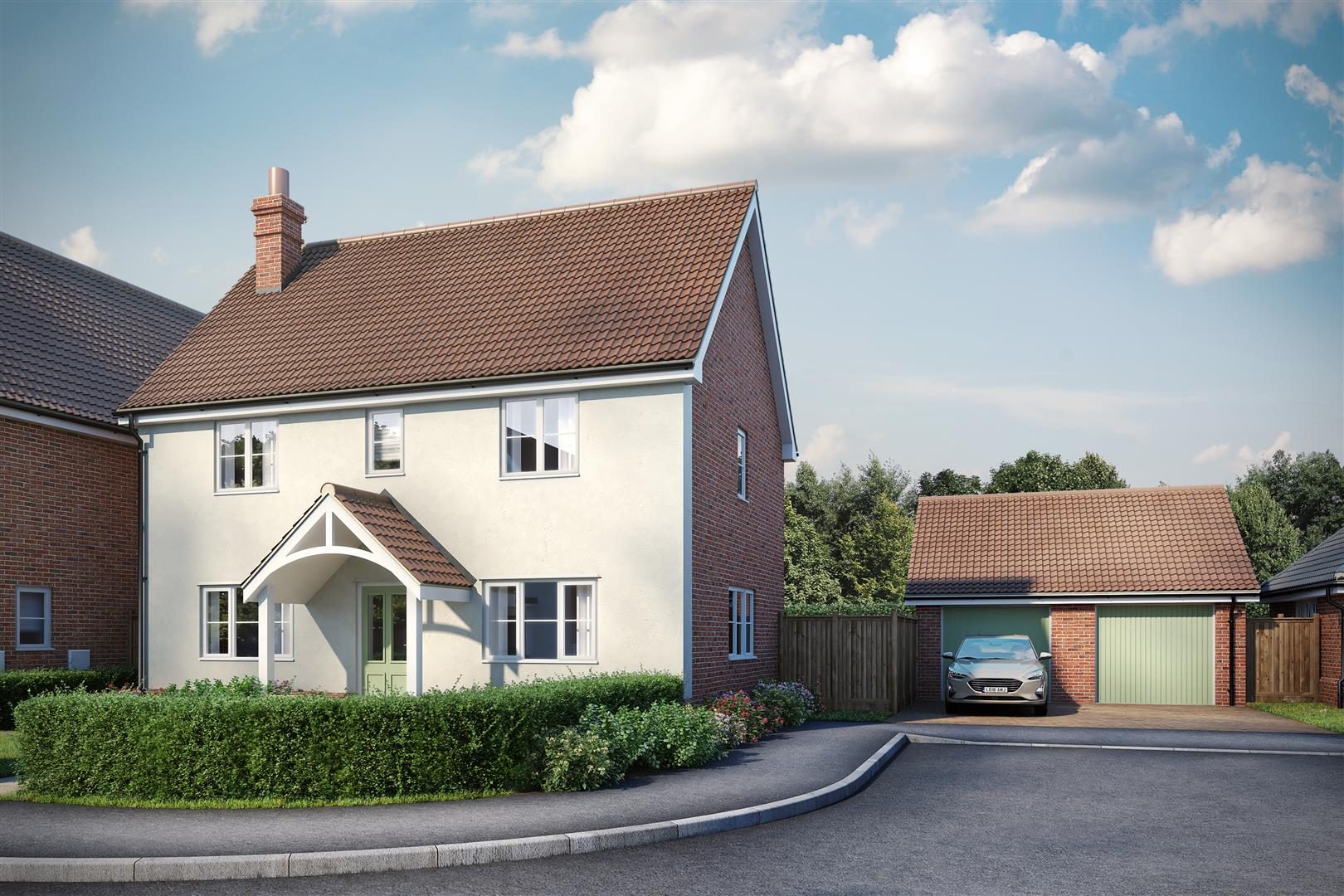
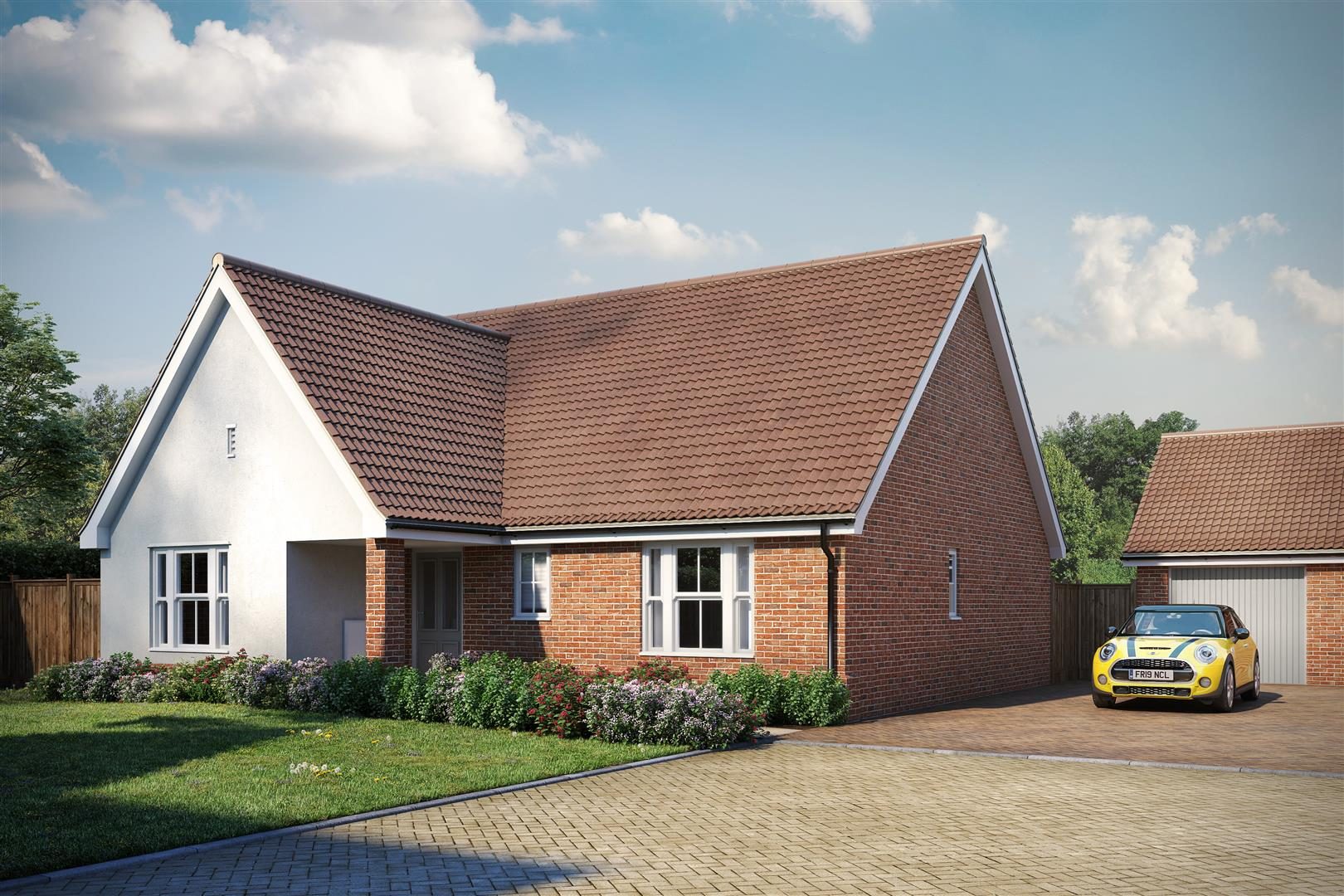
A notable development opportunity emerged in July 2025 when planning permission was granted for four detached four-bedroom houses on arable land west of Seething Street. This small-scale development by Otley Properties includes electric car charging points for each property, reflecting the growing emphasis on sustainable living in rural Norfolk. For buyers seeking new build options within the village itself, this represents one of the few recent opportunities, as other nearby new-build developments in areas like Norwich and Harleston fall outside the Seething boundary.

Seething offers residents a genuine rural village experience, characterised by its linear development pattern along ancient lanes and a strong sense of community that has endured for centuries. The village name itself derives from its historical role as a site for sheep shearing, and this agricultural heritage remains evident in the surrounding farmland that forms the backdrop to daily life. With a population of just 384 according to the 2021 census, up from 365 at the 2011 census, the village has experienced modest growth while retaining its intimate scale and village character. The village appears in the Domesday Book of 1086, confirming its long history as a settled community in South Norfolk.
The Conservation Area, designated in October 1994, encompasses most of the settlement and protects its relatively unaffected nature from modern development. Walking through Seething, residents encounter architectural treasures including the Parish Church of St Margaret and St Remigius, which dates to the 12th century with its distinctive Norman round tower and thatched nave. The village contains numerous listed buildings spanning several centuries, from The Old Vicarage dating to the 1820s through to the interwar period, creating a streetscape that tells the story of English rural architecture. Notable listed buildings include Seething Hall, The Walnuts, The Willows, White Lodge, Pond Farmhouse, Mere House, Breydon Cottage, and the Barn at Mere Farm, each contributing to the village's protected character.
The Conservation Area character extends beyond individual buildings to encompass the Priory Barn complex and the distinctive Tayler and Green houses along Mill Road, demonstrating the village's architectural variety. The recreation area provides recreational space for families and residents of all ages, while the village pub offers a focal point for community social life. The surrounding Norfolk countryside offers excellent walking and cycling opportunities, with the flat terrain making cycling accessible for most fitness levels. The Norfolk Broads are accessible to the east and the market town of Norwich is within easy reach for shopping, dining, and cultural attractions.
For daily necessities, residents typically travel to nearby Loddon or Long Stratton, both within a short drive, where local shops and services meet most everyday requirements. Norwich, approximately 10 miles to the north, provides access to major supermarkets, retail parks, hospitals, and the full range of urban amenities. This combination of village tranquility and access to urban conveniences makes Seething particularly attractive to buyers seeking the best of both worlds, whether they are remote workers, retirees, or families looking for a peaceful environment with good transport connections.
Families considering a move to Seething will find educational options within reasonable distance, though the village itself does not contain a primary school. The nearest primary schools serve the surrounding villages, with many operating small class sizes that benefit from individual attention for pupils. The rural nature of the area means that school transport arrangements are well established, with bus services connecting Seething to nearby villages where schools are located. Parents should verify specific catchment areas and travel times when considering properties, as these can significantly impact daily routines.
For secondary education, students typically travel to schools in nearby market towns, with options available for both comprehensive and selective education depending on catchment areas and entrance criteria. The surrounding South Norfolk area includes several well-regarded secondary schools, some of which feature sixth form provisions for students continuing their education locally. Schools in the Harleston area, including Hartismere High School, serve parts of the South Norfolk catchment, while others may look towards schools in the Norwich area. Parents should research specific school catchments and admission arrangements, as these can significantly impact which properties prove most suitable for families with school-age children.
Higher education facilities are centred in Norwich, approximately 10 miles from Seething, where the University of East Anglia and Norwich University of the Arts provide a full range of undergraduate and postgraduate programmes. The University of East Anglia has grown into a major research institution since its founding in 1963, offering courses across arts and humanities, sciences, health, and social sciences. Norwich's further education college also offers vocational courses and apprenticeships that serve students from across Norfolk. For families planning ahead, the proximity of these institutions adds to Seething's appeal as a location that can accommodate changing educational needs as children grow.

Transport connectivity from Seething centres on road access, with the village situated in the South Norfolk countryside between the market towns of Loddon and Long Stratton. The A146 provides the main route connecting the area to Norwich, approximately 10 miles to the north, where residents access the wider motorway network and national rail services. Daily commuters typically rely on private vehicles, though the rural location does mean that major employment centres require some journey time. The flat Norfolk landscape makes cycling a viable option for shorter trips to nearby villages, and e-bikes have become increasingly popular among residents looking to reduce car dependence.
Norwich railway station offers regular services to London Liverpool Street, with journey times of approximately two hours making day commuting impractical but regular business travel feasible. The station also provides connections to Cambridge, Birmingham, and various destinations across East Anglia, expanding employment options for residents willing to travel periodically. Norwich has seen growth as a regional economic hub, with a developing tech and life sciences sector contributing to employment opportunities in the city. For international travel, Norwich Airport offers flights to European destinations, while Stansted Airport is approximately 90 minutes away by car.
Local bus services operate in the surrounding area, connecting Seething to nearby villages and towns for essential shopping and services. However, the frequency and coverage of public transport mean that residents without access to a vehicle may find daily logistics challenging. The village's position away from major through-routes means that public transport options are limited compared to larger towns, reinforcing the importance of private vehicle ownership for most residents. Cycling is popular for local journeys, with the flat Norfolk terrain making e-bikes a practical option for those who wish to reduce their reliance on cars for shorter trips to nearby villages for shopping or social activities.

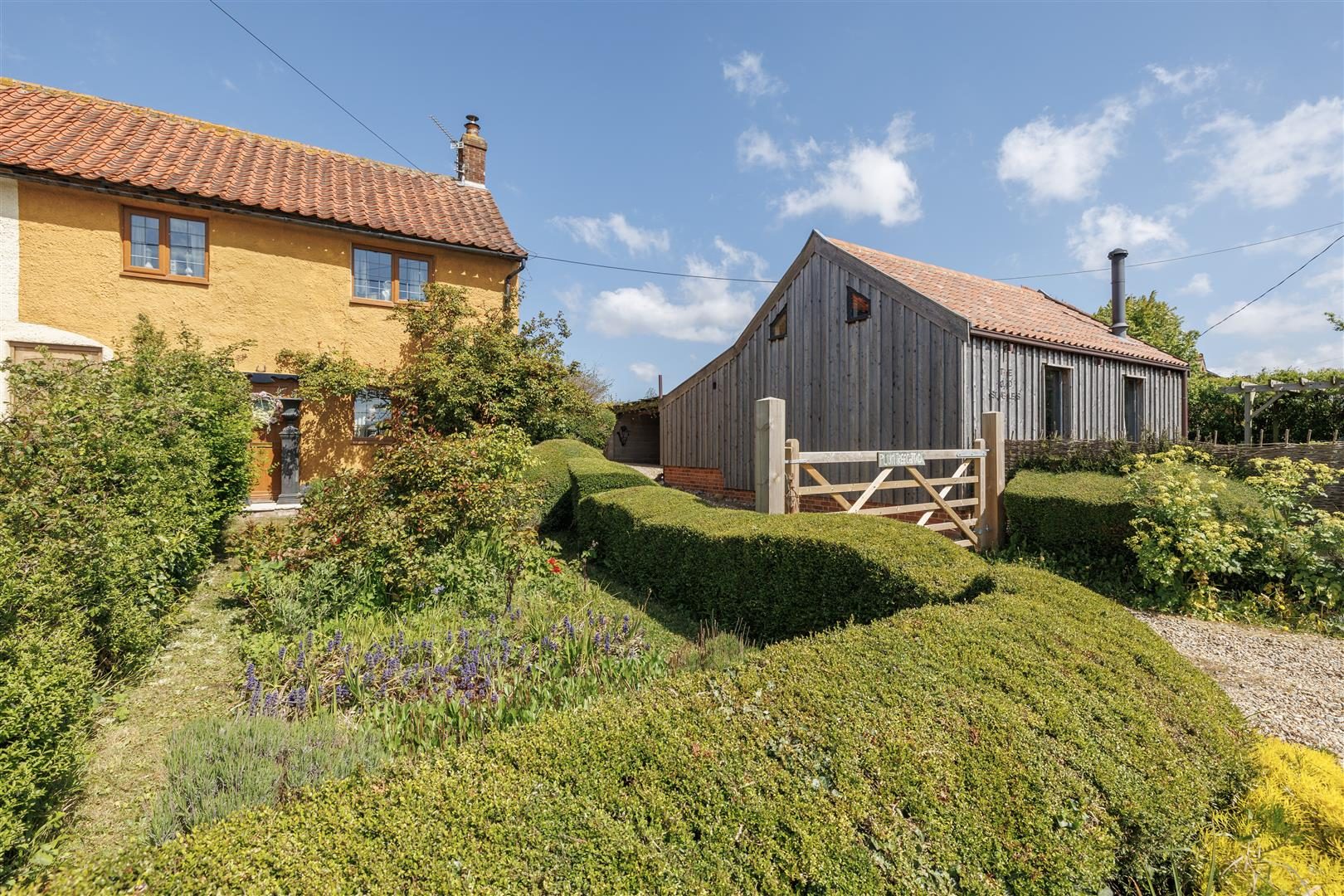
The age of many Seething properties means that traditional construction methods and materials are common, including clay lump, thatch roofing, and traditional brickwork that may require specific maintenance approaches. Properties such as The Walnuts, a late 18th or early 19th-century cottage with clay lump walls and thatched roof, demonstrate the traditional building methods that characterise the village. Pebbledash render, common on older Norfolk properties, protected clay lump walls from rain penetration and remains a distinctive feature of the local architectural heritage. Understanding these traditional construction methods is essential for anyone considering purchasing a period property in Seething, as maintenance approaches differ significantly from modern construction.
The village's traditional buildings often predate modern damp-proof courses, which were not routinely installed until around 1875. Properties built before this date may exhibit signs of rising damp, particularly where ground levels have been raised over the years or where original ventilation has been compromised by later alterations. Penetrating damp can affect thatched roofs where the finish has deteriorated or where mortar in ridge details has failed, while condensation issues may arise in properties that have been upgraded with modern insulation and heating without adequate ventilation. Buyers should factor these considerations into their maintenance budgets and understand that period properties require ongoing care that differs from modern construction.
Electrical systems in older properties frequently require updating to meet current standards, as rewiring was not standard practice until building regulations became more stringent. A property that has not been rewired in the past 25 to 30 years should be inspected by a qualified electrician before purchase. Similarly, plumbing in older homes may feature galvanised steel or lead pipes that require replacement. Drainage from period properties can also present challenges, with original systems often requiring investigation and potential upgrade to meet modern requirements. These factors make a thorough property survey particularly valuable when purchasing in Seething.
Start by exploring current listings in Seething to understand what is available at your budget. The village typically features detached family homes and traditional Norfolk cottages, with average prices around £605,000 for comparable properties. Given the village's conservation status, consider which areas fall within the Conservation Area boundary and how this might affect any future plans for the property.
Before viewing properties, obtain a mortgage agreement in principle from a lender. This demonstrates your financial readiness to estate agents and sellers, giving you an advantage when making offers on desirable village properties. With Seething properties typically valued between £500,000 and £700,000, ensure your mortgage broker understands the rural property market and any unique lending considerations for character properties.
Visit multiple properties in Seething to compare the different styles available, from period cottages with original features to newer properties on the village edge. Pay attention to the condition of older buildings, the maintenance history of thatched roofs, and any listed building restrictions that may apply. Properties within the Conservation Area may have specific requirements for external alterations or extensions.
Given the age of many properties in Seething, a Level 2 Homebuyer Report is essential. Survey costs in Norfolk typically range from £400 to £800 depending on property size and value, with the average RICS Level 2 survey in Norfolk around £498.95. The survey will identify any structural issues, defects in traditional construction, roof condition, and any concerns related to damp or timber deterioration common in period properties.
Choose a solicitor with experience in rural Norfolk properties to handle the legal aspects of your purchase, including local searches and any conservation area requirements that may apply. Local searches will reveal planning history, building control approvals, and any environmental concerns specific to the property. Your solicitor should also investigate any rights of way or common land that may affect the property.
Once all searches are satisfactory and finance is confirmed, your solicitor will exchange contracts and set a completion date. On completion day, you receive the keys to your new Seething home. Budget for your removal costs and any immediate maintenance requirements identified during the survey process.
Property buyers in Seething should be aware of the Conservation Area designation that affects much of the village, as this brings specific planning considerations that may influence future alterations or extensions. Any works to listed buildings require consent from South Norfolk Council, and buyers should verify the listed status of any property they are considering purchasing. The village contains numerous Grade II listed buildings, including the Church of St Margaret and St Remigius which holds Grade II* status, reflecting its particular historical significance. These restrictions, while limiting in some respects, also protect the character and value of properties in the village.
Flood risk in Seething requires verification through the appropriate environmental searches, though the village is situated inland away from the flood-prone coastal areas of Norfolk. Subsidence can be a concern in certain Norfolk locations due to local soil conditions, making the RICS survey particularly valuable for identifying any ground-related issues. The regional geology around Norfolk features chalk bedrock overlaid with deposits of sand, gravel, and clay, creating variable ground conditions that can affect property foundations. Given that a significant proportion of the housing stock is likely over 50 years old, with many properties dating back well beyond this, thorough surveying is strongly recommended before committing to purchase.
When viewing properties in Seething, pay particular attention to the condition of thatched roofs, which feature prominently in the village's traditional architecture. Thatch requires specialist maintenance and replacement every 20 to 40 years depending on the material used and the roof design. Properties with recently replaced or well-maintained thatch will have lower immediate costs than those where the finish shows signs of deterioration. The presence of clay lump walls, particularly where these are rendered with pebbledash, should be assessed for signs of cracking or water penetration that might indicate structural movement or material degradation.

The average property price in Seething is approximately £605,000 according to Rightmove data over the past year, with Zoopla reporting a slightly higher average sold price of £656,667. Detached properties average around £657,500, while semi-detached homes typically sell for approximately £500,000. The village has seen relatively stable prices, with overall sold prices approximately 3% down on the 2005 peak of £625,000. However, sub-market analysis reveals more variation: Seething Street prices were 25% down on the 2023 peak of £882,500, while Seething Fen prices were 21% down on the 2021 peak of £825,000.
Properties in Seething fall under South Norfolk Council for council tax purposes. Specific band distributions in the village vary depending on property value and type, with period properties and cottages typically falling into bands A through D, while larger detached family homes may be in higher bands E or F. The valuation for council tax purposes is based on the property's market value as of April 1991, meaning similar properties in the village will generally fall within the same band regardless of any subsequent price appreciation. Prospective buyers should verify the council tax band for any specific property through the South Norfolk Council website or the property listing details.
Seething itself does not have a primary school within the village, with the nearest schools located in surrounding villages that are served by established school transport links. Primary schools in the South Norfolk area typically serve catchment villages within a reasonable distance, and many benefit from smaller class sizes that provide individual attention for pupils. Secondary schools in the nearby market towns of Harleston and Long Stratton serve the Seething area, with options available for both comprehensive and selective education depending on catchment areas and entrance criteria. The University of East Anglia and Norwich's further education colleges provide higher education opportunities approximately 10 miles away in Norwich.
Public transport connectivity from Seething is limited, with the village relying primarily on local bus services connecting to nearby villages and towns for essential services. The A146 provides the main road route to Norwich, approximately 10 miles away, where Norwich railway station offers regular services to London Liverpool Street in around two hours. Bus services to surrounding villages operate but with frequencies that make them impractical as a primary commuting option for most workers. Residents typically require private vehicle transport for daily commuting and most everyday activities, making car ownership essential for most households in the village.
Seething offers appeal for buyers seeking a character village location with a strong conservation ethic and limited new development. The July 2025 planning approval for four new detached houses by Otley Properties demonstrates controlled growth, while the Conservation Area designation helps maintain property values by protecting the village character. The village's proximity to Norwich, relatively stable price history compared to some nearby locations, and the enduring appeal of rural Norfolk living make it worth considering for both long-term residence and investment. However, the limited property stock and small sales volumes mean that liquidity may be lower than in larger property markets, so buyers should view Seething purchases as long-term commitments rather than short-term investments.
Stamp Duty Land Tax for purchases in Seething follows standard UK thresholds, meaning no SDLT is payable on properties up to £250,000. For properties between £250,001 and £925,000, the rate is 5% on that portion, rising to 10% for values between £925,001 and £1.5 million. First-time buyers may benefit from relief on properties up to £625,000, paying 0% on the first £425,000 and 5% on the portion between £425,001 and £625,000. For a typical Seething property priced at £605,000, a first-time buyer would pay approximately £9,000 in SDLT, while a buyer who has previously owned property would pay approximately £17,750.
Understanding the full costs of buying property in Seething helps you budget accurately for your purchase beyond the advertised price. The stamp duty Land Tax threshold for standard purchases sits at £250,000, meaning no SDLT is due on properties below this value. For a typical Seething property averaging £605,000, this would result in SDLT of approximately £17,750 at the standard rate, calculated as 5% on the portion between £250,001 and £925,000. Given that most properties in Seething exceed £500,000, most buyers will pay some SDLT on their purchase.
First-time buyers benefit from increased thresholds, with SDLT relief applying to the first £425,000 of a purchase. On the same £605,000 property, a first-time buyer would pay 5% only on the amount between £425,001 and £605,000, resulting in SDLT of £9,000. This relief is valuable for younger buyers looking to establish themselves in the Seething property market, though it is worth noting that relief does not apply above £625,000, meaning more expensive village properties would not qualify regardless of buyer status. Buyers who have previously owned property do not qualify for first-time buyer relief.
Beyond stamp duty, buyers should budget for solicitor fees averaging around £500 to £1,500 depending on complexity, plus local searches typically costing £250 to £400. A RICS Level 2 survey for a property in the £500,000 to £650,000 range would likely cost between £500 and £800, while an Energy Performance Certificate is mandatory and costs from £85. Factor in removal costs and potential remedial works identified in surveys, and you should aim for a contingency fund of at least £5,000 to £10,000 above your mortgage requirement. Given the age and character of many Seething properties, surveys frequently identify maintenance requirements that were not apparent during viewings, making contingency budgeting particularly important.

Properties for Sale In London

Properties for Sale In Plymouth

Properties for Sale In Liverpool

Properties for Sale In Glasgow

Properties for Sale In Sheffield

Properties for Sale In Edinburgh

Properties for Sale In Coventry

Properties for Sale In Bradford

Properties for Sale In Manchester

Properties for Sale In Birmingham

Properties for Sale In Bristol

Properties for Sale In Oxford

Properties for Sale In Leicester

Properties for Sale In Newcastle

Properties for Sale In Leeds

Properties for Sale In Southampton

Properties for Sale In Cardiff

Properties for Sale In Nottingham

Properties for Sale In Norwich

Properties for Sale In Brighton

Properties for Sale In Derby

Properties for Sale In Portsmouth

Properties for Sale In Northampton

Properties for Sale In Milton Keynes

Properties for Sale In Bournemouth

Properties for Sale In Bolton

Properties for Sale In Swansea

Properties for Sale In Swindon

Properties for Sale In Peterborough

Properties for Sale In Wolverhampton

Enter your details to see if this property is within your budget.
Loans, cards, car finance
Estimated property budget
Borrowing + deposit
You could borrow between
Typical borrowing
Monthly repayment
Est. at 4.5%
Loan-to-value
This is an estimate only. Your actual budget may vary depending on interest rates, credit history, and personal circumstances. For an accurate affordability assessment, speak to one of our free mortgage advisors.
This calculator provides estimates for illustrative purposes only and does not constitute financial advice. Your home may be repossessed if you do not keep up repayments on your mortgage. Estimates based on 4.5% interest rate, repayment mortgage. Actual rates depend on your circumstances.
Homemove is a trading name of HM Haus Group Ltd (Company No. 13873779, registered in England & Wales). Homemove Mortgages Ltd (Company No. 15947693) is an Appointed Representative of TMG Direct Limited, trading as TMG Mortgage Network, which is authorised and regulated by the Financial Conduct Authority (FRN 786245). Homemove Mortgages Ltd is entered on the FCA Register as an Appointed Representative (FRN 1022429). You can check registrations at NewRegister or by calling 0800 111 6768.