Pick the right path and we'll point you to the next step.
I'm the homeowner
Track this property, get market updates, and list it on Home when you're ready to sell or let.
I'm an estate agent
Claim your branch on Home.co.uk, list your properties for free, and reach buyers actively searching your area.
From riverside apartments to country cottages, search hundreds of thousands of properties for sale, to rent, and recently sold, all enriched with three decades of market data.
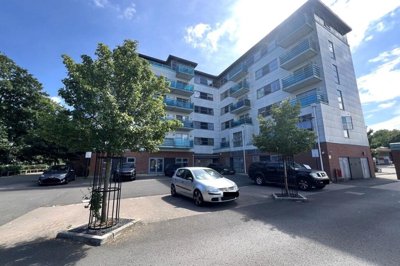
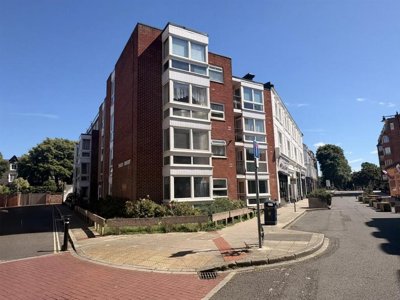
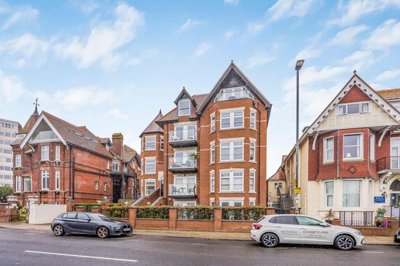
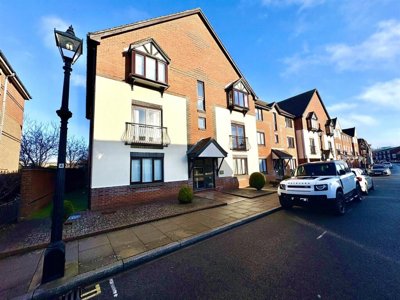
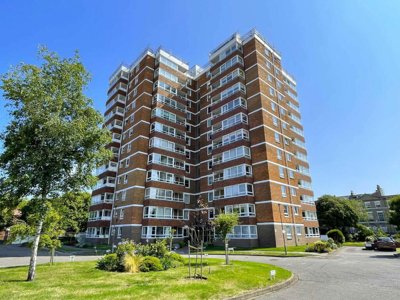
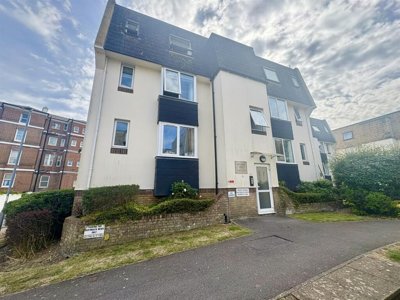
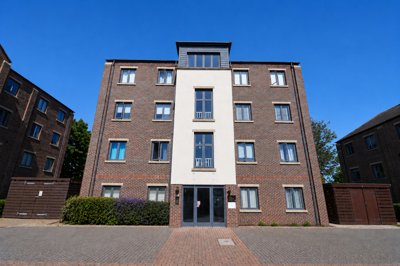
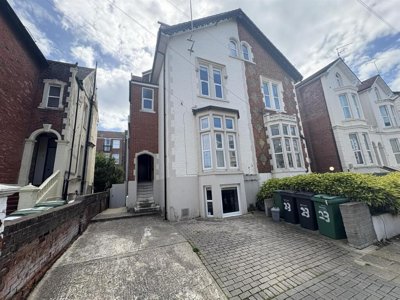
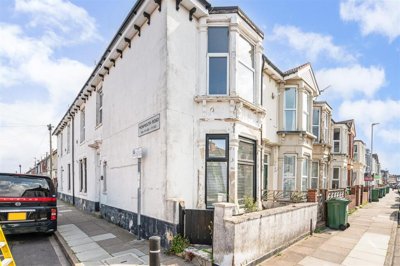
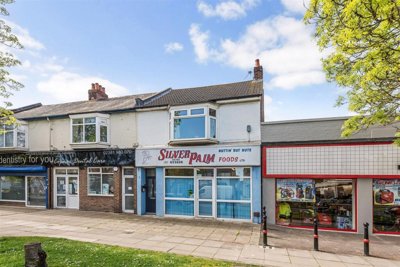
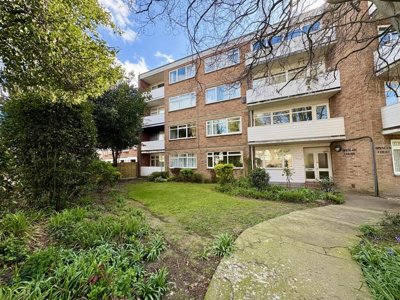
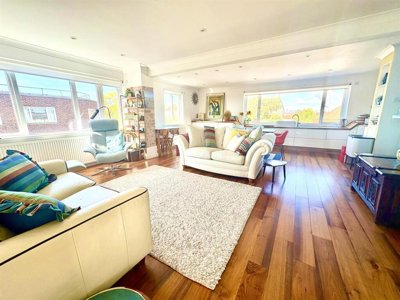
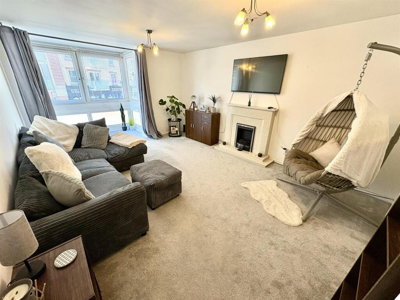
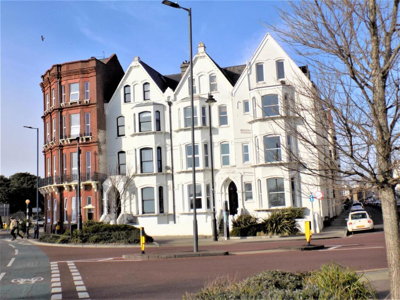
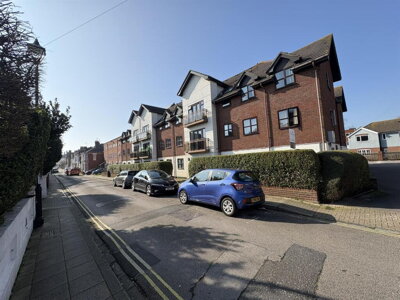
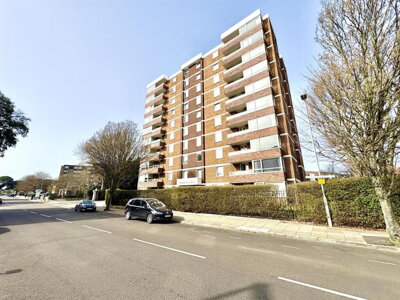
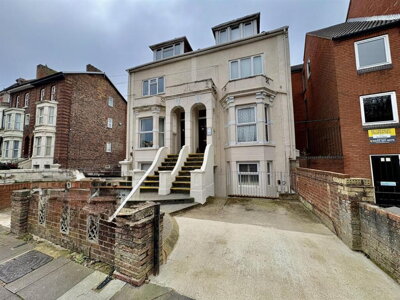
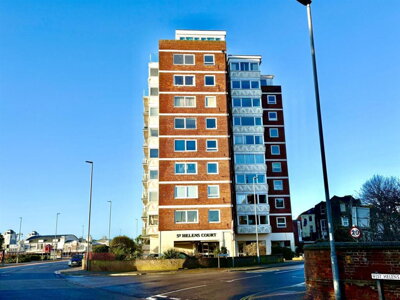
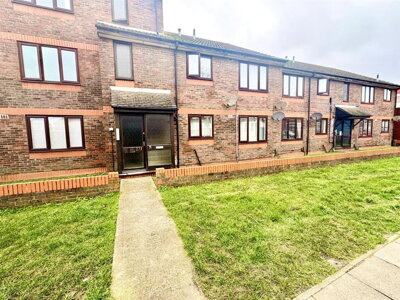
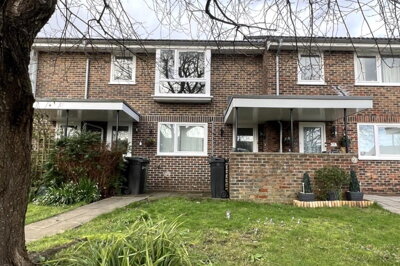
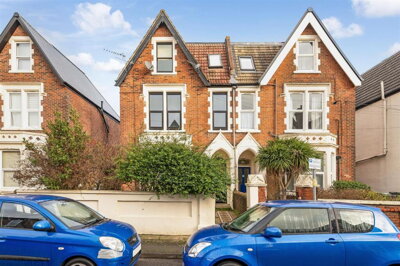
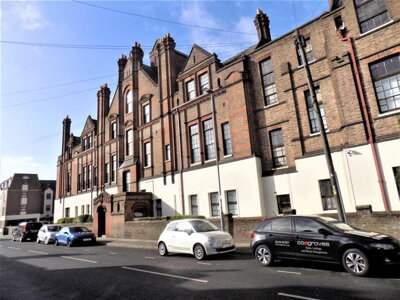
Browse 40 homes for sale in Portsmouth, England from local estate agents.
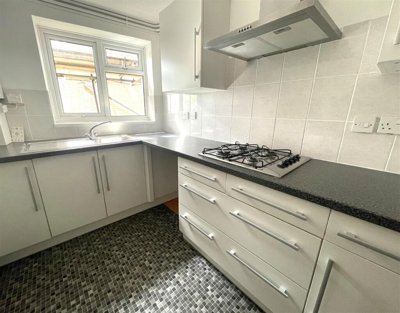
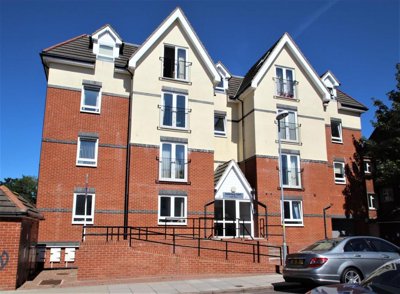
The 2 bed flat sector typically includes two separate bedrooms, dedicated living areas, and bathroom facilities. Properties in Portsmouth span purpose-built blocks, converted period houses, and modern apartment complexes on various floors.
£210k
192
7
117
Source: home.co.uk
Showing 192 results for 2 Bedroom Flats for sale in Portsmouth, England. 7 new listings added this week. The median asking price is £210,000.
Source: home.co.uk
Flat
192 listings
Avg £238,272
Source: home.co.uk
Source: home.co.uk
Portsmouth has range in its market, not just one dominant kind of home. homedata.co.uk records show 10,369 property sales in the last 12 months, a level of turnover that still looks steady even with softer pricing. The average sold price came in at £512,000 for detached homes, £346,000 for semi-detached homes, £273,000 for terraced homes and £167,000 for flats and maisonettes. In practice, that gives buyers options, from entry-level apartments up to larger houses with more room.
Those sales figures also show why some parts of the market still feel tight while others leave more room for negotiation. Terraced homes accounted for 33.1% of recent sales, semi-detached homes 24.0%, detached homes 23.7% and flats 19.1%, so activity is spread across the main property types. homedata.co.uk also shows terraced prices down 1.6% and flats down 5.2% over 12 months, while homes bought with a mortgage fell 2.4%. New stock is starting to come through as well, including Somers Orchard in Somerstown, a scheme expected to deliver 566 homes overall, with other major city-centre developments adding to choice in time.

Built around Portsea Island, the harbour and the seafront, Portsmouth feels dense because it is. Local household data puts the population at 223,300 and about 92,800 households, and the housing stock reflects that pattern. Terraced houses make up 43% of households, flats 26%, semi-detached homes 17% and detached homes only 4%, so compact urban homes are far more typical than large plots. Three-bedroom homes are the most common occupied size at 41%, which lines up with what many buyers want from family space.
Move a short distance in Portsmouth and the feel can shift quickly. Old Portsmouth, Portsea, Southsea, Eastney and the conservation streets near the naval and seafront areas all carry that history, and the city has over 600 listed buildings, 12 Grade I listed buildings and several protected areas. Work and housing demand are tied closely to the Royal Navy, defence, the University of Portsmouth, maritime business, retail and tourism, which keeps the pool of tenants and owner-occupiers broad. Portsmouth was also named the UK’s most entrepreneurial city in 2020, another factor behind local demand and an active market.
Family buyers in Portsmouth often start with the school run rather than the house. Catchment lines, school transport and the actual trip to the classroom can change fast from one street to the next, especially in areas dominated by terraces and flats. With one-bedroom homes making up 16% of stock and four-plus-bedroom homes 14%, many neighbourhoods contain a mix where family demand sits alongside student demand. We always suggest checking current admissions details before you narrow a viewing shortlist.
Education is a real part of the picture here. The University of Portsmouth sits alongside local schools and colleges, and that helps keep demand coming from families, older students and university staff. Before making an offer, we would check the latest Ofsted reports, catchment maps and council admissions guidance, because in Portsmouth the right street can matter just as much as the right postcode. If the move is school-led, test the route at peak time too. The property, the catchment and the commute all need to stack up.

For a coastal city, Portsmouth is straightforward to get around and out of. Rail services from Portsmouth Harbour, Portsmouth & Southsea and Fratton connect into the wider South Coast, and the ferry network gives another option for island and harbour journeys. By road, the M275 links into the broader A27 and A3 corridor, though parking in central streets can be tight. That matters if you work in the city centre, the naval base or the university quarter, where many neighbourhoods can be reached without a long drive.
Big rail links are only part of it. Day-to-day movement across Portsmouth often comes down to buses, walking and cycling, especially in flatter central and seafront areas. Older terraces and converted properties can come with very limited off-street parking, so we would ask early about permits, resident zones and visitor spaces. For buyers who need regular commuter parking, that can carry as much weight as the floor area or asking price. A cheaper home is not always cheaper once awkward parking starts affecting the week.
We would get a mortgage agreement in principle sorted first, then narrow Portsmouth down by budget, commute and school requirements. The harbour, the seafront and the more inland residential streets can feel quite different, so it helps to focus on the neighbourhoods that fit how you actually want to live.
Once the area is clearer, we would compare terraces, flats and semis against asking price, lease terms and likely running costs. In Portsmouth, that usually means checking parking, flood exposure, conservation controls and whether the home sits in a busier student or rental pocket.
Try the street more than once. A visit at different times of day gives a better read on noise, parking pressure and traffic flow. We would also ask the agent about nearby recent sales, any renovation history and how long the property has been on the market.
A RICS Level 2 survey suits a lot of Portsmouth homes. It is often a sensible pick for older terraces, coastal properties and flats in converted buildings. If the place is older, shows roof issues or sits in a flood-prone part of the city, we may steer you towards a more detailed inspection instead.
After an offer is accepted, we would want a conveyancer to dig into the title, leasehold paperwork, searches and any service charges. Portsmouth has a large supply of flats and older housing, so legal work often brings out maintenance liabilities, planning restrictions or problems linked to past building work.
Once the searches, survey and mortgage checks are done, the process moves on to exchange and completion, with your solicitor and lender needing to stay in step. We would keep funds ready for the deposit, legal fees and SDLT, then plan removals around access, parking and any building rules at the new address.
Portsmouth’s coastal position makes a few checks more important than they might be elsewhere. Flood risk can be significant in low-lying streets, near the harbour and close to the seafront, so look at the Environment Agency flood map and ask if there have been any recent claims or resilience works. Ground conditions matter too, because the city sits on mixed ground with alluvial deposits and clay soils that can bring a moderate to high shrink-swell risk. In older homes, that can mean taking a closer look at movement, cracking and drainage. If there are mature trees nearby, or any visible sign of historic movement, a survey becomes especially useful.
Historic and protected parts of Portsmouth can affect what owners are allowed to do. Old Portsmouth, Portsea, Southsea and several seafront or naval conservation areas are subject to tighter planning controls, and listed buildings may need consent for changes that would be routine elsewhere. Flats need care for a different reason, because service charges, ground rent, building insurance and long-term maintenance plans can shift the monthly cost quite a bit. Then there is the fabric of the building itself. Roof condition, chimney stacks, guttering and salt exposure all deserve attention, particularly on older terraces and homes facing weather off the coast.

As at December 2025, homedata.co.uk records an average sold price of £249,000 for Portsmouth. That is 2.7% lower over the year, which may give buyers more room to negotiate than they had a year ago. Detached homes are much higher at £512,000, while flats and maisonettes average £167,000. Budgeting here depends heavily on the type of home you want, because the gap between a flat, a terrace and a larger family house is wide.
Council tax comes from Portsmouth City Council, but the band is set property by property. Smaller flats and terraces often sit in lower bands, while larger family houses tend to be higher. Before budgeting, we would confirm the band with the agent or seller, because the yearly charge can affect affordability almost as much as the mortgage. It is also worth checking for any discount or exemption linked to the home you are viewing.
There is no single best area for schooling in Portsmouth. The right choice depends on your child’s age, the catchment you need and the route you want to manage each day. Because the housing pattern is dense, school access can change quickly from one street to the next, so current admissions maps matter more than broad assumptions about a district. We would check Ofsted reports, council admissions guidance and travel options before settling on a part of the city. For older students, the University of Portsmouth and local colleges add another layer.
Portsmouth is served well by rail for a coastal city, with Portsmouth Harbour, Portsmouth & Southsea and Fratton all in the mix. Buses cover the city strongly, and the ferry network can be useful for local travel or crossing the harbour. Drivers have the M275 and wider South Coast routes nearby, although central and seafront parking can be limited. For many buyers, that combination is a big part of why Portsmouth works.
From an investor’s point of view, Portsmouth has demand coming from more than one source. The navy, the university, defence employers, maritime industries and tourism all feed into the market. homedata.co.uk records 10,369 sales in the last 12 months, which points to healthy turnover. Terraced homes and flats can make sense from a rental angle, but we would still check flood risk, leasehold costs and local parking with care. The current annual price fall may also open up better entry points for buyers taking a long-term view.
For standard buyers in 2024-25, SDLT is charged at 0% up to £250,000, 5% from £250,000 to £925,000, 10% from £925,000 to £1.5 million and 12% above that. A first-time buyer gets 0% up to £425,000 and 5% from £425,000 to £625,000, with no relief above £625,000. Based on Portsmouth’s average sold price of £249,000, a standard purchase would usually stay below the threshold, so no SDLT would be due. On a £346,000 semi-detached home, a standard buyer would face a bill of £4,800.
Yes, flooding needs checking in Portsmouth. Coastal and surface water risk can be important, especially near the harbour, the seafront and other low-lying streets. Some parts of the city are protected by major coastal defence work, but each property still needs its own review. We would ask the solicitor about the searches, then ask the seller about any past flooding, damp or insurance claims. A local surveyor can also spot signs of water ingress, drainage trouble or salt-related wear.
Most buyers in Portsmouth will come across terraced housing first. Terraced homes are the largest group, followed by flats and semi-detached properties. Local household data shows terraced housing at 43% of households, flats at 26%, semi-detached homes at 17% and detached homes at 4%. So the strongest choice is usually in Victorian and Edwardian terraces, converted flats and smaller family houses, rather than on large plots. If a detached property is the goal, we would move early and stay clear about budget.
Stamp duty is one of the first costs we would price up, because Portsmouth’s market can move buyers in and out of SDLT bands quite quickly. For standard purchases in 2024-25, SDLT is 0% up to £250,000, then 5% on the portion from £250,000 to £925,000, 10% from £925,000 to £1.5 million and 12% above that. First-time buyers get 0% up to £425,000 and 5% from £425,000 to £625,000, with no relief above £625,000. On homedata.co.uk’s average Portsmouth price of £249,000, many buyers will pay no SDLT, but a higher-value semi or detached home can move into the taxable bands fairly fast.
We would also budget for the purchase costs beyond the tax. Legal fees, survey costs, mortgage arrangement fees, moving costs and any leasehold charges can mount up quickly, especially with a flat or a home in a managed block. On a £512,000 detached home, standard SDLT would be £13,100, while a first-time buyer purchasing a £346,000 semi would usually pay no SDLT under the current relief rules. Get the mortgage agreement in principle in place, line up the solicitor and pick the right survey early, and the move through Portsmouth is much easier to handle.
Properties for Sale In London

Properties for Sale In Plymouth

Properties for Sale In Liverpool

Properties for Sale In Glasgow

Properties for Sale In Sheffield

Properties for Sale In Edinburgh

Properties for Sale In Coventry

Properties for Sale In Bradford

Properties for Sale In Manchester

Properties for Sale In Birmingham

Properties for Sale In Bristol

Properties for Sale In Oxford

Properties for Sale In Leicester

Properties for Sale In Newcastle

Properties for Sale In Leeds

Properties for Sale In Southampton

Properties for Sale In Cardiff

Properties for Sale In Nottingham

Properties for Sale In Norwich

Properties for Sale In Brighton

Properties for Sale In Derby

Properties for Sale In Portsmouth

Properties for Sale In Northampton

Properties for Sale In Milton Keynes

Properties for Sale In Bournemouth

Properties for Sale In Bolton

Properties for Sale In Swansea

Properties for Sale In Swindon

Properties for Sale In Peterborough

Properties for Sale In Wolverhampton

Enter your details to see if this property is within your budget.
Loans, cards, car finance
Estimated property budget
Borrowing + deposit
You could borrow between
Typical borrowing
Monthly repayment
Est. at 4.5%
Loan-to-value
This is an estimate only. Your actual budget may vary depending on interest rates, credit history, and personal circumstances. For an accurate affordability assessment, speak to one of our free mortgage advisors.
This calculator provides estimates for illustrative purposes only and does not constitute financial advice. Your home may be repossessed if you do not keep up repayments on your mortgage. Estimates based on 4.5% interest rate, repayment mortgage. Actual rates depend on your circumstances.
Homemove is a trading name of HM Haus Group Ltd (Company No. 13873779, registered in England & Wales). Homemove Mortgages Ltd (Company No. 15947693) is an Appointed Representative of TMG Direct Limited, trading as TMG Mortgage Network, which is authorised and regulated by the Financial Conduct Authority (FRN 786245). Homemove Mortgages Ltd is entered on the FCA Register as an Appointed Representative (FRN 1022429). You can check registrations at NewRegister or by calling 0800 111 6768.

We use cookies to show you personalised content and improve your experience of our website. Find out more in our Privacy policy and Cookie policy.