Pick the right path and we'll point you to the next step.
I'm the homeowner
Track this property, get market updates, and list it on Home when you're ready to sell or let.
I'm an estate agent
Claim your branch on Home.co.uk, list your properties for free, and reach buyers actively searching your area.
From riverside apartments to country cottages, search hundreds of thousands of properties for sale, to rent, and recently sold, all enriched with three decades of market data.
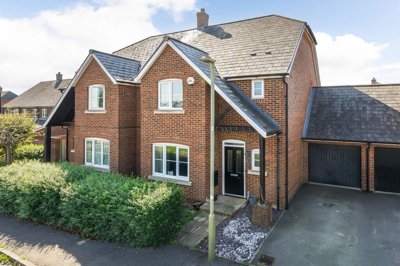
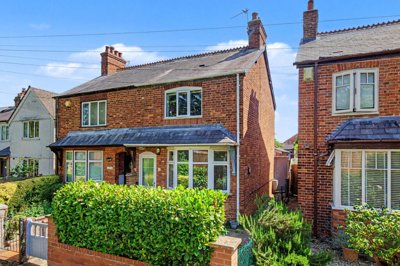
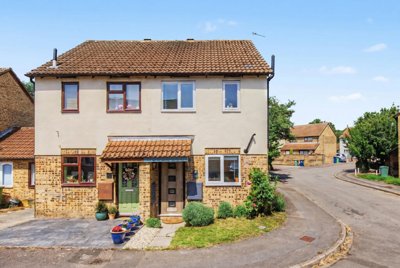
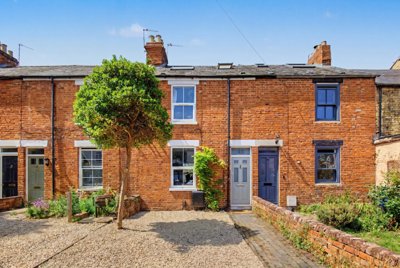
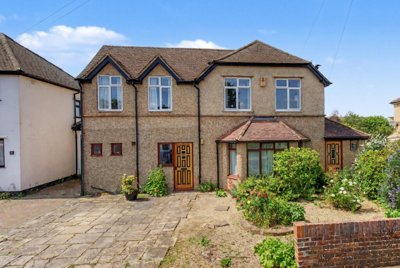
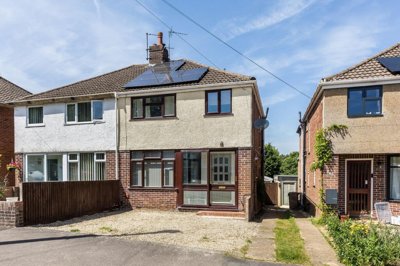
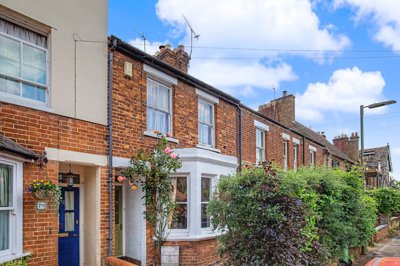
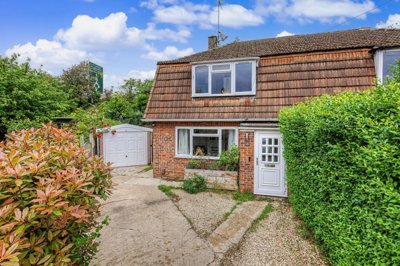
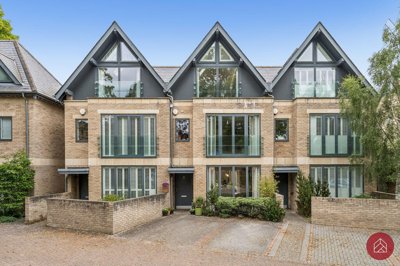
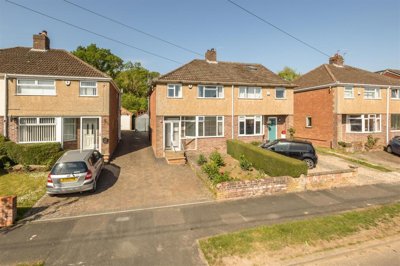
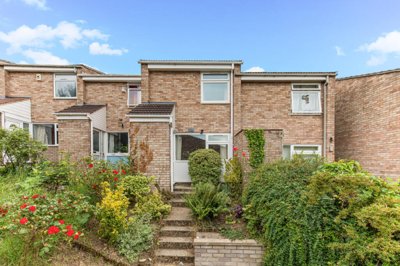
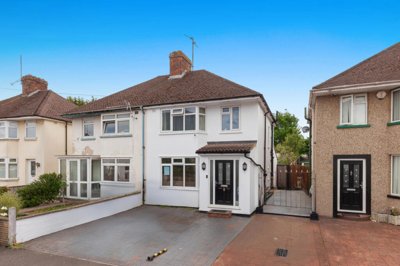
Browse 138 homes for sale in Oxford, Oxfordshire from local estate agents.
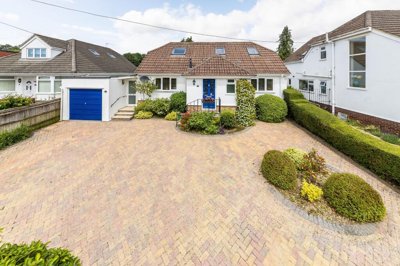
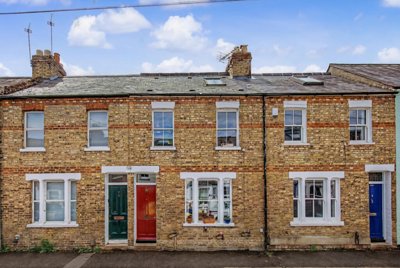
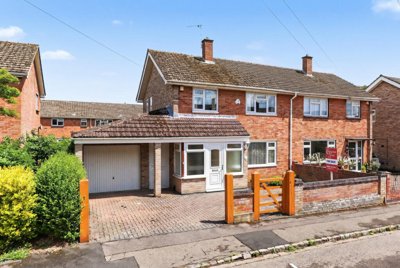
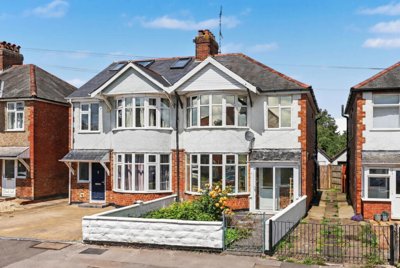
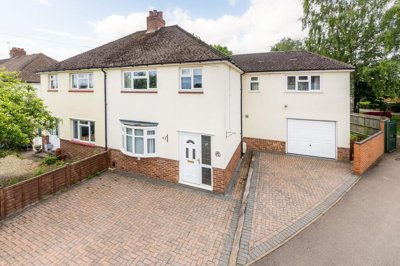
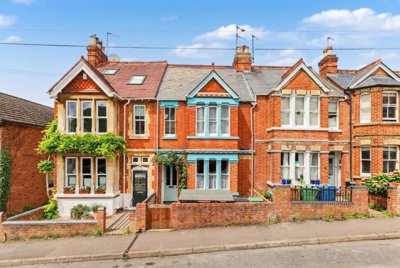
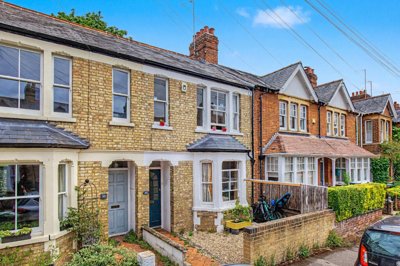
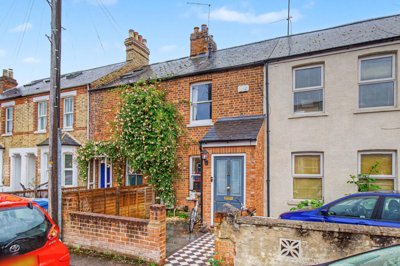
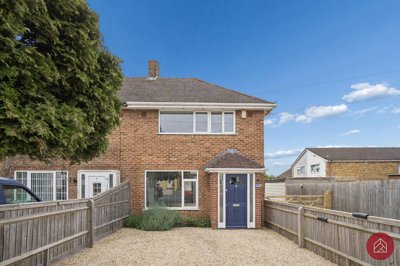
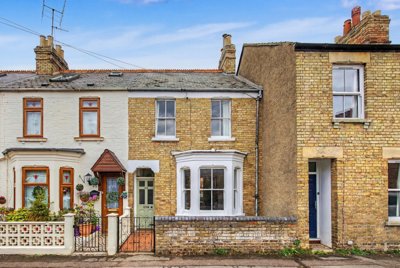
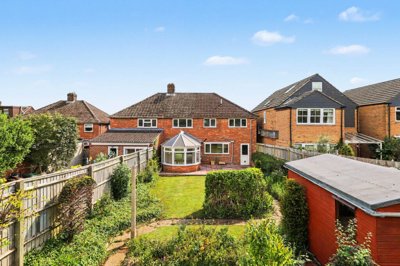
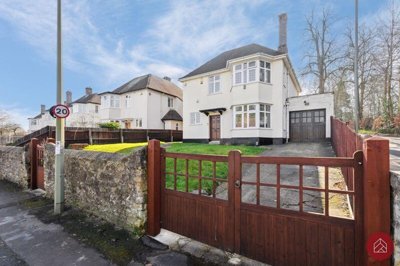
The Oxford property market offers detached, semi-detached, and terraced houses spanning various price ranges and neighbourhoods. Each listing includes detailed property information, photographs, and direct contact with the marketing agent.
£550k
494
110
89
Source: home.co.uk
Showing 494 results for Houses for sale in Oxford, Oxfordshire. 110 new listings added this week. The median asking price is £550,000.
Source: home.co.uk
Semi-Detached
229 listings
Avg £640,823
Terraced
197 listings
Avg £617,310
Detached
68 listings
Avg £1.35M
Source: home.co.uk
Source: home.co.uk
homedata.co.uk records show about 1,300 sales across Oxford city in the last 12 months, down 19.5% year on year. Even with that drop in turnover, demand has not disappeared. Buyers still come for long-term stability, professional jobs and rental appeal. Average sold prices are around £554,000, with detached homes near £972,000, semis around £591,000, terraces about £470,000 and flats close to £295,000. The pattern is mixed, but this looks more like a cooler market than last year than any sharp correction.
New-build stock is easy to spot in Oxford North and east Oxford. In OX2, home.co.uk listings for Canalside Quarter show apartments from £554,950 and houses up to £1,635,000. Shared ownership at The Aviary in Blackbird Leys starts from £96,250 for a 2-bedroom semi-detached home. Priory Grove on Banbury Road has 1 to 4-bedroom homes from £450,000. That means people buying into the same city can be working with completely different budgets.

Work is a big part of the Oxford picture. Major employers account for around 66,600 jobs, and the University of Oxford on its own supports about 17,000 jobs. Health, research and manufacturing add more depth to that base, which helps steady the market when transaction volumes dip. For buyers weighing Oxford against a commuter town, that daily economic pull often matters.
The household data helps explain why both family houses and smaller starter homes stay busy. Couples without children rose from 14.8% to 15.6% between 2011 and 2021. Households with dependent children also went up, from 16.6% to 18.0%. Three-bedroom homes make up 35.5% of stock, and two-bedroom properties account for 25.9%, so the middle of the market gets crowded. With homeownership at 45.3% and private renting at 32.2%, supply is being pulled more than one way.
Oxford does not move as one market. Headington, Summertown and parts of East Oxford are often where families start looking. Wolvercote, Old Marston and Iffley tend to appeal to buyers who want a village feel without leaving the city boundary. Oxford North and regeneration areas such as Oxpens bring in newer stock as well, especially for people after lower-maintenance homes. We usually suggest weighing commute, school access, parking and flood risk before judging one district against another on price alone.
Oxford grew on a gravel spit between the Thames and Cherwell, and that setting still shows. The centre stays compact and historic, while Jericho, North Oxford, Headington, Osney Town and Wolvercote each have their own pattern. Across the city there are 18 conservation areas and around 1,500 listed buildings, with plenty of limestone, brick and old college architecture in the mix. That is a draw for many buyers. It can also limit what gets changed later.
Smaller homes make up a large share of Oxford's housing stock. 3-bedroom properties account for 35.5% of households, and 2-bedroom homes for 25.9%. Homeownership sits at 45.3%, while private renting is 32.2%, which helps explain why family houses and flats in the right spot can move quickly. Day to day, the city has plenty going on, from museums to riverside walks, plus parks, cafés and local shopping streets. Employment keeps the place busy too, with education at 28.5% and health at 18.5%.
School catchment usually comes first for families moving into Oxford, then the search narrows by area. The city has a broad spread of state primaries, secondaries, sixth forms and independent schools. Names that come up again and again include The Cherwell School, Cheney School, Oxford High School, Magdalen College School and St Edward's School. The University of Oxford and Oxford Brookes shape the wider education culture as well, with colleges, libraries and specialist research across the city. Before making an offer, we would check the latest admissions maps carefully because address can matter a lot.
Older pupils and adults retraining have solid local options too. City of Oxford College sits alongside Oxford Brookes University, and the university colleges reinforce the academic identity of Oxford. In many central neighbourhoods, schools and colleges are within cycling distance, which matters where parking is tight. We would not rely on reputation alone here. The current Ofsted position, and the real walk or bus route from the front door, both need checking.

Choose the right side of the ring road and Oxford is one of the simpler UK cities to work from. Oxford station has direct rail services to London Paddington and the Thames Valley. Oxford Parkway adds Chiltern routes towards London Marylebone and the north. London is around an hour away by direct train, which suits hybrid workers as much as regular commuters. In practice, many buyers end up focusing less on mileage and more on whether the A34 and Botley Road can be avoided at peak time.
The road network matters here. The A34 connects Oxford with the M4 and M40, and the M40 puts Birmingham and London within reach when traffic behaves. Buses run frequently between the centre, park and ride sites, the hospitals, Headington and outer districts. Cycling is part of everyday travel rather than an extra, and that affects where people choose to live. On central streets and in conservation areas, parking can be much tighter, so we would always check permit rules before committing to a flat or terrace.
We suggest securing a mortgage agreement in principle before booking viewings. In Oxford, homes can move fast when they are priced right, especially in North Oxford, Jericho and close to the hospitals.
It helps to compare very different parts of the city, from central streets to river-edge districts, and then newer locations such as Oxford North or East Oxford. Parking matters. So do cycle routes, flood maps and school catchments. We would check all of that before committing.
Ask direct questions early. Flood history, leasehold charges, conservation restrictions and any roof or damp issues all matter in Oxford. Older limestone homes often need more care than newer brick or block properties, so we would not leave those checks until late.
Get a conveyancer in place early, then book a RICS survey that matches the age and type of property. Period homes and listed buildings in Oxford often justify a deeper inspection.
Once the survey findings, title checks and local searches are back, use them to settle the final terms. We would expect your solicitor to handle exchange only when everything is clear.
Before completion, sort the practical side as well as the paperwork. Buildings insurance, removals, parking permissions and utility swaps all need confirming. In Oxford, narrow streets and central access rules can make moving day just as important as the purchase itself.
Oxford buyers need to read the map closely, not just the brochure. The city lies between the Thames and Cherwell, so river flood risk and surface water need proper attention in South Oxford, Osney Mead, New Hinksey, Hinksey Meadows and around Botley Road. The Oxford Flood Alleviation Scheme shows how seriously flooding is taken locally, but it does not remove the need for a property-specific check. Where a house has a record of water ingress, we would ask for insurance claims, drainage records and details of any flood-resilience works.
Ground conditions deserve the same care. Oxford stands on gravel, with clay-rich areas nearby, and shrink-swell movement can affect foundations, paving and walls, particularly in older homes. Traditional buildings often use local limestone, Headington stone or brick, and those materials can need careful repointing, sound roof maintenance and breathable repair materials. Newer flats may come with service charges. Listed buildings, and homes inside conservation areas, can also limit changes to windows, roofs or extensions. A survey often earns its fee here because quick viewings miss a lot.
Oxford's wet season lasts through much of the year, and strong wind can lift tiles, damage flashing and expose leaks that were not obvious before. We would check damp, blocked gutters, failing mortar and old flat roof membranes carefully across both period homes and newer properties. In a city with around 1,500 listed buildings, it is also important to confirm that past works had the correct consent. Even small items can matter, including replacement windows, rooflines and outbuildings.

homedata.co.uk puts Oxford's average sold price at about £554,000. Flats are much lower at around £295,000, while detached homes are close to £972,000 in recent sold data. Over the last year the market has eased a little, with sales down 19.5% and overall values softening by around 3%. That can leave some room for negotiation.
Oxford City Council uses the standard council tax bands A to H. The band is based on the property's valuation, not simply the street name, so two homes that look similar can still fall into different bands. We would always check the exact band before an offer goes in, because it affects the monthly budget after completion.
For many buyers, school names narrow the search quickly. The Cherwell School, Cheney School, Oxford High School, Magdalen College School and St Edward's School are all commonly shortlisted, depending on budget and catchment. Oxford also has strong sixth-form and college provision through City of Oxford College, Oxford Brookes University and the University of Oxford. Since places can be tied closely to postcode, admissions maps and the latest Ofsted reports both need checking before relying on any one option.
Rail is one of Oxford's stronger points. There are direct services to London and the Thames Valley, and Oxford Parkway adds Chiltern routes towards London Marylebone and beyond. Buses and park and ride sites cover the centre, Headington, the hospitals and a good number of outer neighbourhoods, which can make daily driving less necessary. Cycling is also a workable commute in many parts of Oxford. Parking in the historic core, though, can still be tight.
Long-term demand in Oxford is tied to real local drivers, including its universities, hospitals, science employers and large student population. homedata.co.uk shows homeownership at 45.3% and private renting at 32.2%, which helps support rental demand. Entry prices are high, and upkeep on older homes can cost more than expected. Before buying, investors should also weigh conservation rules, flood risk and the sort of tenant they actually want.
For a standard buyer, stamp duty is 0% up to £250,000, then 5% from £250,000 to £925,000. Using the Oxford average price of about £554,000, the bill comes to roughly £15,200. First-time buyers pay 0% up to £425,000 and 5% from £425,000 to £625,000, so on the same £554,000 price the figure would be about £6,450.
Yes. A lot of the current pipeline sits in Oxford North, East Oxford and regeneration sites in and around the city. home.co.uk listings for Canalside Quarter in OX2 show apartments from £554,950 and houses up to £1,635,000, while shared ownership at The Aviary in Blackbird Leys starts from £96,250. New builds can suit buyers who want lower-maintenance living, though we would still check service charges, warranties and the longer-term running costs.
From 4.5%
We recommend comparing mortgage rates first and securing an agreement in principle before you view.
From £499
Local legal support for searches, contracts and completion
From £350
Ideal for most modern and mid-period Oxford homes
From £630
Best for older, altered or listed homes across Oxford
In Oxford, buying costs sit on top of a relatively high purchase price, so stamp duty is only one part of the budget. On a home at the homedata.co.uk average of about £554,000, a standard buyer would pay roughly £15,200 under current thresholds. A first-time buyer would pay around £6,450 on that same price, with relief up to £425,000 and then 5% on the slice to £625,000. Anyone buying a second home or an investment property also needs to factor in the surcharge before making an offer.
Do not stop at the tax bill. Legal fees, searches, survey costs, mortgage fees, removals and insurance can add several thousand pounds, and older Oxford homes may need roof, damp or electrical work soon after completion. At the lower end, home.co.uk listings show new-build and shared-ownership routes from about £96,250, while central family houses and homes in Oxford North can sit far higher. That means the tax position depends entirely on the deal secured. We help compare the full moving cost, not just the purchase price.
Properties for Sale In London

Properties for Sale In Plymouth

Properties for Sale In Liverpool

Properties for Sale In Glasgow

Properties for Sale In Sheffield

Properties for Sale In Edinburgh

Properties for Sale In Coventry

Properties for Sale In Bradford

Properties for Sale In Manchester

Properties for Sale In Birmingham

Properties for Sale In Bristol

Properties for Sale In Oxford

Properties for Sale In Leicester

Properties for Sale In Newcastle

Properties for Sale In Leeds

Properties for Sale In Southampton

Properties for Sale In Cardiff

Properties for Sale In Nottingham

Properties for Sale In Norwich

Properties for Sale In Brighton

Properties for Sale In Derby

Properties for Sale In Portsmouth

Properties for Sale In Northampton

Properties for Sale In Milton Keynes

Properties for Sale In Bournemouth

Properties for Sale In Bolton

Properties for Sale In Swansea

Properties for Sale In Swindon

Properties for Sale In Peterborough

Properties for Sale In Wolverhampton

Enter your details to see if this property is within your budget.
Loans, cards, car finance
Estimated property budget
Borrowing + deposit
You could borrow between
Typical borrowing
Monthly repayment
Est. at 4.5%
Loan-to-value
This is an estimate only. Your actual budget may vary depending on interest rates, credit history, and personal circumstances. For an accurate affordability assessment, speak to one of our free mortgage advisors.
This calculator provides estimates for illustrative purposes only and does not constitute financial advice. Your home may be repossessed if you do not keep up repayments on your mortgage. Estimates based on 4.5% interest rate, repayment mortgage. Actual rates depend on your circumstances.
Homemove is a trading name of HM Haus Group Ltd (Company No. 13873779, registered in England & Wales). Homemove Mortgages Ltd (Company No. 15947693) is an Appointed Representative of TMG Direct Limited, trading as TMG Mortgage Network, which is authorised and regulated by the Financial Conduct Authority (FRN 786245). Homemove Mortgages Ltd is entered on the FCA Register as an Appointed Representative (FRN 1022429). You can check registrations at NewRegister or by calling 0800 111 6768.

We use cookies to show you personalised content and improve your experience of our website. Find out more in our Privacy policy and Cookie policy.