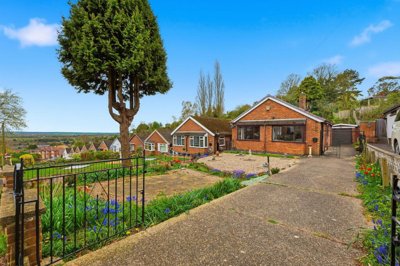
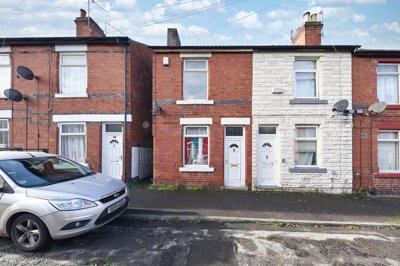
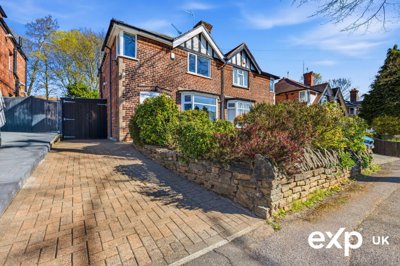
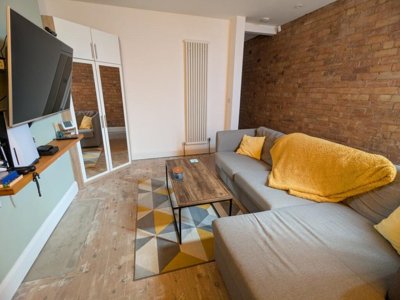
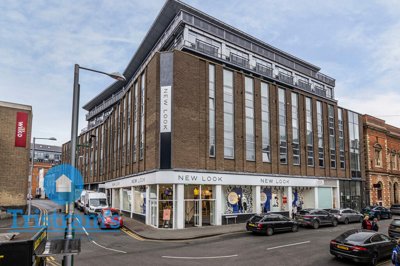
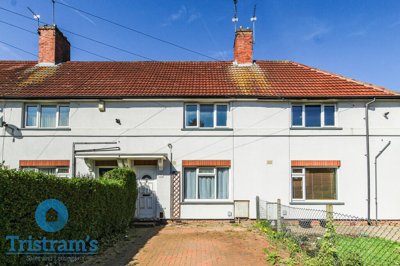
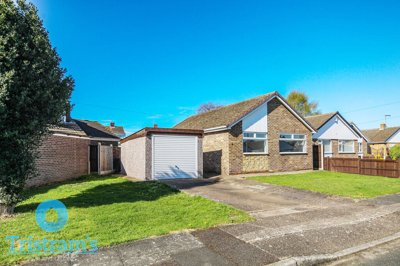
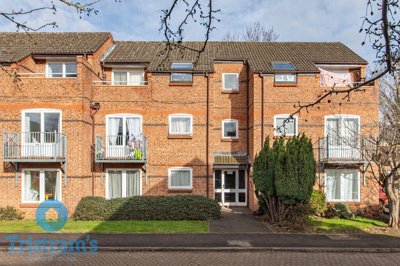
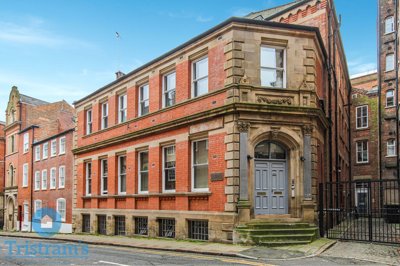
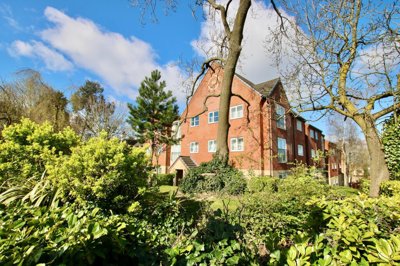
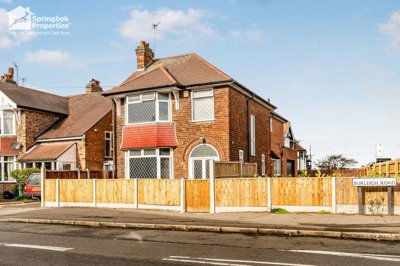
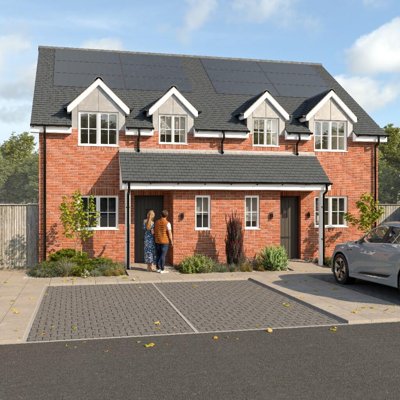
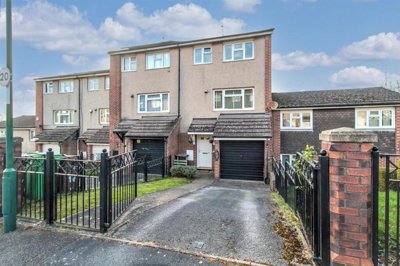
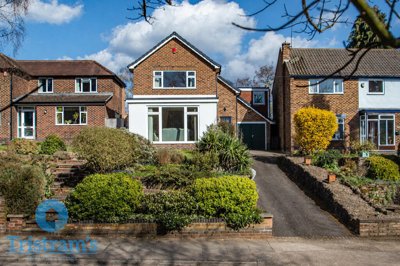
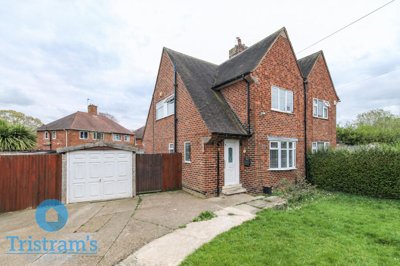
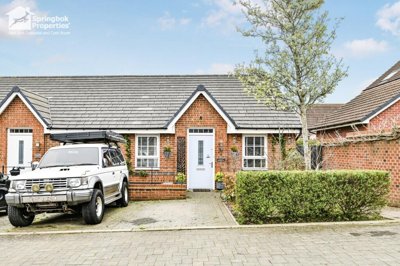
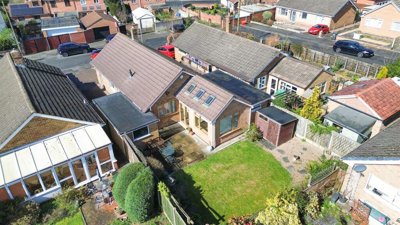
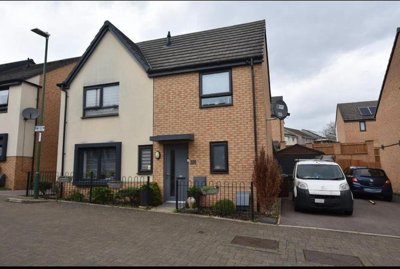
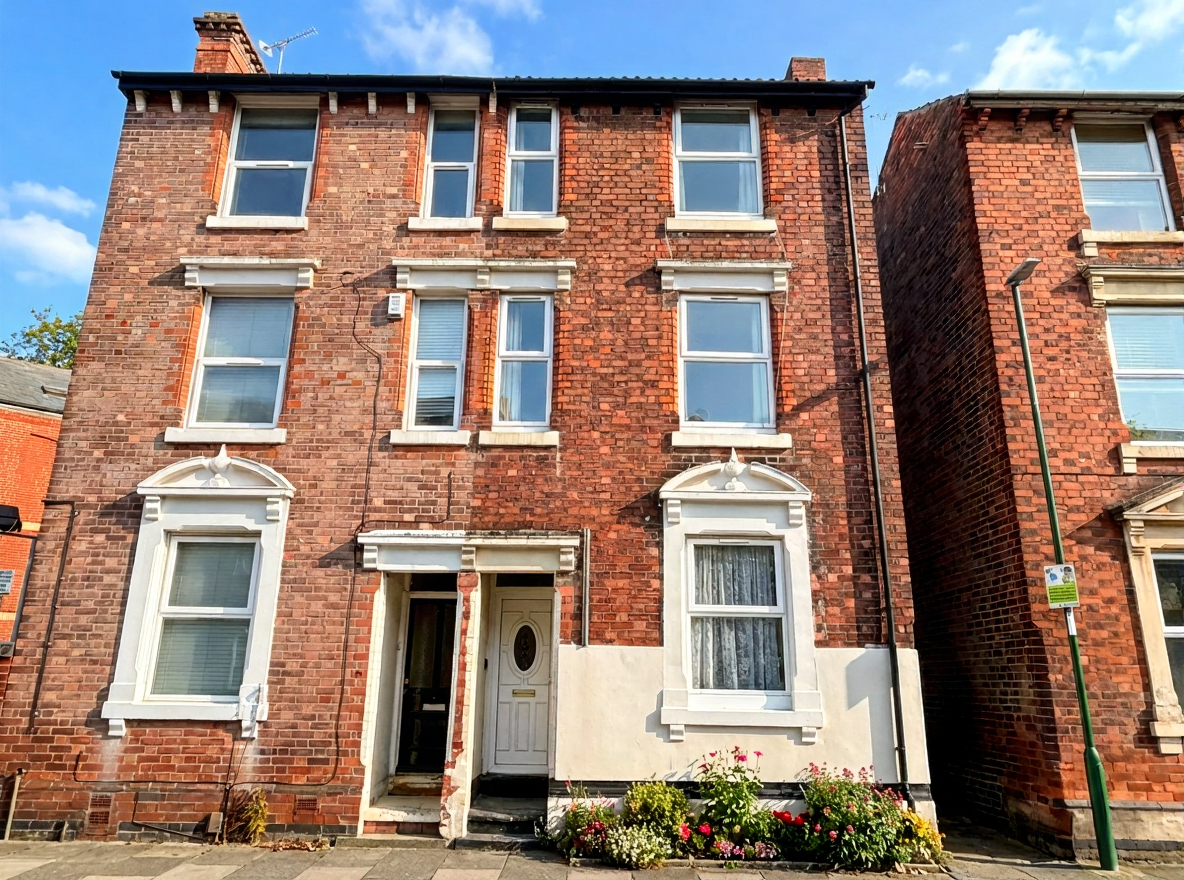
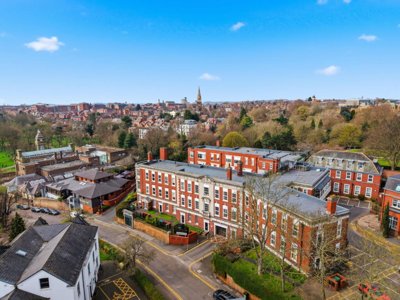
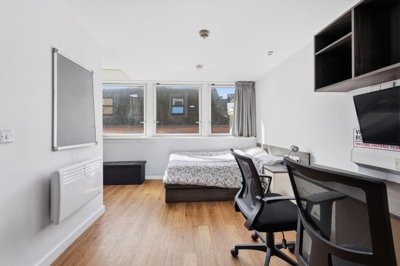
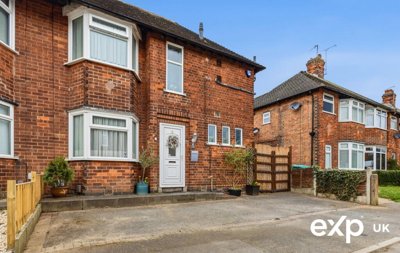
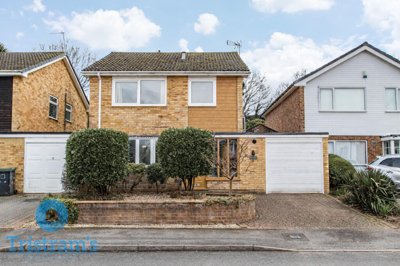
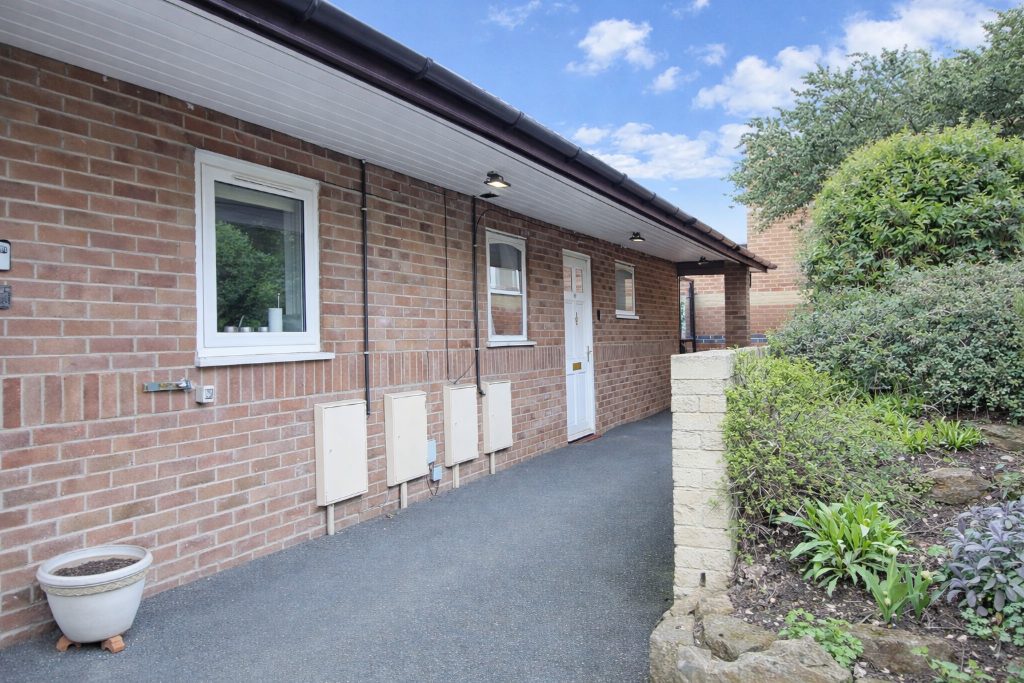
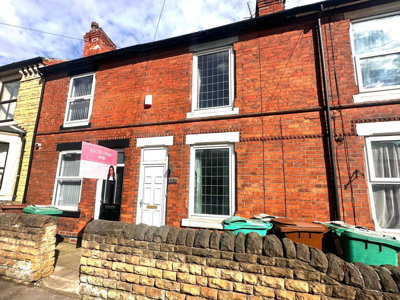
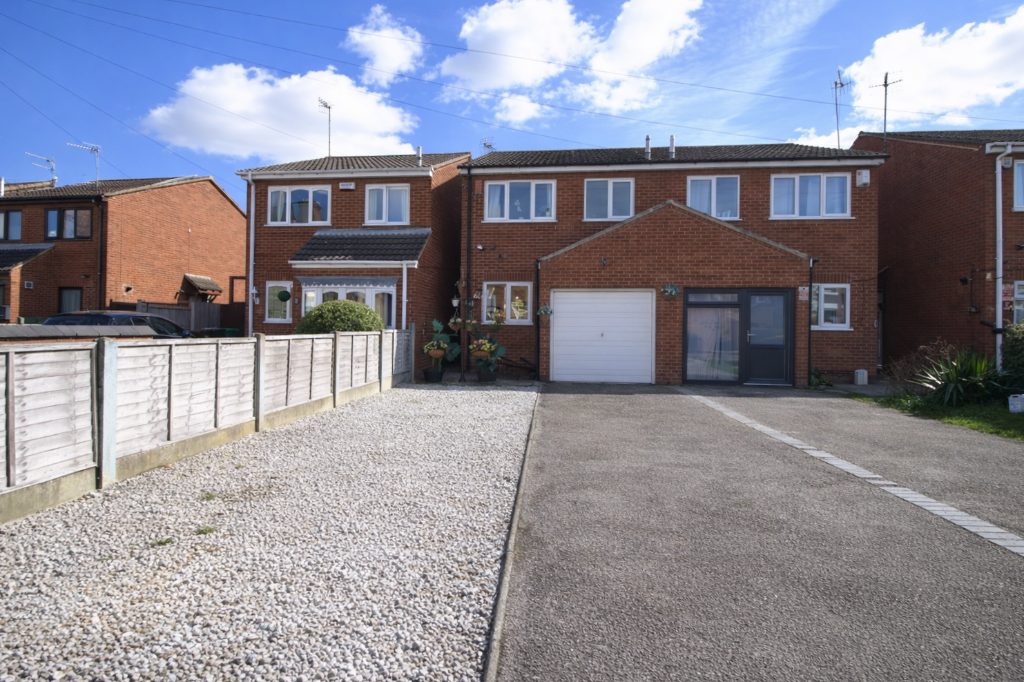
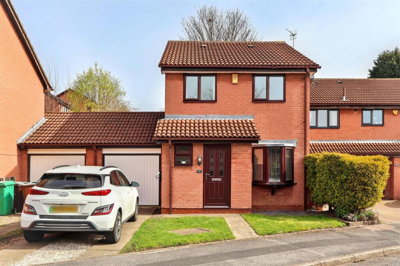
Browse 5,155 homes for sale in Nottingham, East Midlands from local estate agents.
£200k
1,749
116
118
Source: home.co.uk
Source: home.co.uk
Semi-Detached
356 listings
Avg £263,697
Apartment
318 listings
Avg £192,813
Terraced
310 listings
Avg £204,179
Detached
230 listings
Avg £477,347
Flat
163 listings
Avg £133,251
End of Terrace
141 listings
Avg £248,546
Detached Bungalow
38 listings
Avg £325,339
Town House
29 listings
Avg £336,517
House
28 listings
Avg £276,571
Bungalow
27 listings
Avg £306,387
Source: home.co.uk
Source: home.co.uk
£197,000
Median Price
5.7%
Gross Rental Yield
+0.9%
Annual Price Growth
1,000+
Properties Available
Nottingham stands out as one of the most attractive major cities for property buyers seeking a balance between affordability, career opportunities, and quality of life. Our data shows the median property price of £197,000 makes Nottingham notably more accessible than comparable cities while offering strong fundamentals including two major universities, excellent healthcare facilities, and a diverse economy spanning healthcare, retail, technology, and creative sectors. First-time buyers benefit from competitive starter homes ranging from £115,000 for city centre flats to £180,000 for Victorian terraces with generous square footage and original features.
The rental market in Nottingham performs exceptionally well, with gross yields reaching 5.7% and net yields of 5.1%, making it one of the best-performing university cities for buy-to-let investments. The large student population creates consistent demand for rental accommodation, while young professionals flock to areas like Beeston, Lenton, and the city centre for their proximity to employers and vibrant social scenes. Property investors also benefit from the city's regeneration programmes, particularly in areas like the Broadmarsh district where major redevelopment will transform the southern gateway to the city centre over the coming years.
For families, Nottingham offers excellent state and independent schooling options, with West Bridgford particularly standing out for its family-friendly environment and highly-rated schools. The city provides comprehensive healthcare through Nottingham University Hospitals NHS Trust, one of the largest in the country, while private facilities including BMI The Park Hospital and Ramsay Nottingham offer additional options for residents. Transport connectivity extends beyond the city itself, with Nottingham railway station providing direct services to London St Pancras, Birmingham, Sheffield, and numerous other destinations, making it practical for commuters working in other cities while living in more affordable Nottingham.
The Nottingham property market presents diverse opportunities across different neighbourhoods and price brackets. City centre flats in postcodes like NG1 and NG2 command an average price of around £229,000 and £214,000 respectively, offering convenient access to shops, restaurants, and entertainment venues. Semi-detached properties in areas such as NG12 average £240,000, providing generous space for families who prefer suburban living while remaining connected to the city centre. Terraced properties across Nottingham average £180,000, representing excellent value for buyers seeking character homes with original features in established neighbourhoods.
Detached properties in Nottingham average £340,000, with premium locations commanding higher prices for homes offering larger gardens, multiple bedrooms, and proximity to top-rated schools. The investment case remains strong, particularly in postcodes like NG7 which encompasses the Lenton and Dunkirk areas popular with students and university staff. Our platform aggregates listings from all major Nottingham estate agents, ensuring you have access to the complete market picture when making your purchase decision.

Nottingham's diverse neighbourhoods each offer distinct advantages depending on your lifestyle requirements and budget. Mapperley and Sherwood, located to the north of the city centre, feature predominantly Victorian and Edwardian terraced properties with excellent value and strong community atmospheres. These areas attract young families and professionals seeking generous room sizes, original fireplaces and sash windows, and convenient access to the city centre via regular bus services or a short tram ride from nearby stops. The Mapperley Park conservation area preserves the architectural character of the neighbourhood while supporting ongoing regeneration of local amenities.
West Bridgford, situated across the River Trent from the city centre, has become one of Nottingham's most sought-after residential areas, particularly for families prioritising school quality. The area offers a mix of Victorian terraces, 1930s semis, and modern family homes, with excellent independent shops along Central Avenue and strong transport connections via the Nottingham Express Transit tram. Beeston, to the south-west of the city, appeals to young professionals with its independent cafes, restaurants, and direct tram access to the University of Nottingham and city centre. The area has seen significant investment in recent years, with the Beeston Square redevelopment enhancing the town centre environment.
For those prioritising city centre living, the NG1 and NG2 postcodes offer modern apartments in developments including the listed St James' Building, the Sailors' Building, and numerous contemporary schemes. The Lace Market district, centred on High Pavement and St Mary's Gate, showcases stunning Victorian architecture with converted warehouses now housing trendy bars, restaurants, and creative workspaces. Investors and first-time buyers should note that flats in these areas require careful consideration of lease terms, service charges, and any cladding remediation requirements before committing to a purchase.
Nottingham offers an exceptional quality of life, blending historic character with modern amenities across its diverse neighbourhoods. The city centre features the iconic Nottingham Castle, which dominates the skyline and offers panoramic views of the city below. The Lace Market district showcases stunning Victorian architecture from when Nottingham was the global centre of the lace industry, with converted warehouses now housing trendy bars, restaurants, and creative workspaces. The Broadmarsh area continues to evolve with major redevelopment plans that will transform the southern gateway to the city centre, creating new retail, residential, and leisure facilities over the coming years.
Beyond the city core, West Bridgford offers family-friendly environments with excellent schools and proximity to the River Trent, where riverside walks and green spaces provide recreational opportunities. Beeston attracts young professionals with its independent shops, cafes, and excellent transport links via the Nottingham Express Transit tram. The Hockley and Sneinton neighbourhoods have experienced significant regeneration, with artistic communities establishing studios and galleries in former industrial buildings. The city benefits from extensive parkland, including Nottingham's own arboretum with its Victorian bandstand, the beautiful Wollaton Hall grounds with its famous deer park, and the riverside walks along the Trent between Trent Bridge and Colwick.
Healthcare provision is excellent in Nottingham, with Nottingham University Hospitals NHS Trust serving the region through the Queen's Medical Centre and Nottingham City Hospital sites. Private facilities including BMI The Park Hospital in Mapperley and Ramsay Nottingham in Chilwell offer additional healthcare options for residents seeking private treatment. The city also benefits from major sports facilities including Trent Bridge cricket ground, Notts County and Nottingham Forest football clubs, and the National Watersports Centre at Holme Pierrepont, providing recreational options for residents across all interests.

Nottingham boasts an impressive educational landscape that makes it particularly attractive to families considering a property purchase in the area. The city is home to two major universities: the University of Nottingham, consistently ranked among the UK's top institutions and based at its extensive campus in University Park, and Nottingham Trent University, renowned for its art and design programmes at the Clifton Campus. Higher education options extend to several further education colleges including Nottingham College, providing diverse pathways for young people pursuing vocational or academic qualifications. The presence of such a large student population creates a dynamic, youthful atmosphere throughout the city.
Primary education in Nottingham features numerous schools rated Outstanding by Ofsted, with popular choices including Snape Wood Primary Academy and Whitemoor Academy in the north of the city. For secondary education, parents can choose from comprehensive schools, academies, and the renowned selective schools including the Nottingham High Schools that serve students across Nottingham and the surrounding areas. School catchment areas significantly impact property values in certain neighbourhoods, with areas near highly-rated schools often commanding premium prices. West Bridgford schools including West Bridgford Junior School and The West Bridgford School are particularly sought after by families, with excellent Ofsted ratings and strong academic results.
When purchasing property in Nottingham, buyers with school-age children should carefully research catchment areas and consider the significant impact school placement has on family life and future property values. The school admissions process operates on a catchment-based system, meaning properties within specific distances from popular schools receive priority consideration. Properties in areas like Wollaton, Beeston, and Mapperley Park frequently attract family buyers specifically due to their proximity to good schools, and this demand is reflected in property prices. We recommend contacting local schools directly or consulting the Nottinghamshire County Council school admissions information to verify current catchment boundaries before committing to a purchase.
Nottingham offers exceptional transport connectivity that makes commuting and regional travel straightforward for residents. Nottingham railway station, located on Station Street in the city centre, provides direct services to major destinations including London St Pancras (journey time approximately 1 hour 45 minutes), Derby (20 minutes), Leicester (25 minutes), Lincoln (1 hour), and Sheffield (1 hour). CrossCountry trains operate services connecting Nottingham to Birmingham, Bristol, Newcastle, and Edinburgh, making the city an excellent base for professionals who travel regularly for work. East Midlands Railway runs frequent services along the Midland Main Line, while station facilities continue to improve with the major redesign currently underway.
The Nottingham Express Transit tram system provides comprehensive public transport within the city and surrounding areas, with lines serving Beeston, Hucknall, Clifton, and the University of Nottingham campus. This light rail network offers reliable and cost-effective travel for those who prefer to avoid city centre parking charges, with stops including the Lenton Lane park-and-ride facility providing convenient access for commuters. For car owners, Nottingham benefits from direct access to the A1 motorway via the A46 Newark Relief Road, while the M1 motorway is easily accessible from the city via the A52 or M60 orbital route. The recently upgraded Nottingham Road provides efficient access to the A46 for traffic heading north.
East Midlands Airport, located approximately 15 miles south of Nottingham near Castle Donington, offers domestic and international flights including regular services to European destinations and seasonal charter flights. The airport is reachable by rail connection from East Midlands Parkway station or by road via the M1/A453 route. Cyclists benefit from expanding cycle lanes including the flagship Riversidemountain bike route and the city's relatively compact geography, making cycling a viable option for daily commuting. Nottingham's position England also provides straightforward access to the Peak District National Park for weekend getaways and outdoor recreation.
Before viewing properties in Nottingham, obtain a mortgage agreement in principle from a lender. This demonstrates to estate agents and sellers that you are a serious buyer with financing already arranged. Nottingham's competitive market often requires buyers to move quickly, so having your finances confirmed removes a significant barrier to securing your ideal home. Contact multiple mortgage brokers or use online comparison tools to find the best rates available, and consider speaking to a broker who specialises in Nottingham properties.
Spend time exploring different areas of Nottingham to find the neighbourhood that best suits your lifestyle and requirements. Consider factors such as proximity to your workplace, school catchment areas, local amenities, transport connections, and the character of housing stock. Areas like Mapperley, Sherwood, and West Bridgford each offer distinct advantages for different buyer profiles, while city centre flats in NG1 suit professionals prioritising convenience. Visit areas at different times of day to understand noise levels, parking availability, and the general atmosphere before committing.
Use Homemove to browse all available properties in Nottingham, filtering by price range, property type, number of bedrooms, and other essential criteria. Set up property alerts to receive notifications when new listings matching your requirements come to market. Our platform aggregates listings from every major Nottingham estate agent, giving you complete market visibility across all postcodes including NG1, NG2, NG3, NG5, NG7, NG8, NG9, NG11, and NG12.
Once you have identified properties of interest, arrange viewings through the listed estate agents. Attend several viewings to compare options and develop a clear understanding of what Nottingham properties offer at your price point. Take notes and photographs to help you differentiate between properties later in the decision-making process. Consider attending viewings with a RICS-qualified surveyor who can identify potential defects or maintenance issues that may not be apparent to the untrained eye.
When you find a property that meets your requirements, work with the estate agent to submit a competitive offer. Nottingham's property market can be competitive in popular areas like West Bridgford and Mapperley, so your offer should reflect current market conditions and comparable sales. Our conveyancing team will guide you through the negotiation process and any conditions attached to the sale, including fixtures and fittings negotiations common in Nottingham transactions.
Instruct a conveyancing solicitor to handle the legal aspects of your purchase. They will conduct searches including local authority, environmental, and drainage searches specific to Nottingham, review the contract, and liaise with the seller's solicitor throughout the transaction. On exchange of contracts, you will pay your deposit and the sale becomes legally binding, with completion typically arranged within 4-6 weeks in the Nottingham market.
Purchasing property in Nottingham requires attention to factors specific to the city and its various neighbourhoods. Conservation areas exist throughout Nottingham, particularly in the Lace Market, Arboretum, and certain residential streets including parts of Mapperley Park and Wollaton, which impose restrictions on external alterations and can affect renovation plans. Before purchasing a period property, investigate any planning permissions or listed building status that may limit your ability to make changes. Understanding these constraints before committing to a purchase prevents costly surprises and ensures the property meets your long-term expectations.
The geology of the Nottingham area, characterised by Sherwood Sandstone and Mercia Mudstone groups, generally presents stable ground conditions for construction. However, as with any urban area, specific plots may have underlying considerations related to previous industrial use or natural ground conditions. Our inspectors frequently identify issues in Nottingham properties including condensation problems in solid-walled Victorian terraces, subsidence affecting properties built on former mining areas, and roofing issues common in properties with original clay tile coverings. A thorough survey by a qualified RICS-accredited surveyor will identify any structural concerns or maintenance issues that are not immediately apparent during viewings.
For buyers considering flats in Nottingham city centre, pay close attention to lease terms, service charges, ground rent clauses, and any upcoming major works or cladding remediation requirements that may affect costs and future saleability. Developments built during the 1960s and 1970s may require ongoing maintenance works, while newerbuild schemes should be verified for compliance with current building regulations. Freehold properties, while less common in central Nottingham, are generally preferable where available as they eliminate ground rent and service charge concerns. Properties in the NG7 postcode near the University of Nottingham often attract investors due to the student rental market, but should be evaluated carefully for management company obligations and lease restrictions.
Understanding the full costs of purchasing property in Nottingham helps you budget accurately and avoid financial surprises during the transaction process. The primary upfront cost is Stamp Duty Land Tax, which applies to all property purchases in England at graduated rates based on the purchase price. As of the 2024-25 tax year, buyers pay nothing on the first £250,000, then 5% on amounts between £250,001 and £925,000. For a typical Nottingham property priced at the median of £197,000, a standard buyer would pay no stamp duty, while a first-time buyer would pay nothing on purchases up to £425,000. Your conveyancing solicitor will calculate and submit the SDLT return on your behalf at completion.
Beyond stamp duty, additional buying costs include mortgage arrangement fees typically ranging from 0% to 2% of the loan amount, valuation fees from £150 to £500 depending on property value, and survey costs for a RICS Level 2 HomeBuyer Report or Level 3 Building Survey. Legal fees for conveyancing in Nottingham typically range from £500 to £1,500 plus disbursements including local authority searches from Nottingham City Council or the relevant district council, Land Registry fees, and title registration costs. Factor in removals expenses, potential renovation costs if purchasing a property requiring work, and a contingency fund for unexpected issues discovered after purchase. Getting a mortgage agreement in principle before viewing properties positions you as a serious buyer and helps you understand exactly how much you can borrow for your Nottingham home.

The median house price in Nottingham stands at £197,000 according to recent property data. Average prices vary by property type and location, with flats averaging around £115,000, terraced properties approximately £180,000, semi-detached homes near £230,000, and detached properties reaching approximately £340,000. Postcode districts within Nottingham show significant price variations, with NG12 (Chilwell/Beeston area) averaging £240,000 and NG7 (city fringe including Lenton) averaging £180,000. Property prices in Nottingham have shown steady growth, with Zoopla reporting a 0.9% increase over the past twelve months, indicating a stable market with continued demand from buyers seeking value in the East Midlands.
Properties in Nottingham fall under Nottingham City Council for central areas or the relevant district council (Broxtowe, Gedling, Rushcliffe) depending on exact location, with council tax bands ranging from A through to H. Band A properties typically attract the lowest annual charges while Band H properties, usually larger detached homes in premium areas like West Bridgford and Wollaton, command the highest council tax contributions. You can check the specific band for any property through the Valuation Office Agency website or by contacting Nottingham City Council directly. Council tax payments fund essential local services including education, waste collection, social care, and local infrastructure maintenance across the city.
Nottingham offers excellent educational options at all levels, with several primary and secondary schools achieving Outstanding Ofsted ratings. Popular primary schools include Snape Wood Primary Academy and Whitemoor Academy in the north of the city, while secondary education options include both comprehensive schools and selective grammar schools including the Nottingham High Schools. For higher education, the University of Nottingham and Nottingham Trent University are both highly regarded institutions that attract students nationally and internationally. Families should research specific school catchment areas, as admission policies often prioritize children living within designated distances from the school, making location crucial for family buyers in Nottingham.
Nottingham boasts excellent public transport connections that make car-free living practical for many residents. Nottingham railway station provides direct services to London St Pancras in under two hours, along with regular trains to Derby, Leicester, Sheffield, Lincoln, and Birmingham. The Nottingham Express Transit tram network operates five lines serving the city centre, University of Nottingham, Beeston, Hucknall, Clifton, and surrounding areas with frequent services throughout the day from early morning until midnight. Bus services operated by Nottingham City Transport and other providers connect residential areas to the city centre and employment hubs, with services to areas including Arnold, Carlton, and Sherwood. East Midlands Airport, reachable by train via East Midlands Parkway or by road, provides international flight connections for business and leisure travel from its location near Castle Donington.
Nottingham offers compelling opportunities for property investors, with rental yields among the strongest in the UK for major cities. Our data shows gross rental yields of 5.7% and net yields of 5.1%, significantly above the national average for urban areas and comparable to traditional investment hotspots. The large student population and young professional demographic create consistent demand for rental accommodation in areas like the city centre, Lenton, and Beeston. The presence of two major universities ensures a continuous stream of tenants seeking both long-term and short-term accommodation throughout the year. Property values in Nottingham have shown steady appreciation, with the 0.9% twelve-month price increase reflecting growing buyer confidence in the local market and supporting both rental income and capital growth strategies.
Stamp Duty Land Tax rates in England apply to all Nottingham property purchases. Standard rates start at 0% on the first £250,000 of purchase price, rising to 5% on the portion between £250,001 and £925,000, 10% up to £1.5 million, and 12% on amounts exceeding £1.5 million. First-time buyers benefit from relief on the first £425,000 (0% rate), with 5% applying between £425,001 and £625,000. For example, a first-time buyer purchasing a typical Nottingham property at £197,000 would pay no stamp duty, while a £350,000 purchase would attract 5% on the £125,000 above the £425,000 threshold. Your conveyancing solicitor will calculate the exact SDLT liability based on your circumstances and purchase price.
From £350
Recommended for modern apartments and standard properties. Identifies defects visible without intrusive investigation.
From £500
Comprehensive inspection ideal for Victorian terraces, Edwardian semis, and period properties common in Nottingham.
From £60
Required for mortgage applications and provides energy performance rating for Nottingham properties.
From £499
Our conveyancing partners handle all legal work including local authority searches, contracts, and registration.
Properties for Sale In London

Properties for Sale In Plymouth

Properties for Sale In Liverpool

Properties for Sale In Glasgow

Properties for Sale In Sheffield

Properties for Sale In Edinburgh

Properties for Sale In Coventry

Properties for Sale In Bradford

Properties for Sale In Manchester

Properties for Sale In Birmingham

Properties for Sale In Bristol

Properties for Sale In Oxford

Properties for Sale In Leicester

Properties for Sale In Newcastle

Properties for Sale In Leeds

Properties for Sale In Southampton

Properties for Sale In Cardiff

Properties for Sale In Nottingham

Properties for Sale In Norwich

Properties for Sale In Brighton

Properties for Sale In Derby

Properties for Sale In Portsmouth

Properties for Sale In Northampton

Properties for Sale In Milton Keynes

Properties for Sale In Bournemouth

Properties for Sale In Bolton

Properties for Sale In Swansea

Properties for Sale In Swindon

Properties for Sale In Peterborough

Properties for Sale In Wolverhampton

Enter your details to see if this property is within your budget.
Loans, cards, car finance
Estimated property budget
Borrowing + deposit
You could borrow between
Typical borrowing
Monthly repayment
Est. at 4.5%
Loan-to-value
This is an estimate only. Your actual budget may vary depending on interest rates, credit history, and personal circumstances. For an accurate affordability assessment, speak to one of our free mortgage advisors.
This calculator provides estimates for illustrative purposes only and does not constitute financial advice. Your home may be repossessed if you do not keep up repayments on your mortgage. Estimates based on 4.5% interest rate, repayment mortgage. Actual rates depend on your circumstances.
Homemove is a trading name of HM Haus Group Ltd (Company No. 13873779, registered in England & Wales). Homemove Mortgages Ltd (Company No. 15947693) is an Appointed Representative of TMG Direct Limited, trading as TMG Mortgage Network, which is authorised and regulated by the Financial Conduct Authority (FRN 786245). Homemove Mortgages Ltd is entered on the FCA Register as an Appointed Representative (FRN 1022429). You can check registrations at NewRegister or by calling 0800 111 6768.

We use cookies to show you personalised content and improve your experience of our website. Find out more in our Privacy policy and Cookie policy.