Pick the right path and we'll point you to the next step.
I'm the homeowner
Track this property, get market updates, and list it on Home when you're ready to sell or let.
I'm an estate agent
Claim your branch on Home.co.uk, list your properties for free, and reach buyers actively searching your area.
From riverside apartments to country cottages, search hundreds of thousands of properties for sale, to rent, and recently sold, all enriched with three decades of market data.
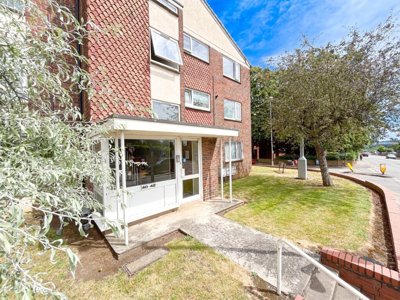
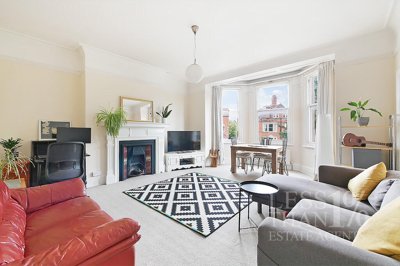
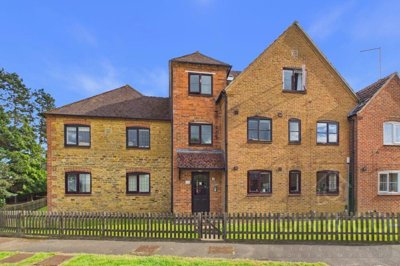
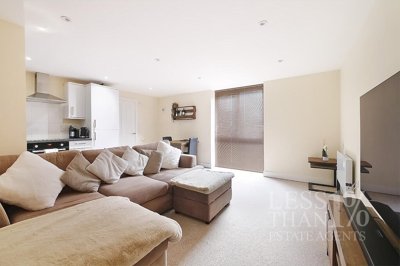
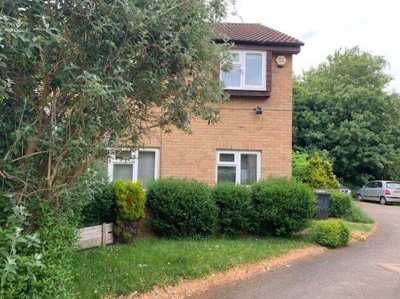
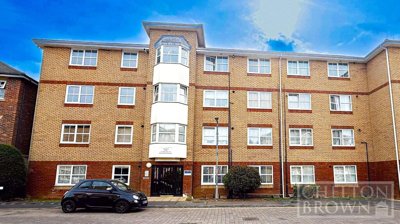
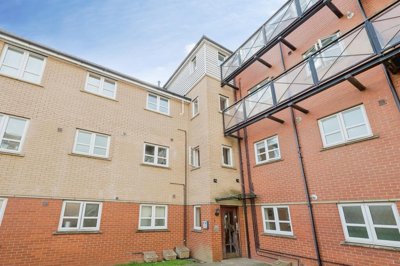
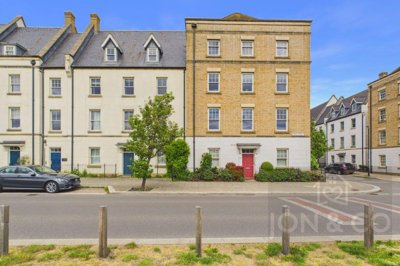
Browse 44 homes for sale in Northampton, West Northamptonshire from local estate agents.
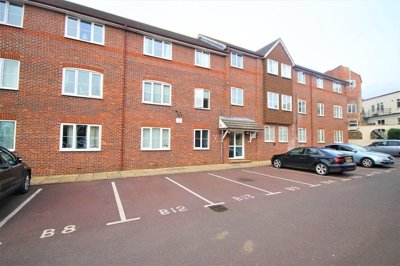
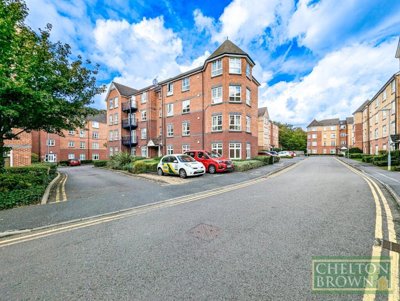
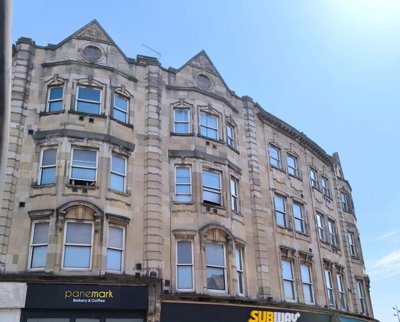
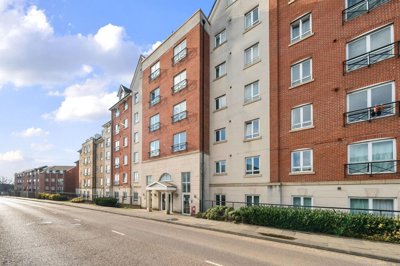
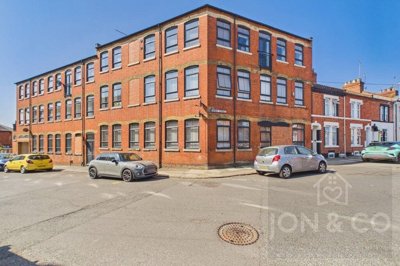
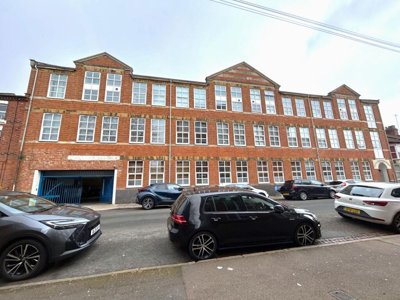
Studio apartments feature open-plan living spaces without separate bedrooms, incorporating sleeping, living, kitchen, and bathroom facilities. The Northampton studio market includes properties in modern apartment complexes, converted Victorian and Georgian buildings, and purpose-built developments.
£131k
102
2
162
Source: home.co.uk
Showing 102 results for Studio Flats for sale in Northampton, West Northamptonshire. 2 new listings added this week. The median asking price is £131,000.
Source: home.co.uk
Flat
102 listings
Avg £133,043
Source: home.co.uk
Source: home.co.uk
homedata.co.uk shows a wide price ladder in Northampton. Over the last year, detached homes averaged £463,762, semis £276,221, terraced homes £236,204, and flats in the NN1 postcode £139,599. That spread leaves room to move within the town over time, either by starting lower and trading up later or by targeting more space from the outset. For many buyers, terraced and semi-detached homes still sit in the middle ground, where price and day-to-day convenience often line up best.
There is also plenty happening on the new-build side. home.co.uk currently lists a solid range of active schemes across Northampton and nearby parts of the town, with prices running from about £245,000 for smaller homes to £680,000 for limited-availability apartments and larger family homes in places including Duston, Collingtree Park and Glenvale Park. Some buyers want a simpler, lower-maintenance home. Others want a bigger plot. Both ends of the range are there. Several developments also promote buying support for movers and people purchasing their first home, which can help keep early costs in check.
Slower than the last cycle, yes, but not thin. Northampton city still logged 3.0k sales in the last year, while the wider postcode area saw 9.6k transactions, giving buyers enough stock to compare without being pushed into a rushed decision. homedata.co.uk also records prices up 3% in the city over the last twelve months, with the NN3 area rising 1.67%. For anyone who wants more room to negotiate than many southern markets allow, Northampton still makes sense.

For scale, Northampton is bigger than many people expect. The 2021 census recorded 238,661 residents, rising to 241,274 in 2022, and it is estimated at 226,050 with a 6.6% increase since 2011. There are about 95,712 households, with an average household size of 2.4. That goes some way to explaining the range of stock here, from smaller flats to substantial detached houses.
Ownership still shapes much of the local housing picture. In Northampton, 59.95% of households are owner-occupied, 21.49% are privately rented, 10.59% are rented from the local authority, and 5.73% from a housing association. The result is not one-note. Older residential roads sit beside newer estates and apartment blocks, and that broad mix tends to suit buyers who do not want a town that feels too uniform.
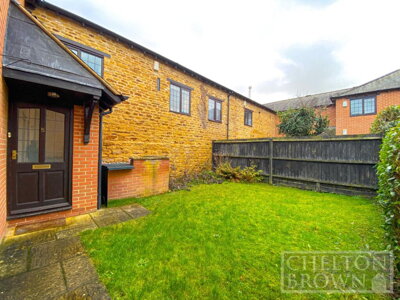
Building materials tell part of the story in Northampton. Older homes often use Northamptonshire stone, ironstone bricks and reclaimed materials, which gives many streets a solid, weathered look. Beneath that, the ground matters too. Parts of the town sit on clay-rich soil, and Northampton is rated at 1.218 times the UK average for domestic subsidence risk, so older properties with shallow foundations merit extra care where trees or movement are nearby.

Local data does not name particular schools or list current Ofsted ratings, so we would check the latest catchment map before an offer goes in. Northampton sits within West Northamptonshire, and admissions can shift from one street to the next, especially in family-focused areas. It is worth pinning down primary, secondary and sixth-form choices early, not at survey stage, because the right house on the wrong side of a catchment line can change the decision completely.
For families, the street often comes first. After that, we would verify local schools, travel times and current place availability directly with West Northamptonshire Council. Anyone looking at a family house should ask how far pupils usually travel for primary and secondary school, and whether that route works in practice on foot, by bus or by car. In a town the size of Northampton, a gap of only a few miles can alter both price and school pattern.
Post-16 travel can shape a purchase more than buyers expect. Northampton is large enough to support further education without every student needing to leave town, so sixth-form or college access deserves a look before choosing a postcode. Homes near the main road network can work well for older pupils travelling on their own. Quieter residential roads may suit households with younger children. Much depends on what matters most, access to school, internal space or resale strength.
Rail plus motorway access is a big part of Northampton’s pull. According to homedata.co.uk research, London Euston is reachable in under an hour by train, which keeps the town in play for hybrid staff and regular commuters. Drivers have the M1 running north and south, and that flexibility helps explain why buyers keep returning to Northampton. A working week that includes London, Birmingham or another Midlands hub fits this location well.
Inside the town, daily travel tends to revolve around buses, station access and the main residential routes. Homes nearer the centre usually have simpler access to rail services and bus connections, while suburban estates often lean more heavily on the car. Parking can be the sticking point. Older terraces and central flats may feel tighter than newer properties with garages or driveways, so at a viewing we would ask where visitors leave the car at busy times and whether permits or shared arrangements apply.
In some parts of Northampton, walking or cycling is genuinely practical. That is most obvious near schools, local shops and the station. Newer estates often come with wider roads and more off-street parking, while older streets can be tighter yet easier on foot for everyday errands. The key is not just the house itself. We would judge how easily the address gets you to work, school and the places you actually use each week.
Start with the postcode. Then compare central streets, family suburbs and newer estates to see how price, parking, flood risk and commute times shift across Northampton.
Before lining up too many viewings, get a mortgage agreement in principle in place. It makes it easier to move fast when a sharply priced home draws attention, and sellers can see you are ready to proceed.
At the viewing, look closely for damp, movement, roof wear and signs of parking pressure. That matters most with older terraces or homes near mature trees. Any property in a flood-prone area or a conservation area deserves extra questions there and then.
A RICS Level 2 survey suits many standard homes. A RICS Level 3 is often the better call for older, altered or unusual properties. In Northampton, that extra depth can be particularly useful for older stone houses, homes on clay soils and property close to the River Nene floodplain.
Once a property is chosen, we would appoint a conveyancer straight away so searches, title checks and management packs do not drag on. Flats and leaseholds often need more paperwork. The same goes for homes in conservation areas.
After the mortgage offer, survey and legal work are all in place, the process moves to exchange and then completion. Keep removal dates, deposit funds and insurance lined up early. It makes the last stage far easier to manage.
Northampton’s geology is not something we would gloss over. Clay-rich soils can shrink and swell as moisture levels change, and that movement can affect older homes where foundations are shallow or trees sit close to the building line. The local subsidence risk is 1.218 times the UK average, so anyone buying a period property should ask the surveyor to comment on cracks, drainage and evidence of past movement. Catching that before completion is much cheaper than dealing with structural repairs later.
Flooding needs proper attention as well. Land along the River Nene floodplain, including Far Cotton, St James and Upton, is classed as higher risk for river flooding, and some low-lying streets can also take surface water during heavy rain. A home in one of those areas is not automatically a no. Still, we would want the solicitor to raise the right searches and the surveyor to inspect drainage, thresholds and visible damp very carefully.
There is also the issue of controls and paperwork. West Northamptonshire has 117 conservation areas and 3,838 listed buildings and structures, so homes in or near those locations can face added consent requirements for windows, roofs, extensions or external finishes. Flats need close checking too, because service charges, ground rent and reserve funds can shift long-term affordability quite a bit. With new apartments, ask for management information and any defect history, as block problems can affect both value and resale.
Over the last 12 months, homedata.co.uk records an average house price of £297,524 in Northampton. Detached homes averaged £463,762, semis £276,221, terraces £236,204, and flats in the NN1 postcode £139,599. Prices were 4% above the previous year and 5% higher than the 2022 peak of £284,684. So the market has held up rather than dropped away sharply, even though Northampton still looks more affordable than many southern commuter locations.
Properties in Northampton fall under West Northamptonshire Council, with council tax bands ranging from Band A to Band H. The exact band is tied to the individual home, not simply the postcode, so two similar properties can land in different places. Central flats often sit lower than larger detached houses on newer estates, but we would still check the exact address before building a budget. A solicitor can confirm the band during conveyancing, and it is better to know early.
This varies street to street, so we go on your exact address rather than a town-wide average. For that reason, we would check the latest catchment data for the exact street in question. Northampton is large enough to have a wide spread of primary, secondary and post-16 options, but places can move quickly. Most families get a clearer answer by shortlisting the home first and then confirming admissions with West Northamptonshire Council, along with walking routes, bus links and the usual travel distance from that address.
For commuting, Northampton holds up well against many towns nearby. homedata.co.uk notes that London Euston is under an hour away by rail, and the M1 gives drivers a direct north-south route. Buses cover much of the town, though parking and road layout differ a lot between central terraces and newer suburban estates. Station access can be decisive. So can the parking setup on the street itself.
Northampton can stack up well for buyers looking at affordability alongside commuter demand and a broad rental or resale market. Prices rose 4% over the last year, and the town still saw thousands of sales, which points to steady activity rather than a thin market. Lower-priced terraces and flats may suit people buying their first home or landlords letting to renters, while family houses in the stronger suburbs often carry longer-term appeal. We would focus less on the cheapest postcode and more on the right property in the right part of town.
Stamp duty is set by purchase price, not by town. For 2024-25, the rates are 0% up to £250,000, 5% from £250,000 to £925,000, 10% from £925,000 to £1.5 million and 12% above that. Using Northampton’s average price of £297,524, a standard buyer would usually pay about £2,376 in SDLT. People buying their first home get 0% up to £425,000 and 5% from £425,000 to £625,000, so a large share of Northampton homes sits inside the nil-rate band. Mortgage fees, legal costs, survey costs and moving costs still need to be added on top.
Yes, both deserve a proper check. River flood risk is strongest around Far Cotton, St James and Upton, and low-lying parts of Northampton can also see surface water issues. The town’s clay-rich soils move as moisture changes, which is why subsidence risk sits above the UK average. Before committing, we would want to see a survey, a flood search and a local postcode check.
Transaction data shows a broad spread of home types in Northampton, though terraced and semi-detached houses come up especially often. homedata.co.uk gives average figures of £236,204 for terraces and £276,221 for semis, which helps explain their appeal to people buying their first home and households needing more room. Detached stock is also common, particularly on newer estates and in higher-value areas, while central flats provide a cheaper point of entry. That variety is one reason buyers keep Northampton on the list instead of heading straight for a smaller nearby town.
From 4.5%
Compare mortgage rates and find the best deal
From £499
Expert solicitors to handle your purchase
From £350
Homebuyer report for a conventional property
From £629
Detailed building survey for older or unusual homes
Stamp duty is one of the main upfront costs after the deposit, and Northampton follows the same rules as anywhere else in England. In 2024-25, standard rates are 0% up to £250,000, 5% from £250,000 to £925,000, 10% from £925,000 to £1.5 million and 12% above £1.5 million. For people buying their first home, relief applies at 0% up to £425,000 and then 5% from £425,000 to £625,000, with no relief above £625,000. That leaves many Northampton purchases in a more manageable bracket than comparable homes further south.
Using Northampton’s average price of £297,524, a standard buyer would usually pay around £2,376 in stamp duty. Someone purchasing their first home at that level would normally pay nothing, because the figure stays below the £425,000 relief threshold. Detached homes at the local average of £463,762 can still mean a manageable SDLT bill for movers who already own property, but we would factor it into the cash requirement from the start. New-build or older house, the rest of the costs still count, legal fees, survey costs, mortgage arrangement charges and removals.
Clear numbers from day one make the whole process easier. We would run the stamp duty figure, mortgage costs and conveyancing estimate together before settling on a final shortlist. In Northampton, the jump from a terraced street to a semi, then to a detached home, can change the total bill more than buyers expect. A tight budget keeps the focus on the property, not the extras that turn up later.
Properties for Sale In London

Properties for Sale In Plymouth

Properties for Sale In Liverpool

Properties for Sale In Glasgow

Properties for Sale In Sheffield

Properties for Sale In Edinburgh

Properties for Sale In Coventry

Properties for Sale In Bradford

Properties for Sale In Manchester

Properties for Sale In Birmingham

Properties for Sale In Bristol

Properties for Sale In Oxford

Properties for Sale In Leicester

Properties for Sale In Newcastle

Properties for Sale In Leeds

Properties for Sale In Southampton

Properties for Sale In Cardiff

Properties for Sale In Nottingham

Properties for Sale In Norwich

Properties for Sale In Brighton

Properties for Sale In Derby

Properties for Sale In Portsmouth

Properties for Sale In Northampton

Properties for Sale In Milton Keynes

Properties for Sale In Bournemouth

Properties for Sale In Bolton

Properties for Sale In Swansea

Properties for Sale In Swindon

Properties for Sale In Peterborough

Properties for Sale In Wolverhampton

Enter your details to see if this property is within your budget.
Loans, cards, car finance
Estimated property budget
Borrowing + deposit
You could borrow between
Typical borrowing
Monthly repayment
Est. at 4.5%
Loan-to-value
This is an estimate only. Your actual budget may vary depending on interest rates, credit history, and personal circumstances. For an accurate affordability assessment, speak to one of our free mortgage advisors.
This calculator provides estimates for illustrative purposes only and does not constitute financial advice. Your home may be repossessed if you do not keep up repayments on your mortgage. Estimates based on 4.5% interest rate, repayment mortgage. Actual rates depend on your circumstances.
Homemove is a trading name of HM Haus Group Ltd (Company No. 13873779, registered in England & Wales). Homemove Mortgages Ltd (Company No. 15947693) is an Appointed Representative of TMG Direct Limited, trading as TMG Mortgage Network, which is authorised and regulated by the Financial Conduct Authority (FRN 786245). Homemove Mortgages Ltd is entered on the FCA Register as an Appointed Representative (FRN 1022429). You can check registrations at NewRegister or by calling 0800 111 6768.

We use cookies to show you personalised content and improve your experience of our website. Find out more in our Privacy policy and Cookie policy.