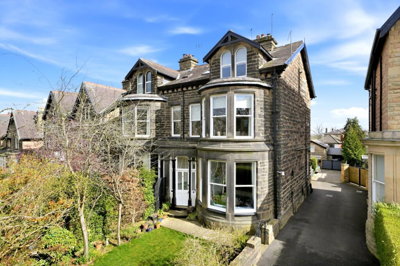
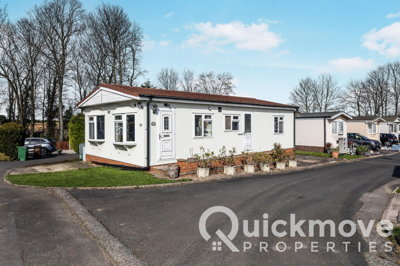
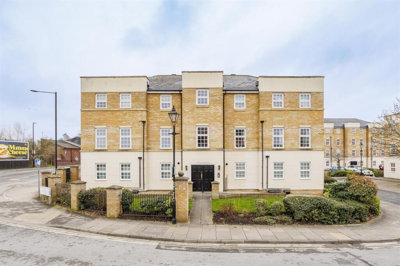
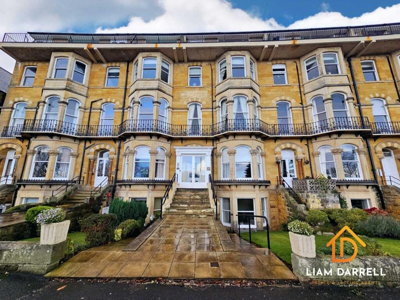
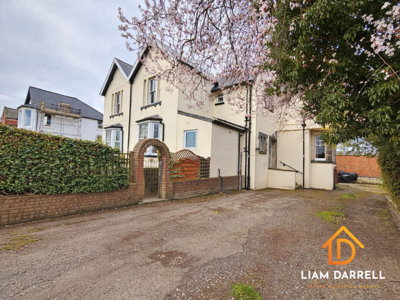
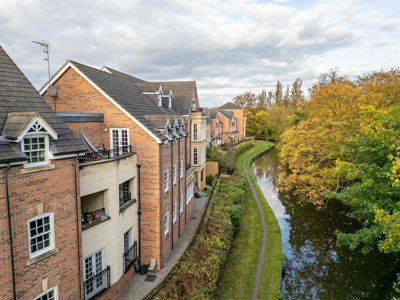
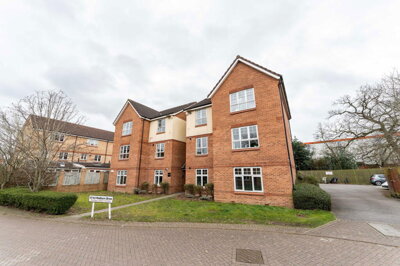
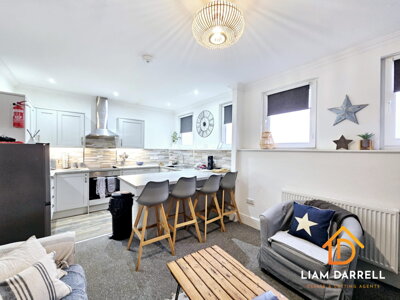
Browse 1,300 homes for sale in North Yorkshire from local estate agents.
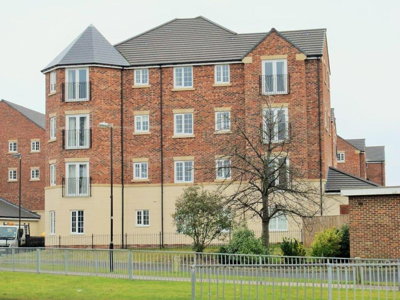
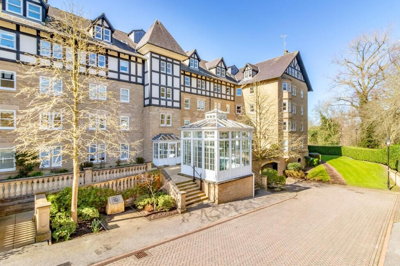
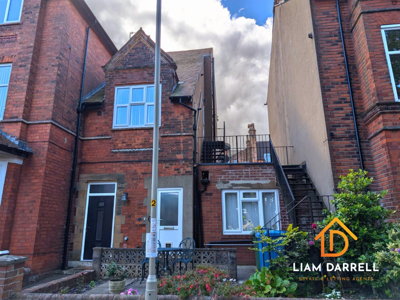
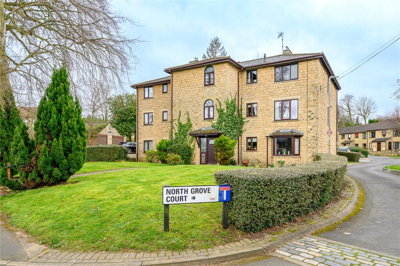
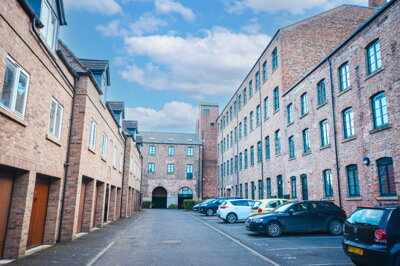
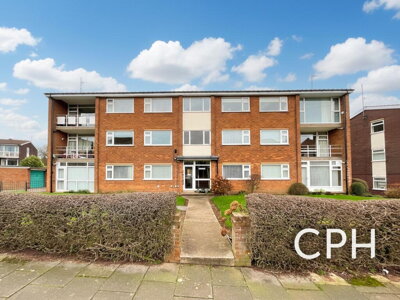
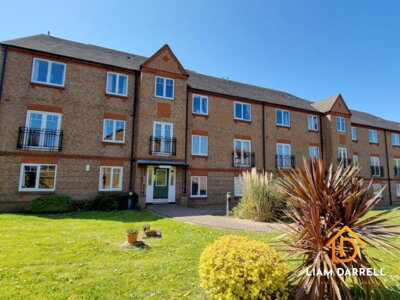
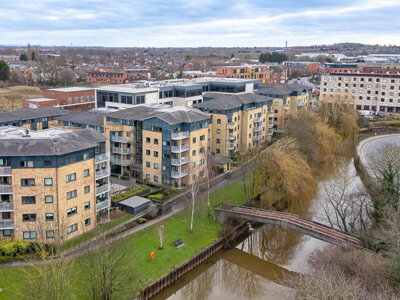
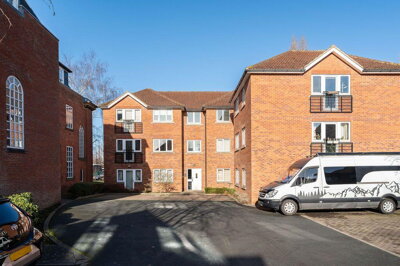
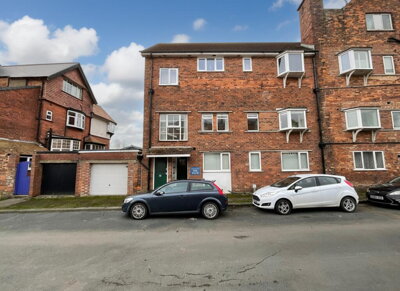
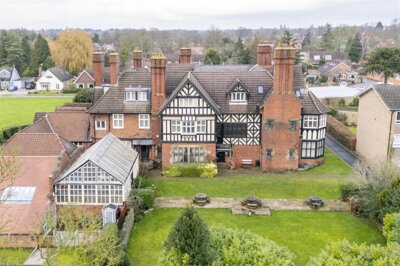
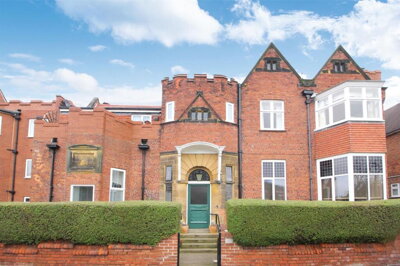
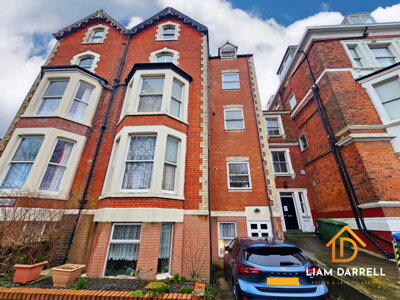
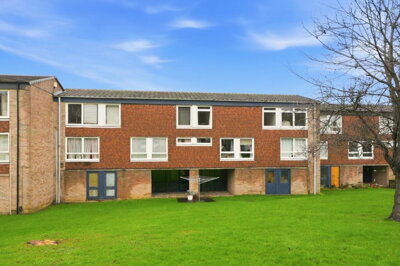
The 2 bed flat sector typically includes two separate bedrooms, dedicated living areas, and bathroom facilities. Properties in North Yorkshire span purpose-built blocks, converted period houses, and modern apartment complexes on various floors.
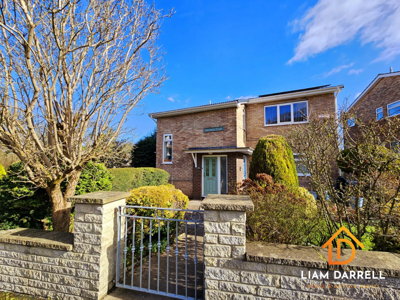
North Yorkshire presents a varied property market shaped by its predominantly rural character and the preferences of its resident population. Detached homes comprise 39.5% of the housing stock, reflecting the county's geography and the strong demand for spacious family living. These properties command an average price of £447,212, though values fluctuate significantly depending on proximity to employment centres and desirable neighbourhoods, with premium locations around Harrogate and York reaching considerably higher figures. Semi-detached properties represent 30% of available homes, offering families an excellent balance of space and affordability at average prices around £265,479.
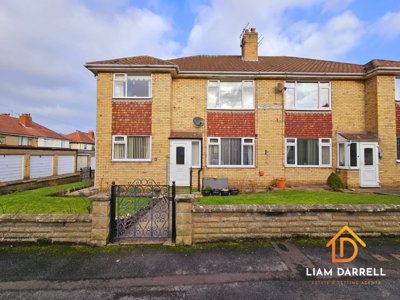
Terraced properties form 19.4% of the housing stock, with flats comprising 10.2%, providing accessible options particularly suited to first-time buyers or those seeking low-maintenance accommodation in towns with strong transport connections. New build activity remains healthy across the county, with several major developers bringing modern homes to market alongside the period properties that define much of North Yorkshire's character. Barratt Homes offers three and four-bedroom properties at Meadow Fields in Boroughbridge from £299,995, while David Wilson Homes presents Salisbury Gardens in York starting from £349,995. For buyers seeking larger family homes, Kings Church by Avant Homes in York provides three, four, and five-bedroom options from £329,995.
Persimmon Homes offers two to five-bedroom homes at The Pastures in Thirsk starting from £219,950, representing one of the most affordable new build options in the county. Taylor Wimpey's Sowerby Gateway scheme delivers three and four-bedroom properties from £265,000 in Sowerby, Thirsk. These new build developments complement the rich variety of period properties that define much of North Yorkshire's character, including Victorian terraces built during the railway era, Georgian townhouses in historic market towns, and traditional stone cottages dating back centuries in Dales villages.

North Yorkshire encompasses approximately 602,300 residents across 269,700 households, creating communities that blend village intimacy with access to comprehensive urban amenities. The county's character transforms dramatically across its geography, from the limestone valleys and pastoral fields of the Yorkshire Dales to the heather-covered moors of the North York Moors National Park. Coastal towns including Whitby, with its historic abbey and cobbled streets, Scarborough with its two bays and castle ruins, and Filey with its promenade and elegant Edwardian architecture offer distinctive seaside living. The Vale of York provides fertile lowlands surrounding the ancient city, while market towns of Harrogate, Richmond, Thirsk, and Malton each possess unique characters shaped by history and geography.
The local economy draws strength from multiple sectors that collectively provide stable employment across the region. Tourism represents a major contributor, particularly in coastal towns and villages within the national parks, supporting hospitality businesses, retail, and related services throughout the year. The public sector, including NHS trusts serving communities across the county, educational institutions from primary schools to universities, and local government administration, provides stable careers for many residents. Manufacturing and engineering pockets exist throughout the county, while digital and creative industries have grown notably in urban centres like York and Harrogate, attracting younger workers seeking careers beyond traditional rural employment. This economic diversity helps maintain housing market resilience, with demand supported by local employment rather than complete dependence on commuter connections to larger cities.
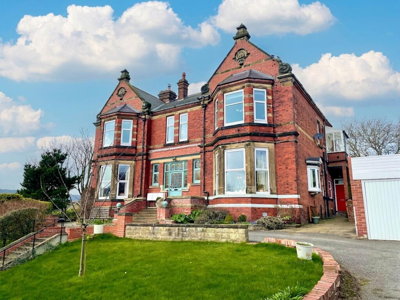
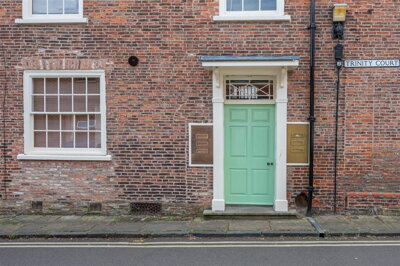
Traditional building materials throughout North Yorkshire reflect the county's varied geology and architectural heritage developed over centuries. In the Dales and moors, local gritstone, sandstone, and limestone dominate, creating the characteristic golden walls that define villages like Grassington, Hawes, and Helmsley. Red brick becomes more prevalent in the Vale of York and surrounding areas, while render finishes appear on properties throughout the county. Roofing materials include traditional slate and distinctive pantiles, with pantiles being particularly characteristic of eastern North Yorkshire where local clay and manufacturing traditions shaped building practices. These materials contribute to the visual cohesion of North Yorkshire's towns and villages, many of which benefit from conservation area designation or high concentrations of listed buildings that preserve their historic character.

North Yorkshire provides an impressive range of educational opportunities, from village primary schools serving tight-knit rural communities to acclaimed secondary schools and further education colleges. The county maintains a strong network of primary schools, many of which receive Good or Outstanding ratings from Ofsted, establishing excellent foundations for young learners across both urban and rural settings. Parents relocating to North Yorkshire frequently cite the quality of state education as a major attraction, noting class sizes that are often smaller than those in metropolitan areas and strong community connections between schools and families. Primary schools in market towns like Richmond, Thirsk, and Knaresborough particularly benefit from historic buildings and established reputations built over generations of service to their communities.
Secondary education in North Yorkshire includes several schools that consistently achieve strong examination results alongside high Ofsted ratings. Grammar schools in towns including Ripon, Harrogate, and York provide academic pathways for students who pass the entrance examinations, though competition for places can be significant given the popularity of these institutions. Many parents factor catchment areas carefully into their property search, as proximity to popular secondary schools affects both house prices and availability in specific neighbourhoods. For families seeking independent education, North Yorkshire hosts several well-established private schools offering both day and boarding provision, with facilities that frequently include extensive grounds, specialist teaching staff, and comprehensive extracurricular programmes.
Beyond school education, North Yorkshire provides further and higher education opportunities that serve local residents and attract students from across the region. York College offers a comprehensive range of vocational and academic courses across many subject areas, while Craven College in Skipton provides specialist provision for land-based industries and rural careers including agriculture, equestrian studies, and environmental management. The University of York and York St John University offer undergraduate and postgraduate programmes, contributing to the cultural vitality of the city while providing graduate employment opportunities within the county. For families considering North Yorkshire as a long-term home, the quality and variety of educational provision represents a significant factor supporting property values and demand across the county.
North Yorkshire's transport connections have improved significantly in recent years, making the county increasingly accessible for commuters while preserving its rural character. York railway station provides direct services to London King's Cross in approximately two hours, placing the capital within comfortable reach for regular business travel. The East Coast Main Line also serves North Yorkshire with stops at Darlington, contributing to the area's connectivity and attracting buyers who need access to major employment centres while preferring North Yorkshire's lifestyle benefits. Leeds, Newcastle, and Sheffield are all accessible within approximately one hour by train, opening employment opportunities across the wider region while allowing residents to enjoy the county's lower cost of living and exceptional quality of life.
Road transport within North Yorkshire centres on the A1(M), which provides dual-carriageway access running north-south through the county, connecting to the M1 motorway at Leeds for access to the national motorway network. The A59 runs east-west across the county, linking Liverpool to York via Preston, Skipton, and York, while the A64 provides an important route from York to the coast at Scarborough and Filey. Local bus services connect towns and villages throughout the county, though frequencies in rural areas may require planning around specific timetables rather than offering all-day availability. For residents of more isolated villages, car ownership remains important for daily convenience, though many find that reduced commuting requirements and home working offset the need for constant car use.
Cycling infrastructure has expanded across North Yorkshire in recent years, with the Tour de France legacy contributing to improved facilities for cyclists throughout the county. National Cycle Network routes traverse the region, providing traffic-free options for recreational cycling and daily commutes where distances allow. The flat terrain of the Vale of York particularly suits cycling, while the more challenging topography of the Dales attracts recreational and sporting cyclists seeking challenging routes through stunning scenery. For commuters to York or Leeds, cycling has become an increasingly viable option as infrastructure improves, with some residents choosing to live slightly further from their workplace in exchange for access to better-value properties while maintaining a manageable cycle commute on favourable days.
North Yorkshire spans a vast area with diverse property markets, from premium locations around Harrogate and York to more affordable options in coastal towns and rural villages. Understanding local price trends, school catchments, and transport connections will help you identify areas matching your priorities and budget.
Before viewing properties, obtain a mortgage agreement in principle from a lender. This demonstrates your purchasing capacity to estate agents and sellers, strengthening your position when making offers. With average property prices at £297,557, most buyers will need mortgage financing, and having finance confirmed early speeds up the purchasing process significantly.
Use Homemove to browse available properties across North Yorkshire, saving listings that match your criteria and arranging viewings through listed estate agents. Take time to assess not just the property condition but also the neighbourhood character, nearby amenities, and commuting options from each location.
Given that over 72% of North Yorkshire properties were built before 1983, a comprehensive RICS Level 2 Survey is essential for identifying potential defects. For a typical three-bedroom house, expect survey costs between £450 and £700, though this investment can save thousands by revealing issues before purchase.
Your solicitor will handle property searches specific to North Yorkshire, including local authority searches, drainage and water enquiries, and environmental searches covering flood risk and mining history. Given the county's varied geology and flood risk areas, these searches provide crucial information about your potential new home.
Once searches are satisfactory and financing is confirmed, you will exchange contracts and pay your deposit. Completion typically follows within four weeks, at which point you will receive your keys and can begin moving into your new North Yorkshire home.
Property buyers in North Yorkshire should pay particular attention to flood risk, given the county's geography and river systems. Properties located on floodplains around York, Tadcaster, and Malton face elevated risk from river flooding, while coastal areas including Whitby, Scarborough, and Filey have additional exposure to tidal flooding and coastal erosion. A RICS Level 2 Survey will assess any signs of previous flooding or water damage, while local knowledge from estate agents and neighbours can provide valuable context about flood history and drainage patterns. Properties in these areas may face higher insurance premiums and may be subject to flood resilience requirements, factors that should be reflected in your offer price and ongoing cost calculations.
The county's conservation areas and high concentration of listed buildings bring both charm and responsibilities for property owners. Many towns and villages, including York, Harrogate, Knaresborough, Richmond, Helmsley, and Whitby, have conservation area designations that restrict permitted development rights and require approval for external alterations. Listed buildings face even more stringent controls, with consent required for changes that might affect their character or structure. These restrictions should be investigated before purchase, particularly if you have plans to extend or alter a period property. The flip side is that these designations help preserve the character and desirability of North Yorkshire's most attractive neighbourhoods, supporting property values over time.
Given North Yorkshire's varied geology, buyers should understand the underlying ground conditions before purchasing. The Vale of York features clay deposits that create shrink-swell risk, potentially affecting foundations during periods of extreme wet or dry weather. Properties in areas with historical coal mining, particularly the former Selby district, may face ground instability risks from old mine workings. Coastal properties south of Whitby and around Filey face ongoing coastal erosion concerns. A thorough survey and appropriate environmental searches will identify these risks, allowing you to make an informed decision and factor any necessary remediation or insurance considerations into your purchase decision.
The average house price in North Yorkshire was £297,557 as of February 2026, based on data from the past twelve months during which 10,637 properties were sold. Property prices vary significantly by type, with detached homes averaging £447,212, semi-detached properties at £265,479, terraced houses at £214,082, and flats at £155,595. Prices have shown a marginal 0.45% decrease over the past year, indicating a stable market despite broader national economic conditions. The county offers exceptional value compared to neighbouring metropolitan areas like Leeds and York, particularly for buyers seeking larger properties or more land than they could afford in urban centres.
Council tax bands in North Yorkshire vary by property and local authority area, as different districts within the county set their own rates. North Yorkshire Council, City of York Council, and other local authorities each administer their own council tax, with bands ranging from A (lowest) to H (highest) depending on the property's assessed value. Prospective buyers can check specific bands through the relevant local authority website or request this information from the seller during the conveyancing process. Typical annual council tax bills for band D properties across North Yorkshire range from around £1,800 to £2,100 depending on the specific local authority area, with the county generally offering lower rates than many metropolitan areas.
North Yorkshire hosts several highly-regarded schools across all educational phases. At primary level, schools in towns including Harrogate, York, Richmond, and Knaresborough frequently achieve Good or Outstanding Ofsted ratings. Secondary options include grammar schools in Ripon, Harrogate, and York for academically-selected students, alongside comprehensive schools with strong reputations in towns throughout the county. York College and Craven College provide excellent further education options, while the University of York and York St John University offer higher education provision within the county. Parents should research specific school catchments and admission criteria, as catchment areas can significantly affect which schools serve a particular property address.
North Yorkshire's public transport network centres on York railway station, which provides fast connections to London (approximately two hours), Leeds, Newcastle, and Edinburgh via the East Coast Main Line. Bus services connect towns and villages throughout the county, though frequencies in rural areas may be limited outside peak hours. The A1(M) and A59 provide key road corridors, while the A64 connects York to coastal destinations. For commuters, areas around York, Harrogate, and Thirsk offer the best rail connections, making these locations particularly popular with workers who travel regularly to major cities. Rural villages may require car ownership for daily convenience, though improved digital connectivity has enabled many residents to work from home, reducing the need for daily commuting.
North Yorkshire offers several factors that make it attractive for property investment. The county's diverse economy provides stable employment across tourism, public services, agriculture, and growing digital sectors. Strong demand from buyers seeking the quality of life the area offers supports prices and rental values, particularly in towns with good transport connections like York, Harrogate, and Thirsk. The variety of property types available, from affordable terraced houses to premium detached homes in sought-after locations, allows investors to target different market segments. However, buyers should be aware of specific risks including flood risk in certain areas, the obligations associated with listed buildings, and the potential for slower capital growth compared to some metropolitan areas. As with any investment, location within the county significantly affects prospects, with areas offering strong transport links and quality schools commanding premium valuations.
Stamp Duty Land Tax (SDLT) rates for 2024-25 apply to all property purchases in North Yorkshire. Standard rates charge 0% on the first £250,000, 5% on the portion from £250,001 to £925,000, 10% on £925,001 to £1.5 million, and 12% on any amount above £1.5 million. First-time buyers benefit from relief on the first £425,000, with 5% charged between £425,001 and £625,000 (no relief above £625,000). For a typical North Yorkshire property at the average price of £297,557, a standard buyer would pay no stamp duty, while first-time buyers would pay nothing as the entire amount falls within the zero-rate threshold. Higher-value purchases would incur correspondingly higher SDLT costs.
From 4.5% APR
Compare mortgage deals and find the best rate for your North Yorkshire home
From £499
Expert property solicitors to handle your North Yorkshire purchase
From £450
Professional survey to identify defects before purchase
From £80
Energy performance certificate for your North Yorkshire property
Understanding the full costs of buying property in North Yorkshire helps you budget accurately and avoid surprises during the purchasing process. Beyond the property price, buyers should account for Stamp Duty Land Tax, solicitor fees, survey costs, and various other charges that together can add several thousand pounds to the total outlay. The good news for many buyers is that North Yorkshire's average property price of £297,557 falls below the standard SDLT threshold, meaning many purchases incur no stamp duty at all. First-time buyers purchasing at or below this price point can proceed without any SDLT liability, making North Yorkshire an attractive option for those entering the property market for the first time.
Solicitor and conveyancing costs for a North Yorkshire property typically range from £500 to £1,500 depending on the complexity of the transaction and the property value. These fees cover the legal work necessary to transfer ownership, including title investigations, contract preparation, and registration at HM Land Registry. Additional search costs specific to North Yorkshire include local authority searches, which reveal planning history and conservation area designations affecting the property, drainage and water searches confirming utility connections, and environmental searches assessing flood risk, ground stability, and potential contamination from historical land uses. Given North Yorkshire's varied geology and presence of historical mining in some areas, environmental and ground stability searches are particularly important investments that can reveal issues affecting a property's long-term value or habitability.
Survey costs represent another important budget item, with RICS Level 2 Surveys for typical three-bedroom North Yorkshire properties ranging from £450 to £700. Given that approximately 72% of properties in North Yorkshire were built before 1983, and many contain traditional construction methods including solid walls and period features, a thorough survey is valuable for identifying defects that might not be apparent during a standard viewing. For larger properties, those with unusual construction, or listed buildings, a more detailed RICS Level 3 Building Survey may be appropriate despite the higher cost. Other costs to budget include removal expenses, mortgage arrangement fees if applicable, and potentially some immediate post-purchase expenditure on furniture, appliances, or minor repairs if the property requires any attention.
Properties for Sale In London

Properties for Sale In Plymouth

Properties for Sale In Liverpool

Properties for Sale In Glasgow

Properties for Sale In Sheffield

Properties for Sale In Edinburgh

Properties for Sale In Coventry

Properties for Sale In Bradford

Properties for Sale In Manchester

Properties for Sale In Birmingham

Properties for Sale In Bristol

Properties for Sale In Oxford

Properties for Sale In Leicester

Properties for Sale In Newcastle

Properties for Sale In Leeds

Properties for Sale In Southampton

Properties for Sale In Cardiff

Properties for Sale In Nottingham

Properties for Sale In Norwich

Properties for Sale In Brighton

Properties for Sale In Derby

Properties for Sale In Portsmouth

Properties for Sale In Northampton

Properties for Sale In Milton Keynes

Properties for Sale In Bournemouth

Properties for Sale In Bolton

Properties for Sale In Swansea

Properties for Sale In Swindon

Properties for Sale In Peterborough

Properties for Sale In Wolverhampton

Enter your details to see if this property is within your budget.
Loans, cards, car finance
Estimated property budget
Borrowing + deposit
You could borrow between
Typical borrowing
Monthly repayment
Est. at 4.5%
Loan-to-value
This is an estimate only. Your actual budget may vary depending on interest rates, credit history, and personal circumstances. For an accurate affordability assessment, speak to one of our free mortgage advisors.
This calculator provides estimates for illustrative purposes only and does not constitute financial advice. Your home may be repossessed if you do not keep up repayments on your mortgage. Estimates based on 4.5% interest rate, repayment mortgage. Actual rates depend on your circumstances.
Homemove is a trading name of HM Haus Group Ltd (Company No. 13873779, registered in England & Wales). Homemove Mortgages Ltd (Company No. 15947693) is an Appointed Representative of TMG Direct Limited, trading as TMG Mortgage Network, which is authorised and regulated by the Financial Conduct Authority (FRN 786245). Homemove Mortgages Ltd is entered on the FCA Register as an Appointed Representative (FRN 1022429). You can check registrations at NewRegister or by calling 0800 111 6768.

We use cookies to show you personalised content and improve your experience of our website. Find out more in our Privacy policy and Cookie policy.