Pick the right path and we'll point you to the next step.
I'm the homeowner
Track this property, get market updates, and list it on Home when you're ready to sell or let.
I'm an estate agent
Claim your branch on Home.co.uk, list your properties for free, and reach buyers actively searching your area.

From riverside apartments to country cottages, search hundreds of thousands of properties for sale, to rent, and recently sold, all enriched with three decades of market data.
Browse 179 homes for sale in Leicester, England from local estate agents.
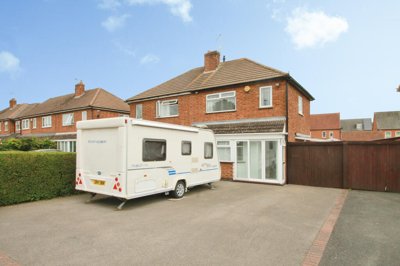
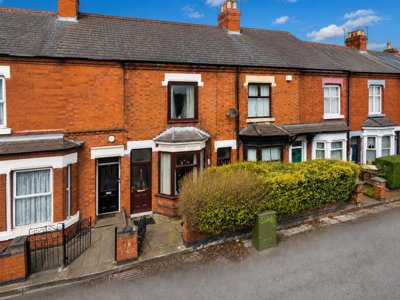
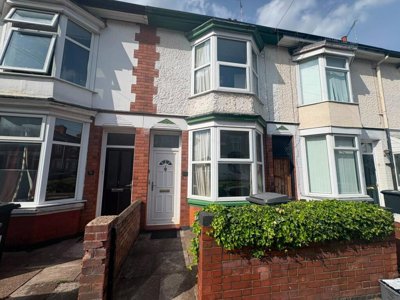
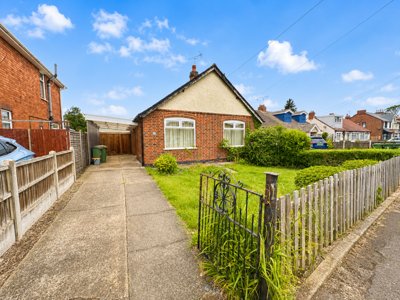
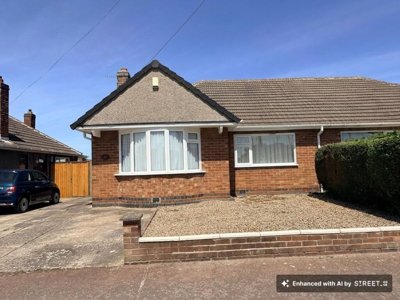
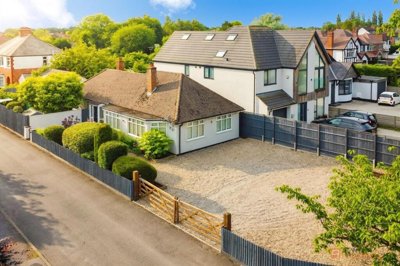
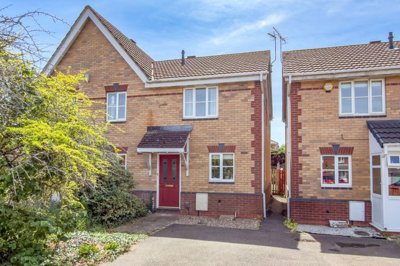
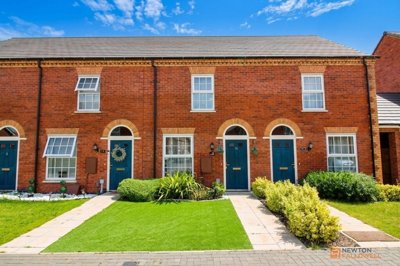
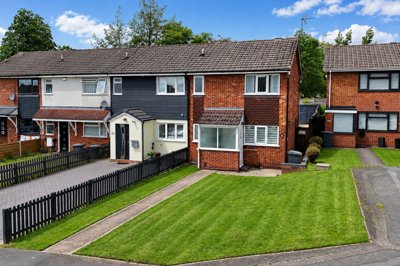
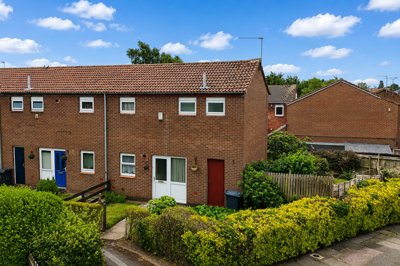
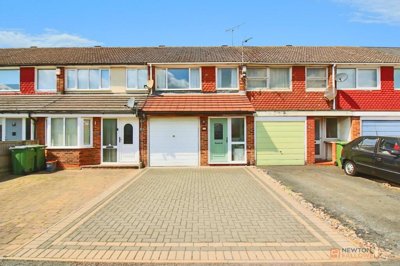
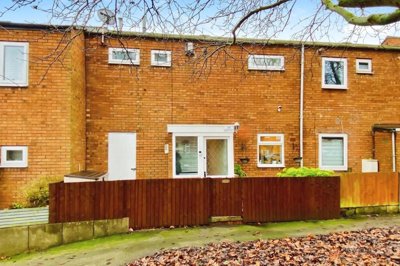
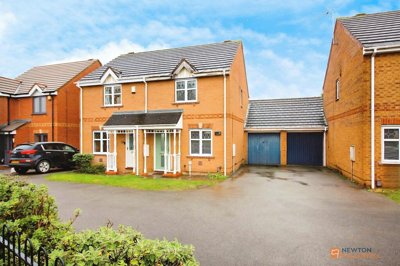
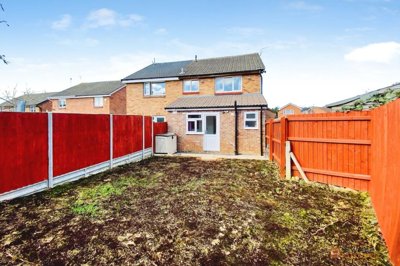
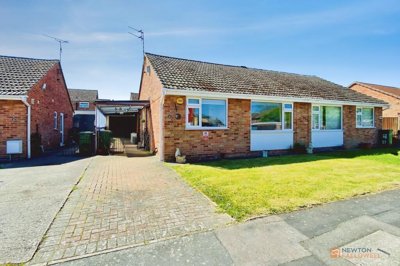
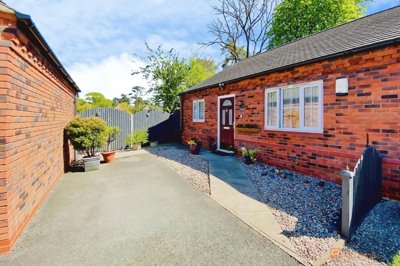
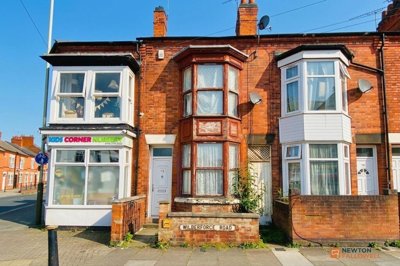
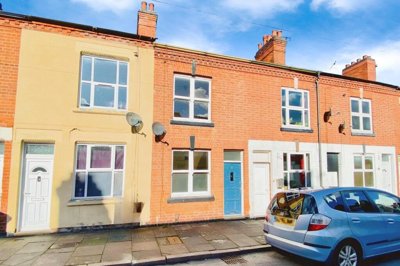
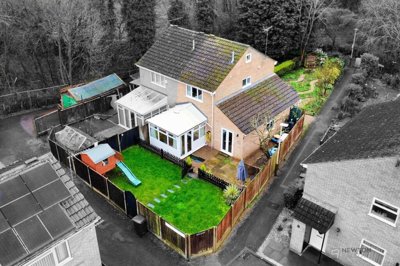
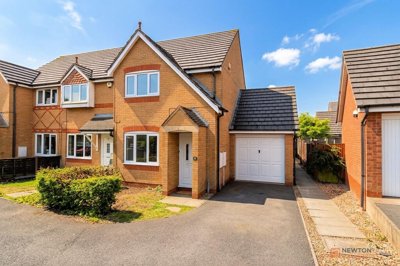
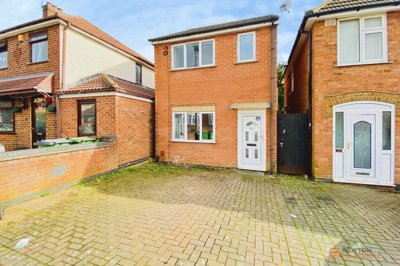
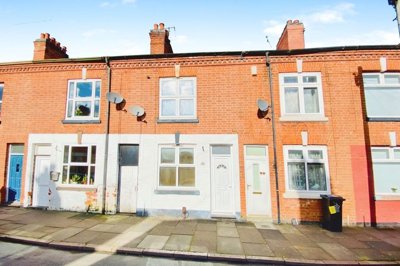
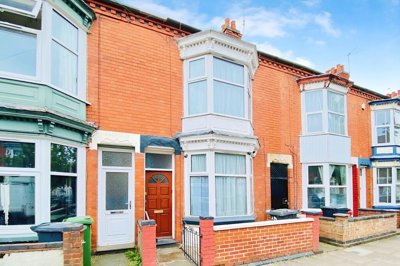
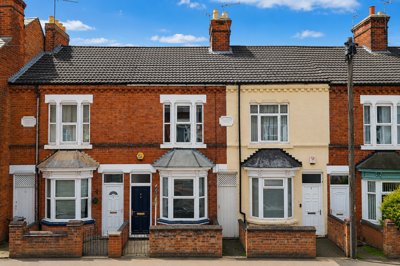
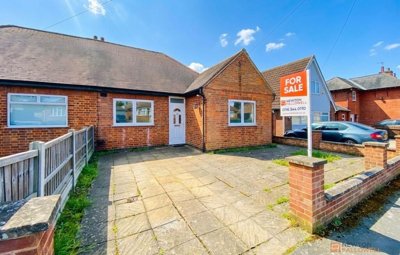
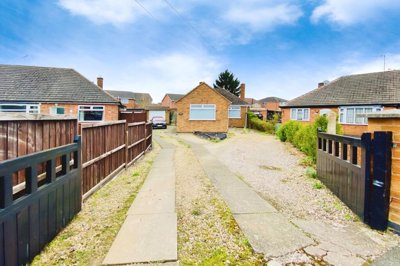
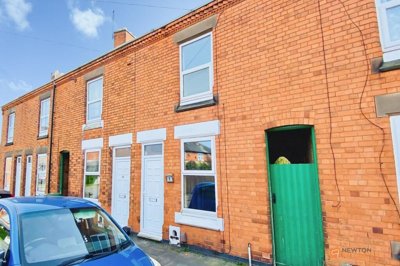
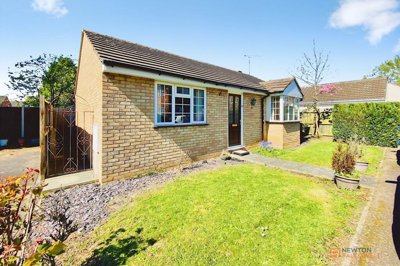
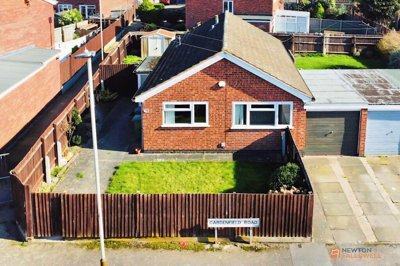
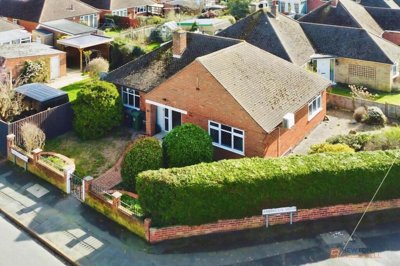
The 2 bed house market features detached, semi-detached, and terraced properties with two separate bedrooms plus living spaces. Properties in Leicester range from Victorian and Edwardian period homes to modern new builds, with pricing varying across different neighbourhoods.
£200k
212
8
106
Source: home.co.uk
Showing 212 results for 2 Bedroom Houses for sale in Leicester, England. 8 new listings added this week. The median asking price is £199,950.
Source: home.co.uk
Terraced
161 listings
Avg £193,314
Semi-Detached
47 listings
Avg £222,594
Detached
4 listings
Avg £260,000
Source: home.co.uk
Source: home.co.uk
Across Leicester, homedata.co.uk records a busy market that still looks balanced, with 11,497 sales completed over the last year. Semi-detached homes accounted for 4,114 sales. Detached houses followed on 3,904, with 2,764 terraced homes and 715 flats. To us, that split points to a city where buyers still want space and gardens, even though smaller homes continue to matter for commuters, investors and downsizers. Newly built homes were 595 sales, or 5.2% of the total, so most activity is still coming from older stock and established streets.
Prices shift a lot depending on the property type, which gives buyers a fairly wide spread to work with. homedata.co.uk puts detached homes at £380,000, semi-detached homes at £260,000, terraced homes at £205,000 and flats at £141,000. The overall average is £226,000. That keeps much of Leicester within reach for many first-time buyers, although larger family homes in stronger neighbourhoods can move far past that level. Compared with many southern cities, we often find buyers get more internal space here for a lower starting price.
What drives Leicester is everyday demand, not hype. University staff, NHS workers, retail employees and logistics teams keep buyers and renters moving through the market, and students add pressure around smaller homes and central flats. We also see the city’s staying power in its range of stock rather than in one dominant type. Terraced streets are here. So are suburban semis, bigger detached plots and a modest number of new-build homes.

Leicester has its own shape and history, with the historic core, the universities and its role as an East Midlands hub all feeding into the housing market. Much of the stock is traditional brick, and red brick terraces or semis turn up again and again in older districts near the centre. The city sits on Mercia Mudstone, so clay soils are part of the local ground conditions and can bring moderate to high shrink-swell risk for older homes. That matters. Where foundations are shallow, or mature trees sit close by, movement, cracking and drainage problems can be more common.
Day-to-day demand in Leicester comes from a broad employment base. The University of Leicester and De Montfort University bring in students, academics and steady rental demand. Leicester Royal Infirmary, Glenfield Hospital and Leicester General Hospital support thousands of healthcare jobs. Highcross adds to the pull of the centre, along with nearby commercial areas. Logistics, manufacturing and public sector work matter too, which means the city is not leaning on one trade alone.
Move around Leicester and the tone changes quickly. New Walk is quieter, with Georgian buildings and listed architecture. Old Town puts you near the cathedral and older streets. Stoneygate is known for Victorian and Edwardian villas, while the High Street and Market Place area still carries the old commercial centre. Green spaces and river corridors break things up, and parks or local centres help with daily routines. Leicester feels urban, though still rooted in recognisable neighbourhoods.
For families, the search usually begins with travel time, catchment lines and the next stage of schooling. Leicester has a wide spread of primary and secondary schools, then further education and university choices for older children. University of Leicester and De Montfort University are the obvious names at that stage. Leicester College adds another post-16 and vocational route. We find that mix supports owner-occupiers as well as landlords, particularly in central districts and other well-connected parts of the city.
School catchments can change the feel of a road very quickly, so planning ahead matters. Buyers often look for access to several local primaries, reputable secondaries and a school run that works in practice, rather than pinning everything on one prospectus name. In Leicester, family searches often focus on western districts, southern areas and the inner suburbs because they combine housing choice with day-to-day convenience. If school quality is near the top of your list, we would check the latest admissions maps and Ofsted reports before booking viewings.
Higher and further education shape the housing market here in a fairly direct way. Students support demand for smaller flats and shared houses near the campuses. Staff and postgraduates often look instead for better terraces or apartments with good access to transport links. That is one reason Leicester carries such a varied mix of property types over short distances. For resale, we usually see value in areas that combine school access with a broad educational offer.

For commuters, Leicester sits in a useful spot without London-level pricing. Leicester station links the city with London St Pancras and other major destinations, and the road network gives direct access to the M1, the A6 and the A46. That suits people dividing the week between office time, home working and travel around the East Midlands. Drivers should still test likely routes at peak times, because roads near the station and the shopping areas can clog up.
Many households in Leicester can manage without a second car, especially near the centre or along the main bus corridors. Buses connect residential areas with the universities, the hospitals and the main shopping zones, which helps with commuting and daily errands. Cycling has a place as well, particularly where routes are flatter and journeys are short. There is a trade-off, though. Terraces close to the centre can have tighter parking, so we would check on-street space and permit rules before buying.
Often it comes down to flexibility. Buyers who want quick access to the ring road, motorway routes or Leicester station may favour the inner suburbs and better-connected western or southern parts of the city. Others are happier with a longer commute if it means a quieter street, easier parking and a larger plot. Leicester gives room for both approaches, which is helpful for office-based buyers and for those on hybrid schedules.
Start with the numbers. We always suggest fixing a clear budget and getting a mortgage agreement in principle before arranging viewings. Leicester covers a broad price range, and that early step makes it easier to focus on the streets and property types that actually fit.
Next, decide what sort of setting suits you. That could mean central convenience, a family suburb, or a period area such as Stoneygate or New Walk. From there, shortlist roads by commute time, school access, parking and flood risk.
Good homes in Leicester do not always sit around for long, especially tidy terraces and family semis. Viewings help, but timing matters too. We recommend seeing a property at different times of day so you can judge traffic, parking and noise for yourself.
After that, the survey choice matters. A RICS Level 2 Survey is usually the sensible option for standard homes, while older properties or altered buildings may need a more detailed look. Leicester’s clay soils, older brick housing and mixed roof lines mean roof defects and movement issues are worth checking carefully.
Once an offer is accepted, we would bring in a conveyancer to deal with searches, enquiries and the contract pack. In Leicester, leasehold flats can need extra attention. The same goes for homes in conservation areas, and for any address where local flood risk may need closer checking.
With the mortgage offer in place and your solicitor satisfied, the next step is to exchange contracts and agree a completion date. Keep the money ready early. Deposit funds, legal fees, survey costs and removal expenses all need to be covered so the last stage does not become a scramble.
Ground movement is one of the main things we watch for in older Leicester homes. Mercia Mudstone and local clay soils can expand or shrink as the weather changes, so cracks, sloping floors and repeat repairs deserve proper attention, especially where mature trees stand close to the building. Subsidence and heave are not inevitable. Still, they appear often enough across the city to justify a careful survey. On a pre-war terrace, or a house with a history of movement, the report needs reading closely.
Flood risk is another point to check early. The River Soar runs through Leicester, and homes near its banks or on lower floodplains can face river flooding or surface water issues in heavy rain. Abbey Meadows, Frog Island and parts of Aylestone are all places where we would want to see detailed flood maps and clear seller disclosures. On a viewing, keep it practical. Look at drainage, guttering, damp marks and the state of the external brickwork.
Some Leicester addresses come with extra planning constraints. New Walk, Old Town, Stoneygate and the High Street/Market Place area all include conservation areas or concentrations of listed buildings, which can limit later changes, especially to windows, roof alterations and external finishes. Flats need careful reading too, because service charges, ground rent and lease length can all shift the long-term cost of ownership. Where roofs are older and upper elevations are hard to inspect, our surveyors may suggest a drone roof survey to spot slipped tiles, damaged flashing or chimney defects without paying for scaffolding.
In December 2025, homedata.co.uk records an average Leicester house price of £226,000, which was 1.4% lower than December 2024. That figure sits below many detached family homes, but above plenty of flats and smaller terraces. Detached properties averaged £380,000. Semi-detached homes averaged £260,000, terraced homes £205,000 and flats £141,000. For buyers, that range opens up quite a few budget levels, depending on the property type they target.
Leicester properties fall within Leicester City Council, and the council tax bands run from A to H, as they do across England. The exact band comes back to the home’s valuation date and the property type, so two nearby houses can end up in different bands. Smaller terraces and flats are often in the lower bands. Larger detached homes usually sit higher. We would always check the exact address before setting a budget because council tax changes the monthly cost of ownership.
There is no single answer on schools, because the right choice depends on catchment, age group and which part of Leicester you plan to live in. The city has a wide mix of primary and secondary schools, with Leicester College, the University of Leicester and De Montfort University covering older pupils and students. Many families look first at local primaries, the admissions map and how the school run works in real life. Before making an offer, check the latest Ofsted reports and catchment rules.
Leicester is easy to move around for a city of this size. Leicester station provides direct rail services to London St Pancras and other major destinations, while buses connect the centre with the universities, the hospitals and residential districts. Road travel is strong as well, thanks to the M1, A6 and A46. If commuting is part of the plan, we would test how easily the exact street reaches the station or a dependable bus route.
For investors, Leicester can make sense because the tenant base is varied and employment demand is steady. Universities, hospitals, retail, logistics and public sector work all support different parts of the market, from central flats to family terraces. homedata.co.uk also records 11,497 transactions over the last year, with 595 new-build sales, so this is an active market rather than a thin one. Even so, we would still weigh rental demand against service charges, maintenance costs and any leasehold terms before buying for yield.
Stamp duty is set by the purchase price, not by Leicester itself, so buyers here follow the national SDLT rules. For standard buyers in 2024-25, the rates are 0% up to £250,000, then 5% from £250,000 to £925,000, 10% from £925,000 to £1.5 million and 12% above £1.5 million. First-time buyers pay 0% up to £425,000 and 5% from £425,000 to £625,000, with no relief above £625,000. On the Leicester average of £226,000, many purchases will not attract stamp duty unless the home is priced higher.
Sales in Leicester are spread across several types, though semis, detached houses and terraces still account for most of the market. homedata.co.uk shows 4,114 semi-detached sales, 3,904 detached sales and 2,764 terraced sales over the last year. Flats made up 715 sales. That leaves the city tilted towards family housing, while flats and central apartments still serve first-time buyers, students and downsizers. We think the range is one of Leicester’s strengths, especially compared with suburbs that mostly offer one style of stock.
New-build homes are present in Leicester, but they are not the main story. homedata.co.uk shows 595 newly built properties sold in the last year, equal to 5.2% of total sales. In practice, that means most buyers will come across more older terraces, semis and detached homes than brand-new plots. Anyone set on a new-build purchase should be ready to move quickly and check what is genuinely available in the part of the city they want.
It helps to plan buying costs alongside the deposit, because the asking price is only one part of what you will spend. For standard buyers in 2024-25, SDLT is 0% up to £250,000, 5% on the slice from £250,000 to £925,000, 10% from £925,000 to £1.5 million and 12% above £1.5 million. First-time buyers have relief up to £425,000, then pay 5% on the portion from £425,000 to £625,000, with no relief above £625,000. With Leicester’s average price at £226,000, many ordinary purchases still fall below the main SDLT threshold.
The rest of the budget needs its own line. Legal fees, searches, survey costs, mortgage fees and moving expenses all add up. A conveyancing quote from £499 and a RICS Level 2 Survey from £350 are useful planning figures, while mortgage costs depend on the lender and product. Flats may also bring service charges or ground rent, which can lift the monthly outgoings more than buyers expect. Before committing, we would total the upfront cost and the monthly cost so the property works in real terms, not just on paper.
Properties for Sale In London

Properties for Sale In Plymouth

Properties for Sale In Liverpool

Properties for Sale In Glasgow

Properties for Sale In Sheffield

Properties for Sale In Edinburgh

Properties for Sale In Coventry

Properties for Sale In Bradford

Properties for Sale In Manchester

Properties for Sale In Birmingham

Properties for Sale In Bristol

Properties for Sale In Oxford

Properties for Sale In Leicester

Properties for Sale In Newcastle

Properties for Sale In Leeds

Properties for Sale In Southampton

Properties for Sale In Cardiff

Properties for Sale In Nottingham

Properties for Sale In Norwich

Properties for Sale In Brighton

Properties for Sale In Derby

Properties for Sale In Portsmouth

Properties for Sale In Northampton

Properties for Sale In Milton Keynes

Properties for Sale In Bournemouth

Properties for Sale In Bolton

Properties for Sale In Swansea

Properties for Sale In Swindon

Properties for Sale In Peterborough

Properties for Sale In Wolverhampton

Enter your details to see if this property is within your budget.
Loans, cards, car finance
Estimated property budget
Borrowing + deposit
You could borrow between
Typical borrowing
Monthly repayment
Est. at 4.5%
Loan-to-value
This is an estimate only. Your actual budget may vary depending on interest rates, credit history, and personal circumstances. For an accurate affordability assessment, speak to one of our free mortgage advisors.
This calculator provides estimates for illustrative purposes only and does not constitute financial advice. Your home may be repossessed if you do not keep up repayments on your mortgage. Estimates based on 4.5% interest rate, repayment mortgage. Actual rates depend on your circumstances.
Homemove is a trading name of HM Haus Group Ltd (Company No. 13873779, registered in England & Wales). Homemove Mortgages Ltd (Company No. 15947693) is an Appointed Representative of TMG Direct Limited, trading as TMG Mortgage Network, which is authorised and regulated by the Financial Conduct Authority (FRN 786245). Homemove Mortgages Ltd is entered on the FCA Register as an Appointed Representative (FRN 1022429). You can check registrations at NewRegister or by calling 0800 111 6768.

We use cookies to show you personalised content and improve your experience of our website. Find out more in our Privacy policy and Cookie policy.