Pick the right path and we'll point you to the next step.
I'm the homeowner
Track this property, get market updates, and list it on Home when you're ready to sell or let.
I'm an estate agent
Claim your branch on Home.co.uk, list your properties for free, and reach buyers actively searching your area.

From riverside apartments to country cottages, search hundreds of thousands of properties for sale, to rent, and recently sold, all enriched with three decades of market data.
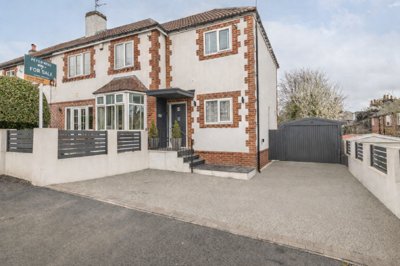
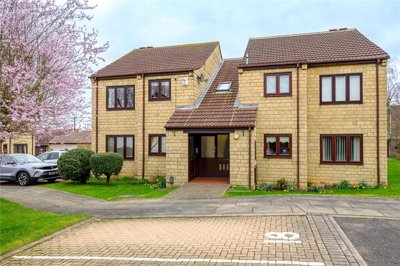
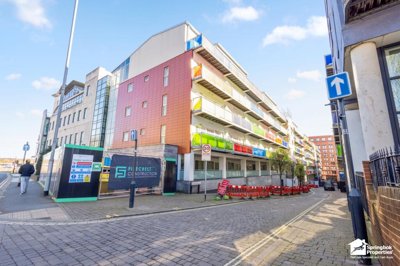
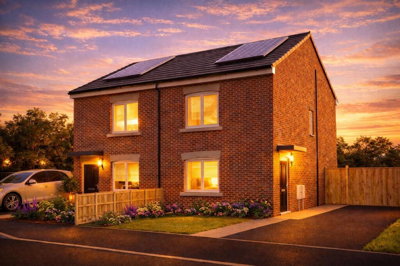
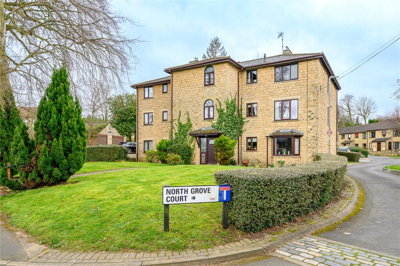
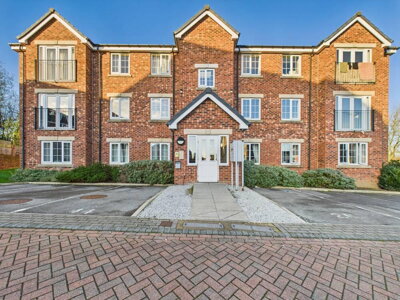
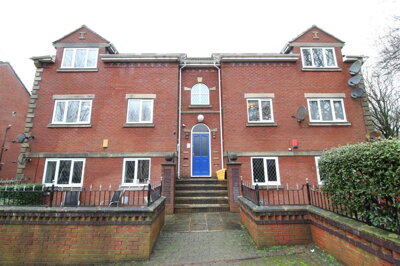
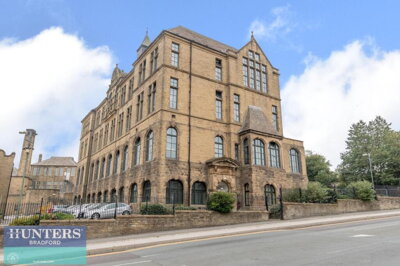
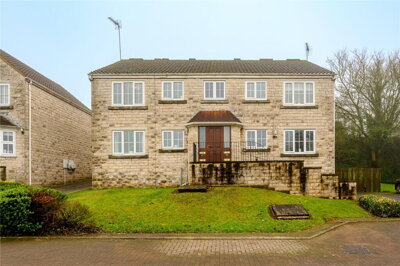
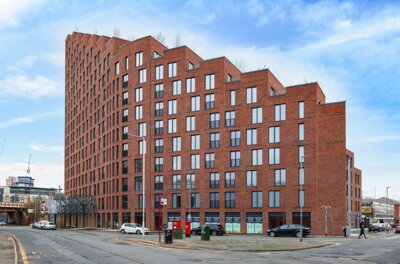
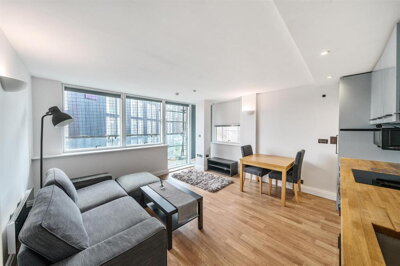
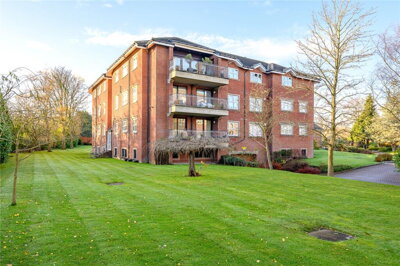
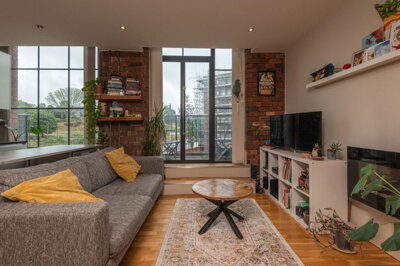
Browse 43 homes for sale in Leeds, West Yorkshire from local estate agents.
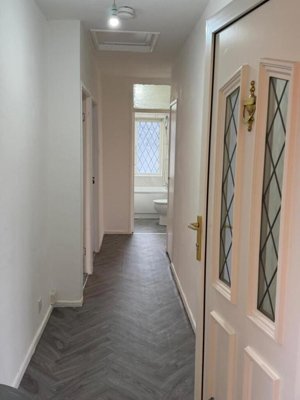
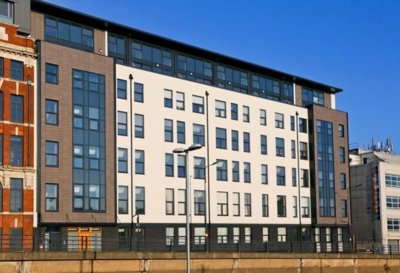
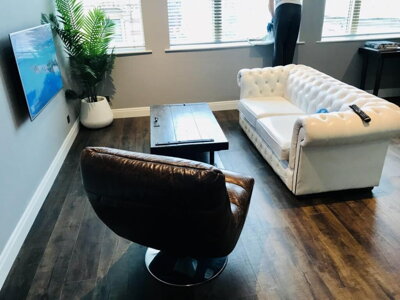
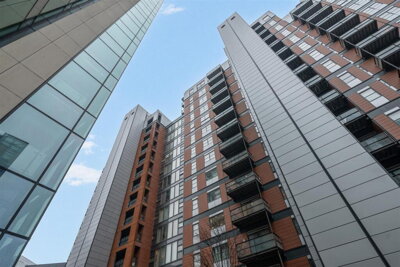
Studio apartments feature open-plan living spaces without separate bedrooms, incorporating sleeping, living, kitchen, and bathroom facilities. The Leeds studio market includes properties in modern apartment complexes, converted Victorian and Georgian buildings, and purpose-built developments.
£150k
455
23
152
Source: home.co.uk
Showing 455 results for Studio Flats for sale in Leeds, West Yorkshire. 23 new listings added this week. The median asking price is £150,000.
Source: home.co.uk
Flat
455 listings
Avg £174,521
Source: home.co.uk
Source: home.co.uk
Leeds is still one of the busiest markets in West Yorkshire, but the latest sold data points to a city holding steady rather than racing ahead. homedata.co.uk records prices at a level similar to the previous year and roughly 4% above the 2022 peak of £275,464. On the asking side, home.co.uk shows a 1.9% softening over the past six months, which can give buyers more room to negotiate. We would read that as steady demand, not a boom-bust swing, so well-presented homes can still move quickly, especially where only light updating is needed.
In Leeds, the property type can change the numbers just as much as the postcode. Over the last 12 months, detached homes averaged £491,340, semis £286,643, terraces £221,266 and flats £194,977 on the local sold data. New supply is part of the picture too, with 504 homes planned at New Foundry Square and 1,012 proposed at Leeds Urban Village. One Residences is marketing apartments from £165,000, which keeps central living within reach for some people buying their first home. If lower-maintenance stock is on your list, we would keep an eye on those schemes.

The centre of Leeds feels dense and urban, though quiet streets and greener edges are never far away. It has a population of 812,000 and about 362,780 households, which gives buyers plenty of choice without wiping out local identity. Owner occupation sits at 57.6%. Private renting is 21.8%, and social renting is 20.4%. That spread helps explain why one area might be full of long-held terraces, while the next has investment flats or larger social housing estates. Leeds also records the highest share of flats in West Yorkshire at 17.5%, useful if you want lower-maintenance living near transport.
Much of Leeds is still shaped by older housing, especially the pre-1919 back-to-back stock, which still totals about 19,500. Historic streets are mostly brick. Newer schemes add loft-style apartments, modern apartments and energy-efficient houses. Around that, green spaces, waterfront paths and regenerated districts change the feel from one part of the city to the next. We find that this suits movers who want work and leisure within easy reach of the centre, while still having open-air routes nearby. Practical in the week, more animated at the weekend.
For families looking at homes for sale in Leeds, the postcode usually comes first because school catchments can shift quickly across the city. Leeds has a wide range of primaries and secondaries, with academies, faith schools and independent options in the mix, plus sixth forms and further education routes across the district. Because the city is so large, there is rarely one standout school choice for everyone. Ofsted reports, admissions rules and recent results tend to matter more than broad reputation. We would shortlist homes only after checking which schools are tied to each street, especially where bus routes or a manageable school run could shape daily life.
For older children, Leeds has a wider education offer, and that can cut down the need for long daily travel. We often find the better-value homes sit just outside the most obvious catchments, where prices are sometimes less stretched. Leeds also has a relatively high share of renters and flats, so some neighbourhoods turn over more quickly, while others keep family households for years. That can affect school places. It can also change after-school routines and the feel of the street. Before you make an offer, check the admissions maps and think beyond the first term.

Leeds station is the main commuter point for the city, with direct trains across Yorkshire and farther afield. Daily journeys often focus on York, Sheffield and Manchester, and London is still reachable on direct intercity services in roughly 2 hours. By road, the M621 links into the M1 and M62, while the A64 and A61 help drivers move through Leeds and out towards neighbouring towns. We see that network as one of the reasons the city works for buyers splitting time between home, office and regional travel. Cycle routes are expanding too, although some central streets feel busier in practice than they look on a map.
Across Leeds, bus coverage is broad, especially between the centre, the inner suburbs and the university areas. Parking is another matter. In the most in-demand central streets, spaces can be tight, so it is worth checking permit rules, driveway space and visitor parking before you commit. Flats near Leeds station can work well for commuters who travel light. Family homes farther out are often a better fit if you need a garage or a second car. The right spot depends on how often you drive, and how close you want to be to rail or bus services. We always think a rush-hour practice run tells you more than a postcode by itself.
We would compare city-centre apartments with terrace streets and suburban family homes, then check schools, parking, flood risk and commute times before booking viewings.
Before you go too far, we would secure a mortgage agreement in principle, set the deposit budget and decide whether the search is for a flat, a new build or an older house.
Try each area at different times of day. Test the route to work as well. We would pay close attention to noise, light, parking and what the street feels like in real use.
In Leeds, a RICS Level 2 Survey is a sensible step for older homes because it can pick up defects early. Even on new builds, it adds reassurance where snagging is a concern.
We would choose a conveyancer early. That gives title checks, searches and enquiries a better chance of moving without slowing the purchase.
Once an offer is agreed, we would only move on to exchange when the finance is in place, the legal checks are satisfactory and the property's condition is clear.
Flood checks matter in Leeds. The city has had serious river and surface-water events, including the 2015 Boxing Day floods. The Strategic Flood Risk Assessment covers river, surface water, sewer and groundwater risk, so we would look past the postcode and check the exact plot instead. Homes near the Aire, the Wharfe and lower-lying drainage routes need extra scrutiny, particularly where the seller has insurance history or signs of damp. Newer flood defences help, but they do not remove the need for a proper search. A surveyor can also spot drainage or ground-level issues that are easy to miss on a first visit.
Older Leeds homes often bring traditional brickwork, narrower layouts and the odd maintenance surprise, especially in pre-1919 back-to-backs. With a flat, we would check lease length, service charges, ground rent and repair responsibilities before getting too far in. New-build homes need care as well. Snagging checks can still uncover poor plastering, misaligned joinery, cracked tiles or weak sealing in recent developments. In historic streets, planning rules and conservation controls may also affect extensions, window changes or loft conversions. The asking price matters, of course, but the better purchase is the one that suits both the building and the street.
Across Leeds, homedata.co.uk records an average house price of £286,055 over the last year, while the Leeds city median stands at £210,000. Property type makes a big difference to where a home sits in the market. In the same sold-data set, detached homes averaged £491,340 and terraces averaged £221,266. That leaves several different entry points, depending on budget and the part of Leeds you want to target.
Homes in Leeds can fall into any standard council tax band from A to H, depending on type and value. Leeds City Council sets the charge, but the exact band comes down to the individual property, not simply the street name. Smaller terraces and many flats often sit lower. Larger detached homes can be much higher. We would always check both the listing and the council record before an offer goes in.
The strongest school option often comes down to the exact postcode, since catchments move across Leeds. The city has a broad mix of primaries and secondaries, alongside academies, faith schools, sixth forms and further education routes. That is why we would compare Ofsted reports with admissions maps rather than rely on general reputation. Some neighbourhoods also work better than others for bus travel or a shorter school run. If schooling is the main priority, it makes sense to shortlist homes only after checking the rules for each address.
For rail and road travel, Leeds is one of the better-connected cities in the North. Leeds station has direct trains to York, Sheffield, Manchester and London. Drivers rely on the M621, M1, M62, A64 and A61 to get around the city and out of it. Bus routes are also strong in the centre and inner suburbs, which helps both commuters and students. Parking is tighter in the core, so we would treat access as part of the main decision, not something to think about later.
For investors, Leeds has several points in its favour, including a large population, strong employment sectors and steady housing demand. homedata.co.uk records 9,191 property sales in the last 12 months. Over the same period, home.co.uk shows asking prices dipping by 1.9% across six months, which may open up negotiation room. Depending on the location, flats, terraces or newer apartments can each suit a different rental plan. As ever, the outcome depends on the exact spot, the condition, the service charges and the depth of tenant demand.
In 2024-25, stamp duty for most buyers is 0% up to £250,000, then 5% from £250,000 to £925,000, 10% from £925,000 to £1.5 million and 12% above that. For people buying their first home, the rates are 0% up to £425,000 and 5% from £425,000 to £625,000, with no relief above £625,000. On a typical Leeds home at £286,055, a standard buyer would pay about £1,802.75. At the same £286,055 price, someone buying their first home would pay no stamp duty under the current rules.
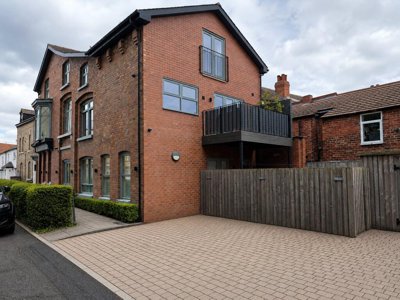
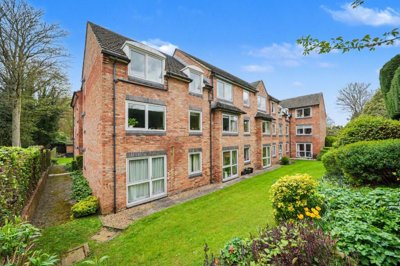
Leeds has a broad housing mix, from central apartments to older terraces and family semis. It also has the highest share of flats in West Yorkshire, which makes lower-maintenance living easier to find near transport and major employment areas. In many districts, older brick housing is still common, especially where the stock dates from before 1919. At the same time, new-build schemes are adding more modern apartments and houses in the centre and nearby regeneration districts.
Stamp duty is one of the bigger upfront costs, so we would calculate it before making offers. On a Leeds home at the city median of £210,000, a standard buyer would pay no stamp duty because that price sits below the £250,000 threshold. Move up to the local average of £286,055 and the charge becomes about £1,802.75 on a standard purchase. Current relief goes further for people buying their first home, with 0% on homes up to £425,000. That can make a lot of Leeds flats and terraces more reachable than buyers first assume.
Legal fees, survey costs and removals all sit on top of the purchase price. We would sort a mortgage agreement in principle early, then use a survey to reduce the risk of hidden repair bills after completion. With a new build, snagging should be in the budget too, especially where modern finishes need correction before move-in. When comparing homes, we think it is smarter to weigh the full cost of ownership rather than just the asking price. That gives a clearer view of which Leeds home actually fits the finances over the long term.
Properties for Sale In London

Properties for Sale In Plymouth

Properties for Sale In Liverpool

Properties for Sale In Glasgow

Properties for Sale In Sheffield

Properties for Sale In Edinburgh

Properties for Sale In Coventry

Properties for Sale In Bradford

Properties for Sale In Manchester

Properties for Sale In Birmingham

Properties for Sale In Bristol

Properties for Sale In Oxford

Properties for Sale In Leicester

Properties for Sale In Newcastle

Properties for Sale In Leeds

Properties for Sale In Southampton

Properties for Sale In Cardiff

Properties for Sale In Nottingham

Properties for Sale In Norwich

Properties for Sale In Brighton

Properties for Sale In Derby

Properties for Sale In Portsmouth

Properties for Sale In Northampton

Properties for Sale In Milton Keynes

Properties for Sale In Bournemouth

Properties for Sale In Bolton

Properties for Sale In Swansea

Properties for Sale In Swindon

Properties for Sale In Peterborough

Properties for Sale In Wolverhampton

Enter your details to see if this property is within your budget.
Loans, cards, car finance
Estimated property budget
Borrowing + deposit
You could borrow between
Typical borrowing
Monthly repayment
Est. at 4.5%
Loan-to-value
This is an estimate only. Your actual budget may vary depending on interest rates, credit history, and personal circumstances. For an accurate affordability assessment, speak to one of our free mortgage advisors.
This calculator provides estimates for illustrative purposes only and does not constitute financial advice. Your home may be repossessed if you do not keep up repayments on your mortgage. Estimates based on 4.5% interest rate, repayment mortgage. Actual rates depend on your circumstances.
Homemove is a trading name of HM Haus Group Ltd (Company No. 13873779, registered in England & Wales). Homemove Mortgages Ltd (Company No. 15947693) is an Appointed Representative of TMG Direct Limited, trading as TMG Mortgage Network, which is authorised and regulated by the Financial Conduct Authority (FRN 786245). Homemove Mortgages Ltd is entered on the FCA Register as an Appointed Representative (FRN 1022429). You can check registrations at NewRegister or by calling 0800 111 6768.

We use cookies to show you personalised content and improve your experience of our website. Find out more in our Privacy policy and Cookie policy.