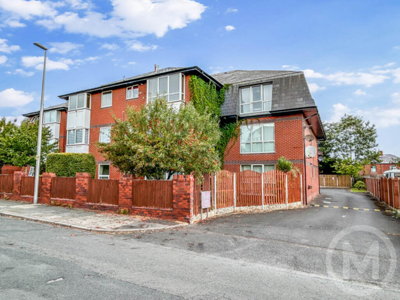
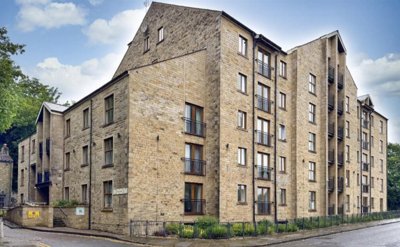
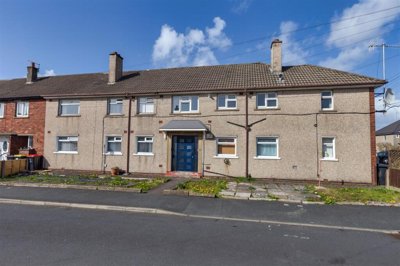
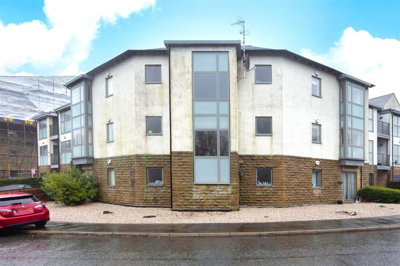
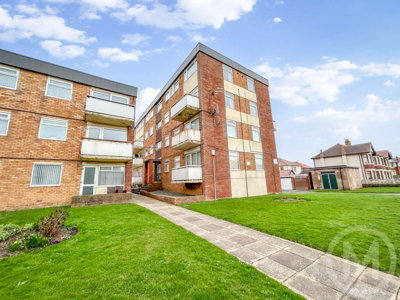
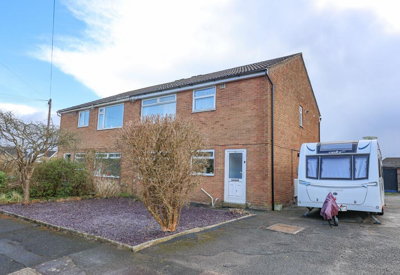
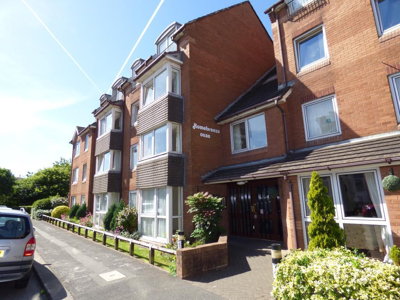
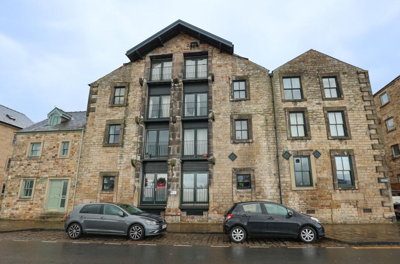
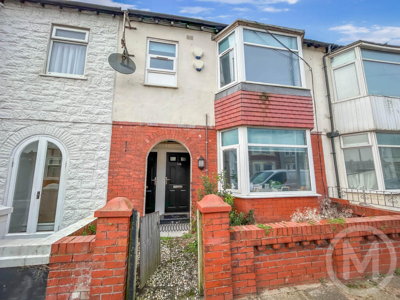
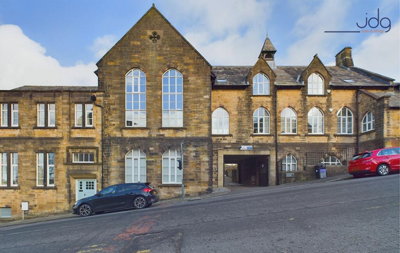
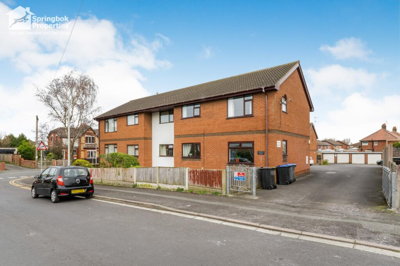
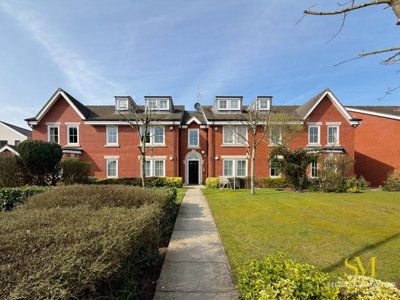
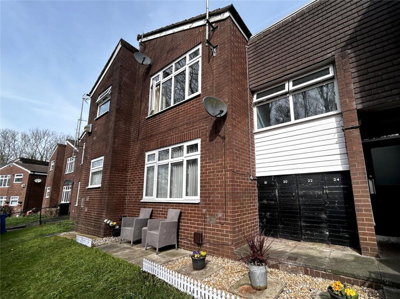
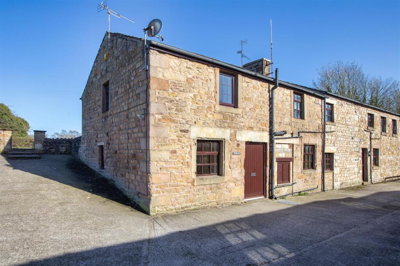
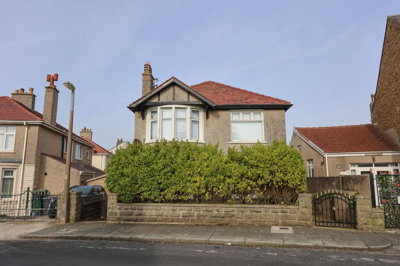
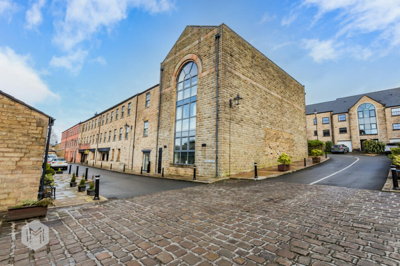
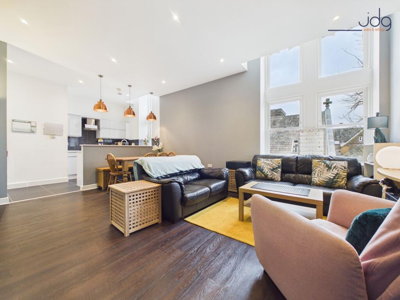
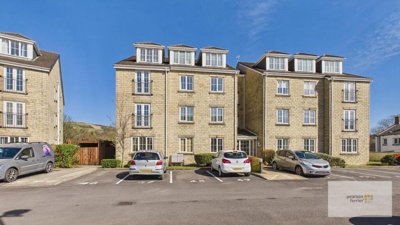
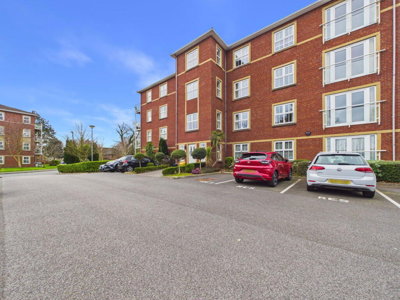
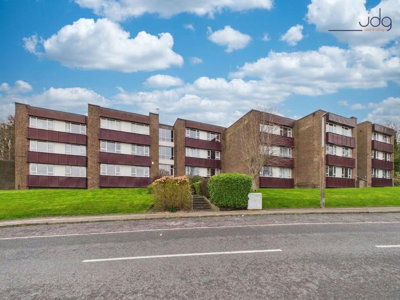
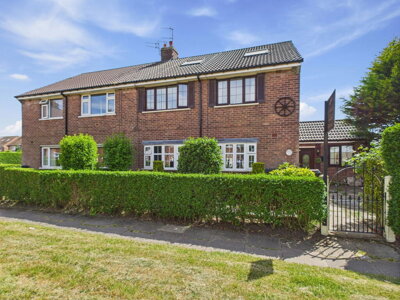
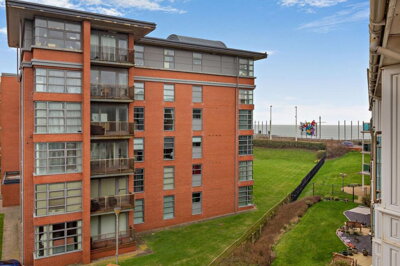
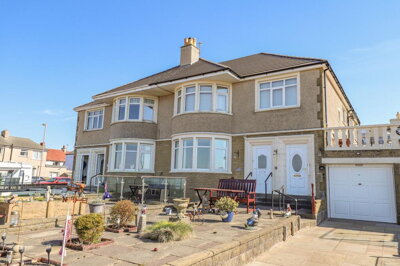
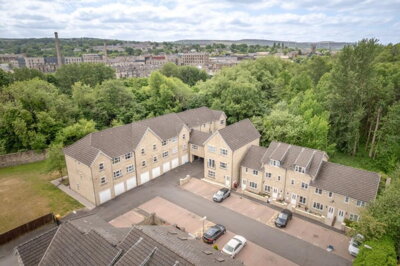
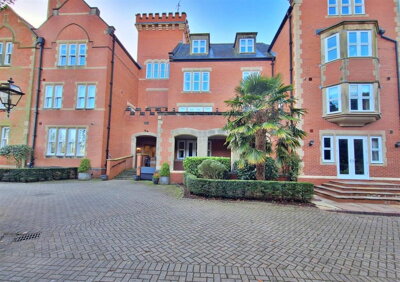
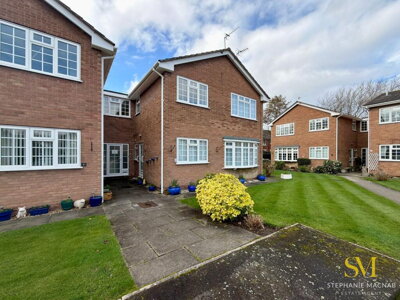
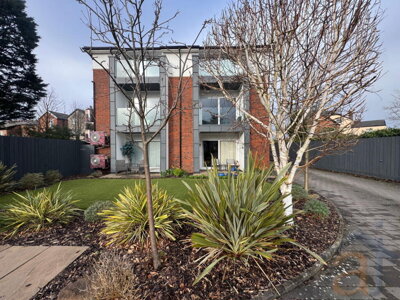
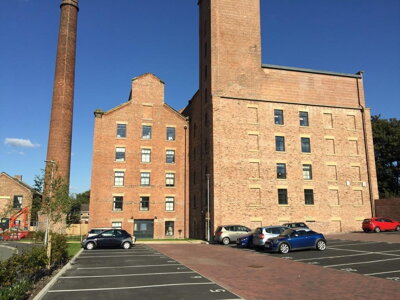
Browse 1,271 homes for sale in Lancashire, England from local estate agents.
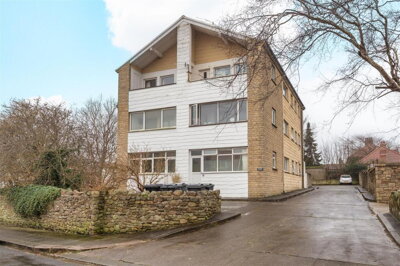
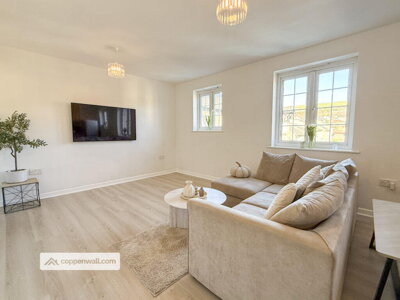
The 2 bed flat sector typically includes two separate bedrooms, dedicated living areas, and bathroom facilities. Properties in Lancashire span purpose-built blocks, converted period houses, and modern apartment complexes on various floors.
£125k
332
18
166
Source: home.co.uk
Showing 332 results for 2 Bedroom Flats for sale in Lancashire, England. 18 new listings added this week. The median asking price is £125,000.
Source: home.co.uk
Flat
332 listings
Avg £143,535
Source: home.co.uk
Source: home.co.uk
The Lancashire property market presents a compelling picture for buyers in 2025, with house prices showing remarkable stability despite broader national economic pressures. Our data shows that the average house price in Lancashire currently stands at £217,316, representing just a 2.5% decline over the past twelve months according to Land Registry figures. This modest adjustment places Lancashire firmly in the "stable" category, neither the soaring markets of the pandemic years nor the dramatic falls seen in some southern regions. For context, prices remain 1% above the 2023 peak of £214,674, suggesting underlying resilience in local demand.
Understanding the breakdown of property types helps buyers navigate the market effectively. Terraced properties dominate the sales volume at 37.6% of all transactions, with an average price of £144,217, making them the most accessible entry point for many buyers. Semi-detached homes account for 32.9% of sales with an average price of £212,177, offering that extra space and separation that families often seek. Detached properties, averaging £363,833, represent 21.9% of the market and are particularly concentrated in suburban areas and the more affluent villages. Flats, at just 7.5% of sales with an average of £124,962, remain a smaller segment, though they provide important starter options in town centres.
Of the 20,400 property sales recorded in Lancashire over the past year, approximately 3.6% were newly built properties, representing around 742 new homes purchased. Several active new-build developments across the county offer brand new properties from national housebuilders. Barratt Homes has developments including The Pastures in Langho (BB6 8EU) with 3 and 4 bedroom homes from £269,995 to £389,995, and Cottam Gardens in Preston (PR4 0RA) with similar specifications priced from £239,995 to £369,995. Persimmon Homes offers Stone Bridge Fold in Preston (PR2 5AL) with 2 to 5 bedroom options from £174,995, making new build an accessible option at various price points across the county.

Lancashire offers an extraordinary diversity of lifestyles within a single county, from the vibrant urban centres of Preston and Blackburn to the serene landscapes of the Forest of Bowland and the traditional seaside charm of Morecambe. The county's population benefits from a rich of cultural influences, from its industrial heritage of cotton mills and coal mines to modern centres of advanced manufacturing and digital innovation. The traditional building materials of local sandstone, red brick, and slate roofs create an architectural character that is unmistakably Lancashire, whether you are walking through a conservation area in Lancaster with its Georgian terraces or a 1930s suburb in South Ribble.
The local economy provides employment across diverse sectors, with aerospace manufacturing at BAE Systems sites in Warton and Samlesbury representing some of the most advanced industrial employment in the region. Universities in Lancaster and Preston create substantial academic and research communities, while the energy sector continues to develop, particularly in coastal and rural areas. Tourism remains significant along the Lancashire coast, with Blackpool's famous illuminations and tower attracting millions of visitors annually, while inland attractions including historic houses, country parks, and the AONB bring visitors to explore the county's natural beauty. This economic diversity creates stable employment foundations that support the housing market across different towns and neighbourhoods.
Each major town in Lancashire has its own distinct character and property market. Preston serves as the county town and administrative centre, offering a mix of Victorian terraces, post-war housing estates, and modern apartments alongside significant student accommodation for UCLan. Lancaster provides a historic university city atmosphere with Georgian architecture, castle views, and strong cultural offerings. Blackburn has undergone significant regeneration in recent years, while Burnley and East Lancashire retain their industrial heritage with more affordable property prices. The Fylde coast towns of Blackpool, Lytham St Annes, and Morecambe each offer different appeals, from Blackpool's entertainment offerings to the more genteel atmosphere of Lytham St Annes.

Education provision across Lancashire serves families well across all phases, from primary schools in market towns to sixth form colleges and universities of national standing. Lancashire County Council maintains a comprehensive network of primary and secondary schools, with Ofsted ratings providing guidance for parents researching their options. The county includes several grammar schools, particularly in areas like Lancashire, where the selective education system offers academically focused pathways for suitable students. Parents should research individual school catchment areas carefully, as property values in sought-after school zones often reflect the premium that good school placement commands.
Further and higher education options in Lancashire are particularly strong, with Lancaster University consistently ranked among the UK's top universities and recognized internationally for research excellence. The University of Central Lancashire (UCLan) in Preston is one of the largest universities in the country, offering a wide range of undergraduate and postgraduate courses alongside strong industry connections. For vocational pathways, colleges across the county including Blackpool and the Fylde College, Burnley College, and others provide Further Education and technical training. This educational infrastructure makes Lancashire attractive to families planning for their children's long-term academic development.
The quality of local schools significantly influences property values in surrounding areas. Towns with consistently high-performing secondary schools, such as those in the South Ribble and Fylde areas, often command property premiums of 5-10% compared to neighbouring areas with lower-performing schools. Parents moving to Lancashire specifically for schooling should consider not just current school performance but also projected catchment boundaries, as these can change year by year based on application patterns and school capacity decisions made by Lancashire County Council.
Lancashire benefits from excellent transport connections that make commuting to major northern cities entirely practical while maintaining the advantage of lower property prices compared to city centres. The West Coast Main Line runs through the county, with Preston station providing direct services to London Euston in around two hours, Manchester in approximately 45 minutes, and Liverpool in just over an hour. Commuters from Lancashire can access major employment centres in the city regions while enjoying substantially lower property costs and a better quality of life than city centre living would provide.
Local rail services operated by Northern and other operators connect towns across Lancashire, including routes along the coast from Lancaster through Morecambe to Blackpool, and branch lines serving communities in the east of the county. The M6 motorway traverses the county from north to south, connecting Lancashire to the broader national motorway network and providing road access to destinations including Birmingham and Glasgow. For those working locally, the A59, A56, and other major roads provide reasonable journey times between towns. Bus services operated by Lancashire County Council and private operators connect communities without rail links, though car ownership remains important in more rural areas.
Property buyers should consider proximity to rail stations when choosing their location, as this can significantly affect both commute times and property values. Stations in Lancashire offering direct services include Preston (West Coast Main Line), Lancaster (West Coast Main Line with connections to Edinburgh and Glasgow), and various Northern stations serving local routes. Areas within comfortable commuting distance of Preston station, such as Fulwood, Grangetown, and Penwortham, often attract buyers who work in the city but prefer suburban or semi-rural living. The county's position between the Lake District and major cities provides excellent leisure access as well, with the coast, countryside, and urban amenities all within reasonable driving distance.
Lancashire spans diverse neighbourhoods from coastal towns to rural villages. Research specific towns, comparing property prices, local amenities, schools, and transport links. Consider your daily commute requirements and future plans when narrowing your search. Use our platform to filter properties by area, price range, and property type to build a shortlist that matches your priorities.
Before viewing properties, obtain a mortgage agreement in principle from a lender. This strengthens your position when making offers and demonstrates to sellers that you have financing arranged. Lancashire lenders offer competitive rates for properties across all price ranges. Having your mortgage arranged before you start viewing properties allows you to move quickly when you find the right home and signals to estate agents that you are a serious buyer.
Use Homemove to browse all available properties in Lancashire, filtering by price, property type, and number of bedrooms. Schedule viewings of properties that match your criteria, attending with a checklist of priorities for each home. Take notes during viewings and compare properties against each other to help clarify your preferences before making an offer.
When you find your ideal property, submit a formal offer through the estate agent. In Lancashire's market, negotiation on price and conditions is standard practice. Your offer should reflect comparable sales data and your circumstances. Be prepared for some back and forth, and remember that factors beyond price, such as chain status and flexibility on completion dates, can influence a seller's acceptance decision.
Before completing, arrange a RICS Level 2 Survey to identify any structural issues or defects. Given Lancashire's housing stock includes many older properties, surveys are particularly valuable for terraced and semi-detached homes that may have common issues with damp, roofing, or outdated electrics. Our surveyors are familiar with the common defect patterns found in Lancashire properties and can provide detailed reports to help you make an informed decision.
Choose a solicitor to handle the legal transfer of ownership. They will conduct searches with Lancashire County Council and local water authorities, review the contract, and manage the completion process through to key handover. For properties in former mining areas of East Lancashire, your solicitor should arrange a mining search to check for potential subsidence risks from historical coal extraction.
The Lancashire housing market includes a significant proportion of older properties built before modern construction standards, so buyers should be aware of common defect patterns. Properties built before 1980 often feature solid walls rather than cavity wall insulation, which can lead to damp issues if not properly maintained. Rising damp and penetrating damp are frequently identified in property surveys across Lancashire, particularly in terraced houses with older damp-proof courses. We recommend always commissioning a RICS Level 2 Survey before completing your purchase, regardless of the property's apparent condition.
The local geology of Lancashire presents specific considerations for property buyers. The county's geology includes areas of Carboniferous rocks including gritstone and coal measures, Triassic sandstones, and significant deposits of boulder clay in many areas. Properties built on clay soils can be subject to shrink-swell movement during periods of extreme wet or dry weather, which may cause subsidence or heave affecting foundations. Our surveyors are experienced in identifying signs of movement related to ground conditions and can advise on any necessary investigations or remedial works. This is particularly relevant for properties in areas around Preston, Leyland, and the eastern parts of the county where boulder clay deposits are more prevalent.
Flood risk is an important consideration in certain areas of Lancashire, with properties along the River Ribble, River Lune, River Wyre, and River Calder facing elevated fluvial flood risk. Flooding has affected areas including parts of Preston, Lancaster, and Garstang in recent years, and properties in these locations should be researched thoroughly before purchase. Coastal areas around Morecambe and the Fylde coast from Fleetwood to Blackpool face additional tidal and storm surge risks, particularly during periods of high tides and severe weather. Surface water flooding can affect urban areas during heavy rainfall, and we strongly recommend checking Environment Agency flood maps for any specific postcode before purchasing. Insurance implications for flood-risk properties should be factored into your budget calculations.
Properties in former mining areas, particularly in East Lancashire around Accrington, Nelson, Colne, and the surrounding towns, should have a mining search conducted to check for potential subsidence risks from historical coal extraction. Lancashire was one of England's major coal-producing regions, and the legacy of mining activity continues to affect ground conditions in these areas. Properties in conservation areas and listed buildings require special permissions for alterations and may need specialist surveys beyond a standard Level 2 report. If you are considering a period property, factor in the potential costs of maintaining traditional features while meeting modern standards. Service charges and leasehold terms are important for flat purchasers to understand, as these ongoing costs vary significantly between developments and can affect both affordability and resale value.
The average house price in Lancashire is currently £217,316 according to Rightmove data, with a median price of £179,000. Property prices have remained relatively stable over the past year, showing just a 2.5% decline based on Land Registry figures. Prices for terraced properties average around £144,217, semi-detached homes around £212,177, and detached properties around £363,833. The market offers good value compared to many southern regions, particularly for families seeking larger homes with gardens. With prices remaining 1% above the 2023 peak, Lancashire demonstrates underlying market resilience despite broader national economic pressures.
Council tax bands in Lancashire vary by property and local authority, ranging from Band A (the lowest) through to Band H (the highest). The actual band depends on the property's assessed value at the time of the 1991 valuation, which remains the basis for banding despite subsequent sales. Lancashire contains fourteen district and borough councils, each setting their own council tax rates including Lancashire County Council precept, district council charges, and police and fire authority contributions. Prospective buyers should check the specific banding for any property they are considering through the Valuation Office Agency website or by contacting the relevant local authority directly.
Lancashire has excellent educational options across all phases. Primary schools include many rated Good or Outstanding by Ofsted, with notable clusters in areas like South Ribble and the Fylde. Secondary education includes both comprehensive schools and grammar schools, with the grammar school system providing academically focused pathways for suitable students in specific areas. For higher education, Lancaster University ranks among the UK's top institutions and is particularly strong in sciences and arts subjects. UCLan in Preston is one of the country's largest universities with strong industry connections. Families should research individual school performance data using Ofsted reports and league tables, and carefully check catchment area boundaries, as these can change and directly affect which schools children can access.
Lancashire has good transport links, with the West Coast Main Line providing fast services from Preston to London (approximately two hours), Manchester (45 minutes), and Liverpool (70 minutes). Northern Rail operates local services connecting major towns and coastal resorts, including the scenic Morecambe branch line and routes along the Fylde coast. The M6 motorway runs through the county, providing road access to the national network and connections to the M65 for East Lancashire. Bus services operated by Lancashire County Council and private companies connect communities across the county, though car ownership remains advantageous in more rural areas and for accessing smaller villages and countryside locations.
Lancashire offers several advantages for property investment. The stable house prices, lower entry cost compared to southern England, and diverse local economy make it attractive for both owner-occupiers and landlords. Key employment sectors including aerospace manufacturing at BAE Systems, advanced manufacturing, higher education, and tourism provide stable foundations for housing demand. The county's natural attractions, from the coastline to the Forest of Bowland AONB, continue to draw visitors and new residents alike. Buy-to-let investors should research specific local market conditions, rental yields in different towns, and tenant demographics, as these factors vary significantly across the county. Areas with strong commuter links to Manchester and Liverpool, such as South Ribble and the northern parts of East Lancashire, often attract tenant demand from professionals working in the city regions.
For properties purchased in England, Stamp Duty Land Tax (SDLT) applies at 0% on the first £250,000 of purchase price, 5% on the portion from £250,001 to £925,000, 10% on £925,001 to £1.5 million, and 12% on any amount above £1.5 million. First-time buyers qualify for relief on the first £425,000, paying 5% between £425,001 and £625,000. Given the average Lancashire property price of £217,316, the majority of buyers will pay no stamp duty at all, making the county particularly attractive for first-time purchasers. This zero stamp duty position represents a significant cost saving compared to purchasing in more expensive regions where stamp duty can add thousands of pounds to the total purchase cost.
Given Lancashire's substantial stock of older properties, buyers should be aware of several recurring issues identified in property surveys. These include damp problems (particularly rising damp in properties without modern damp-proof courses), roof condition issues on slate-roofed properties where tiles or flashings may have deteriorated, and outdated electrical systems in pre-war homes. Properties built on clay geology may experience shrink-swell subsidence during drought or heavy rainfall periods. Properties in former mining areas should have a mining search completed to check for historical subsidence risks. Flood risk affects properties near major rivers including the Ribble, Lune, and Wyre, and coastal areas around Morecambe and the Fylde. A thorough RICS Level 2 Survey will identify any specific issues with a property before you commit to purchase, and our surveyors have extensive experience with Lancashire's varied housing stock.
From 3.89%
Competitive mortgage rates for Lancashire buyers
From £499
Solicitors experienced in Lancashire property transactions
From £350
Detailed inspection by our qualified surveyors
From £80
Energy performance certificate for your property
One of the significant advantages of buying property in Lancashire is the favourable stamp duty position created by the county's relatively modest property prices. With an average house price of £217,316, the majority of Lancashire properties fall below the standard SDLT threshold of £250,000, meaning most buyers pay zero stamp duty on their purchase. This creates a meaningful cost saving compared to purchasing in more expensive regions where stamp duty can add thousands of pounds to the total purchase cost. First-time buyers purchasing properties up to £425,000 qualify for complete relief, and even those buying at the Lancashire average price of £217,000 will benefit from this exemption.
Beyond stamp duty, buyers should budget for several additional costs when purchasing property in Lancashire. Solicitors' conveyancing fees typically range from £500 to £1,500 depending on the complexity of the transaction and whether the property is freehold or leasehold. A RICS Level 2 Survey costs between £350 and £600 depending on property size and value, while an Energy Performance Certificate (EPC) is mandatory and costs approximately £80 to £120. Local authority searches with Lancashire County Council and the relevant district council typically cost £200 to £400, with searches also required for water and drainage, chancel repair liability, and environmental factors. For properties in former mining areas, a mining search adds approximately £50 to £100 to the search costs.
Mortgage arrangement fees vary by lender but can range from zero to £2,000 or more, so buyers should compare total mortgage costs rather than just interest rates. Survey and valuation fees are often bundled together by lenders, and buyers should clarify what is included. Factor in removal costs, potential renovation work identified during survey, and a contingency fund equivalent to around 10% of your purchase price for a comfortable moving experience. Buildings insurance must be in place from the point of completion, and life insurance or critical illness cover is advisable when taking on a significant mortgage. First-time buyers should also budget for Land Registry fees for registration of ownership, which are typically incorporated into conveyancing fees.
Properties for Sale In London

Properties for Sale In Plymouth

Properties for Sale In Liverpool

Properties for Sale In Glasgow

Properties for Sale In Sheffield

Properties for Sale In Edinburgh

Properties for Sale In Coventry

Properties for Sale In Bradford

Properties for Sale In Manchester

Properties for Sale In Birmingham

Properties for Sale In Bristol

Properties for Sale In Oxford

Properties for Sale In Leicester

Properties for Sale In Newcastle

Properties for Sale In Leeds

Properties for Sale In Southampton

Properties for Sale In Cardiff

Properties for Sale In Nottingham

Properties for Sale In Norwich

Properties for Sale In Brighton

Properties for Sale In Derby

Properties for Sale In Portsmouth

Properties for Sale In Northampton

Properties for Sale In Milton Keynes

Properties for Sale In Bournemouth

Properties for Sale In Bolton

Properties for Sale In Swansea

Properties for Sale In Swindon

Properties for Sale In Peterborough

Properties for Sale In Wolverhampton

Enter your details to see if this property is within your budget.
Loans, cards, car finance
Estimated property budget
Borrowing + deposit
You could borrow between
Typical borrowing
Monthly repayment
Est. at 4.5%
Loan-to-value
This is an estimate only. Your actual budget may vary depending on interest rates, credit history, and personal circumstances. For an accurate affordability assessment, speak to one of our free mortgage advisors.
This calculator provides estimates for illustrative purposes only and does not constitute financial advice. Your home may be repossessed if you do not keep up repayments on your mortgage. Estimates based on 4.5% interest rate, repayment mortgage. Actual rates depend on your circumstances.
Homemove is a trading name of HM Haus Group Ltd (Company No. 13873779, registered in England & Wales). Homemove Mortgages Ltd (Company No. 15947693) is an Appointed Representative of TMG Direct Limited, trading as TMG Mortgage Network, which is authorised and regulated by the Financial Conduct Authority (FRN 786245). Homemove Mortgages Ltd is entered on the FCA Register as an Appointed Representative (FRN 1022429). You can check registrations at NewRegister or by calling 0800 111 6768.

We use cookies to show you personalised content and improve your experience of our website. Find out more in our Privacy policy and Cookie policy.