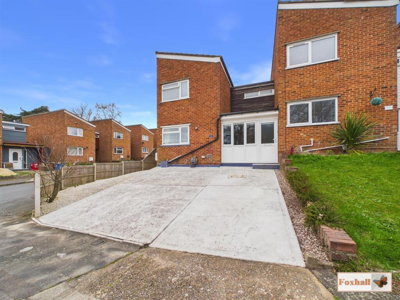
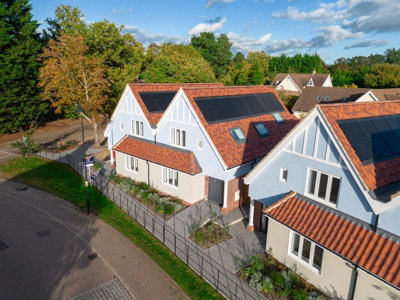
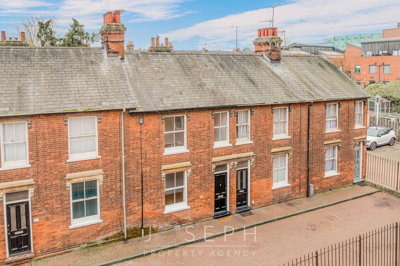
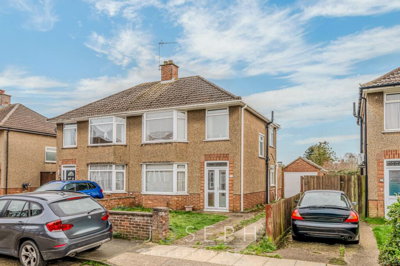
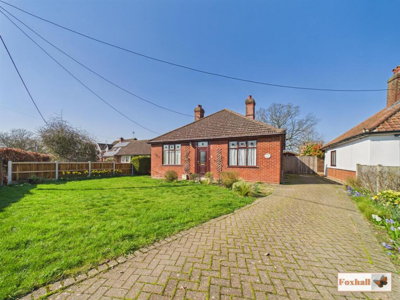
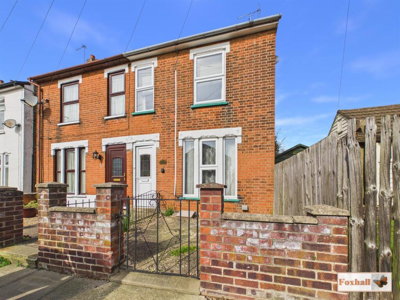
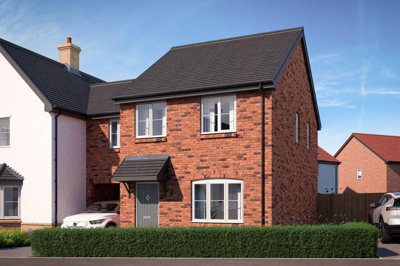
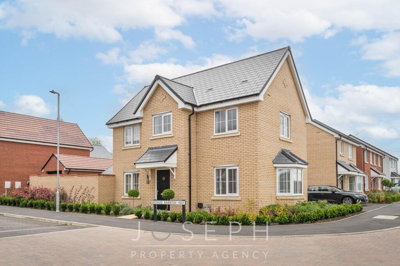
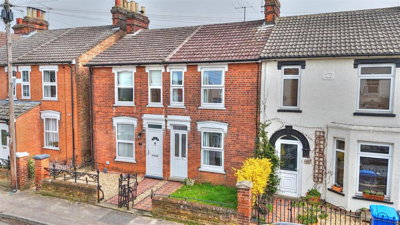
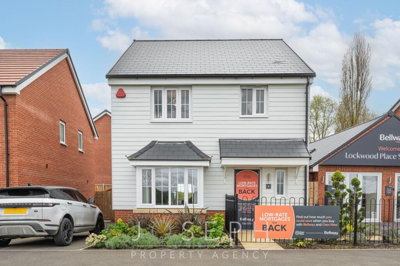
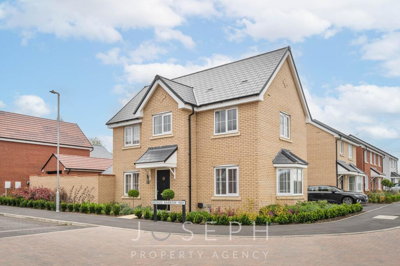
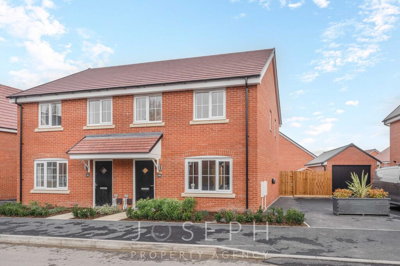
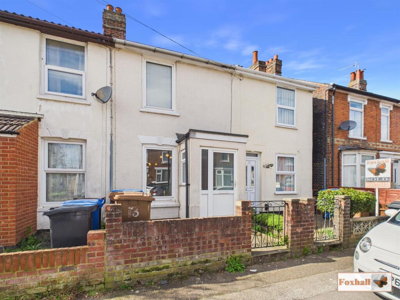
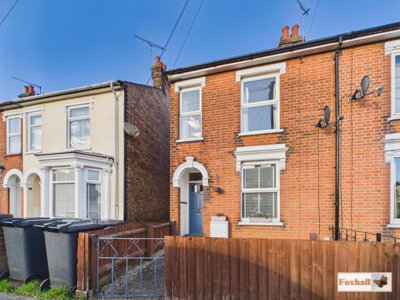
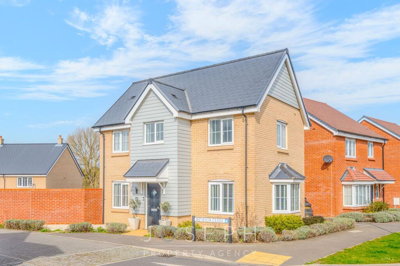
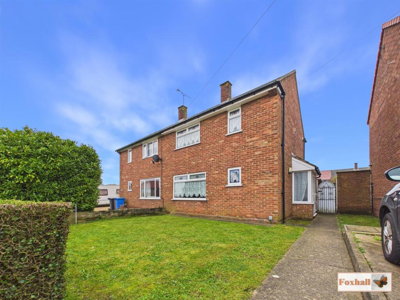
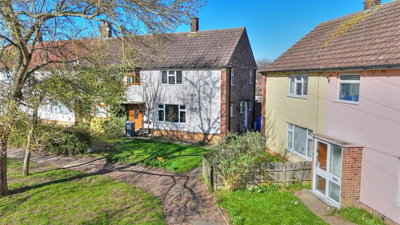
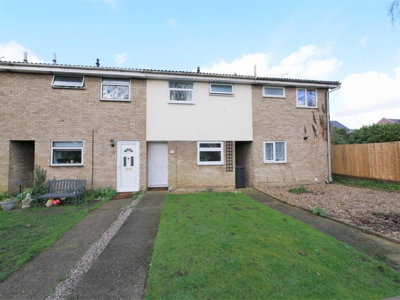
Browse 960 homes for sale in Ipswich, Suffolk from local estate agents.
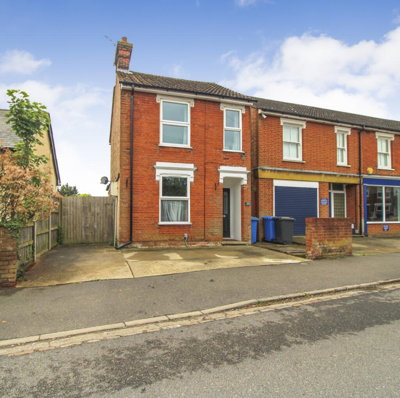
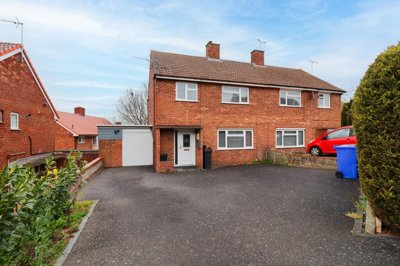
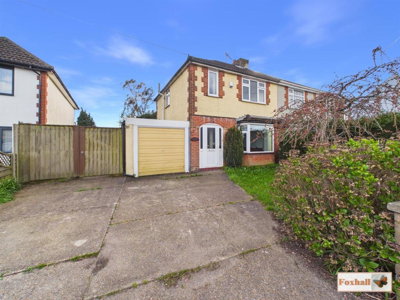
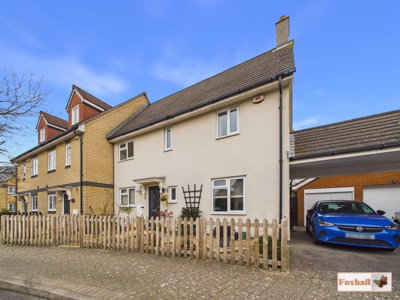
Three bedroom properties represent a significant portion of the Ipswich housing market, offering space for families with multiple reception rooms and gardens in many cases. Browse detached, semi-detached, and terraced options ranging from period character homes to contemporary developments.
£265k
283
33
94
Source: home.co.uk
Showing 283 results for 3 Bedroom Houses for sale in Ipswich, Suffolk. 33 new listings added this week. The median asking price is £265,000.
Source: home.co.uk
Semi-Detached
175 listings
Avg £281,233
Terraced
75 listings
Avg £216,267
Detached
33 listings
Avg £365,017
Source: home.co.uk
Source: home.co.uk
The Ipswich property market offers excellent variety for buyers, with properties to suit all tastes and budgets. Detached properties command the highest prices, averaging around £393,000 according to the latest data, while semi-detached homes typically sell for approximately £260,000. Terraced properties remain the most affordable option at around £206,000, making them particularly popular among first-time buyers looking to get onto the property ladder in this historic Suffolk town. The wider Ipswich postcode area recorded around 7,800 property sales in the past twelve months, though this represents a 16% decline compared to the previous period, reflecting broader national trends in transaction volumes.
Flats and maisonettes in Ipswich average around £130,000, representing the most accessible entry point to the local housing market. The data shows flat prices have decreased by approximately 3.5% over the past year, potentially creating opportunities for buyers seeking apartment living at competitive prices. In the Ipswich Station area specifically, flats dominate the sales mix, making this postcode district particularly attractive for investors and first-time buyers seeking compact city-centre living with excellent transport links.
New build properties in the Ipswich area command premium prices, with the average newly built home selling for approximately £384,000, representing a 6% increase over the past year that outpaces the broader market. Several major developments are actively selling in and around the town. Wolsey Grange by Taylor Wimpey offers 2, 3, and 4-bedroom homes with prices starting from around £285,000 for a two-bedroom semi-detached property, situated within easy reach of the town centre. Deben Park at Brightwell Lakes provides 1 to 4-bedroom homes east of the town, with coach houses available from £265,000 and semi-detached three-bedroom homes from £360,000, set within the Suffolk countryside near major road connections. Northfield View also offers new homes within the town boundary, with three-bedroom semi-detached properties available from approximately £315,000.
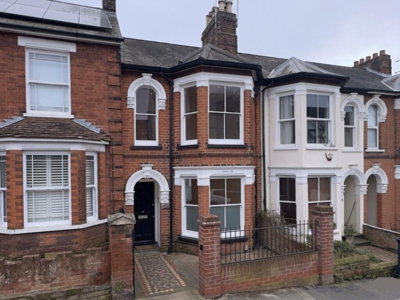
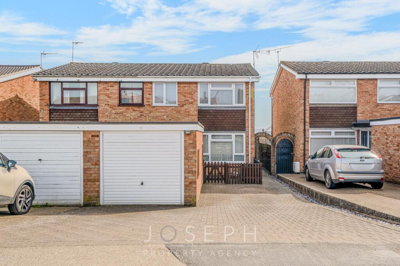
The mix of property ages across Ipswich creates distinct market characteristics in different neighbourhoods. Victorian and Edwardian terraced houses concentrated in areas like Newton Road, Foxhall, and the streets surrounding Christchurch Park represent some of the oldest housing stock, often featuring original fireplaces, high ceilings, and bay windows that appeal to period property enthusiasts. Post-war semi-detached housing dominates suburbs like Warren Heath and Bixley, offering more modern layouts with larger gardens. Understanding these distinct areas helps buyers narrow their search to neighbourhoods matching their lifestyle preferences and budget constraints.

Ipswich, Suffolk's county town, has evolved from its medieval origins into a dynamic and vibrant place to call home. The town centre retains much of its historic character while embracing modern development, creating an interesting blend of old and new architecture that reflects its long history dating back to Anglo-Saxon times. The waterfront area along the River Orwell has undergone significant regeneration in recent years, transforming former industrial buildings into stylish apartments, restaurants, and cultural venues that attract both residents and visitors alike. The University of Suffolk campus at the waterfront brings academic energy to this area, with student accommodation and university facilities adding to the lively atmosphere.
The town centre offers excellent shopping opportunities, from major high street chains to independent boutiques, cafes, and traditional markets where local producers sell fresh Suffolk produce. The Ancient House Museum and Christchurch Mansion provide cultural attractions, while the Regent Theatre hosts regular performances and events throughout the year. For outdoor recreation, the town benefits from several parks and green spaces, including the beautiful Christchurch Park in the town centre, which features historic buildings, gardens, and playgrounds for families. The nearby areas of Foxhall and Bucklesham offer more residential character with tree-lined streets and proximity to quality schools.
Ipswich is home to a diverse and friendly community, with populations representing various backgrounds and ages. The town attracts young professionals drawn by the strong commuter links, families seeking affordable housing with good schools, and retirees appreciating the excellent healthcare facilities and rich cultural offerings. Different postcode districts offer distinct living experiences: IP1 covers the town centre and waterfront with its mix of apartments and period properties; IP2 encompasses areas like Priory Heath and California with a mix of housing types; IP3 includes the eastern suburbs including Broke Hall and Nacton with more suburban character; while IP4 covers the western areas near the university and railway station.
Employment opportunities in Ipswich span various sectors, with the Port of Felixstowe being a major employer in logistics and maritime industries just a short drive from the town centre. The retail and service sectors provide significant employment in the town centre and shopping districts, while healthcare facilities including Ipswich Hospital serve the wider Suffolk region. The growing creative and digital sectors have found homes in converted waterfront buildings, contributing to the town's economic diversification and appeal to young professionals seeking varied career options.
Education provision in Ipswich caters to students of all ages and abilities, making the town particularly attractive to families considering a move to the area. The town hosts several well-regarded primary and secondary schools, with Ofsted-rated good and outstanding institutions available across different parts of the town. Parents should research specific school catchments when considering properties, as admission policies can significantly impact school placements for younger children. The catchment areas for popular schools like Sidegate Primary School and Murrayfield Primary Academy often influence property prices in surrounding streets.
Ipswich School serves as a major independent secondary school in the town, providing education for students from nursery through to sixth form and regularly featuring among the top-performing schools in Suffolk for public examinations. For state education, schools such as Chantry High School and Westbourne Academy provide secondary education options, with ongoing efforts to improve educational outcomes across the town. The Ipswich Opportunity Area initiative has been working to raise educational standards and narrow attainment gaps, benefiting both existing residents and those considering moving to the area. St Alban's Catholic High School serves families seeking faith-based education within the state sector.
Post-16 education is well-served by Suffolk One, a sixth form college located near the waterfront, offering a wide range of A-level and vocational courses for students completing their secondary education. The University of Suffolk, situated on the waterfront campus, provides undergraduate and postgraduate degree programmes, attracting students from across the region and contributing to the town's vibrant academic community. For vocational training and apprenticeships, the Suffolk New College offers various Further Education courses suitable for school leavers and adult learners seeking to develop new skills or change careers. These educational institutions create a comprehensive pathway from early years through to higher education and professional development.

Transport connectivity is one of Ipswich's strongest assets, making it particularly appealing to commuters working in London or other major cities. Ipswich railway station provides direct services to London Liverpool Street, with journey times typically taking between 70 and 75 minutes using Greater Anglia services. This fast and frequent service, with multiple departures each hour, makes daily commuting feasible for professionals working in the capital while enjoying significantly lower housing costs than many London suburbs. Additional direct services connect Ipswich to Norwich in around 40 minutes, Cambridge in approximately 50 minutes, and Birmingham New Street in roughly two and a half hours.
Road connections are excellent, with the A12 providing direct access to Colchester in approximately 25 minutes, Chelmsford in around 50 minutes, and London in approximately 90 minutes depending on traffic conditions. The A14 links Ipswich to Cambridge in roughly 50 minutes, the Midlands via the M6, and the port of Felixstowe for those working in logistics or maritime industries. The town is well-positioned for those who travel regularly for business or leisure, with Stansted Airport accessible within approximately an hour's drive, offering domestic and international flights including services to major European destinations and transatlantic connections.
Local public transport within Ipswich includes bus services operated by various providers, connecting residential areas with the town centre, railway station, and key amenities including the hospital and retail parks. The town has been investing in cycling infrastructure, with various cycle routes connecting neighbourhoods to the town centre and waterfront areas, supported by the recent expansion of the Chantry trail. For those considering electric vehicles, the town is expanding its charging point network with points in the town centre, waterfront, and major shopping areas as part of broader sustainability initiatives supported by Suffolk County Council.
Spend time exploring different Ipswich neighbourhoods to find the one that best suits your lifestyle needs. Consider factors such as proximity to work, schools, local amenities, and transport links when narrowing down your search areas. The IP1 postcode covers the town centre with its mix of period properties and apartments, while family-friendly areas like Broke Hall and Nacton offer suburban character with good schools nearby.
Before viewing properties, obtain a mortgage agreement in principle from a lender. This document confirms how much you can borrow and strengthens your position when making offers, demonstrating to sellers that you are a serious and financially prepared buyer. Given that the average Ipswich property costs around £261,000, most buyers will need mortgage financing to complete their purchase.
Contact estate agents through Homemove to arrange viewings of properties that match your criteria. Once you find your ideal home, submit a formal offer through the selling agent, who will present it to the vendor for consideration. In a market where sales volumes have declined by around 16%, presenting a strong offer with minimal conditions can help secure your preferred property.
Before completing your purchase, book a RICS Level 2 survey to assess the property's condition and identify any defects that may require attention or negotiation. For older Victorian and Edwardian properties common in areas like Newton Road and Foxhall, consider a more comprehensive Level 3 survey that can identify issues with original construction methods and historic building fabric. Survey costs in the Ipswich area typically range from £395 for a small flat to over £600 for a larger family home.
Appoint a conveyancing solicitor to handle the legal aspects of your purchase, including property searches, contracts, and registration with the Land Registry. Your solicitor will liaise with the seller's representatives and coordinate the transaction through to completion. Local searches in Ipswich should include checks on the Ipswich Borough Council planning portal and any relevant flood risk assessments for properties near the River Orwell.
Once all legal searches are satisfactory and both parties agree on terms, you will exchange contracts and pay your deposit. Completion typically follows shortly after, at which point you will receive the keys to your new Ipswich home. Your solicitor will notify Homemove of the completion date and arrange final meter readings for utilities.
Prospective buyers should be aware of flood risk considerations when purchasing property in certain areas of Ipswich. The waterfront area and neighbourhoods close to the River Orwell and River Gipping face potential flooding risk, particularly during periods of heavy rainfall and high tides. The Ipswich Tidal Barrier at New Cut Wet provides important protection for around 1,500 residential properties and 400 commercial properties, but buyers should still review flood risk assessments and consider whether buildings insurance premiums might be affected in areas like the University of Suffolk campus, Portman Road, Cardinal Park, and parts of Maidenhall and Pinewood.
Given the mix of property ages in Ipswich, buyers should pay particular attention to potential issues common in older properties. Victorian and Edwardian terraced houses, which form a significant part of the housing stock in areas like the town centre and streets surrounding Christchurch Park, may have features requiring attention such as older electrical systems that may not meet current regulations, roof conditions that have weathered decades of East Anglian weather, and potential damp issues that can affect period properties with solid walls. A comprehensive RICS Level 2 survey is recommended for properties built with standard brick and tile construction, while older properties over 50 years old or those with non-standard features should be assessed with a Level 3 Building Survey.
The majority of properties sold in Ipswich over the past year have been semi-detached homes, followed by terraced properties and then detached houses, reflecting the typical character of suburban housing in East Anglia. Leasehold arrangements are common for flats and some houses, so buyers should carefully review terms including ground rent obligations and service charges before committing to a purchase. Freehold properties generally offer more straightforward ownership, though both options have their place in the local market depending on property type and personal preference. Properties in conservation areas may have additional planning restrictions affecting alterations and extensions.
New build properties from major developers like Taylor Wimpey at Wolsey Grange and Deben Park at Brightwell Lakes come with NHBC or similar warranty protection, but buyers should still conduct thorough inspections before completion. Common issues in newer construction can include snagging items such as paint finishes, door alignments, and plumbing fixtures that require attention during the defects liability period. For new builds priced around the £384,000 average, the premium over equivalent older properties reflects the benefits of modern construction standards, energy efficiency, and developer warranties.
The average house price in Ipswich varies depending on the source and methodology used. According to the most recent ONS data for December 2025, the overall average stands at approximately £221,000, while Rightmove and Zoopla data suggest figures closer to £261,000 to £265,000 depending on the measurement period. Detached properties average approximately £393,000, semi-detached homes around £260,000, terraced properties about £206,000, and flats and maisonettes around £130,000. New build properties command premium prices averaging around £384,000, representing a 6% increase over the past year that outpaces the overall market growth of approximately 1%.
Properties in Ipswich fall under Babergh District Council and/or Ipswich Borough Council for council tax purposes depending on their specific location within the town boundaries. Bands range from A through to H, with the majority of residential properties typically falling in bands A through D. The exact band depends on the property's assessed value at the time of the 1991 valuation, and buyers can check specific bands through the local authority websites or the Valuation Office Agency. Council tax payments fund essential local services including education, waste collection, road maintenance, and local policing.
Ipswich offers educational options across all levels, including several well-regarded primary and secondary schools that consistently achieve good and outstanding Ofsted ratings. The town has a mix of state and independent schools, with Ipswich School providing private education options from nursery through sixth form. State secondary schools in the area include Chantry High School, Westbourne Academy, and St Alban's Catholic High School, each serving different catchment areas across the town. Parents should research individual school Ofsted ratings and admission catchment areas when considering properties, as school placement can significantly impact the appeal of different neighbourhoods for families with school-age children.
Ipswich benefits from excellent transport connections, with direct train services to London Liverpool Street taking approximately 70 to 75 minutes using Greater Anglia express services. Additional rail services connect the town to Norwich in around 40 minutes, Cambridge in approximately 50 minutes, and Birmingham New Street in roughly two and a half hours. Ipswich railway station is centrally located and well-served by local bus routes connecting residential areas with the town centre, waterfront, and hospital. The A12 and A14 provide road connections to surrounding towns and cities, while Stansted Airport is reachable within about an hour's drive for international travel.
Ipswich offers several factors that make it attractive for property investment, particularly for buyers seeking more affordable entry points compared to London and surrounding commuter towns. The town has seen steady if modest price growth, with around 1% increase over the past twelve months, and its relative affordability combined with strong transport links to London creates an attractive proposition for commuters seeking to reduce their housing costs while maintaining London-based employment. The ongoing regeneration of the waterfront area and investments in local infrastructure support future property values, while the presence of the University of Suffolk and growing local economy provide consistent demand for rental properties. Sales volumes have declined by approximately 16% in recent months, which may create opportunities for negotiated purchases.
Stamp duty Land Tax rates for residential properties in England start at 0% on the first £250,000 of purchase price, with 5% charged on the portion between £250,001 and £925,000. Between £925,001 and £1.5 million, the rate rises to 10%, and 12% applies to any amount above £1.5 million. First-time buyers benefit from increased thresholds, paying 0% on the first £425,000 with the 5% rate applying between £425,001 and £625,000. For example, a first-time buyer purchasing a typical Ipswich terraced property at £206,000 would pay no stamp duty under current relief, while a flat at £130,000 would also attract no liability.
For most properties in Ipswich built with standard brick and tile construction, a RICS Level 2 Homebuyer Report provides appropriate assessment of condition and identifies any significant defects. This survey type suits properties in fair condition, typically those built post-1930s, which represent a substantial portion of the local housing stock. For older Victorian and Edwardian properties over 50 years old, or those with non-standard construction features common to period buildings, a RICS Level 3 Building Survey offers more comprehensive analysis and can identify issues with historic building fabric. In areas with potential flood risk, particularly near the waterfront and close to the River Orwell, buyers should consider additional specialist surveys and carefully review environmental reports and the Ipswich Strategic Flood Risk Assessment before committing to purchase. Survey costs in the Ipswich area typically range from £395 for a smaller flat to between £500 and £600 for a standard three-bedroom family home.
From £395
A detailed assessment of property condition, ideal for standard homes in Ipswich
From £495
Comprehensive building survey recommended for older Victorian and Edwardian properties
From 4.5%
Competitive mortgage rates for Ipswich buyers
From £499
Expert legal services for your property purchase
From £85
Energy Performance Certificate required for all sales
Understanding the full costs of purchasing property in Ipswich is essential for budgeting effectively and avoiding surprises during the transaction process. Beyond the property price, buyers should account for stamp duty Land Tax, solicitor fees, survey costs, and moving expenses. Current stamp duty rates for residential properties in England apply 0% on the first £250,000 of purchase price, with 5% charged on the portion between £250,001 and £925,000. For properties priced above £925,000, higher rates of 10% and 12% apply on the remaining portions. For a typical Ipswich property priced at the overall average of around £261,000, a buyer would pay £550 in stamp duty.
First-time buyers purchasing properties up to £625,000 benefit from increased stamp duty thresholds, paying 0% on the first £425,000 with the 5% rate applying between £425,001 and £625,000. This relief makes purchasing more affordable for those entering the property market, though it is important to note that first-time buyer relief does not apply to properties above £625,000. For a typical first-time buyer purchasing a flat in Ipswich at £130,000 or a terraced house at £206,000, no stamp duty would be payable under current first-time buyer provisions, representing meaningful savings that can be redirected toward other moving costs or furnishings.
Additional purchasing costs include solicitor conveyancing fees, which typically start from around £499 for standard transactions, though costs vary depending on property value and transaction complexity. RICS Level 2 surveys in the Ipswich area typically cost between £395 and £1,250 depending on property size and value, with Reallymoving data suggesting an average of around £499 for the area. Energy Performance Certificates are required for all sales and cost from approximately £85. Buyers should also factor in mortgage arrangement fees, which can range from free to several hundred pounds depending on the lender and product chosen, as well as valuation fees required by mortgage lenders to confirm the property value supports the loan amount.
Properties for Sale In London

Properties for Sale In Plymouth

Properties for Sale In Liverpool

Properties for Sale In Glasgow

Properties for Sale In Sheffield

Properties for Sale In Edinburgh

Properties for Sale In Coventry

Properties for Sale In Bradford

Properties for Sale In Manchester

Properties for Sale In Birmingham

Properties for Sale In Bristol

Properties for Sale In Oxford

Properties for Sale In Leicester

Properties for Sale In Newcastle

Properties for Sale In Leeds

Properties for Sale In Southampton

Properties for Sale In Cardiff

Properties for Sale In Nottingham

Properties for Sale In Norwich

Properties for Sale In Brighton

Properties for Sale In Derby

Properties for Sale In Portsmouth

Properties for Sale In Northampton

Properties for Sale In Milton Keynes

Properties for Sale In Bournemouth

Properties for Sale In Bolton

Properties for Sale In Swansea

Properties for Sale In Swindon

Properties for Sale In Peterborough

Properties for Sale In Wolverhampton

Enter your details to see if this property is within your budget.
Loans, cards, car finance
Estimated property budget
Borrowing + deposit
You could borrow between
Typical borrowing
Monthly repayment
Est. at 4.5%
Loan-to-value
This is an estimate only. Your actual budget may vary depending on interest rates, credit history, and personal circumstances. For an accurate affordability assessment, speak to one of our free mortgage advisors.
This calculator provides estimates for illustrative purposes only and does not constitute financial advice. Your home may be repossessed if you do not keep up repayments on your mortgage. Estimates based on 4.5% interest rate, repayment mortgage. Actual rates depend on your circumstances.
Homemove is a trading name of HM Haus Group Ltd (Company No. 13873779, registered in England & Wales). Homemove Mortgages Ltd (Company No. 15947693) is an Appointed Representative of TMG Direct Limited, trading as TMG Mortgage Network, which is authorised and regulated by the Financial Conduct Authority (FRN 786245). Homemove Mortgages Ltd is entered on the FCA Register as an Appointed Representative (FRN 1022429). You can check registrations at NewRegister or by calling 0800 111 6768.

We use cookies to show you personalised content and improve your experience of our website. Find out more in our Privacy policy and Cookie policy.