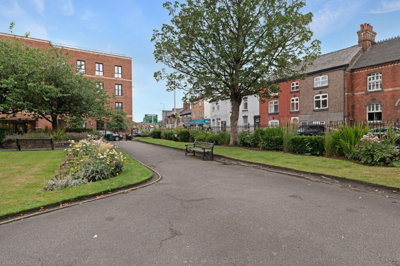
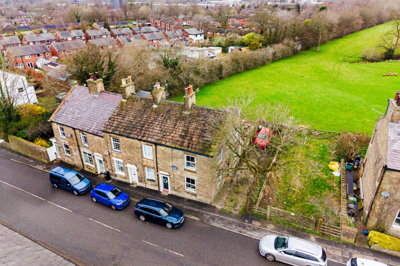
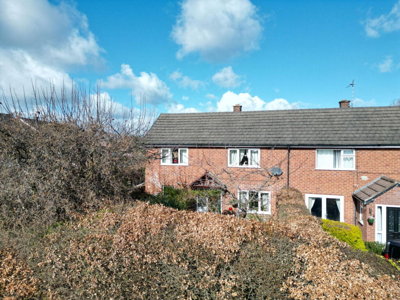
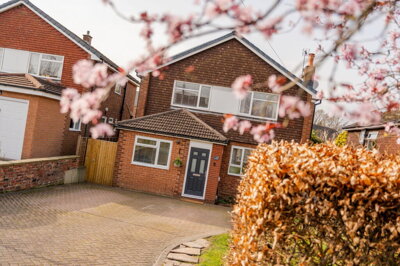
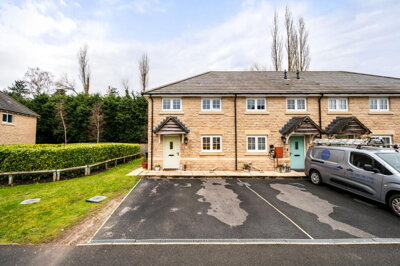
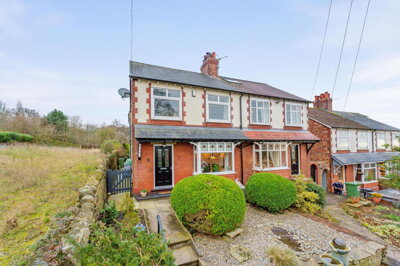
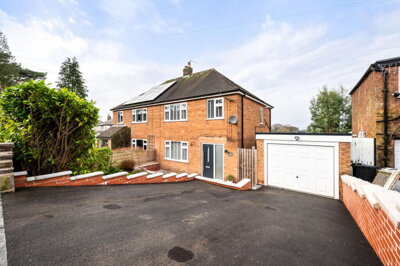
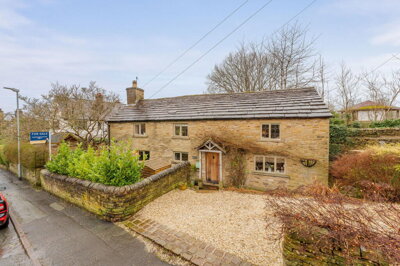
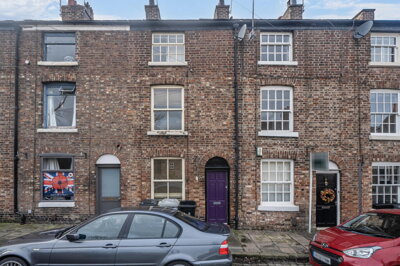
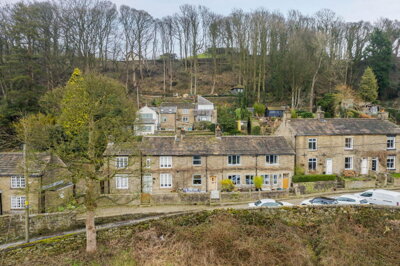
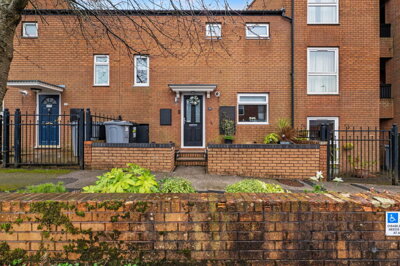
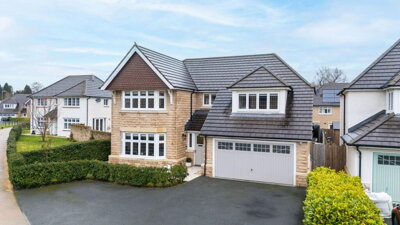
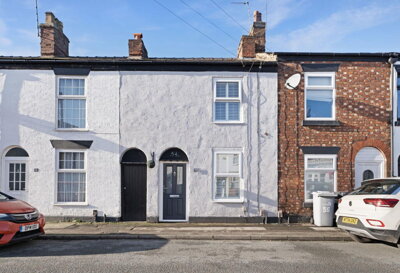
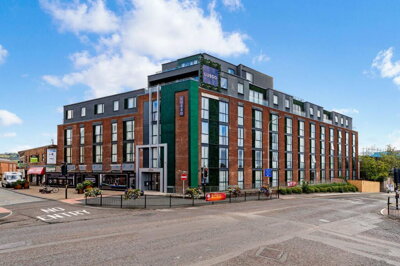
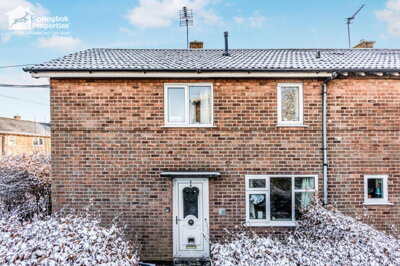
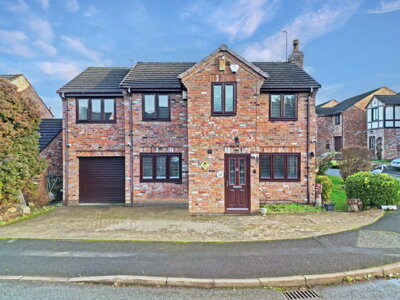
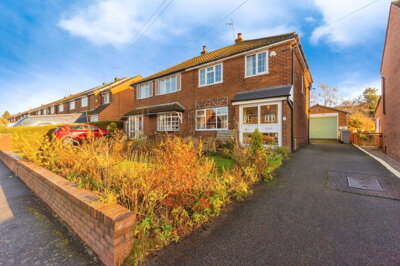
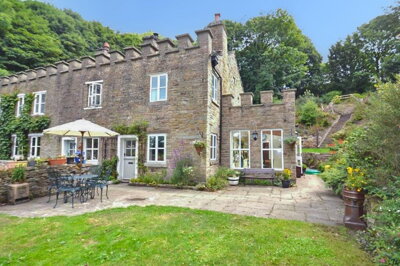
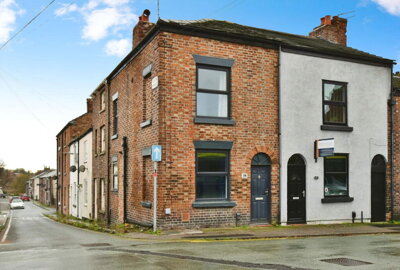
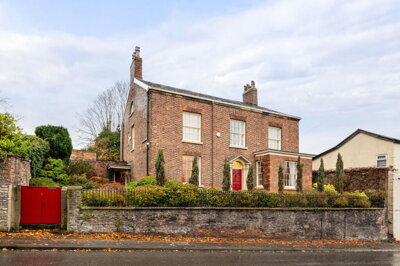
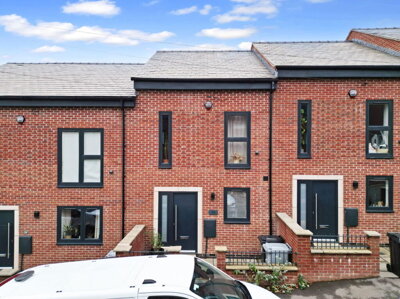
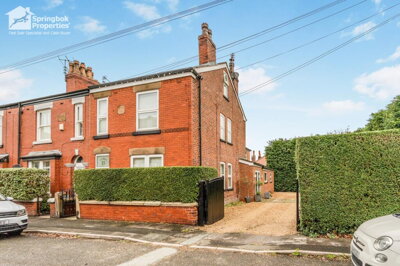
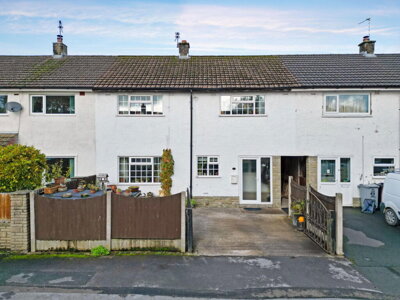
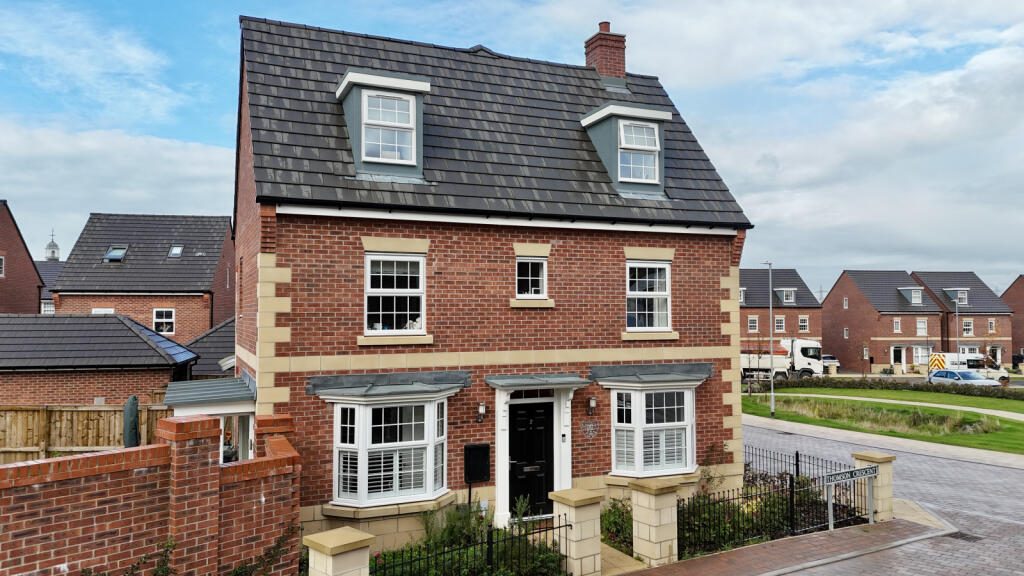
Browse 366 homes for sale in Higher Hurdsfield from local estate agents.
The Grendon Bishop property market offers a compelling mix of traditional rural homes at accessible price points. Our data shows that the average property price in the village stands at £296,816, representing a 6% decline over the past 12 months and a 4% reduction from the 2023 peak of £310,418. This correction follows a period of steady growth and presents opportunities for buyers looking to enter this sought-after Herefordshire village at more favourable prices than in recent years. The village attracts buyers seeking genuine rural seclusion while remaining within reasonable reach of market towns.
Property types in Grendon Bishop reflect its rural character and historical heritage. Detached properties command the highest average price at £414,848, offering generous space and gardens that appeal to families needing room to grow. These substantial homes often feature the traditional construction methods common to the area, including red sandstone walls and original timber elements that characterise the Herefordshire countryside housing stock.
Semi-detached homes average £251,000, providing an accessible entry point for first-time buyers or those seeking a manageable property in the countryside. These properties often represent excellent value, combining the charm of period features with practical living spaces suitable for modern family life. Terraced properties average £172,700, representing the most affordable option in the village and often featuring the charming character of period construction that makes village living so appealing, including exposed beams, original fireplaces, and the solid brickwork typical of Victorian-era homes.

Life in Grendon Bishop offers a genuinely peaceful rural existence, far removed from the pressures of urban living. The village sits within a hilly and wooded landscape that has remained largely unchanged for generations, with the surrounding countryside given primarily to pasture land. According to the 2011 Census, Grendon Bishop had a population of 101, with historical records from 1871 documenting 198 residents across 38 households, indicating a stable small community that has maintained its character over more than a century of change.
The local economy historically centered on traditional agriculture, with chief crops including wheat, hops, beans, and fruit that defined Herefordshire farming. Today, residents enjoy the benefits of this agricultural heritage through local farm shops, countryside walks, and the strong community spirit that small villages naturally foster. The Grade II listed Church of St John the Baptist serves as the spiritual and geographical heart of the community, its red sandstone construction reflecting local building traditions that have shaped the village's distinctive character for centuries.
While Grendon Bishop itself is a small settlement, residents benefit from proximity to larger market towns in Herefordshire, with Bromyard serving as the primary post town for the HR7 postcode area. This arrangement provides the best of both worlds: genuine rural seclusion within easy reach of shopping, healthcare, and employment opportunities. The village's position in the Herefordshire countryside offers excellent access to walking trails, country lanes for cycling, and the kind of natural beauty that makes country living so desirable.

Families considering a move to Grendon Bishop will find a selection of educational options within reasonable driving distance across the Herefordshire countryside. Primary education in the local area is typically served by village schools in nearby communities, providing young children with a solid educational foundation in a small, supportive environment. The rural nature of these settings often means smaller class sizes and strong community involvement in school life, benefits that parents frequently cite when choosing country living for their families. Schools serving the Grendon Bishop area include those in surrounding villages, each offering the kind of personalised attention that smaller establishments can provide.
Secondary education options in Herefordshire include grammar schools and comprehensive schools in the larger towns, with many students travelling daily from the surrounding villages. Schools in nearby Bromyard and Leominster serve as important educational hubs for the northern part of the county, offering a range of GCSE and A-level courses across various subject areas. Parents should research specific catchment areas and admissions criteria, as these can vary and change over time, particularly for popular rural schools that may have capacity constraints due to their smaller size.
For families prioritising educational excellence, visiting potential schools and understanding their latest Ofsted ratings is strongly recommended before committing to a property purchase. The close-knit nature of Herefordshire's rural communities often means that schools have strong relationships with local families, and teachers can provide detailed insights into the educational journey children can expect. Sixth form and further education options are available in the county's larger towns, with transport links making these accessible for older students who may wish to pursue vocational or academic qualifications closer to home.
Getting around from Grendon Bishop requires reliance on private transport for most daily needs, as is typical for villages of this size in rural Herefordshire. The A44 and A4103 provide the main road connections through the area, linking Grendon Bishop to the market towns of Bromyard and Leominster. These roads serve as vital lifelines for villagers, connecting the community to supermarkets, medical facilities, and the commercial amenities that village life cannot entirely provide. The A44 runs east-west through the region, providing access to Worcester in one direction and toward the Welsh border in the other, while the A4103 connects south toward Hereford city.
Public transport options are limited but do exist for those without vehicles or for those who prefer to leave their cars at home for certain journeys. Bus services operate on routes connecting Herefordshire villages to the larger towns, though frequency is likely to be modest compared to urban areas. Prospective residents should research current timetables and consider whether available services meet their regular commuting needs before purchasing property in the village. The nearest railway stations are located in Hereford and Worcester, both offering connections to the national rail network for longer-distance travel to Birmingham, London, and other major destinations.
For commuters working in regional centres, the journey to Worcester is achievable by car, typically taking around 40 minutes depending on the specific route and traffic conditions. Hereford city is accessible within approximately 30 minutes, offering additional employment opportunities and major services including hospitals, shopping centres, and recreational facilities. Birmingham is reachable within around 90 minutes by car, making day commuting theoretically possible though physically demanding. Many residents of villages like Grendon Bishop have adapted to working from home or commuting less frequently, making the rural location practical for modern professional lives.
Spend time exploring Grendon Bishop at different times of day and week before committing to a purchase. Visit local amenities in nearby Bromyard, walk the country lanes, and speak with residents to understand what daily life is really like in this Herefordshire village. Consider how the A44 and A4103 road connections will affect your commute, and ensure that the rural lifestyle matches your expectations for day-to-day living.
Contact a mortgage broker or lender to obtain an agreement in principle before viewing properties. This strengthens your position when making offers and demonstrates to sellers that you are a serious, finance-ready buyer with access to funding. Given the average property price of £296,816 in Grendon Bishop, most buyers will fall below the higher-rate stamp duty threshold, making financing more straightforward than in more expensive areas.
Arrange viewings of properties that meet your criteria in Grendon Bishop. When you find the right home, submit a competitive offer that reflects current market conditions, the £296,816 average price point, and the property's specific qualities and condition. With prices having corrected by 6% recently, there may be room for negotiation on properties that have been on the market for some time.
Given Grendon Bishop's significant older housing stock and listed buildings, arrange a RICS Level 2 or Level 3 survey before proceeding. This will identify any structural issues, particularly those related to the clay soil conditions or the age of traditional construction methods. Properties with red sandstone construction or those dating from the 17th and 18th centuries may require specialist assessment.
Choose an experienced solicitor to handle the legal aspects of your purchase. They will conduct searches, review contracts, and manage the transfer of ownership, ensuring all local considerations including flood risk and planning restrictions are properly addressed. Given the presence of seven Grade II listed buildings in the parish, your solicitor should verify that the property is not subject to any listing or conservation restrictions.
Once all searches are satisfactory and contracts are signed, arrange a completion date that gives you time to arrange removals and transfer utilities. On completion day, you receive the keys and officially become the owner of your new Grendon Bishop home. Plan your move carefully, as removal companies may need to travel from Hereford or Worcester to reach the village.
Property buyers in Grendon Bishop should pay particular attention to the construction and condition of older properties, given the village's heritage and significant stock of period homes. The presence of seven Grade II listed buildings and scheduled monuments in the parish indicates that many properties may have historical significance or be subject to special protections. Listed building status brings additional responsibilities and considerations, including restrictions on alterations that require approval from conservation officers, making thorough survey work essential before purchase.
The local geology presents another important consideration for prospective buyers. Grendon Bishop's clay soils, while typical of the Herefordshire landscape, can be associated with shrink-swell behaviour that affects property foundations over time. Clay soils contract during dry periods and expand when wet, which can cause movement in buildings, particularly those with shallow foundations or older construction methods. Properties with established gardens and mature trees may require particular attention, as root systems can interact with clay soils in ways that affect the structure over years and decades. Look for signs of cracking, especially around door and window frames, and any sticking doors or windows that might indicate movement.
The predominant building materials in the area - red sandstone, rubble, and red brick with tiled roofs - bring specific considerations for buyers. Red sandstone, while durable, can be susceptible to erosion if not properly maintained, and the mortar between stones in older properties may require repointing over time. Tiled roofs, while characteristic of the area, should be inspected for slipped, broken, or missing tiles that could lead to water ingress. The timber structure beneath should be checked for signs of rot or woodworm, particularly in properties where the construction age means original timbers are still in place.
Flood risk information specific to Grendon Bishop was not found in available research, but buyers should still conduct appropriate searches and verify the property's position relative to any water courses or low-lying ground. Drainage in rural areas can sometimes present challenges, particularly for older properties with original drainage systems. Similarly, understanding the tenure of any property is essential: while houses in the village are likely to be freehold, flats or converted properties may be leasehold with associated service charges and ground rent that affect the overall cost of ownership.
The average property price in Grendon Bishop stands at £296,816 based on sales over the last year. Detached properties average £414,848, semi-detached homes average £251,000, and terraced properties average £172,700. Property prices have decreased by 6% over the past 12 months and are now 4% below the 2023 peak of £310,418, creating potential opportunities for buyers entering the market at this time. The village has no recorded flat sales in the past year, with the market dominated by traditional house sales reflecting the area's residential character.
Properties in Grendon Bishop fall under Herefordshire Council's jurisdiction for council tax purposes. Specific banding depends on the property's valuation, but rural village properties in Herefordshire typically range from Band A through to Band E. Properties in Grendon Bishop, with their mix of period cottages and more substantial family homes, will span various bands depending on their assessed value. Buyers should verify the specific band for any property they are considering, as council tax forms a significant part of ongoing ownership costs that should be factored into budget planning.
Primary education in the Grendon Bishop area is served by village schools in surrounding communities, with smaller class sizes and strong community ties that many parents value. Secondary education options include schools in Bromyard and Leominster, with specific catchment areas determining placement. Parents should research current Ofsted ratings and admission policies for schools in the Herefordshire countryside, as these can vary and may influence which properties best suit family needs. The nearest secondary schools typically serve a wide geographical area spanning multiple villages, meaning travel times can be longer than in urban settings.
Public transport options in Grendon Bishop are limited, reflecting its status as a small rural village. Bus services connect the village to nearby market towns including Bromyard, though frequencies are modest compared to urban areas. Most residents rely on private vehicles for daily commuting and errands. The nearest railway stations are in Hereford or Worcester, offering connections to the national rail network for longer journeys. Prospective buyers without cars should carefully review current bus timetables to ensure their transport needs can be adequately met, as services may operate only a few times daily.
Grendon Bishop offers a stable rural lifestyle that appeals to buyers seeking countryside living away from urban pressures. Property prices have shown modest correction recently, with prices 6% down from the previous year following a 4% peak in 2023. The village's heritage, with seven Grade II listed buildings and a historic church at its centre, suggests properties of character will retain appeal. However, buyers should consider that the small population of approximately 101 residents and limited local amenities mean the market may be less liquid than in larger settlements, potentially affecting resale timelines. The relative rarity of properties coming to market in such a small village can also work in sellers' favour when listings do appear.
Stamp Duty Land Tax rates for England apply to all Grendon Bishop property purchases. For standard purchases, there is no tax on the first £250,000 of the purchase price, 5% on the portion from £250,001 to £925,000, 10% on the portion from £925,001 to £1.5 million, and 12% on any amount above £1.5 million. First-time buyers benefit from relief on the first £425,000, with 5% charged between £425,001 and £625,000. At Grendon Bishop's average price of £296,816, most buyers would pay no stamp duty at all, or only on amounts above the relevant threshold. This favourable tax position makes the village particularly attractive for first-time buyers looking to enter the Herefordshire property market.
Grendon Bishop contains seven Grade II listed buildings and scheduled monuments, meaning any work affecting these properties requires Listed Building Consent from Herefordshire Council. Properties within the village may also be subject to planning restrictions related to the Herefordshire landscape and conservation objectives. The Church of St John the Baptist, dating from 1788, is a notable listed structure that anchors the village's conservation character. Buyers considering properties for renovation or extension should consult the planning portal and speak with Herefordshire Council's planning department to understand any restrictions that might affect their intended use or alterations.
Grendon Bishop's clay soil presents a potential shrink-swell risk that can affect property foundations over time. Clay soils contract during dry periods and expand when wet, which can cause movement in buildings, particularly those with shallow foundations or older construction methods common in this part of Herefordshire. Properties in the village should be carefully inspected for signs of cracking, especially diagonal cracks around window and door openings, subsidence cracks extending from corners, or uneven floors that might indicate ground movement. A thorough RICS survey is particularly advisable given the age of many village properties and the known clay soil conditions in this part of Herefordshire. Properties with mature trees nearby may face additional risks from root systems extracting moisture from clay soils during dry periods.
Buying a property in Grendon Bishop involves several costs beyond the purchase price itself, and understanding these upfront helps buyers budget accurately. Stamp Duty Land Tax represents the most significant additional cost for many buyers. At the current average price of £296,816, most buyers purchasing at this level would pay no stamp duty under the standard threshold, or would only pay 5% on amounts between £250,001 and the purchase price, making Grendon Bishop an attractive proposition for cost-conscious buyers entering the Herefordshire property market.
First-time buyers enjoy enhanced relief that raises the nil-rate threshold to £425,000, meaning a first-time buyer purchasing a property at Grendon Bishop's average price of £296,816 would pay no stamp duty whatsoever. This represents a meaningful saving that can be redirected toward other purchase costs or used to improve the property after completion. However, first-time buyer relief phases out entirely for purchases above £625,000, so those buying more expensive properties should factor the full SDLT liability into their calculations.
Beyond stamp duty, buyers should budget for solicitor conveyancing costs typically ranging from £500 to £1,500 depending on complexity and property value. Survey costs for a RICS Level 2 Homebuyer Report typically start from around £350 for smaller properties, though larger or older homes may cost more. Given that many Grendon Bishop properties date from the 17th and 18th centuries with traditional construction methods, a Level 3 Building Survey may be more appropriate and will cost more. Local search fees from Herefordshire Council typically total £250-£350, covering drainage, environmental, and planning searches specific to the Grendon Bishop area. Mortgage arrangement fees vary by lender but commonly range from £0 to £1,500, often added to the mortgage loan. Removal costs, utility connection fees, and potential repairs or renovations complete the picture of total buying costs that should be accounted for in any property purchase budget.
From 3.89%
Finance your Grendon Bishop home purchase with competitive mortgage rates
From £499
Expert legal services for your property transaction in Herefordshire
From £350
Essential survey for traditional Grendon Bishop properties
From £450
Detailed structural survey for older and listed properties
From £60
Energy performance certificate for your new home
Properties for Sale In London

Properties for Sale In Plymouth

Properties for Sale In Liverpool

Properties for Sale In Glasgow

Properties for Sale In Sheffield

Properties for Sale In Edinburgh

Properties for Sale In Coventry

Properties for Sale In Bradford

Properties for Sale In Manchester

Properties for Sale In Birmingham

Properties for Sale In Bristol

Properties for Sale In Oxford

Properties for Sale In Leicester

Properties for Sale In Newcastle

Properties for Sale In Leeds

Properties for Sale In Southampton

Properties for Sale In Cardiff

Properties for Sale In Nottingham

Properties for Sale In Norwich

Properties for Sale In Brighton

Properties for Sale In Derby

Properties for Sale In Portsmouth

Properties for Sale In Northampton

Properties for Sale In Milton Keynes

Properties for Sale In Bournemouth

Properties for Sale In Bolton

Properties for Sale In Swansea

Properties for Sale In Swindon

Properties for Sale In Peterborough

Properties for Sale In Wolverhampton

Enter your details to see if this property is within your budget.
Loans, cards, car finance
Estimated property budget
Borrowing + deposit
You could borrow between
Typical borrowing
Monthly repayment
Est. at 4.5%
Loan-to-value
This is an estimate only. Your actual budget may vary depending on interest rates, credit history, and personal circumstances. For an accurate affordability assessment, speak to one of our free mortgage advisors.
This calculator provides estimates for illustrative purposes only and does not constitute financial advice. Your home may be repossessed if you do not keep up repayments on your mortgage. Estimates based on 4.5% interest rate, repayment mortgage. Actual rates depend on your circumstances.
Homemove is a trading name of HM Haus Group Ltd (Company No. 13873779, registered in England & Wales). Homemove Mortgages Ltd (Company No. 15947693) is an Appointed Representative of TMG Direct Limited, trading as TMG Mortgage Network, which is authorised and regulated by the Financial Conduct Authority (FRN 786245). Homemove Mortgages Ltd is entered on the FCA Register as an Appointed Representative (FRN 1022429). You can check registrations at NewRegister or by calling 0800 111 6768.

We use cookies to show you personalised content and improve your experience of our website. Find out more in our Privacy policy and Cookie policy.