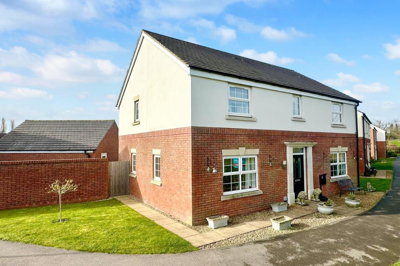
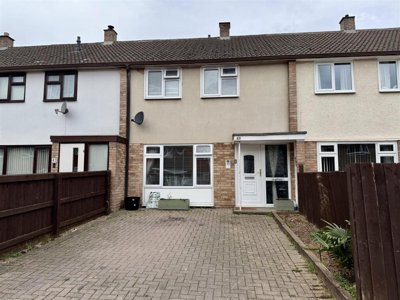
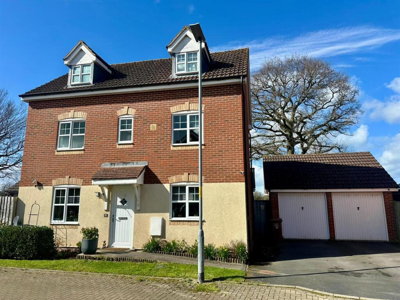
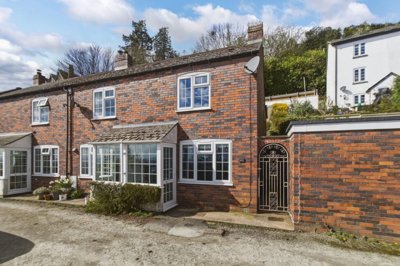
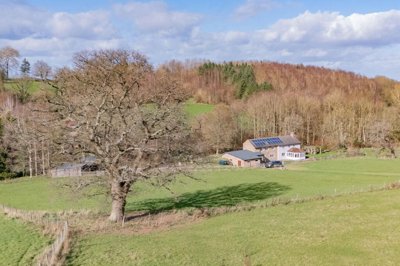
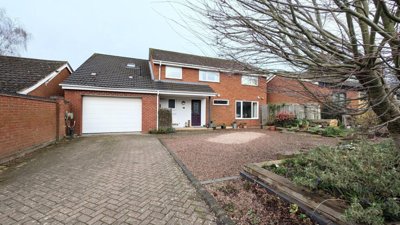
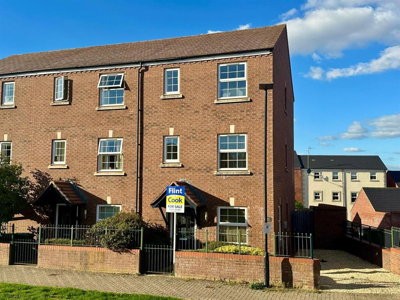
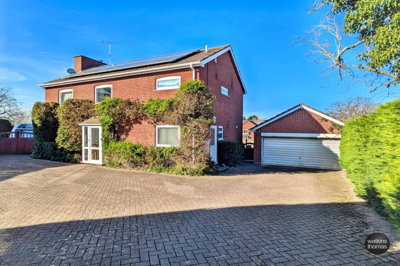
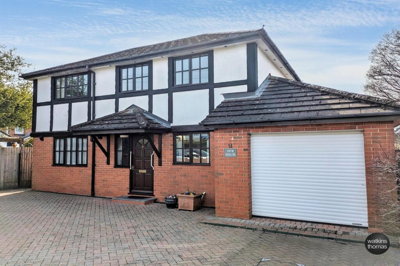
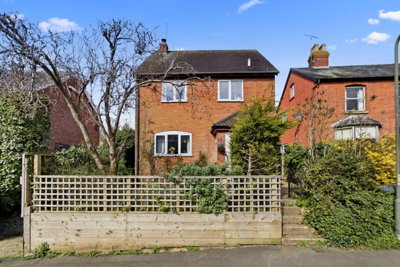
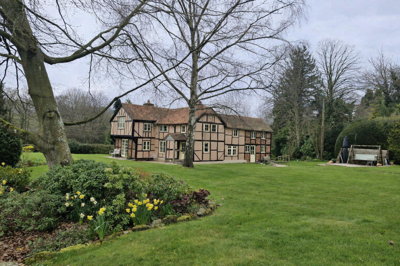
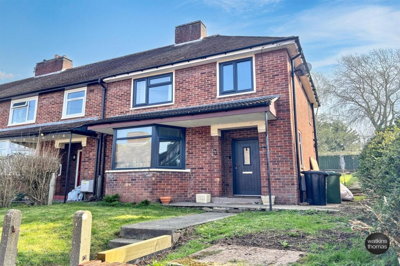
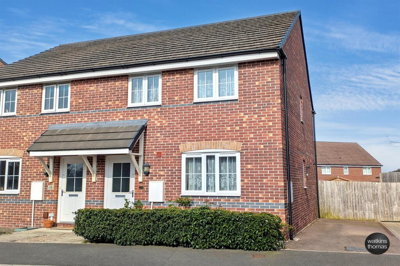
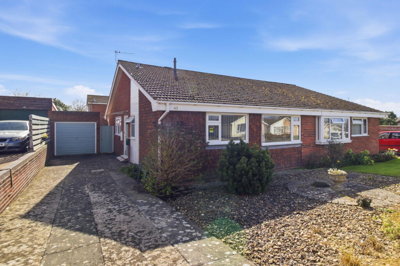
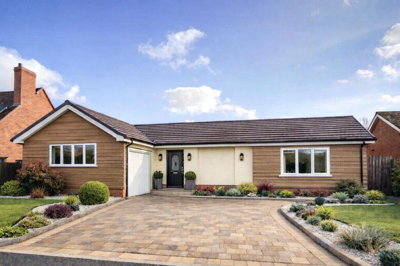
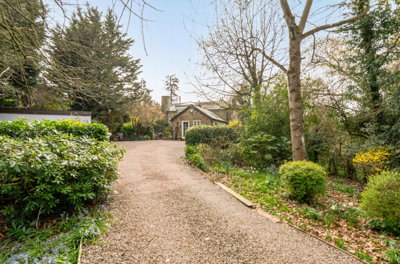
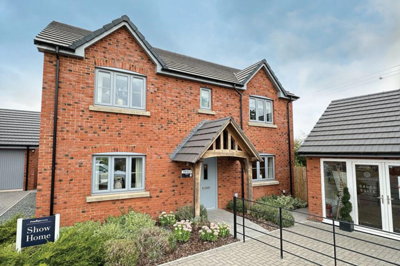
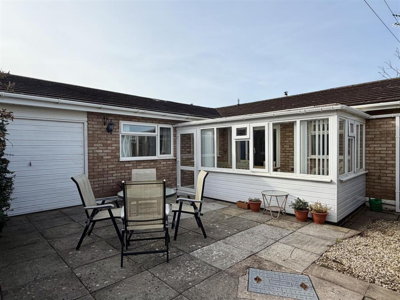
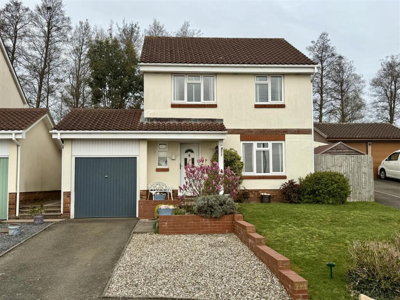
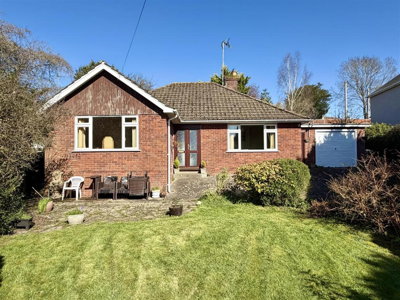
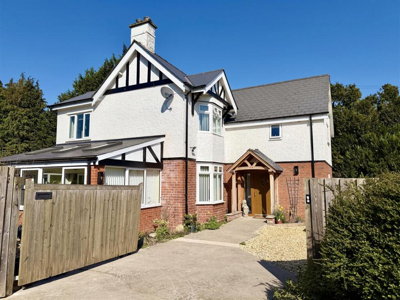
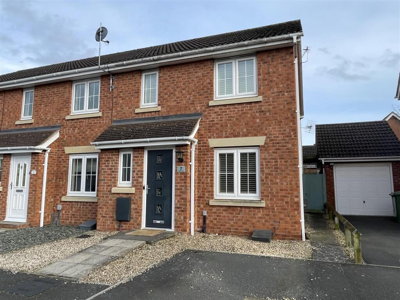
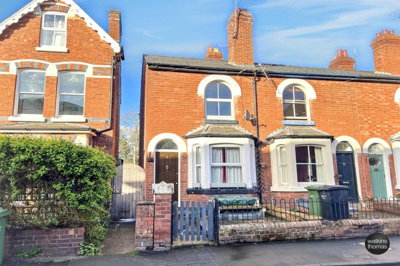
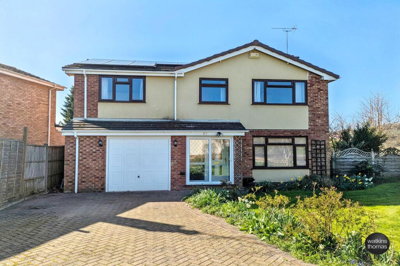
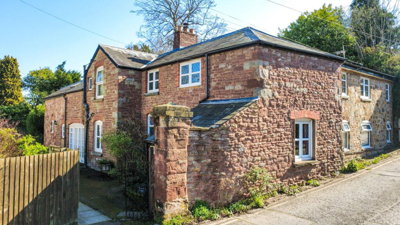
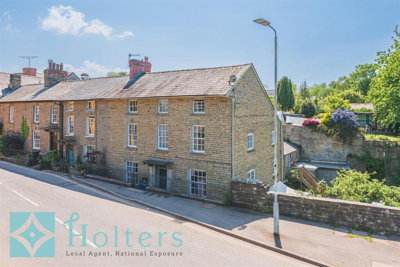
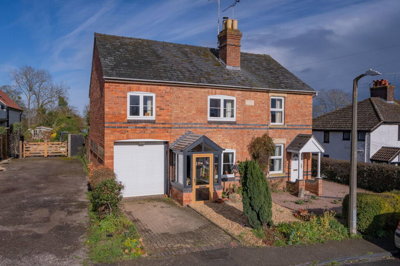
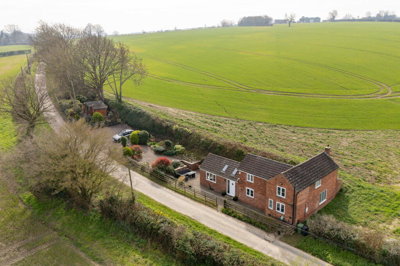
Browse 3,089 homes for sale in Herefordshire, England from local estate agents.
The Herefordshire property market offers detached, semi-detached, and terraced houses spanning various price ranges and neighbourhoods. Each listing includes detailed property information, photographs, and direct contact with the marketing agent.
£400k
1,182
75
121
Source: home.co.uk
Showing 1,182 results for Houses for sale in Herefordshire, England. 75 new listings added this week. The median asking price is £400,000.
Source: home.co.uk
Detached
705 listings
Avg £577,336
Semi-Detached
327 listings
Avg £319,648
Terraced
150 listings
Avg £225,452
Source: home.co.uk
Source: home.co.uk
Herefordshire's property market has experienced a notable correction in recent years, with average house prices falling approximately 6% to 11% from their 2023 peak of £354,491. The average house price currently sits around £287,000 according to the most recent ONS data from December 2025, offering buyers more favourable conditions than the overheated market seen during the pandemic years. OnTheMarket reports an 11.2% fall over the last twelve months, while Rightmove indicates prices are 6% down on the previous year. This correction has been particularly pronounced for detached properties, which saw the most aggressive price growth between 2020 and 2022 but have since normalised. For buyers with deposits ready and mortgage arrangements in place, this represents a promising window of opportunity.
Property types in Herefordshire skew heavily towards family homes, with detached properties accounting for 40.3% of all sales by volume. Semi-detached homes represent 27.7% of transactions, while terraced properties make up 23.5% and flats just 8.5% of the market. This distribution reflects the county's predominantly rural character and family-oriented housing stock. The average price for a detached home in Herefordshire is approximately £438,000 according to ONS data, semi-detached properties command around £279,000, terraced homes average £209,000, and flats typically sell for £127,000. Zoopla data from the last 12 months shows similar trends with detached properties averaging £435,235 and terraced homes at £220,291. Just over two-thirds of the county's housing stock comprises family-sized homes with three or more bedrooms.
Transaction volumes have dropped alongside prices, with approximately 2,100 property sales recorded in the county over the past twelve months according to data from Housemetric. This represents a decline of 15.3% or 414 fewer transactions compared to the previous period. Sales dropped by 15.3% according to Plumplot analysis. This reduced activity means less competition among buyers for quality properties, particularly in sought-after areas like Ledbury, Ross-on-Wye, and the villages surrounding Hereford city. Semi-detached properties showed resilience with a 2.6% price increase in the year to December 2025, while flats experienced a 2.8% decline, suggesting continued demand for family-sized accommodation.

New build activity remains healthy across Herefordshire with several major developments offering opportunities for buyers seeking modern living. Hereford Point by Bloor Homes offers 2, 3, and 4 bedroom homes ranging from £196,250 to £455,000, located in Hereford itself. For buyers looking closer to the historic centre, Hereford Grange by Crest Nicholson in Holmer provides 2, 3, and 4 bedroom homes from £272,500, situated just 2 miles north of Hereford city centre with a limited-time deposit contribution of £5,000 available. Taylor Wimpey's Elgar Place and Kyrle Green developments both offer 3 and 4 bedroom homes in Hereford priced from £320,000 to £420,000.
The Ledbury area offers excellent options through The Arches development by Bloor Homes, featuring 2, 3, and 4 bedroom homes from £210,000 to £555,000. Ledbury's position near the Malvern Hills makes it particularly attractive to buyers seeking countryside access while maintaining reasonable commuting links. Ross-on-Wye buyers can explore The Orchards by David Wilson Homes at Hildersley Farm, with 2 and 3 bedroom properties priced between £255,000 and £364,500. This development at HR9 7 postcode has recorded the highest number of new build sales in the county with 27 transactions. For buyers in the north of the county, Burley Gate by Bell Homes offers 2, 3, 4, and 5 bedroom homes including low-cost housing and six bungalows, located 7 miles north-east of Hereford city.
Across the county, newly built properties averaged £365,000, with the most common price range being £300,000 to £400,000 representing 31.8% of new build sales. Approximately 88 new properties were sold in the county in the past twelve months, accounting for 4.1% of all transactions. Average prices for new detached properties reach £453,000, while semi-detached new homes average £272,000 and terraced new builds command around £234,000. Smaller boutique developments also exist, such as Pool Yard at Woonton offering 2 and 3 bedroom homes from £345,000 to £385,000 as part of an exclusive development of just 8 properties. Saxon Green by David Wilson Homes is coming soon to Peterchurch in the Golden Valley, offering another option for buyers seeking modern accommodation in this scenic part of the county.

Herefordshire is one of England's most sparsely populated counties, with just 88 people per square kilometre, making it the fourth least densely populated area in the country. The county's population stands at approximately 191,000, with 82,800 households recorded in the 2021 Census. This rural character shapes every aspect of life here, from the winding country lanes connecting picturesque villages to the breathtaking landscapes of the Malvern Hills and the River Wye valley. The county town of Hereford serves as the main urban centre, while market towns like Leominster, Ledbury, Ross-on-Wye, and Bromyard each offer their own distinct personalities and essential amenities. The population increased by 1.9% from 2011 to 2021, showing steady growth that reflects the county's increasing appeal to buyers seeking an alternative to urban life.
The housing stock reflects centuries of architectural development, with timber-framed black-and-white cottages sitting alongside Victorian terraces and modern executive developments. Historically, houses in central and eastern Herefordshire were built with timber frames, primarily oak, and sometimes elm, with wattle and daub infill panels made from woven twigs daubed with earth, chopped straw, and dung. Red sandstone has been extensively used throughout the county for building, though it does not weather as well as some other materials. The Malvern Hills are formed of pre-Cambrian rock, which has been used in walls as far east as Ledbury. Thatch was commonly used for roofs in rural areas, though its use declined in towns due to fire hazards. Approximately 6,000 listed buildings are scattered throughout the county, protected for their architectural and historical significance, including Grade II* properties such as Walsopthorne Farmhouse in Ashperton.
The county's economy centres on agriculture, food and drink production, and manufacturing, with major employers including Bulmers cider, Cargill Meats, Special Metals Wiggin, and Tyrrells Crisps. Other significant employers include allpay, a payment services provider in the public and social housing sector, Painter Brothers who manufacture electricity pylons for Balfour Beatty, and BT's Madley Communications Centre. The food and drink sector is particularly strong, with Heineken-Bulmers, Westons Cider, and Kingspan Insulation in Pembridge all contributing to local employment. The Council and NHS remain significant public sector employers, providing stable employment for local residents. Housing affordability ratios of 8.65 (median house price to median earnings) indicate moderate challenges, though this has improved from 9.59 in 2023.
Herefordshire offers a comprehensive range of educational opportunities from primary through to further education. The county maintains a network of primary schools serving rural communities, with several notable secondary schools including Kingstone High School, The Hereford Academy, and the specialist subjects-focused schools in Hereford city. Families should research specific catchment areas carefully, as school quality and availability can vary significantly across this geographically dispersed county. The county's rural nature means that some children may travel considerable distances to reach their school, particularly at secondary level. The 2021 Census showed 19,600 households with dependent children, down from 20,700 in 2011, indicating changing family demographics.
Hereford hosts several independent schools providing alternatives to the state system, while the Hereford Sixth Form College offers comprehensive post-16 education. For families prioritising education in their property search, focusing on areas with good primary schools such as Ledbury, Ross-on-Wye, or the villages surrounding Hereford city may prove beneficial. The county's relatively affordable property prices compared to many parts of southern England mean that families can often access larger properties with gardens while still remaining within reasonable commuting distance of good schools. Detached properties, which dominate the housing stock at 42%, offer particular appeal for families needing additional bedrooms and living space. Parents should always verify current school performance data and admissions criteria directly with schools and Herefordshire Council, as catchment boundaries can change and significantly affect property values in surrounding streets.
The availability of childcare and early years education should also factor into family buying decisions, particularly for those with younger children. Village primary schools often have smaller class sizes than their urban counterparts, which some families find beneficial for early development. Secondary education options are more concentrated in the larger towns, meaning families in rural villages should carefully consider transport arrangements for older children. The availability of school transport and the reliability of bus services to secondary schools can significantly impact daily family routines and should be verified before committing to a property purchase.
Transport connectivity from Herefordshire has improved significantly with the development of the A449 and A465 trunk roads linking the county to the West Midlands conurbation. Hereford city sits at the intersection of several major routes, with the A49 providing a direct connection to Shrewsbury in the north and Worcester in the south. The county's position on the Welsh border means that some residents commute to employment in Hereford itself while living in adjacent areas. Journey times by car to Birmingham typically range from 60 to 90 minutes depending on the specific starting point and prevailing traffic conditions. The A465 heads east towards Birmingham and the wider motorway network, though journey times can be affected by congestion on single carriageway sections.
Public transport options are more limited than in urban areas, reflecting the county's predominantly rural character. Bus services connect many of the smaller villages to market towns, though frequencies are often reduced compared to urban routes. The railway line through Hereford provides connections to London Paddington via Worcester and Oxford, with journey times to the capital typically around three to three and a half hours. Direct trains to Manchester and Birmingham are also available, though services are less frequent than from major hub stations. For buyers working remotely or those with flexible arrangements, Herefordshire's excellent broadband infrastructure and peaceful living environment make it an increasingly attractive proposition.
Hereford railway station is centrally located within the city, making properties within walking distance particularly attractive to commuters. The county council continues to invest in transport improvements, though prospective buyers should carefully consider their specific commuting requirements before committing to a purchase. For those who need to commute daily to Birmingham or other West Midlands centres, properties along the A449 corridor towards Worcester may offer a better balance of rural living and accessibility. The impact of fuel costs and wear on vehicles should also be factored into the overall cost of commuting from more remote properties, particularly during periods of rising fuel prices.
Obtain a mortgage agreement in principle before beginning your property search. Herefordshire's average price of around £287,000 means many buyers will require a mortgage, and having your finances approved strengthens your position when making offers. Speak to our mortgage partners who can compare rates from multiple lenders and help you find the best deal for your circumstances. We recommend getting agreement in principle before attending viewings, as this demonstrates to sellers that you are a serious buyer.
Explore different parts of Herefordshire to understand which neighbourhood suits your lifestyle needs. Whether you prefer the bustling atmosphere of Hereford city, the historic charm of market towns like Ledbury or Ross-on-Wye, or the tranquility of rural villages, each area offers distinct advantages. Consider proximity to schools, workplaces, amenities, and transport links. Our team recommends spending time in different areas at various times of day before narrowing your search.
Once you have identified properties of interest, arrange viewings through our platform. Take time to assess the property's condition, noting any potential issues that may require further investigation. If buying a property in one of Herefordshire's 64 conservation areas, pay particular attention to the property's character and any planning restrictions that may apply. We always recommend attending viewings with a checklist and taking notes for comparison.
Before completing your purchase, arrange a RICS Level 2 HomeBuyer Report to assess the property's condition. Given Herefordshire's heritage of timber-framed and period properties, a professional survey can identify issues such as structural movement, damp, or roof condition that may not be apparent during a casual viewing. Our team works with qualified RICS surveyors who understand the specific construction methods used in Herefordshire properties, from traditional wattle and daub infill to red sandstone walls.
Appoint a solicitor to handle the legal aspects of your purchase. They will conduct searches with Herefordshire Council, check for any planning constraints, and manage the transfer of ownership. Our conveyancing partners offer competitive fixed fees and have experience with Herefordshire properties, including those in conservation areas and listed buildings. Search fees typically include local authority searches, drainage and water checks, and environmental data.
Once all searches are satisfactory and your mortgage is finalised, you will exchange contracts and pay your deposit. Completion typically follows within two to four weeks, after which you will receive the keys to your new Herefordshire home. Our team will stay in touch throughout the process to ensure a smooth transaction and answer any questions you may have along the way.
Buying property in Herefordshire requires awareness of several county-specific considerations. The extensive heritage of timber-framed and period properties means that many homes may have traditional construction methods including wattle and daub infill panels and oak framing. These construction techniques are generally robust but can require specialist maintenance and repair. Our inspectors frequently encounter issues with traditional timber-framed properties that buyers should understand before committing to a purchase. Red sandstone, commonly used in Herefordshire buildings, does not weather as well as some other materials and may show signs of erosion or spalling over time.
Herefordshire's 64 conservation areas impose planning restrictions designed to preserve the character of these special places. If you are purchasing a period property within a conservation area such as Almeley, Bosbury, Bromyard, or the historic centre of Hereford itself, you may face limitations on extensions, alterations, and even colour choices for exterior paintwork. The county's approximately 6,000 listed buildings carry additional requirements, as listed building consent is required for most alterations. These properties can offer wonderful character but require careful budgeting for maintenance and compliance with heritage regulations. Grade I and Grade II* listed buildings are particularly valuable but may face stricter requirements than standard Grade II properties.
Flood risk should be verified for any property near watercourses. While Hereford itself has very low overall flood risk, the River Wye and its tributaries can experience high water levels during periods of heavy rainfall. Flood warnings have been issued previously for the River Wye in North Hereford, particularly the Greyfriars area and the B4399 Holme Lacy Road. Herefordshire Council acts as a Lead Local Flood Authority responsible for managing flood risk from surface water, groundwater, and ordinary watercourses, meaning flooding can occur anywhere in the county not just near major rivers. Always request a flood risk report and check with the Environment Agency for any specific property concerns. Properties near the Malvern Hills may have different drainage characteristics than those on the flatter red sandstone areas of the county.
The average house price in Herefordshire currently ranges from £287,000 to £339,448 depending on the data source and reporting period. According to ONS provisional data from December 2025, the average stands at £287,000, while Rightmove reports £326,215 to £339,448 and OnTheMarket shows £337,000 as of February 2026. Property prices have fallen approximately 6% to 11% from the 2023 peak of £354,491, representing improved buying conditions for those with deposit funds ready. The 12-month trend shows a decline of £22,300 or 7% according to Plumplot analysis, with an 11.2% fall reported by OnTheMarket.
Council tax bands in Herefordshire are set by Herefordshire Council across bands A through H. The specific band depends on the property's assessed value. You can check the council tax band for any specific property through the Valuation Office Agency website or by contacting Herefordshire Council directly. As a guide, smaller terraced properties and flats typically fall into bands A to C, while larger detached family homes often attract bands E to G. Properties in conservation areas or those with significant historic features may have been assessed differently during banding, so it's worth checking the specific banding history of any property you are considering purchasing.
Herefordshire offers a range of educational options including primary schools across rural communities and secondary schools such as Kingstone High School and The Hereford Academy in the city. Ledbury, Ross-on-Wye, and the villages surrounding Hereford tend to have good primary school provision. Families should research specific catchment areas through Herefordshire Council's school admissions information and review current Ofsted ratings to identify the best options for their children's needs. The county's relatively high proportion of detached properties with three or more bedrooms makes it particularly suitable for families needing additional space, and properties in sought-after school catchment areas can command premium prices.
Herefordshire is predominantly rural, and public transport options reflect this character. Bus services connect many villages to market towns, though frequencies are often limited compared to urban routes. Hereford railway station provides connections to London Paddington via Worcester, with journey times around three to three and a half hours. The A49 and A449 roads provide car routes to Birmingham and the West Midlands, with journey times typically 60 to 90 minutes depending on traffic conditions. Buyers should verify specific public transport availability for their intended location before purchasing, particularly if commuting to work will be required regularly.
Herefordshire offers potential for property investment, particularly given the current market correction from the 2023 peak. The county's rural character, strong community spirit, and excellent quality of life continue to attract buyers. The average house price to median earnings ratio of 8.65 indicates moderate affordability challenges, but prices have become more accessible as the market has cooled. New build developments continue to appear across the county, suggesting developer confidence in the area. Transaction volumes have dropped by 15.3% according to recent data, meaning less competition for quality properties at a time when prices are more favourable for buyers.
Stamp Duty Land Tax rates for standard buyers start at 0% on the first £250,000 of property value, rising to 5% on the portion between £250,001 and £925,000, 10% up to £1.5 million, and 12% above that. For a typical Herefordshire property at the county average of around £287,000, a standard buyer would pay approximately £1,850 in SDLT on the amount above £250,000. First-time buyers benefit from relief on the first £425,000, paying 5% between £425,001 and £625,000 with no relief above that threshold. You should calculate your specific SDLT liability based on your circumstances and the property price before making an offer.
Herefordshire's wealth of historic properties requires careful consideration. Timber-framed homes, many with wattle and daub construction using oak frames and woven twig infill panels, need specialist understanding of traditional building methods. Red sandstone has been extensively used in the county but does not weather well, requiring maintenance attention. Conservation area restrictions apply to many properties across the county's 64 designated areas, limiting alterations and requiring planning permission for extensions. The county's approximately 6,000 listed buildings require listed building consent for most works. Budget for surveys that specifically address heritage construction, and factor maintenance costs for older properties into your financial planning. Our team recommends a RICS Level 3 Building Survey for older period properties rather than a standard Level 2 report.
From 4.5%
Compare mortgage rates from trusted lenders
From £499
Fixed-fee legal services for your property purchase
From £350
Comprehensive condition report for your new home
From £80
Energy performance certificate for your property
Understanding the full costs of buying a property in Herefordshire helps you budget accurately and avoid surprises. Beyond the property price, buyers must account for Stamp Duty Land Tax, legal fees, survey costs, and moving expenses. For a typical Herefordshire property at the county average of around £287,000, a standard buyer without first-time buyer status would pay SDLT on the amount above £250,000, which at current rates would be approximately £1,850. First-time buyers purchasing properties up to £425,000 may pay no SDLT at all, representing significant savings that can be redirected towards furnishing your new home or building an emergency fund.
Legal costs for conveyancing typically range from £500 to £2,000 depending on the complexity of the transaction and whether the property is freehold or leasehold. Given Herefordshire's significant stock of period properties and the prevalence of conservation areas and listed buildings, some transactions may require additional legal work. Our conveyancing partners have experience handling Herefordshire properties and understand the specific requirements for heritage properties. A RICS Level 2 HomeBuyer Report costs from around £350 for standard properties, rising for larger homes or those requiring more detailed inspection. Given Herefordshire's extensive period property stock, buyers should consider whether a more comprehensive RICS Level 3 Building Survey might be appropriate for older timber-framed properties or those showing signs of structural movement.
Search fees with Herefordshire Council vary but typically amount to a few hundred pounds, covering local authority searches, drainage and water searches, and environmental data. Additional costs to budget for include mortgage arrangement fees, which can range from £0 to £2,000 depending on the lender, and valuation fees which are often mandatory and cost between £150 and £1,500 depending on the property value. Removal costs vary widely based on the volume of belongings and distance moved. Buildings insurance should be in place from the point of exchange, and life insurance or critical illness cover is worth considering, particularly for buyers with families or significant mortgages.
Properties for Sale In London

Properties for Sale In Plymouth

Properties for Sale In Liverpool

Properties for Sale In Glasgow

Properties for Sale In Sheffield

Properties for Sale In Edinburgh

Properties for Sale In Coventry

Properties for Sale In Bradford

Properties for Sale In Manchester

Properties for Sale In Birmingham

Properties for Sale In Bristol

Properties for Sale In Oxford

Properties for Sale In Leicester

Properties for Sale In Newcastle

Properties for Sale In Leeds

Properties for Sale In Southampton

Properties for Sale In Cardiff

Properties for Sale In Nottingham

Properties for Sale In Norwich

Properties for Sale In Brighton

Properties for Sale In Derby

Properties for Sale In Portsmouth

Properties for Sale In Northampton

Properties for Sale In Milton Keynes

Properties for Sale In Bournemouth

Properties for Sale In Bolton

Properties for Sale In Swansea

Properties for Sale In Swindon

Properties for Sale In Peterborough

Properties for Sale In Wolverhampton

Enter your details to see if this property is within your budget.
Loans, cards, car finance
Estimated property budget
Borrowing + deposit
You could borrow between
Typical borrowing
Monthly repayment
Est. at 4.5%
Loan-to-value
This is an estimate only. Your actual budget may vary depending on interest rates, credit history, and personal circumstances. For an accurate affordability assessment, speak to one of our free mortgage advisors.
This calculator provides estimates for illustrative purposes only and does not constitute financial advice. Your home may be repossessed if you do not keep up repayments on your mortgage. Estimates based on 4.5% interest rate, repayment mortgage. Actual rates depend on your circumstances.
Homemove is a trading name of HM Haus Group Ltd (Company No. 13873779, registered in England & Wales). Homemove Mortgages Ltd (Company No. 15947693) is an Appointed Representative of TMG Direct Limited, trading as TMG Mortgage Network, which is authorised and regulated by the Financial Conduct Authority (FRN 786245). Homemove Mortgages Ltd is entered on the FCA Register as an Appointed Representative (FRN 1022429). You can check registrations at NewRegister or by calling 0800 111 6768.

We use cookies to show you personalised content and improve your experience of our website. Find out more in our Privacy policy and Cookie policy.