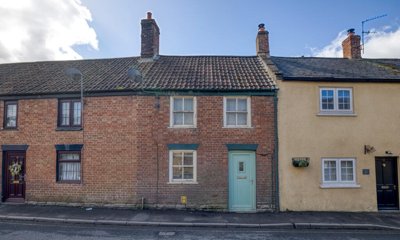
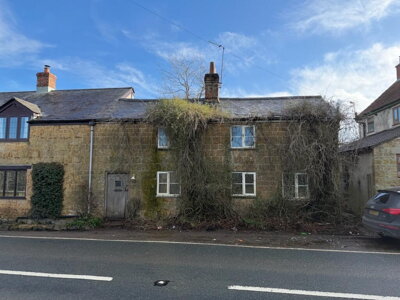
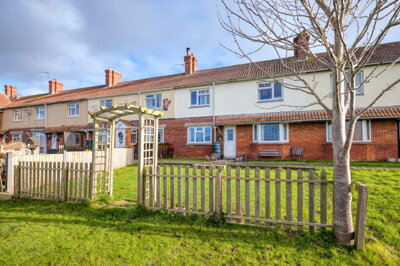
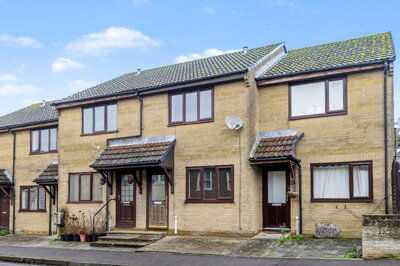
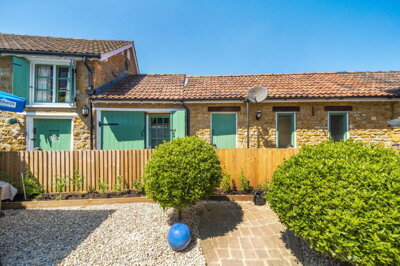
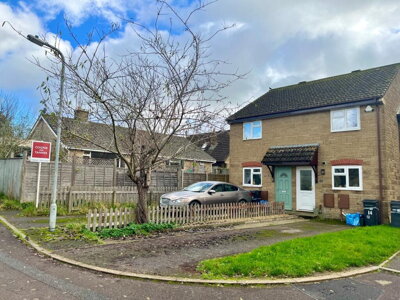
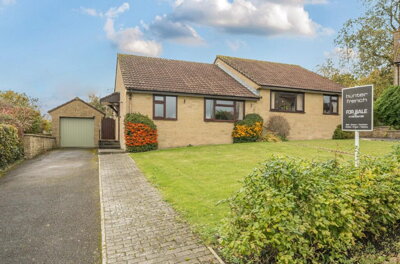
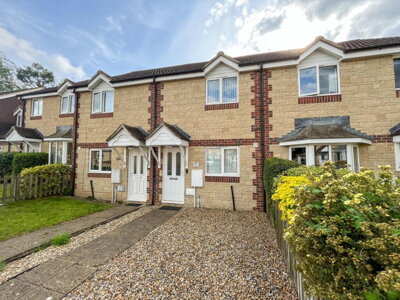
Browse 16 homes for sale in Castle Cary from local estate agents.
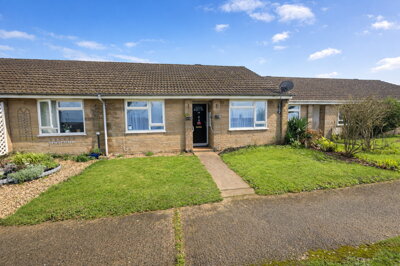
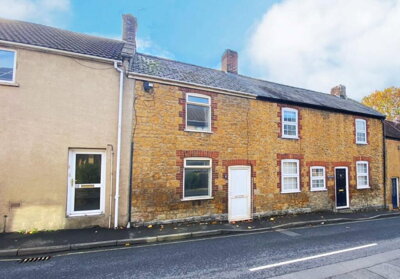
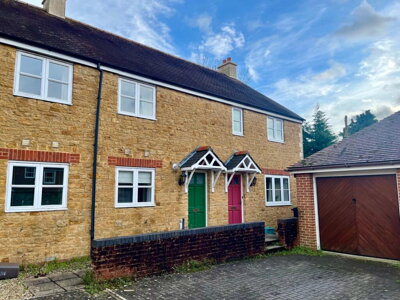
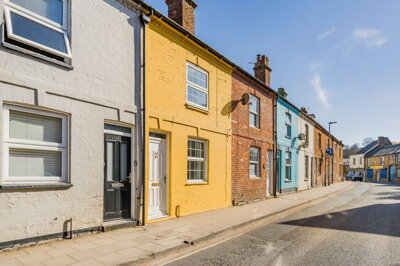
The 2 bed house market features detached, semi-detached, and terraced properties with two separate bedrooms plus living spaces. Properties in Castle Cary range from Victorian and Edwardian period homes to modern new builds, with pricing varying across different neighbourhoods.
The Castle Cary property market has experienced notable price corrections over the past two years, with overall average prices falling approximately 19% from the 2022 peak of £361,583. The BA7 7 postcode area saw prices decline by 4.4% in the last twelve months, and after accounting for inflation, the fall reaches 8.0%, suggesting that some of the pandemic-era premium has normalised. This correction has created opportunities for buyers who were previously priced out of the market, particularly in a location where the underlying appeal of the area remains strong given its connectivity and community amenities.
Property types in Castle Cary span an attractive range that reflects both the town's historic character and modern development activity. Detached properties command the highest prices at around £453,000 on average, while semi-detached homes typically sell for approximately £246,000. Terraced properties, many of which occupy positions along the conservation area's narrow streets, average around £252,000, and flats in the town centre start from approximately £242,000. New build opportunities are available at Tor View, where Persimmon Homes offers two, three, and four-bedroom homes from £340,000 in the West Park area of the town, providing modern specifications within a traditional setting.

Castle Cary embodies the essence of a thriving Somerset market town, where centuries of history are woven into every street and where community life continues to flourish. The town centre features narrow streets lined with high-quality late eighteenth and nineteenth-century buildings constructed predominantly from the local Cary Stone, a distinctive buff to grey-coloured oolitic limestone that has shaped the town's architectural identity for generations. This Hadspen Stone, extracted from local beds known as the Yellow Bed and Grey Bed, gives Castle Cary an immediately recognisable character that distinguishes it from surrounding villages and towns. The market place remains the focal point, dominated by the distinctive Round House and adjacent to the scheduled monument of the castle earthworks.
The local economy has transformed significantly from its historic roots in the woollen and linen industries, later specialising in horsehair weaving during the Victorian era, to today's mix of services, light manufacturing, and tourism. Unemployment in the Castle Cary area stands at just 3.9% as of mid-2025, comfortably below the national average of 5.0%, suggesting a resilient local job market. Residents enjoy a range of independent shops, traditional pubs serving local ales, a weekly market, and various community venues that host events throughout the year. The town's demographic shows an ageing population with a higher proportion of residents over 65 than the national average, reflecting its appeal to those seeking a quieter lifestyle or planning for retirement in attractive surroundings.
Families considering a move to Castle Cary will find educational options that serve the local community and wider surrounding villages. The town provides primary education facilities within easy walking distance of the residential areas, catering to children from reception through to Year 6. Secondary education is available through schools in the South Somerset area, with schools offering GCSE programmes and sixth form provision for older students continuing their education locally. Planning applications for new housing developments include land reserved for educational facilities, acknowledging that population growth from new housing developments will require corresponding investment in school capacity.
Castle Cary's position within South Somerset means that parents have access to a range of educational pathways including vocational courses and further education colleges in nearby towns. The town's existing educational infrastructure is supported by the community's commitment to maintaining local facilities, with schools benefiting from active parental involvement and engagement with wider community events. Prospective buyers with school-age children should research current catchment areas and admission arrangements directly with Somerset County Council, as these can change and may affect which schools pupils can access from specific addresses. The presence of several listed buildings and properties within the conservation area means that families choosing historic properties may wish to factor in the potential need for specialist building surveys given the age and construction methods of older school buildings in the vicinity.
Castle Cary enjoys exceptional connectivity for a Somerset market town, making it particularly attractive to commuters seeking to escape the expense of larger cities while maintaining access to major employment centres. The town's railway station sits on the main London Paddington to Penzance line, offering regular services that connect residents directly with the capital, Bath, Bristol, Exeter, and Cornwall. Journey times to London Paddington are competitive, making day commuting or flexible working arrangements entirely feasible for professionals who need to travel to the capital periodically.
Road connections are equally strong, with the A371 providing direct access to the A303 at Wincanton, opening up the wider motorway network for those travelling by car. The town is positioned equidistant from the Mendip Hills and the Somerset Levels, offering residents easy access to outstanding countryside for weekend recreation. Bus services connect Castle Cary with surrounding villages and nearby towns including Yeovil and Somerton, providing alternatives to car travel for daily errands and occasional commuting. The town's car parking provision accommodates both residents and visitors, with the layout of the historic centre having evolved around traditional transport modes rather than modern vehicular requirements.
Before viewing properties, obtain a mortgage agreement in principle from a lender to understand your budget. Castle Cary properties range from flats around £242,000 to detached homes exceeding £450,000, so knowing your limit streamlines your search.
Study current listings in Castle Cary and understand recent price trends. Prices have corrected around 19% from the 2022 peak, creating opportunities. Consider property types from Victorian terraces to new builds at Tor View when defining your requirements.
Arrange viewings through Homemove and visit at different times of day to understand the neighbourhood. Note the proximity to the conservation area, local schools, and railway station when evaluating different streets and developments.
Given Castle Cary's wealth of historic properties, a RICS Level 2 Homebuyer Report is strongly recommended. Survey costs typically range from £495 to £550 depending on property value, providing and identifying any structural concerns with older buildings.
Choose a conveyancing specialist familiar with Somerset properties to handle legal work. They will conduct searches, review contracts, and manage the transfer of ownership through to completion.
Once searches are satisfactory and finance is confirmed, your solicitor will exchange contracts and agree a completion date. On completion day, the keys are released and you can move into your new Castle Cary home.
Castle Cary's historic properties require particular attention from prospective buyers given the prevalence of older construction throughout the town. Properties within the designated conservation area, which covers much of the historic town centre, may be subject to planning restrictions requiring Listed Building Consent for certain alterations or extensions. The distinctive Cary Stone construction, while providing beautiful facades, can present specific maintenance considerations that differ from modern brick or render finishes. Lime mortars rather than cement may have been used in older construction, requiring careful maintenance to prevent moisture penetration and subsequent deterioration.
Flood risk assessment is advisable before purchasing any property in Castle Cary, as the town lies within the River Brue catchment area. While no current flood warnings were in effect at time of writing, the long-term flood risk from rivers, surface water, and groundwater should be evaluated through standard property searches. New developments such as the Station Green scheme incorporate surface water drainage systems specifically designed to manage excess rainwater and reduce flooding risk to existing properties. Buyers considering older properties should also investigate potential issues with outdated electrical systems, as many historic buildings retain original wiring that does not meet modern safety standards.
Average house prices in Castle Cary currently stand at around £292,526 according to Rightmove data, with Zoopla recording a similar figure of £289,324. Detached properties average approximately £453,125, semi-detached homes around £246,091, terraced properties at £252,333, and flats starting from £242,000. Prices have corrected significantly from the 2022 peak of £361,583, falling roughly 19% over the past two years.
Properties in Castle Cary fall within South Somerset District Council's jurisdiction for council tax purposes. Bands range from A through to H depending on property value, with most Victorian terraces and smaller cottages typically falling in bands A to C. You can verify the specific band for any property through the Valuation Office Agency website or by checking the property listing details.
Castle Cary provides primary education within the town itself, with schools serving Reception through Year 6. Secondary education is available through schools in the wider South Somerset area, with options for GCSE and A-Level study. Parents should consult Somerset County Council for current catchment area information and admission policies, as these can affect which schools pupils can access from specific addresses.
Castle Cary railway station offers direct services on the London Paddington to Penzance main line, providing regular connections to Bath, Bristol, Exeter, and the capital. The A371 road links the town to the A303 at Wincanton for road travel, with bus services connecting to surrounding villages and nearby towns. This connectivity makes Castle Cary particularly attractive to commuters who need access to major employment centres while enjoying rural living.
Castle Cary's property market has demonstrated resilience despite recent price corrections, with ongoing new development activity suggesting continued demand. Planning permission exists for approximately 600 additional homes in the area, indicating confidence in future growth. The town benefits from low unemployment at 3.9%, good transport links, and strong community facilities that maintain its appeal to a wide range of buyers. The mix of period properties and new build opportunities provides options across different investment strategies.
Standard Stamp Duty Land Tax rates start at 0% for properties up to £250,000, rising to 5% on the portion between £250,001 and £925,000. First-time buyers benefit from relief on the first £425,000 of their purchase, with 5% applying between £425,001 and £625,000. Above £625,000, first-time buyer relief does not apply. For example, a first-time buyer purchasing a typical terraced property at £252,000 would pay no stamp duty under current thresholds.
From 3.99%
Compare mortgage rates and find the best deal for your Castle Cary home
From £499
Expert solicitors to handle your Castle Cary property purchase
From £495
Homebuyer report essential for Castle Cary's older properties
From £80
Energy performance certificate required for all sales
Understanding the full costs of purchasing property in Castle Cary extends beyond the asking price to encompass stamp duty, solicitor fees, survey costs, and moving expenses. The current SDLT thresholds for 2024-25 apply zero percent duty on the first £250,000 of residential purchases, five percent between £250,001 and £925,000, ten percent up to £1.5 million, and twelve percent above that threshold. For a typical Castle Cary terraced property at approximately £252,000, a standard buyer would incur no stamp duty, while a detached family home at £450,000 would attract SDLT of approximately £10,000 on the portion above £250,000.
First-time buyers enjoy enhanced relief that raises the zero percent threshold to £425,000, with five percent applying between £425,001 and £625,000. This means a first-time buyer purchasing a two-bedroom flat in Castle Cary at around £242,000 would pay no stamp duty whatsoever. Additional purchase costs include RICS Level 2 survey fees typically ranging from £495 to £550 depending on property value, conveyancing costs from approximately £499 to £1,500 depending on complexity, and Land Registry fees for registering your ownership. On a £300,000 property, total purchase costs excluding mortgage arrangements typically range from £4,000 to £6,000, and it is prudent to budget for these expenses before committing to your purchase.
Properties for Sale In London

Properties for Sale In Plymouth

Properties for Sale In Liverpool

Properties for Sale In Glasgow

Properties for Sale In Sheffield

Properties for Sale In Edinburgh

Properties for Sale In Coventry

Properties for Sale In Bradford

Properties for Sale In Manchester

Properties for Sale In Birmingham

Properties for Sale In Bristol

Properties for Sale In Oxford

Properties for Sale In Leicester

Properties for Sale In Newcastle

Properties for Sale In Leeds

Properties for Sale In Southampton

Properties for Sale In Cardiff

Properties for Sale In Nottingham

Properties for Sale In Norwich

Properties for Sale In Brighton

Properties for Sale In Derby

Properties for Sale In Portsmouth

Properties for Sale In Northampton

Properties for Sale In Milton Keynes

Properties for Sale In Bournemouth

Properties for Sale In Bolton

Properties for Sale In Swansea

Properties for Sale In Swindon

Properties for Sale In Peterborough

Properties for Sale In Wolverhampton

Enter your details to see if this property is within your budget.
Loans, cards, car finance
Estimated property budget
Borrowing + deposit
You could borrow between
Typical borrowing
Monthly repayment
Est. at 4.5%
Loan-to-value
This is an estimate only. Your actual budget may vary depending on interest rates, credit history, and personal circumstances. For an accurate affordability assessment, speak to one of our free mortgage advisors.
This calculator provides estimates for illustrative purposes only and does not constitute financial advice. Your home may be repossessed if you do not keep up repayments on your mortgage. Estimates based on 4.5% interest rate, repayment mortgage. Actual rates depend on your circumstances.
Homemove is a trading name of HM Haus Group Ltd (Company No. 13873779, registered in England & Wales). Homemove Mortgages Ltd (Company No. 15947693) is an Appointed Representative of TMG Direct Limited, trading as TMG Mortgage Network, which is authorised and regulated by the Financial Conduct Authority (FRN 786245). Homemove Mortgages Ltd is entered on the FCA Register as an Appointed Representative (FRN 1022429). You can check registrations at NewRegister or by calling 0800 111 6768.

We use cookies to show you personalised content and improve your experience of our website. Find out more in our Privacy policy and Cookie policy.