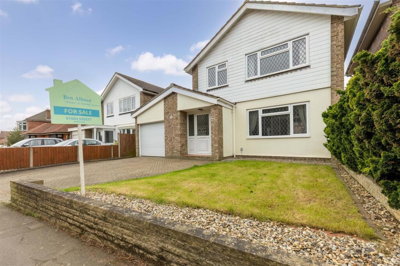
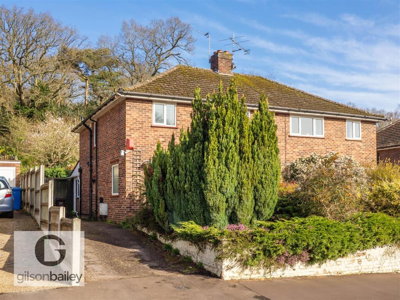
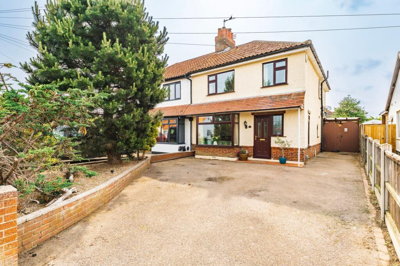
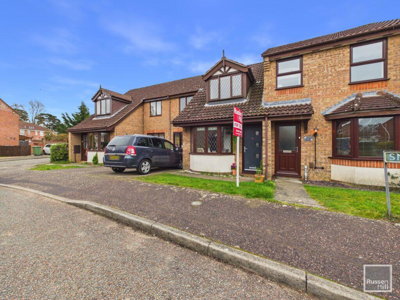
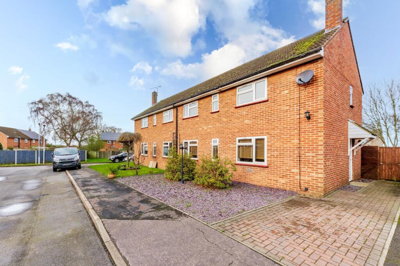
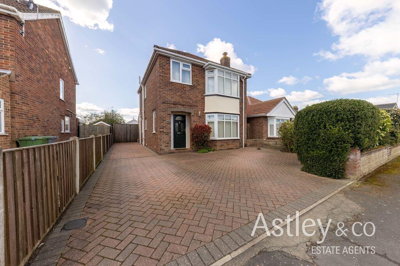
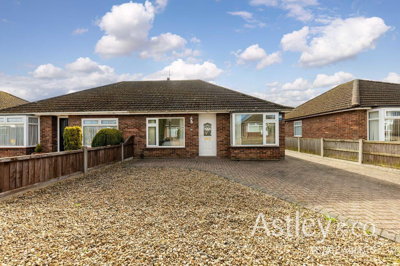
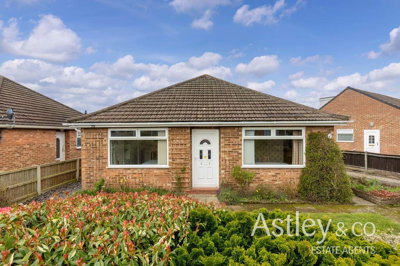
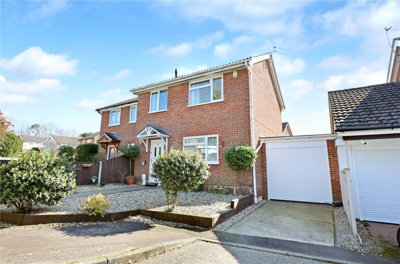
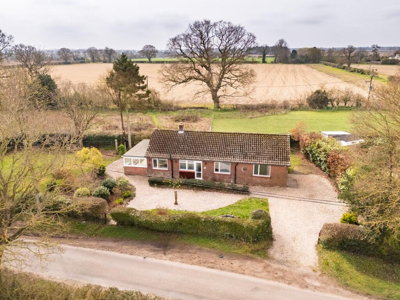
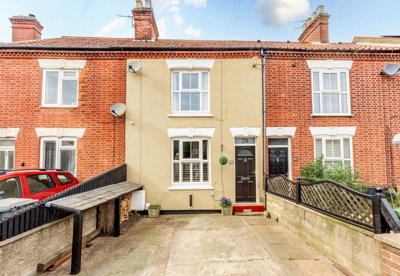
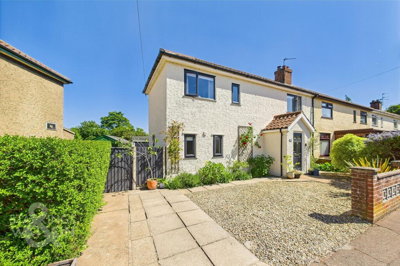
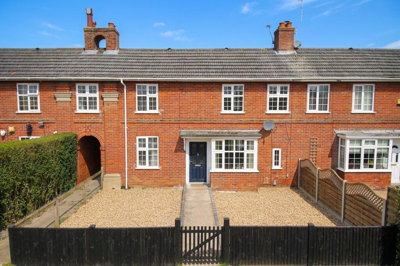
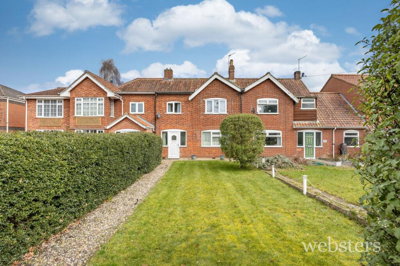
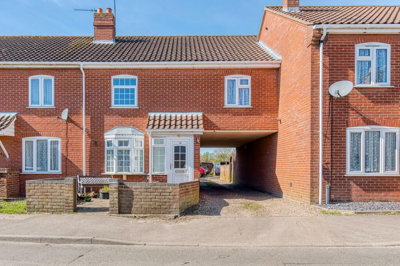
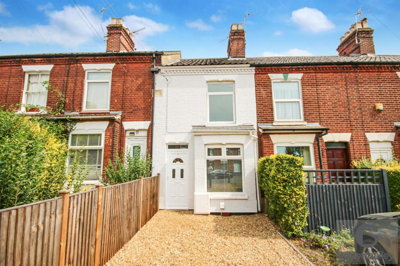
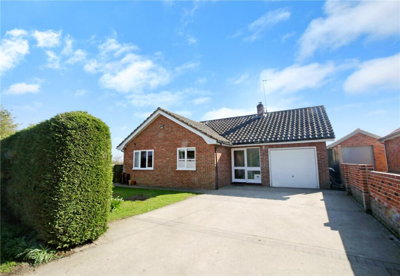
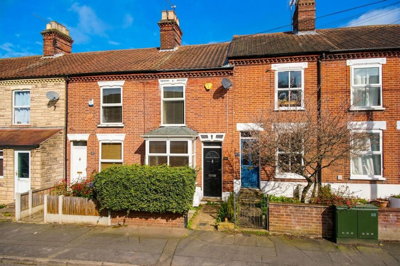
Browse 1,263 homes for sale in Broadland, Norfolk from local estate agents.
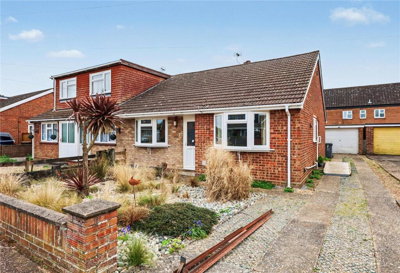
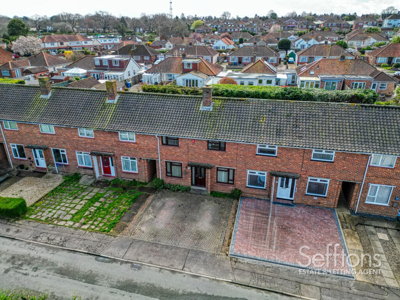
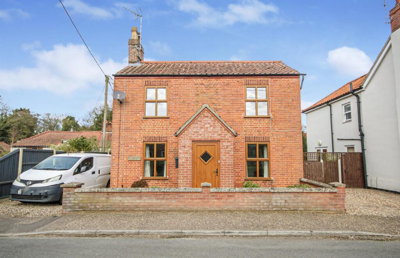
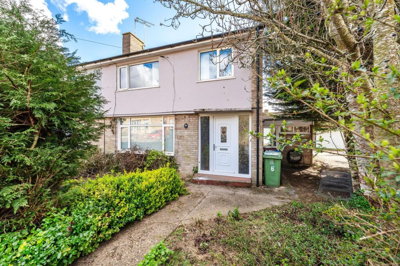
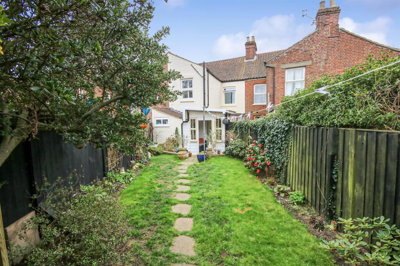
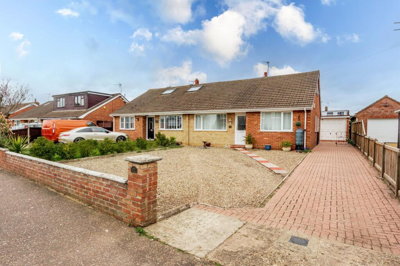
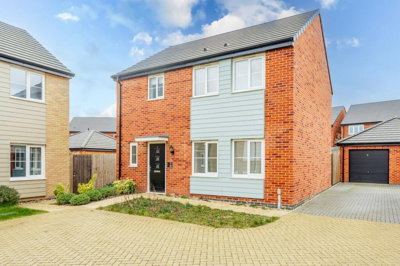
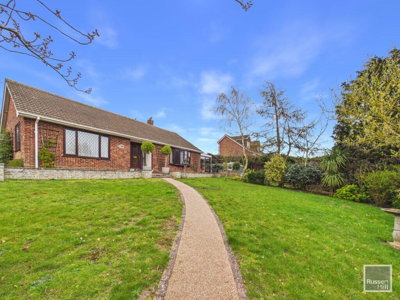
Three bedroom properties represent a significant portion of the Broadland housing market, offering space for families with multiple reception rooms and gardens in many cases. Browse detached, semi-detached, and terraced options ranging from period character homes to contemporary developments.
£318k
236
29
77
Source: home.co.uk
Showing 236 results for 3 Bedroom Houses for sale in Broadland, Norfolk. 29 new listings added this week. The median asking price is £317,500.
Source: home.co.uk
Semi-Detached
107 listings
Avg £296,859
Detached
87 listings
Avg £412,884
Terraced
42 listings
Avg £282,292
Source: home.co.uk
Source: home.co.uk
The Broadland property market has demonstrated consistent resilience and steady appreciation over recent years. The current average house price of £315,000 reflects a 1.9% increase from December 2024, a growth rate that exceeds the regional average for the East of England. For first-time buyers entering the market, the average purchase price stands at £272,000, representing a 2.4% year-on-year increase. These figures suggest a healthy local market with sustained demand across all buyer categories. The combination of relative affordability compared to London and the Southeast, coupled with strong transport links to Norwich and beyond, continues to attract buyers from across the country.
Property types in Broadland cater to diverse requirements and budgets. Detached properties command the highest average price at £424,000, offering generous space ideal for families or those working from home. Semi-detached homes average £277,000, providing an excellent balance of space and value. Terraced properties at £228,000 represent an accessible entry point for first-time buyers, while flats and maisonettes average £147,000, perfect for singles, couples, or investors seeking rental opportunities. Historical sales data from 2018 recorded 2,326 property transactions in Broadland, with new homes accounting for 13% of sales, indicating a healthy mix of established and new-build stock in the local market.
New build activity continues to contribute to the housing supply, with Broadland Housing Association completing 64 affordable and shared ownership homes in the past year, comprising 46 affordable rent and 18 shared ownership properties. The association also sold 31 new homes from their open market development at Broadland St Benedict's, with profits supporting further affordable housing initiatives in the district. This ongoing investment in the local housing stock demonstrates continued confidence in Broadland's property market and provides options for buyers at various price points. The projected annual household growth of 318 additional households suggests demand will remain steady for the foreseeable future.
Understanding the full cost of purchasing requires considering stamp duty and other fees. On a typical Broadland property priced at the current average of £315,000, a standard buyer would pay £3,250 in Stamp Duty Land Tax. First-time buyers benefit from increased thresholds, with relief applying to the first £425,000, meaning most first-time buyers purchasing at the average price would pay no stamp duty at all. Beyond stamp duty, solicitor conveyancing typically starts from £499, while survey costs for a RICS Level 2 HomeBuyer Report range from £395 for standard properties up to £800 for larger homes. Budgeting for a buffer of approximately 2-3% of the purchase price for fees and costs beyond the property itself is prudent for most buyers.

Broadland district offers a distinctive quality of life that balances peaceful village living with access to urban conveniences. The area population reached approximately 131,700 according to the 2021 Census, representing growth of 5.7% since 2011, indicating sustained popularity. Home ownership remains strong at 77.1%, with private renting accounting for 12.3% and social housing at 9.7%. The tenure profile has shifted slightly over the decade, with private renting increasing from 10.3% and social housing rising from 8.6%, reflecting broader national trends while maintaining high home ownership levels. This demographic profile reflects a stable community with long-term residents invested in their neighbourhoods.
The landscape of Broadland is characterised by its low-lying terrain, with approximately 60% of the area sitting below sea level. This unique geography has shaped both the environment and the community, with the Broadland Futures Initiative working to manage flood risk in response to climate change and rising sea levels. Flood alleviation projects have upgraded over 240km of flood banks, protecting 30,000 hectares of land, including 1,700 properties (comprising 1,000 homes) and critical infrastructure like the A47 trunk road and the Norwich to Great Yarmouth rail line. The area boasts attractive waterways, wetlands, and open countryside, providing ample opportunities for walking, cycling, and wildlife observation.
Individual villages within Broadland each offer distinct character and amenities. Thorpe St Andrew provides riverside charm with convenient access to Norwich, while Acle sits in the rural heartland of the district. Hellesdon offers a range of amenities and good transport connections. Local villages provide essential services including shops, pubs, and community facilities, while larger centres offer supermarkets, healthcare, and recreational activities. The proximity to Norwich ensures residents can easily access cultural attractions, shopping, and employment opportunities while enjoying a more relaxed pace of life than city living provides. The district's position northeast of Norwich makes it particularly accessible to the city's hospital, university, and business parks.
For those considering the practicalities of daily life, Broadland sits within Broadland District Council boundaries for council tax purposes. Bands range from A to H based on property valuation, with most residential properties falling within bands A through D. Prospective residents can check specific bands via the Valuation Office Agency website using the property address. The area benefits from good digital connectivity, though rural villages may experience variable broadband speeds, an important consideration for those working from home. Local collection and environmental services are managed by the district council, with specific arrangements varying by parish.

Education provision in Broadland serves families across all age groups, with a range of primary and secondary schools within the district and surrounding areas. The area benefits from a mix of village primary schools that offer intimate learning environments, alongside larger primary schools serving expanding communities. Parents researching properties in Broadland should note that school catchment areas can significantly impact property values and desirability in specific streets and villages, making proximity to high-performing schools an important consideration for family buyers. The projected household growth of 318 additional households per year suggests some schools may face increasing enrolment pressure.
Primary schools within and adjacent to Broadland include Coltishall Primary Academy serving the northern villages, and Hellesdon High School's associated primary provision. Acle Academy serves primary-age children in the rural east of the district, while Thorpe St Andrew is served by several primary options including Heathfields Infant and Junior schools. Parents should consult current Ofsted reports and performance data when evaluating schools, as ratings can change over time. Village primary schools often benefit from strong community connections but may have limited facilities compared to larger town schools. Schools in growth areas like Hellesdon have seen increasing pupil numbers reflecting new housing development in recent years.
Secondary education options include both comprehensive schools and selective grammar schools accessible by examination. Hellesdon High School serves the largest population centre in the district, while other secondary schools in surrounding areas provide options for families willing to consider schools outside Broadland's immediate boundaries. Selective grammar schools in Norwich and beyond attract students from across the region through the 11-plus examination. Families should verify current catchment arrangements and travel distances when considering grammar school access from specific village locations. Transport arrangements to secondary schools can be complex for those living in more rural parts of the district.
For families with younger children, early years provision is available across the district through a combination of nurseries, preschools, and school-based reception classes. Post-16 education opportunities are available at school sixth forms and further education colleges in nearby Norwich, providing clear progression pathways for students remaining in the area for their A-levels and vocational qualifications. The presence of the University of East Anglia in Norwich, located just outside Broadland's boundary, means older students have access to higher education without needing to relocate to distant cities. Further education colleges in Norwich offer vocational courses in construction, health and social care, and business studies, providing relevant training for the local job market.
Broadland benefits from excellent connectivity that makes commuting practical for residents working in Norwich, Cambridge, or London. The district lies northeast of Norwich, with the A47 trunk road providing direct access to the city and connecting to the wider national road network. The A47 is a critical transport artery for the region, linking Norwich to Great Yarmouth and providing connections to the A11 toward Cambridge. Journey times to Norwich city centre typically take 15-30 minutes depending on the specific village of residence, making day-to-day travel highly manageable. This road also carries significant freight traffic, and congestion during peak hours can affect journey times, particularly on sections near Norwich.
Public transport options serve villages across Broadland, with bus routes connecting to Norwich bus station and railway station. The area has good coverage for a rural district, though service frequency varies significantly between villages, with more frequent buses serving larger settlements like Thorpe St Andrew and Hellesdon. Rail services from Norwich station offer direct connections to London Liverpool Street, with journey times of approximately two hours, making day commuting to the capital feasible for those with flexible working arrangements. Additional rail services connect Norwich to Cambridge, Birmingham, and Ipswich, expanding employment opportunities accessible to Broadland residents.
For commuters working in Cambridge or Ipswich, the strategic position of Broadland provides reasonable access via the A11 and A14 corridors. The journey to Cambridge typically takes around 90 minutes by car, making it accessible for occasional office attendance. For those working in London, the two-hour rail journey from Norwich to London Liverpool Street compares favourably with many UK regional locations. The area's proximity to Norwich International Airport, located just outside the district, offers domestic and European flights for business and leisure travellers. Norwich airport serves destinations including Amsterdam, Edinburgh, and various European holiday destinations, providing convenient access for international travel.
Cyclists will find some scenic routes through the Broads landscape, though the low-lying terrain can present challenges in certain conditions, particularly after heavy rain when waterways may encroach on paths. The Broads National Park, which extends into parts of Broadland, offers extensive cycling and walking routes for recreation. Parking provision varies across villages, with some areas offering dedicated car parks while others rely on on-street parking. Prospective residents should consider their typical commute patterns and transport requirements when evaluating different villages and property types within Broadland. Village locations closer to the A47 corridor generally offer the most straightforward road access, while more rural villages may require car ownership for practical daily living.
Spend time exploring different villages within Broadland to find the neighbourhood that best matches your lifestyle requirements. Consider factors such as distance to schools, local amenities, and commuting times. Our platform provides detailed area guides and property listings to support your research. Pay particular attention to flood risk profiles for different areas given the district's low-lying geography, and check which primary and secondary school catchment zones apply to properties you are considering.
Before viewing properties, obtain a mortgage agreement in principle from a lender. This demonstrates your financial readiness to estate agents and sellers, strengthening your position when making offers. Homemove can connect you with competitive mortgage products suited to your circumstances. With the average Broadland property at £315,000 and first-time buyers paying around £272,000, understanding your borrowing capacity before searching will streamline the buying process considerably.
Book viewings on properties that match your criteria and attend with a list of questions about the property and local area. Take notes and photographs to help compare options later. Consider visiting properties at different times of day to assess noise levels and neighbourhood character. Ask sellers about any history of flooding, recent renovations, and the age of key systems such as the boiler, roof, and windows.
Once you have an offer accepted, arrange for a qualified surveyor to inspect the property. A Level 2 survey, sometimes called a HomeBuyer Report, identifies structural issues, damp, and other defects that may not be visible during a standard viewing. Norwich surveyors typically charge from £395 for standard 2-3 bedroom properties, rising to between £500 and £800 for larger 4-5 bedroom homes or those valued above £500,000. Given Broadland's significant proportion of older properties, a thorough survey is particularly valuable.
Your solicitor handles the legal transfer of ownership, conducting searches and ensuring all documentation is in order. Broadland falls within Broadland District Council, and searches will include local authority records, environmental data, and flooding information relevant to the area's low-lying geography. Given the district's flood risk profile, drainage and environmental searches are essential and may reveal matters that affect your decision to proceed.
Once searches are satisfactory and financing is confirmed, you will exchange contracts and pay your deposit. Completion typically follows within 2-4 weeks, at which point you receive the keys and take ownership of your new Broadland home. Buildings insurance must be in place from the point of completion, and you should arrange to transfer utilities into your name. Consider having a buffer of funds available for any unexpected issues discovered on moving day.
Property buyers in Broadland should pay particular attention to flood risk considerations given the district's low-lying geography. Approximately 60% of the area sits below sea level, and the region has a long history of flooding, including the catastrophic East Coast floods of 1953. The Broadland Futures Initiative manages ongoing flood alleviation efforts, with over 240km of upgraded flood banks protecting thousands of properties. Critical infrastructure including the A47 trunk road and Norwich to Great Yarmouth rail line are protected by these flood defences. When viewing properties, ask about any previous flooding incidents, the property's elevation relative to surrounding land, and what flood protection measures are in place.
The age of housing stock varies across Broadland, with a significant proportion of properties predating 1963 when Broadland Housing Association was established. Older properties may exhibit common issues including rising damp, period features requiring maintenance, and solid-wall construction that differs from modern insulation standards. In nearby Norwich, Victorian terraces were constructed with Norfolk white brick and red brick, featuring solid-wall construction built between the 1840s and early 1900s. Similar construction methods are likely found in older Broadland properties. Victorian and Edwardian properties found in some villages may have original features such as sash windows, fireplaces, and decorative plasterwork that require ongoing care.
A thorough survey can identify signs of previous water damage or damp that may not be immediately apparent, particularly in properties with solid-wall construction. General issues a survey would check for include damp, structural integrity and foundations (checking for subsidence, settlement, or movement), timber damage such as rot or woodworm, and the condition of electric, gas, and drainage systems. Broadland Housing Association has prioritised electrical safety checks in their properties, reflecting broader concerns about electrical safety in older housing. When evaluating older properties, consider the maintenance history, any recent renovations, and the potential costs of bringing features up to current standards.
Conservation area designations may apply in certain villages, restricting permitted development rights and requiring planning permission for alterations. Properties in conservation areas may benefit from specific character protections but will face constraints on modifications. Listed buildings, if any exist in Broadland, would require Listed Building Consent for virtually any works, making renovation more complex and costly. Properties in flood risk zones may face higher insurance premiums, and lenders may have specific requirements for properties in high-risk flood areas. Prospective buyers should request insurance quotes before committing to purchase in flood-prone locations.
The average house price in Broadland was £315,000 as of December 2025, according to property market data. This represents a 1.9% increase from December 2024, outpacing the regional East of England average of 1.5%. Property prices vary significantly by type, with detached homes averaging £424,000, semi-detached properties at £277,000, terraced homes at £228,000, and flats at £147,000. First-time buyers in Broadland paid an average of £272,000, reflecting the accessibility of the market for those entering property ownership. Historical data from 2018 recorded 2,326 property sales in the area, indicating an active local market.
Properties in Broadland fall under Broadland District Council for council tax purposes. Bands range from A to H based on property valuation, with most residential properties falling within bands A through D. The exact band depends on the property's assessed value as of April 1991. Prospective buyers can check specific bands via the Valuation Office Agency website using the property address. Council tax charges should be confirmed with the local authority as part of the conveyancing process. Council tax rates vary depending on the band, with Band A properties paying significantly less than Band D, E, or H properties.
Broadland offers a range of educational options across primary and secondary levels, with specific performance varying by institution. The district includes village primary schools serving local communities, such as those in Coltishall and Acle, as well as larger primary schools in growth areas like Hellesdon. Secondary options include Hellesdon High School and other nearby comprehensive schools, plus selective grammar schools accessible by 11-plus examination in Norwich and surrounding areas. Parents should consult current Ofsted reports and examination results to identify the highest-performing schools, noting that catchment areas can significantly affect accessibility from specific addresses. Further education is available at colleges in Norwich and higher education at the University of East Anglia.
Broadland is served by regular bus services connecting villages to Norwich city centre and surrounding towns, with more frequent services serving larger settlements like Thorpe St Andrew and Hellesdon. Norwich railway station provides direct rail services to London Liverpool Street, Cambridge, and Birmingham, with journey times to London of approximately two hours. The A47 trunk road provides road connectivity to Norwich, Great Yarmouth, and connections to the A11 toward Cambridge and the A14 toward Ipswich. Norwich International Airport offers domestic and European flights. Transport connectivity varies by specific village location, with those nearer to the A47 corridor enjoying the most straightforward access to the road network.
Broadland has demonstrated consistent property price growth, with 12-month appreciation of 1.9% exceeding regional averages. The population has grown by 5.7% since 2011, indicating sustained demand for housing in the area. The rental market is active with 12.3% of households renting privately. Factors supporting investment include proximity to Norwich's employment opportunities, relatively affordable entry prices compared to London and Southeast England, and ongoing new build development with 64 affordable homes completed by Broadland Housing Association in the past year. However, investors should consider the area's flood risk profile given that 60% of the district sits below sea level, and any impact this may have on insurance costs and future demand.
Stamp Duty Land Tax rates from April 2025 apply as follows: 0% on the first £250,000 of purchase price, 5% on the portion from £250,001 to £925,000, 10% on the portion from £925,001 to £1.5 million, and 12% on any amount above £1.5 million. For a typical Broadland property at £315,000, a standard buyer would pay £3,250 in stamp duty. First-time buyers receive relief on the first £425,000, with 5% applied between £425,001 and £625,000. A first-time buyer purchasing at the average price of £272,000 would pay no stamp duty. Additional considerations include the 3% surcharge for additional residential properties.
Broadland presents significant flood risk considerations given that approximately 60% of the district sits below sea level. The area has a long history of flooding, including the catastrophic East Coast floods of 1953. The Broadland Futures Initiative manages ongoing flood alleviation efforts, with over 240km of upgraded flood banks protecting 1,000 homes and critical infrastructure including the A47 and Norwich to Great Yarmouth rail line. Properties in flood risk zones may face higher insurance premiums and mortgage restrictions. Prospective buyers should request information about flooding history from sellers, check Environment Agency flood risk data, and obtain insurance quotes before committing to purchase.
Given Broadland's significant proportion of older properties predating the 1960s, common defects include rising damp, failed pointing, and settlement cracking in period properties. Solid-wall construction found in Victorian and Edwardian properties differs from modern insulation standards and may require specialist attention. Regional geology involving chalk bedrock with overlying sand, gravel, and clay deposits can create variable ground conditions. General survey checks should include structural integrity and foundations for subsidence or movement, timber condition for rot or woodworm, and the condition of electric, gas, and drainage systems. Properties near waterways may face specific issues with damp and timber deterioration.
From 4.5%
Competitive mortgage products to suit your circumstances
From £499
Expert legal services for your property purchase
From £395
Professional property survey identifying defects
From £80
Energy performance certificate for your property
Properties for Sale In London

Properties for Sale In Plymouth

Properties for Sale In Liverpool

Properties for Sale In Glasgow

Properties for Sale In Sheffield

Properties for Sale In Edinburgh

Properties for Sale In Coventry

Properties for Sale In Bradford

Properties for Sale In Manchester

Properties for Sale In Birmingham

Properties for Sale In Bristol

Properties for Sale In Oxford

Properties for Sale In Leicester

Properties for Sale In Newcastle

Properties for Sale In Leeds

Properties for Sale In Southampton

Properties for Sale In Cardiff

Properties for Sale In Nottingham

Properties for Sale In Norwich

Properties for Sale In Brighton

Properties for Sale In Derby

Properties for Sale In Portsmouth

Properties for Sale In Northampton

Properties for Sale In Milton Keynes

Properties for Sale In Bournemouth

Properties for Sale In Bolton

Properties for Sale In Swansea

Properties for Sale In Swindon

Properties for Sale In Peterborough

Properties for Sale In Wolverhampton

Enter your details to see if this property is within your budget.
Loans, cards, car finance
Estimated property budget
Borrowing + deposit
You could borrow between
Typical borrowing
Monthly repayment
Est. at 4.5%
Loan-to-value
This is an estimate only. Your actual budget may vary depending on interest rates, credit history, and personal circumstances. For an accurate affordability assessment, speak to one of our free mortgage advisors.
This calculator provides estimates for illustrative purposes only and does not constitute financial advice. Your home may be repossessed if you do not keep up repayments on your mortgage. Estimates based on 4.5% interest rate, repayment mortgage. Actual rates depend on your circumstances.
Homemove is a trading name of HM Haus Group Ltd (Company No. 13873779, registered in England & Wales). Homemove Mortgages Ltd (Company No. 15947693) is an Appointed Representative of TMG Direct Limited, trading as TMG Mortgage Network, which is authorised and regulated by the Financial Conduct Authority (FRN 786245). Homemove Mortgages Ltd is entered on the FCA Register as an Appointed Representative (FRN 1022429). You can check registrations at NewRegister or by calling 0800 111 6768.

We use cookies to show you personalised content and improve your experience of our website. Find out more in our Privacy policy and Cookie policy.